
You think you know your comfort foods, right? Mac and cheese, chicken nuggets, mashed potatoes, the cozy trio that never lets you down. But behind that buttery glow and cheesy grin are ingredients that sound more like science experiments than recipes. These mysterious little extras make everything taste irresistible while your conscience quietly hums, “Don’t ask, don’t tell.”
Want to Save This Recipe?
Enter your email & I'll send it to your inbox. Plus, get great new recipes from me every week!
By submitting this form, you consent to receive emails from Blue's Best Life.
Food companies have turned the art of flavor into a full-blown illusion act, and we’re all sitting front row, fork in hand. So, let’s lift the lid and peek into the pot, because the truth hiding inside your favorite dishes is equal parts fascinating, funny, and slightly terrifying.
The Mystery “Cheese” in Mac and Cheese
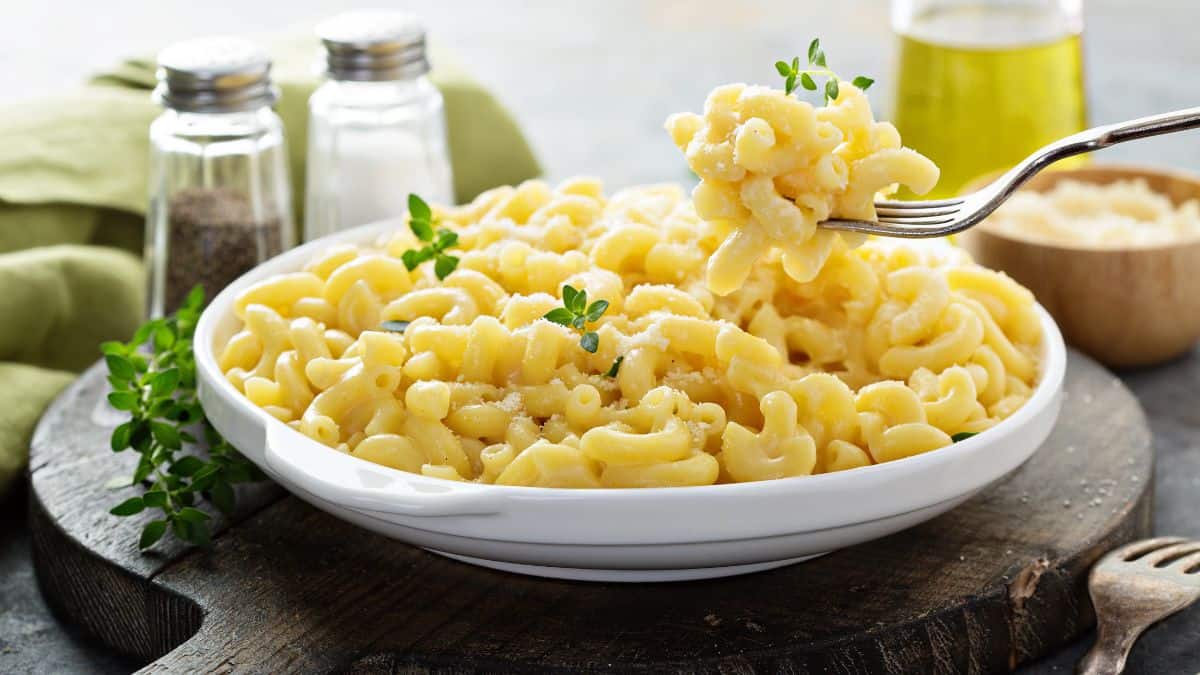
That velvety orange sauce from the blue box is pure nostalgia in a bowl, and a chemical romance in disguise. Powdered cheese is a cocktail of whey, milk fat, salt, and a touch of “sunset glow” dye that would make a traffic cone blush. It’s the kind of cheese that doesn’t melt; it dissolves, like magic dust that brings childhood memories back to life.
You stir it into hot noodles and suddenly remember snow days, Saturday cartoons, and not paying bills. The flavor isn’t really “cheese,” it’s comfort itself, mixed with science and a hint of denial. Deep down, this isn’t cheddar straight from a farm, but does it matter when it tastes like happiness in a bowl?
The “Natural Flavor” in Chicken Nuggets

“Natural flavor” sounds so innocent, doesn’t it? Like something picked fresh from a happy farm under a rainbow. In truth, it’s a top-secret blend of oils, extracts, and compounds engineered to make your taste buds crave more before your brain catches up. It’s basically culinary hypnosis, blink twice, and suddenly your 10-piece nugget is gone, leaving only a dusting of salt and shame.
You tell yourself it’s chicken, but that flavor symphony is part nostalgia, part wizardry. Food scientists have cracked the code on childhood cravings; "natural flavor” is their secret handshake. You don’t ask what’s in it because you don’t want to ruin the magic, or the dipping sauce moment.
The Corn Syrup in Ketchup
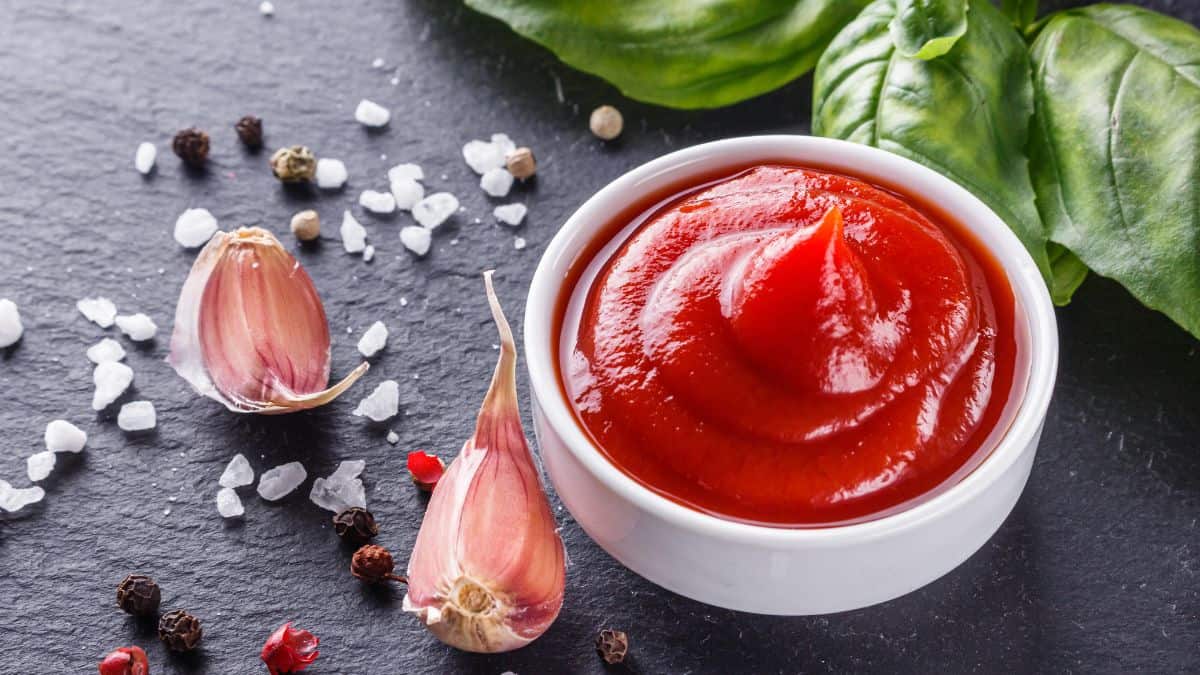
Tomatoes, vinegar, spices, and a sweet plot twist: corn syrup. It slides in smoothly, the uninvited guest who somehow becomes the life of the party. Every fry you dip feels a little like dessert in disguise, the sugar cutting through the tang just right. It’s so familiar that you don’t even question why your condiment tastes like candy. Somewhere in your brain, you know this isn’t how ketchup started, but your tongue doesn’t care.
That squirt of red sweetness is part nostalgia, part rebellion, and 100% sugar-coated denial. You call it a vegetable to feel better, even though deep down, it’s basically pancake syrup in disguise.
The Cellulose in Shredded Cheese

Pre-shredded cheese is one of life’s greatest conveniences. It never clumps, sticks, and pours perfectly like golden confetti over your tacos and pizza. You can thank cellulose, aka wood pulp, for that miracle. Yes, you’re sprinkling a little bit of the forest into your dinner, and somehow, it works.
The cellulose keeps your cheese dry and separate, like a tiny food bouncer making sure no curds get too close. It’s weirdly poetic: the trees that once held up the world now hold up your quesadillas. You can try to feel grossed out, but when that cheese melts over nachos at 2 a.m., you’re just grateful for the lumberjack magic holding it all together.
The Titanium Dioxide in Ranch Dressing
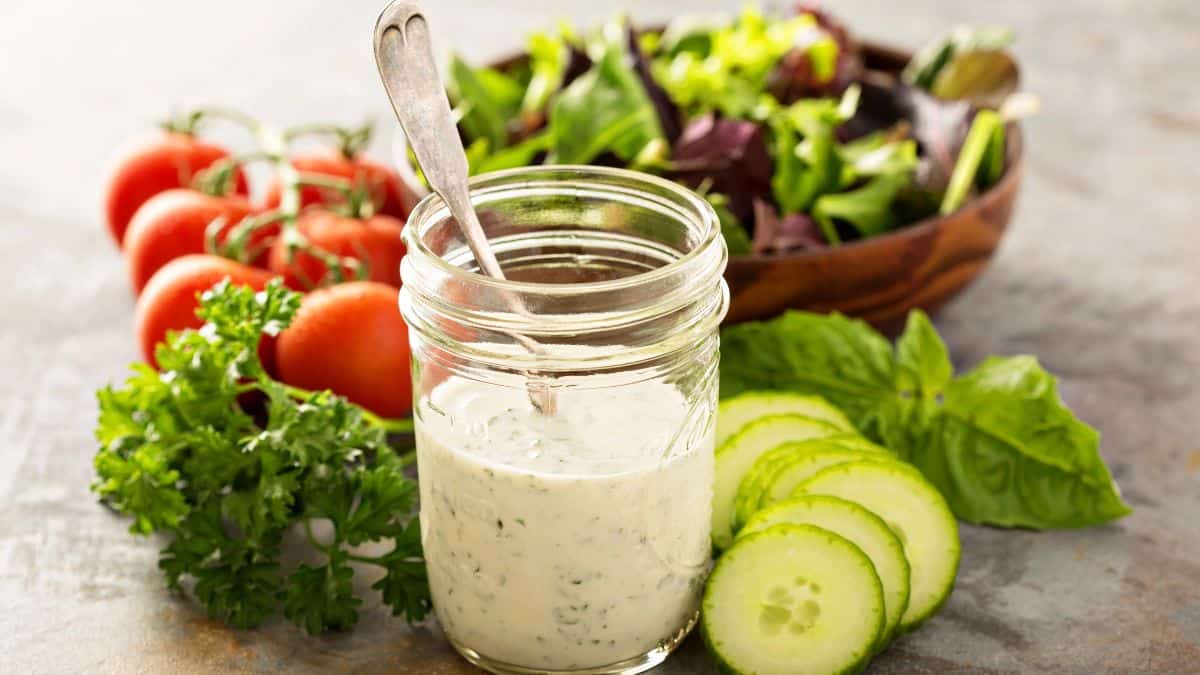
That pure white ranch dressing you drown your pizza in owes its glow to titanium dioxide, a whitening agent also used in sunscreen and paint. Yes, your salad is wearing makeup. It’s what gives ranch its dreamy, creamy look, the culinary version of a photo filter. The first drizzle hits your tongue, and all those questionable ingredients suddenly fade into the background.
Ranch doesn’t care about logic; it cares about loyalty. You could dip cardboard in it and still call it gourmet. It’s cool, creamy, and hiding just enough science to make you question your life choices mid-bite, but only for a second, because you’re already reaching for more.
The Propylene Glycol in Frosting
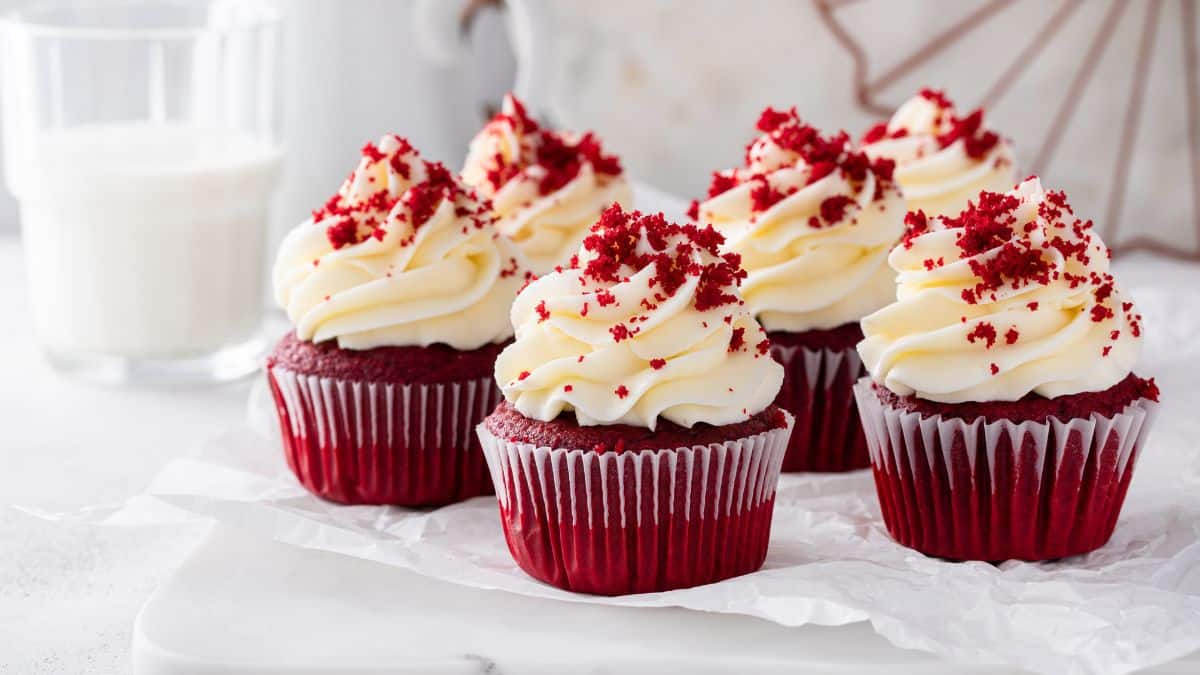
That fluffy, pastel frosting swirling on your cupcake? It owes its soft, never-dry texture to propylene glycol, a moisture preserver that shows up in antifreeze. Relax, it’s the food-safe version, but the overlap is… memorable. It keeps the frosting from crusting over after hours on a bakery shelf, ensuring every bite feels like a sugar cloud.
You could leave it out at a birthday party for days, and it would still look suspiciously perfect. There’s something both comforting and unnerving about that kind of resilience. It’s like the frosting has seen things, part sugar, part science, part survival story, and it’s not about to crack under pressure.
The Pink Slime in Ground Beef
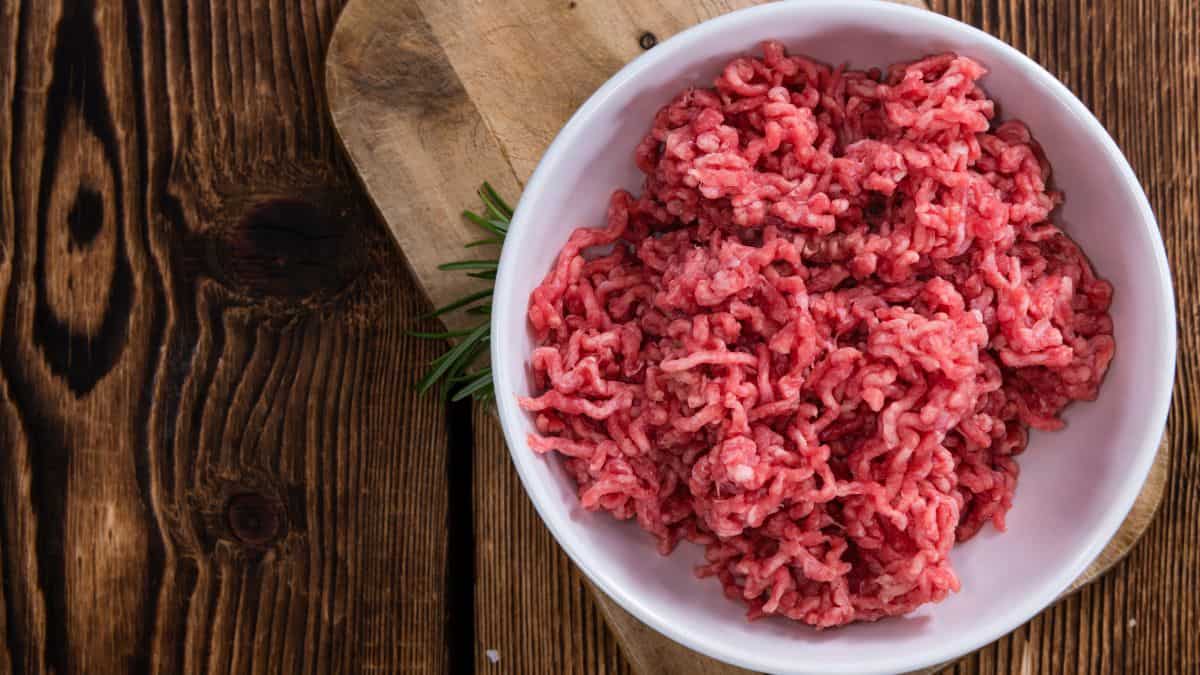
“Finely textured beef” sounds fancy enough to be served at a steakhouse, but it’s actually the polite name for pink slime, a blended beef byproduct that’s treated and folded into ground meat. You’ve probably eaten it in burgers, tacos, or meatloaf and never knew. It’s like the ghost of the meat world, present but invisible.
It might make you pause for a second, but then the smell of sizzling beef takes over, and all moral hesitation melts away. That’s the power of comfort food: one whiff of nostalgia and suddenly, you’re fine with eating mystery meat. Besides, with cheese and ketchup on top, it’s practically art.
The Sand in Table Salt
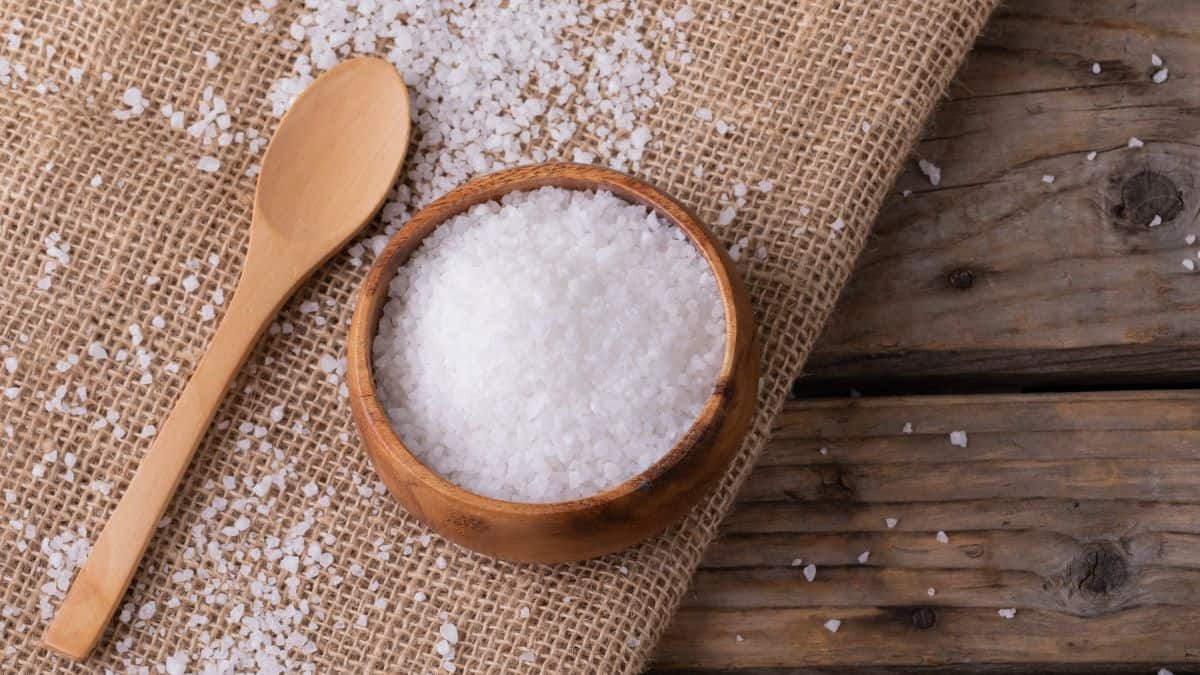
Salt is supposed to be simple, right? Just pure white crystals of happiness. Except most table salt also contains a pinch of silicon dioxide, the same stuff found in sand, to prevent clumping. That’s right, your fries are getting a microscopic beach vacation every time you season them. It’s not as bad as it sounds; it’s there to keep things smooth and pourable.
Once you know, it’s hard not to picture a tiny desert swirling through your shaker. The thought lasts for about one second before you drown your popcorn in it anyway. Because if it tastes good, who cares if it’s part sandcastle?
The Gelatin in Marshmallows
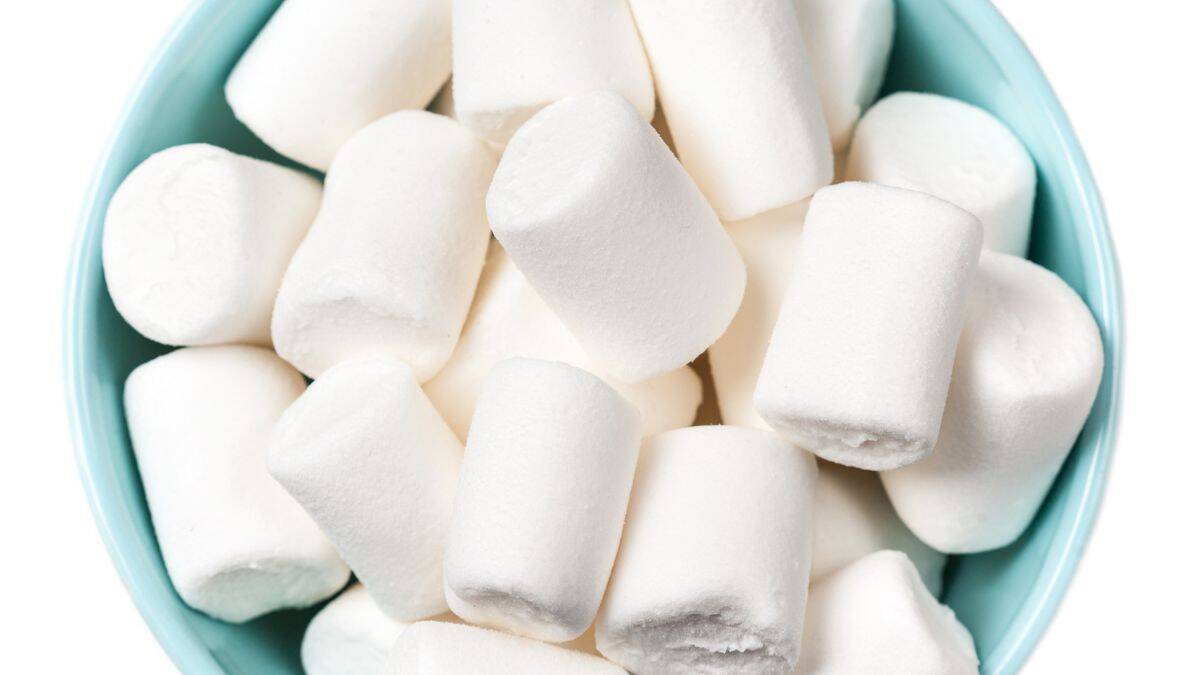
Those fluffy white pillows of joy are secretly built on gelatin, made from boiled animal collagen. It’s not exactly the bedtime story you want to tell your kids while making s’mores, but it’s true. Gelatin gives marshmallows their signature bounce, which toasts perfectly golden and gooey over a campfire.
The irony is almost poetic, you’re roasting sugar clouds held together by science and a hint of mystery. But the first bite erases any hesitation. That soft chew and sweet melt make it impossible to care about the process. You can’t be philosophical when your mouth is full of childhood magic.
The L-Cysteine in Bread
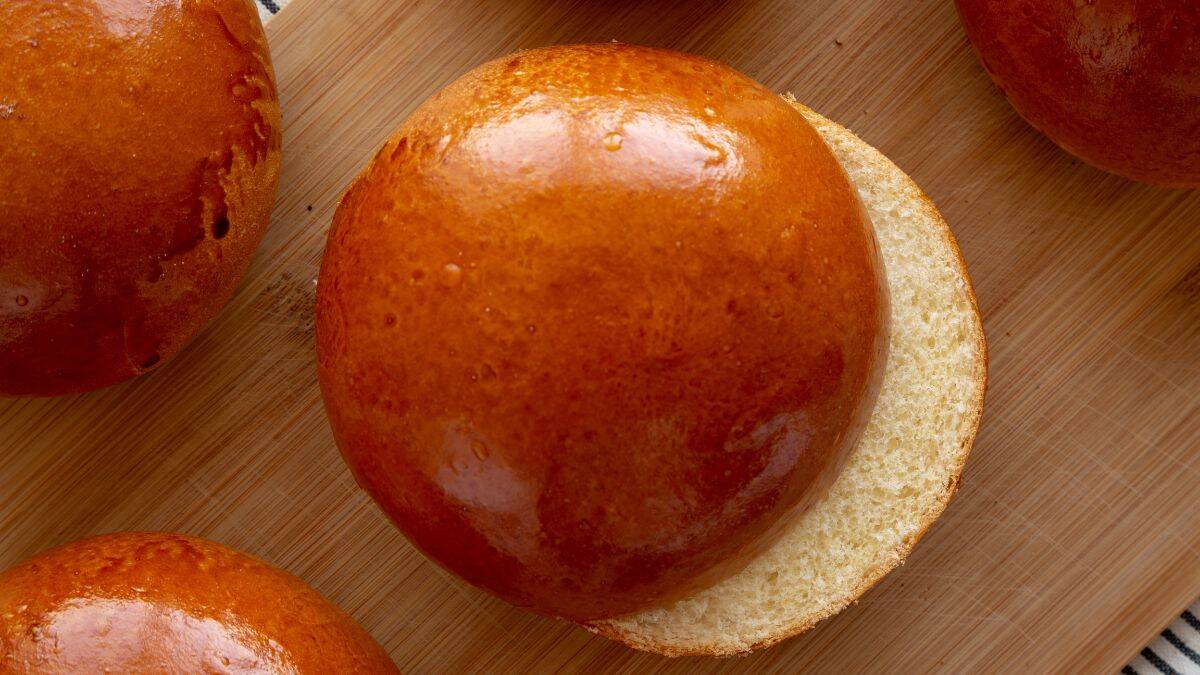
That soft, squishy hamburger bun or perfect sandwich roll might owe its tenderness to L-cysteine, an amino acid that can come from duck feathers or even human hair. Yes, hair. It’s processed beyond recognition, but it’s hard to unknow once you know.
Still, you take another bite because the bread is pillowy perfection, and you’re not about to let a feather ruin burger night. It’s one of those “don’t ask, don’t tell” ingredients that proves ignorance really is bliss. Besides, with enough condiments and fries on the side, who’s thinking about chemistry?
The TBHQ in French Fries
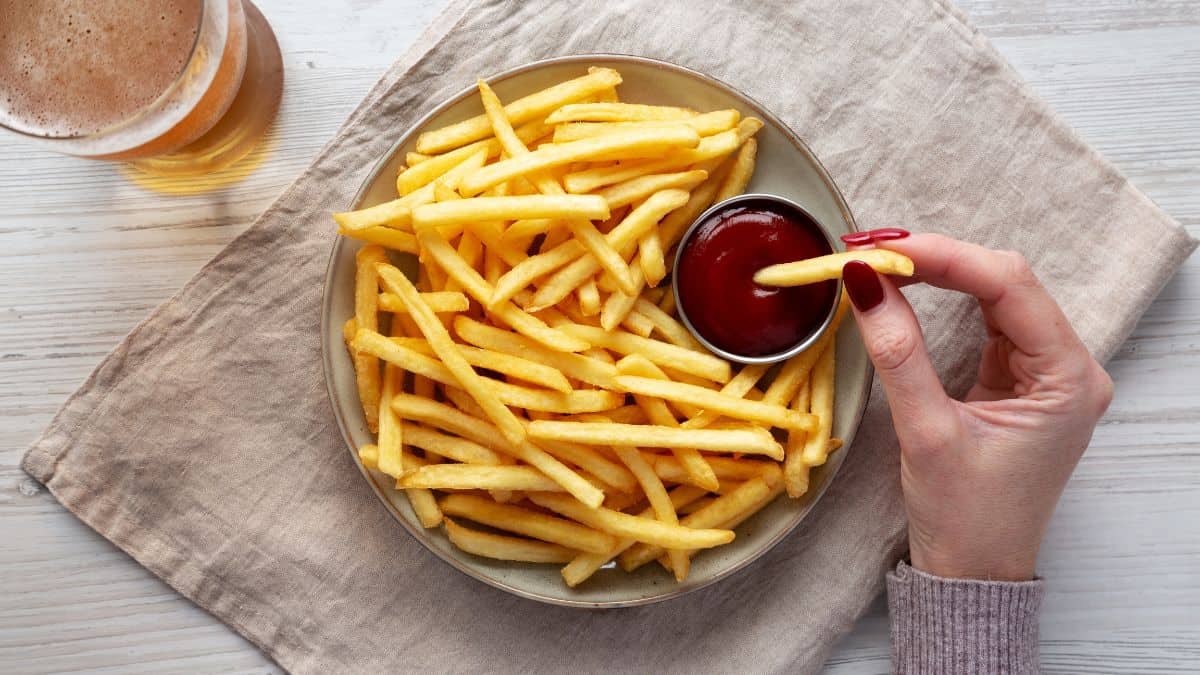
TBHQ sounds like the next K-pop sensation, but it’s a preservative that keeps fried foods fresh for ages. It stops oil from going rancid and lets your fries survive deep-freeze purgatory until you’re ready for them. You toss them in the oven, smell that unmistakable scent, and forget the acronym.
At that moment, it’s just golden perfection, crispy on the outside, fluffy on the inside, and scientifically engineered to make you weak in the knees. You could read the back of the bag and cringe, but once they’re out of the oven, the only letters that matter are F-R-I-E-S.
The Castoreum in Vanilla Flavoring

Once upon a bizarre time, “natural vanilla flavoring” sometimes came from castoreum, a secretion from beavers. Yes, beavers. Somehow, someone discovered that this animal gland had a sweet, musky aroma and thought, “Dessert!”
Thankfully, it’s rarely used today, but it remains one of the strangest food facts ever. Still, every time you sip a vanilla milkshake, you can’t help but wonder. It’s the perfect mix of curiosity and denial, with a cherry on top. Comfort food has always been part magic, part mystery, and sometimes part wildlife.
So maybe your favorite comfort foods aren’t as pure as they seem. They’re like old friends with a few secrets, still lovable, just slightly more complicated. Each bite is a tiny act of trust, a delicious blend of nostalgia, science, and a sprinkle of “don’t ruin this for me.”
That’s what makes them perfect. Sometimes, comfort isn’t about purity; it’s about the kind of flavor that makes you forget everything else, even if it comes with a side of mystery.



Leave a Reply