
We all fell for it: the glossy magazine covers, the influencers holding smoothie bowls like priceless artifacts, and the endless promises that one ingredient would change everything. Every trip to the grocery store suddenly felt like a treasure hunt for enlightenment in the form of something green, grainy, or grown on a distant mountaintop.
Want to Save This Recipe?
Enter your email & I'll send it to your inbox. Plus, get great new recipes from me every week!
By submitting this form, you consent to receive emails from Blue's Best Life.
These foods weren’t just snacks; they were statements. They said, “I care about my body,” while secretly whispering, “I’m not sure what this is, but everyone else is eating it.” Let’s take a bite-sized trip down memory lane to remember the so-called “superfoods” that turned out to be more marketing than magic.
Kale: The Leaf That Took Over the World
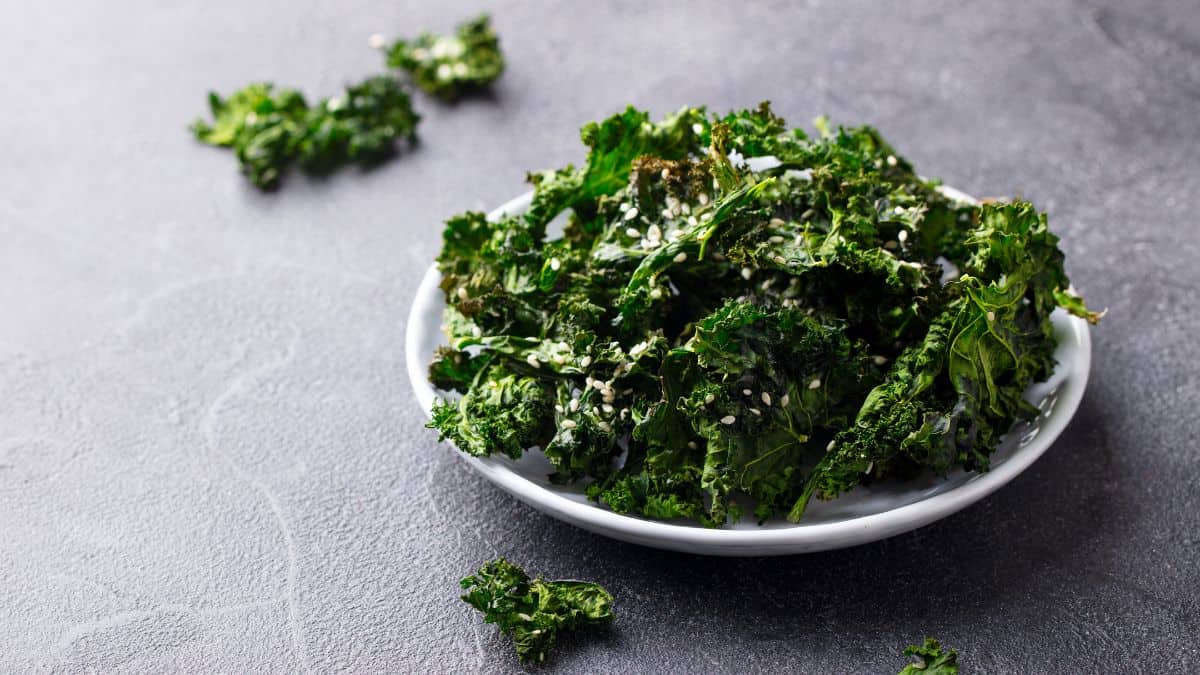
There was a time when kale, chips, smoothies, and even wedding centerpieces were everywhere. People were acting like eating it would turn you into a superhero with glowing skin and the ability to levitate.
Remember when restaurants started sneaking it into every salad like it was free gold? Somewhere out there, a spinach leaf is still offended.
Quinoa: The Grain That Made Everyone Feel Fancy

Quinoa strutted into our lives like the cool foreign exchange student nobody could pronounce. Suddenly, every recipe called for it. It’s fine, sure, but let’s be honest, it tastes like beige air with confidence.
People started calling it “keen-wah” like they were auditioning for a cooking show. Meanwhile, it clung to our forks and refused to leave the Tupperware, no matter how often we washed it. The hype said it would change dinner forever; reality said it was rice with a PR team.
Coconut Water: Nature’s Most Overrated Juice Box

Remember when coconut water was supposed to be “nature’s Gatorade”? Everyone drank it after yoga, pretending they were rehydrating from a marathon when they’d just done three downward dogs.
It’s basically slightly salty tree juice that costs more than a latte. You drink it once, and suddenly your fridge is full of half-finished cartons because you swear it “tastes better cold.” It doesn’t. The only real miracle is how it convinced the world that sipping tropical sweat was self-care.
Goji Berries: The Raisins of the Enlightened

These little red berries showed up like the Kardashians of the health aisle, tiny, expensive, and allegedly life-changing. People tossed them into everything from oatmeal to trail mix as if they were sprinkling youth itself.
They’re chewy, tangy, and mostly taste like regret and hope mixed. One handful costs more than a movie ticket, and for what? So you can say you “snacked on antioxidants” while secretly wishing it was a cookie? Somewhere, a humble grape is rolling its eyes.
Acai Bowls: Smoothie Meets Credit Card Debt

The acai bowl trend had everyone convinced breakfast needed to look like an art project. You couldn’t just eat it; you had to photograph it under perfect lighting. It’s basically a purple smoothie with fruit you already had, served in a bowl that costs $14.
Every influencer made it sound like enlightenment came free with granola. And let’s not forget the brain freeze from pretending it’s dessert when it’s really just glorified blended ice with exotic berries.
Matcha: The Green Dust of Pretentious Calm

Matcha looks peaceful, but don’t be fooled, it’s chaos in a cup. Every sip tastes like someone put lawn clippings through a tea strainer. But somehow, it became the symbol of serenity, served in cafes where everything costs extra and nobody smiles.
You order it once to feel sophisticated, then spend the next ten minutes pretending it’s not bitter despair in a mug. The marketing said Zen; your taste buds said, “Who hurt you?”
Chia Seeds: Tiny Beads of False Hope

Remember when everyone sprinkled chia seeds on everything like confetti at a diet party? Yogurt, pudding, smoothies, they were everywhere. People swore they’d keep you full for hours, but they mostly got stuck in your teeth until dinner.
They puffed up in milk like tapioca, which needed therapy. Someone, somewhere, decided that gooey frog-egg texture was “clean eating.” Meanwhile, we were pretending it wasn’t weird.
Turmeric: The Golden Child of Spices

Turmeric got the kind of buzz most celebrities dream about. Suddenly, everyone was drinking golden milk, posting about anti-inflammatory vibes like it was a new religion. Your kitchen counter looked like a crime scene after one spoonful; it stained everything but your actual health.
People started sprinkling it on eggs, coffee, and smoothies like a cure-all fairy dust. Turns out it’s just curry powder’s dramatic cousin who insists on being in every photo.
Avocado Toast: The Breakfast That Bankrupted Millennials
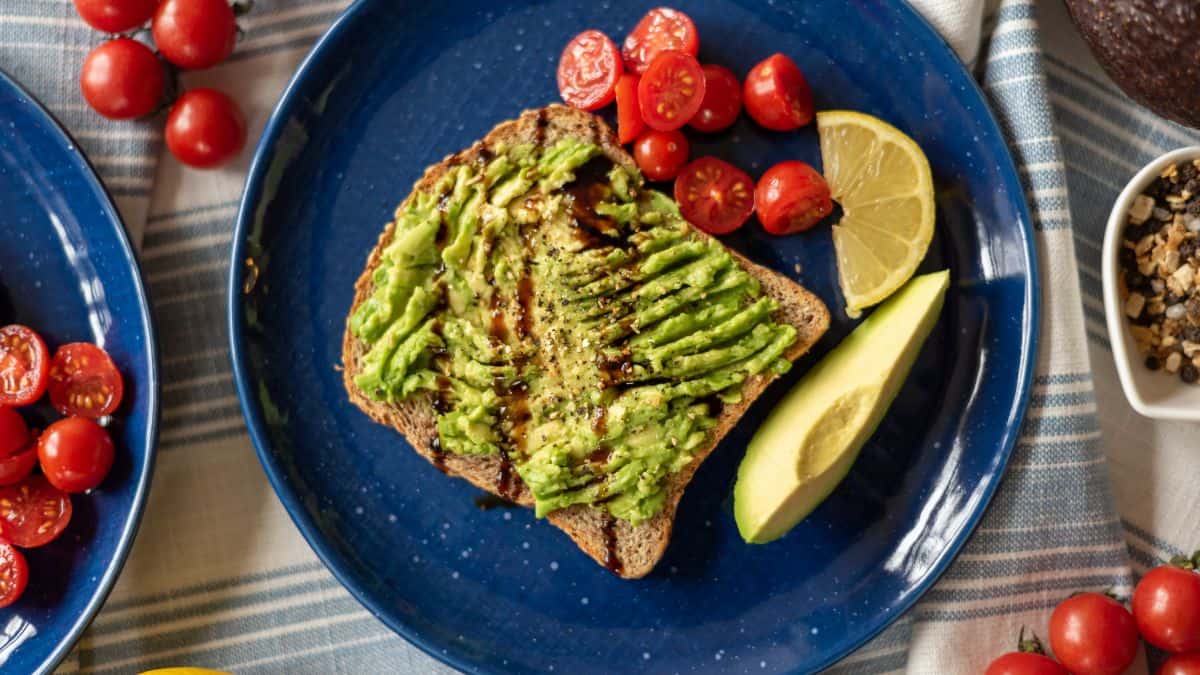
Avocado toast was supposed to be the future. And for a while, it was the edible version of ambition, creamy, photogenic, smug. You couldn’t scroll Instagram without seeing it perched on artisan bread like edible wallpaper.
Sure, it’s delicious, but it’s also why brunch costs more than your first car payment. Eventually, we all realized we’d paid $16 for mashed fruit on toast, and still didn’t own a house.
Charcoal Everything: The Goth Phase of Health Food
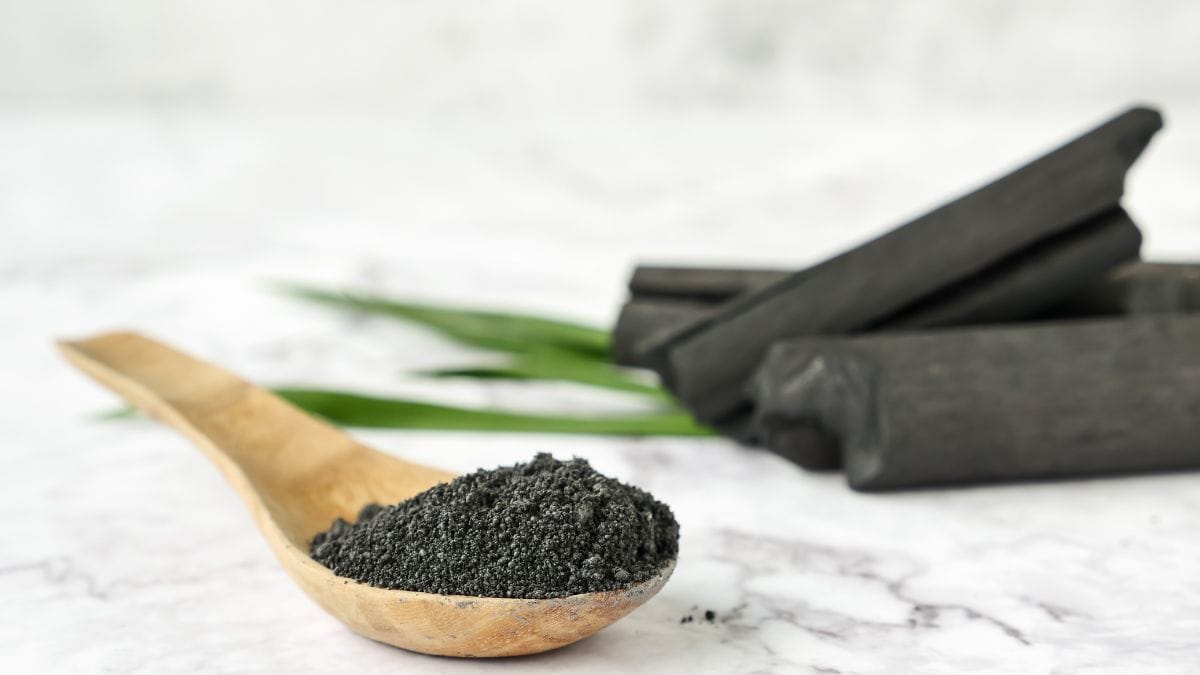
Activated charcoal was the detox trend nobody asked for. Suddenly, our ice cream, lemonade, and toothpaste looked like something Batman would drink. People said it “absorbs toxins,” but it mostly absorbed joy.
You’d be smiling after eating it, only to realize your teeth looked like you lost a fight with a chimney. It was a vibe, sure, but mostly a weird, gritty, jet-black lie we all pretended tasted good.
Celery Juice: The Boring Hero Nobody Needed

There was a moment when celery juice was the Beyoncé of wellness. Everyone blended it at 5 a.m. like they were auditioning for a detox documentary. Let’s be real: It’s water in a green costume.
It tastes like the inside of a lawnmower and promises miracles that never appear. People chugged it for “glow” and “clarity,” but it made you appreciate orange juice again. Somewhere, celery sticks just want their dip back.
Almond Milk: The Great Imposter of Dairy
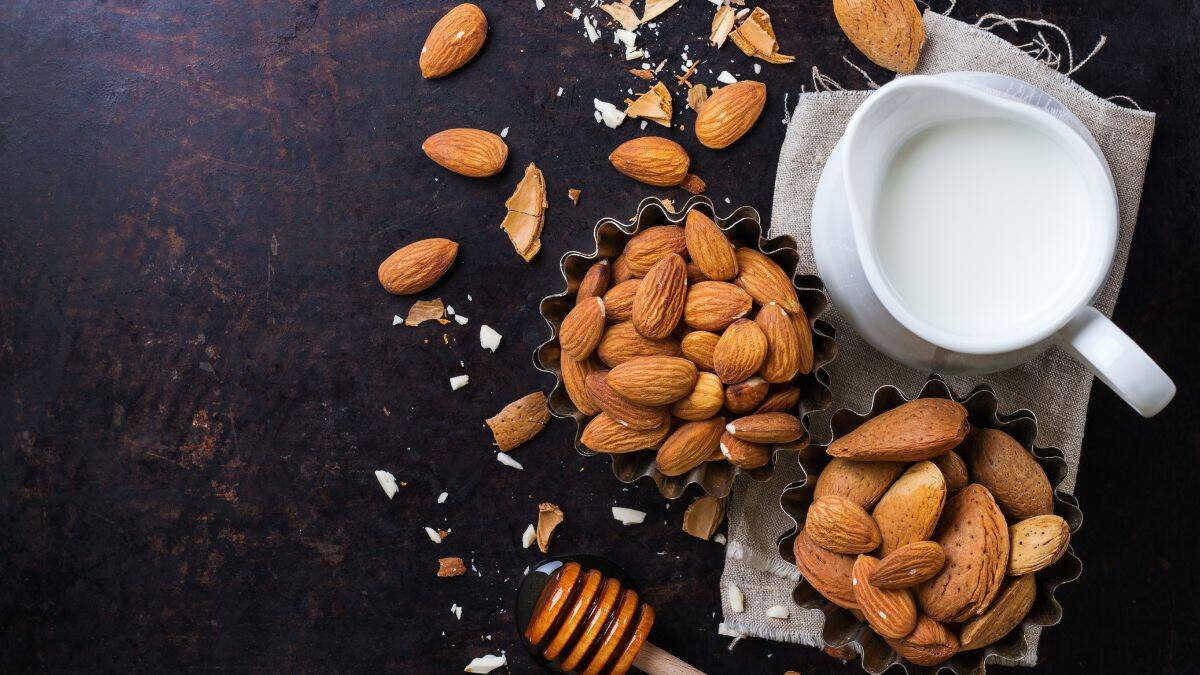
Almond milk marched in like it had something to prove, declaring war on dairy and winning hearts at every coffee shop. But here’s the secret: most brands contain about three almonds and a marketing bucket.
You’d need a hundred cartons to make one handful of nuts jealous. It’s watery, it separates if you look at it wrong, and it costs more than the milk from an actual living creature. Almond milk didn’t revolutionize lattes; it just made them taste like nut-flavored air.
Looking back, it’s funny how easy it was to believe that salvation came in smoothie form. We turned ordinary plants and powders into celebrity ingredients and called it wellness. Ultimately, these “miracle foods” gave us great Instagram photos, terrible receipts, and a collective case of kale fatigue.
Maybe the real superfood was never a food; it was our ability to convince ourselves that flavorless sludge could make us immortal. Now that’s some powerful marketing.



Leave a Reply