
When you go grocery shopping or order at a restaurant, you probably expect to get exactly what you paid for. But some of the world's most popular foods are often faked, diluted, or swapped for cheaper substitutes. This is called food fraud, which happens more than most people realize.
Want to Save This Recipe?
Enter your email & I'll send it to your inbox. Plus, get great new recipes from me every week!
By submitting this form, you consent to receive emails from Blue's Best Life.
Whether it's for profit or due to high demand, fake foods can be hard to detect and sometimes even unsafe. From oils to fish to honey, the items on this list are commonly counterfeited around the globe.
Olive Oil
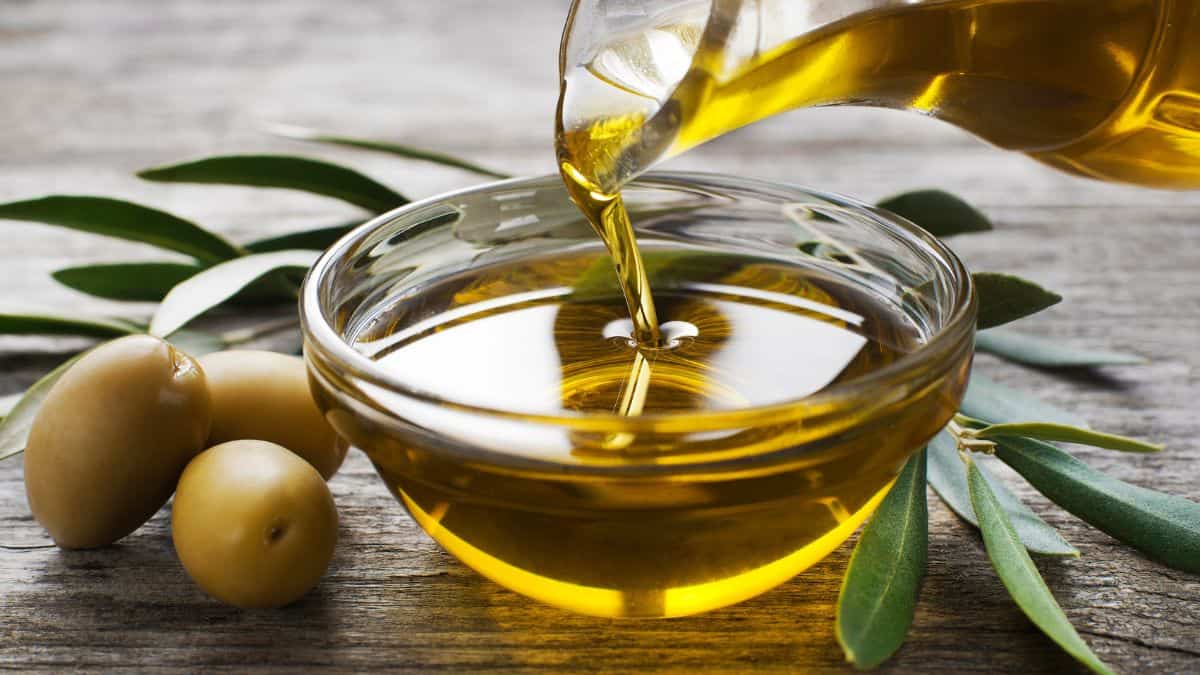
Extra virgin olive oil is one of the most counterfeited products in the world. Many bottles labeled as high-quality olive oil are actually mixed with cheaper oils like sunflower or soybean oil. This lowers the nutritional value and changes the taste and smell.
True extra virgin olive oil should have a strong, peppery flavor and a slightly bitter finish. It’s best to buy from trusted brands or producers with certification. Look for a harvest date and avoid oils that let in light in clear bottles.
Honey

Honey is often mixed with cheap sugar syrups like corn syrup or rice syrup. This makes it taste sweet, but it’s not the real thing. True honey has a unique texture, smell, and set of health benefits.
Some counterfeit honey also contains antibiotics or chemicals not meant for food. Buying raw or local honey from trusted beekeepers is a safer option. It may not be pure if it’s too cheap or crystal clear.
Parmesan Cheese
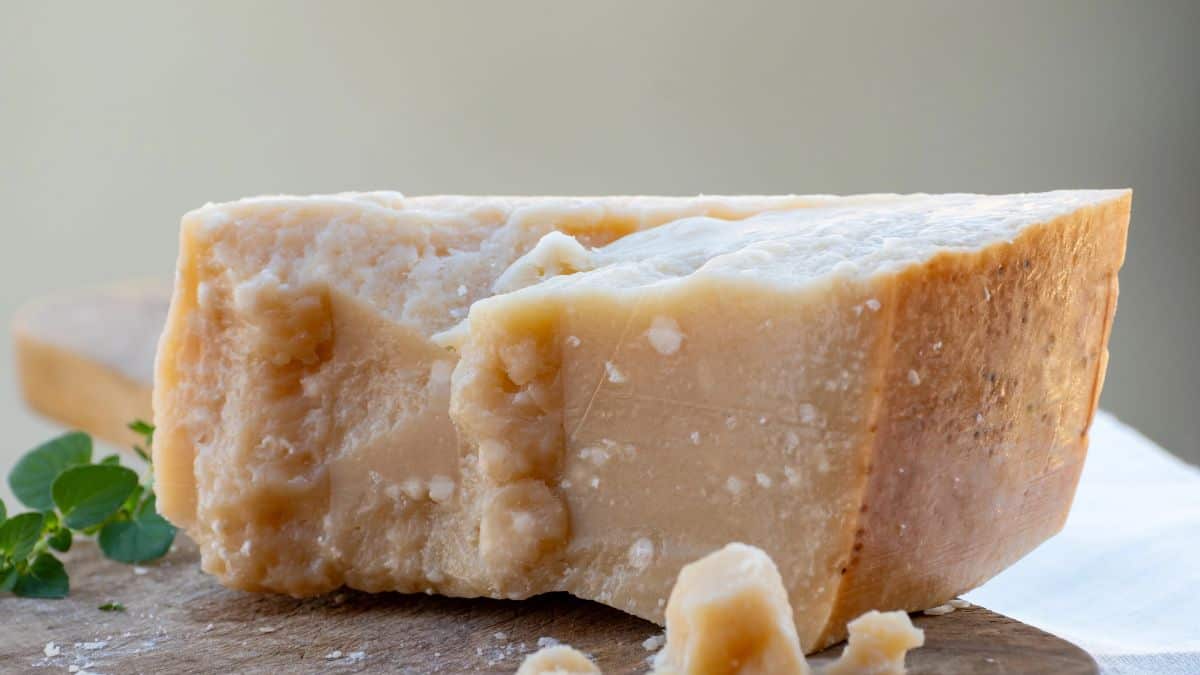
Authentic Parmesan cheese, called Parmigiano Reggiano, comes only from a specific region in Italy. Many brands use "Parmesan" but sell processed cheese with fillers and artificial flavors. True Parmigiano has a firm texture, a nutty flavor, and comes with a rind marked with its origin.
Grated Parmesan sold in a green shaker often contains wood pulp or anti-caking agents. To get the real thing, buy it in a block and look for the official stamp. You’ll taste the difference.
Truffle Oil

Truffle oil is known for its earthy, rich aroma, but most bottles don’t contain real truffles at all. Many are flavored with synthetic chemicals that mimic truffle scent. While it may smell strong, fake truffle oil lacks the complex flavor of the real thing.
True truffle oil is very expensive and rarely used in large amounts. If the price seems low, it’s probably fake. Check the ingredients for actual truffle pieces or truffle extract.
Wine

Wine is another product that’s often copied or mislabeled, costly bottles. Some bottles are diluted with cheaper wines or even colored with additives. Counterfeit wines can be hard to detect unless you know what to look for.
Wine fraud is most common in the luxury market, where rare bottles sell for thousands. Always use a trusted dealer or retailer to buy a high-end wine. Labels and corks can be faked too, so it’s important to do your research.
Maple Syrup
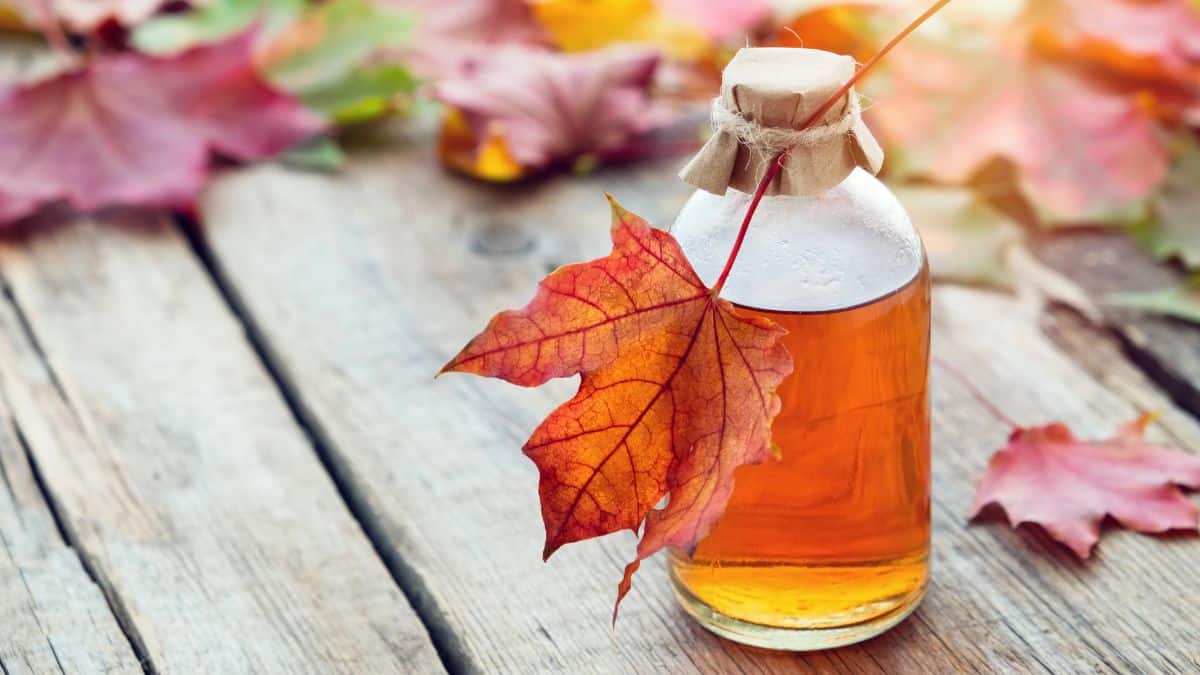
True maple syrup comes from the sap of maple trees, usually in North America. Fake versions are often made with corn syrup and artificial maple flavoring. While they may look the same, the taste and health benefits are not.
Real maple syrup has a rich, deep flavor and costs more than fake versions. If it’s labeled as “pancake syrup” or “maple-flavored,” it’s probably not the real deal. Check the ingredient list—real syrup should only have one ingredient: maple syrup.
Seafood
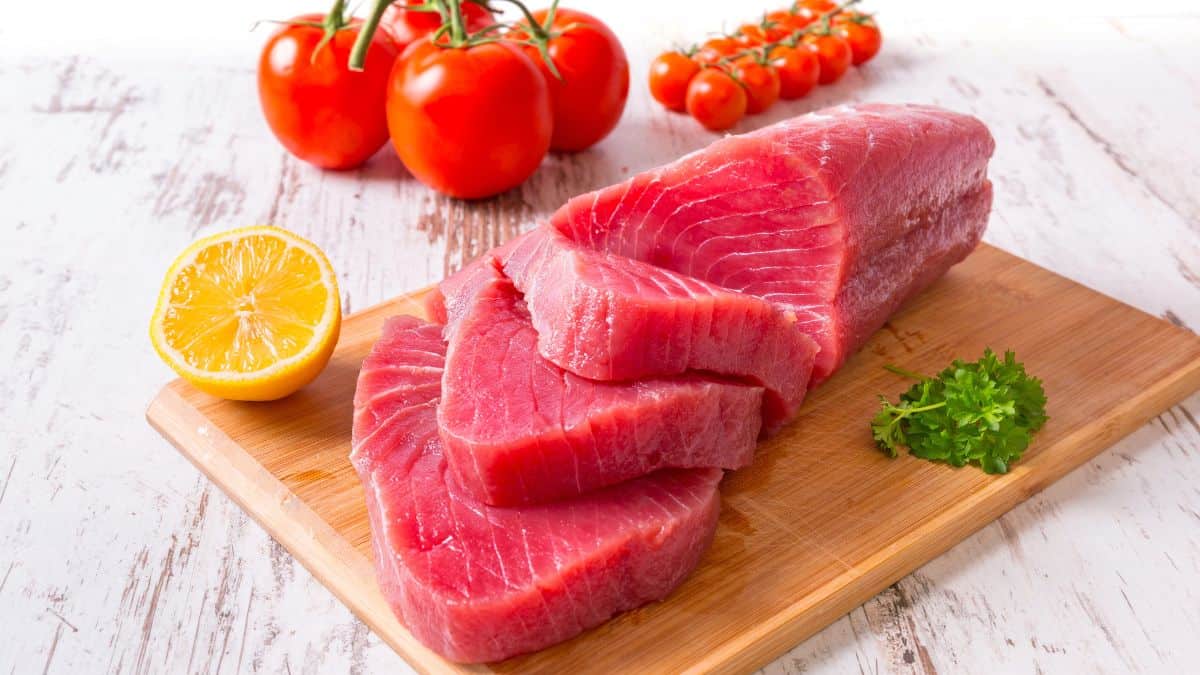
Seafood is one of the most mislabeled foods in the world. Expensive fish like red snapper, tuna, or grouper are often swapped with cheaper, lower-quality species. This can be dangerous, especially if the substitute fish contains higher levels of mercury or allergens.
Many people can’t tell the difference just by taste. To stay safe, buy seafood from reputable sellers and ask for sourcing information. Restaurants and grocery stores don’t always label correctly.
Coffee

Ground coffee can be mixed with cheap fillers like corn, barley, or even twigs and dirt in extreme cases. Instant coffee is especially vulnerable to this kind of fraud. Real, high-quality coffee has a strong aroma and complex flavor.
One way to avoid fakes is to buy whole beans and grind them at home. Stick to known brands and read reviews when buying online. It could be too good to be true if the price is unusually low.
Tea

Like coffee, tea is sometimes stretched with fillers such as colored leaves, herbs, or even sawdust. Expensive teas like matcha or oolong are especially targeted for counterfeiting. The color and taste might seem right, but the health benefits are reduced or missing.
Some fake teas even contain dyes or artificial scents. Buy loose-leaf tea from trusted brands and avoid overly processed bags. You can often tell real tea by the smell and the clarity of the brew.
Milk

In some parts of the world, milk is watered down and then thickened with substances like detergent, starch, or even chalk. This kind of food fraud is dangerous and illegal but still happens.
Even powdered milk can be fake or stretched with cheap materials. Always buy milk from regulated brands and look for quality seals. If the milk tastes strange or has an odd texture, don’t drink it. Safe dairy should come from a traceable source.
Fruit Juice

Many fruit juices are labeled as “100% juice” but contain added sugars, coloring, or cheaper juice blends. For example, pomegranate juice may be mostly apple or grape juice. This not only misleads consumers but also reduces the health value of the drink.
Real juice should list only one fruit in the ingredients. Buy cold-pressed or freshly squeezed juices when possible. Always read labels carefully and avoid drinks with too many added flavors.
Balsamic Vinegar
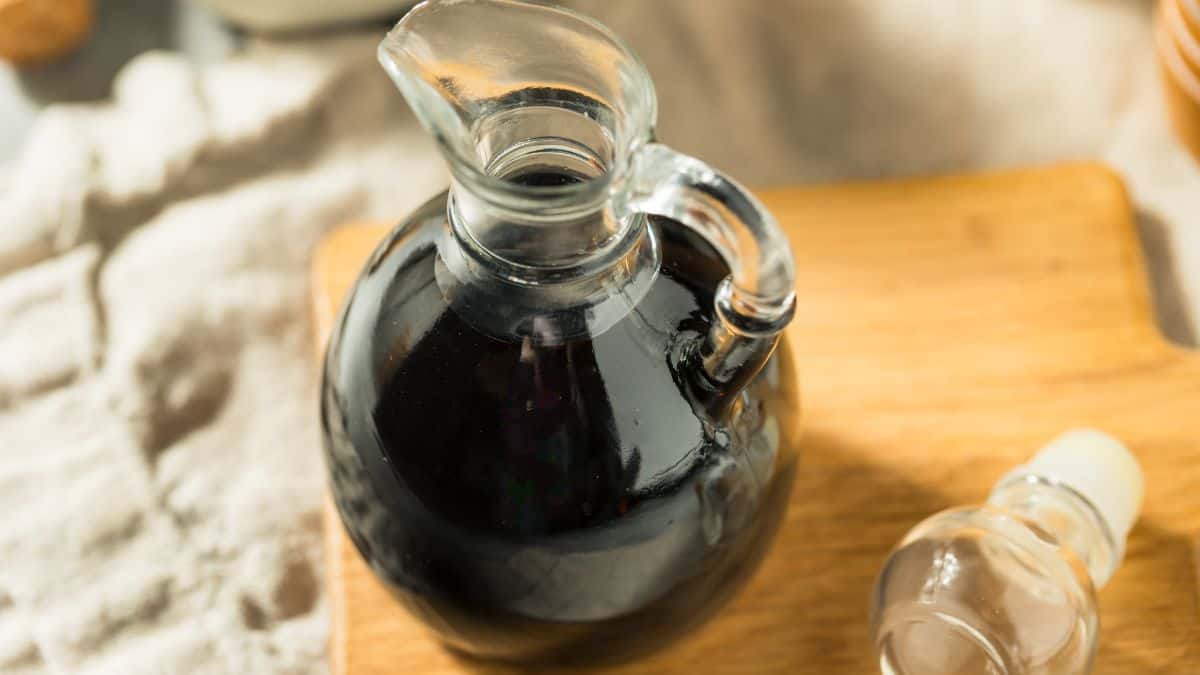
True balsamic vinegar comes from Modena, Italy, and is aged in wooden barrels for years. Fake versions are often just flavored wine vinegar with caramel coloring and sweeteners.
Real balsamic is thick, dark, and full of rich flavor. It also comes with a higher price tag and usually a seal of authenticity. If it’s watery and super sweet, it’s probably not the real thing. Look for “Aceto Balsamico Tradizionale” on the label.
Rice
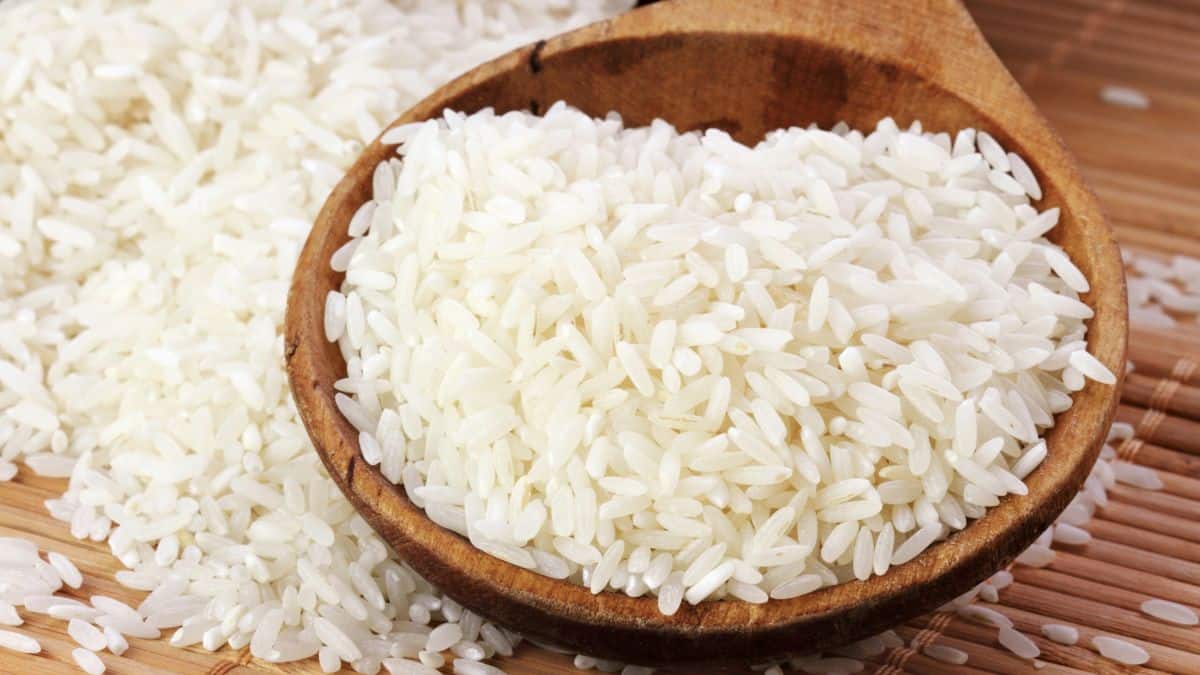
Rice fraud involves mixing high-quality rice with cheaper grains or even synthetic materials. Some reports have claimed that fake rice is made from plastic pellets, though this is rare.
More commonly, basmati or jasmine rice is mixed with plain white rice and sold at a higher price. Real fragrant rice should have a strong aroma and cook evenly. Buy rice from known brands and avoid bags with uneven shapes or strange smells. The grain quality should be consistent.
Spices
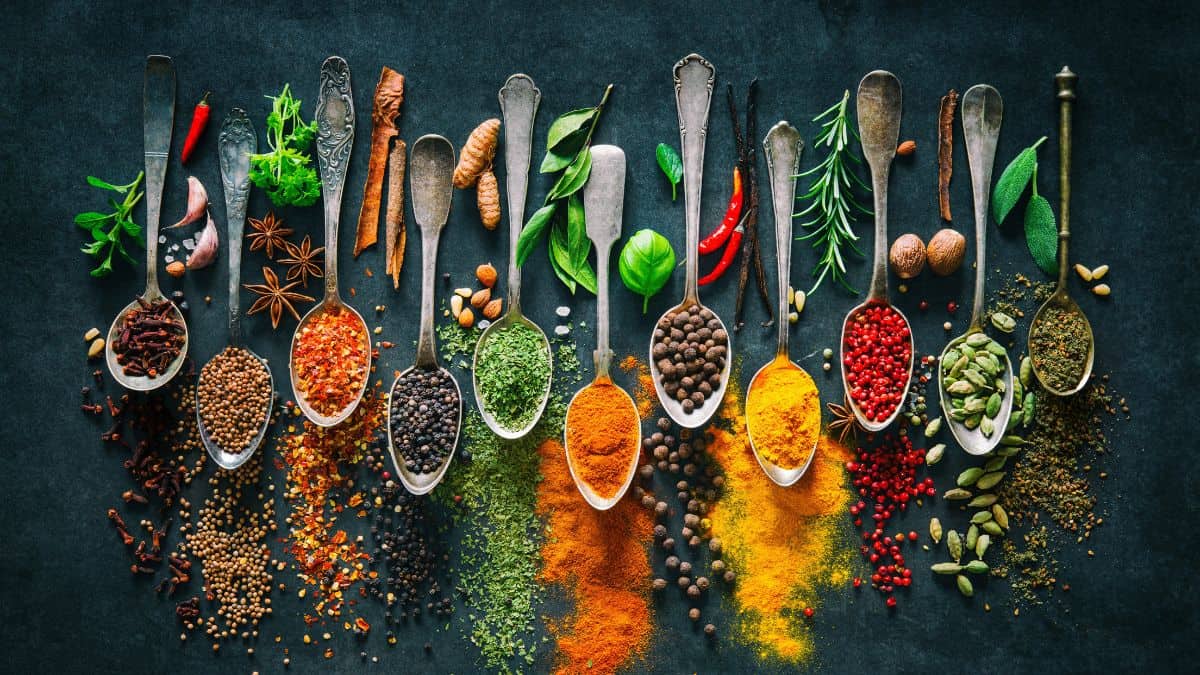
Ground spices like turmeric, saffron, and chili powder are often mixed with cheap fillers or colored with unsafe dyes. Saffron is one of the most expensive spices and is often faked with dyed threads or corn silk.
Turmeric may be stretched with starch or even harmful chemicals like lead. The best way to avoid fake spices is to buy whole spices and grind them yourself. High-quality spices should have a bold color and strong smell. If it looks too dull or too bright, it might be altered.
Chocolate
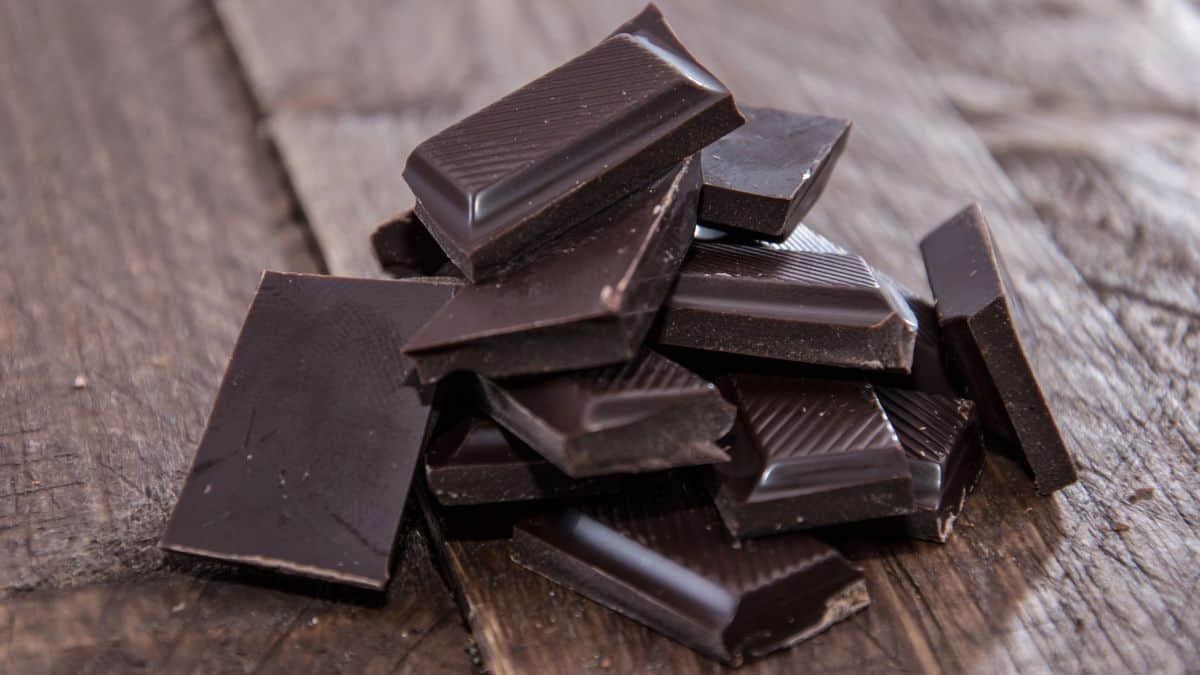
Some chocolate products are made with very little real cocoa and lots of sugar, fats, or artificial flavors. Counterfeit chocolate can taste waxy, overly sweet, or lack real cocoa's deep, bitter taste. Fake versions may use vegetable oils instead of cocoa butter, which lowers quality and flavor.
Real chocolate melts smoothly in your mouth and has a rich, layered flavor. Dark chocolate should list cocoa solids near the top of the ingredient list. Always choose brands with transparent labeling and high cocoa content.
Leave a Reply