
Eating out is fun, but sometimes the price on the menu doesn’t match what you’re actually getting. Restaurants often charge extra for certain items simply because of presentation, trendiness, or the atmosphere. People pay these high prices even though the same food costs far less at a grocery store or market.
Want to Save This Recipe?
Enter your email & I'll send it to your inbox. Plus, get great new recipes from me every week!
By submitting this form, you consent to receive emails from Blue's Best Life.
Sometimes it’s about convenience, but other times it’s just about the name. Looking closer, many of these foods are marked up way beyond their true value. Here are some of the most overpriced items you’ll see when dining out.
Avocado Toast
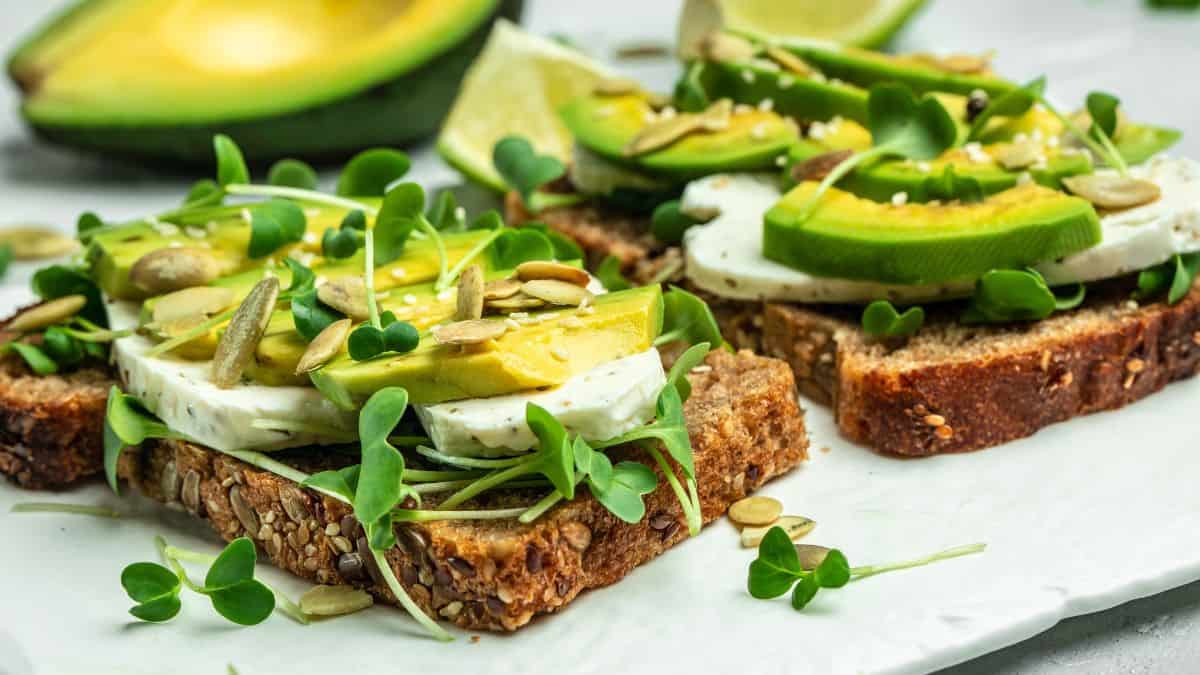
Avocado toast is a classic example of style over substance. At home, you can mash an avocado and spread it on bread for just a couple of dollars. In restaurants, the same plate can cost more than ten dollars.
The markup is tied to how trendy the dish has become, especially among brunch crowds. Restaurants know people will pay for the “experience.” The truth is, this meal is one of the simplest to recreate cheaply.
Bottled Water

Bottled water is another menu trap. You can buy a whole case at the store for the price of a single bottle at a restaurant. Many places charge more because they offer a “premium” brand or imported label.
In reality, it’s just water in a fancy container. People pay because they don’t want tap water or think it’s healthier. Still, it’s one of the easiest ways restaurants make a big profit.
Sushi Rolls

Sushi is delicious, but some rolls are heavily overpriced. Basic ingredients like rice, seaweed, and cucumber cost pennies. Add a slice of fish, and the price can jump to twenty dollars or more.
Specialty rolls often look pretty, but they’re no different from simple ones with minor changes. The cost is inflated by presentation and reputation. Unless you’re eating rare fish, the markup is huge.
Pasta Dishes

Pasta might seem like a hearty meal, but it’s cheap. Flour, water, and eggs form the base, and sauce ingredients are often inexpensive. Despite that, restaurants charge high prices for basic spaghetti or fettuccine.
The plate looks generous, but it costs just a few dollars to make. Customers pay more because of the setting and labor. It’s one of the easiest ways for restaurants to increase profit margins.
Steakhouse Sides
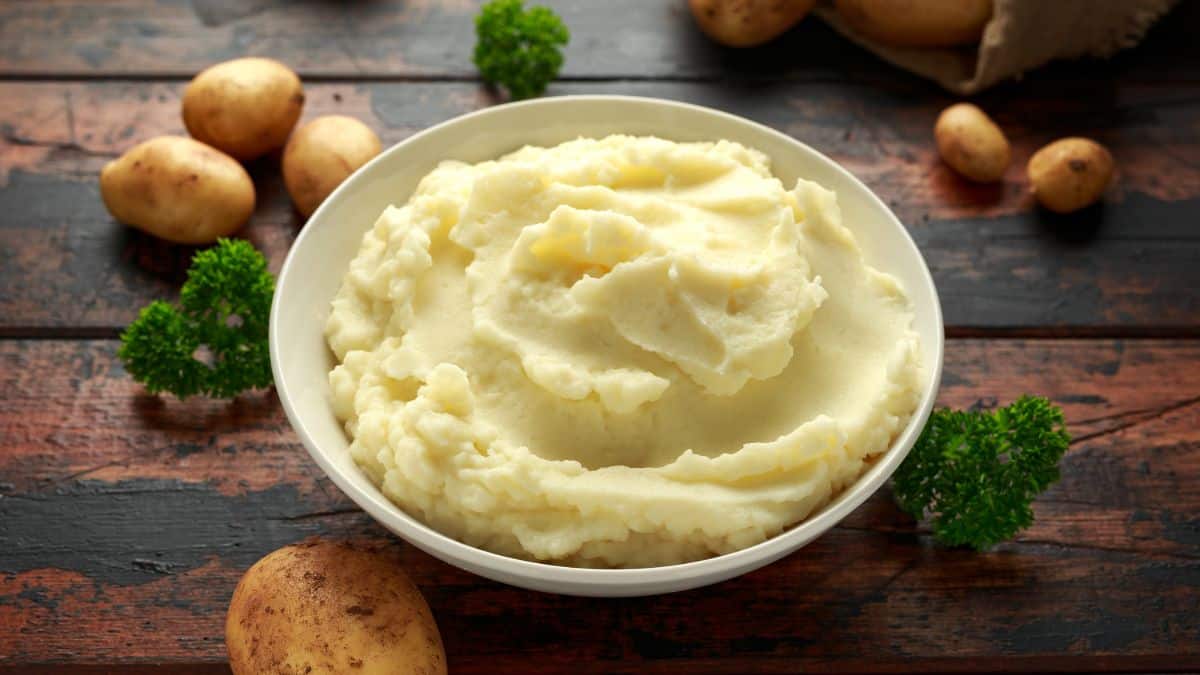
Sides at steakhouses are notoriously overpriced. Although mashed potatoes, creamed spinach, and vegetables are very cheap to prepare, they can cost ten to fifteen dollars each on the menu.
The steak is already pricey, but the sides push the total much higher. Diners feel pressured to order them to complete the meal. It’s a clever way to increase the bill without adding much cost for the restaurant.
Lobster
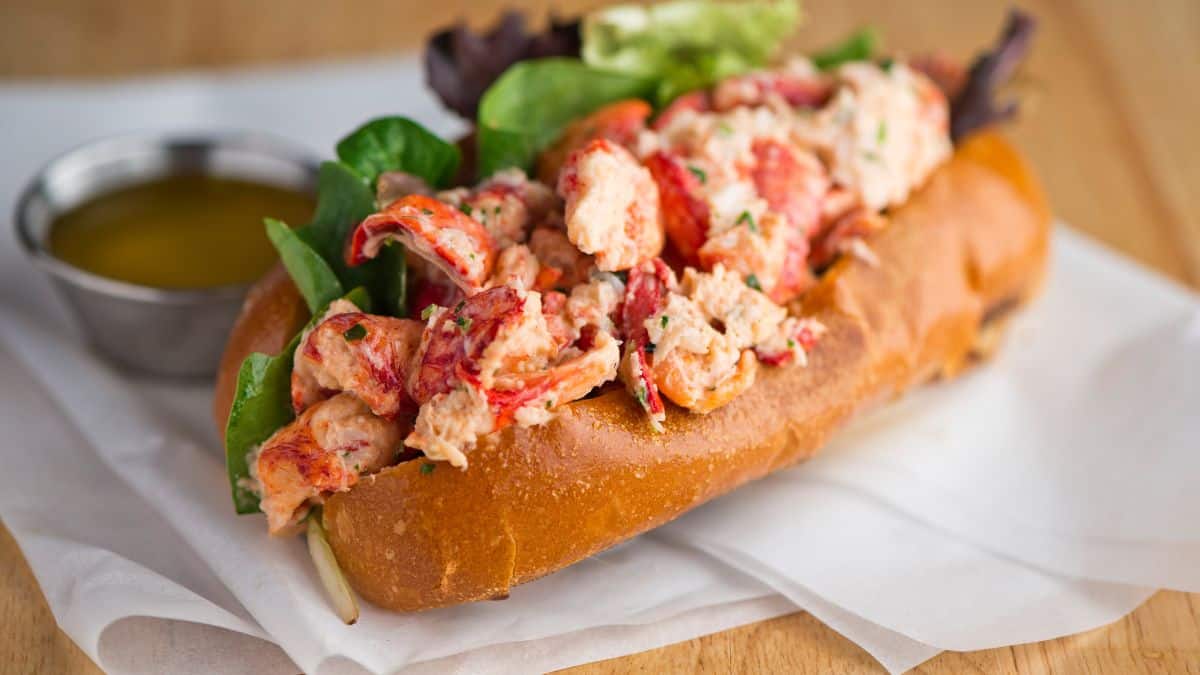
Lobster has always carried a reputation as a luxury item. While it was considered poor man’s food centuries ago, now it’s marketed as high-class. Restaurants charge a premium, especially when served whole or as tails.
The high price is more about status than ingredients. Even lobster rolls, which use simple bread and mayo, can cost thirty dollars or more. The markup is among the steepest in the seafood world.
Truffle Oil Dishes
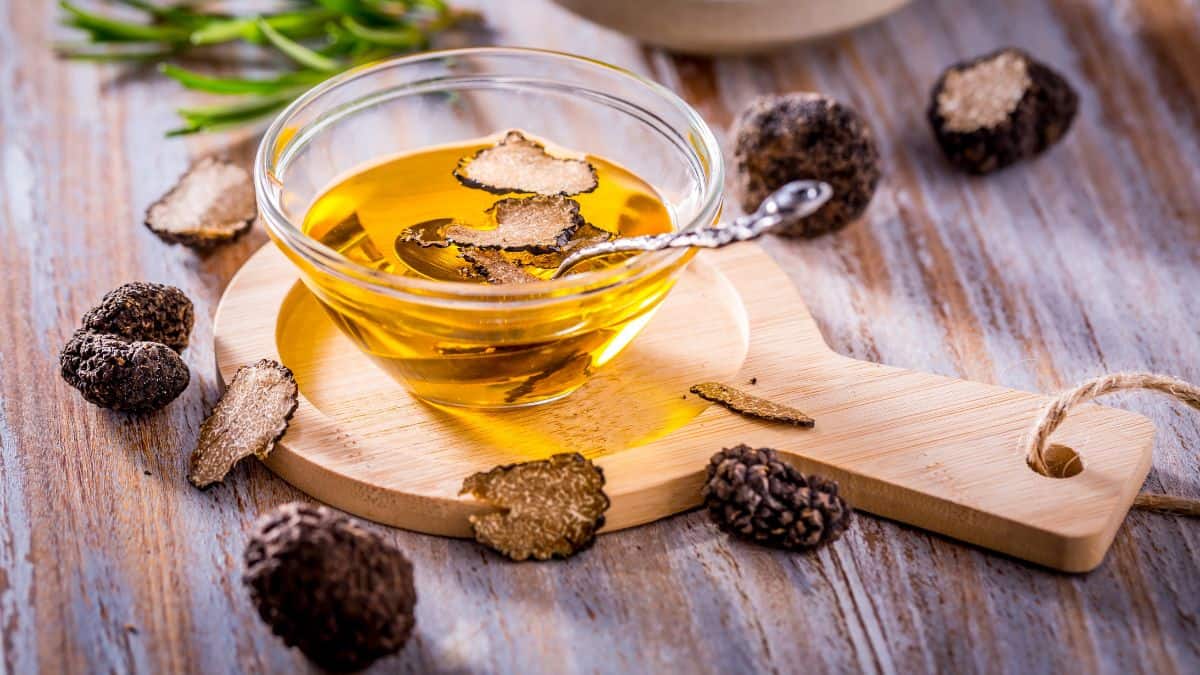
Anything with truffle oil is guaranteed to cost more. The funny part is that most truffle oil doesn’t actually come from real truffles. It’s usually flavored oil with synthetic additives.
Despite this, restaurants add it to fries, pasta, or pizza, dramatically raising the price. The idea of luxury convinces people it’s worth paying extra. In reality, it’s one of the most misleading menu add-ons.
Salads

Salads may seem healthy, but they’re rarely worth the price. Lettuce, cucumbers, and carrots cost very little when bought fresh. Add a little cheese, nuts, or dressing, and suddenly the price jumps to fifteen dollars.
Restaurants charge for convenience and presentation. People think it’s lighter and worth it, but they pay many times more than grocery value. Salads are one of the simplest dishes to make at home for a fraction of the cost.
Nachos

Nachos are another overpriced appetizer. Chips, cheese, and salsa cost just a few dollars each, but they can be priced at twelve dollars or more when ordered at a restaurant.
Add-ons like sour cream or jalapeños don’t justify the steep markup. The ingredients are inexpensive, and the portion size is often stretched with cheap fillers. Customers are paying for the atmosphere more than the food itself.
Guacamole

Guacamole is similar to avocado toast. A few avocados, onions, and lime juice make a simple bowl. At restaurants, the same portion can cost twelve to fifteen dollars.
People pay because it’s “table-side” or freshly prepared. But at home, you can make a huge batch for the same price. It’s one of the easiest dishes to mark up without diners realizing.
Smoothies

Smoothies look healthy and refreshing, but they’re often overpriced. A blend of fruit, ice, and yogurt can be made at home for just a couple of dollars. In cafés, the same drink might cost eight to ten dollars.
The markups are tied to branding and health appeal. Customers pay more because they feel like they’re buying wellness in a cup. The truth is, you can recreate the same quality at home for less than half the price.
Eggs Benedict

Eggs Benedict is a common brunch dish that feels fancy. But when you break it down, it’s just eggs, English muffins, ham, and sauce. These ingredients are very affordable at the store.
On a menu, the price often starts at fifteen dollars or more. The preparation takes a little time, but the markup is far beyond reason. Restaurants charge more simply because it’s a brunch favorite.
Cheesecake

Cheesecake slices at restaurants are another high-margin item. Cream cheese, sugar, and eggs are inexpensive basics. Yet a single slice of cheesecake can cost eight to ten dollars.
When baked at home, a whole cheesecake costs the same amount. Customers pay because desserts feel like a splurge. Restaurants know this and use it to their advantage.
Pizza by the Slice
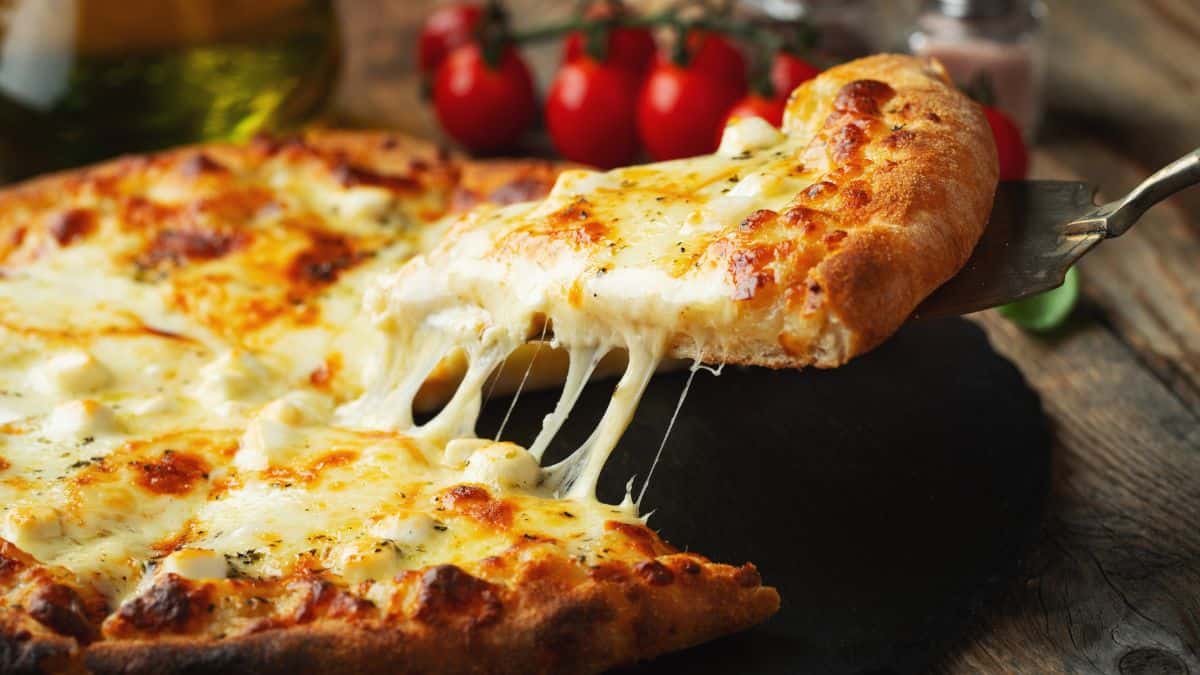
Pizza by the slice is another example of paying more for convenience. Flour, sauce, and cheese cost just pennies per piece. Yet a slice can cost four to six dollars depending on the city.
Multiply that by a few slices, and the cost quickly adds up. Whole pizzas are often cheaper when broken down per slice. Restaurants profit heavily from customers who only want a quick snack.
Oysters

Oysters are marketed as a high-end treat. In reality, they’re not that expensive to source. However, restaurants often charge three to four dollars per oyster.
A dozen can end up costing over forty dollars. The markup is justified by presentation and the perception of luxury. The price is far higher than it should be for what you're eating.
Leave a Reply