
Few food debates get people as worked up as what really counts as a sandwich. For some, the definition is simple: something placed between two slices of bread. But others argue that many foods, even those we don’t usually call sandwiches, also fit the description. These arguments show how flexible, fun, and sometimes frustrating food categories can be.
Want to Save This Recipe?
Enter your email & I'll send it to your inbox. Plus, get great new recipes from me every week!
By submitting this form, you consent to receive emails from Blue's Best Life.
From hot dogs to burritos, these items keep sparking debates at kitchen tables, in restaurants, and online. Let’s look at fifteen foods that might actually be sandwiches, depending on how you see it.
Hot Dogs and the Endless Debate

One of the most common arguments is whether a hot dog is a sandwich. At first glance, a hot dog bun holds meat inside bread, which matches the sandwich rule. Still, many people argue that the bun is usually connected at one side, making it more like a roll than two slices.
Fans of hot dogs say calling it a sandwich feels wrong because it’s its own food category. On the other hand, dictionary definitions often include hot dogs as sandwiches.
Wraps and Their Sandwich-Like Nature
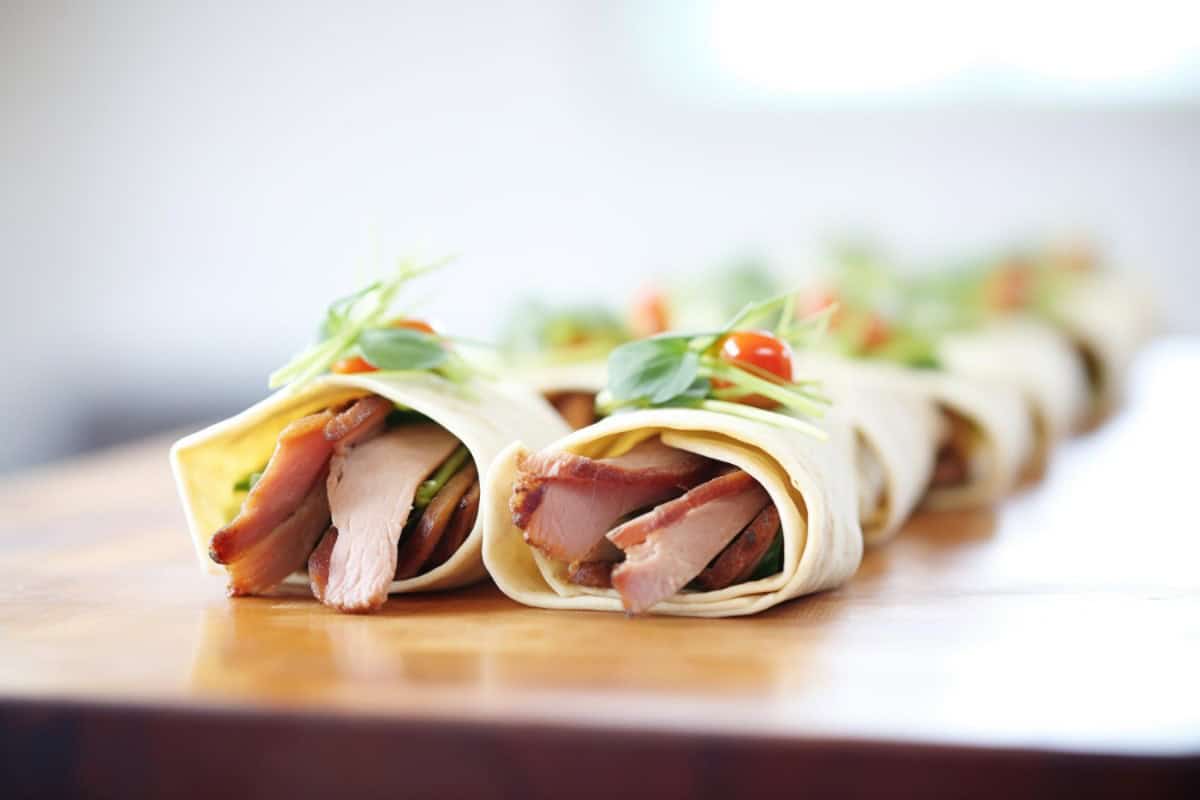
Wraps are another gray area in the sandwich debate. Instead of two slices of bread, they use a tortilla folded around fillings. Some say this makes them closer to burritos than sandwiches. However, the U.S. Department of
Agriculture once ruled that wraps count as sandwiches because the bread-like layer still encloses the filling. This ruling upset people who feel the sandwich title should stick to slices of bread. No matter which side you choose, wraps highlight how flexible the sandwich label has become.
Burritos in the Spotlight
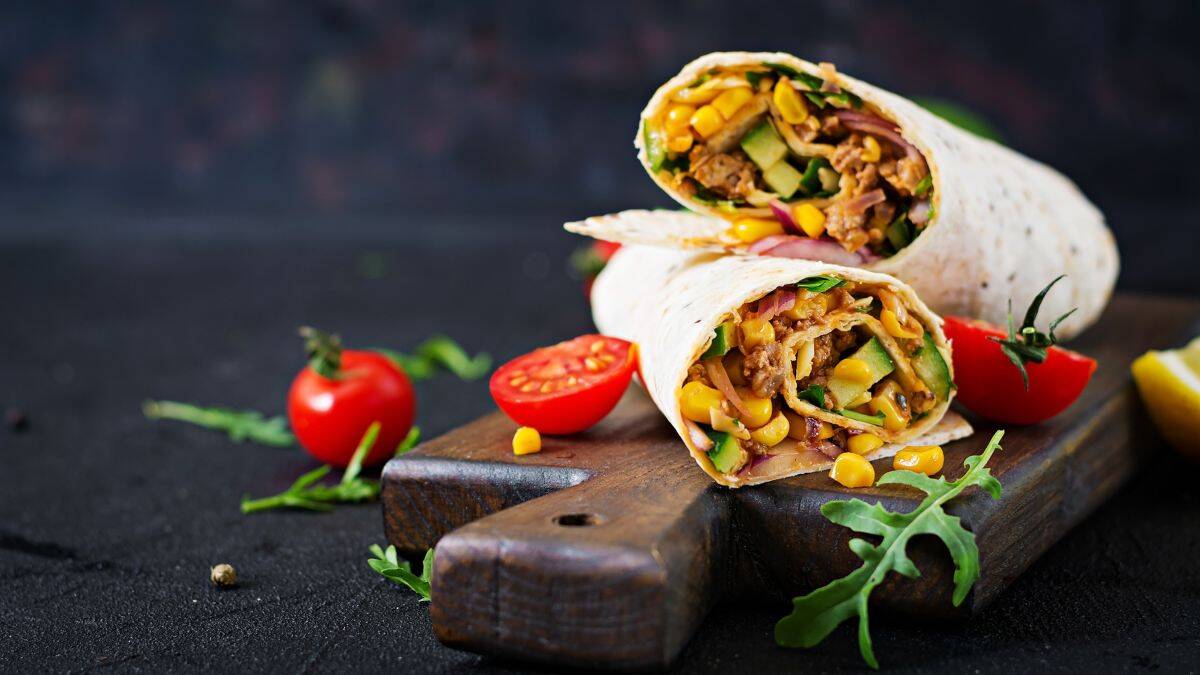
Burritos take the wrap argument further since they are completely sealed. With rice, beans, and meat packed inside a tortilla, they feel more like their own tradition. Some argue they cannot be sandwiches because they are fully enclosed, not open on any side.
Others say if the definition is food inside bread, burritos clearly qualify. Burritos also bring cultural differences into the debate, as many see them as strictly Mexican food, not American sandwiches. This mix of tradition and definition makes burritos one of the most hotly debated examples.
Tacos and Their Open-Faced Question

Tacos create another tricky situation. They are often served in tortillas that fold around the filling but don’t fully close. Some claim this is similar to a sandwich because it involves bread and filling. Others argue that tacos are too unique to be grouped with sandwiches.
Even legal rulings have drawn lines between tacos and sandwiches in restaurant zoning cases. This shows how strongly people feel about protecting food identities while still wrestling with definitions.
Gyros with Their Pita Pockets
Greek gyros are a perfect example of cultural foods entering the sandwich argument. Gyros use pita bread filled with meat, vegetables, and sauce. They look similar to wraps but have a more traditional Mediterranean style. Some diners easily call them sandwiches because the pita acts like bread.
Others see gyros as their own food family that shouldn’t be grouped in with sandwiches. This shows how food heritage can influence what people are willing to call a sandwich.
Falafel Pitas and Sandwich Comparisons
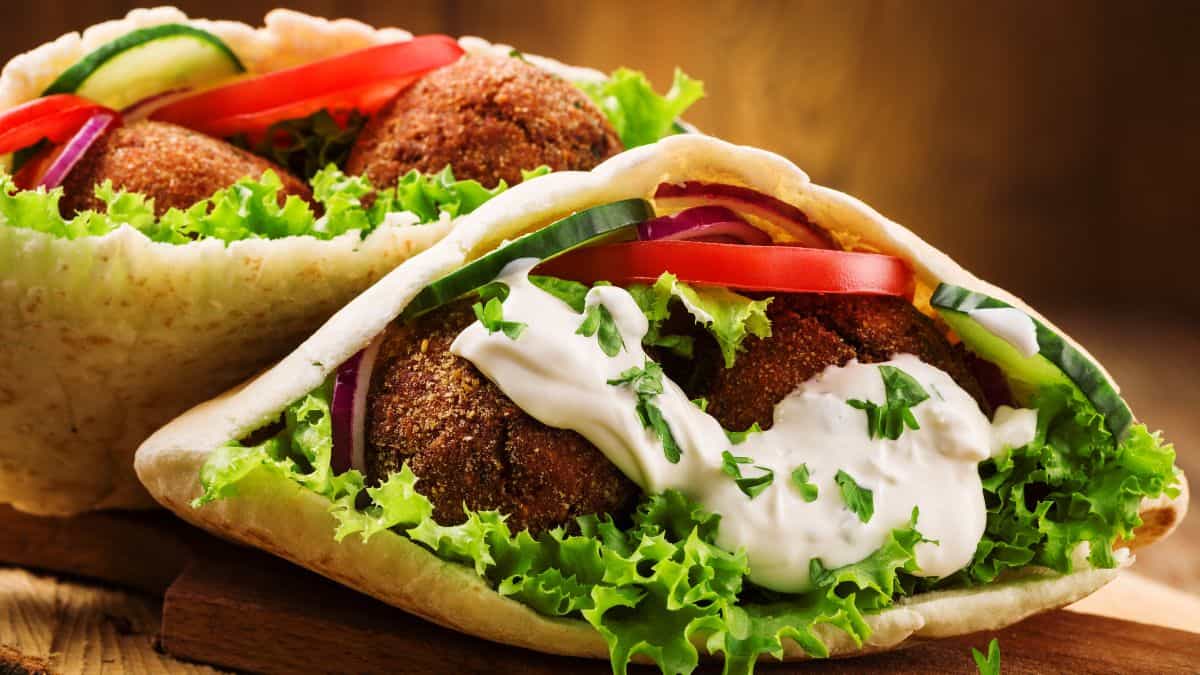
Falafel served in pita bread adds another layer to the conversation. Just like gyros, pita bread is used as the base and stuffed with fillings. Technically, this matches the sandwich definition. Still, many feel falafel belongs to Middle Eastern cuisine and should be recognized separately.
The sandwich label might feel like it strips away its cultural identity. Yet when served at food trucks in America, falafel pitas are often advertised as “Mediterranean sandwiches,” which fuels the debate.
Subs and Hoagies Across Regions
Submarine sandwiches, also called hoagies or heroes, are perhaps the least controversial on this list. They clearly fit the definition, with long rolls cut open and filled with meats and toppings. However, the name changes depending on the region, creating confusion.
Some areas consider them more than sandwiches, treating them as special food categories. Their sheer size and variety also make them feel unique. Even so, despite the naming debates, subs stand as one of the clearest examples of a sandwich.
Ice Cream Sandwiches and Sweet Twists
Dessert also plays a role in the sandwich conversation. Ice cream sandwiches use cookies or wafers as the “bread” and ice cream as the filling. Technically, they meet the sandwich definition but in a sweet form. Some people say dessert versions shouldn’t count because they don’t use traditional bread. Others argue that the structure is exactly the same, so the name makes sense. This example proves how creative the sandwich idea can become when applied beyond savory meals.
Grilled Cheese and Its Simplicity
Grilled cheese sandwiches seem straightforward, but some still debate their place. Technically, they involve melted cheese between two slices of bread, cooked until crispy. Some say they are too simple to be considered part of the “sandwich debate.”
Others argue that because the bread is cooked differently, they deserve their own recognition. Yet grilled cheese is always grouped as a sandwich in diners and cookbooks. This one shows how tradition can settle debates more easily than technical definitions.
Burgers as Sandwiches in Disguise
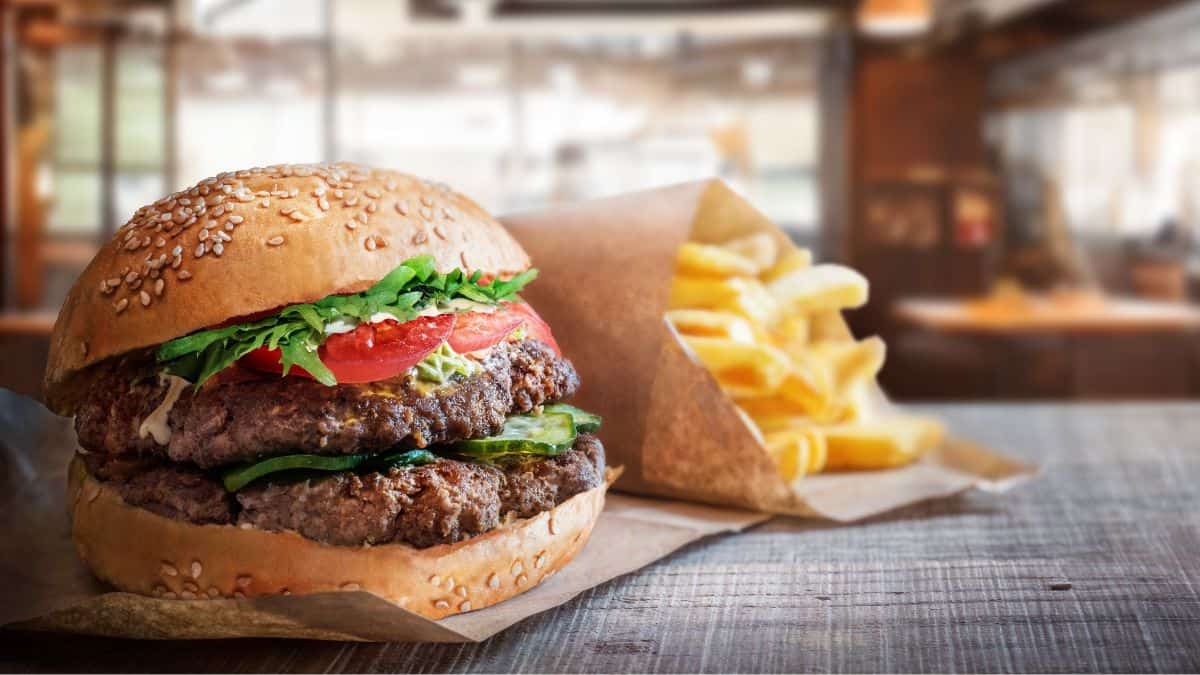
Most people don’t think twice about burgers; they are technically sandwiches. A burger is just meat, cheese, and toppings between two buns. Restaurant menus even place burgers in the sandwich section at times. Still, some diners feel a burger is so popular that it deserves its own category.
Others argue the bun shape and thicker fillings make burgers a unique type of meal. Whether you see them as part of the sandwich family or standing on their own, burgers show how blurry these definitions can get.
Calzones and Their Enclosed Structure
Calzones are often compared to pizza, but they also fit into the sandwich argument. With dough folded around fillings, they resemble a fully enclosed pocket. Some call them the Italian cousin of the sandwich. Others say they are closer to pies because of their baked crust.
The debate over calzones shows how cooking style can affect how we classify foods. Whether pizza pocket or sandwich, calzones highlight the blurred lines between categories.
Pop-Tarts and the Breakfast Question
Pop-Tarts might surprise people on this list, but they deserve attention. They are pastries with filling sealed between two crusts. By structure, this resembles a sandwich, just sweet and pre-packaged.
Most people see them as breakfast items, not sandwiches. Still, their layered construction keeps them in the debate. This shows how packaging and marketing can change what people are willing to call a sandwich.
Lobster Rolls and Their Classification
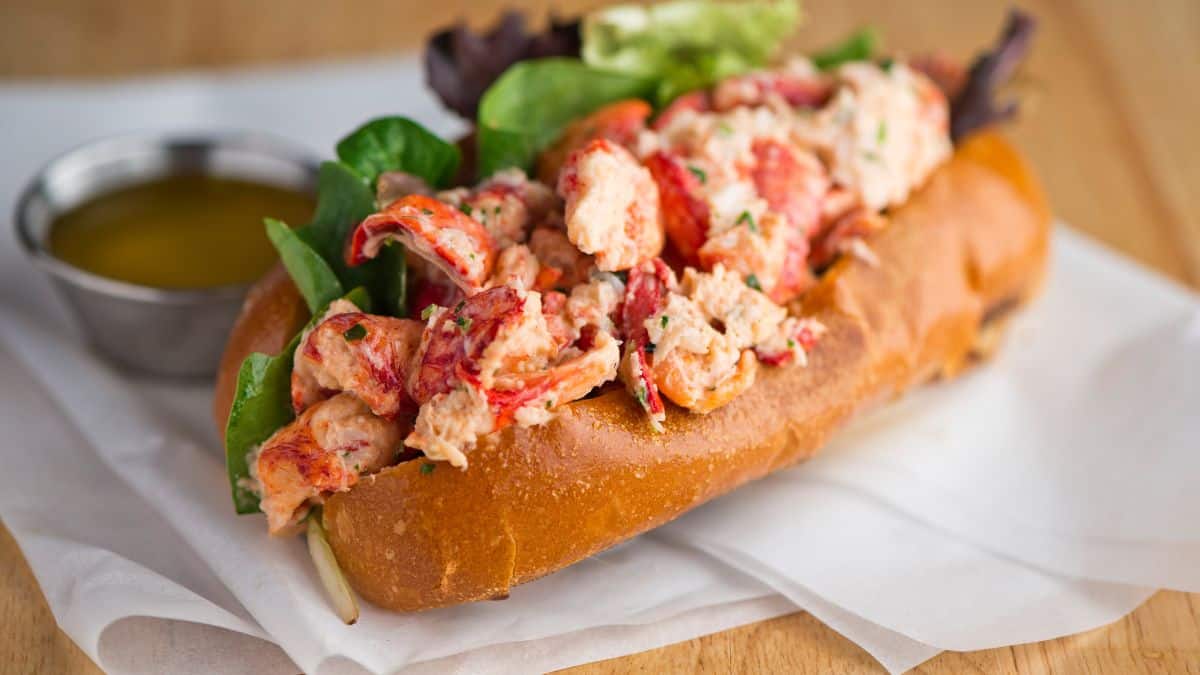
Lobster rolls often appear in seafood restaurants, especially in New England. They consist of lobster meat served inside a split-top bun. Because the bun is connected on one side, some argue this makes them hot dog-like and therefore questionable as sandwiches.
Others see no issue and call them seafood sandwiches. The luxury ingredient makes them feel different from typical sandwiches, adding to the controversy. Lobster rolls prove that even fine dining foods aren’t safe from sandwich debates.
Doughnut Sandwiches and Trendy Creations
Some restaurants now serve doughnut sandwiches, often with bacon, egg, and cheese inside glazed doughnuts. By definition, these are sandwiches because they use bread-like layers with fillings. However, the sweetness of doughnuts makes them feel more like desserts.
Fans argue they are creative versions of sandwiches, while critics call them gimmicks. This example proves that sandwiches keep evolving into new forms. The doughnut sandwich trend highlights how far the definition can be stretched.
Sushi Rolls and Their Unlikely Entry
Sushi rolls are perhaps the most controversial addition to the list. With rice as the outer layer and fish inside, some argue the structure mirrors a sandwich. Others strongly disagree, saying rice cannot replace bread.
The cultural identity of sushi also makes people hesitant to label it a sandwich. Still, the comparison sparks heated online debates and even jokes. This proves the sandwich question has no limits when it comes to creativity.
The question of what counts as a sandwich will likely never be settled. People keep finding ways to argue about food identity, from hot dogs to sushi rolls. The main issue is whether definitions should be strict or flexible.
For some, the word “sandwich” should only apply to the classic bread-and-filling model. For others, any food with a similar structure deserves the label. In the end, the debate makes eating more fun, reminding us that food is as much about culture and conversation as it is about taste.




Leave a Reply