
There’s something magical about eating on vacation. Maybe it’s the sea breeze, the questionable translation on the menu, or the fact that calories don’t count when you’re abroad. You swear that local delicacy is your “new favorite food” and even buy the ingredients to make it back home.
Want to Save This Recipe?
Enter your email & I'll send it to your inbox. Plus, get great new recipes from me every week!
By submitting this form, you consent to receive emails from Blue's Best Life.
Once you do, it’s like Cinderella’s carriage turned back into a pumpkin—only smellier. These are the foods that dazzled overseas and flopped spectacularly on home turf.
Kimchi

In Seoul, kimchi is magic—served with every meal, fiery, crunchy, addictive. You feel like a local, nodding knowingly as it sizzles beside your barbecue. But back home, that jar in your fridge becomes a ticking time bomb.
You open it once, the smell escapes, and suddenly your entire kitchen smells like a science experiment gone rogue. You tell yourself it’s “probiotic” while everyone else tells you to open a window.
Borscht

You sip steaming borscht in a cozy Ukrainian café, snow falling outside, and it’s pure poetry—vibrant, comforting, full of soul. At home, though, it’s beet soup. Just beet soup.
You lovingly serve it to friends, and they stare into their bowls like they’re waiting for a twist ending. Without the Slavic charm and the old lady who called you “darling,” it’s less heartwarming and more “I accidentally made hot juice.”
Currywurst
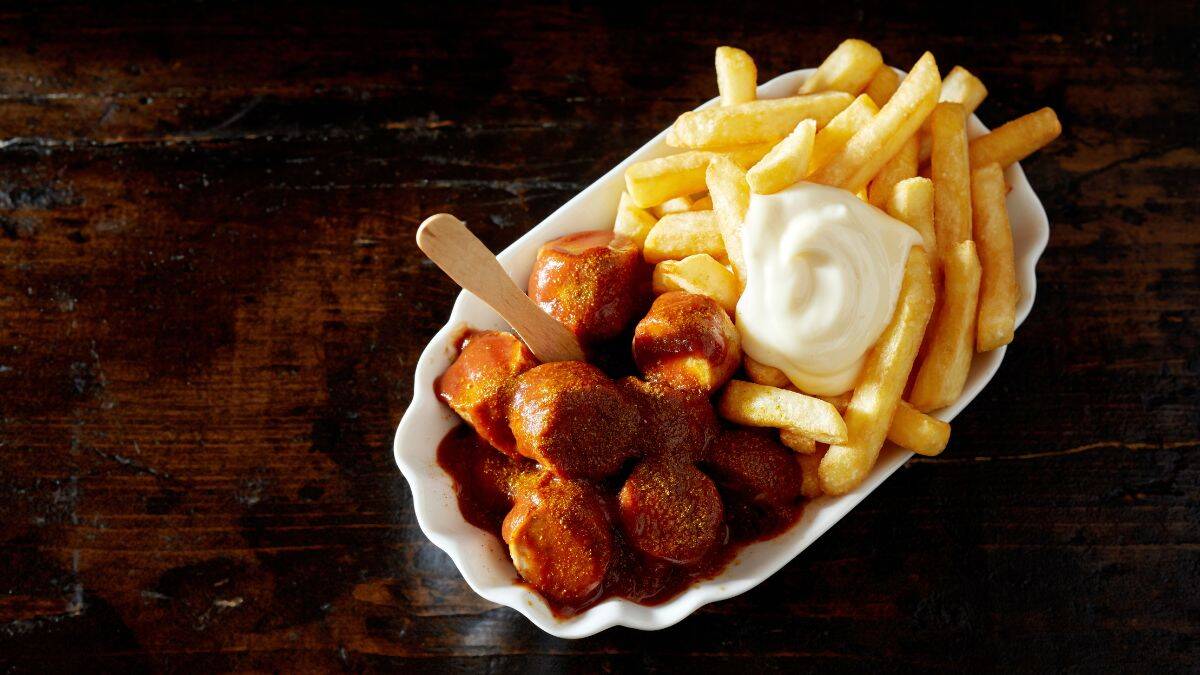
In a Berlin street market, currywurst feels like a life-changing revelation—juicy sausage, spicy ketchup, street food perfection. You even start saying “Danke” unironically.
Then you repurchase the ingredients at home, dump curry powder in ketchup, and realize you’ve just reinvented chaos. It tastes like hot dog regret without the drizzle of German efficiency and beer on the side.
Natto

In Japan, natto is a breakfast tradition. Locals slurp it like it’s no big deal, and you join in, feeling cosmopolitan and brave. The sticky strings stretch like mozzarella from another planet, and you nod politely, pretending it’s “an acquired taste.”
Back home, one whiff and you’re questioning your life decisions. Your chopsticks tremble. Your cat judges you. You realize not all bravery translates.
Frog Legs
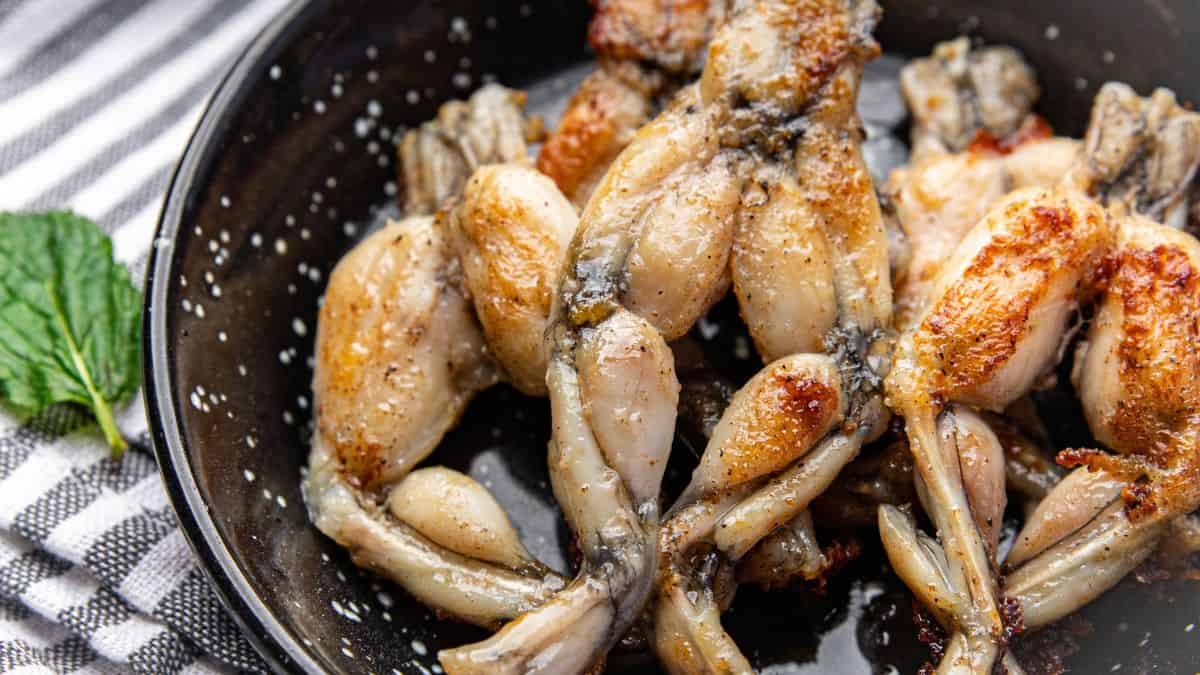
In France, frog legs taste delicate and divine—garlic butter, crisp skin, a bite that whispers “refined.” You post about it, feeling très chic. Then you try to make them back home, and suddenly it’s “amphibian night” in your kitchen.
The smell is weird, the texture suspicious, and halfway through, you wonder if your childhood pet had cousins. Some things are best left to the French and fairy tales.
Salo
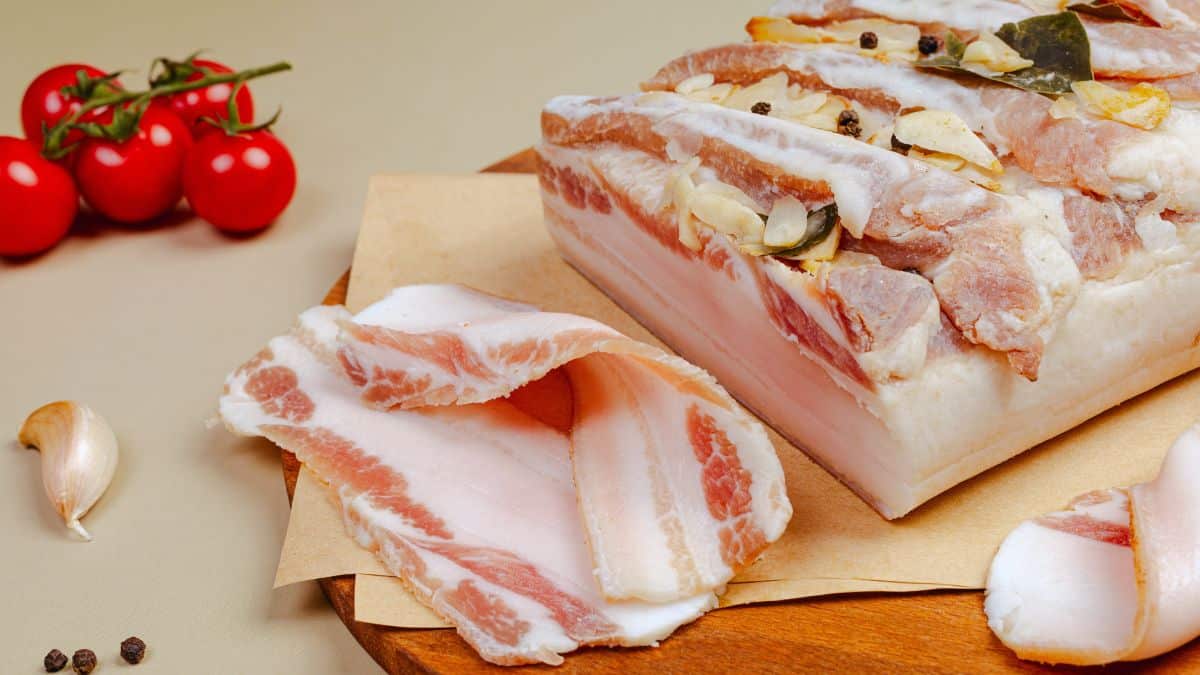
In Eastern Europe, salo—salt-cured slabs of pork fat—is served proudly with vodka and laughter. You feel like part of a secret, greasy club. But in your apartment, slicing raw fat onto bread feels less cultural and more like a cry for help. You take a bite, and it coats your mouth in pure confusion. Without the vodka, you’re just chewing ambition you can’t swallow.
Paella

You had it in Valencia, golden and glorious, served by a guy named Miguel who called everyone “amigo.” It was heaven in a pan. You come home, buy saffron, and set off smoke alarms trying to recreate it.
It never looks right. It never tastes right. And when you spend $40 on seafood that ends up rubbery, you start to suspect the secret ingredient was, in fact, Spain.
Escabeche
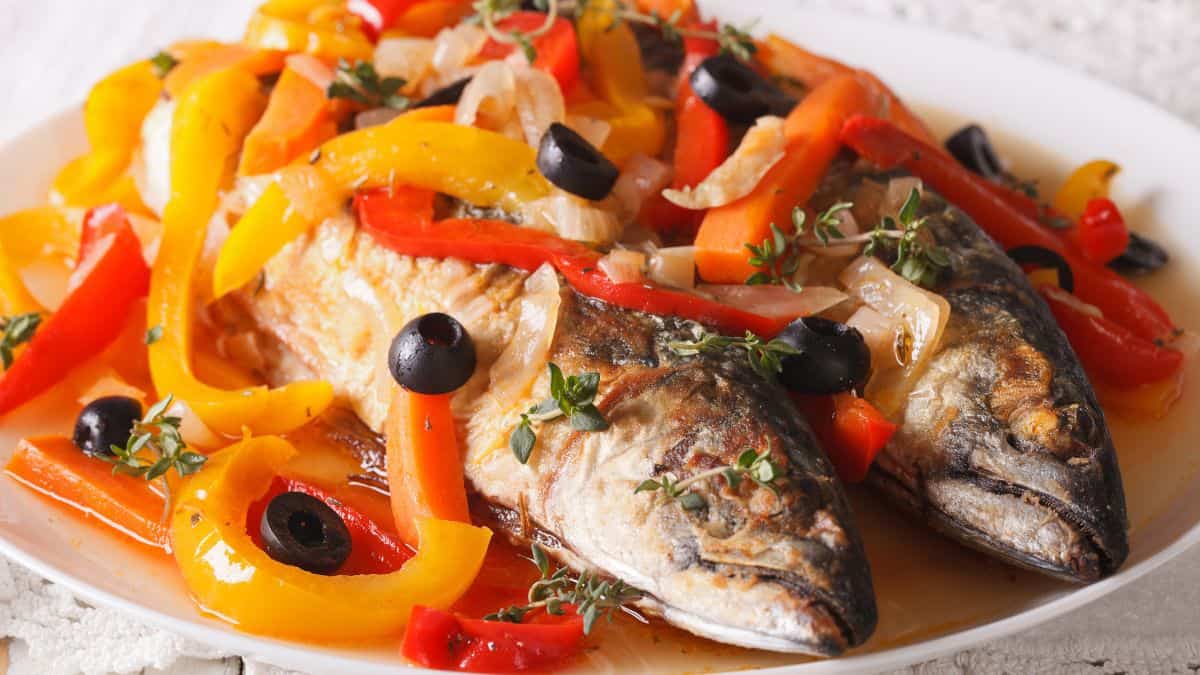
This tangy pickled fish dish in Mexico feels bright and alive—sunshine, lime, and rhythm in every bite. You’re hooked. At home, you pull it out of the fridge and suddenly it’s just… fish marinating in regret.
Your kitchen smells like low tide, and you realize “bright acidity” doesn’t pair well with your air conditioning. Turns out some flavors just don’t travel well.
Ceviche
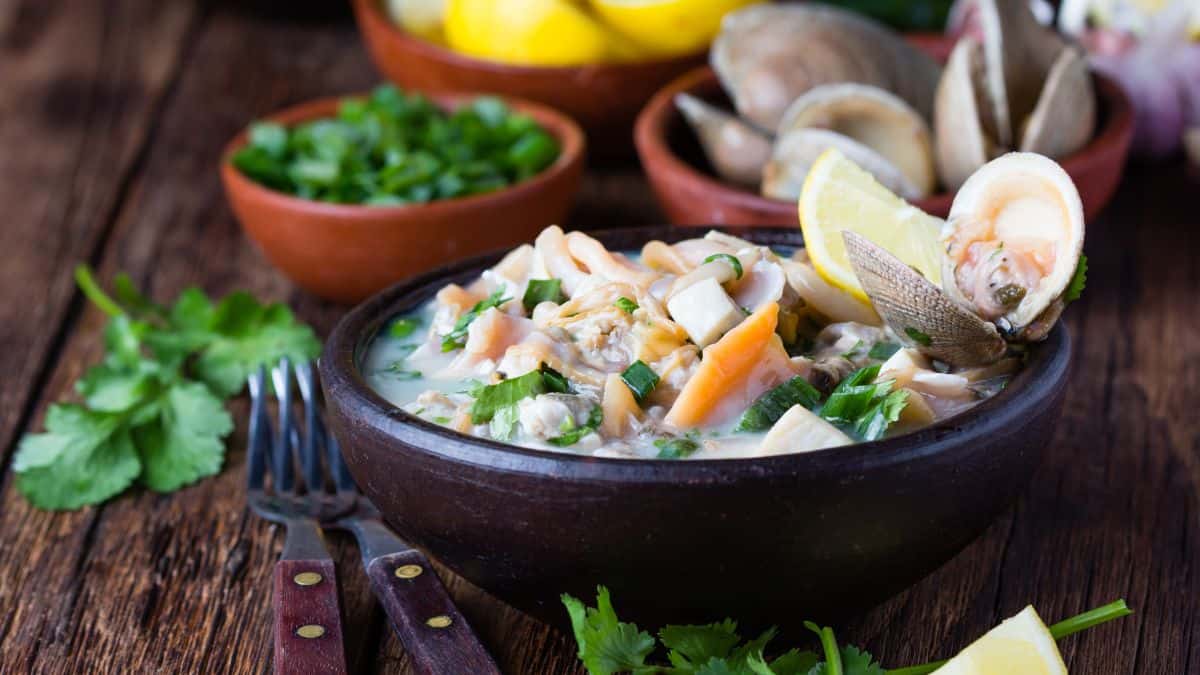
On a Peruvian beach, ceviche is life itself—fresh, zesty, kissed by the ocean breeze. You sip a cold beer and think, “I’ll always make this!” Fast-forward to your next attempt: supermarket shrimp, bottled lime juice, and zero ocean.
You take one bite and feel like you’ve just eaten a chemistry experiment. The glamour fades fast when your “refreshing appetizer” tastes like citrus and regret.
Poutine
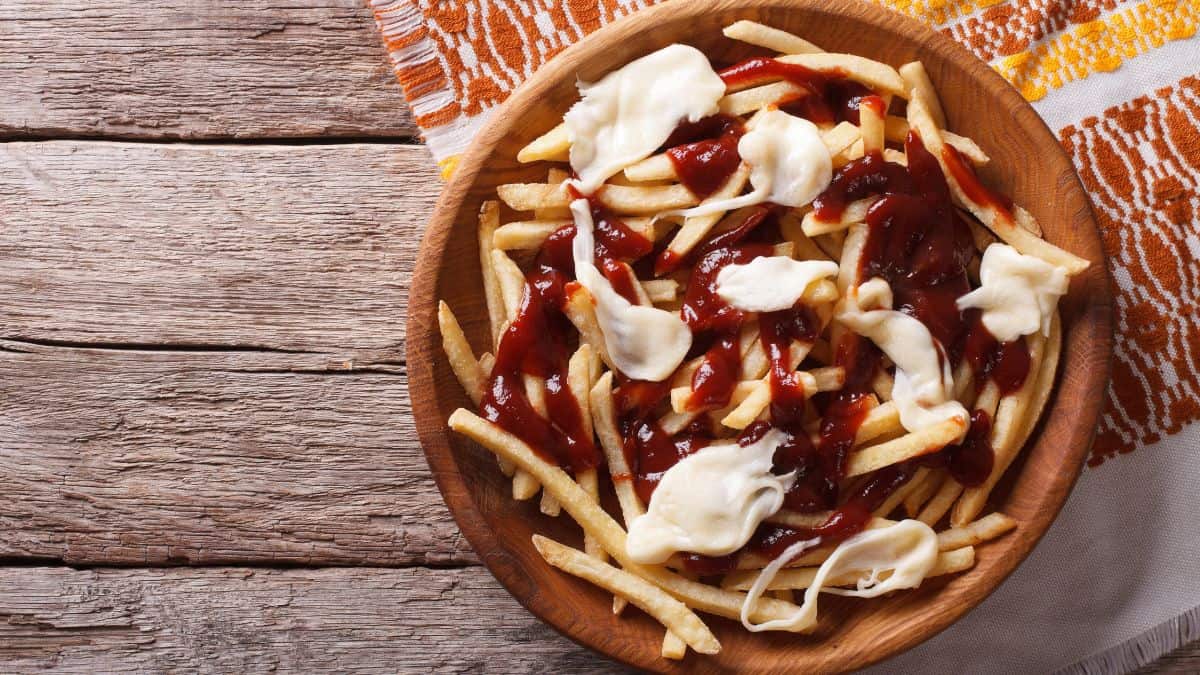
At 2 a.m. in Montreal, poutine is your soulmate—melty cheese curds, rich gravy, crispy fries. It’s basically edible comfort. But reheating it back home? Disaster.
The fries turn limp, the curds vanish, and your kitchen smells like broken dreams and soggy ambition. You realize poutine’s secret ingredient is not gravy—it’s Canadian nightlife and a mild hangover.
Pickled Herring

In Scandinavia, you eat pickled herring in candlelight, surrounded by people who make it look effortlessly chic. You think, “Wow, I’m cultured now.” Back home, it’s you alone with a jar of vinegar fish and a bad decision.
The smell attacks. You take one bite and instantly crave IKEA meatballs instead. Some foods are best enjoyed with fjords and denial.
Green Curry Ice Cream
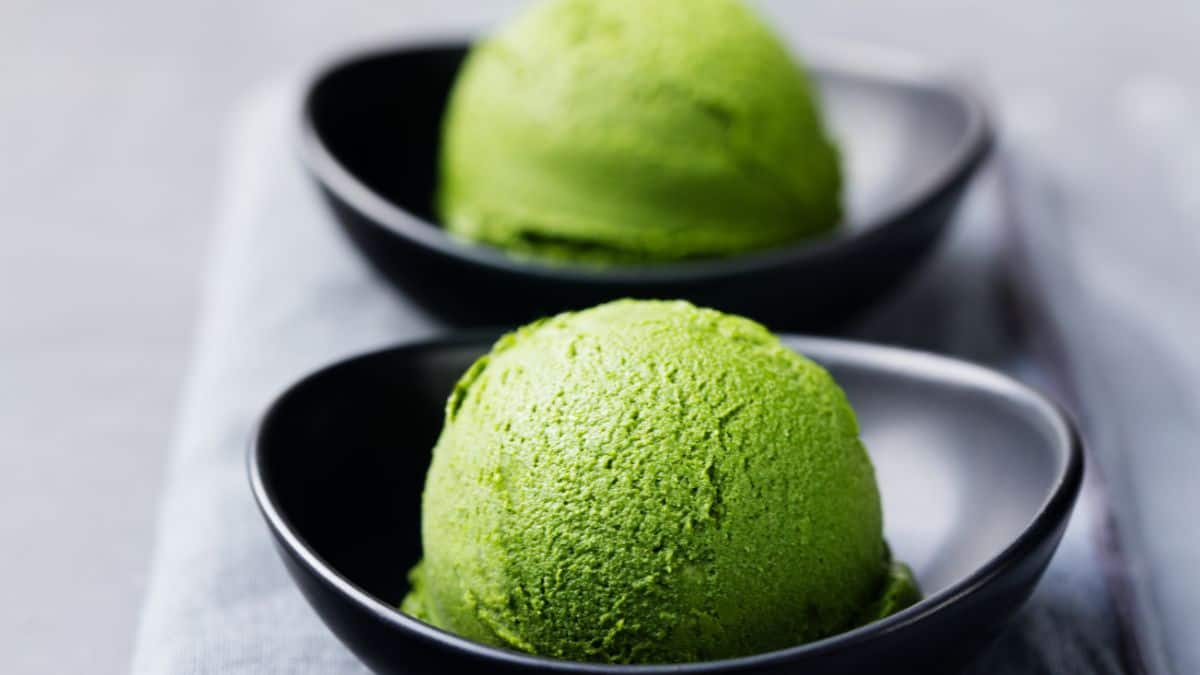
You found it in Thailand—green curry ice cream, weird but thrilling, spicy yet sweet. You told everyone it was “surprisingly good!” and meant it. But when you order it online back home, it tastes like dessert had an identity crisis.
One spoonful in and your brain can’t decide if it’s dinner or dessert. You end up eating a bowl of confusion while scrolling flights back to Bangkok.
The thing about food abroad is that it’s never just food—it’s atmosphere, adventure, and probably a little jet lag. Everything tastes better when barefoot on cobblestones or tipsy in a night market.
Back home, though, the spell fades and reality bites—sometimes literally. But that makes travel delicious: you don’t have to recreate the flavor. You just have to remember it.




Leave a Reply