
Game day food doesn’t whisper. It doesn’t politely exist on a plate. It shows up, kicks the door open, and demands attention like it’s been waiting all season for this moment. Even foods that are usually calm and well-behaved suddenly develop personalities. Cheese stretches further. Chips crunch harder. Sauces drip with zero shame.
Want to Save This Recipe?
Enter your email & I'll send it to your inbox. Plus, get great new recipes from me every week!
By submitting this form, you consent to receive emails from Blue's Best Life.
Something about sports turns every snack into a main character, and by kickoff, the table looks less like a meal and more like a tailgate with feelings. Here’s why game day food is always louder, messier, and way more dramatic than anything you eat on a normal Tuesday.
Everything Is Meant to Be Eaten With Emotion
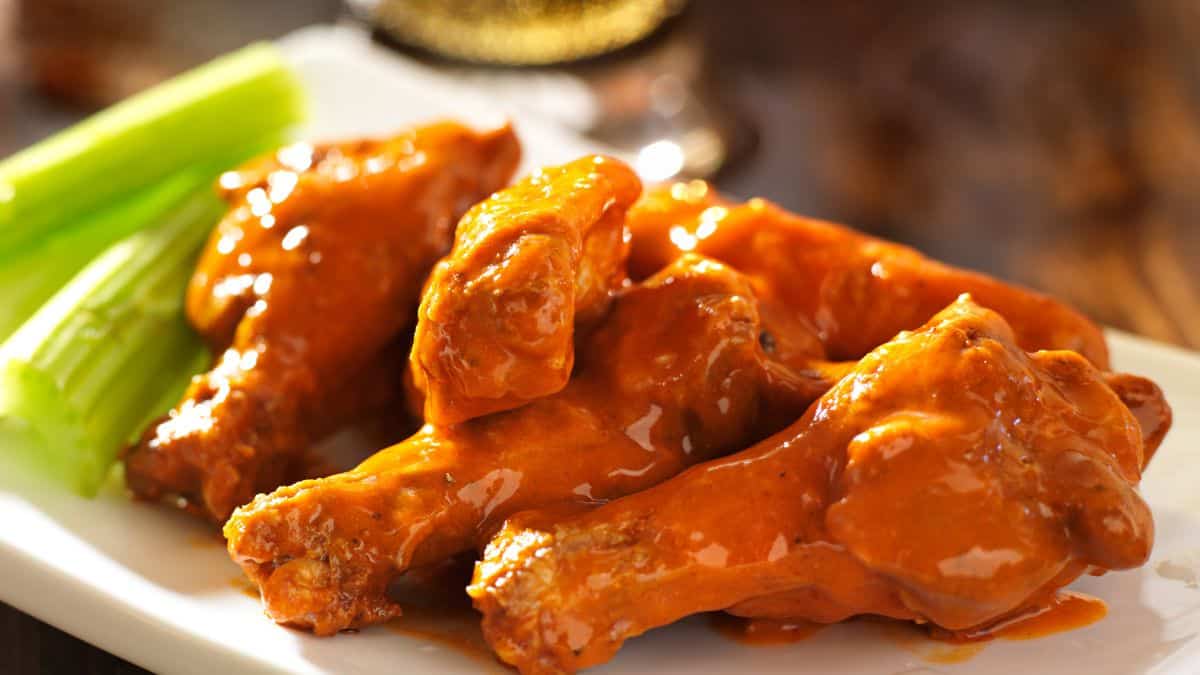
Regular food is eaten because you’re hungry. Game day food is eaten because you’re feeling something. Stress. Hope. Rage. Joy. Suspicion. That roller coaster somehow transfers directly into the food. A wing isn’t just a wing anymore. It’s a coping mechanism. Chips are grabbed aggressively during bad calls and gently cradled during close plays.
The salsa bowl takes emotional damage every time the ref makes a questionable decision. You’re not snacking, you’re reacting. Every bite is tied to a moment, a score, or a collective groan from the couch. That kind of emotional involvement automatically cranks the volume up on everything you eat.
Crunch Becomes a Competitive Sport
On a normal day, crunch is a side effect. On game day, it’s a feature. Chips shatter like glass. Pretzels snap with authority. Even celery somehow sounds like it’s mic’d up. The crunch isn’t accidental. It’s theatrical. It fills the room during tense moments and somehow always happens during the quietest part of the broadcast.
Someone goes for a chip during a crucial play and suddenly the whole living room sounds like gravel under tires. The louder the crunch, the more satisfying it feels, like the food itself is participating in the chaos. Silence has no place here, especially not from snacks.
Cheese Refuses to Behave
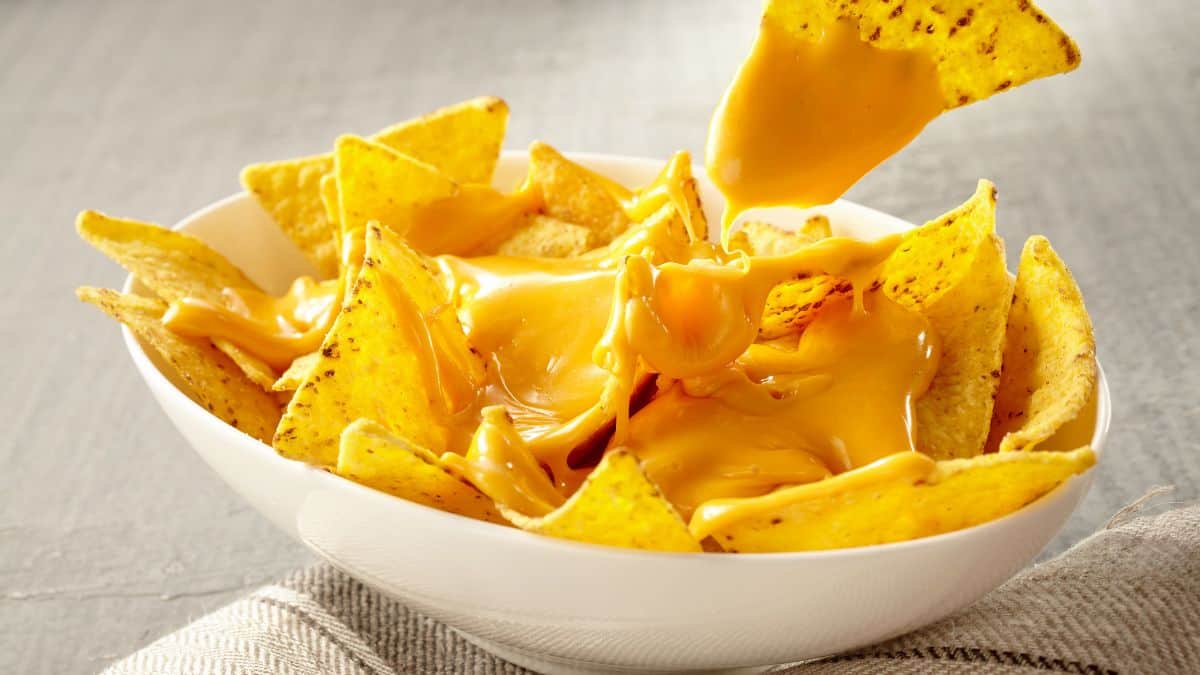
Game day cheese has zero interest in structure. It stretches, spills, drips, and clings to anything within reach. Nacho cheese flows like it’s trying to escape the bowl. Mozzarella pulls dramatic, slow-motion strings that demand attention from across the room. Queso bubbles aggressively, daring someone to double dip.
This isn’t refined cheese. This is chaos cheese. It stains napkins, fingers, couches, and occasionally dignity. The mess is part of the performance. Quiet, neatly sliced cheese has no role on game day. This cheese wants to be seen, photographed, and probably wiped off your shirt later.
Portions Lose All Sense of Reality
Game day food does not understand moderation. Bowls are bigger. Platters are heavier. One person somehow eats what could feed a small group without noticing. Plates get stacked, not replaced. A single serving is at best a suggestion. The volume comes from sheer excess. Mountains of wings. Towers of sliders.
A dip so deep you lose a chip forever. The food takes up space physically and emotionally. It dominates the table, the room, and the conversation. Nobody questions it because game day operates on its own math, where abundance equals enthusiasm and leftovers are a myth.
Finger Food Turns Everyone Into a Character
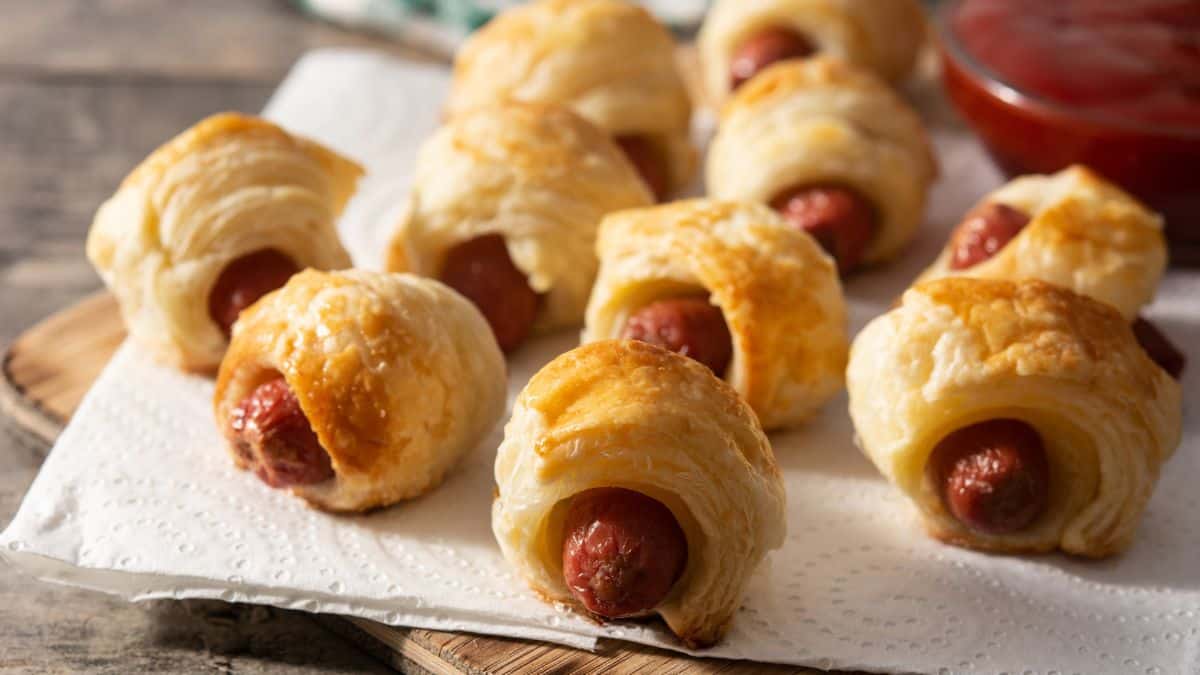
The way people eat game day food is louder than the food itself. Someone is licking sauce off their fingers with commitment. Someone else is balancing a plate on their knee like an Olympic event. There’s always one person who refuses utensils entirely and another who insists on way too many napkins. Hands are shiny.
Faces are expressive. Conversations pause mid-sentence because a bite got serious. It’s messy, dramatic, and oddly bonding. Finger food invites chaos and participation. It turns quiet eaters into animated performers and makes every snack feel like a shared experience rather than a private moment.
The Table Becomes a Stage
Game day food isn’t just served. It’s displayed. The table looks curated and accidental at the same time. Bowls overlap. Platters are slightly crooked. Sauces sit front and center like they’re waiting for applause. People hover, circle, and comment. Someone announces a new batch of wings like breaking news.
Another person guards a specific dip like it’s personal property. The food doesn’t sit quietly in the background. It’s part of the event. It demands reactions, compliments, and repeat visits. By halftime, the table has told a full story, and it’s anything but subtle.
Game day food isn’t louder because it’s trying to be. It’s louder because it’s allowed to be. It thrives on noise, mess, emotion, and excess. It feeds more than hunger. It feeds the moment. When the game ends and the plates are empty, what’s left is the memory of crunches, spills, and snacks that showed up ready to perform. And honestly, regular food could never compete with that energy.
Leave a Reply