
Have you ever noticed how one ingredient can taste totally different depending on how you cook it? That’s the magic of cooking! The same food can become something new, whether roasting, frying, steaming, or grilling. Each cooking method brings out different flavors, textures, and smells.
Want to Save This Recipe?
Enter your email & I'll send it to your inbox. Plus, get great new recipes from me every week!
By submitting this form, you consent to receive emails from Blue's Best Life.
Look at how just one ingredient, like a simple vegetable or piece of meat, can transform through different techniques. You’ll be surprised at how many personalities one ingredient can have depending on your choice of heat, time, and style.
Roasted to Richness
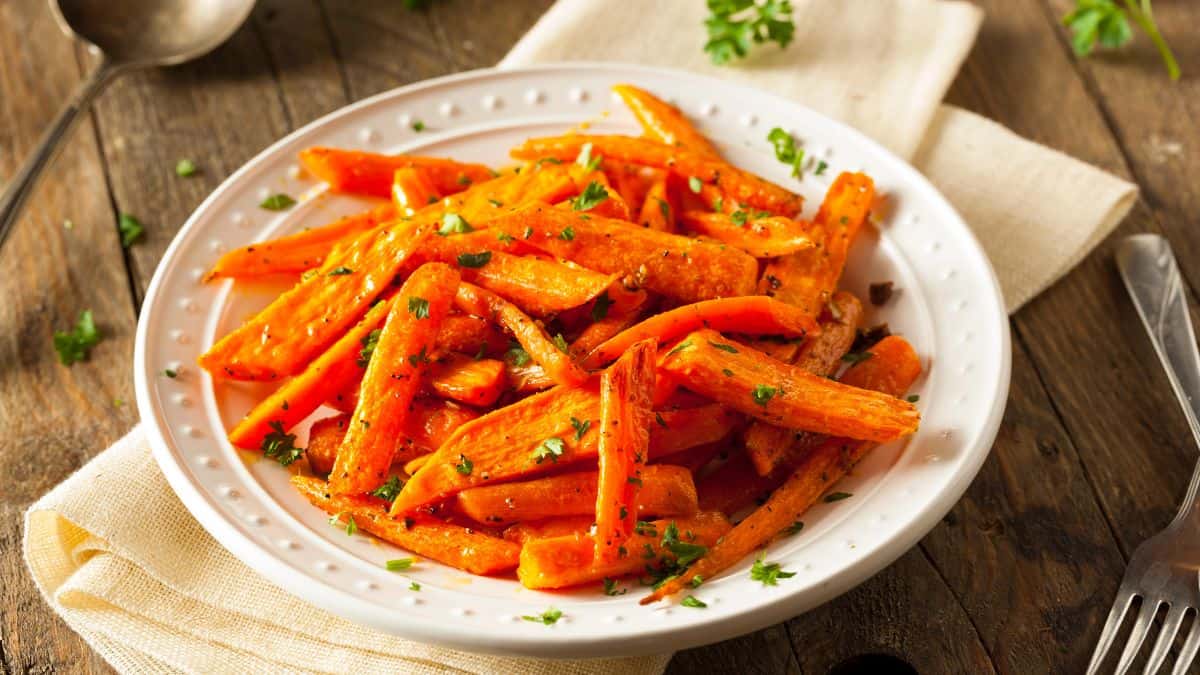
When an ingredient is roasted, it develops deep, rich flavors. Roasting uses dry heat in an oven, slowly caramelizing natural sugars. This gives vegetables a sweet, toasty flavor and meats a golden-brown crust.
Roasted carrots, for example, taste much sweeter than raw ones. The dry air also reduces water content, concentrating flavor. Roasting brings out a hearty, savory taste that feels comforting and satisfying.
Fried for Crunch
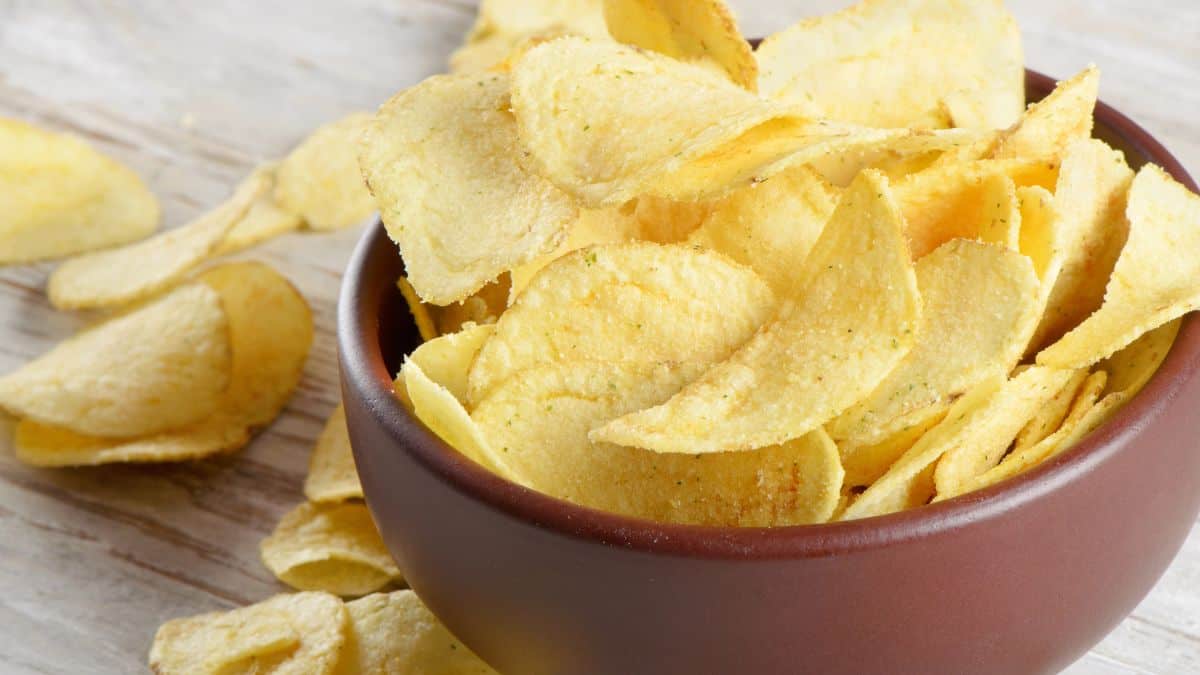
Frying adds a crisp, golden coating and a satisfying crunch. Whether shallow or deep frying, the hot oil seals in moisture while making the outside crispy. A simple potato turns into a French fry or a crunchy chip just by changing the cooking method.
The high heat creates a rich, salty taste many people love. It’s not always the healthiest method, but it's one of the most flavorful. Frying gives ingredients an exciting texture and bold flavor boost.
Steamed for Purity
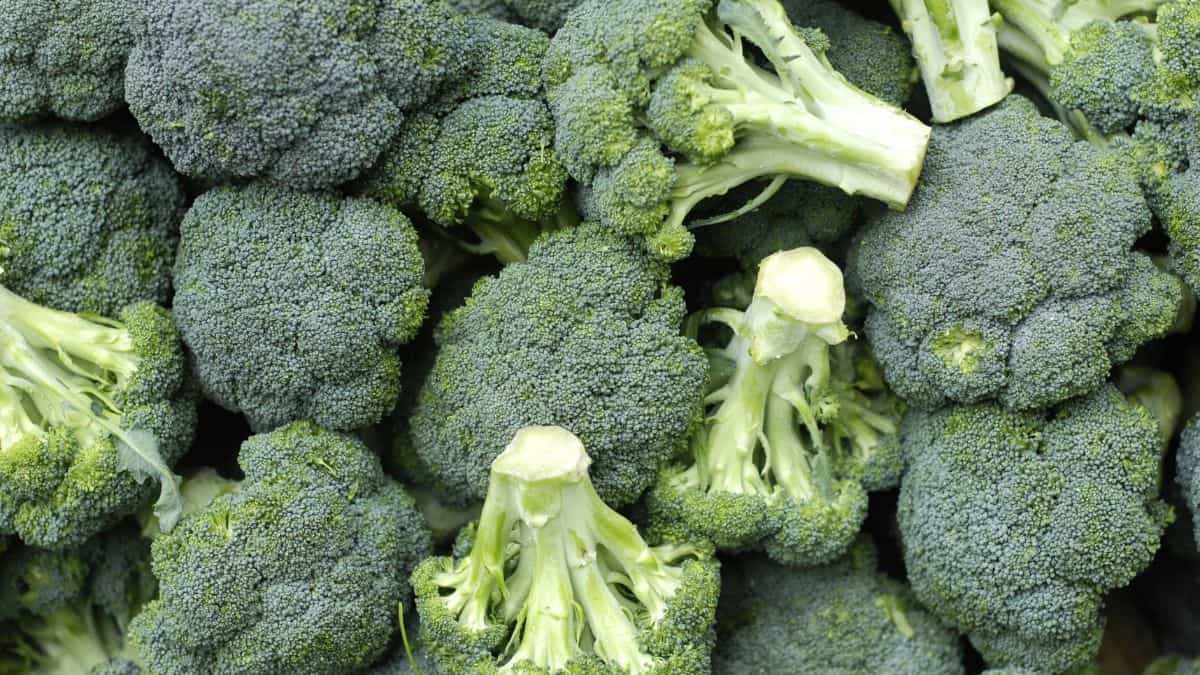
Steaming keeps the ingredients’ original flavor clean and mild. It uses hot water vapor to cook food gently without adding extra fat. Steamed broccoli tastes fresh and slightly grassy, with a soft but firm bite.
This method helps preserve nutrients, especially in vegetables. Steaming is perfect when you want a lighter, healthier meal. It brings out the natural taste and color without overpowering the ingredient.
Grilled for Smokiness
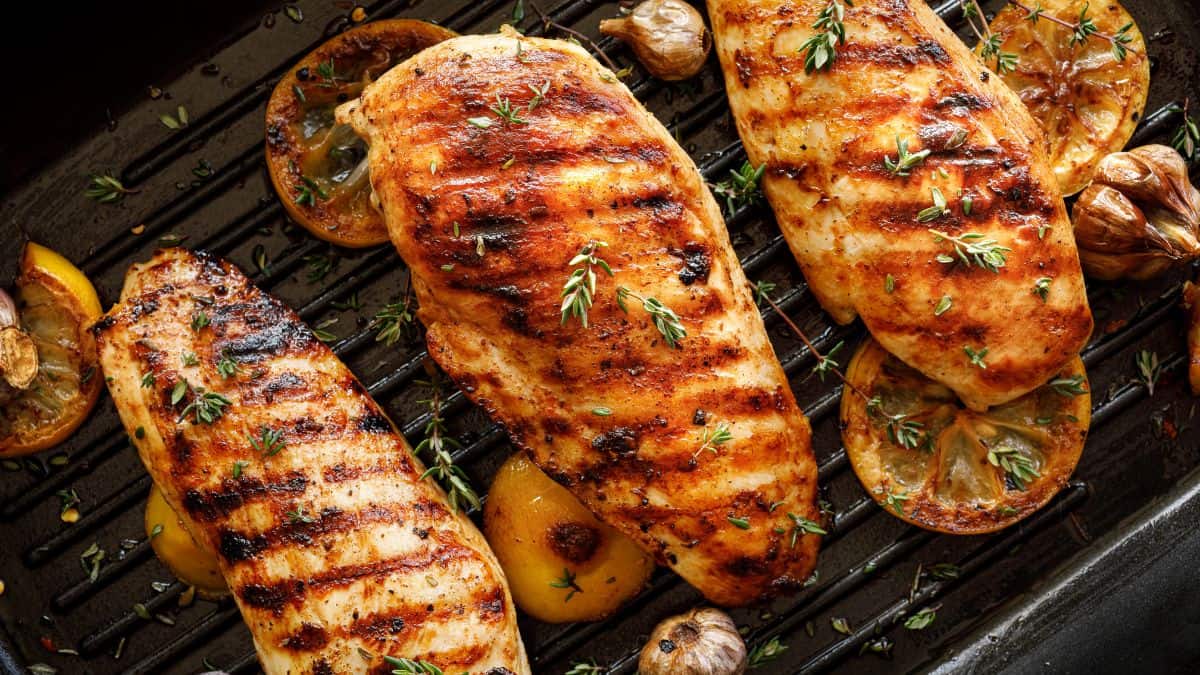
Grilling gives food a smoky, slightly charred flavor that’s hard to resist. The direct heat from a grill creates marks and crusts that add texture and taste. A grilled tomato becomes juicy and smoky with just a few minutes on the grill.
This method works well with meats and vegetables alike. It adds a rustic, bold character that feels perfect for summer. Grilling transforms ingredients into something savory and slightly dramatic.
Boiled for Simplicity
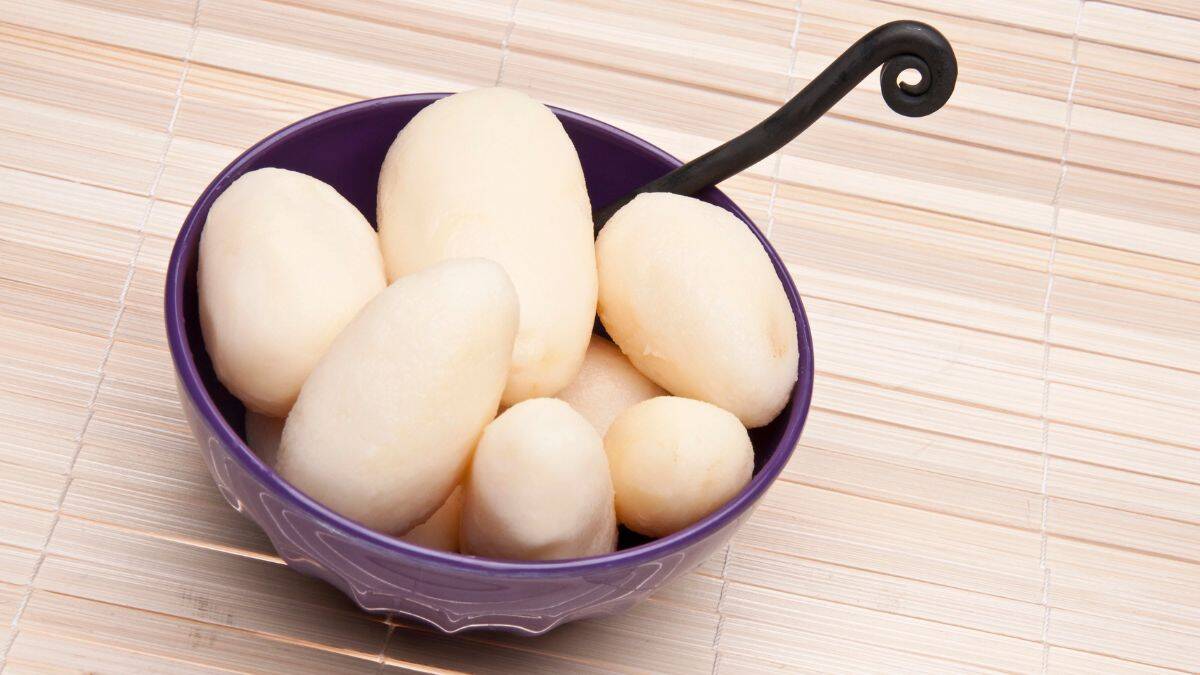
Boiling cooks food quickly using hot water. It’s a simple method that softens ingredients without adding extra flavors. A boiled potato is soft, mild, and comforting, perfect for mashing or salads.
The water helps cook food evenly, making it easy to control. Boiling is great for soups and stews, where the ingredient blends into the dish. This method keeps things basic but satisfying.
Baked for Balance

Baking surrounds the ingredient with even, dry heat. It creates a smooth, well-rounded taste without burning or charring. A baked apple becomes warm, tender, and sweet, with soft skin and juicy flesh.
Baking allows flavors to develop slowly and evenly. It’s a cozy, gentle method for casseroles, breads, and more. Baking turns ordinary ingredients into comforting dishes.
Blanched for Brightness

Blanching quickly cooks food in boiling water and then cools it in ice. This method helps preserve bright colors and fresh taste. Unlike fully boiled green beans, blanched green beans stay crisp and vivid green.
It also makes peeling tomatoes or almonds easier. Blanching is a quick, useful step in many recipes. It keeps the ingredient clean, fresh, and easy to handle.
Sautéed for Speed

Sautéing uses a small amount of oil in a hot pan to cook food fast. This method keeps things moving and brings out toasty, rich flavors. A sautéed mushroom becomes golden and flavorful in just minutes.
It’s a go-to style for stir-fries and quick meals. Sautéing locks in moisture and adds a slight crispness. The result is fast, flavorful, and full of personality.
Braised for Tenderness

Braising starts with searing and ends with slow cooking in liquid. This method softens tough cuts of meat and dense vegetables. After simmering for a while, a braised cabbage turns silky and rich.
The liquid, like broth or wine, adds even more flavor. Braising takes time but rewards you with deep, satisfying tastes. It’s the best of both dry and moist cooking styles.
Poached for Softness

Poaching gently cooks food in warm liquid, just below boiling. It’s perfect for eggs, fish, or fruit that you want to keep soft and moist. A poached pear becomes tender and sweet, soaking in the flavor of its cooking liquid.
The result is smooth and delicate, not tough or dry. This style is elegant and subtle, letting the main ingredient shine. Poaching is calm, careful cooking at its finest.
Smoked for Intensity

Smoking cooks food slowly with flavored wood smoke. This method adds a deep, rich, almost earthy flavor. A smoked cheese or fish has layers of taste you won’t get from other styles.
Smoking is a bold technique that completely transforms ingredients, turning something plain into something unforgettable. It also preserves the food while adding aroma and color.
Pickled for Punch
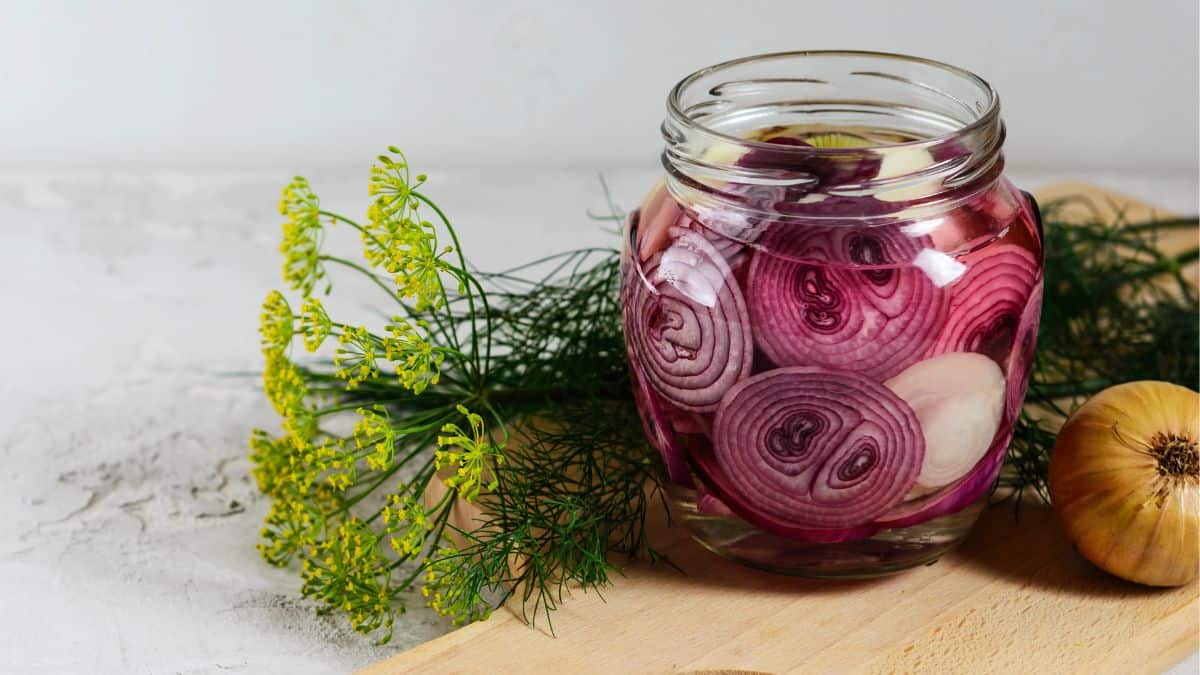
Pickling preserves ingredients in vinegar, salt, and spices. This method changes the flavor completely, adding tang, crunch, and bite. A cucumber becomes a pickle, sharp and sour but still crisp.
Pickled onions, carrots, or eggs gain color and zest. It’s a fun way to add bold flavors to meals, bringing brightness and excitement to the table.
Fermented for Funk
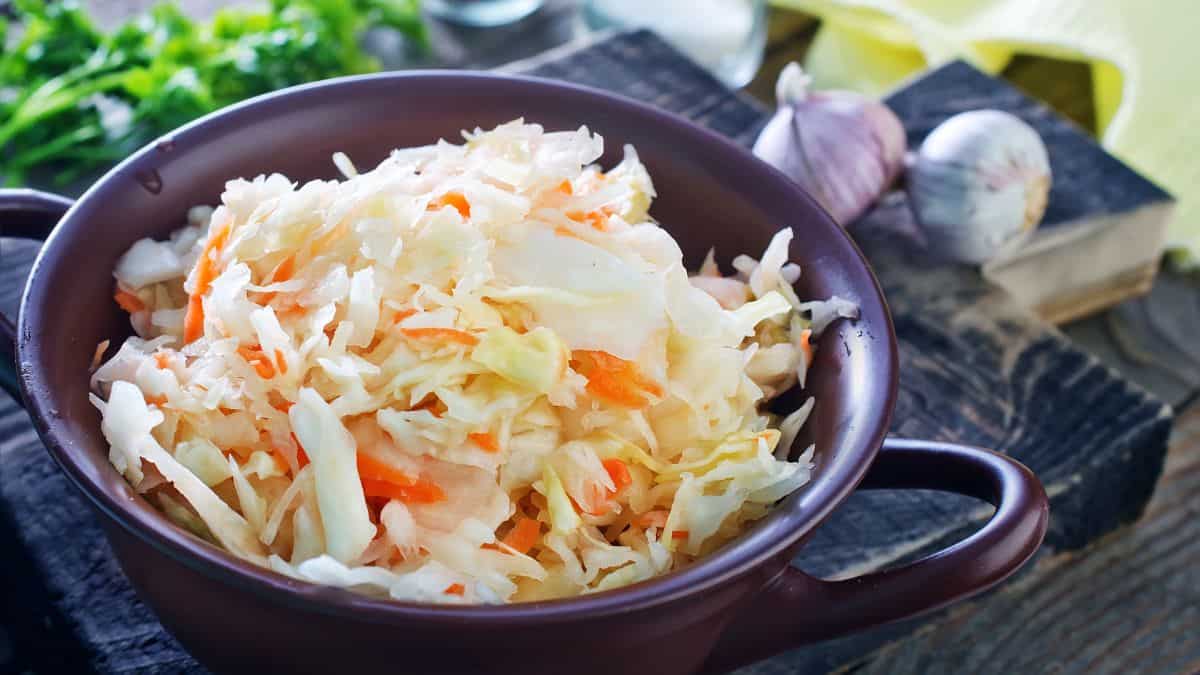
Fermentation uses natural bacteria to change ingredients over time. It adds a tangy, complex flavor that’s both sour and rich. With time and care, cabbage turns into sauerkraut or kimchi.
The texture softens while the flavor deepens. Fermentation also adds probiotics, which can be good for gut health. This method brings bold, unique results that are worth the wait.
Raw for Freshness

Sometimes, the best way to enjoy an ingredient is raw. Raw food keeps all of its natural flavor, texture, and nutrients. A raw carrot is crisp and sweet, totally different from roasted or boiled.
This style is clean, crunchy, and refreshing. It’s perfect for salads, snacks, or dishes where you want pure taste. Raw ingredients shine when they’re fresh and high quality.
Sous Vide for Precision
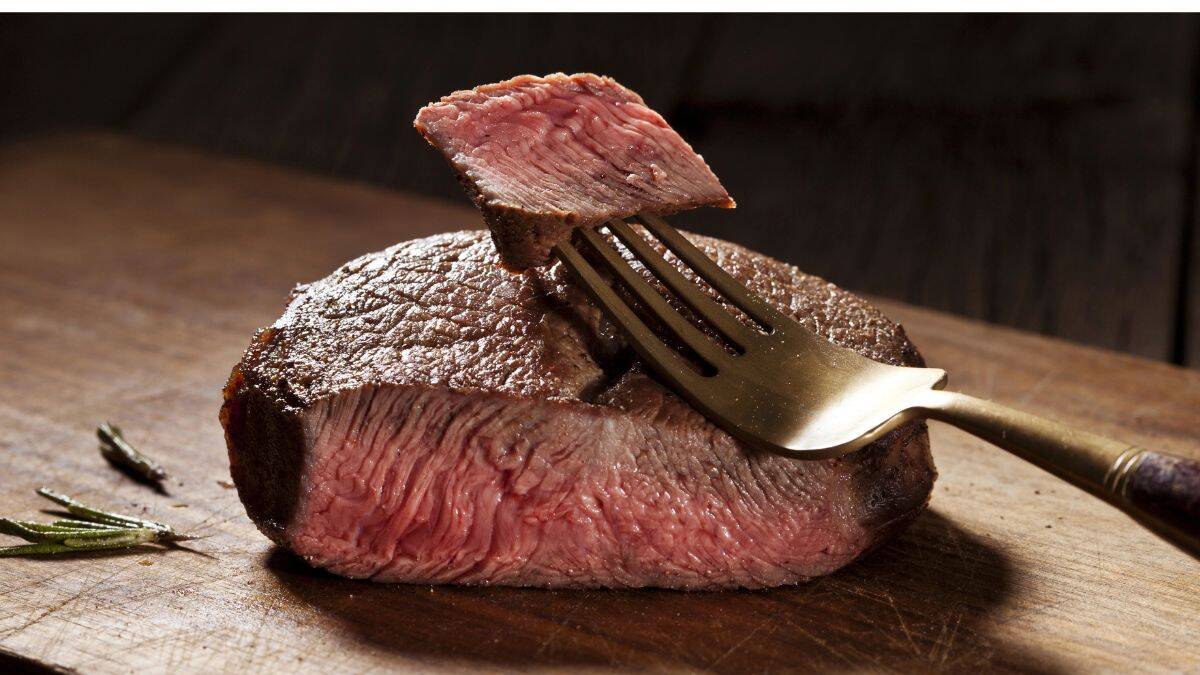
Sous vide means “under vacuum” in French and involves sealing food in a bag and cooking it in warm water. It cooks very evenly and keeps everything tender and juicy.
A sous vide steak stays pink edge-to-edge and full of flavor. This method takes longer but gives you perfect control. It’s a favorite among chefs for consistent results. Sous vide brings out the best in high-quality ingredients with zero stress.
Leave a Reply