
Microplastics are tiny plastic particles that have infiltrated our environment and found their way into our food supply. These minuscule contaminants can pose health risks when ingested over time.
Want to Save This Recipe?
Enter your email & I'll send it to your inbox. Plus, get great new recipes from me every week!
By submitting this form, you consent to receive emails from Blue's Best Life.
Understanding which foods are most affected by microplastics can help you make better choices to minimize exposure. Here’s a look at 15 foods that are particularly prone to microplastic contamination and what you can do about it.
Seafood
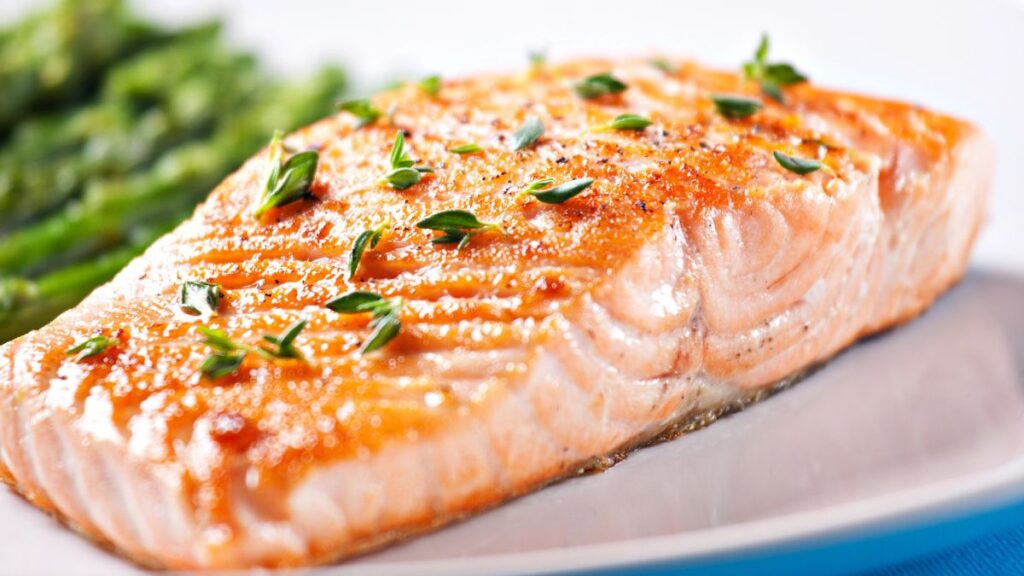
Seafood is one of the top culprits when it comes to microplastic contamination. Fish and shellfish live in water that can be teeming with tiny plastic particles. These marine creatures often ingest microplastics directly from their environment.
As a result, when you eat seafood, you might also be consuming these harmful particles. Opting for sustainably sourced seafood and choosing fish from less polluted waters can help reduce your risk. Additionally, being mindful of seafood sources and supporting brands that test for contaminants can make a difference.
Salt
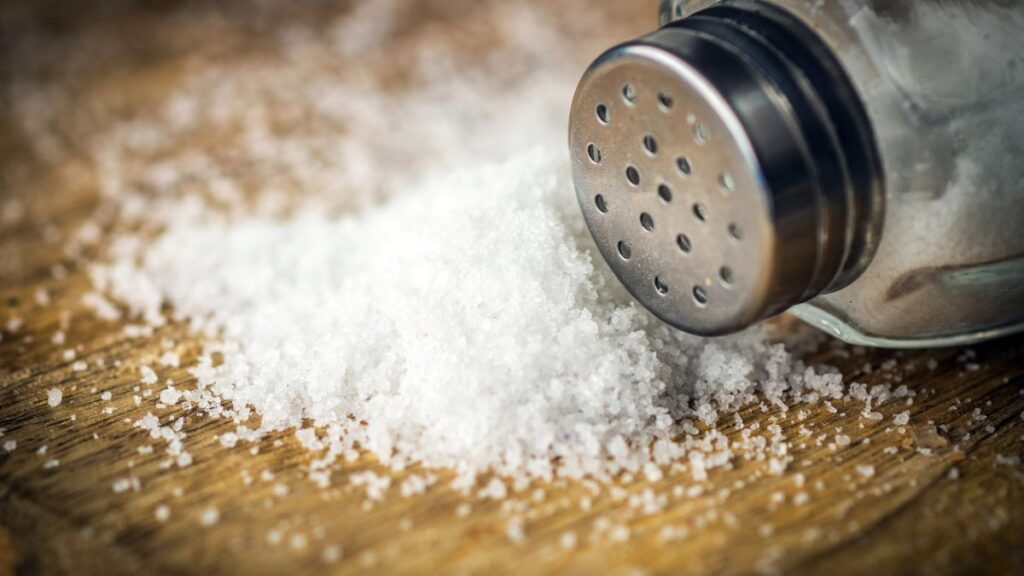
Table salt, particularly sea salt, is another food item that can contain microplastics. During the harvesting process, tiny plastic particles can mix with the salt, especially in areas with high pollution levels. While the amount of microplastics in salt might be small, consuming it regularly can add up over time.
To minimize exposure, consider choosing high-quality, purified salts or brands that specifically test for microplastic contamination. You might also explore alternatives like Himalayan pink salt, which is less likely to be contaminated.
Honey
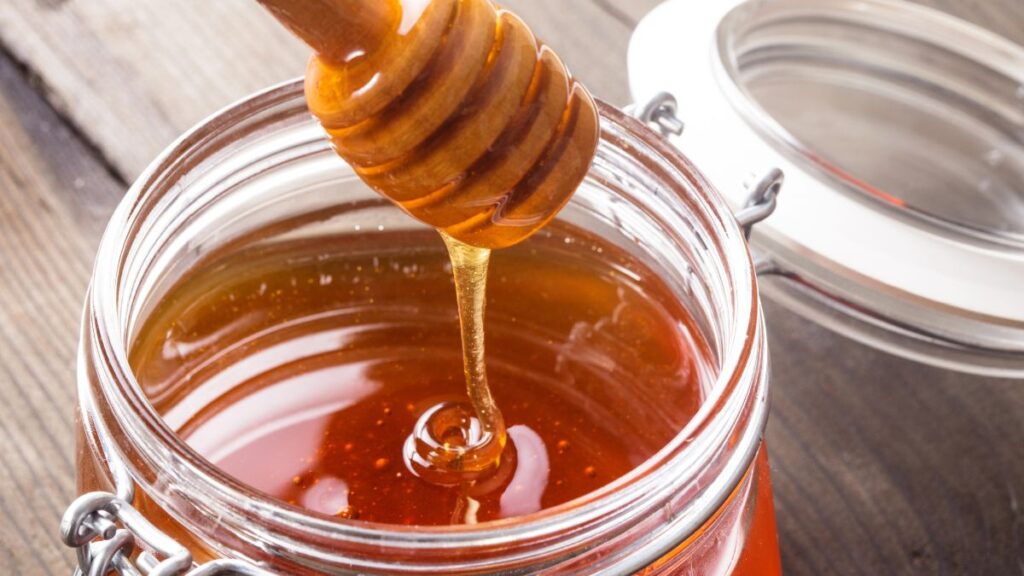
Honey is not exempt from microplastic contamination, as bees can pick up these particles from their environment. The microplastics can end up in honey during the collection process. While the concentration of microplastics in honey may be low, it’s still worth being cautious. Opting for honey from reputable, organic sources may help reduce the risk. Supporting local beekeepers and avoiding honey from heavily polluted areas can also be beneficial.
Beer

Beer, like many beverages, can contain microplastics, primarily due to the water used in brewing and plastic packaging. The microplastics can originate from the plastic bottles or caps.
While the health impact of microplastics in beer is still being studied, switching to brands that use glass bottles instead of plastic can help minimize your exposure. Additionally, exploring craft beers or breweries that prioritize sustainable practices may offer a better choice.
Bottled Water

Bottled water is another common source of microplastics. The particles can come from plastic bottles and caps, which may shed tiny fragments into the water. Research has found that bottled water often contains microplastics, which can be ingested with each sip. To reduce exposure, consider drinking from reusable glass or stainless-steel bottles and using a water filter for tap water. Choosing brands that test for contaminants or opting for filtered water can also help.
Frozen Foods
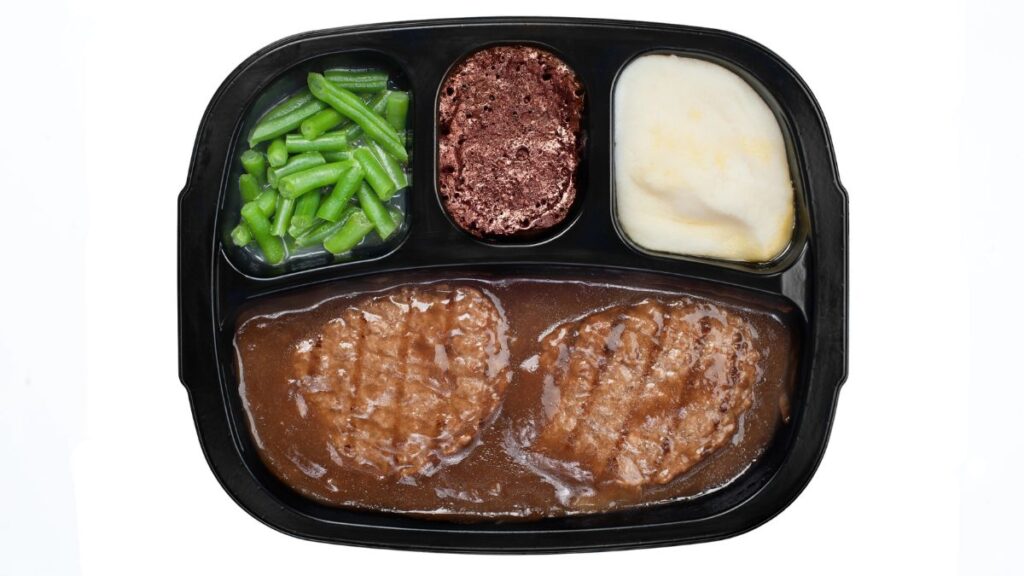
Frozen foods can be contaminated with microplastics, potentially from packaging or during processing. The risk of microplastic contamination is higher with foods packaged in plastic. Washing fruits and vegetables before freezing them and choosing products with minimal plastic packaging can help reduce your exposure. Opting for frozen foods from reputable brands that prioritize packaging safety can make a difference.
Canned Foods
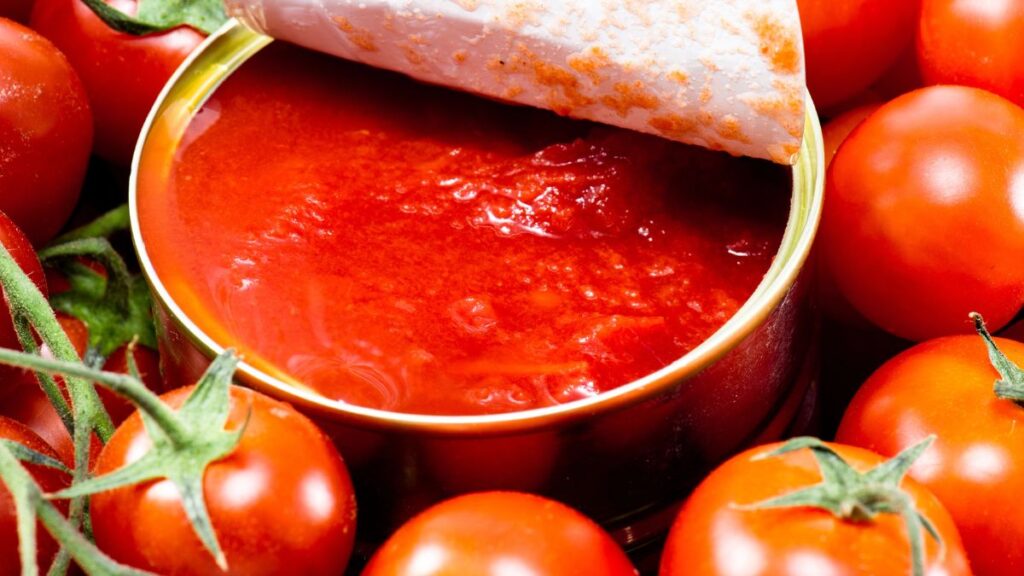
Canned foods might also contain microplastics, especially from the lining of cans or the cans themselves. The internal coating of cans can sometimes leach microplastics into the food. To minimize exposure, consider choosing foods with minimal or no plastic packaging and opting for brands that use BPA-free cans. Whenever possible, select fresh or frozen options over canned goods.
Packaged Snacks
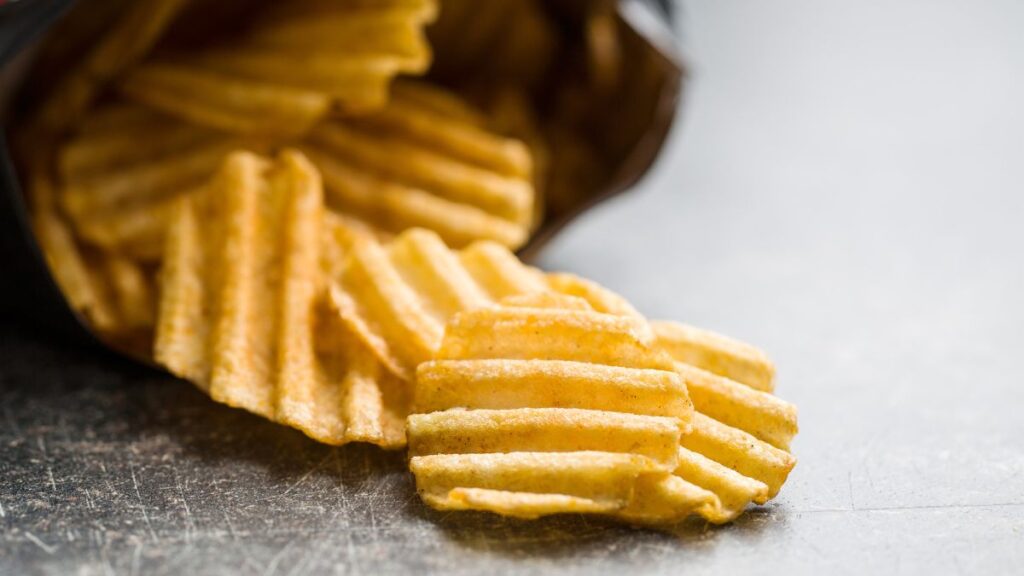
Packaged snacks, such as chips and cookies, can contain microplastics from the packaging or during manufacturing. The risk is particularly high with snacks that come in plastic bags or containers.
To reduce your exposure, try to eat fresh, whole foods and avoid snacks with excessive plastic packaging. Look for brands that use eco-friendly packaging or consider making your own snacks at home to control what goes into them.
Packaged Cheese
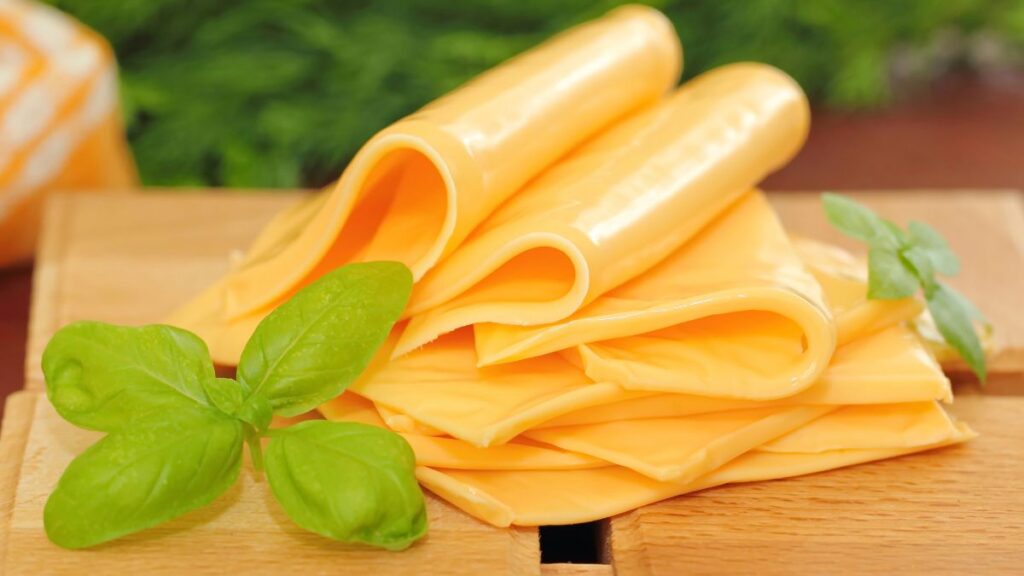
Cheese, especially processed varieties, can have microplastics due to plastic packaging or the production environment. The particles may end up in the cheese through contact with plastic during processing or packaging. To reduce your risk, choose cheeses with minimal or no plastic packaging and support local, artisanal cheese makers who use traditional methods. Opting for cheese wrapped in paper or other non-plastic materials can also help.
Packaged Bread
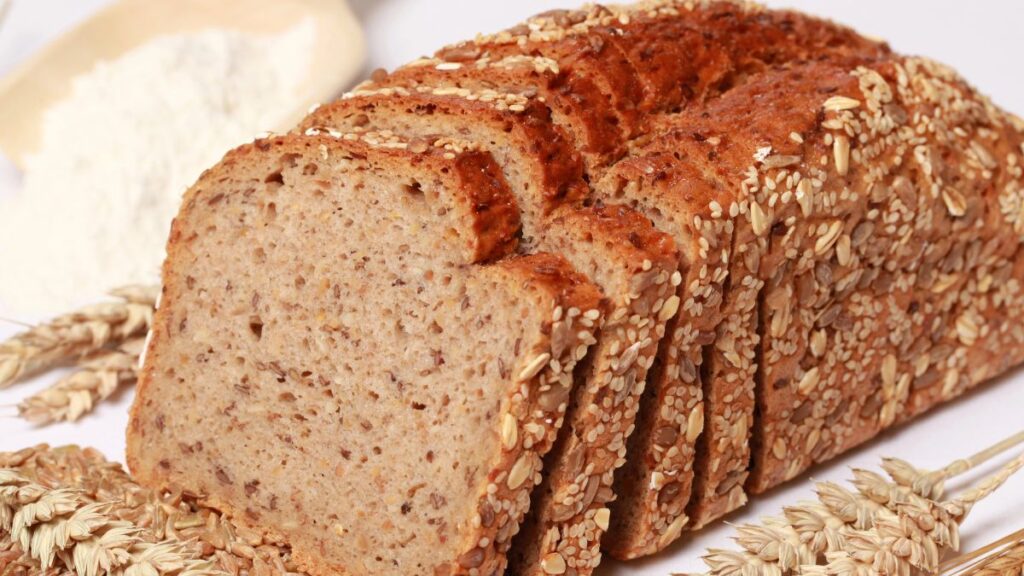
Bread can sometimes contain microplastics, particularly if made from processed ingredients or in plastic packaging. The contamination might occur during production or from the plastic used in packaging.
To lower your risk, consider baking bread at home or choosing artisanal bread from bakeries that use minimal plastic packaging. Additionally, buying bread from brands that prioritize packaging safety can be a better choice.
Fruit
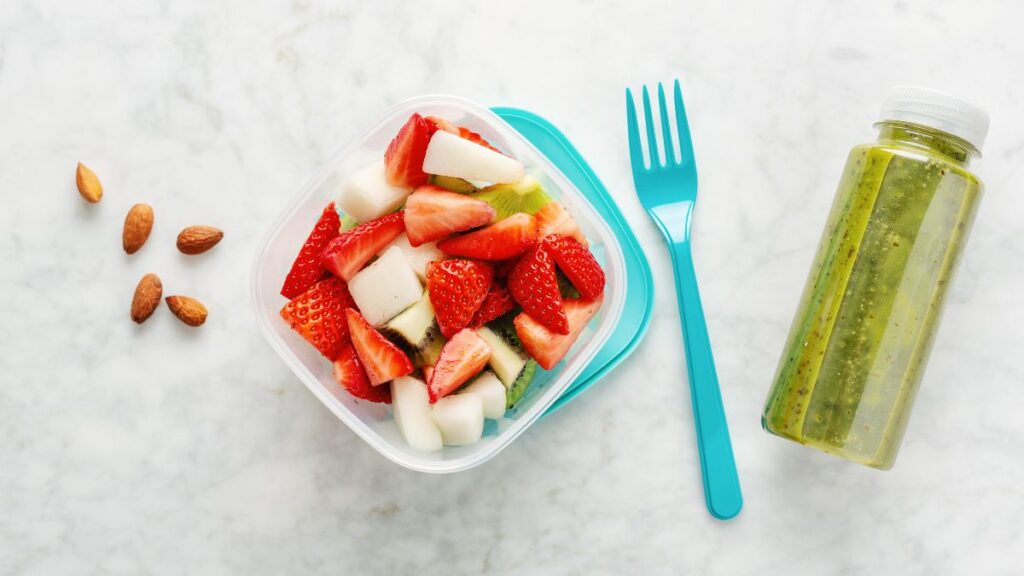
Fruits can be contaminated with microplastics, especially those grown in polluted areas or with contaminated water. The particles can come from soil, water, or air pollution. Washing fruits thoroughly before eating and choosing organic options can help reduce your exposure. Opting for fruits grown in less polluted regions and supporting sustainable farming practices can also make a difference.
Vegetables
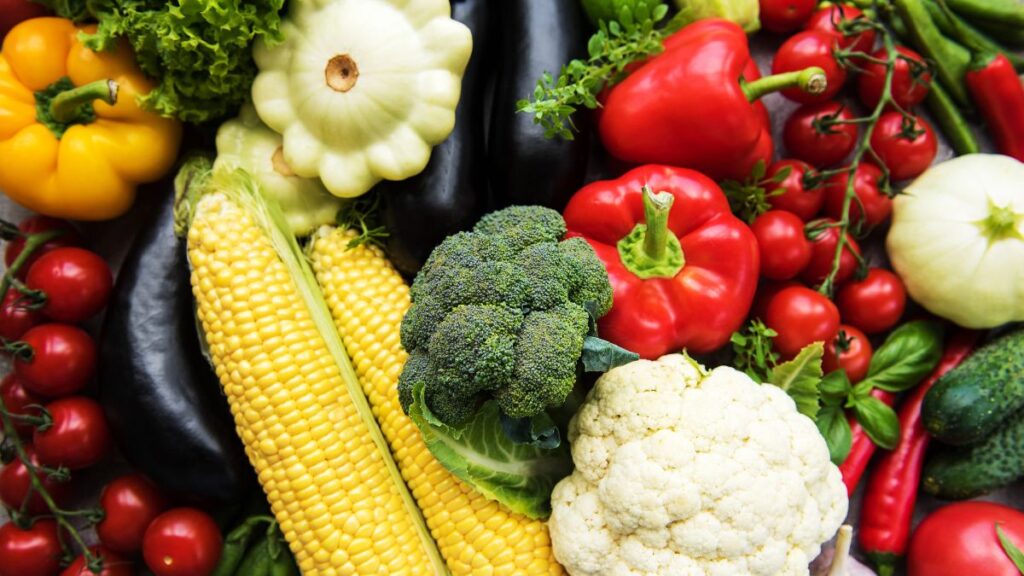
Like fruits, vegetables can also be affected by microplastics. The contamination may come from the soil, water, or air used during farming. Washing vegetables well and opting for organic produce can help lower your risk of consuming microplastics. Supporting local farms and choosing produce grown with minimal use of plastics can also be beneficial.
Coffee
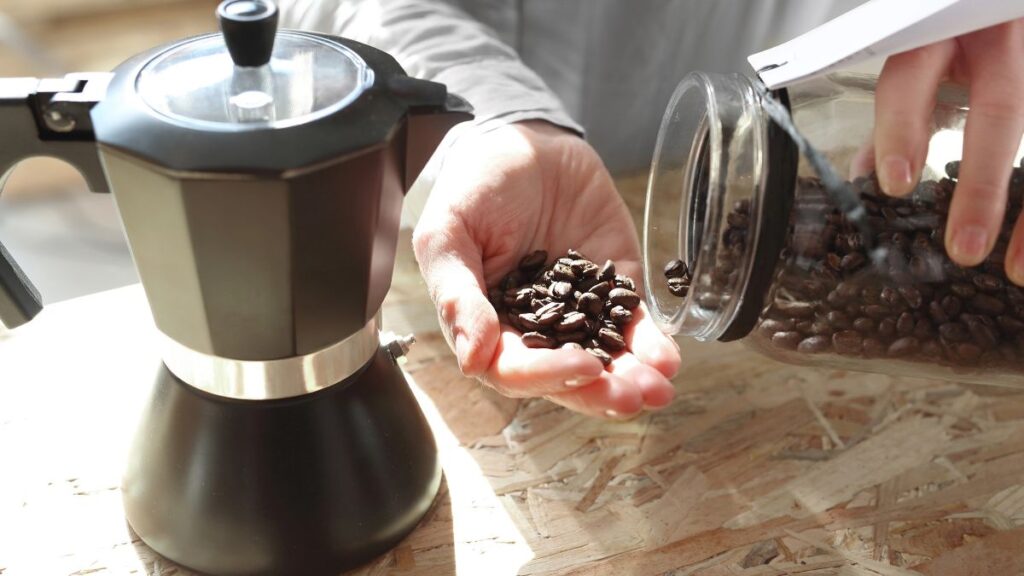
Coffee can contain microplastics, primarily from the packaging or processing equipment. The particles may come from plastic used in the production or storage of coffee. To reduce your exposure, choose whole beans and grind them yourself, and avoid single-use plastic coffee makers. Opting for glass or eco-friendly packaging brands can also help minimize microplastic contamination.
Tea

Tea leaves, especially those packaged in plastic tea bags, might contain microplastics. The particles can leach from the bags into the tea. Choose loose-leaf tea or tea bags made from biodegradable or non-plastic materials to avoid microplastics. Supporting brands that prioritize sustainable packaging and ethical sourcing can also reduce your risk.
Spices
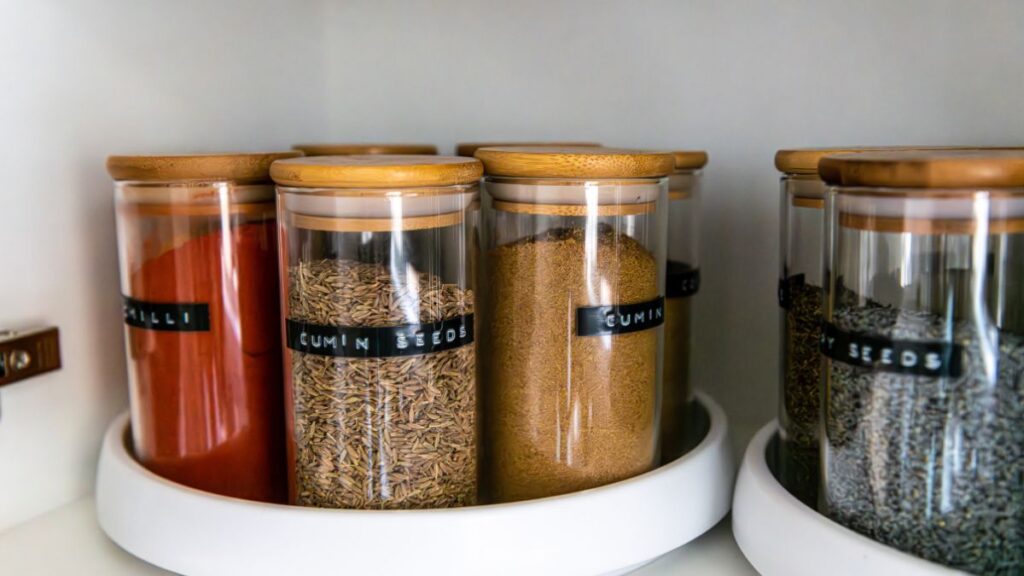
Spices can sometimes be contaminated with microplastics, particularly if they are packaged in plastic containers. The contamination may come from the packaging or during processing. Opting for spices sold in glass jars or buying from bulk bins can help minimize exposure. Choosing organic spices and supporting companies that use eco-friendly packaging can also make a difference.
Leave a Reply