
Cooking sounds simple when you first think about it. After all, how hard can it be to boil pasta, fry an egg, or bake cookies? The truth is that many of the easiest foods in our kitchens are also the ones most people mess up.
Want to Save This Recipe?
Enter your email & I'll send it to your inbox. Plus, get great new recipes from me every week!
By submitting this form, you consent to receive emails from Blue's Best Life.
Timing, temperature, and small mistakes often turn them into disasters. It is not about being a bad cook; it is usually about not realizing how tricky these “basic” foods really are. Let’s look at some common foods that are harder than they seem and why they go wrong so often.
Scrambled Eggs

Scrambled eggs look like the easiest breakfast food ever. All you need are eggs, butter, and a pan, right? But many people end up with rubbery eggs, too watery eggs, or just plain overcooked eggs.
The trick is keeping the heat low and stirring slowly to get that creamy texture. Using too much heat dries them out in minutes. Scrambled eggs can taste like something from a fancy restaurant if you practice patience.
Pasta
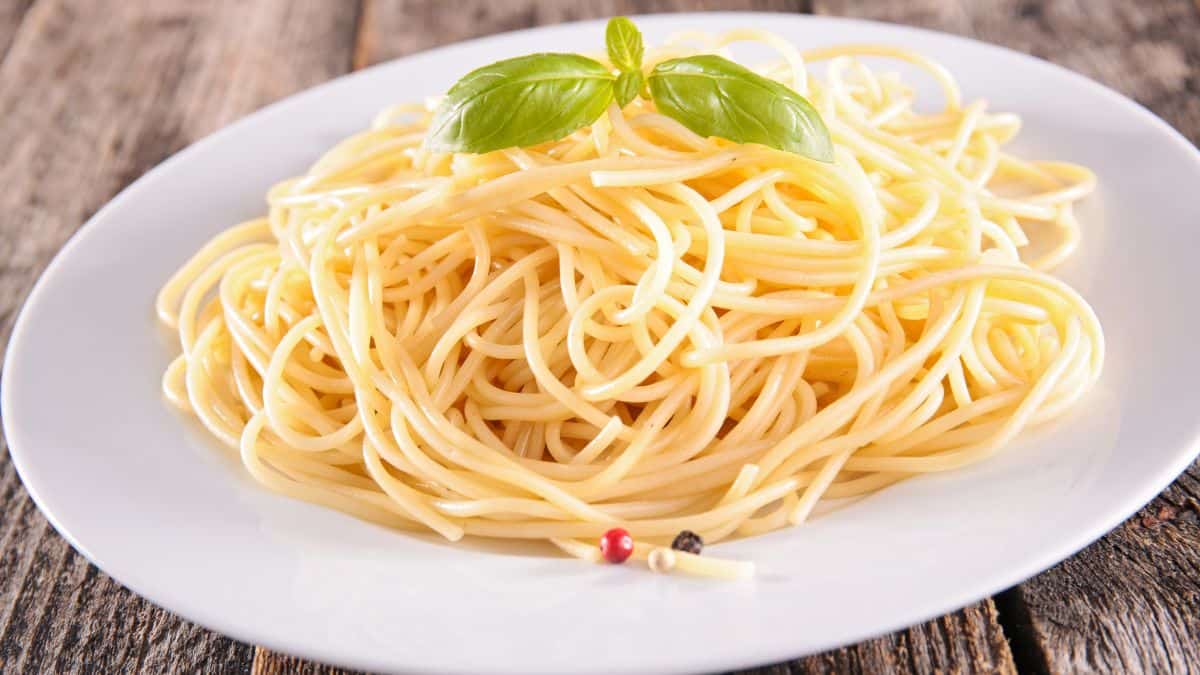
Everyone thinks cooking pasta is just throwing noodles into boiling water. But it is easy to make it either mushy or too firm. Forgetting to salt the water leaves the pasta tasting bland no matter what sauce you add.
Draining it too early makes it chewy, while draining it too late makes it fall apart. Timing and testing are the real secrets to getting it right. When done properly, pasta becomes the heart of a perfect meal.
Rice
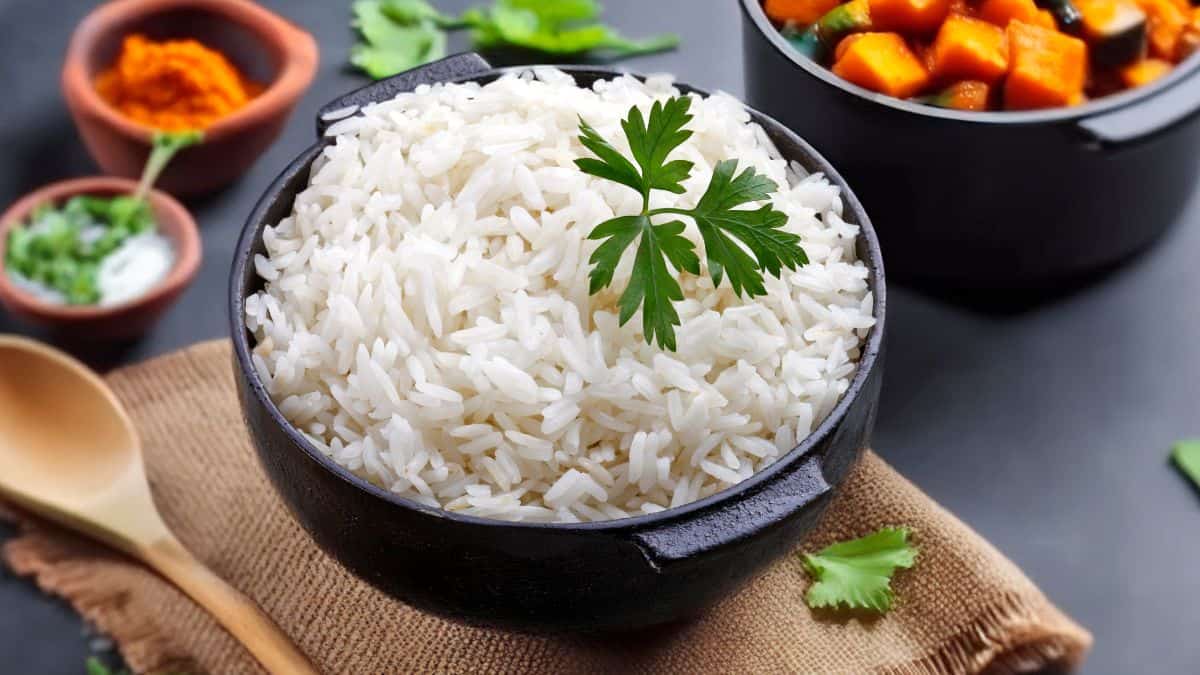
Rice is one of the most eaten foods in the world, yet it often comes out sticky, clumpy, or burned. Many people add too much water or lift the lid too often, making the rice soggy or unevenly cooked.
Others forget to let it rest after cooking, worsening the texture. The keys are using the right water-to-rice ratio and keeping the lid on. Simple rules make all the difference with rice.
Steak
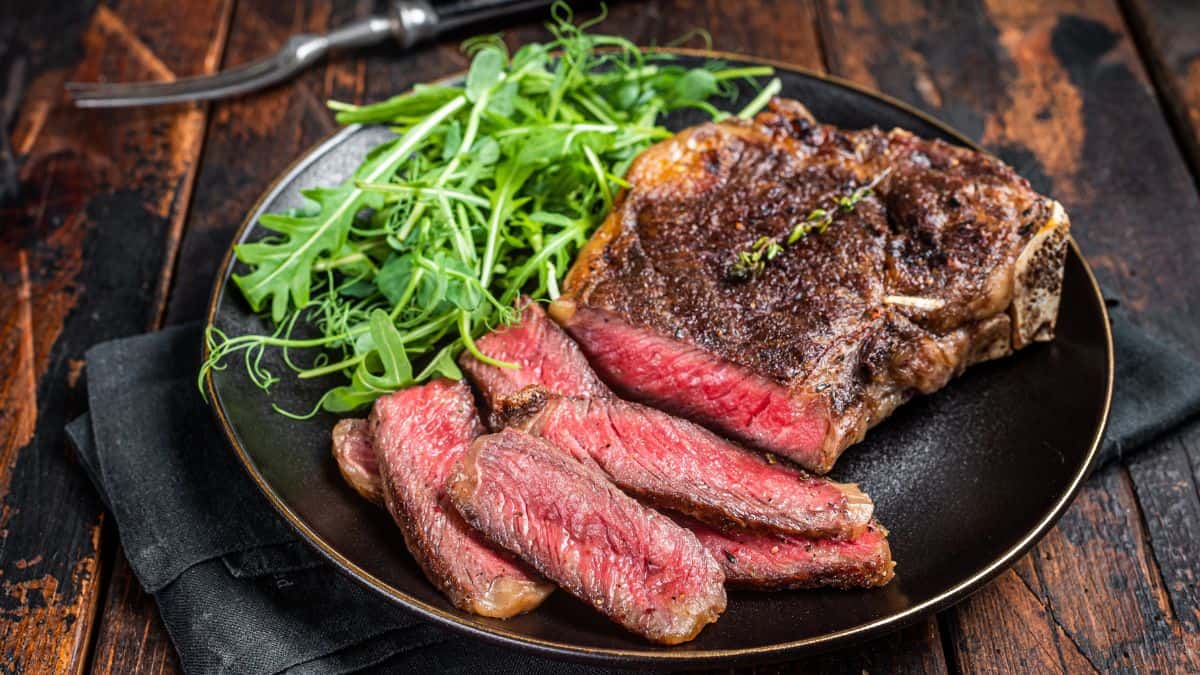
Cooking a steak looks like just searing meat in a pan or on a grill. But the smallest mistake can turn it tough or flavorless. Too much heat can burn the outside while leaving the inside raw.
Too little heat leaves it gray and chewy. Resting the steak before cutting is also important, yet many people skip it. Mastering steak takes practice and attention to detail.
Mashed Potatoes
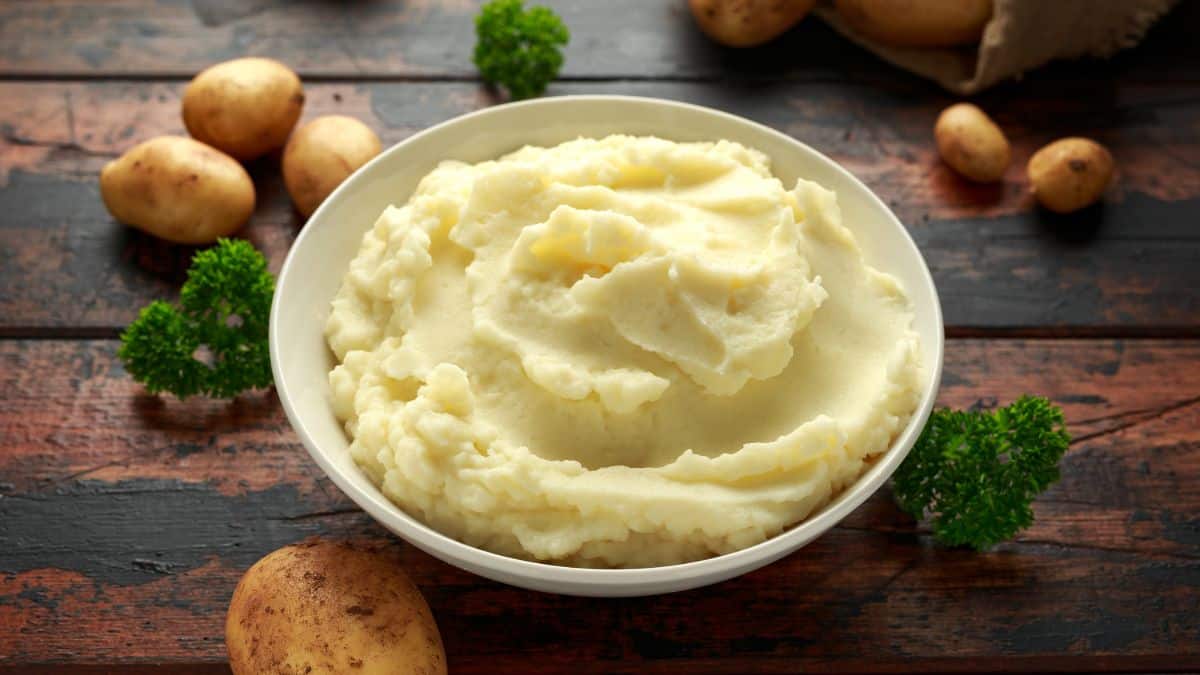
Mashed potatoes seem simple: just boil and mash. But they often turn gluey, lumpy, or bland. Overmixing releases too much starch, making it sticky.
Not salting the water while boiling the potatoes makes them taste flat. Using the wrong type of potato can also ruin the dish. The right technique makes mashed potatoes fluffy, creamy, and flavorful.
Cookies
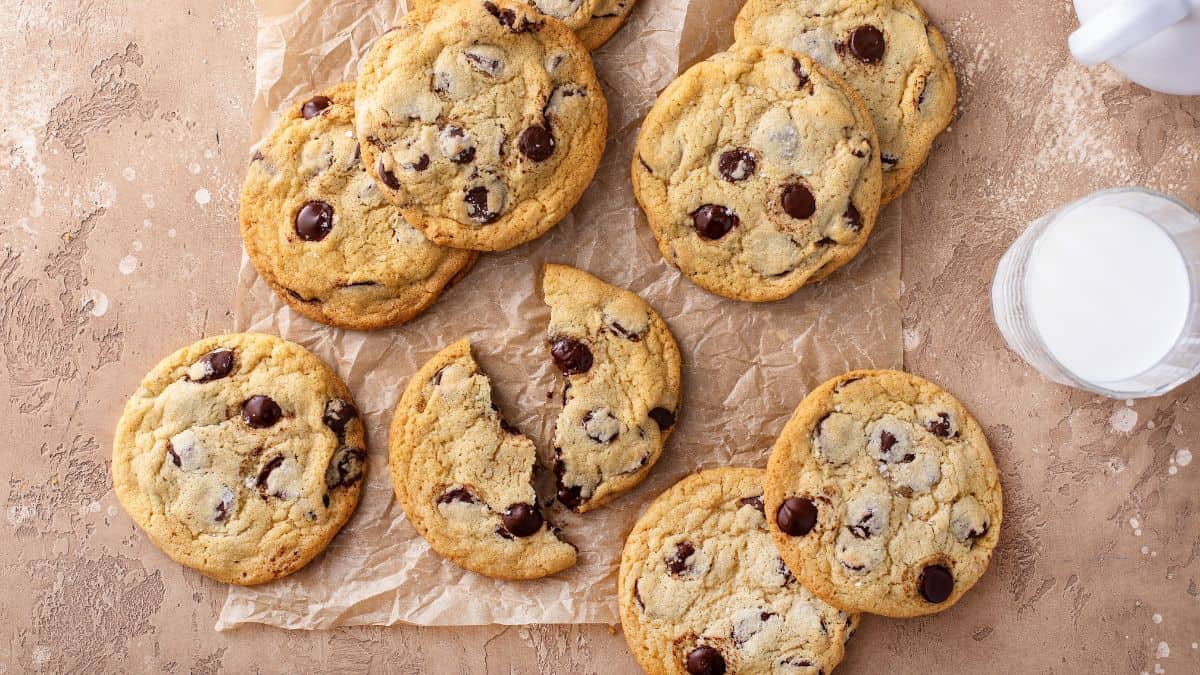
Cookies are one of the most common baked treats, yet they are tricky. Too much flour makes them dry, while too little makes them spread too thin. Oven temperature is also critical because even a few degrees off can change the texture.
Taking them out too early leaves them raw, while leaving them in too long makes them crunchy instead of chewy. Cooling them on the baking sheet too long can also make them hard. A good cookie is all about balance and timing.
Grilled Cheese
A grilled cheese sandwich looks like the easiest comfort food, but it can easily burn or become soggy. Too much butter or oil makes it greasy, while too little makes it dry.
Cooking too fast burns the bread before the cheese melts. Using the wrong cheese also changes the flavor and texture. When done right, grilled cheese is crispy, golden, and gooey.
Pancakes
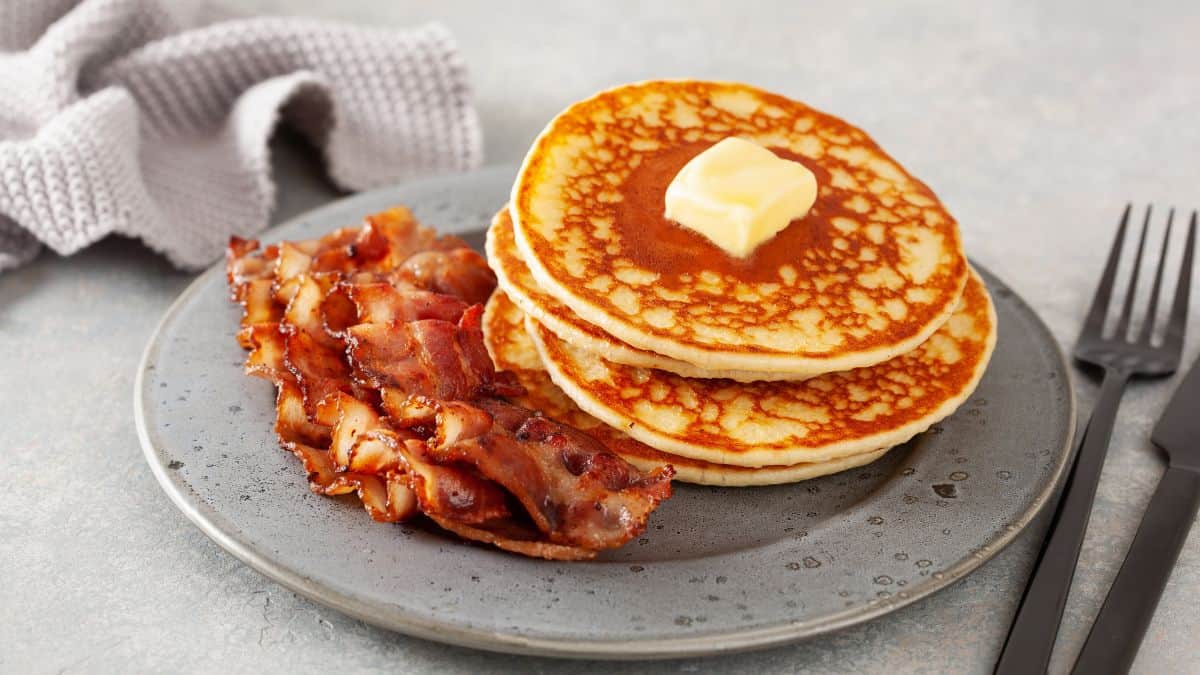
Pancakes look like a weekend favorite that anyone can cook. But many turn out flat, tough, or raw in the middle. Overmixing the batter makes it dense instead of fluffy. Using too much heat burns the outside while the inside stays uncooked.
Not waiting long enough before flipping makes them fall apart. Perfect pancakes need gentle mixing, steady heat, and patience.
Roasted Vegetables

Roasting vegetables seems as simple as cutting them up and baking them. But often, they turn out soggy, bland, or unevenly cooked. Crowding them too close together traps steam, ruining the crisp texture.
Not using enough oil or seasoning leaves them dull in flavor. Oven temperature plays a huge role; many people cook them too low. Done properly, roasted vegetables become sweet, caramelized, and delicious.
Fish

Cooking fish is one of the hardest “simple” meals. Fish fillets are delicate and dry out quickly. Leaving them in the pan just a little too long makes them rubbery. Cooking with too much heat makes the outside burn while the inside stays raw.
Not drying the fish before cooking can also make it soggy. Fish requires careful attention and timing to come out perfect.
Bread

Homemade bread is often thought of as basic, but it is tricky. Too much kneading makes it tough, while too little leaves it flat. The water temperature has to be just right for the yeast to work.
Letting it rise too long or not long enough ruins the texture. Even the oven temperature has to be exact. When everything goes right, the smell of fresh bread makes the effort worth it.
Burgers
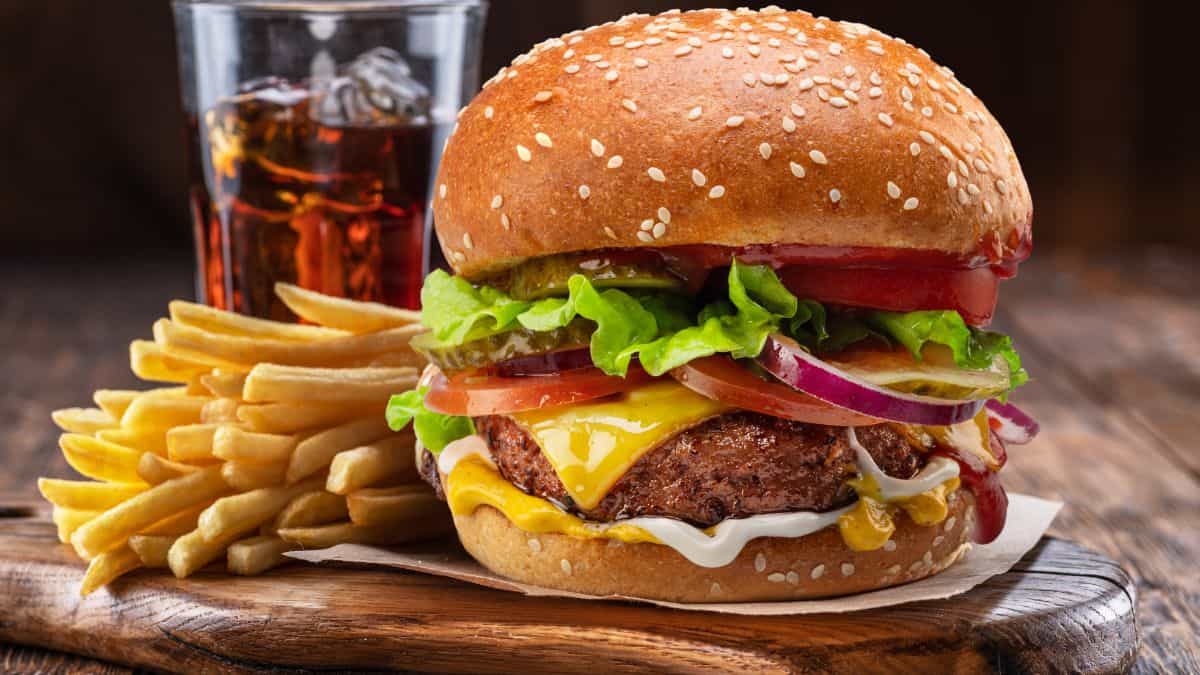
Burgers may look simple to grill, but they are easy to ruin. Pressing down on them while cooking squeezes out the juices. Cooking them too quickly leaves them raw inside. Using too lean of a meat mix makes them dry and flavorless.
Forgetting to season them properly leaves them bland no matter what toppings you use. A great burger needs balance, patience, and care.
Omelets
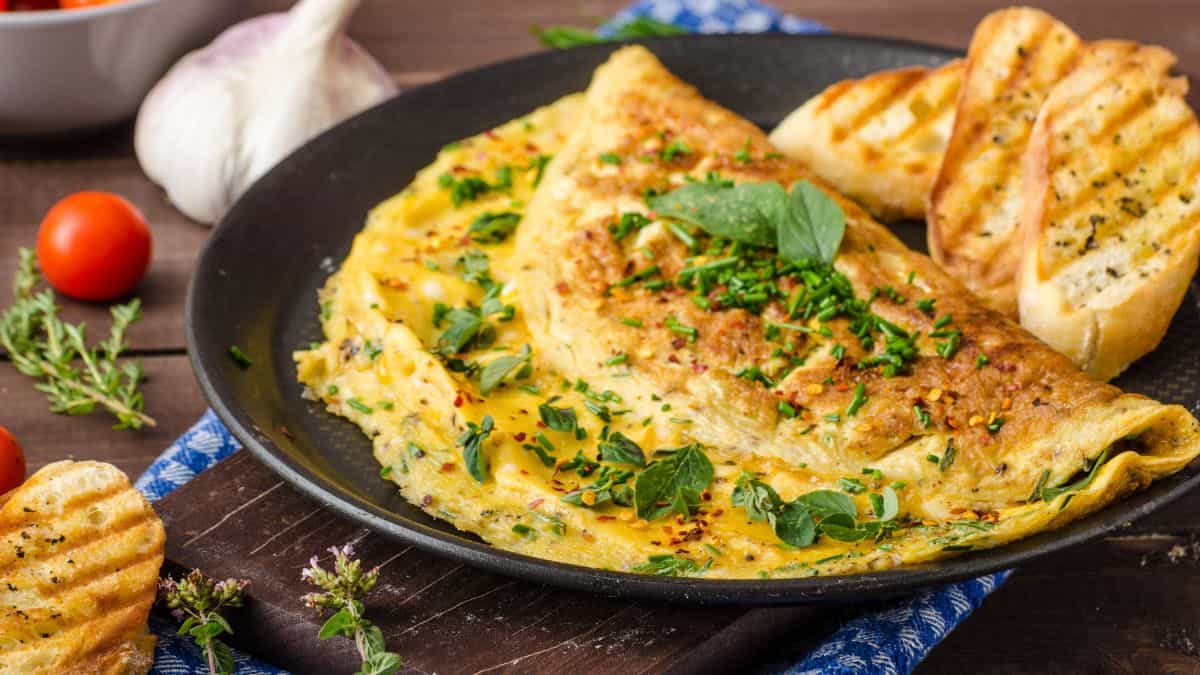
An omelet looks easy, but many people fail at it. High heat makes the eggs brown and rubbery. Not using enough butter or oil makes it stick to the pan.
Overfilling with too many ingredients makes it fall apart. Timing the fold is also harder than it looks. A perfect omelet is soft, fluffy, and gently cooked.
Fried Chicken
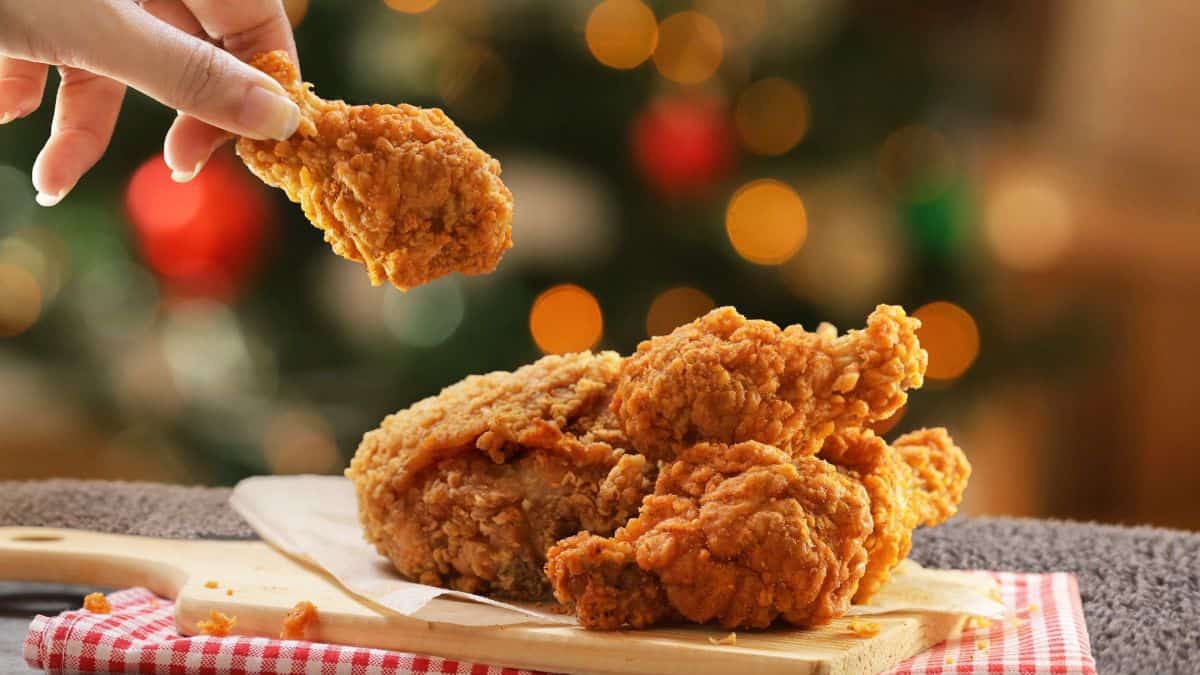
Fried chicken is comfort food, but it is not simple. Many people end up with undercooked meat or burnt breading. If the oil is too hot, the outside burns before the inside cooks.
If the oil is too cool, the chicken becomes greasy. Proper seasoning of both the flour and chicken is often forgotten. True crispy fried chicken takes careful heat control and preparation.
French Fries
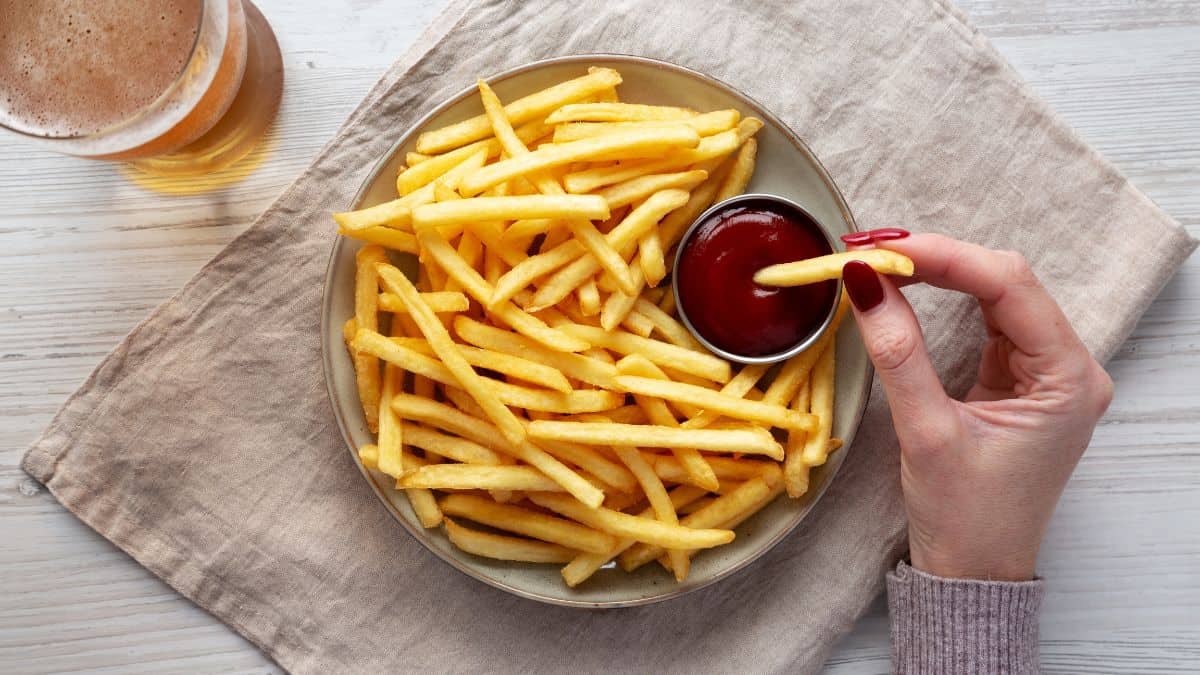
French fries seem like just potatoes in hot oil. But they often come out soggy, greasy, or limp. Not soaking the potatoes before frying leaves too much starch on them.
Using the wrong oil temperature makes them either greasy or burnt. Double frying is a secret that many beginners skip. Perfect fries are golden, crispy, and fluffy inside.
Cooking simple foods is not always as easy as it looks. Most mistakes happen because of small details like temperature, timing, and preparation. When you learn to master these, even basic foods taste amazing.
It takes practice, but every failed dish is just part of the process. The reward of getting them right is worth the effort. Ultimately, even the simplest foods can teach us the most about cooking.
Leave a Reply