
Keeping food fresh is a challenge, even when using the refrigerator. Some foods spoil much faster than expected, leading to waste and potential health risks. While we assume the fridge slows spoilage, certain items degrade quickly due to moisture, bacteria, or natural breakdown.
Want to Save This Recipe?
Enter your email & I'll send it to your inbox. Plus, get great new recipes from me every week!
By submitting this form, you consent to receive emails from Blue's Best Life.
Understanding these foods can help you store and use them appropriately before they go bad. Some of these items should last a long time but deteriorate within days. Here are 14 foods with an unexpectedly short shelf life, even refrigerated.
Milk

Milk is a staple in many households, but it doesn’t last as long as you might think. Milk can spoil within a week or less, even in the fridge, depending on how often it’s opened. Bacteria from the air and temperature fluctuations when the fridge door opens can speed up spoilage.
Keeping it in the coldest part of the fridge, rather than the door, can help extend freshness. If it starts to smell sour or develops a thick texture, it’s time to throw it out. Buying smaller quantities can prevent waste and ensure you always have fresh milk.
Leafy Greens

Leafy greens like spinach, lettuce, and kale wilt and spoil quickly. Even when stored in the crisper drawer, they can become slimy and discolored within days. Moisture is the biggest enemy, causing greens to break down faster.
Storing them with paper towels to absorb excess moisture can help prolong freshness. Washing them only before use prevents premature spoilage. The best way to avoid waste is to buy and consume smaller amounts quickly.
Berries
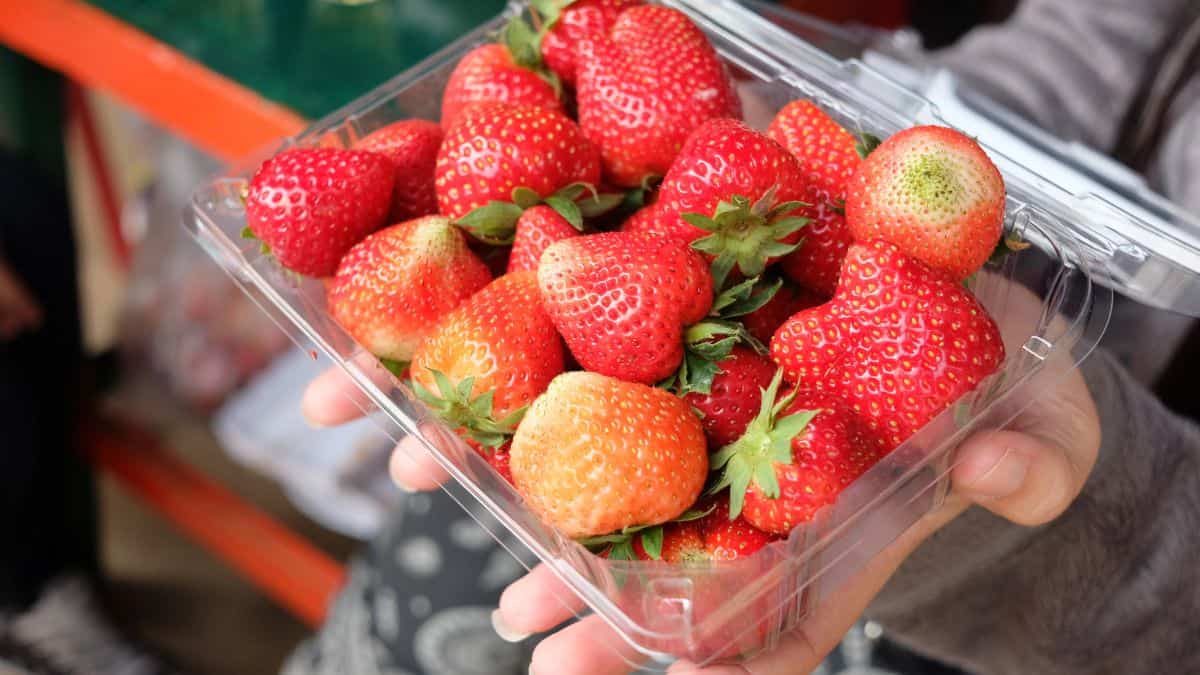
Berries like strawberries, raspberries, and blueberries may look fresh but spoil faster than expected. Their high moisture content makes them prone to mold and mushiness. Even in the fridge, they can grow mold within a few days.
To extend their life, avoid washing them until just before eating. Storing them in a ventilated container with paper towels can absorb excess moisture. Checking for mold and removing spoiled berries helps keep the rest fresh longer.
Avocados

Avocados ripen quickly and go bad just as fast, even in the fridge. Once they are cut, they turn brown within hours due to oxidation. Even whole avocados can become overripe and mushy within a few days. Wrapping them tightly and using lemon juice on cut surfaces can slow browning. If they feel too soft, they are likely past their prime. Eating them as soon as they ripen prevents waste.
Cooked Rice
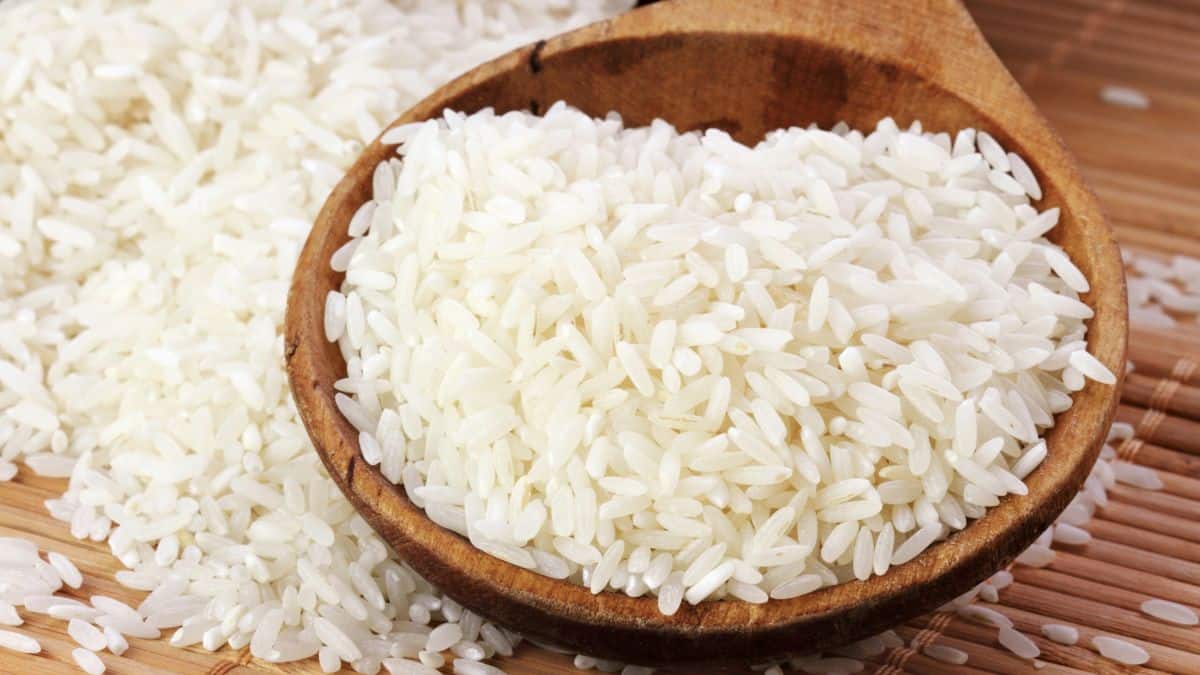
Cooked rice may last, but it can spoil quickly in the fridge. Moisture trapped in the container creates the perfect environment for bacteria. If left too long, it can develop an off smell and even dangerous bacteria. It’s best to eat refrigerated rice within one or two days. Storing it in a shallow container helps cool it faster and prevent bacterial growth. Reheating it thoroughly before eating ensures safety.
Deli Meats

Deli meats may seem to have a long shelf life, but they spoil quickly after opening. Even in the fridge, they can grow bacteria and develop a slimy texture within a few days. The preservatives help slow spoilage, but exposure to air speeds up the process.
Keeping them in an airtight container can help, but they should still be eaten within three to five days. If they develop a strange smell or texture, they should be discarded. Buying smaller portions helps avoid waste.
Soft Cheeses

Soft cheeses like ricotta, brie, and cottage cheese have high moisture content, making them prone to spoilage. Even refrigerated, they can grow mold and bacteria within a few days.
Unlike hard cheeses, soft varieties don’t last as long after opening. Storing them in an airtight container can help slow spoilage. They should be thrown away if they develop an off smell, slimy texture, or visible mold. Buying small amounts ensures you enjoy them while they are fresh.
Fresh Herbs

Fresh herbs like cilantro, parsley, and basil wilt and rot quickly, even in the fridge. Moisture causes them to break down quickly, leaving slimy leaves and an unpleasant smell. Keeping them dry and wrapping them in paper towels can help extend their life.
Some herbs, like basil, do better at room temperature in water. Freezing herbs in oil can also help preserve their flavor for cooking. The best way to prevent waste is to use them quickly after purchase.
Eggs
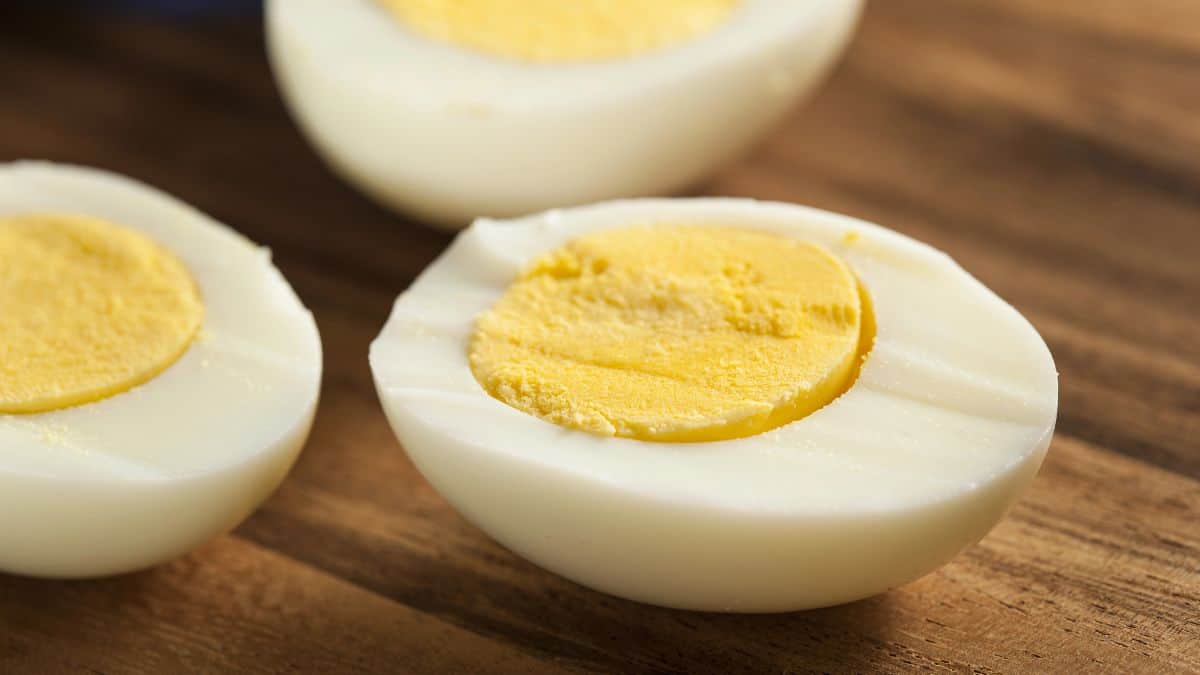
Eggs last longer than some foods but can still spoil faster than expected. If stored in the fridge door, they are exposed to temperature changes that speed up spoilage. Keeping them in their original carton in the main section of the fridge helps maintain freshness.
When cracked, a spoiled egg will have a strong, unpleasant smell. The float test, placing an egg in water, can help determine freshness. Eating eggs within a few weeks ensures the best quality and safety.
Fish

Fresh fish spoils rapidly, even when refrigerated. Its high protein content makes it a breeding ground for bacteria. It develops a strong odor and slimy texture if not eaten within one or two days.
Storing fish on ice in the fridge can help keep it fresh a little longer. Freezing is the best option if you don’t plan to eat it right away. Buying fish on the day you plan to cook it ensures the best taste and safety.
Mushrooms

Mushrooms absorb moisture readily, causing them to become slimy and moldy quickly. Even in the fridge, they can deteriorate within days if not stored properly. Keeping them in a paper bag instead of plastic helps absorb excess moisture and extend their freshness.
Washing them only before use prevents premature spoilage. They should be discarded if they develop dark spots, a slimy texture, or a strong odor. Buying smaller amounts helps avoid waste.
Hummus

Hummus has a short shelf life after opening, even when refrigerated. Its high moisture content makes it a target for bacterial growth. Once opened, it should be consumed within a few days for the best taste and safety, and stored in an airtight container can help slow spoilage. It should be thrown away if it develops a sour smell or mold. Making smaller batches or buying single-serving containers can reduce waste.
Fresh Juice

Fresh juice, especially homemade, spoils quickly because it lacks preservatives. It can ferment and develop a sour taste even when refrigerated within a few days. The natural sugars make it a breeding ground for bacteria if left too long.
Keeping it in an airtight container and consuming it quickly ensures the best quality. If it develops a strange smell, taste, or fizz, it’s no longer safe to drink. Making small amounts at a time helps prevent waste.
Leftover Cooked Vegetables

Cooked vegetables don’t last as long as raw ones, even in the fridge. Their high moisture content makes them susceptible to bacterial growth. They can develop an off-odor and slimy texture if not eaten within a couple of days. Storing them in an airtight container helps slow spoilage. Reheating thoroughly ensures safety. Eating them quickly after cooking is the best way to enjoy their flavor and avoid waste.
Related: 15 Clever Hacks To Reduce That Never-Ending Grocery Bill

Managing grocery expenses can be challenging for many households, especially with rising food costs and fluctuating budgets.
However, with some creativity and resourcefulness, you can implement numerous clever hacks to reduce your never-ending grocery bill without sacrificing the quality or variety of your meals.




Leave a Reply