
Have you ever noticed how certain “gourmet” foods get hyped up like royalty when they’re just the same old leftovers wearing a bowtie? This list is for every overpriced menu item that’s basically your grandma’s pantry item in disguise. Many of these so-called “fancy” foods aren’t new, rare, or even that special.
Want to Save This Recipe?
Enter your email & I'll send it to your inbox. Plus, get great new recipes from me every week!
By submitting this form, you consent to receive emails from Blue's Best Life.
They’re just old recipes and preservation tricks with a glow-up thanks to clever branding, high-end plating, and a good backstory. Somewhere along the line, we decided it must be elite if it was foreign, fermented, or difficult to pronounce. Here is some culinary truth-telling, one fake-fancy bite at a time.
Caviar
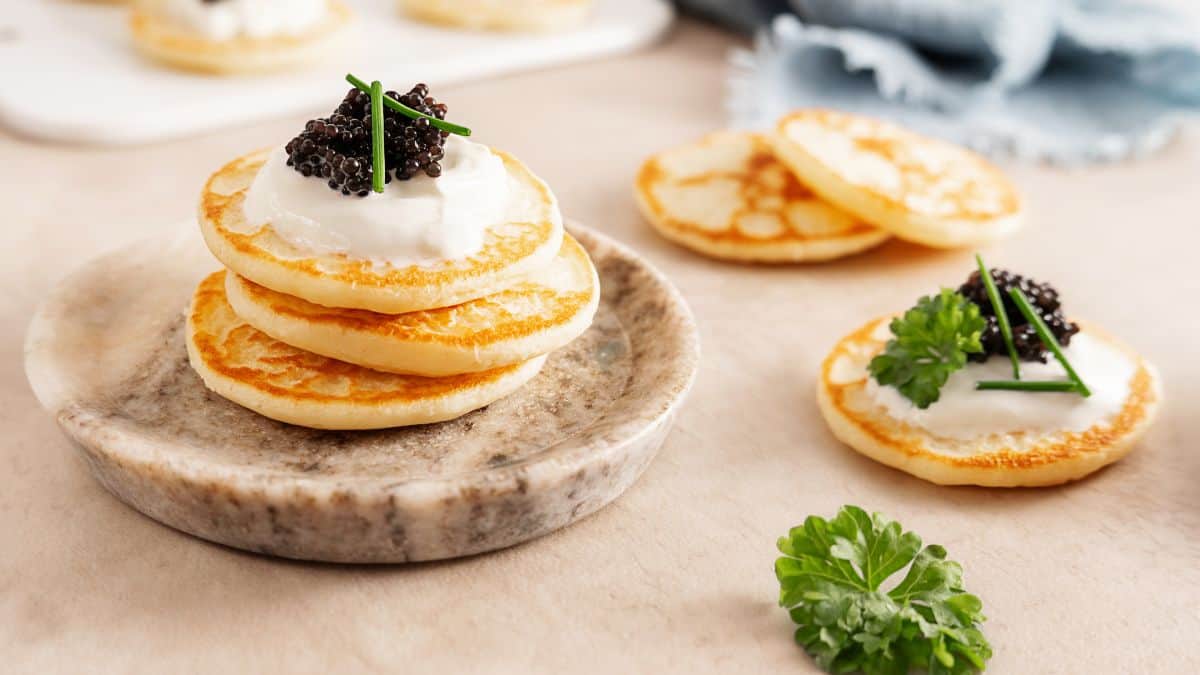
Let’s be honest, fish eggs got lucky with PR. If someone served you “salty sea bubbles” without the word “caviar” attached, you’d politely decline and ask for chips instead. The only reason it feels posh is because it’s served in tiny tins with tiny spoons that make you feel like a dollhouse aristocrat.
Truth is, caviar’s just old-school preservation at its finest, fish trying not to go bad. It’s the culinary version of someone insisting their expired yogurt is “aged.” Still, the rich keep scooping because nothing says luxury like pretending decay is delicious.
Truffle Oil
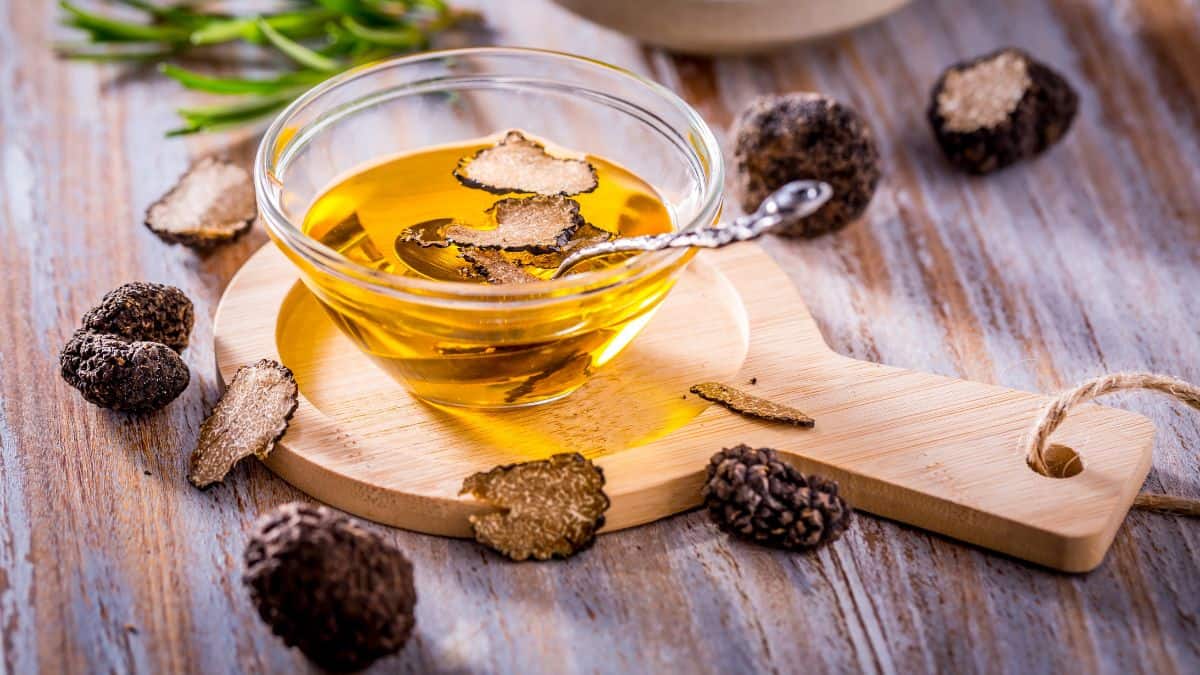
If you’ve ever tasted truffle oil and thought, “Wow, this smells like gym socks soaked in garlic,” you’re not wrong. What’s hilarious is that most of it doesn’t even contain real truffles, just a chemical imitation of their funky aroma. Yet, restaurants drizzle it on everything like it’s fairy dust from the forest. The joke?
Truffles were once pig food. Literal pig food. Somewhere along the way, humans decided to steal the pigs’ snacks and call it haute cuisine. So next time your fries smell suspiciously earthy, remember, it’s not magic, it’s marketing.
Foie Gras
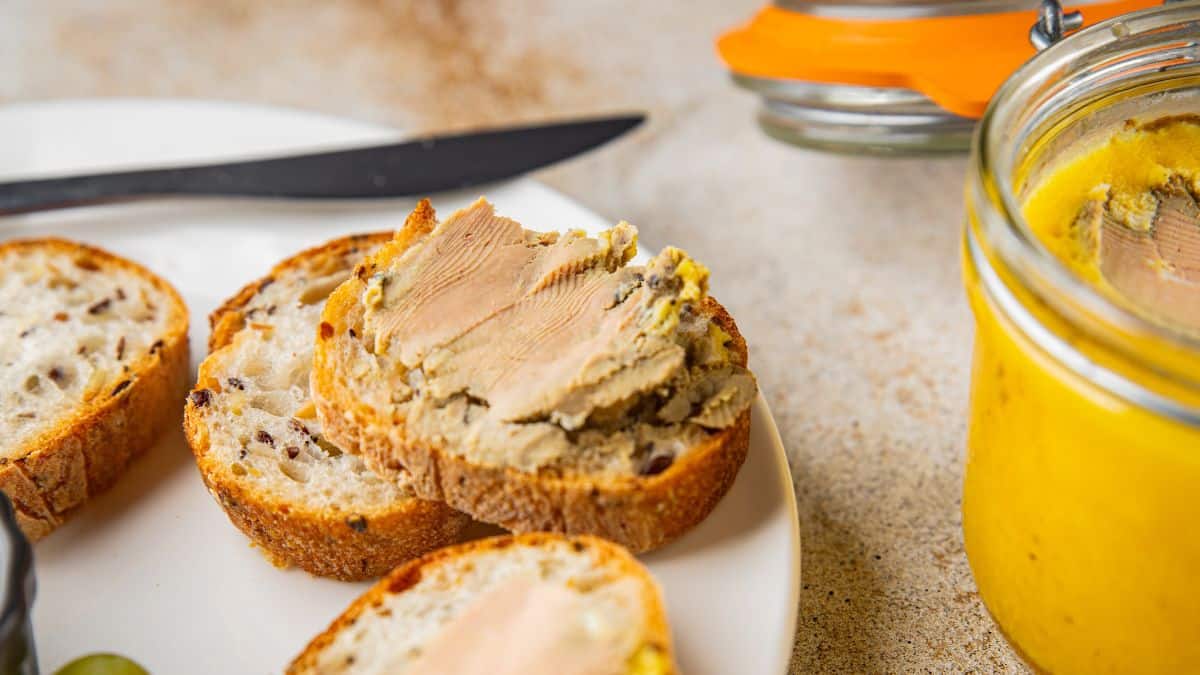
This one sounds elegant until you translate it: “fatty liver.” That’s it. A bloated duck liver with an accent. The French just knew how to make it sound seductive enough to distract from what it really is. It’s buttery, sure, but so is toast, and toast doesn’t involve force-feeding geese like medieval royalty with nothing better to do.
Still, every fancy dinner party has someone whispering about it like it’s scandalous gossip. And honestly, it kind of is. The only thing truly luxurious here is the ability to say “foie gras” without choking on your conscience.
Escargot

Nothing says “I’m cultured” like eating something that once slimed its way across your garden. Snails have somehow gone from backyard pest to fine dining centerpiece thanks to butter, garlic, and bold denial. You could serve literally anything in garlic butter and people would clap. Slugs in shells?
Bravo, chef. It’s basically the culinary equivalent of putting lipstick on a lawnmower. The best part? Everyone pretends to love it but secretly focuses on not making eye contact with what’s on the plate. The French must have been dared into this one.
Lobster

Once upon a time, lobster was poor people food. Fishermen fed it to prisoners, and even the prisoners complained. Fast forward a century, and suddenly it’s “luxury.” The same crustacean that used to be called the “cockroach of the sea” now shows up wearing butter like designer jewelry.
Don’t get me wrong, it’s tasty, but it’s proof that hype can rewrite history. Imagine one day we’re paying $60 for “artisan Spam.” That’s the lobster story: from rock bottom to Rockefeller brunch.
Quinoa

Quinoa is basically oatmeal that went to private school. It showed up in the early 2000s and convinced everyone it was a superfood sent from the Andes. But at its core, it’s just another grain, tiny, bland, and clingy when you wash it. It’s like rice, but with an attitude and a trust fund.
The funniest part is how it tries to act worldly, like “Oh, I’m ancient, I’ve been around for centuries.” So has dust. Quinoa is what happens when your pantry gets a PR manager.
Kale
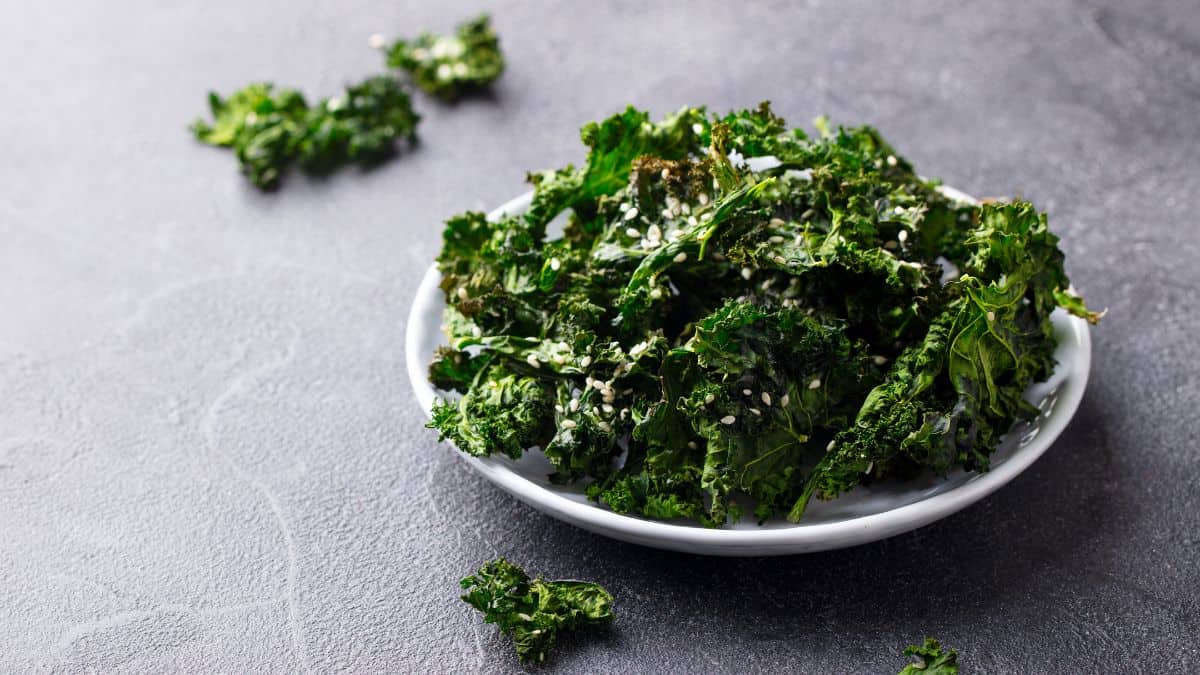
Kale used to be a decoration on salad bars. That’s right, it wasn’t even invited to the plate. Then some influencer threw it in a blender, and suddenly it was the Beyoncé of greens. But no matter how much you massage it, kale still tastes like lawn clippings with confidence issues.
You can call it “Tuscan” or “baby,” but it’s still that rough, chewy leaf that makes your jaw sore by bite three. Kale didn’t get better, it just got a marketing team and a good Instagram filter.
Oysters

Oysters are the ocean’s dare food. They look like something that should be thrown back, but someone centuries ago decided to slurp one and call it classy. Now we gather in dimly lit bars, toss them back with lemon, and pretend it’s sexy instead of suspicious.
Oysters are weirdly performative, half status symbol, half science experiment. They taste like seawater and secrets, but we keep doing it because “aphrodisiac” sounds better than “slimy salt shot.” Admit it, you’re just there for the champagne.
Sourdough Bread

Remember when sourdough was the “it” food of 2020? Everyone suddenly became a baker, whispering to their bubbling starters like they were Tamagotchis. But sourdough isn’t new, it’s ancient. Literally ancient Egypt old.
It feels fancy now because someone gave it an Instagram revival with rustic filters and wood cutting boards. It’s basically the culinary version of a vintage sweater: smells weird and costs more, but it has character. Nothing new here, just old bread with a fan club.
Bone Marrow
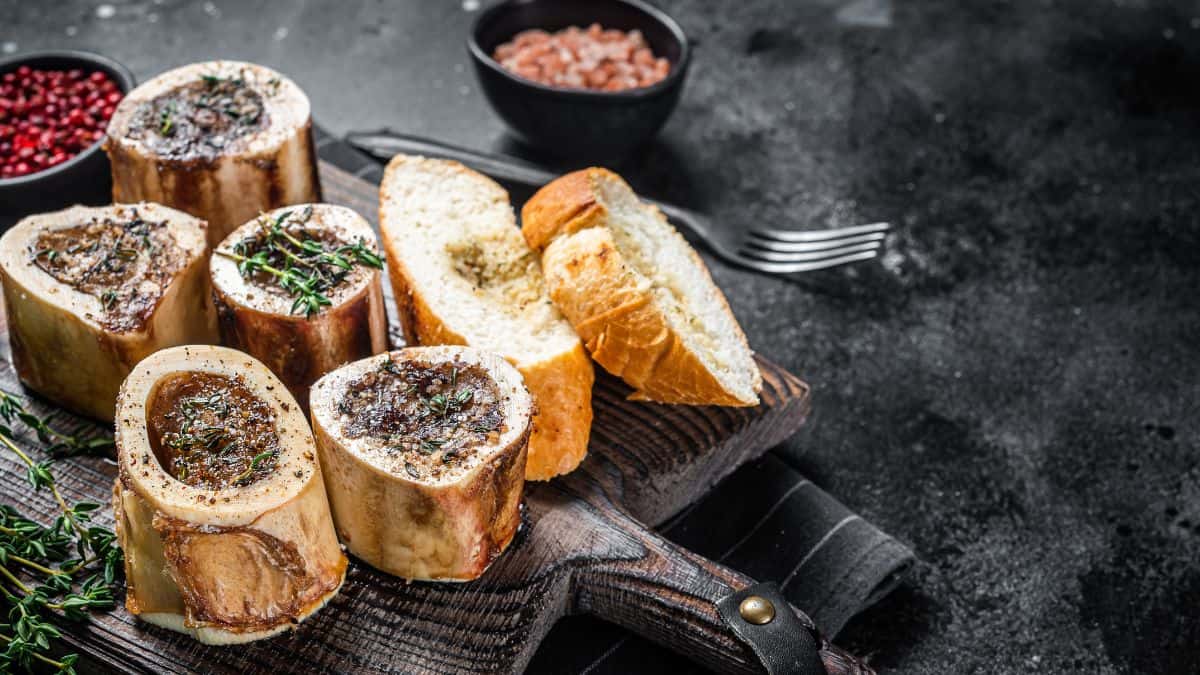
You can’t make this one sound chic; it’s bones. Bones! Cavemen ate it because there was nothing else. Yet here we are, paying $35 to scoop gelatinous goo out of a femur while calling it “decadent.” The flavor’s fine, but the presentation screams Halloween prop.
There’s something deeply primal about it, which chefs try to offset with microgreens and fancy spoons. But at the end of the day, it’s exactly what your dog gets for Christmas. And honestly, he enjoys it more.
Charcuterie Boards

A charcuterie board is just Lunchables that grew up and moved to the suburbs. The only difference is that adults now use slate instead of plastic and act like stacking cheese cubes is a form of art. Sure, it looks impressive, but it’s just snack time in denial.
People hover around it pretending to be refined, but five minutes later, it’s chaos, half-eaten salami roses, and a sad grape rolling away. We’ve basically turned grazing into a social event and called it culture. Fancy? Please, it’s adult recess.
Balsamic Glaze
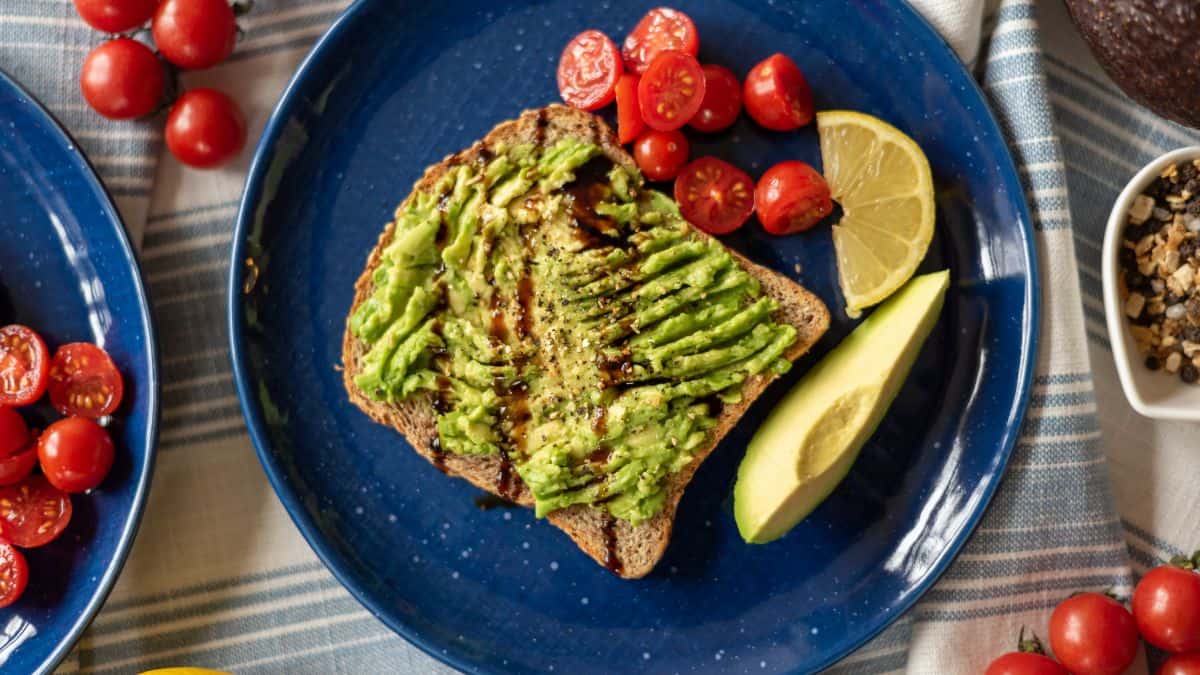
Somewhere along the line, balsamic vinegar decided it was too humble to stay liquid and got a makeover. Now it’s thick, shiny, and swirled dramatically over everything from salads to ice cream. Yes, ice cream.
The glaze tries to act high-end, but vinegar has been boiled into a sticky midlife crisis. It clings to plates like it’s auditioning for an art gallery. And we all politely clap, pretending we’re tasting “notes of complexity,” when it’s just syrup with an identity crisis.
There you have it, twelve so-called luxury foods that fooled the world with fancy names and good lighting. They strutted out of history’s basement wearing designer labels, hoping we wouldn’t notice the smell of yesterday’s pantry.
“Gourmet” is often just a synonym for “used to be gross.” But if pretending our peasant snacks are posh makes dinner parties more fun, who are we to ruin the fantasy?



Leave a Reply