
Eating fresh fruits and vegetables is essential for a healthy diet, but pesticide concerns often come to mind. The good news is that some produce items are naturally lower in pesticide residues, making them safer choices even when you can't buy organic.
Want to Save This Recipe?
Enter your email & I'll send it to your inbox. Plus, get great new recipes from me every week!
By submitting this form, you consent to receive emails from Blue's Best Life.
These foods are known as the "Clean Fifteen." They’re less likely to contain harmful chemicals, even when grown conventionally. These fruits and veggies are excellent options if you're looking for ways to eat clean without breaking the bank.
Avocados
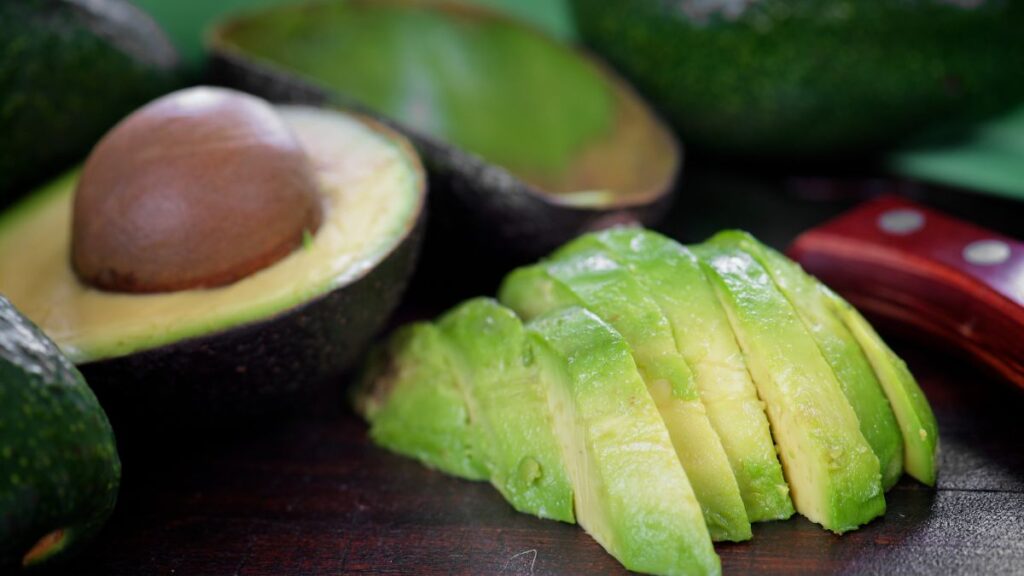
Avocados top the Clean Fifteen list because their thick skin protects the fruit from pesticides. Not only are they low in chemicals, but they’re also packed with healthy fats, fiber, and vitamins like C, E, and K.
Avocados are versatile and can be used in salads, spreads, or even smoothies. Their creamy texture and nutrient-dense profile make them popular for health-conscious eaters. They stay fresh for a long time, making them easy to store.
Sweet Corn
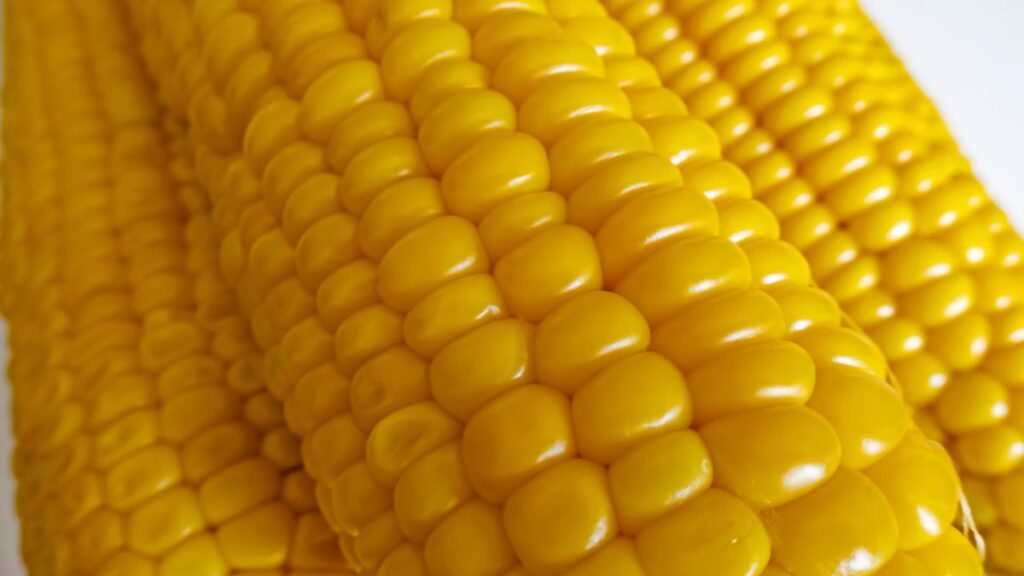
Sweet corn is another low-pesticide option, making it safe and delicious for your meals. It’s also rich in fiber, vitamins, and antioxidants, providing essential nutrients for heart health and digestion.
Corn is a great addition to salads, soups, or grilled as a side dish. Its natural sweetness makes it a family favorite, and you don’t have to worry about high pesticide exposure. Just make sure to remove the husk before eating!
Pineapples
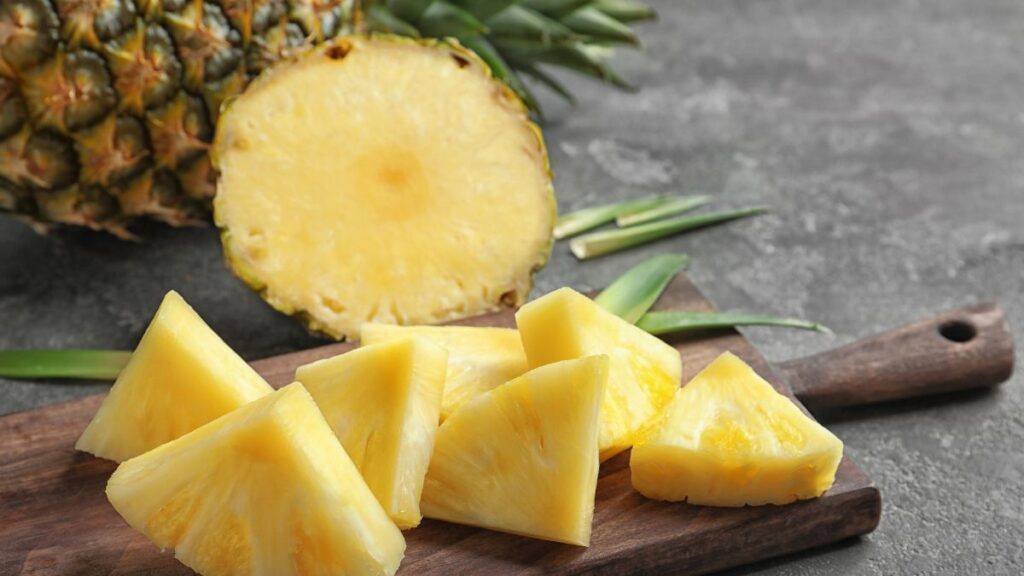
Pineapples naturally fend off pests with their tough, spiky skin, reducing the need for chemical sprays. This tropical fruit is loaded with vitamin C, manganese, and digestive enzymes that support gut health.
Pineapples are deliciously sweet and tangy, perfect for fruit salads, smoothies, or as a refreshing snack on their own. You can enjoy their juicy goodness without worrying about pesticides. Plus, they make a great ingredient for tropical-inspired dishes.
Cabbage
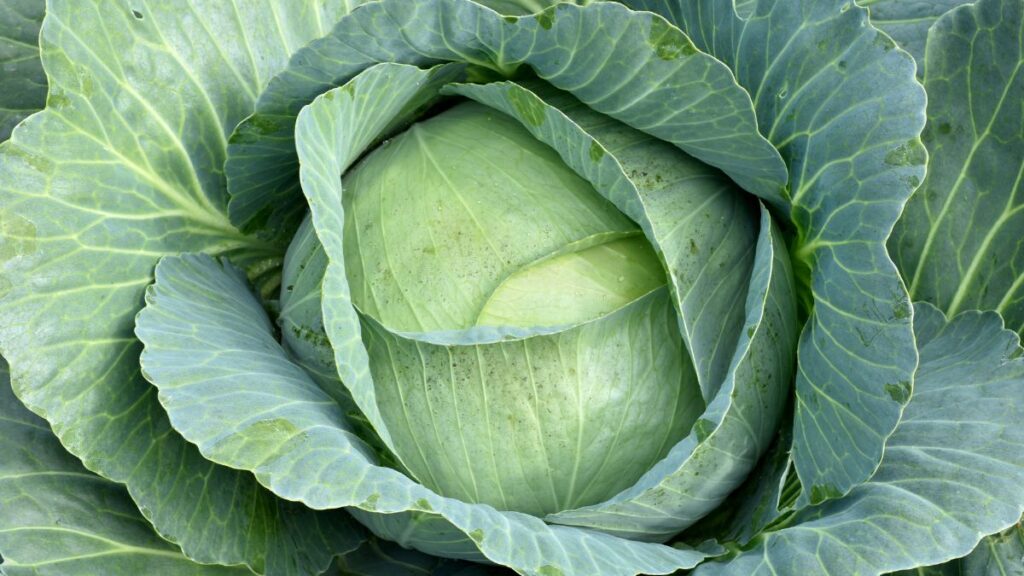
Cabbage is a nutrient-packed vegetable that’s naturally resistant to pests, keeping pesticide levels low. It’s high in fiber, vitamins C and K, and antioxidants that promote heart and gut health.
Whether eaten raw in salads or cooked in soups and stir-fries, cabbage is a versatile and budget-friendly addition to any meal. Its crunchy texture and mild flavor make it a great base for coleslaws or sautéed dishes. Best of all, it’s one of the cleanest veggies around.
Onions
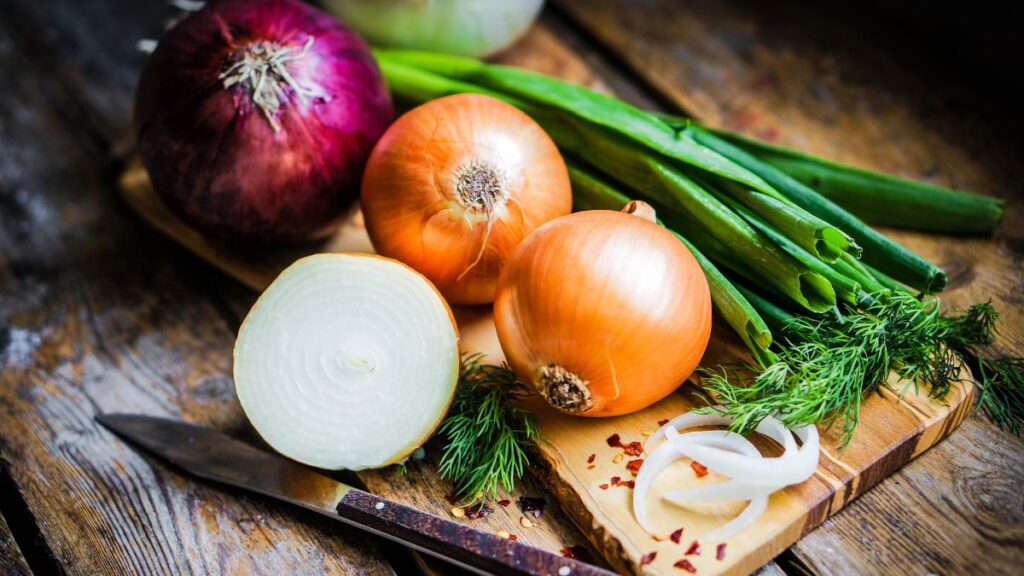
Onions have a natural defense mechanism that helps them grow with little to no pesticide use. Their pungent flavor and strong aroma make them undesirable to pests, reducing the need for chemical sprays.
Onions are rich in antioxidants and compounds that support heart health and reduce inflammation. You can use them in almost any savory dish, from soups and stews to salads and sandwiches. They add flavor and nutrition without the worry of pesticides.
Frozen Sweet Peas
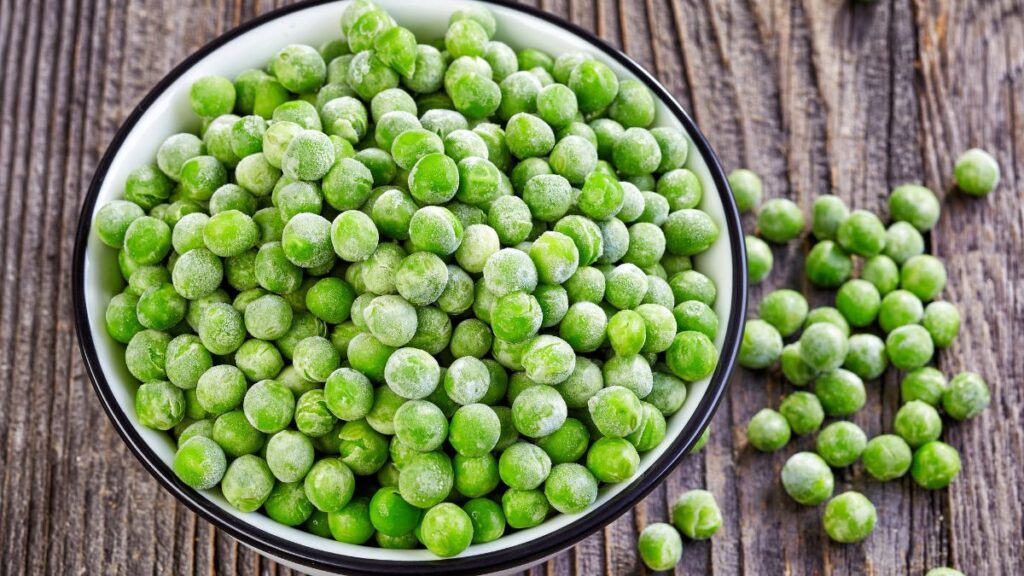
Frozen sweet peas are harvested at peak ripeness and often require little pesticide treatment. They’re rich in vitamins A, C, and K and fiber, making them a nutritious and convenient addition to any meal.
Peas are perfect for adding to soups, casseroles, or as a simple side dish. They maintain their bright green color and sweet taste, even after freezing. With low pesticide levels and high nutritional value, sweet peas are a win-win.
Papayas
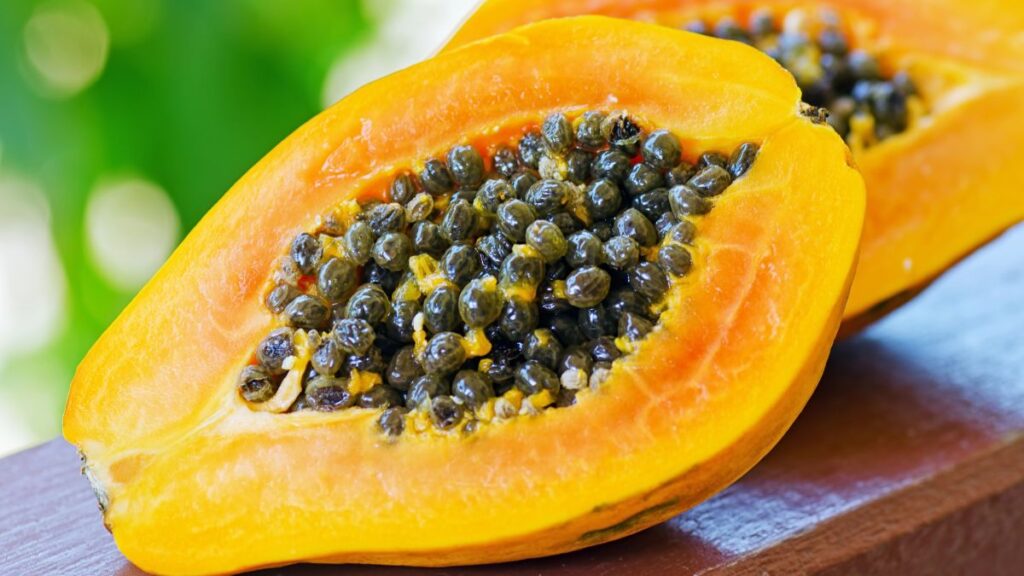
Papayas have thick skins that protect them from pesticide exposure, making them a safe fruit choice. This tropical fruit is rich in vitamin C, folate, and digestive enzymes that aid in digestion.
Papayas are sweet, juicy, and perfect for fruit salads or smoothies. Their vibrant orange flesh adds a tropical flair to your dishes. Best of all, you can enjoy their health benefits without worrying about pesticide residue.
Eggplant
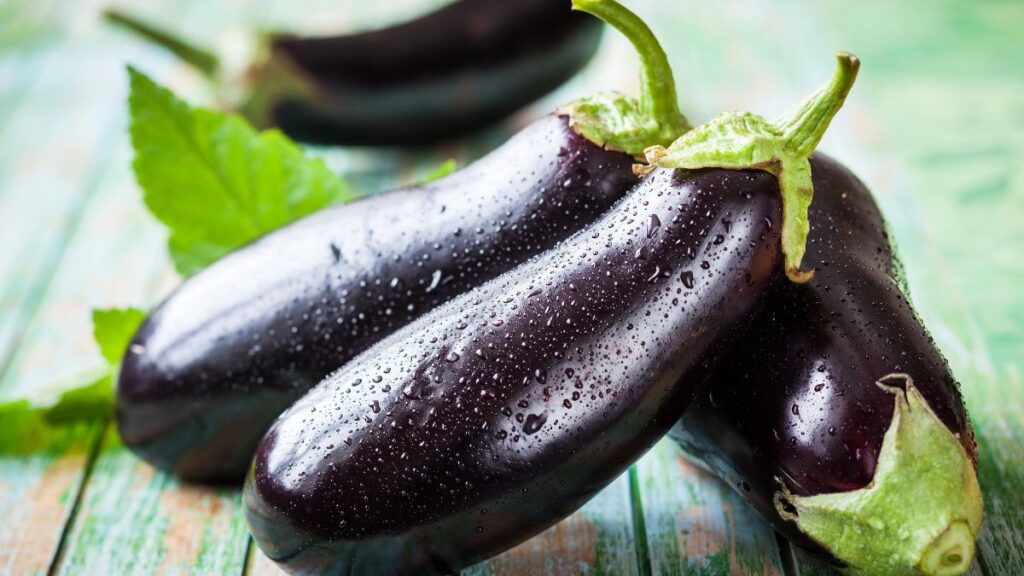
Eggplants have thick skins that help keep pesticides at bay. This low-pesticide vegetable is also a great source of fiber, vitamins, and antioxidants. Eggplants can be roasted, grilled, or added to casseroles for a meaty texture and rich flavor.
They’re particularly delicious in Mediterranean dishes like baba ghanoush or ratatouille. With their low pesticide levels, you can enjoy eggplant dishes without the worry of chemical exposure.
Asparagus
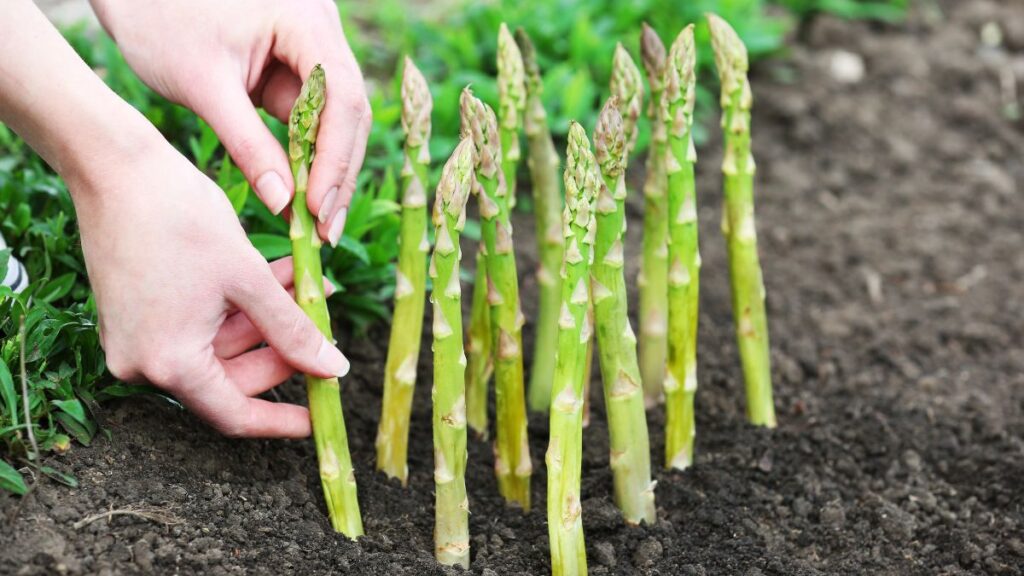
Asparagus is naturally resistant to pests, which reduces the need for pesticide application. This nutritious vegetable is loaded with fiber, folate, and vitamins A, C, and K. Asparagus is easy to prepare by roasting, grilling, or steaming, and it makes a great side dish or addition to salads.
Its unique flavor and crisp texture make it a favorite for health-conscious eaters. With low pesticide risk, asparagus is a great choice for clean eating.
Kiwis
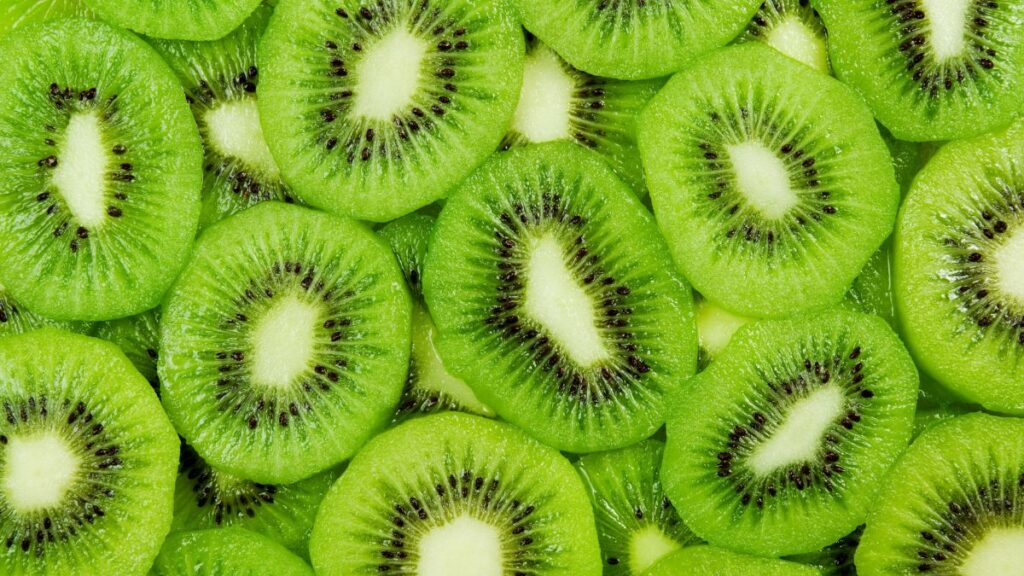
Kiwis have fuzzy skin that protects them from pesticides, making them a safe and nutritious option. This small fruit is packed with vitamin C, fiber, and antioxidants that support immune health and digestion.
Kiwis are delicious eaten on their own, in fruit salads, or added to smoothies for a tropical twist. Their sweet and tangy flavor is loved by both kids and adults. Plus, you don’t have to worry about high pesticide levels with this nutrient-dense fruit.
Cauliflower
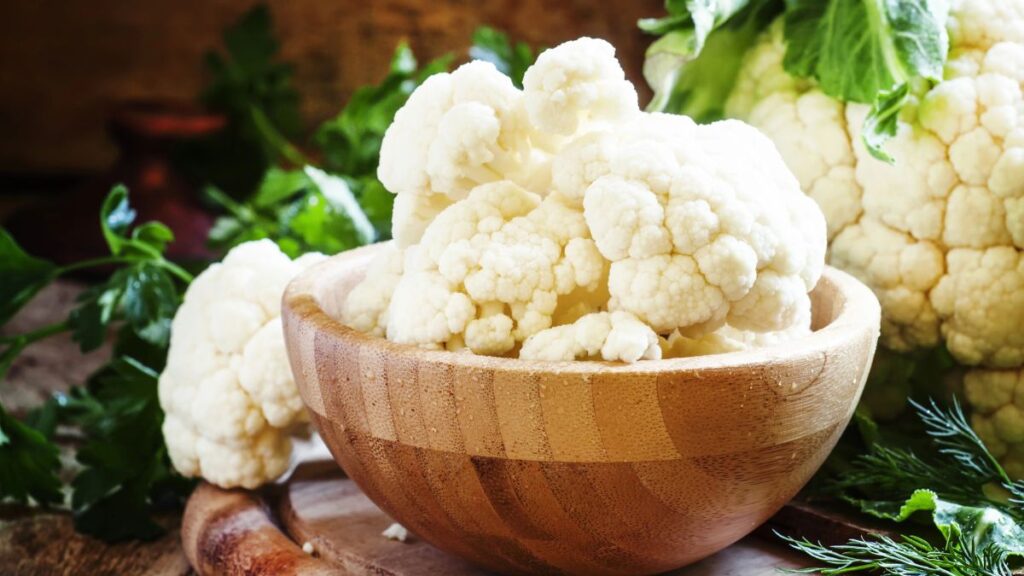
Cauliflower is another low-pesticide vegetable that’s high in vitamins, fiber, and antioxidants. It’s versatile and can be roasted, steamed, or mashed as a healthier alternative to potatoes.
Cauliflower’s mild flavor makes it a great base for a variety of dishes, from soups to rice substitutes. This cruciferous vegetable is not only nutritious but also one of the cleanest choices when it comes to pesticide exposure. You can enjoy it guilt-free.
Mushrooms
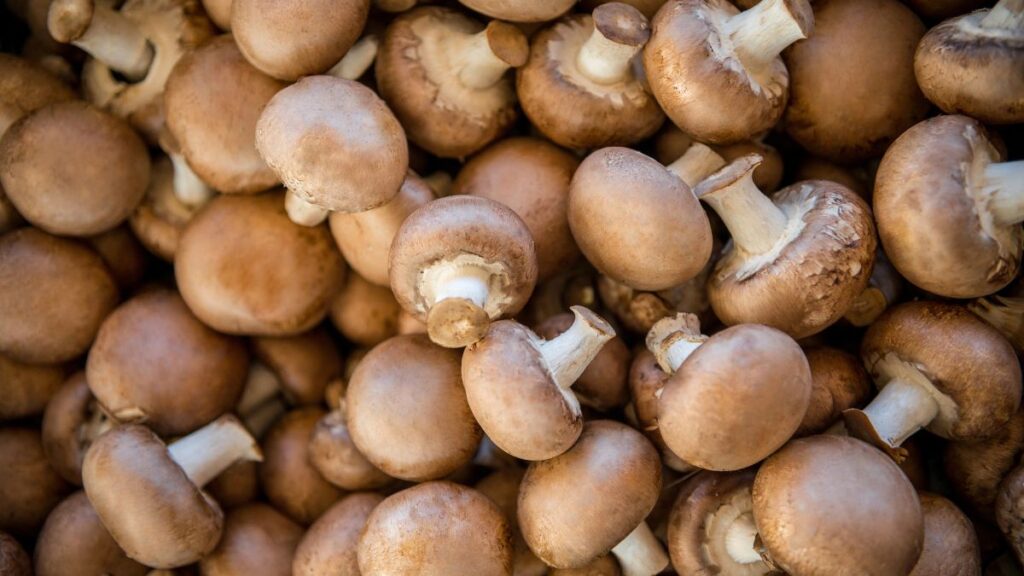
Mushrooms are typically grown in controlled environments, which means they require fewer pesticides. They’re rich in B vitamins, selenium, and antioxidants that support brain and immune health.
Mushrooms are incredibly versatile and can be sautéed, grilled, or added to soups and pasta dishes. Their earthy flavor adds depth to any meal, and their low pesticide risk makes them a clean, nutritious option. Plus, they’re low in calories and high in nutrients.
Cantaloupes
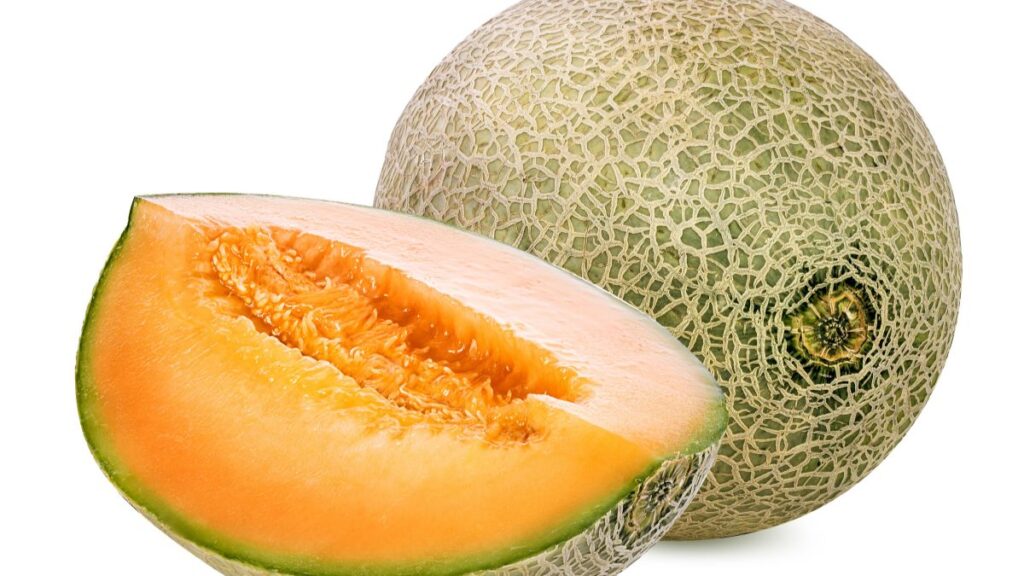
Cantaloupes have a thick, protective rind that shields the inner fruit from pesticides. This juicy melon is high in vitamins A and C, making it a hydrating and nutrient-rich snack. Cantaloupes are great in fruit salads, smoothies, or just eaten on their own as a refreshing treat.
Cantaloupes are a summer favorite because of their sweet and refreshing flavor. With their low pesticide levels, they are a healthy and delicious fruit to enjoy.
Broccoli
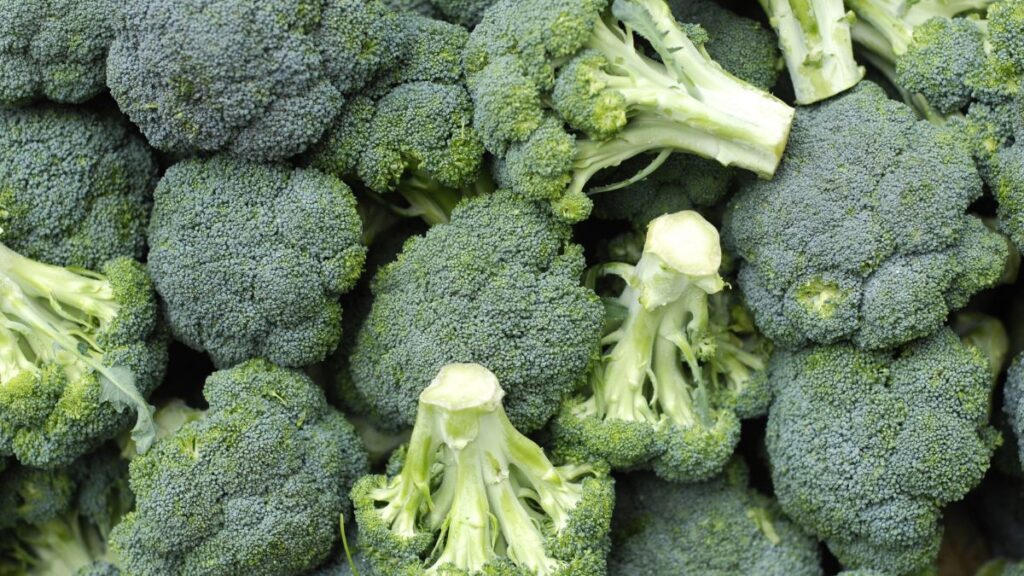
Broccoli is naturally resistant to pests, which means it doesn’t require heavy pesticide use. It’s packed with vitamins C, K, and fiber, as well as powerful antioxidants. Broccoli can be steamed, roasted, or added to salads and casseroles.
Its crunchy texture and mild flavor make it a versatile vegetable in many dishes. With its low pesticide risk and high nutritional value, broccoli is a clean and nutritious choice for your meals.
Cucumbers
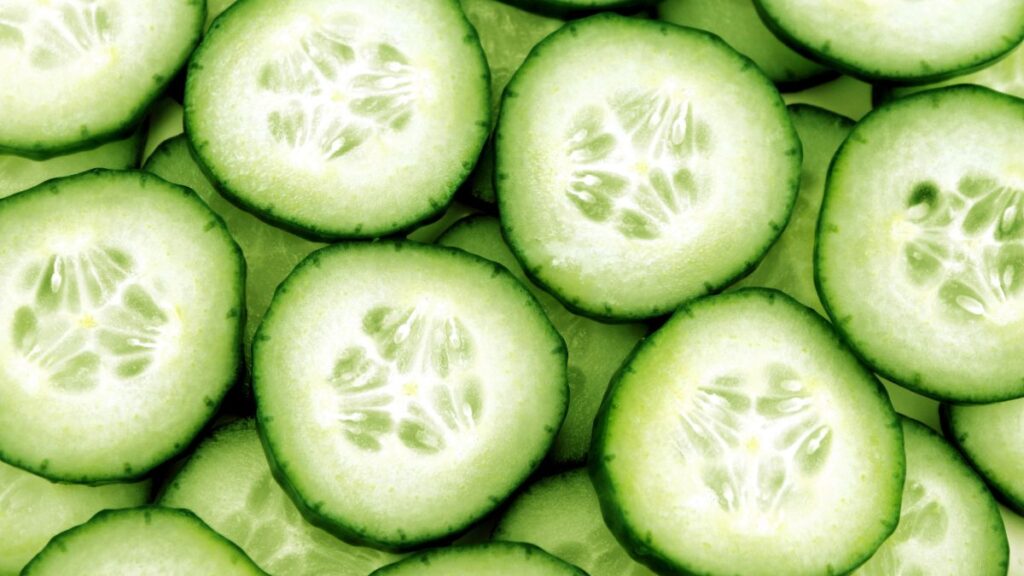
Cucumbers have thick skins that help protect them from pesticides. They’re also hydrating and rich in vitamins K and C, making them a refreshing addition to salads, sandwiches, and snacks.
Cucumbers are also low in calories, making them a great option for those watching their weight. Their crisp texture and mild flavor make them a favorite for summer dishes. Knowing they're a low-pesticide choice, you can enjoy cucumbers with peace of mind.
Leave a Reply