
Leftovers can be a lifesaver on busy days, but not all foods cooperate when you try to warm them up. Some dishes lose their flavor, while others change texture in a way that makes them almost inedible. Soups can curdle, breads go hard, and once-crisp dishes become limp and soggy.
Want to Save This Recipe?
Enter your email & I'll send it to your inbox. Plus, get great new recipes from me every week!
By submitting this form, you consent to receive emails from Blue's Best Life.
Even with ovens, skillets, and microwaves, many meals refuse to return to their original glory. The science behind it often comes down to moisture, fat, and protein reacting to heat a second time. Here are some of the most frustrating foods that fail badly when reheated.
Sushi

Sushi is one of the worst foods to try reheating. The rice becomes hard and dry while the fish turns rubbery. Heating raw fish also makes the flavor stronger in an unpleasant way.
Any seaweed wrapper loses its crispness and turns chewy. Even adding soy sauce cannot bring it back to life. Sushi is best enjoyed fresh, never reheated.
Salad
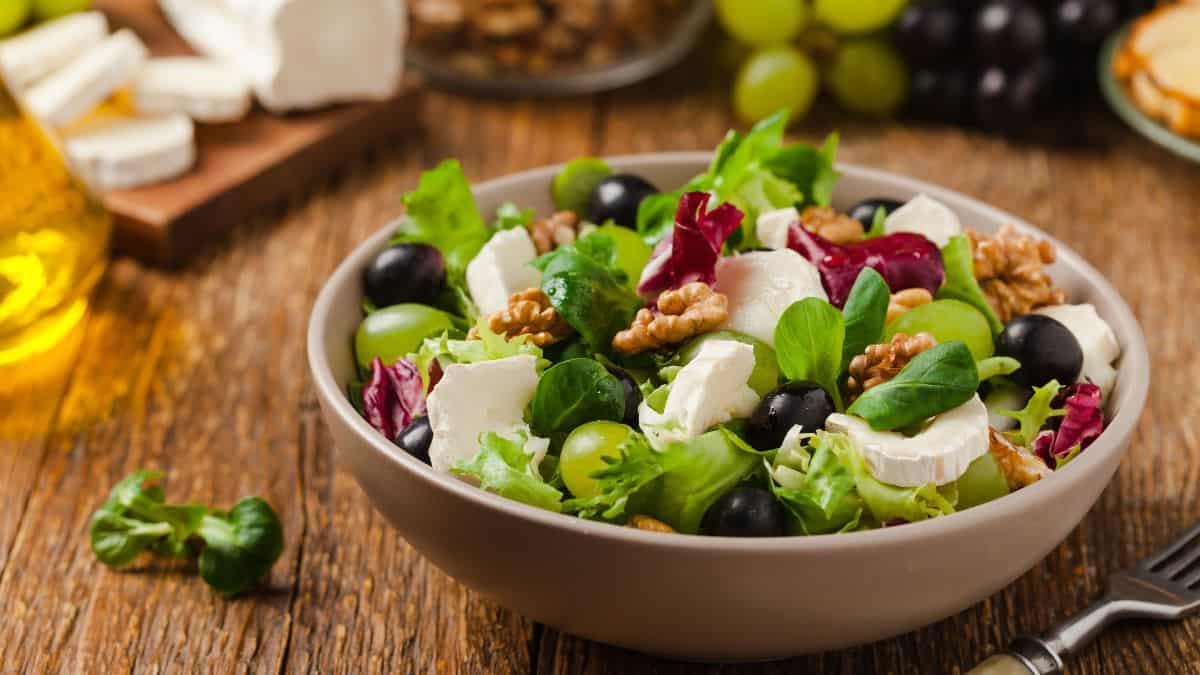
Salad may not seem like a food people reheat, but some try to warm it slightly. When exposed to heat, lettuce wilts and becomes slimy, and tomatoes release water and make the dish mushy.
Cheese toppings melt unevenly and lose their texture. Dressings often separate or take on strange flavors. Salad leftovers rarely taste anything like the original bowl.
Croissants

Croissants rely on delicate layers of butter and dough for their airy texture. When reheated, the butter can leak out, leaving them greasy. Microwaving makes them soft instead of flaky.
Overheating in an oven often dries them out completely. The rich, buttery flavor is never the same the second time. Croissants almost always fail as reheated pastries.
Pancakes
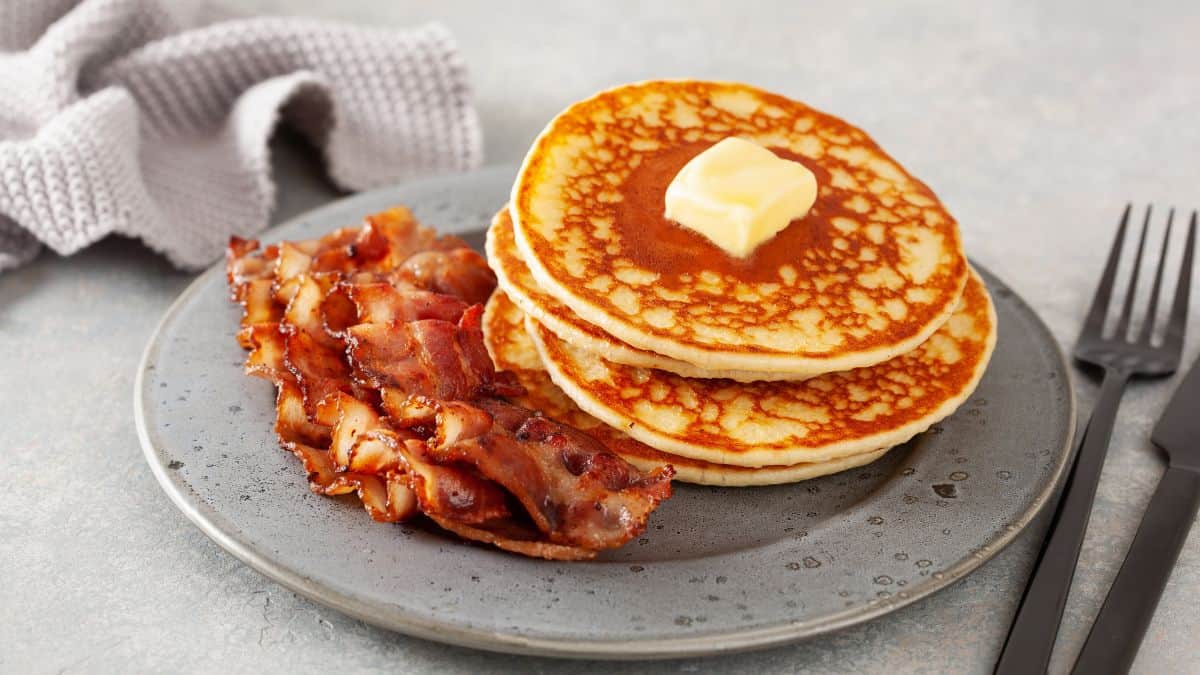
Pancakes seem simple but reheating them is frustrating. In the microwave, they dry out and lose their fluffy texture. Adding syrup makes them soggy instead of moist.
Once golden, the edges turn tough or rubbery. Even reheating in a skillet changes the balance of softness and crispness, so pancakes rarely feel like the comforting breakfast they once were.
Waffles

Like pancakes, waffles are difficult to revive. The crispy outside turns limp when microwaved. Trying to crisp them in the oven often leaves the center too dry.
Syrup or toppings only make them soggier. Frozen waffles can sometimes be toasted back, but fresh ones rarely hold up. Waffles are one breakfast that’s never the same reheated.
Nachos

Nachos are nearly impossible to enjoy the second time around. The chips absorb liquid from melted cheese, beans, or salsa, turning soggy. Microwaving makes them even wetter while drying out the cheese.
Reheating in the oven doesn’t solve the problem since toppings and chips heat unevenly. Guacamole or sour cream toppings become unappetizing when warm. Nachos almost always fail after their first round.
Tacos
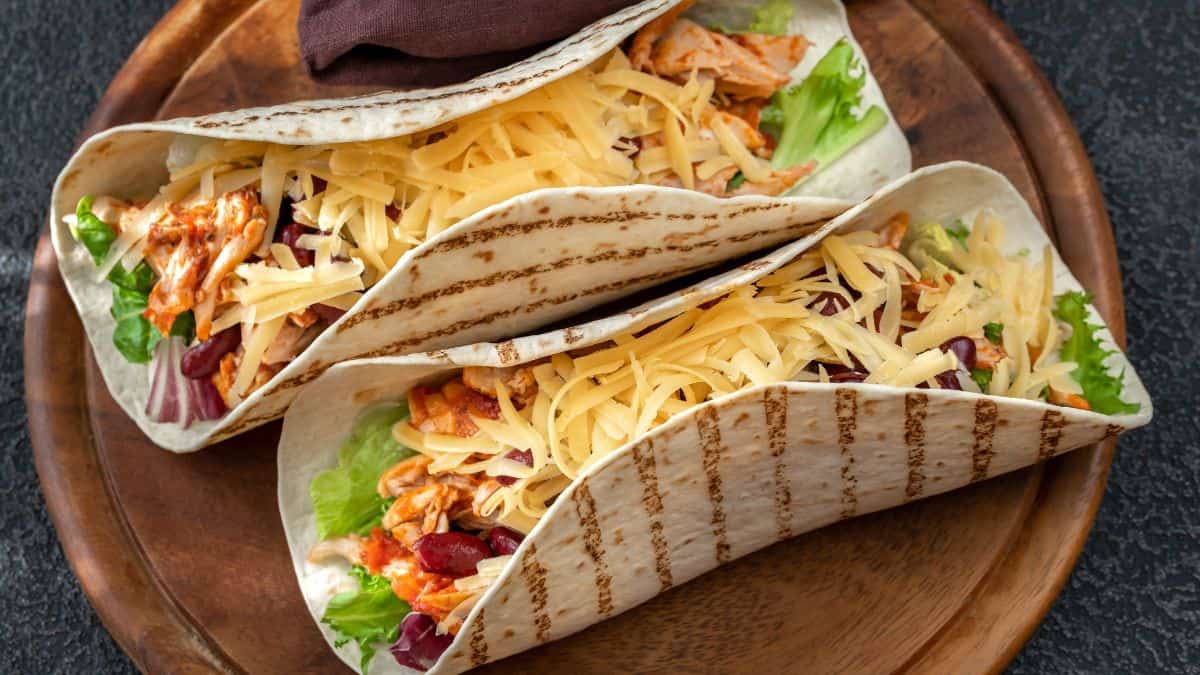
Tacos suffer from the same issues as nachos. Hard shells go soggy and crack when reheated. Soft tortillas often dry out and become tough.
The fillings, like beef or beans, heat unevenly and may dry out. Fresh toppings like lettuce and tomato wilt badly. Tacos are much better fresh than as leftovers.
Stuffed Peppers
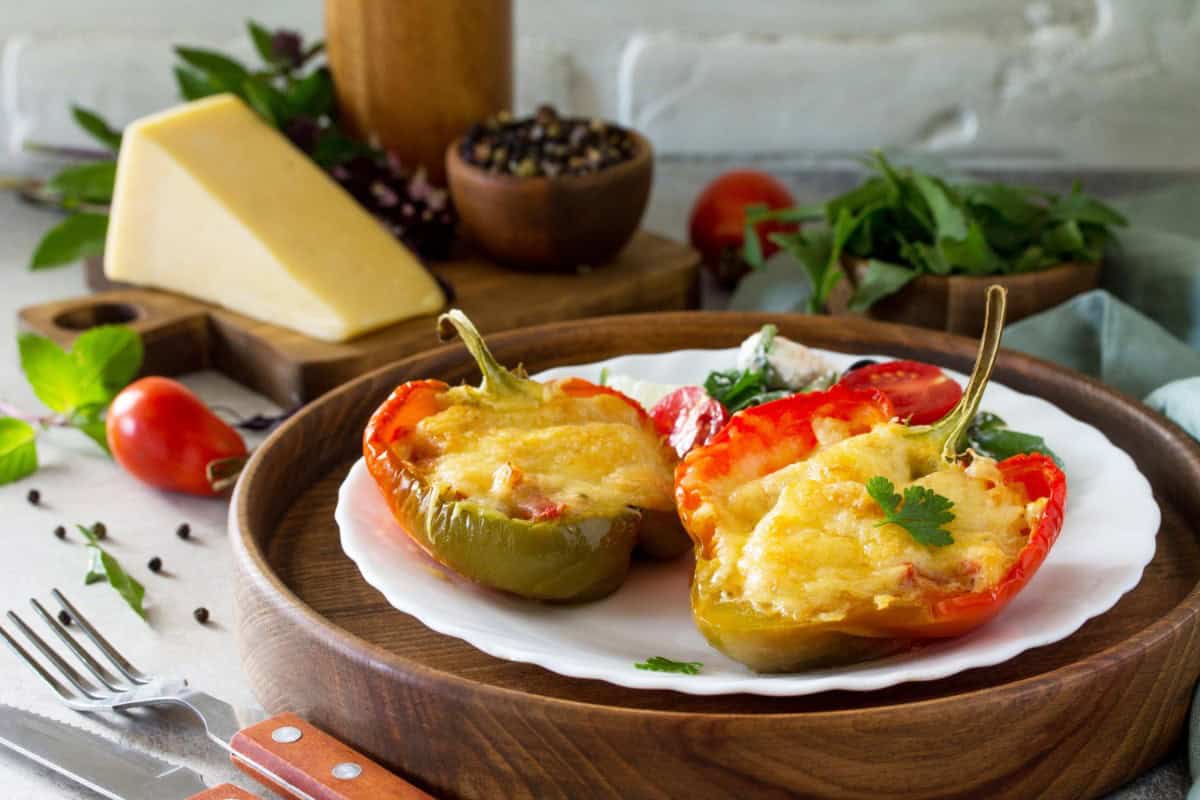
Stuffed peppers are another tricky dish to reheat. The pepper skin softens too much and loses its structure. The rice or grain inside becomes mushy when microwaved.
Cheese fillings separate and turn oily. Even oven reheating doesn’t bring back the original balance. Stuffed peppers are rarely satisfying after the first serving.
Quesadillas
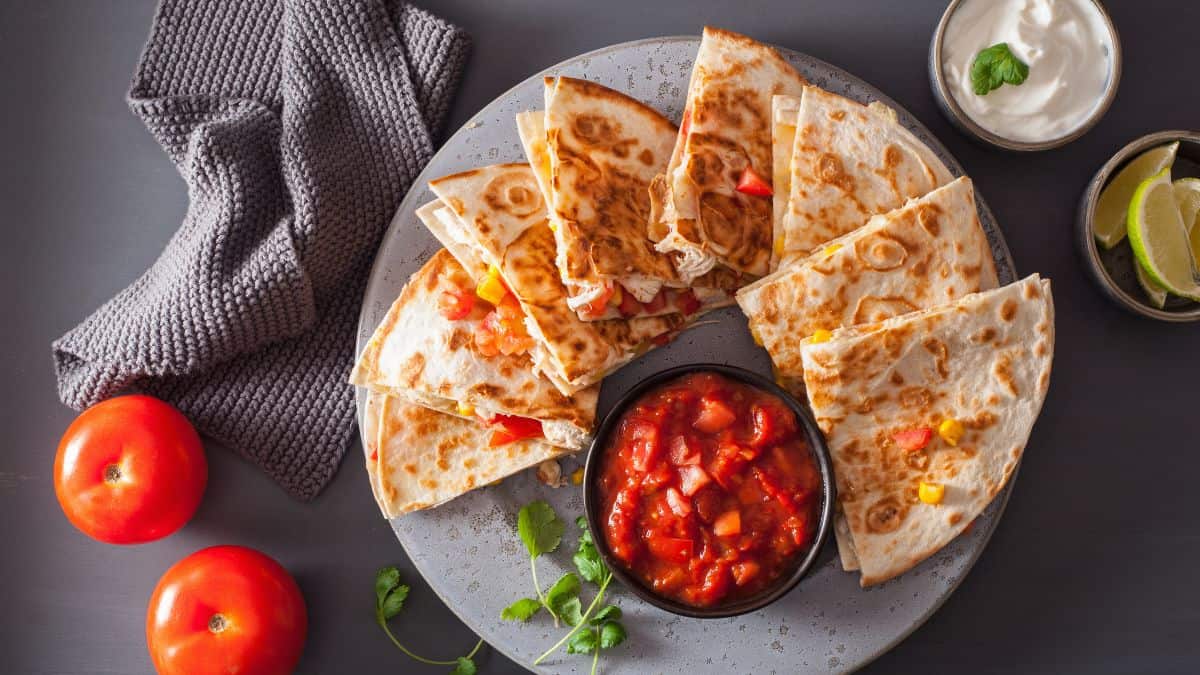
When reheated, quesadillas can become a soggy mess. The tortilla loses its crispness and becomes chewy. The cheese inside melts unevenly and can leak out.
Fillings like chicken or vegetables dry out quickly. Microwaves make them rubbery, while ovens overcook the edges. Quesadillas simply don’t hold up well to round two.
Garlic Bread

Garlic bread is best eaten hot from the oven. When reheated, the bread can become hard and chewy. The butter and garlic topping often soak in and leave the bread greasy.
Microwaving makes the crust rubbery instead of crisp. Ovens dry it out before the inside gets warm. Garlic bread loses its charm when reheated.
Falafel
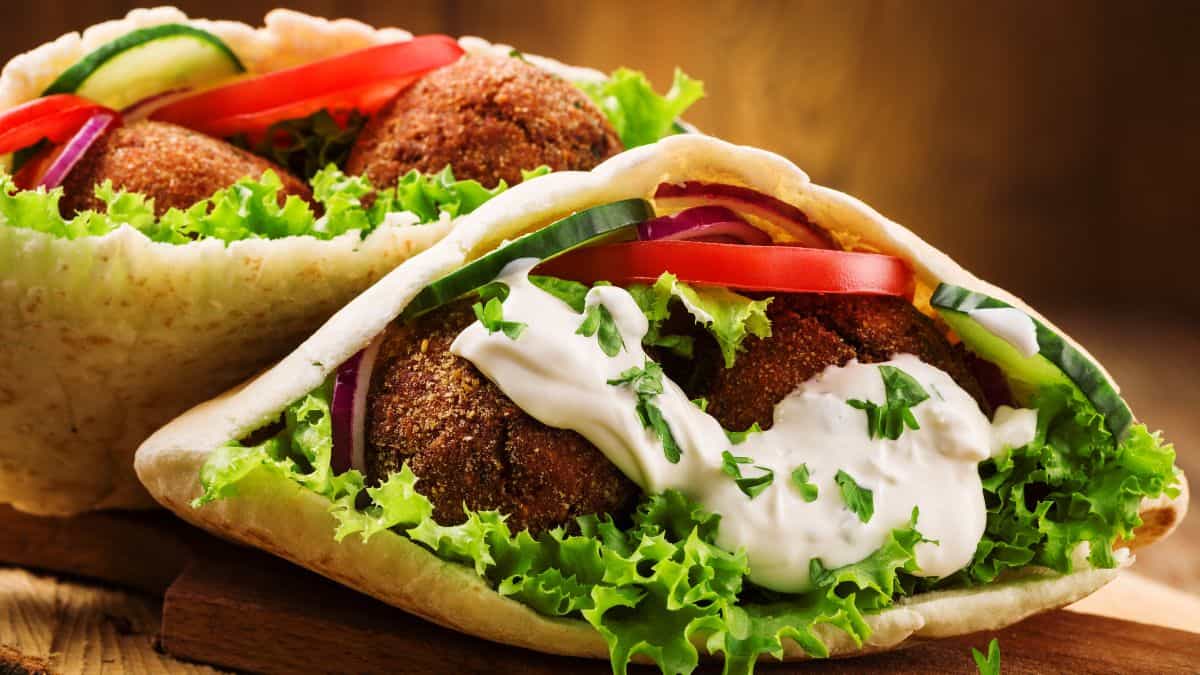
When fresh, falafel balls are crispy and flavorful. Reheating makes the outside soggy and the inside dry, and microwaving especially ruins their texture.
Ovens can crisp them a little, but they often become too hard. The spices taste duller after a second round of heat, and falafel leftovers are rarely enjoyable.
Lasagna
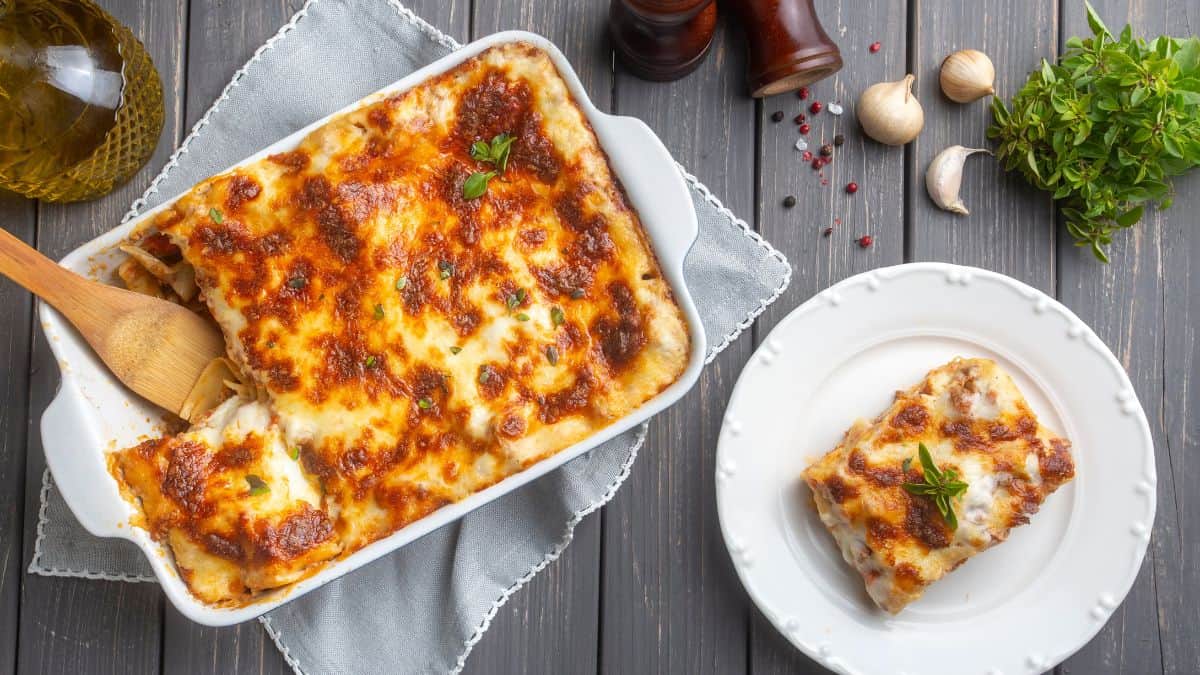
Lasagna is hearty, but reheating it is surprisingly frustrating. The pasta sheets stick together and become soggy. Cheese layers separate and become greasy.
Microwaving leaves cold spots in the middle and dried edges. Ovens take forever and still don’t fix the texture. Lasagna often feels heavier and less tasty the second time.
Chili
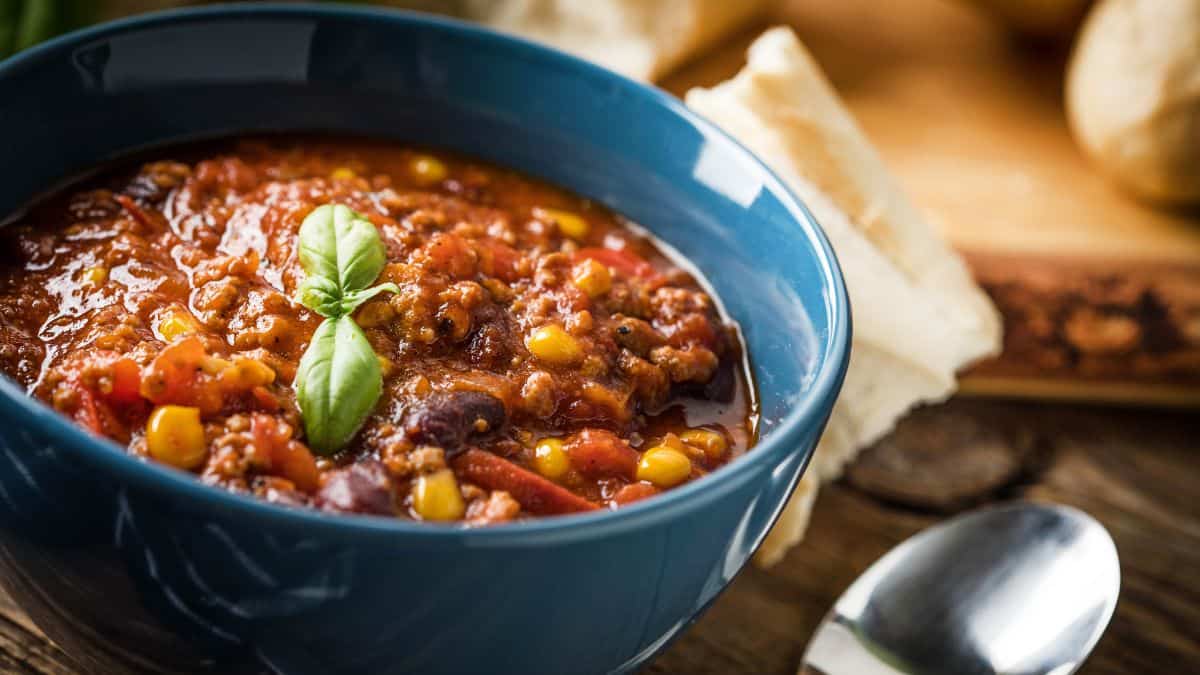
Chili seems like it should reheat well, but it often disappoints. The beans turn mushy with extra cooking. Ground meat can dry out and lose flavor. The spices become stronger, sometimes overwhelming the dish. Microwaves heat it unevenly, leaving hot and cold spots. Chili leftovers usually lose their balanced taste.
Gravy
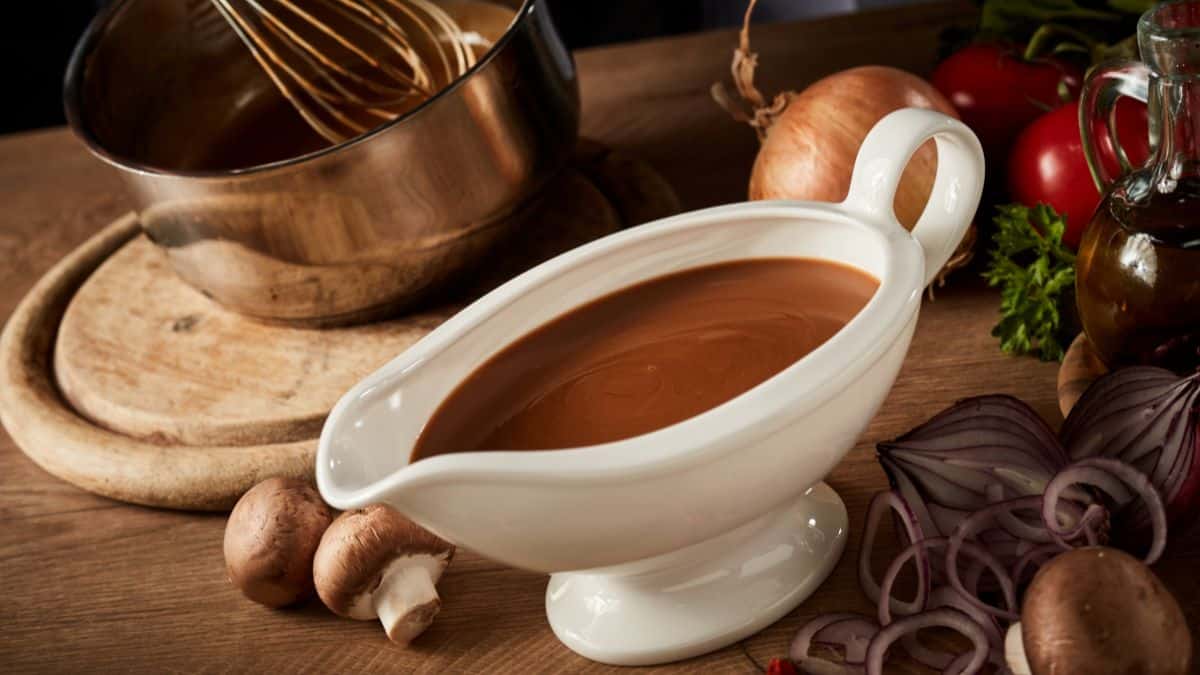
Gravy is another frustrating leftover. When reheated, it can separate into fat and liquid. The smooth consistency turns lumpy or grainy. Microwaves often make it congeal in odd ways. Even whisking doesn’t always bring it back together. Fresh gravy is almost always better than a reheated version.
Cornbread

When baked fresh, cornbread is fluffy and moist. Reheating quickly dries it out and makes it crumbly, dulling its sweet flavor. Microwaving can make it rubbery instead of soft. Adding butter helps, but it never returns to its original texture. Cornbread is one of those baked goods best enjoyed the first time around.


Leave a Reply