
Building a high-yield, sustainable garden is an excellent way to secure your food supply, especially during times of uncertainty. The goal is to grow crops that provide maximum nutrition, have long shelf lives, and produce a large yield with minimal space.
Want to Save This Recipe?
Enter your email & I'll send it to your inbox. Plus, get great new recipes from me every week!
By submitting this form, you consent to receive emails from Blue's Best Life.
These crops will last you and your family and give you a sense of control over your food production. Here are some essential crops for your sustainable garden, each designed to give you the best return on your effort.
Turnips
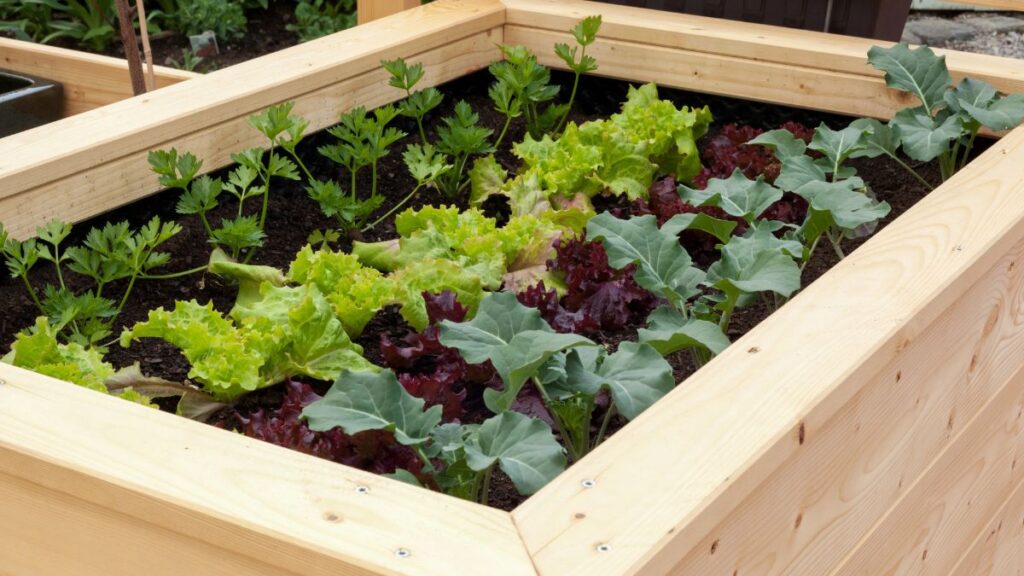
Turnips are a fantastic dual-purpose crop. The roots and the leafy greens can be eaten, giving you more food from each plant. They grow quickly and are cold-hardy, making them perfect for early spring or late fall planting.
Turnips are rich in vitamins and can be stored for months, either in a cool pantry or by pickling. Their ability to grow in poor soil makes them an ideal crop for challenging environments.
Pumpkins
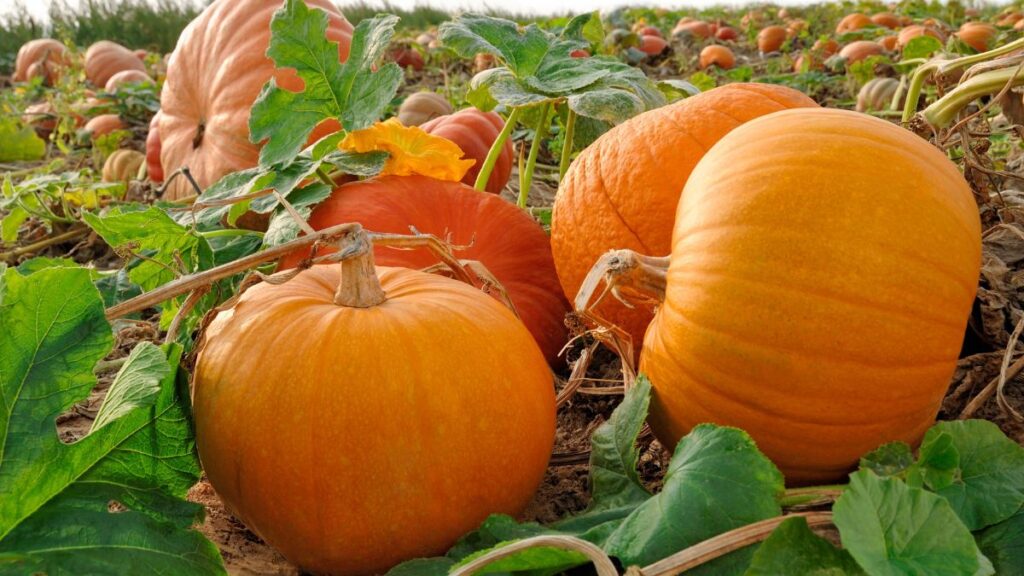
Pumpkins are more than just decorative—they are an excellent sustainable crop. A single pumpkin plant can produce multiple large fruits, providing plenty of calories and nutrients.
Pumpkins store well for several months if kept in a cool, dry place, and their seeds are a great source of protein. You can use pumpkins in soups, pies, or even roasted as a side dish, making them a versatile food option for long-term use.
Jerusalem Artichokes
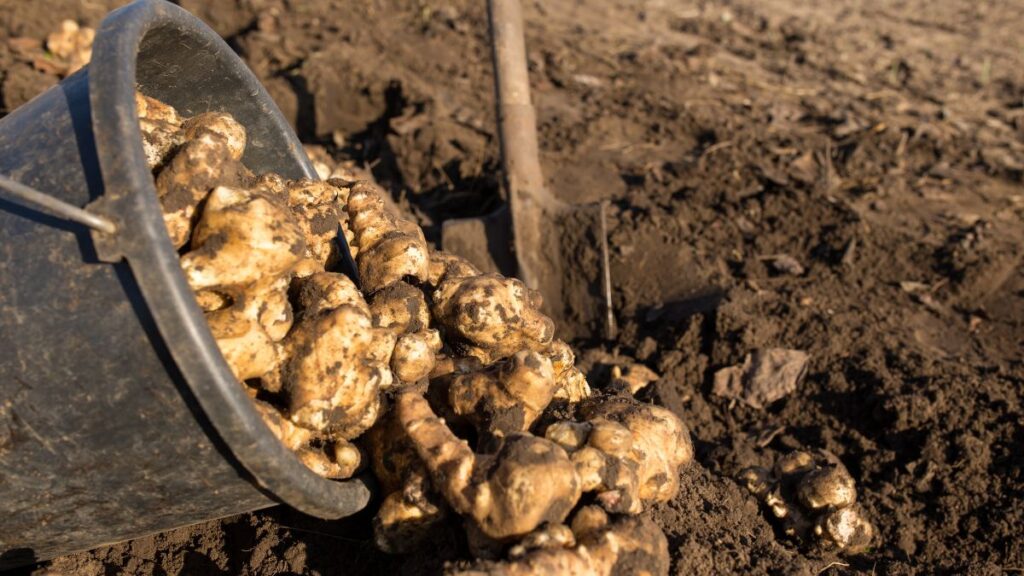
Also known as sunchokes, Jerusalem artichokes are a highly productive and low-maintenance tuber. They grow in almost any soil and spread easily, providing a continuous supply of food year after year.
These tubers are rich in carbohydrates and can be used in many dishes instead of potatoes. Once harvested, they can be stored for months, and the plants will return year after year, making them a reliable, sustainable food.
Lentils
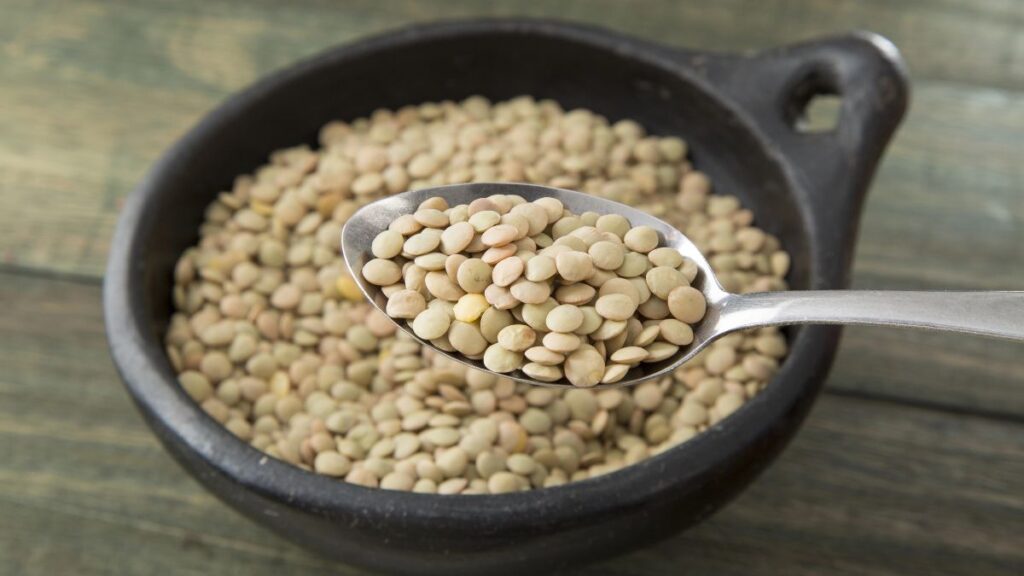
Lentils are protein-packed legumes that grow quickly and thrive in poor soil conditions. They are perfect for small spaces and provide a high yield in a short period of time. Lentils can be dried and stored for years, making them a long-term sustainable food.
They are also highly nutritious, offering fiber, protein, and a range of essential vitamins. Incorporating lentils into your garden ensures you have a protein-rich food source.
Radishes
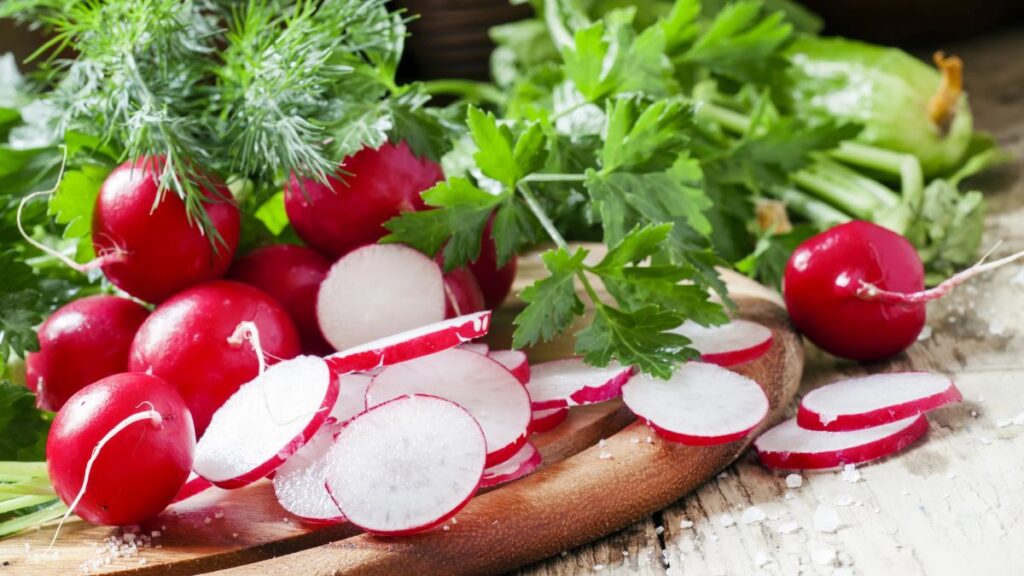
Radishes are one of the fastest-growing crops, making them an ideal choice for a sustainable garden. They can be ready to harvest in as little as 30 days and are packed with vitamins.
Radishes are perfect for small spaces, and you can replant them multiple times during the growing season for continuous harvests. They are also easy to grow in containers, making them a versatile option for any garden setup.
Chickpeas
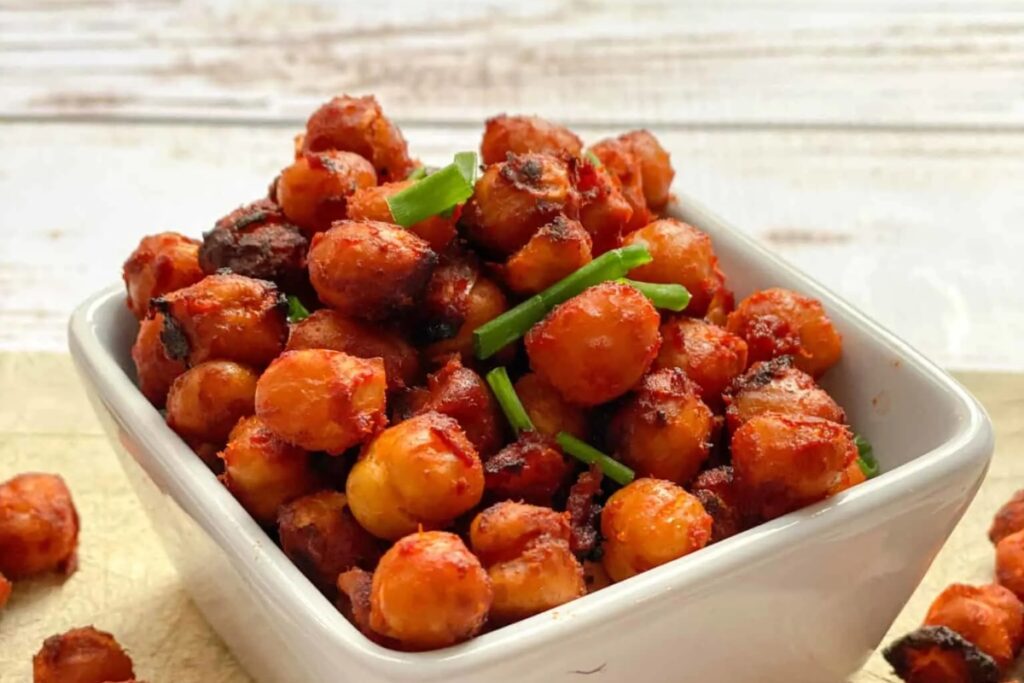
Chickpeas, or garbanzo beans, are an excellent crop for sustainable gardens due to their nutritional content and ease of storage. They provide a good source of protein, fiber, and essential minerals.
Chickpeas can be dried and stored for long periods, and they’re easy to grow in warm climates. You can use chickpeas to make hummus, stews, or salads, adding variety to your meals while ensuring you're getting essential nutrients.
Parsnips
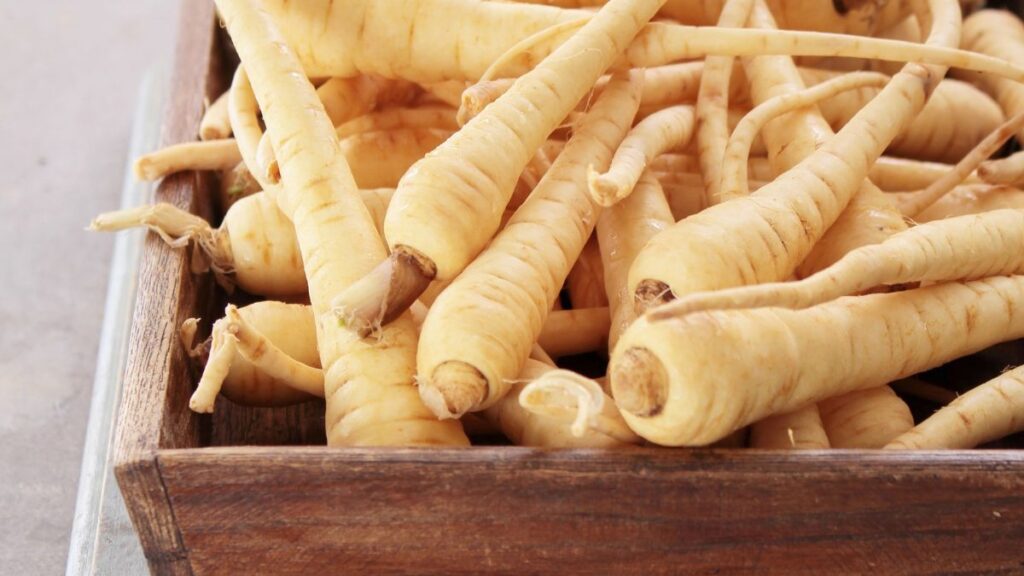
Parsnips are a nutritious root vegetable that can withstand frost, making them ideal for growing in colder climates. They have a sweet, earthy flavor and are packed with vitamins and minerals.
Parsnips store well over winter and can be harvested even after the first frost. This makes them a reliable source of nutrition when other crops are not available.
Swiss Chard
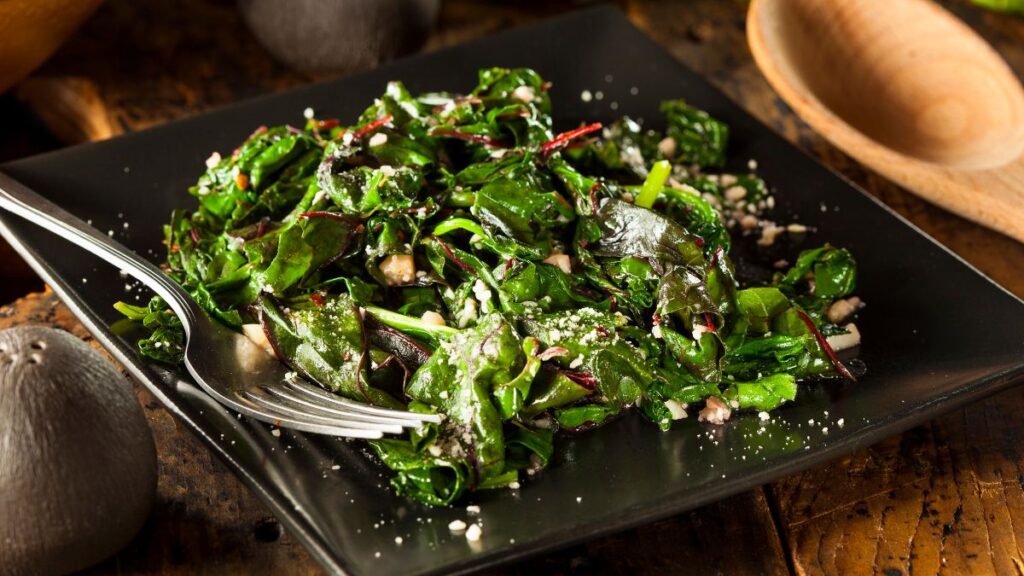
Swiss chard is a hardy, leafy green that can be harvested continuously throughout the growing season. It thrives in both hot and cool weather, providing fresh greens nearly all year long.
Swiss chard is highly nutritious, rich in vitamins A, C, and K, and can be cooked or eaten raw in salads. Its ability to grow in various conditions makes it a perfect choice for survival gardens, ensuring a steady supply of fresh vegetables.
Amaranth
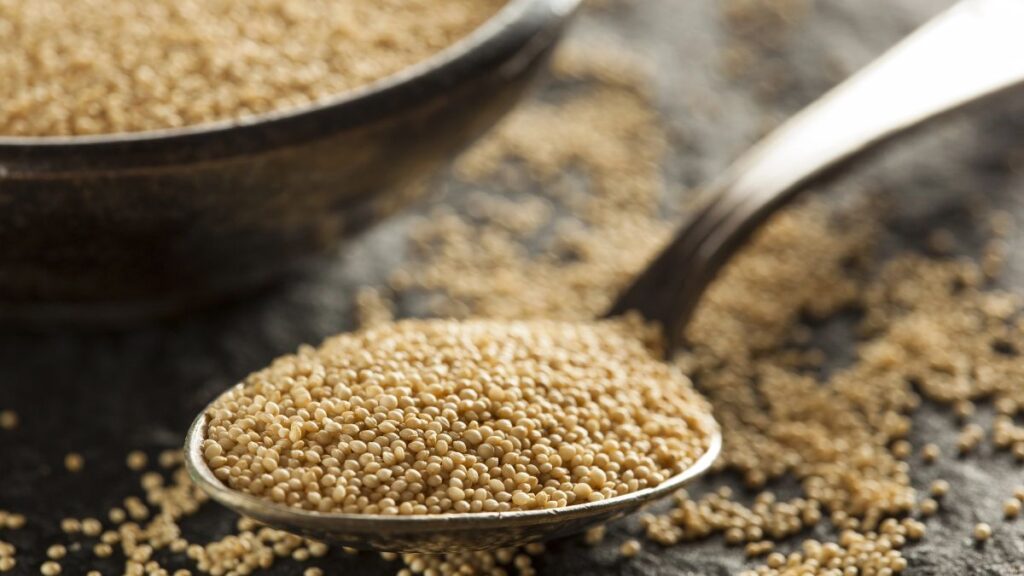
Amaranth is an ancient grain that offers two food sources: edible leaves and seeds. The leaves are nutrient-rich, similar to spinach, and the seeds can be harvested and ground into flour or used as a grain.
Amaranth is drought-resistant and grows in poor soil, making it an excellent sustainable crop. The seeds can be stored for years, providing a long-lasting food source.
Winter Wheat
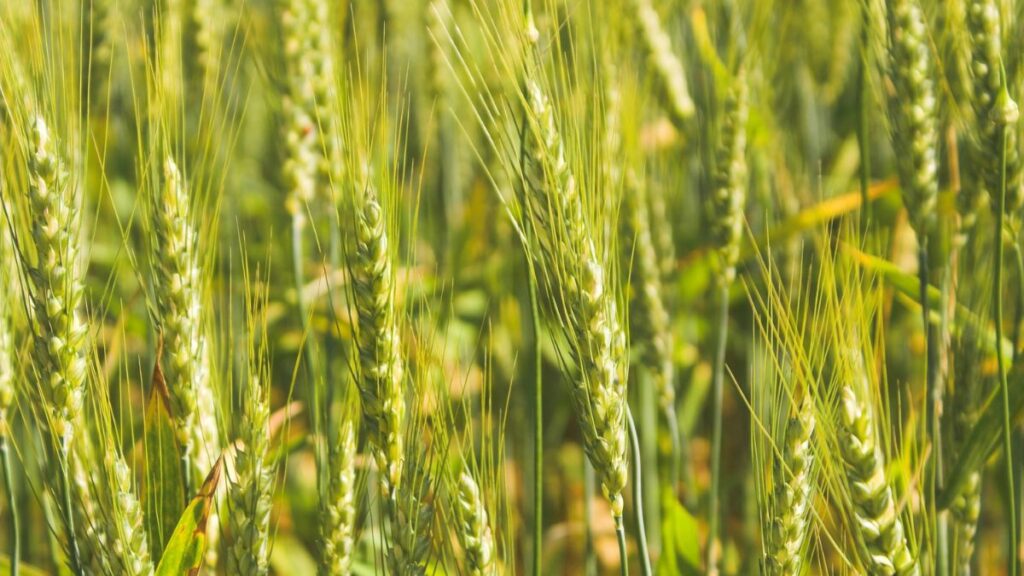
Winter wheat is a high-yield grain that can be planted in the fall and harvested in the early summer. It provides essential carbohydrates and can be used to make bread, pasta, and other staples.
Winter wheat requires little maintenance once planted and can survive through the cold months, making it a reliable food source. Once harvested, wheat can be stored for extended periods, ensuring you have flour or grains year-round.
Peppers
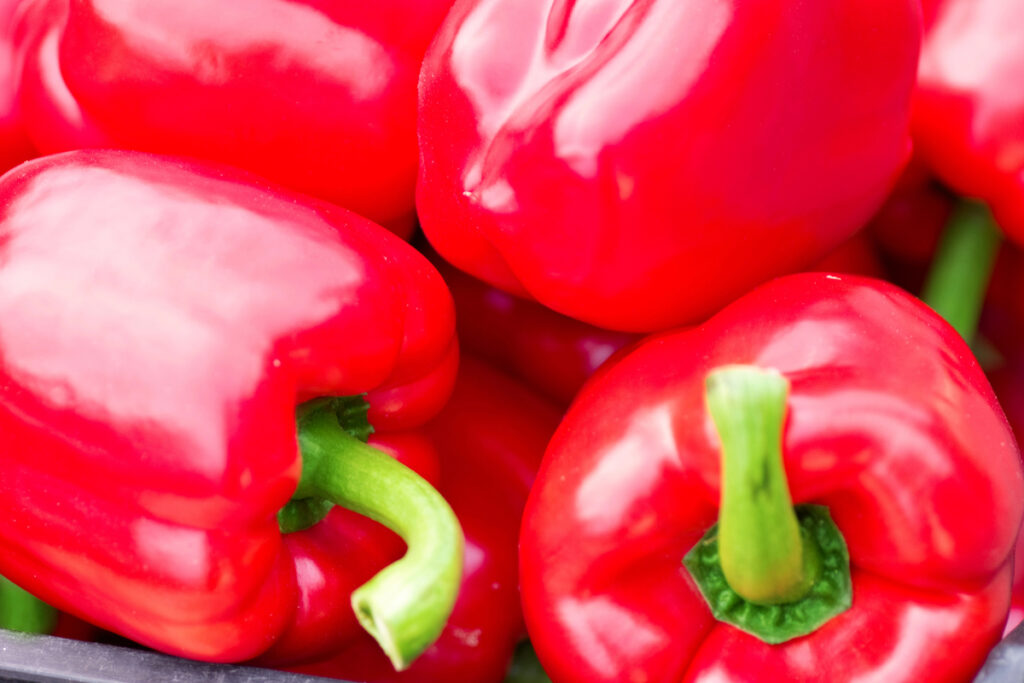
Peppers are a highly productive crop that can be grown in a variety of climates. They are rich in vitamins, especially vitamin C, and can be eaten fresh, cooked, or dried.
Peppers are versatile and can be used in many dishes, from salads to stews. They also store well when dried or pickled, making them a great option for long-term food preservation.
Peanuts
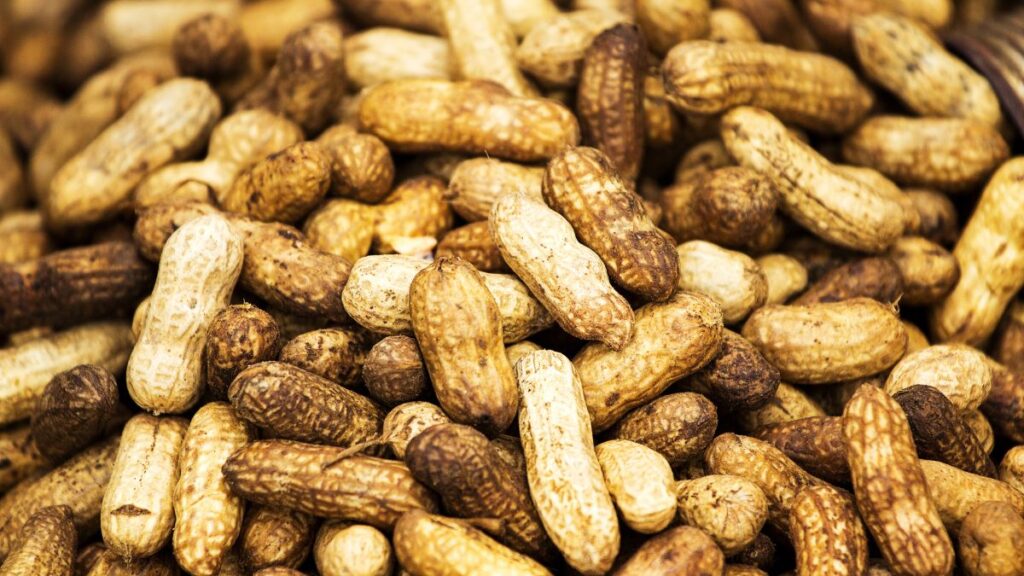
Peanuts are a fantastic crop for survival gardens because they are rich in protein and healthy fats. They grow underground and can be harvested in large quantities with little space.
Peanuts store well after drying, and you can use them to make peanut butter, a nutritious and calorie-dense food. They grow best in warm climates and can be an important source of protein in a survival garden.
Leeks
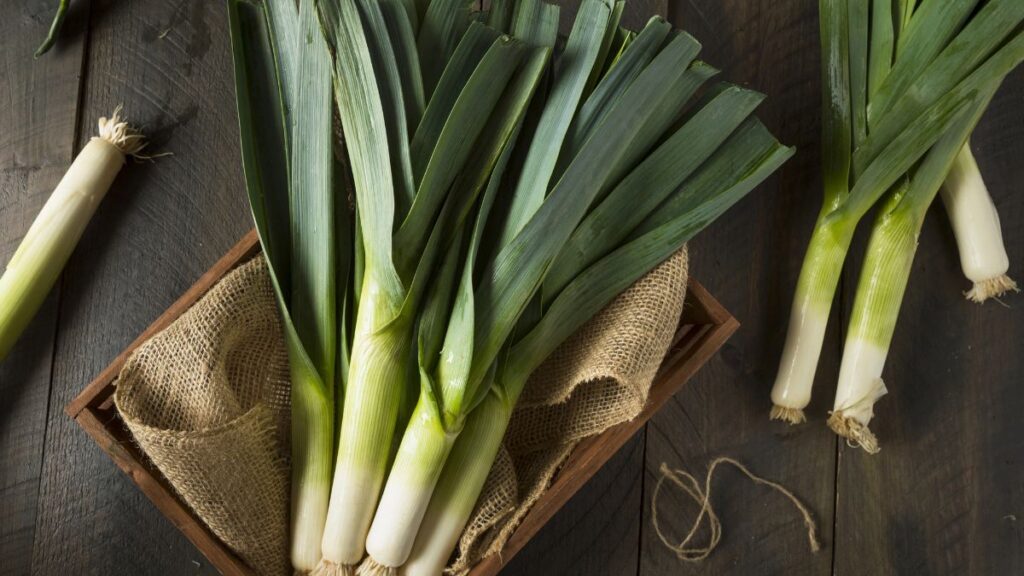
Leeks are a hardy, cool-season crop that provides a mild onion-like flavor. They can be harvested throughout the fall and winter, providing a continuous supply of fresh vegetables.
Leeks are rich in vitamins and minerals and can be stored for several months after harvest. Their ability to thrive in cooler weather makes them an ideal crop for extending your growing season.
Rhubarb
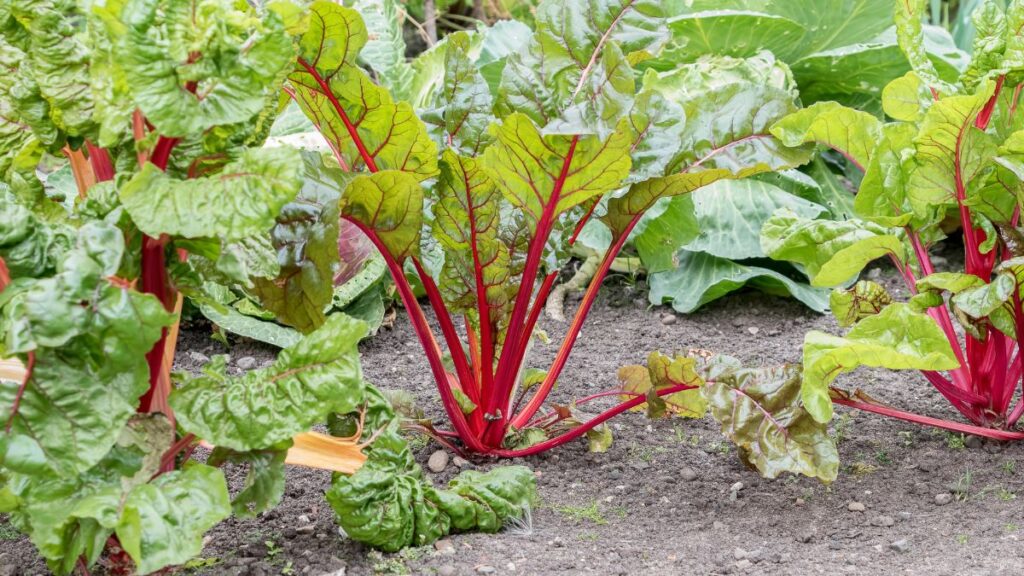
Rhubarb is a perennial plant that comes back year after year, providing a continuous supply of tart, flavorful stalks. It grows well in cooler climates and requires minimal care once established.
Rhubarb can be used in pies, sauces, or jams, adding variety to your diet. While the leaves are toxic, the stalks are highly nutritious and store well when frozen or canned.
Sunflowers
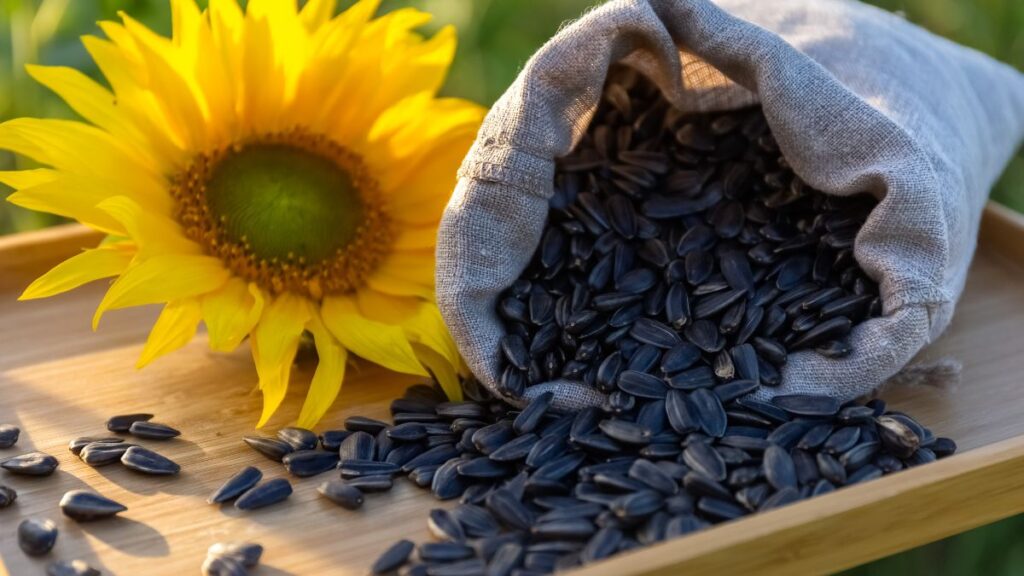
Sunflowers not only brighten up your garden but also provide a valuable food source. The seeds are rich in healthy fats and protein, making them an excellent addition to your survival diet.
Sunflowers are easy to grow and can thrive in various climates. Once harvested, sunflower seeds can be dried and stored for months, ensuring a long-lasting supply of nutritious food.




Leave a Reply