
Bad breath can be an embarrassing problem, but it’s something many people deal with. What you eat has a significant impact on how your breath smells. While some foods can help keep your breath fresh, others are known to cause unpleasant mouth odor.
Want to Save This Recipe?
Enter your email & I'll send it to your inbox. Plus, get great new recipes from me every week!
By submitting this form, you consent to receive emails from Blue's Best Life.
To keep your breath smelling good, it’s important to know which foods to avoid or limit. In this article, we’ll discuss 15 foods that can cause bad breath and why they should be avoided.
Garlic
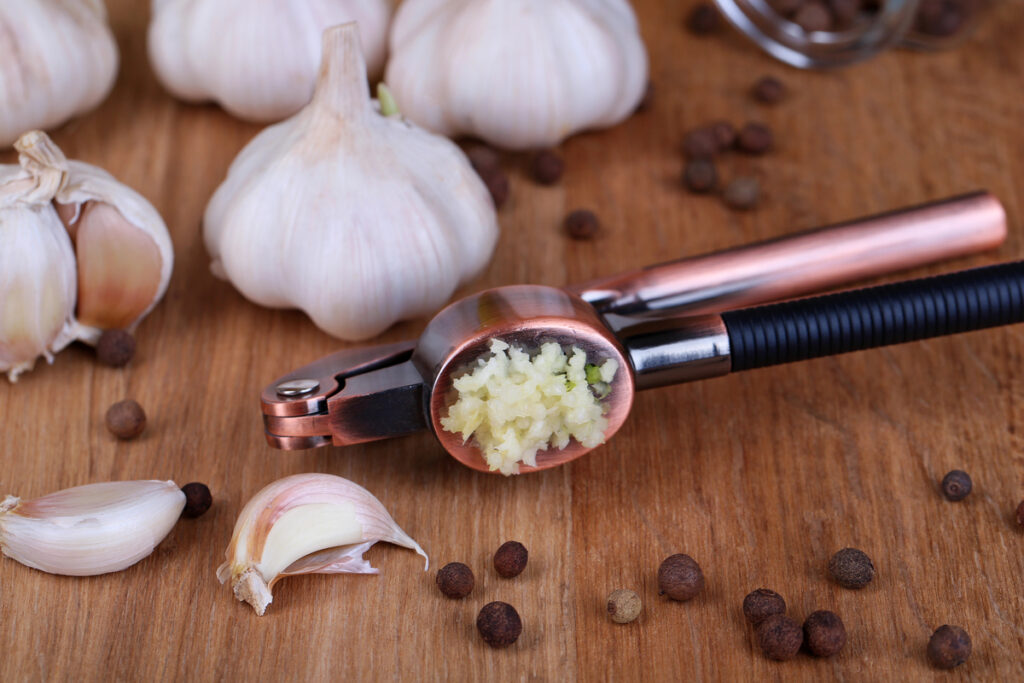
Garlic is famous for causing bad breath, and there’s a good reason for that. It contains sulfur compounds that linger in your mouth and digestive system long after you’ve eaten it. These compounds are absorbed into your bloodstream and released through your lungs, leading to bad breath.
Cooking garlic doesn’t always help either, as the compounds can remain strong. If you're worried about bad breath, it's best to limit your garlic intake or pair it with breath-freshening foods like parsley.
Onions

Like garlic, onions are packed with sulfur compounds that can cause bad breath. When raw onions are consumed, they release these compounds into the air, making your breath smell unpleasant.
Even after brushing your teeth, the odor can persist since the compounds enter your bloodstream. Cooked onions are slightly less problematic, but they can still leave a lingering smell. For fresh breath, consider avoiding raw onions in salads and sandwiches.
Coffee

Coffee may help wake you up in the morning, but it can also lead to bad breath. Coffee causes dry mouth, reducing saliva production, which is essential for washing away food particles and bacteria.
When your mouth is dry, bacteria thrive, and they produce foul-smelling odors. The strong aroma of coffee itself can also linger on your breath, making matters worse. If you can't give up your coffee habit, drink water alongside it to keep your mouth hydrated.
Alcohol

Alcoholic drinks can be another culprit behind bad breath. Like coffee, alcohol dries out your mouth, which promotes the growth of odor-causing bacteria. Whether you’re sipping on wine, beer, or cocktails, alcohol can leave your breath smelling stale.
Some alcoholic beverages, like whiskey and red wine, have strong odors that stick around even after you’re done drinking. To avoid this, drink water between alcoholic beverages to stay hydrated and help wash away any bacteria.
Sugary Sweets

Sugary treats like candy, chocolate, and gum may seem harmless, but they can cause bad breath. Sugar feeds the bacteria in your mouth, allowing them to multiply and produce smelly byproducts.
Sticky candies that get trapped in your teeth can also make the problem worse. Even sugar-filled chewing gum can contribute to bad breath if it’s not sugar-free. If you’re craving something sweet, try opting for fruits or sugarless gum to keep your breath fresh.
Dairy Products
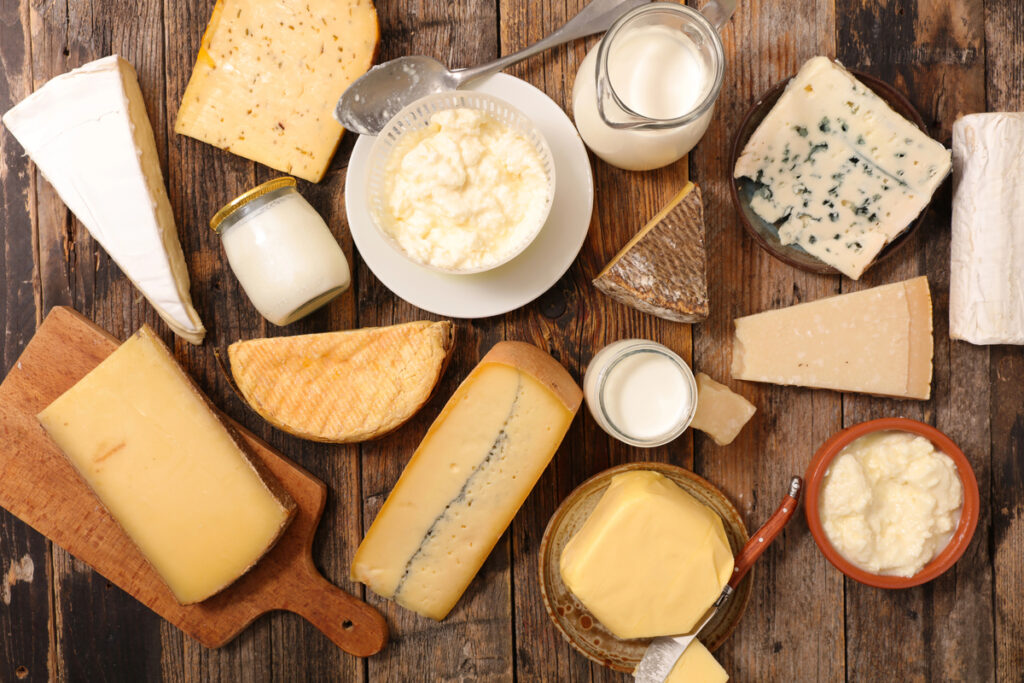
Dairy products like milk, cheese, and yogurt can sometimes cause bad breath, especially for people who are lactose intolerant. The bacteria in your mouth break down the amino acids in dairy, which can produce a sour smell.
Additionally, some people may have trouble digesting lactose, leading to an unpleasant odor that comes from the stomach. If you notice bad breath after consuming dairy, consider cutting back or switching to lactose-free alternatives.
Tuna and Other Canned Fish

Tuna and other canned fish are notorious for causing unpleasant breath. The strong smell of these foods comes from the oils and proteins that break down during processing. Once eaten, the odor can stick around, especially if the fish is not fresh.
Even brushing your teeth might not fully eliminate the smell. If you enjoy fish, try opting for fresher options or eat it with foods that help neutralize odors, like lemon or herbs.
Spicy Foods
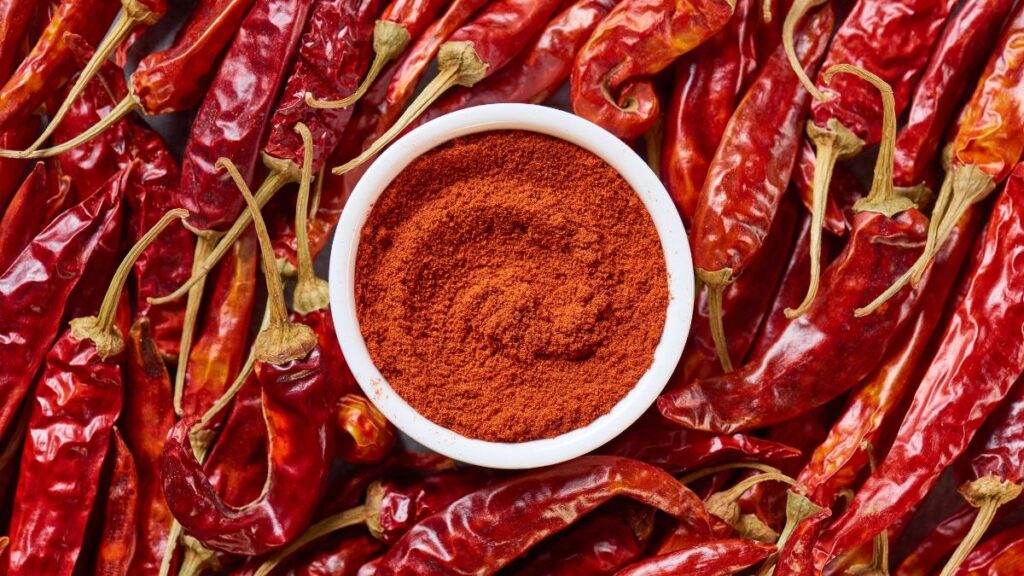
Spicy foods, while delicious, can also cause bad breath. Foods like hot peppers, curry, and spicy sauces stimulate the production of sulfur-containing gases in your stomach, which can be released through your mouth.
The strong aroma of spices like garlic, cumin, and chili can also stay in your mouth for hours. To prevent bad breath, try limiting your intake of very spicy dishes, especially before important meetings or social events.
Radishes

Radishes may be a healthy snack, but they can contribute to bad breath. Like onions and garlic, radishes contain sulfur compounds that can leave a lingering odor in your mouth. They also have a strong, peppery taste that can intensify the smell. If you're trying to avoid bad breath, it’s best to eat radishes in moderation or pair them with other breath-freshening foods.
Processed Meats

Processed meats, such as salami, pepperoni, and hot dogs, can also cause bad breath. These meats are often high in fats and preservatives, which can contribute to the growth of bacteria in your mouth.
The combination of strong seasonings and fatty content can leave a lasting smell that’s hard to get rid of. If you enjoy deli meats, try choosing leaner options like turkey or chicken, and be sure to brush your teeth after eating.
Horseradish
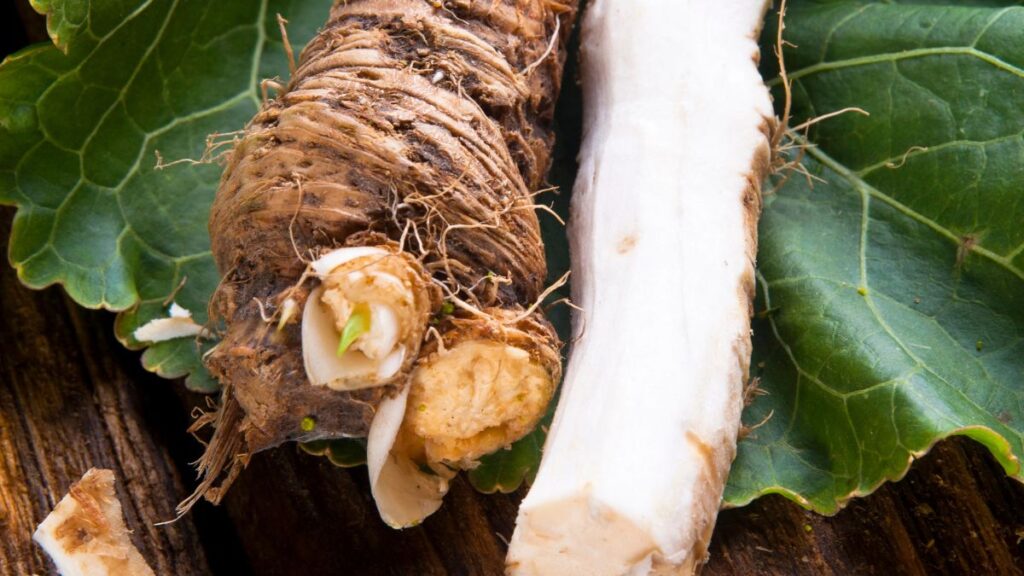
Horseradish is known for its sharp and pungent flavor, but it can also leave you with bad breath. This root vegetable contains compounds that release strong odors when crushed or chewed.
The spicy aroma can linger in your mouth for hours, even after brushing your teeth. If you enjoy the bold flavor of horseradish, try using it sparingly or in combination with foods that help neutralize its strong odor.
Peanuts
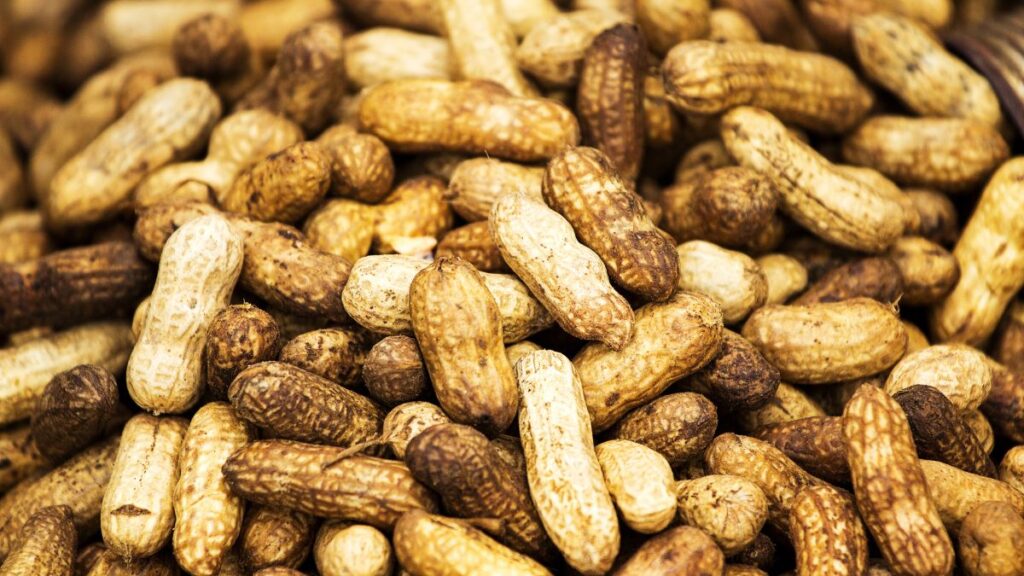
Peanuts and other nuts, while healthy snacks, can contribute to bad breath. Nuts tend to get stuck in your teeth, where they can break down and produce odors. Additionally, the high-fat content in nuts can make the smell of bad breath more intense. To avoid this, make sure to floss after eating nuts and drink plenty of water to wash away any food particles.
Pickles
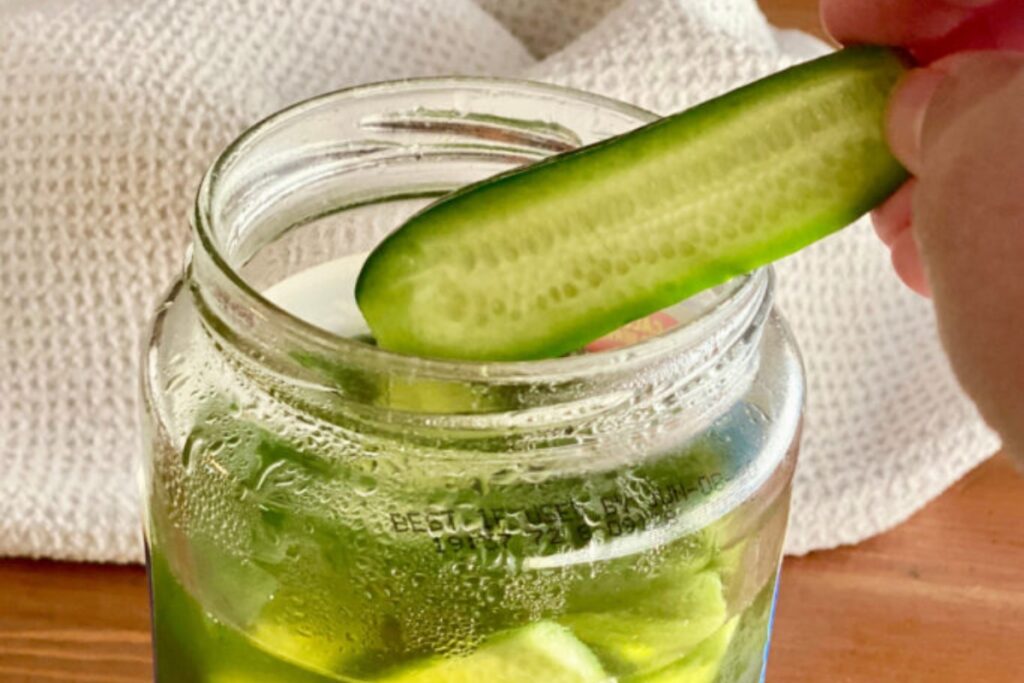
Pickles may seem harmless, but they can cause bad breath due to their high vinegar content. The acidic nature of pickles can create an environment in your mouth that promotes bacterial growth, leading to unpleasant odors.
Additionally, the strong smell of vinegar can stick around long after you've eaten pickles. If you're concerned about bad breath, consider cutting back on pickled foods or pairing them with water to help rinse away the acids.
Popcorn

Popcorn is a popular snack, but it can lead to bad breath if you’re not careful. The small pieces of popcorn can easily get trapped between your teeth, where they can decay and produce odor.
Buttered or flavored popcorn can also leave behind oils and seasonings that contribute to bad breath. After enjoying popcorn, it’s a good idea to floss and drink water to remove any trapped bits and freshen your mouth.
Eggs

Eggs are another common food that can cause bad breath. When eggs are broken down in your digestive system, they produce sulfur gases, which can lead to a foul odor. Even the protein content in eggs can promote the growth of bacteria in your mouth, further contributing to bad breath. To minimize the smell, try pairing eggs with breath-freshening foods like parsley or eating them in moderation.
Leave a Reply