
Food trends used to take time. Someone’s grandma made something great, neighbors noticed, and slowly it spread. Now a food sneezes on social media, and suddenly it’s everywhere, priced like it cured something, and being whispered about at brunch.
Want to Save This Recipe?
Enter your email & I'll send it to your inbox. Plus, get great new recipes from me every week!
By submitting this form, you consent to receive emails from Blue's Best Life.
One minute you’ve never heard of it, the next minute it’s on menus, podcasts, tote bags, and your coworker won’t shut up about it. No one remembers agreeing to this, yet here we are. These are the foods that showed up uninvited, went viral without warning, and somehow convinced everyone they’d always been important.
Activated Charcoal Everything
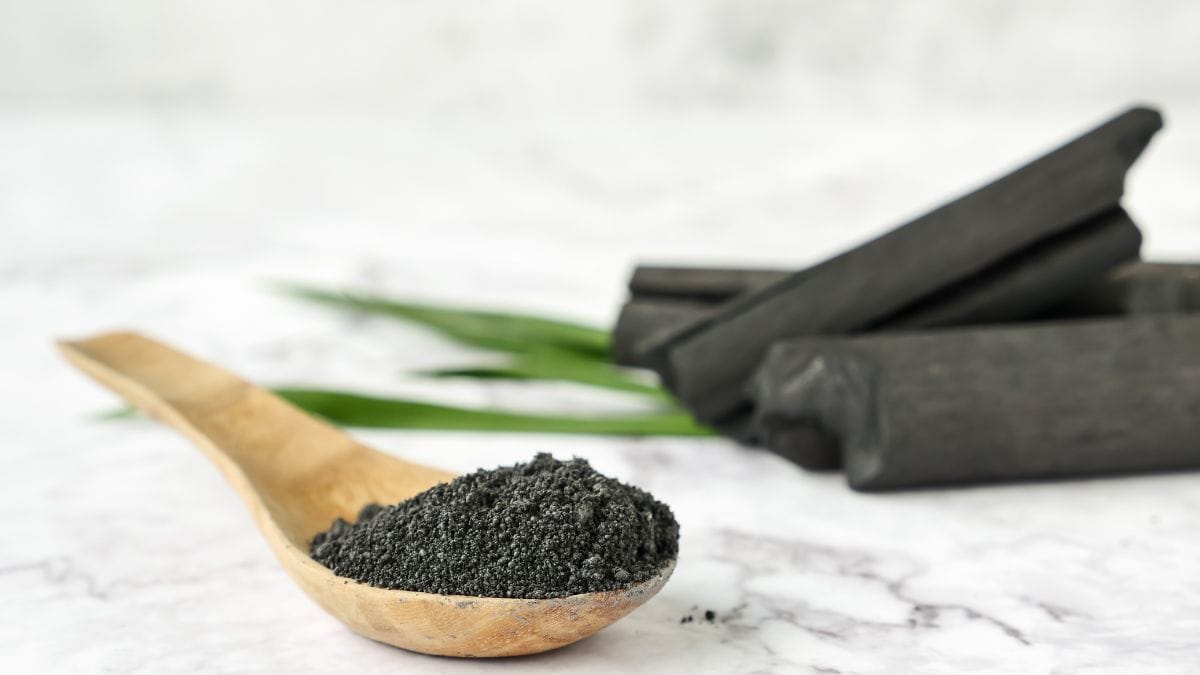
Activated charcoal didn’t walk into our lives; it burst through the wall like it owned the place. Suddenly, ice cream was jet black, lemonades looked like motor oil, and burgers resembled something from a medieval potion shop. It appeared everywhere at once, usually accompanied by vague claims and extremely serious menu descriptions.
People ordered it mostly because it looked dramatic and mysterious, like the food equivalent of wearing all black to a daytime event. It stained tongues, teeth, and occasionally dignity. No one really asked for pitch-black food, but for a hot minute, it felt like if your meal wasn’t charcoal-colored, you were behind the times. Then just as quickly, it vanished, leaving behind photos and confusion.
Avocado Toast
Avocado toast didn’t just become popular; it became a personality. Overnight, a mashed fruit on bread went from casual breakfast to cultural lightning rod. It showed up on menus with suspicious confidence, usually listed at a price that made you double-check what city you were in.
The dish inspired endless variations, long captions, and a surprising amount of commentary from people who had never ordered it. Everyone had an opinion, even if they’d never eaten it. It became shorthand for trends, lifestyles, and arguments that had nothing to do with food. Meanwhile, it just sat there quietly being green and slightly smug, wondering how things had escalated this quickly.
Matcha Everything

Matcha arrived softly and then refused to leave. One day it was a niche tea, the next day it was in lattes, cookies, cakes, pancakes, and things that probably didn’t need it. Everything turned green, menus turned poetic, and suddenly people spoke about it with the seriousness usually reserved for life decisions.
Ordering matcha felt like announcing something about yourself, even if you weren’t sure what that thing was. It tasted grassy, earthy, or “complex,” depending on who you asked and how committed they were to the trend. It became a visual cue for wellness, calm, and aesthetic ambition, even when it showed up in sugar-packed desserts pretending to be balanced.
Cauliflower Everything
Cauliflower had a glow-up no one predicted. This formerly ignored vegetable woke up one morning and found itself doing pizza crusts, rice impressions, and wing impersonations. It went from side dish to shape-shifter, popping up everywhere with an almost aggressive versatility. Restaurants treated it like a blank canvas, asking it to be things it had never been trained for.
People nodded approvingly, even while secretly missing the original version of whatever it replaced. Cauliflower became the overachiever of the produce aisle, trying to be everything for everyone. It didn’t ask for this responsibility, but it wore it anyway, slightly roasted and heavily seasoned.
Cold Brew

Cold brew didn’t replace regular coffee; it judged it. Suddenly, coffee needed hours of preparation, special bottles, and a tone of quiet superiority. Ordering cold brew felt like opting into a lifestyle rather than choosing a drink. Cafes described it with reverence, like it had a backstory and personal values.
It showed up darker, smoother, and more intense, making iced coffee look careless and unrefined. People talked about it like it unlocked something deeper, even if it mostly just meant stronger caffeine. For a while, it was everywhere, usually served in minimalist cups that suggested you knew what you were doing, even if you were still half asleep.
Oat Milk
Oat milk entered the scene like it had been waiting patiently for its moment. Suddenly, it was the default option, the preferred option, and the one people requested with confidence. Cafes stocked it proudly, baristas announced it eagerly, and menus treated it like a badge of honor. It became oddly comforting, like a cozy sweater in beverage form.
People developed strong opinions very quickly, often without remembering when they’d first tried it. Oat milk didn’t shout, it just showed up everywhere and made itself at home. Before anyone realized what happened, it was normal, expected, and somehow always out of stock.
Food trends don’t just happen anymore; they ambush us. One day you’re living your life, the next day, a completely ordinary ingredient has been rebranded, overpriced, and treated like it unlocked a secret level of adulthood.
Everyone acts like they’ve always loved it, even if last week they couldn’t pronounce it. Restaurants rewrite menus, grocery stores rearrange shelves, and suddenly you’re questioning whether you missed a meeting where all this was decided.
Leave a Reply