
The microwave is a quick and easy way to heat food, but not everything should be microwaved. Some foods can explode, become toxic, or lose their taste and texture when microwaved.
Want to Save This Recipe?
Enter your email & I'll send it to your inbox. Plus, get great new recipes from me every week!
By submitting this form, you consent to receive emails from Blue's Best Life.
Heating the wrong foods this way can lead to health risks or even kitchen disasters. Avoid putting these foods in the microwave to keep your meals safe and delicious.
Hard-Boiled Eggs
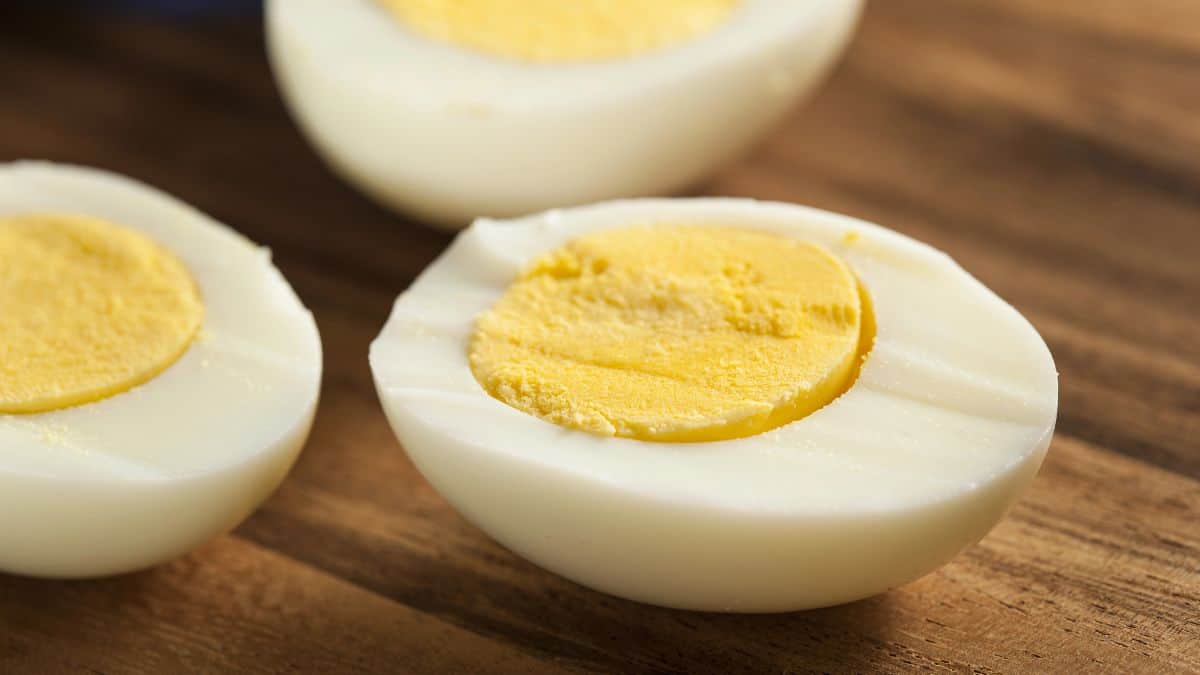
Microwaving a hard-boiled egg can create an explosive mess. The heat creates steam inside the egg, causing it to burst. It may pop unexpectedly if you try to peel or bite into it afterward. Cut the egg into pieces or warm it in hot water to reheat the egg.
Grapes
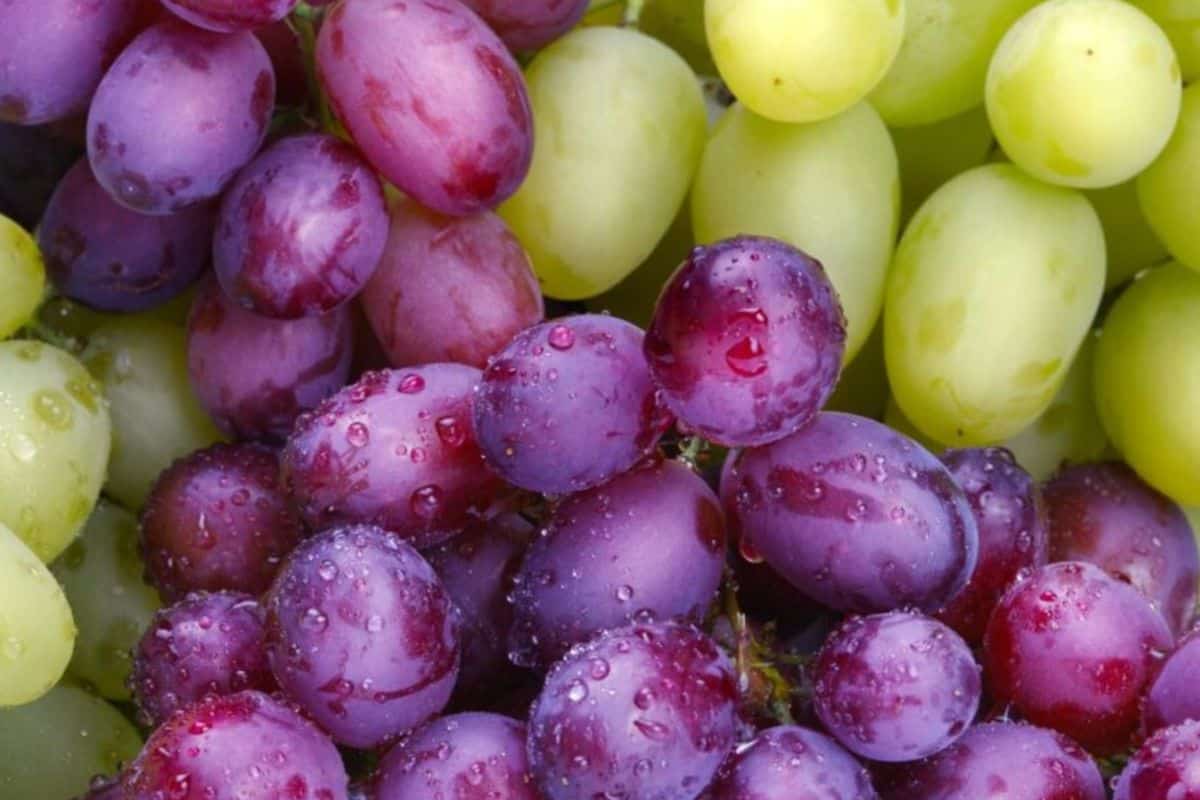
Grapes may seem harmless, but they can become fire hazards in the microwave. When heated, they release plasma, a type of energy that can cause sparks. This reaction can damage your microwave or even start a small fire. It is best to eat them fresh or chill them for a refreshing snack.
Milk From Mom

Heating your milk in the microwave can create dangerous hot spots. These uneven temperatures might burn a baby’s mouth. Microwaving can also destroy essential nutrients in the milk. Instead, warm the bottle in a bowl of warm water.
Potatoes

Uncooked potatoes contain bacteria that can survive the microwave's heat. If left at room temperature after microwaving, they can cause food poisoning. Wrapping them in foil makes things worse, as it traps bacteria inside. Instead, bake or boil them properly to kill harmful bacteria.
Hot Peppers
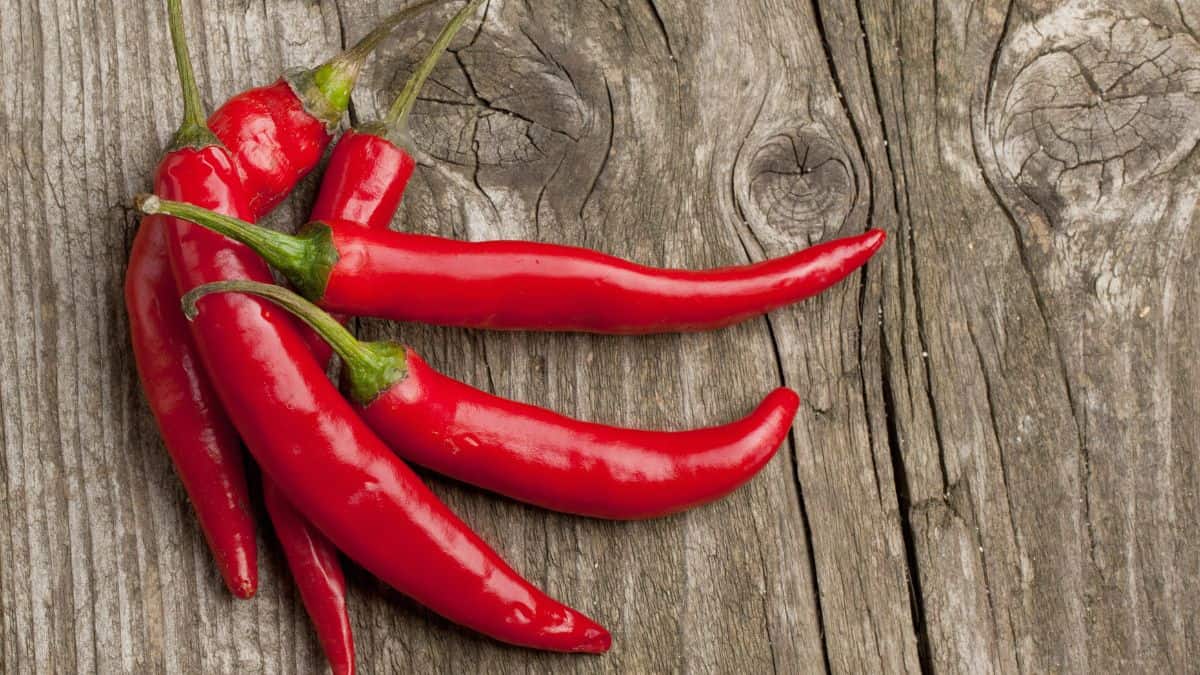
Heating chili peppers in the microwave releases capsaicin, the chemical that makes them spicy. When the microwave door is opened, the fumes can cause eye and throat irritation, and it can feel like breathing in pepper spray. Instead, heat them on a stovetop or use them raw.
Processed Meats

When microwaved, processed meats like bacon and sausages can release harmful chemicals. The heat changes their composition, increasing the risk of cancer-causing substances. They may also turn rubbery or dry. For better texture and safety, use a stovetop or oven.
Chicken
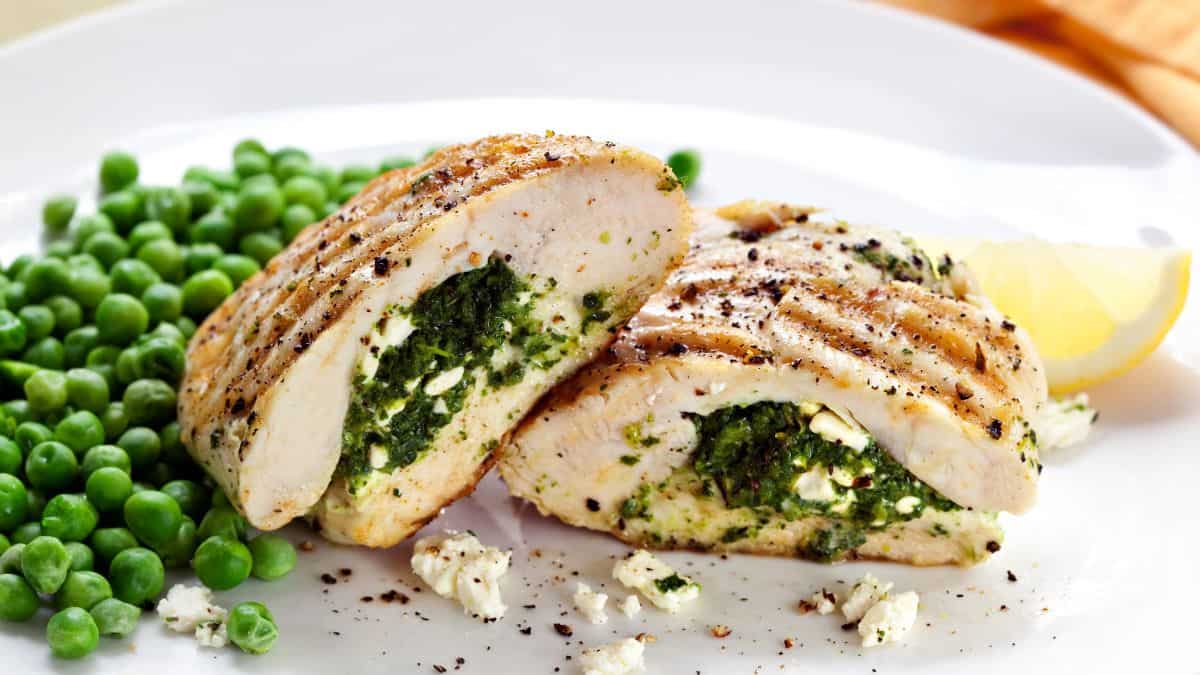
Microwaving chicken may not kill all bacteria, especially if not heated evenly. This increases the risk of food poisoning and dries out the meat, making it tough and unappetizing. For safer and tastier results, reheat chicken in an oven or stovetop.
Tomatoes

Microwaving whole tomatoes can cause them to burst open. The heat builds pressure inside, making them explode when touched. This creates a messy, scalding-hot disaster. If you need to warm tomatoes, cut them up first or heat them on the stovetop.
Carrots

Carrots contain minerals that react to microwaves, sometimes causing sparks. This "arcing" reaction can damage the microwave and make the food unsafe. It happens more often with unpeeled or improperly washed carrots. To avoid this, cook carrots on the stove or steam them instead.
Leafy Greens

When microwaved, spinach, kale, and other leafy greens can form harmful compounds. The heat may create carcinogenic substances, increasing health risks. They can also become soggy and lose their texture. To keep their nutrients intact, steam or sauté them instead.
Butter
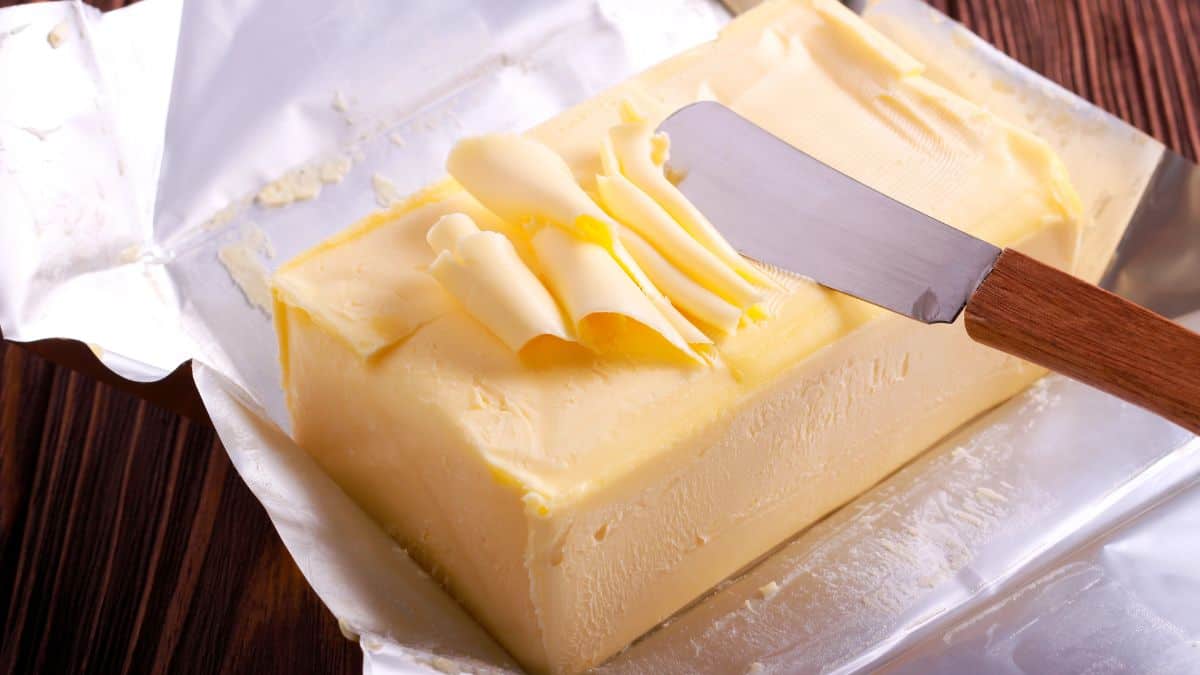
Microwaving butter can cause it to melt unevenly. Some parts may turn to liquid, while others remain solid. It can also splatter, creating a mess inside the microwave. To melt butter evenly, use a stovetop or let it soften at room temperature.
Bread

Heating bread in the microwave makes it tough and chewy instead of soft. The microwave removes moisture, causing it to dry out quickly. Within seconds, your bread can turn stale and unpleasant. To warm bread properly, use a toaster or oven.
Frozen Fruit
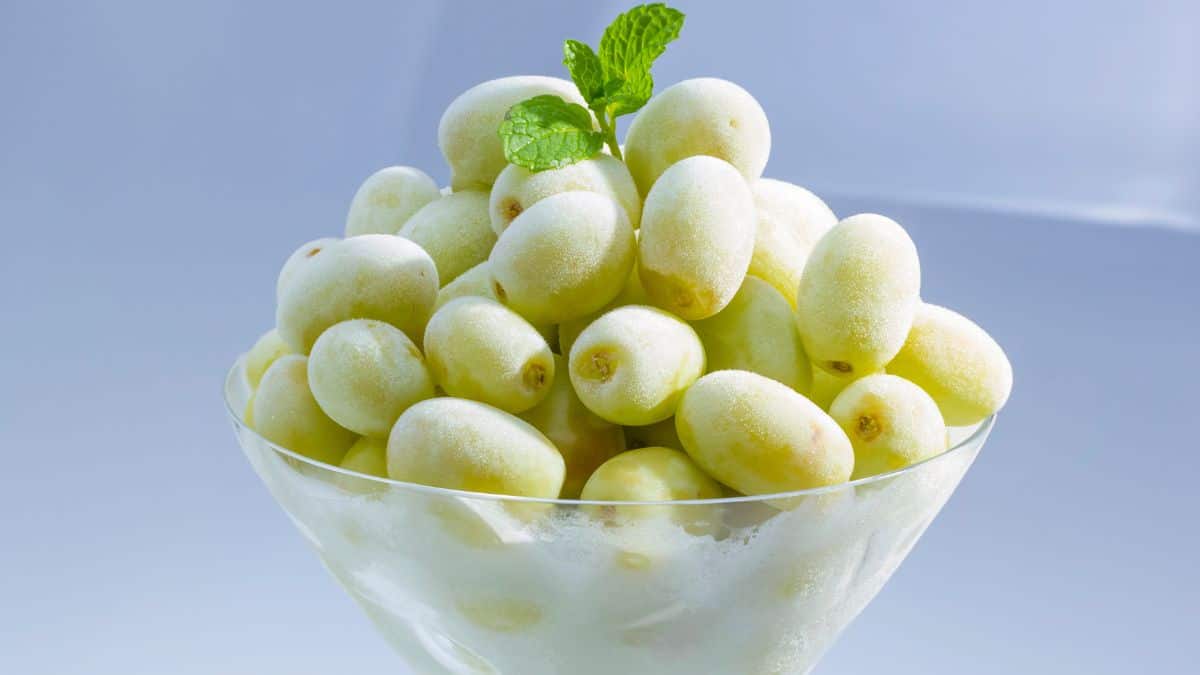
Microwaving frozen fruit can change its texture and nutritional value. The sudden heat breaks down its structure, making it mushy and less appetizing. It can also cause certain berries to explode. Instead, let fruit thaw naturally or use cold water to speed up the process.
Fish

Reheating fish in the microwave makes it dry and rubbery. The smell can also become overpowering, lingering in your kitchen for hours. The uneven heat can cause certain parts to overcook while others remain cold. For best results, warm fish in the oven or on a stovetop.
Rice
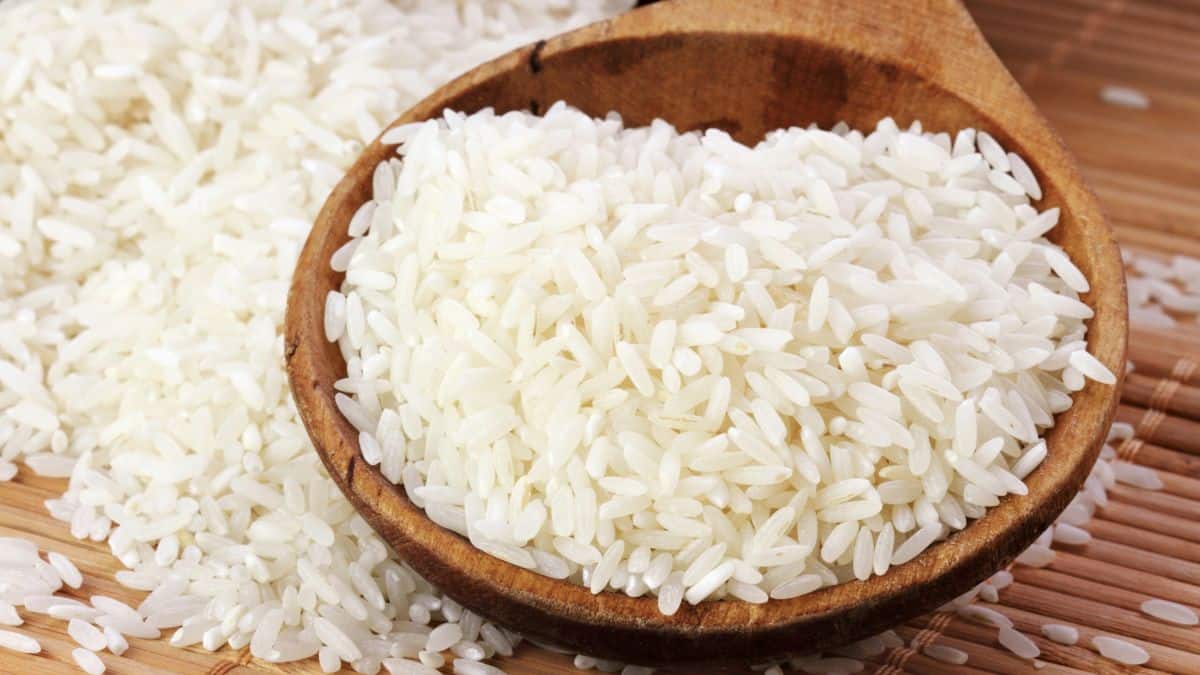
Microwaving leftover rice can create a risk of food poisoning. Bacteria in cooked rice can survive the microwave's heat if it isn't stored correctly. Eating reheated rice may lead to stomach problems or foodborne illness. Instead, reheat rice on the stove with water to ensure even warming.
Styrofoam Containers
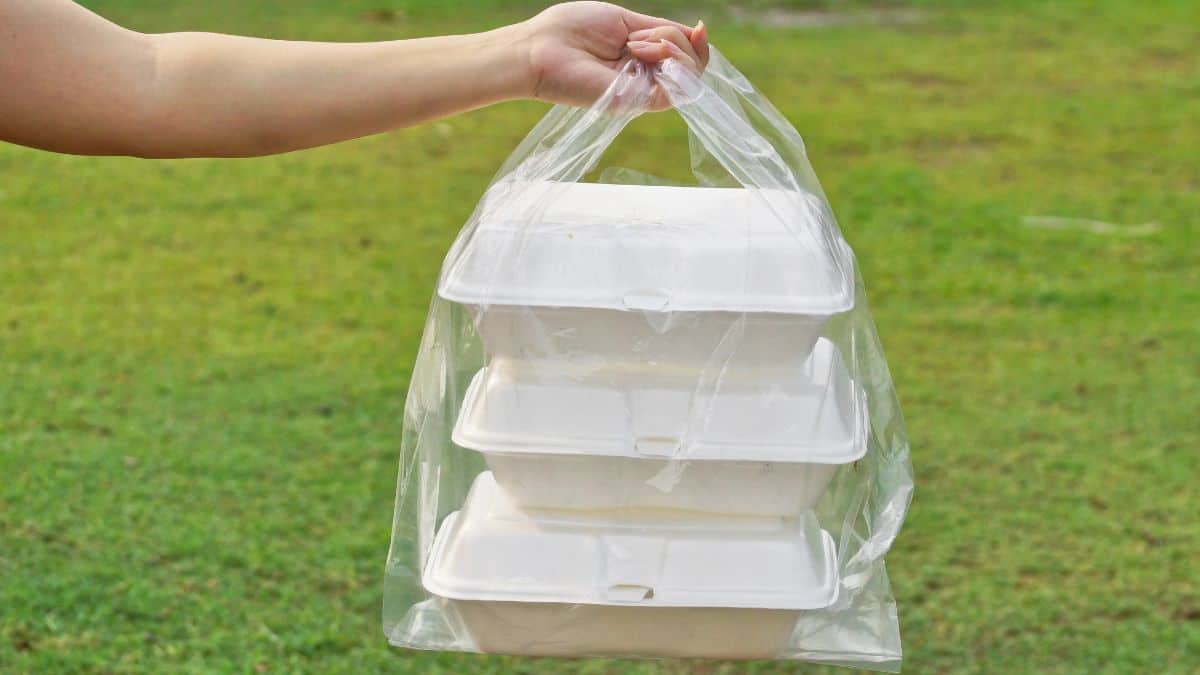
While not a food, many people microwave their meals in Styrofoam containers. This is dangerous because Styrofoam can melt and release harmful chemicals into the food. These chemicals may pose health risks when consumed regularly. Always transfer food to a microwave-safe dish before heating.
Leave a Reply