
Vegetables are essential to a healthy diet, but some are overlooked in favor of more popular options like broccoli, carrots, and spinach. Many vegetables packed with flavor, nutrients, and versatility don’t get the attention they deserve. Eating various vegetables can help improve digestion, boost your immune system, and keep your meals exciting.
Want to Save This Recipe?
Enter your email & I'll send it to your inbox. Plus, get great new recipes from me every week!
By submitting this form, you consent to receive emails from Blue's Best Life.
Many of these underrated vegetables are easy to cook, and some can even be enjoyed raw. Whether you’re looking for a new favorite or want to add more variety to your diet, these vegetables deserve a spot on your plate. Here are 16 underrated vegetables that are worth trying.
Beet Greens

Most people toss out the leafy tops of beets without realizing they are edible and delicious. Beet greens are slightly earthy and can be cooked like spinach or kale. They are rich in vitamins A, C, and K and antioxidants that support overall health.
You can sauté them with garlic and olive oil, add them to soups, or blend them into smoothies; their slightly bitter taste pairs well with citrus and nuts. If you buy beets with their greens attached, don’t let them go to waste.
Celeriac
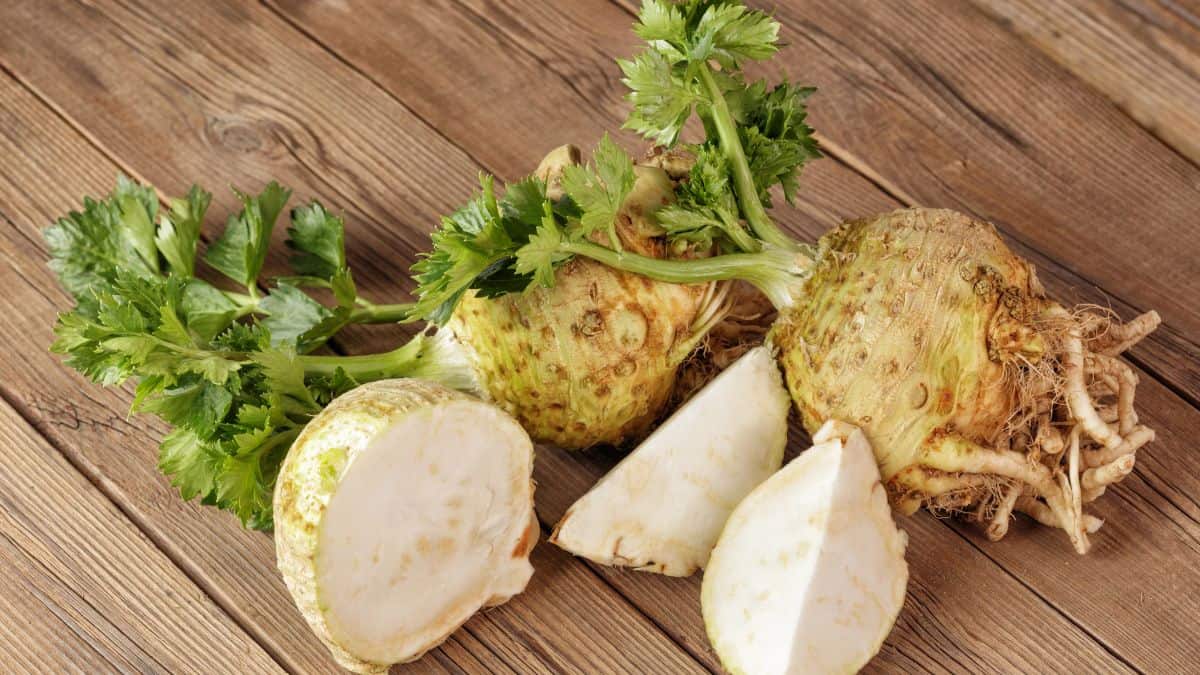
Celeriac, or celery root, is a knobby-looking vegetable with a mild, nutty flavor. It has a texture similar to potatoes and can be roasted, mashed, or turned into creamy soups. Celeriac is rich in fiber, vitamin K, and phosphorus, which is excellent for digestion and bone health.
It works well as a low-carb substitute for potatoes in many dishes. You can also eat it raw, shredded into salads for a crisp texture. Its versatility makes it a great addition to your vegetable rotation.
Kohlrabi

Kohlrabi is a crunchy, slightly sweet vegetable from the cabbage family. It can be eaten raw or cooked, making it a versatile ingredient in many dishes. Rich in fiber, vitamin C, and potassium, kohlrabi supports digestion and immune function.
You can slice it thin for slaws, roast it for a caramelized flavor, or add it to stir-fries. Its mild taste pairs well with bold seasonings like garlic and lemon. If you’ve never tried kohlrabi, it’s worth adding to your following grocery list.
Sunchokes

Sunchokes, or Jerusalem artichokes, are a nutty, slightly sweet root vegetable rich in inulin, a fiber that supports gut health and digestion. They can be eaten raw, roasted, or blended into creamy soups.
Sunchokes' texture resembles potatoes', but their unique flavor makes them stand out. Roasting them brings out their natural sweetness, making them a great side dish. If you enjoy trying new root vegetables, sunchokes are a must-try.
Rutabaga

Rutabagas cross between turnips and cabbage, offering a slightly sweet and peppery flavor. They are high in fiber, vitamin C, and antioxidants that support immune health. You can mash them like potatoes, roast them for a caramelized taste, or add them to soups.
Their firm texture holds up well in stews and casseroles. They are also great for making fries as a lower-carb alternative to potatoes. If you’re looking for a hearty vegetable with a unique taste, rutabagas are a great choice.
Chayote

Chayote is a mild-flavored squash popular in Latin American and Asian cuisine. It has a crisp texture and can be eaten raw or cooked in various dishes. Chayote is rich in vitamin C, fiber, and antioxidants and supports heart health and digestion.
You can slice it into salads, sauté it with spices, or add it to soups and stews. Its mild taste lets it absorb flavors well, making it perfect for spicy or tangy seasonings. If you want to try a new type of squash, chayote is an excellent option.
Fennel
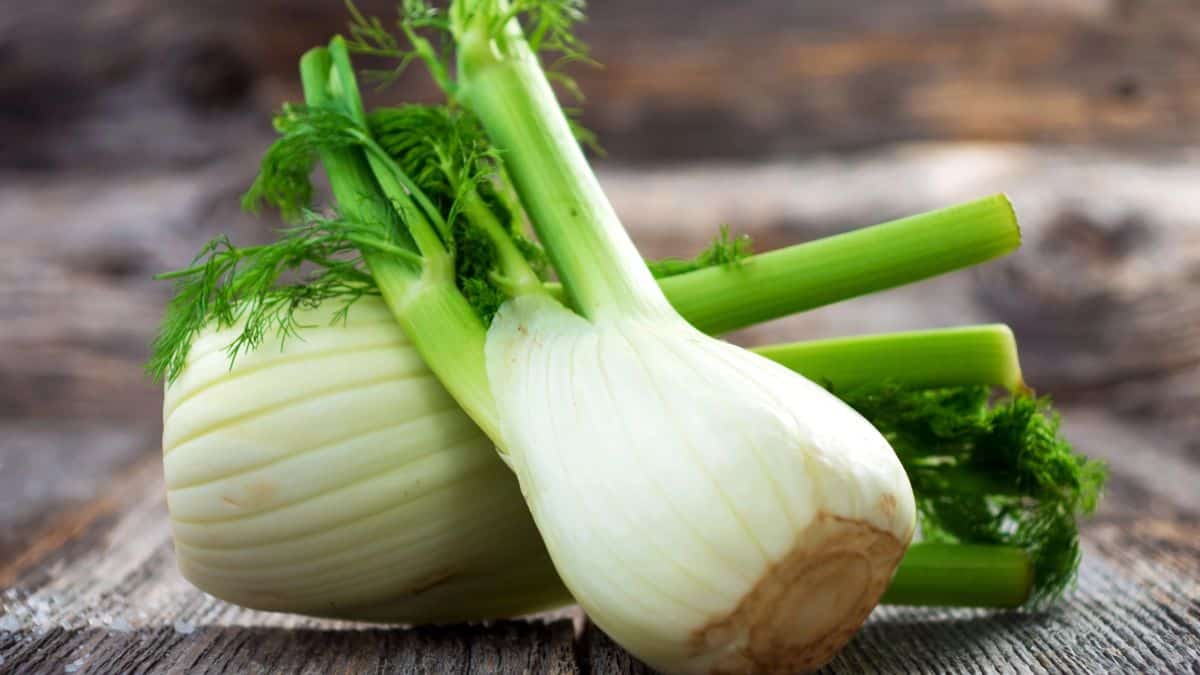
Fennel has a slight licorice flavor and crunchy texture, making it a unique meal addition. The bulb and fronds are edible, offering different ways to enjoy this vegetable. It is packed with fiber, vitamin C, and antioxidants that promote digestive health.
You can slice the bulb thinly for salads, roast it for a caramelized flavor, or use the fronds as a fresh herb. Fennel pairs well with citrus, seafood, and roasted meats. If you’re looking for a new way to add depth to your dishes, fennel is worth trying.
Romanesco
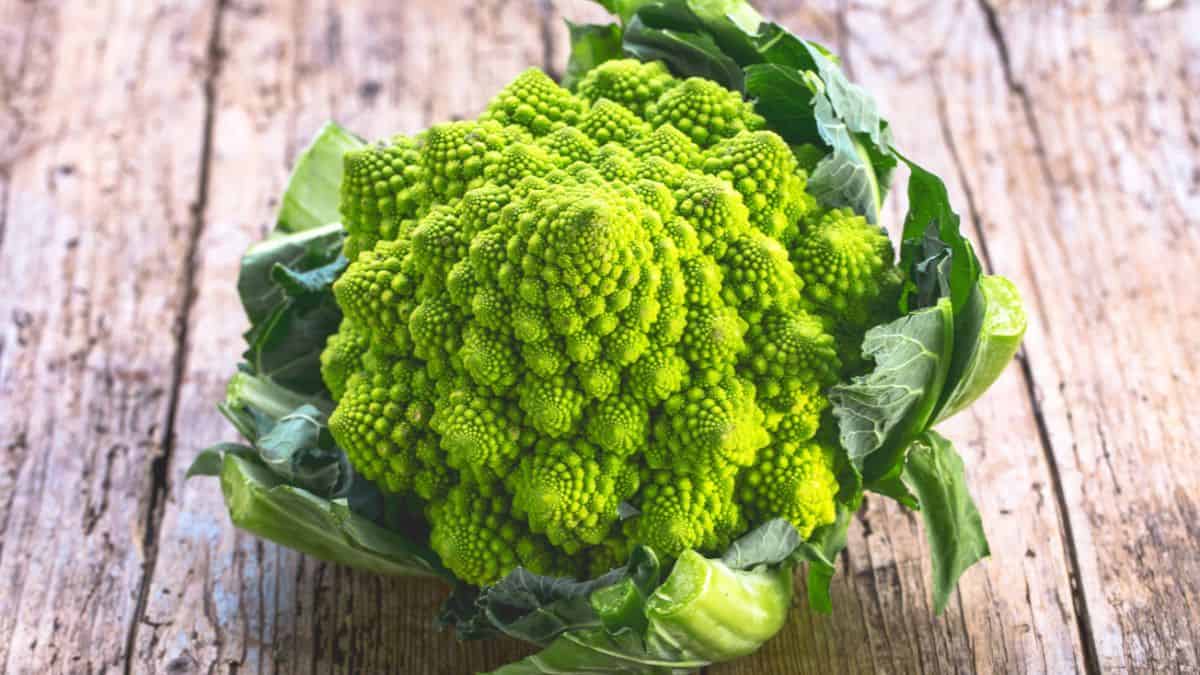
Romanesco looks like a cross between cauliflower and broccoli but has a unique fractal-like shape. It has a mild, nutty flavor and a slightly crunchy texture. Rich in fiber, vitamin C, and antioxidants, romanesco supports immune health and digestion.
You can roast it, steam it, or add it to pasta and grain bowls. Its beautiful appearance makes it a great way to add visual interest to your meals. If you like cauliflower, you’ll probably enjoy romanesco, too.
Endive
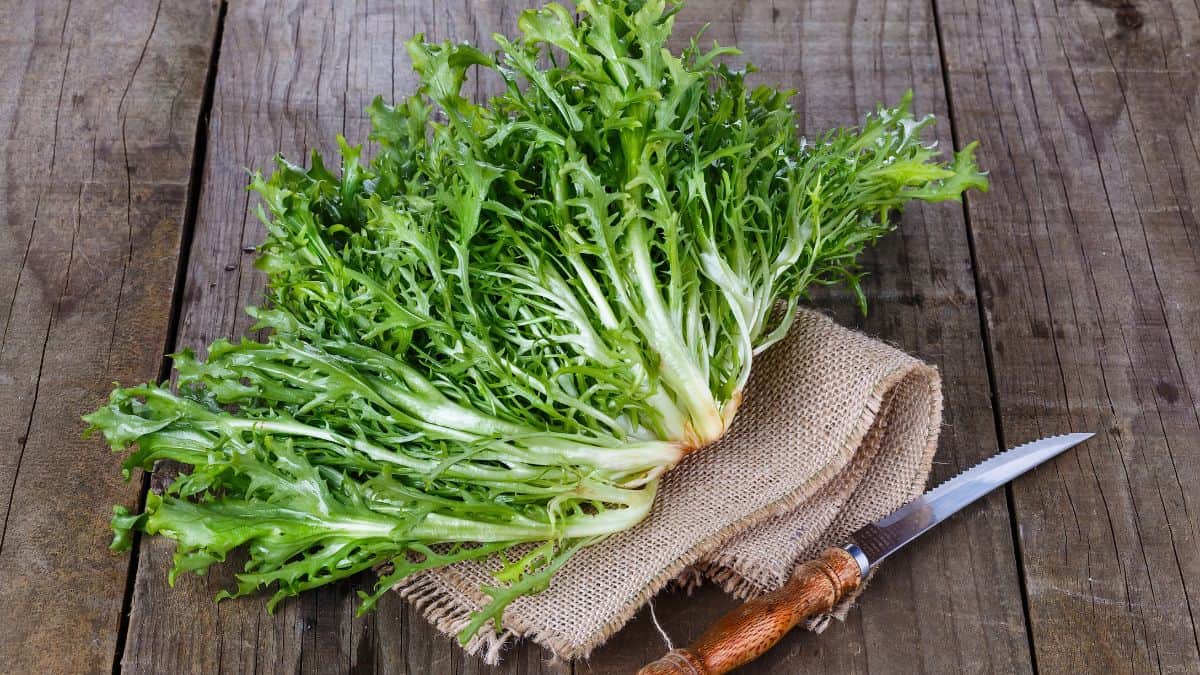
Endive is a leafy green with a slightly bitter flavor that adds a unique taste to dishes. It is packed with fiber, folate, and vitamin K, which support digestion and bone health. You can use it raw in salads, grill it for a smoky taste, or add it to soups.
Endive's sturdy leaves also make great scoops for dips and spreads. Its bitterness pairs well with sweet and tangy dressings. Thus, endive is an excellent option if you’re looking for a crunchy and flavorful green.
Morel Mushrooms

Morel mushrooms are prized for their rich, earthy flavor and meaty texture. They are packed with antioxidants, vitamin D, and minerals that support immune function. You can sauté them with butter, add them to pasta dishes, or use them in risotto.
Their deep flavor enhances many dishes, making them a favorite among chefs. Because they are usually foraged, they can be pricey but are worth trying at least once. If you love mushrooms, morels are a delicious treat.
Turnip Greens
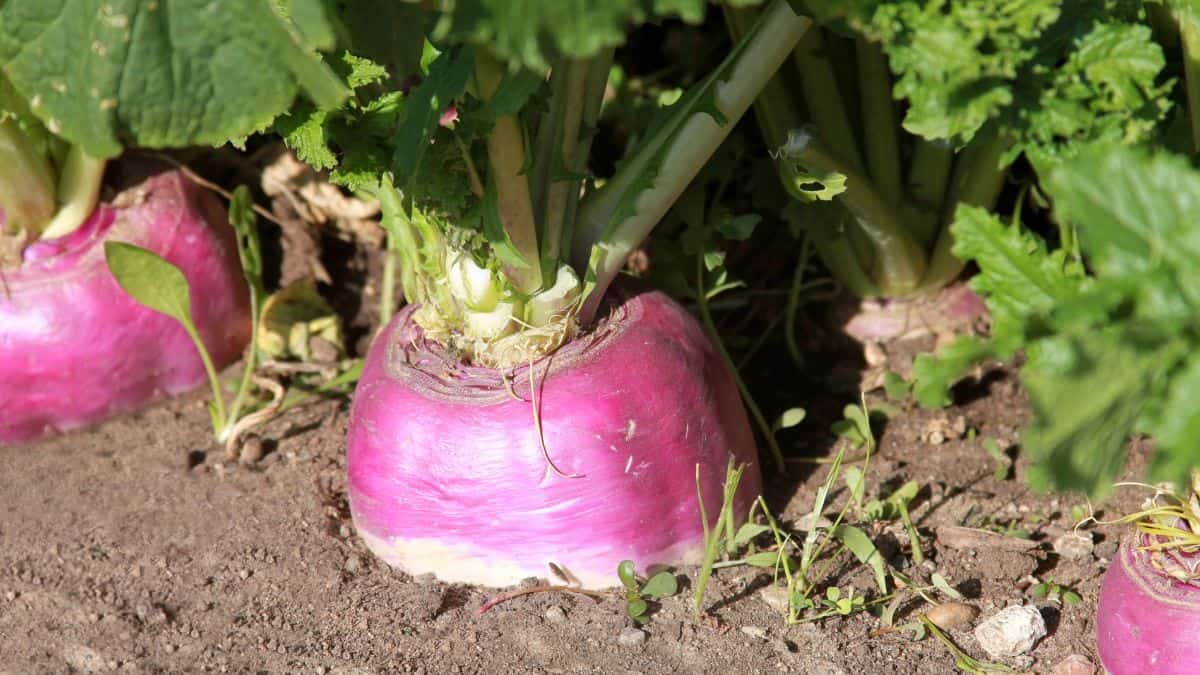
Turnip greens are the leafy tops of turnips, often overlooked despite their rich nutrient content. They are high in vitamins A, C, and K, calcium, and antioxidants. Their slightly peppery taste makes them a great addition to sautés, soups, and salads.
Turnip greens can be cooked similarly to collard greens, with garlic and a splash of vinegar. They add a depth of flavor to dishes without overpowering other ingredients. If you usually discard turnip greens, consider using them in your next meal.
Bok Choy
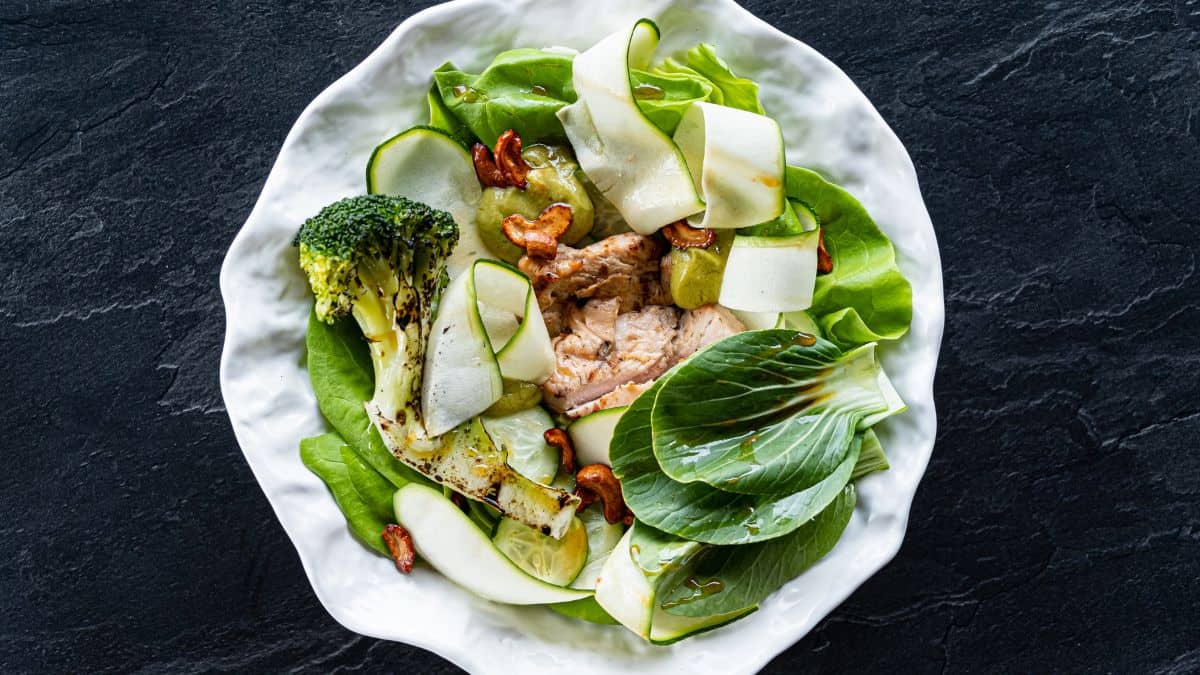
Bok choy is a Chinese cabbage with crisp stems and tender leaves. It is packed with fiber, vitamin C, and antioxidants that support overall health. You can stir-fry it, add it to soups, or enjoy it raw in salads. Its mild, slightly sweet flavor pairs well with garlic, ginger, and soy sauce. Bok choy is quick to cook, making it perfect for busy weeknights. If you’re looking for a versatile green, bok choy is a great choice.
Related: 15 Clever Hacks To Reduce That Never-Ending Grocery Bill

Managing grocery expenses can be challenging for many households, especially with rising food costs and fluctuating budgets.
However, with some creativity and resourcefulness, you can implement numerous clever hacks to reduce your never-ending grocery bill without sacrificing the quality or variety of your meals.




Leave a Reply