
Food is often one of the most exciting parts of the adventure when people travel. Trying something new feels like part of the journey, but sometimes restaurants in tourist-heavy spots take advantage of hungry visitors. Instead of offering authentic, fresh meals, they serve overpriced dishes that look better on the menu than they taste in real life.
Want to Save This Recipe?
Enter your email & I'll send it to your inbox. Plus, get great new recipes from me every week!
By submitting this form, you consent to receive emails from Blue's Best Life.
These meals are usually flashy, easy to sell, and often leave travelers wishing they had spent their money elsewhere. Many so-called “specialties” are typical across different countries, yet the disappointing experience is the same. Below are some of the most common meals travelers regret ordering when caught in a tourist trap.
Lobster Drenched in Butter Sauce

At first glance, lobster seems like the perfect vacation meal, especially when served at a beachside restaurant. However, in many tourist areas the lobster is frozen and reheated, not freshly caught that day. To cover up the lack of flavor, kitchens drown it in heavy butter sauce that overwhelms the meat.
The dish often costs far more than it should, leaving diners frustrated at the price. People expect a tender, fresh experience but instead get chewy bites and too much sauce. Many leave the table wishing they had ordered something simpler and more authentic.
Giant Turkey Legs at Theme Parks
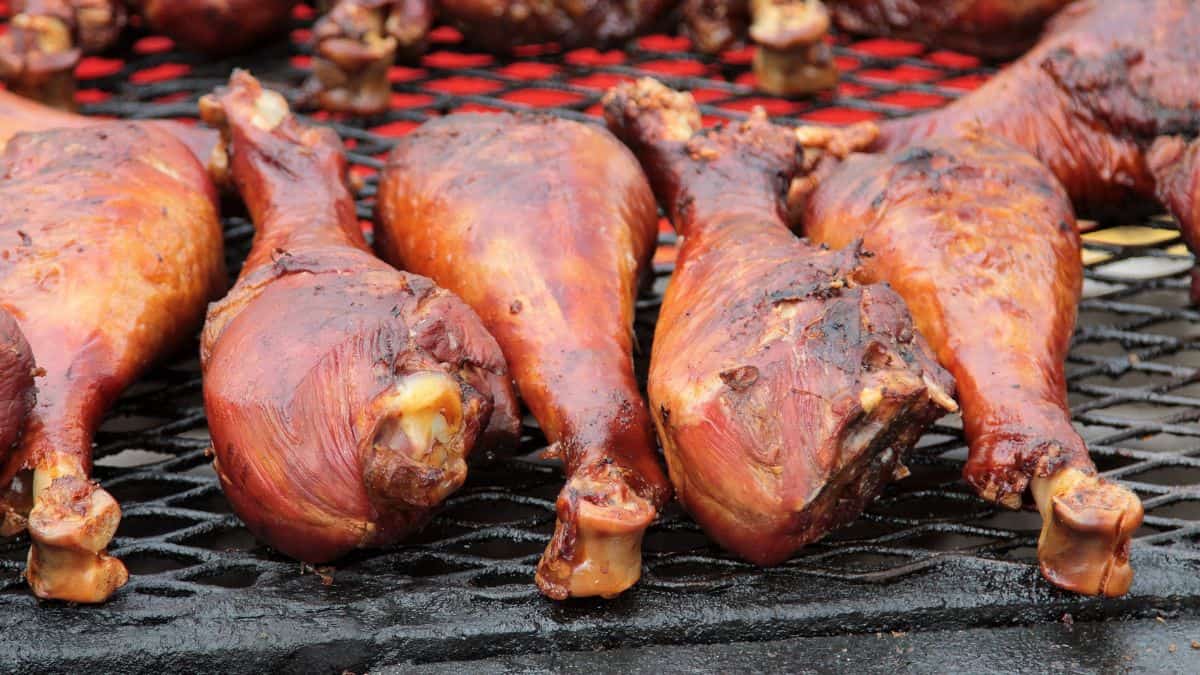
These oversized turkey legs look fun to hold and make for a memorable photo. Yet most travelers quickly realize they are dry, salty, and far too big to finish. Vendors smoke them in bulk and serve them as novelty items rather than quality food.
After a few bites, the meat becomes tough and greasy, and it’s hard to enjoy while walking around. The high cost makes it feel even less worthwhile than better nearby options. For many, the turkey leg symbolizes wasted money and regret.
Seafood Platters with Endless Fried Options
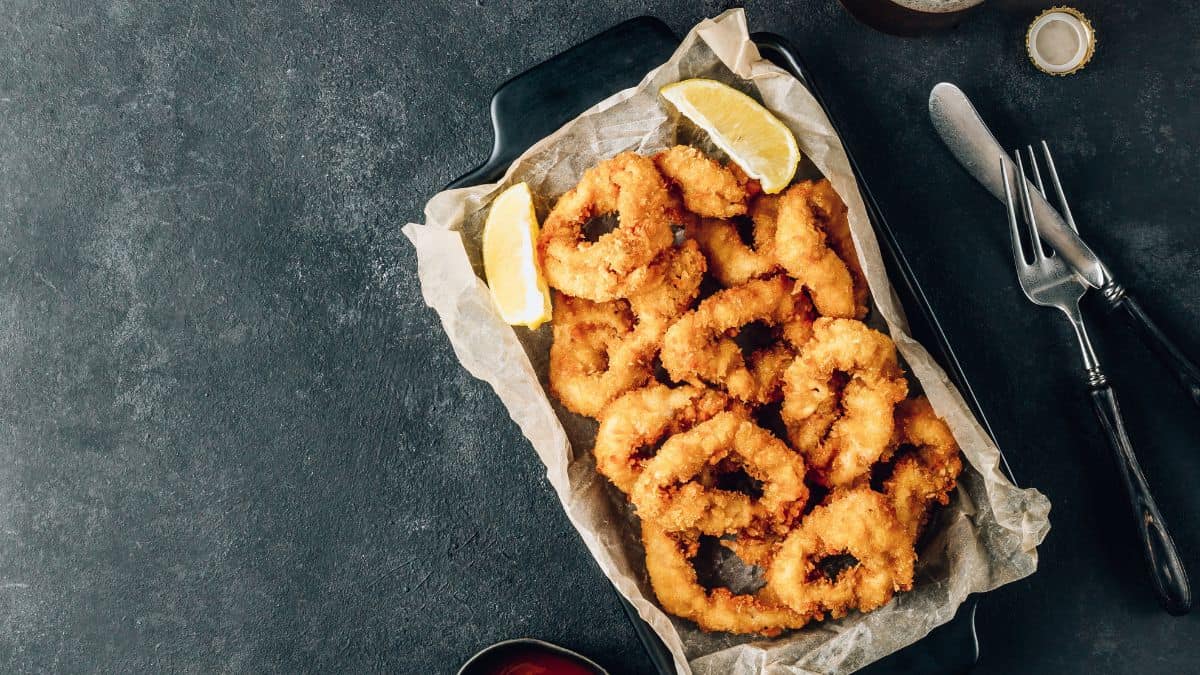
Restaurants in coastal tourist areas love serving giant seafood platters that promise variety. On the plate, most items are fried in the same batter, making everything taste alike. The shrimp, fish, and clams lose their unique flavors under the heavy coating.
Diners are often surprised at how oily the platter feels after only a few bites. What looked like a seafood feast quickly became an overwhelming grease pile. Guests leave wishing they had ordered one fresh dish instead of a sampler.
Spaghetti with Red Sauce in Tourist Squares
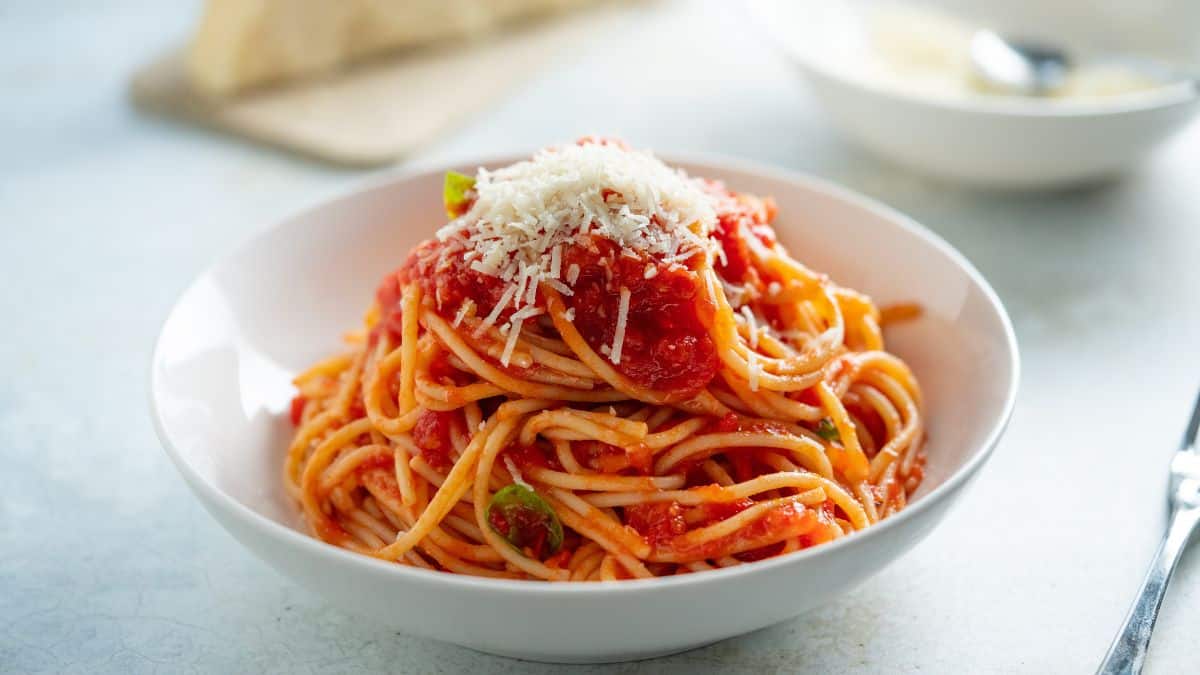
Italian restaurants near busy landmarks often serve huge plates of spaghetti at inflated prices. The sauce is usually watery, lacking the richness of true Italian cooking. Instead of fresh pasta, they rely on mass-produced noodles cooked in bulk.
Romantic images of classic Italy lure in diners but end up with a bland meal. Many travelers report feeling tricked after paying so much for something so ordinary. A true Italian trattoria away from the crowds would have been a much better choice.
All-You-Can-Eat Buffets
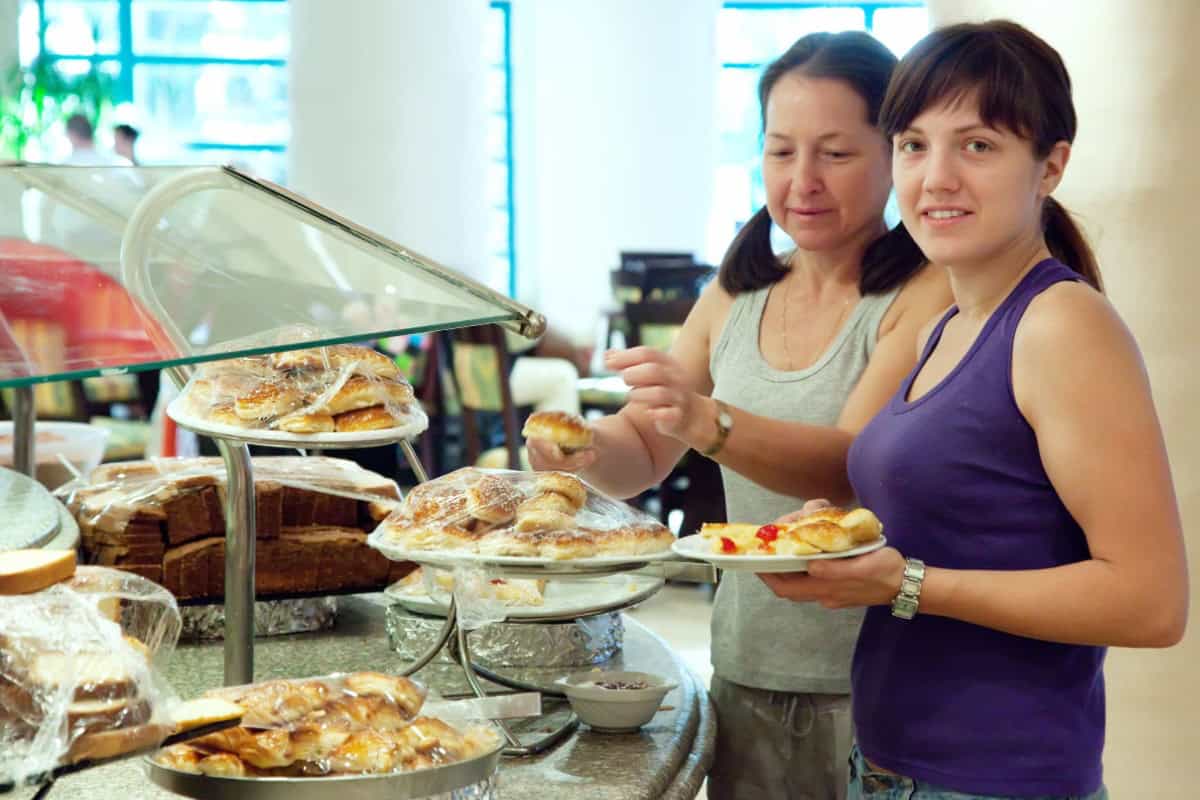
Buffets are marketed as value meals where travelers can taste everything. In reality, the food sits out for hours under heat lamps, losing both texture and flavor. The variety looks appealing at first, but most dishes taste average at best.
Many guests eat too quickly, trying to get their money’s worth, and leave feeling stuffed and unsatisfied. The low quality of ingredients is noticeable, especially compared to local street food. Instead of being a bargain, buffets often feel like wasted calories.
Margaritas Served in Fishbowls
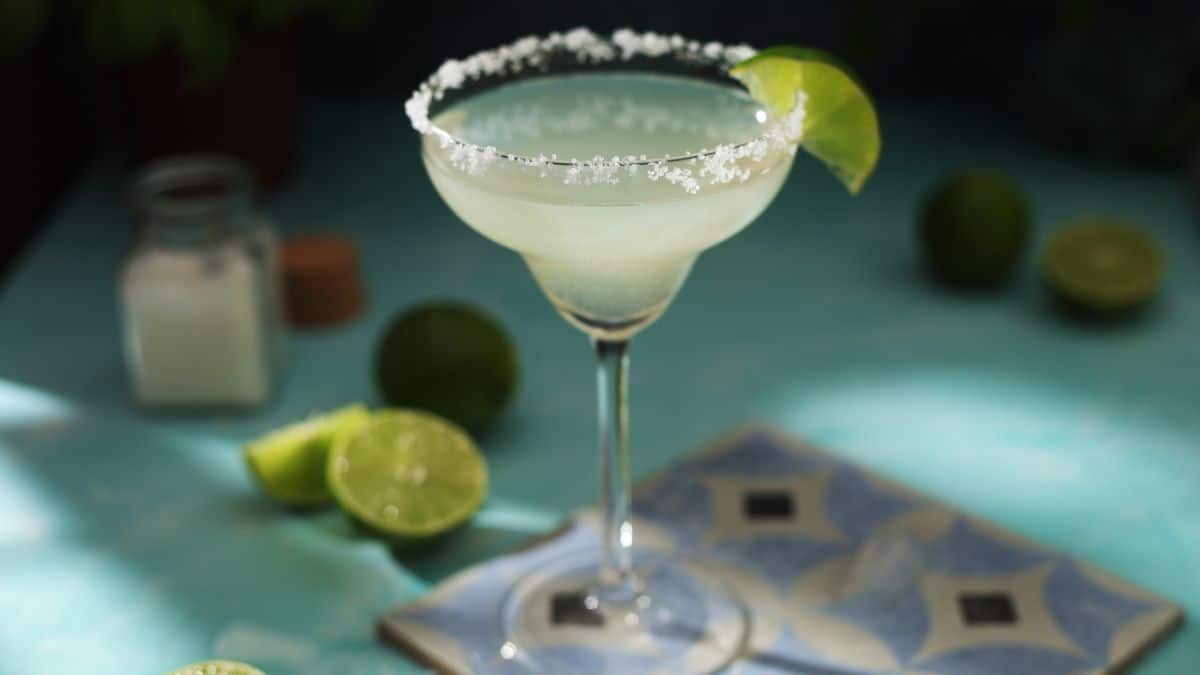
Large, colorful cocktails are common in beach towns and party districts. The drinks look exciting with neon straws and sugary rims, but the taste is usually more syrup than real juice. The alcohol content is often weak, leaving people paying mostly for presentation.
After a few sips, the sweetness becomes overwhelming, and finishing the drink feels like a chore. Tourists realize they could have enjoyed a smaller, well-made cocktail for less money. The novelty of the fishbowl quickly wears off, leaving only regret.
Steakhouse Specials on Busy Strips
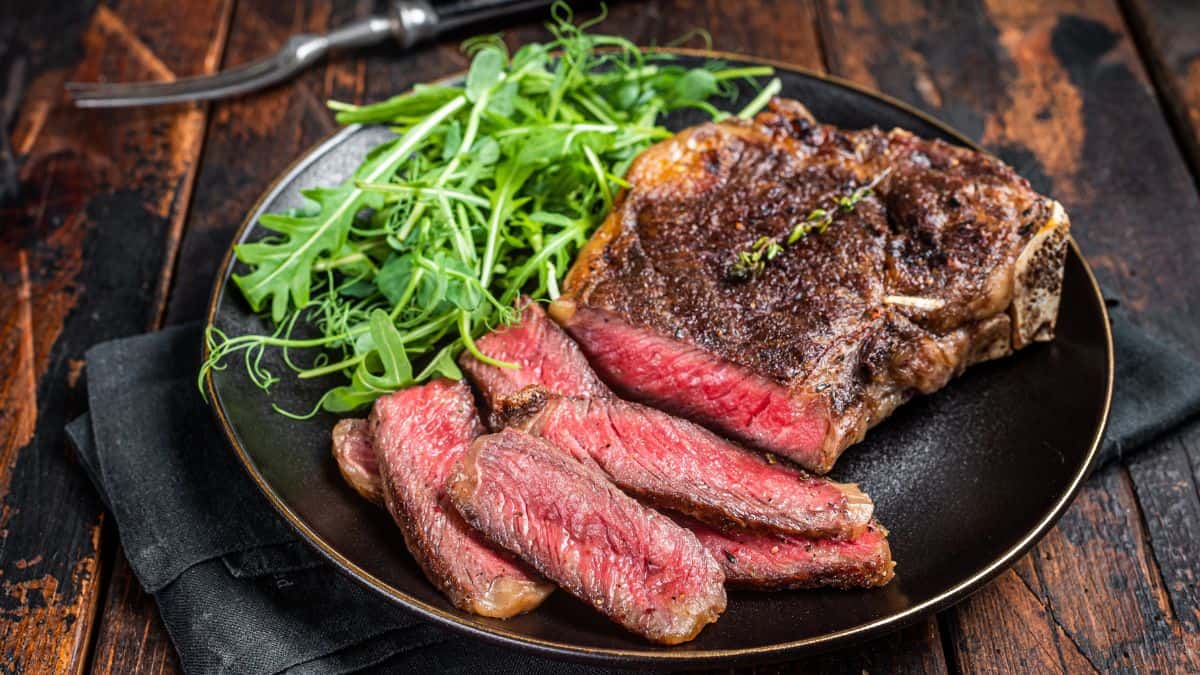
Steakhouses in tourist areas often advertise “premium cuts” at eye-catching prices. Unfortunately, the meat is rarely cooked with care and sometimes arrives overdone or under-seasoned. Instead of savoring a tender steak, diners get chewy bites that are hard to enjoy.
The flashy surroundings and loud atmosphere make the experience feel more about the show than the food. By the end of the meal, most people feel they could have found a better steak for the same price. The disappointment comes not just from the taste but also from the high expectations.
Colorful Paella Pans in Tourist Plazas

Paella is a Spanish classic, but many tourist restaurants prepare it in bulk for quick sales. The rice often sits for hours before being reheated when ordered. The seafood on top may look fresh but usually lacks flavor and sometimes has a rubbery texture.
The dish is sold in large pans for sharing, which raises the price even more. Travelers expecting a rich, slow-cooked meal are often surprised at how bland it tastes. Instead of celebrating Spanish culture, the meal leaves them let down.
Pizza by the Slice on Crowded Streets
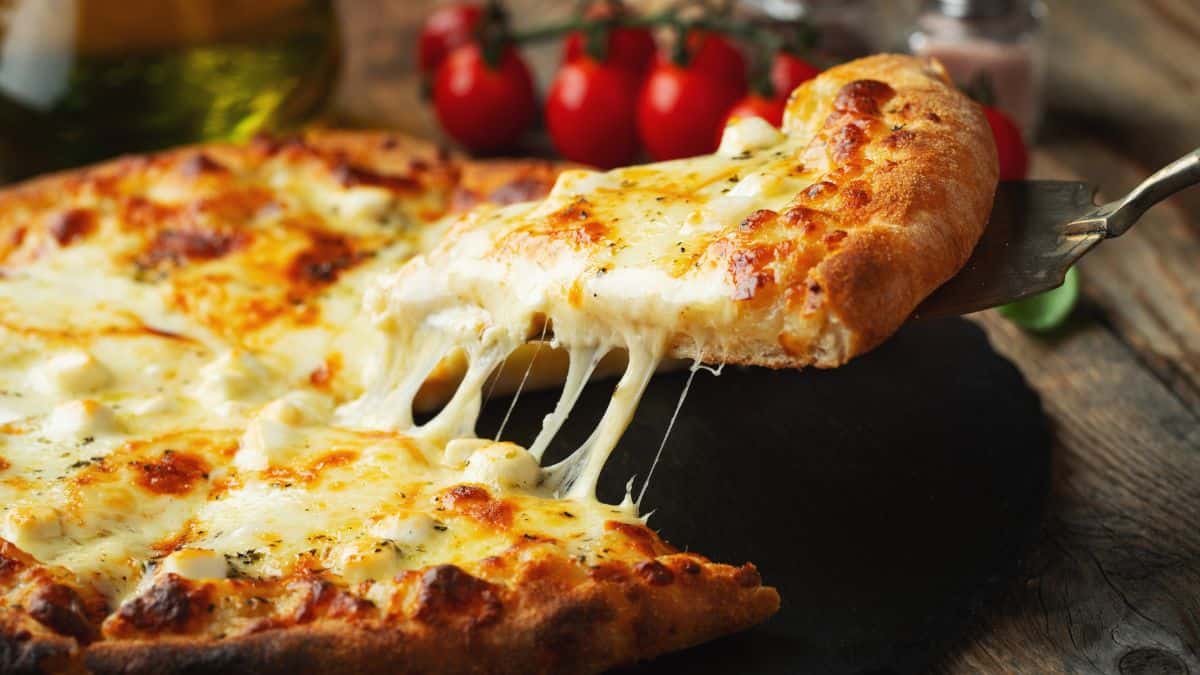
Pizza is easy to sell in tourist zones, and many places offer giant slices for quick bites. These slices are often reheated multiple times and made with low-quality cheese. While they look filling, the greasy crust and thin toppings leave diners unsatisfied.
The quick grab-and-go style means little attention is given to taste or freshness. People buy pizza expecting comfort food but end up with something soggy and heavy. Many regret not taking the time to find a proper local pizzeria.
Surf and Turf Plates at Resort Restaurants

Combining steak and seafood sounds like a luxury treat. However, in tourist resorts, both parts of the dish are usually low quality. The steak lacks flavor while the seafood tastes frozen, disappointing the combination.
The plate is often one of the most expensive on the menu, which makes the regret even stronger. Diners feel they paid extra for food that was cooked in bulk. What should be a special meal ends up being one of the most forgettable.
Pancakes Piled with Syrup and Whipped Cream
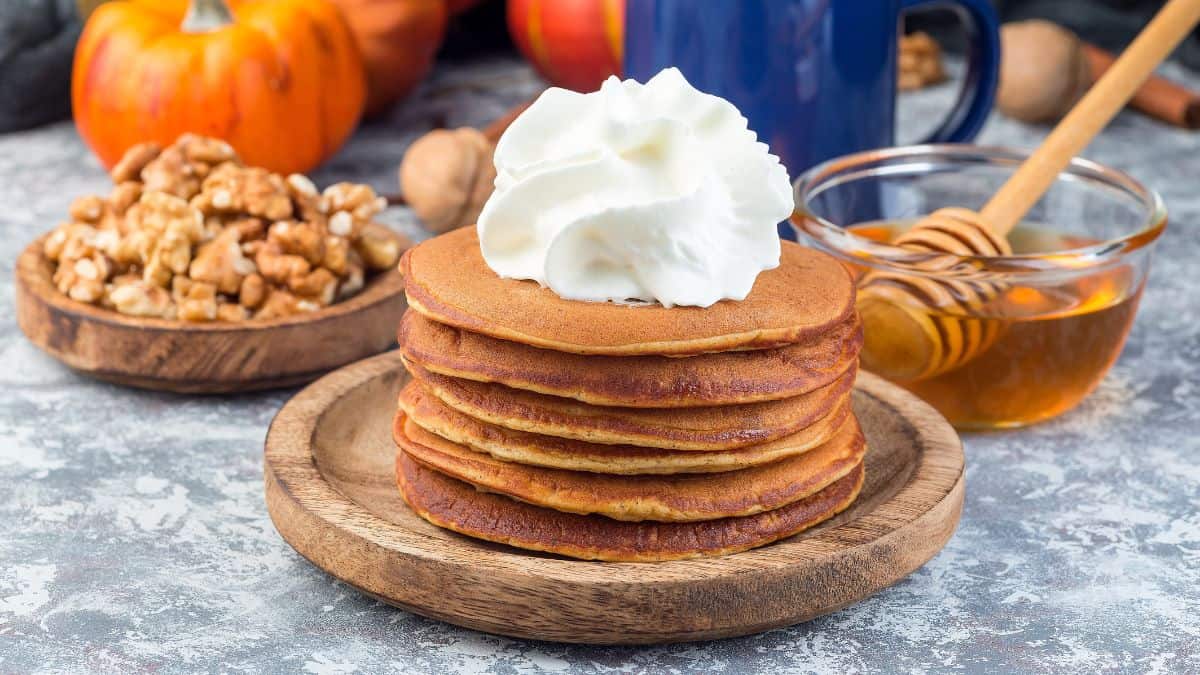
Breakfast restaurants in busy tourist towns love to serve oversized pancake stacks. The plates are colorful and photo-worthy, but the pancakes themselves are often dense and bland. Syrup and whipped cream cover up the lack of flavor rather than improve it.
Diners usually feel full halfway through but push themselves to finish because of the price. The sugar rush leads to an energy crash soon after. Many people regret starting their vacation day with something so heavy.
Famous Hot Dogs at Tourist Stands
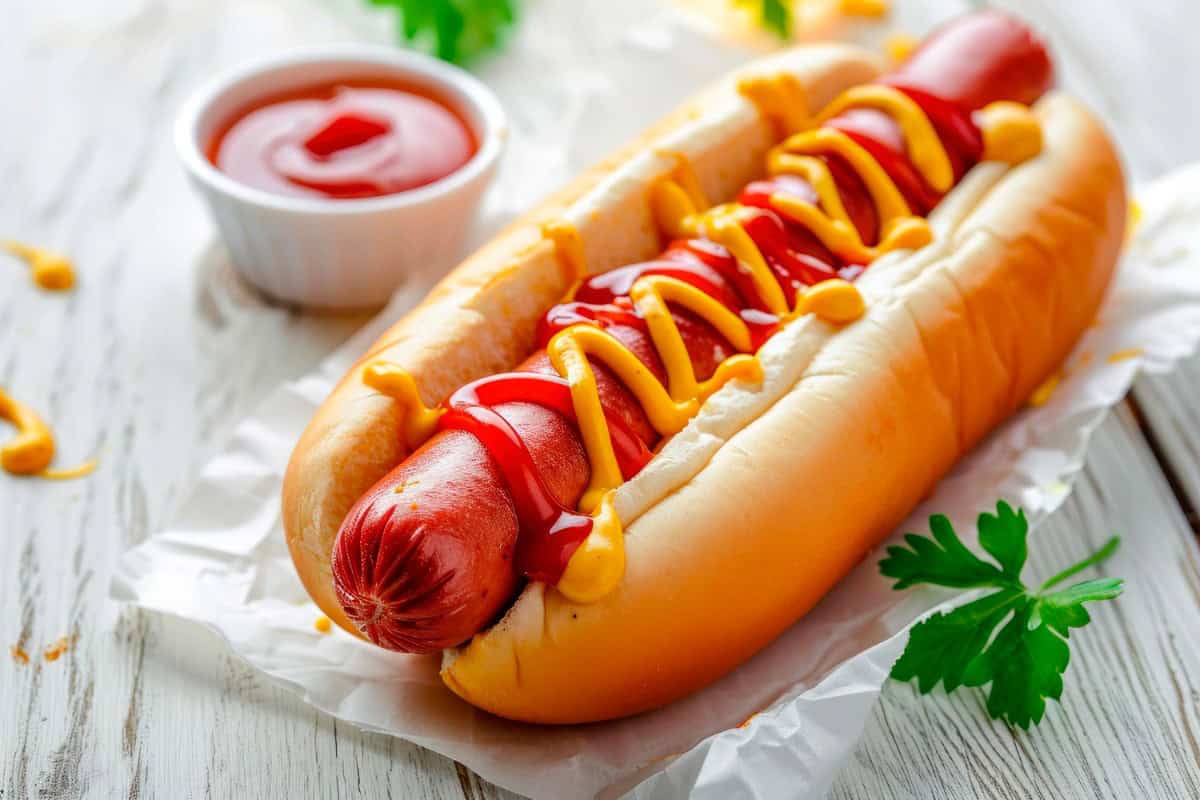
Some cities are known for their hot dogs, and tourist stands charge extra for the name. What travelers actually get is a lukewarm sausage in a stale bun. The toppings are thrown on carelessly, and the overall taste is far from memorable.
Locals rarely eat at these stands, but visitors think they are experiencing tradition. After paying far more than the snack is worth, most feel disappointed. The hype never matches the flavor, leaving regret behind.
Exotic Meat Samplers
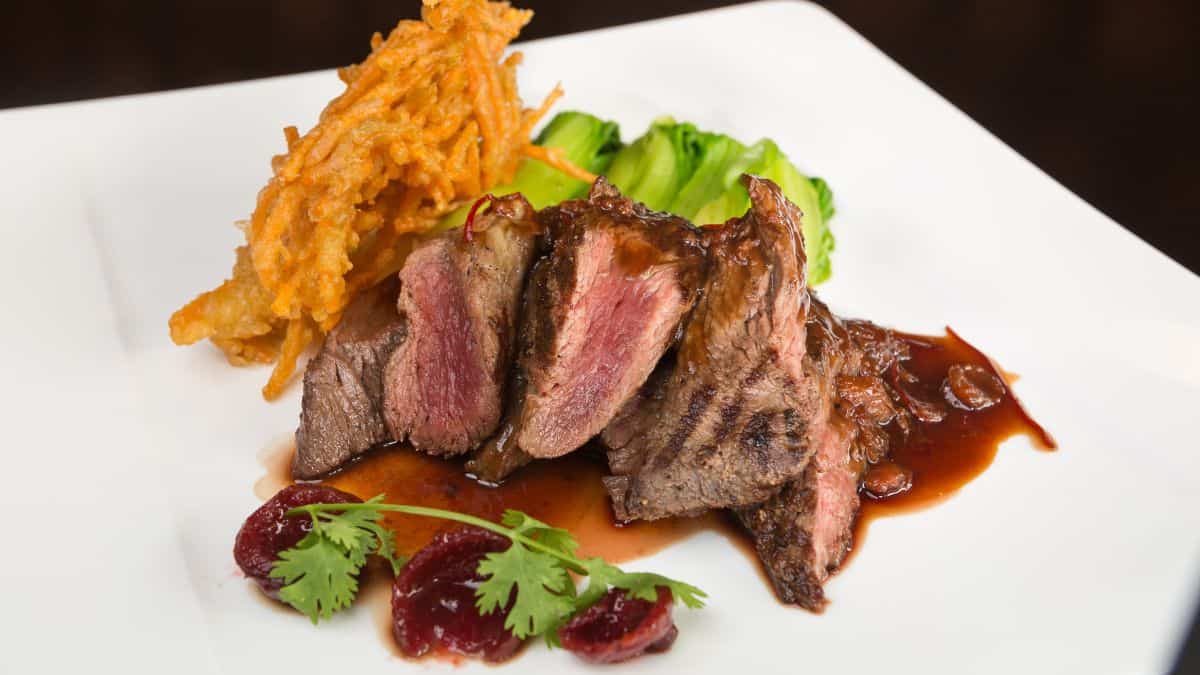
Many tourist restaurants offer unusual meats like crocodile, ostrich, or kangaroo. While adventurous eaters may be curious, the dishes are often prepared poorly. The meat tends to be tough, chewy, or bland, depending on how it is cooked.
Tourists quickly realize the sampler is more about bragging rights than real taste. The high cost makes it even less enjoyable when the novelty wears off. Most people decide it was not worth the risk after just one bite.
Overpriced Hotel Room Service Burgers
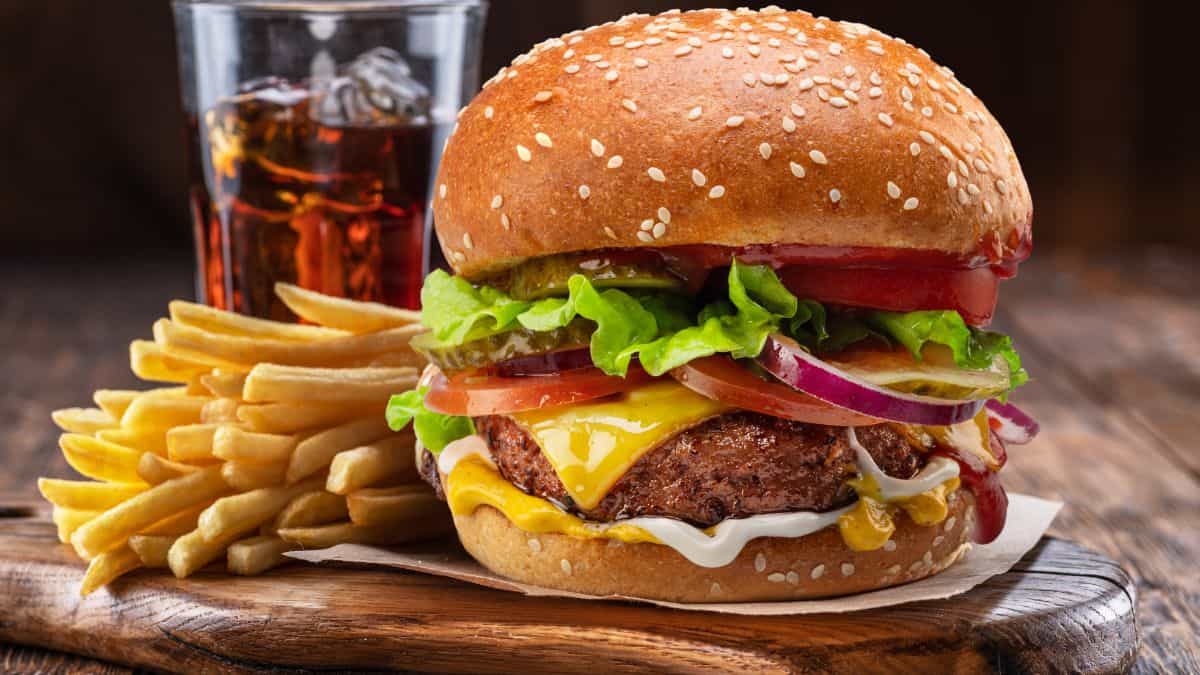
Ordering food to a hotel room feels convenient after a long day of travel. The menu photos make the burger look juicy and flavorful, but the reality is often disappointing. The bun arrives soggy from the steam, and the fries are cold and limp.
Room service charges add even more to the already high price. What should have been a treat becomes a reminder of wasted money. Many travelers learn to step outside for a better, cheaper meal.
Souvenir-Themed Desserts

Shops near attractions sell desserts shaped like famous landmarks or covered in glittery toppings. These treats are designed for photos more than flavor. The cakes and cookies are usually dry, with artificial colors masking the lack of taste.
People buy them for the novelty but regret it after the first bite. The price tag is far higher than the quality deserves. Tourists quickly realize they paid more for the idea of a dessert than the dessert itself.
Leave a Reply