
Microwaves offer incredible convenience for quickly heating food, but they aren't suitable for everything. Certain items can not only damage your microwave but also pose fire risks or release harmful chemicals when heated.
Want to Save This Recipe?
Enter your email & I'll send it to your inbox. Plus, get great new recipes from me every week!
By submitting this form, you consent to receive emails from Blue's Best Life.
Understanding what should never go in the microwave is just as crucial as knowing how to use it safely. Here are 15 items you should avoid microwaving to ensure your kitchen remains safe and your food stays healthy.
Non-Microwave-Safe Plastics
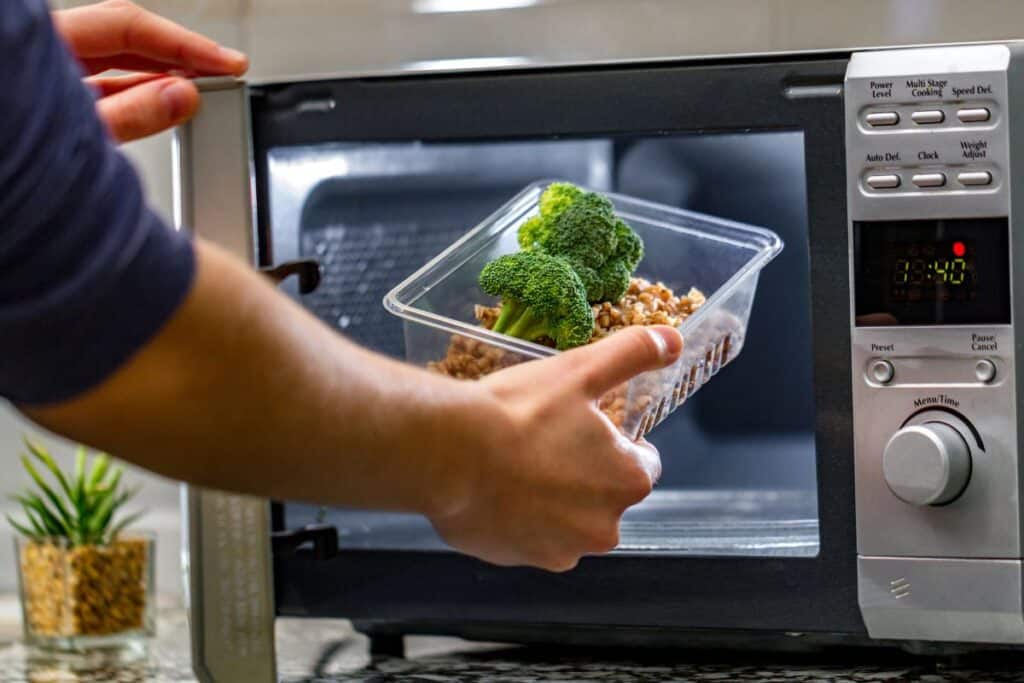
Not all plastics are safe for microwave use. Those that aren’t labeled as microwave-safe can melt or warp, releasing harmful chemicals such as BPA into your food. To avoid potential health issues, check the labels on plastic containers and choose glass or ceramic alternatives when in doubt.
Aluminum Foil
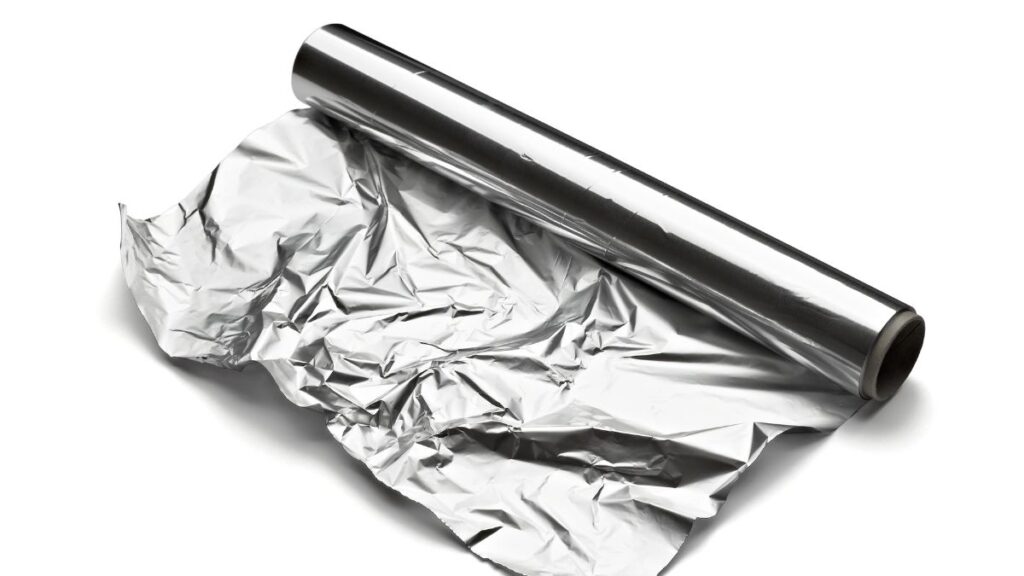
Using aluminum foil in the microwave is highly risky. Like other metals, it can spark and ignite. The thin nature of the foil allows it to heat quickly, and if it crumples into sharp edges, it becomes even more dangerous. Always remove any foil before microwaving and transfer food to a microwave-safe dish.
Metal Containers
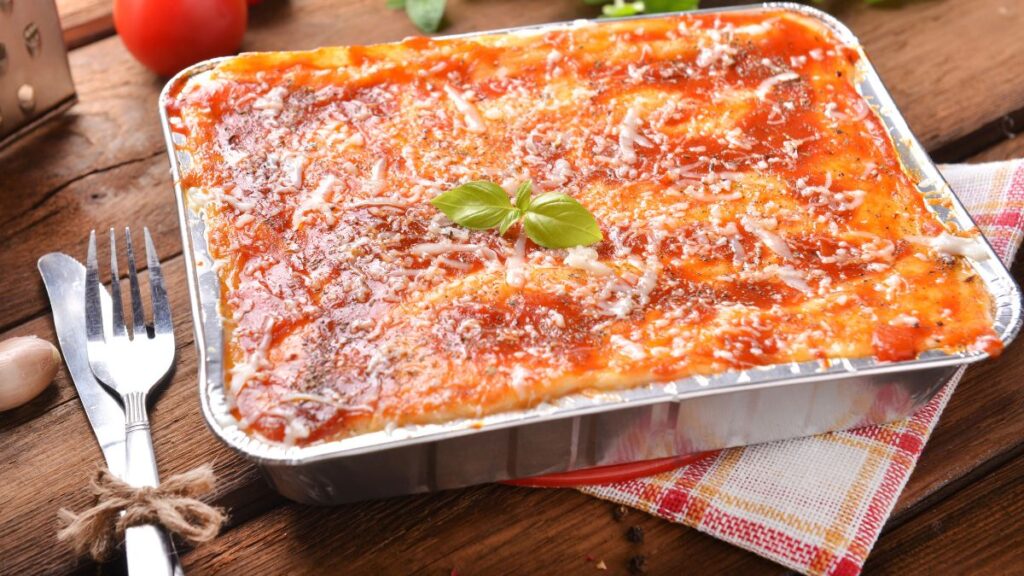
Metal containers and aluminum foil should always be kept out of the microwave. When exposed to microwave radiation, metal can spark, potentially damaging the appliance and starting a fire. This occurs because microwaves cause electrons in metal to move rapidly, creating electrical currents that can ignite surrounding materials. Opt for microwave-safe glass or ceramic containers instead.
Styrofoam
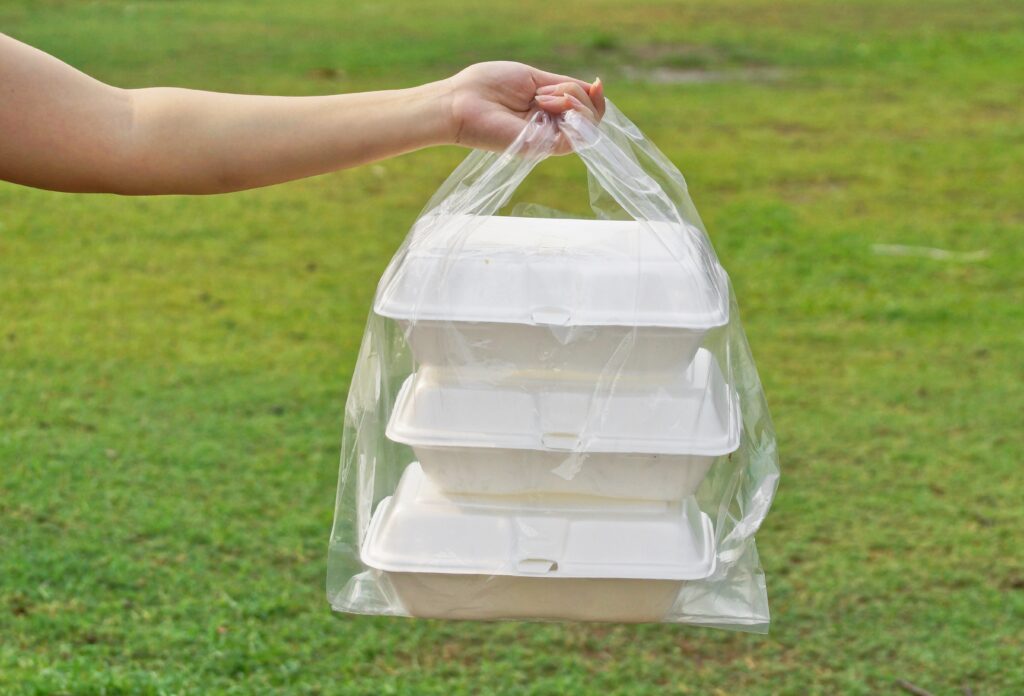
Styrofoam containers, often used for takeout, should never be microwaved. When heated, Styrofoam can melt and release toxic chemicals, and in some cases, it may even catch fire. Always transfer food from Styrofoam containers to microwave-safe dishes before reheating.
Brown Paper Bags
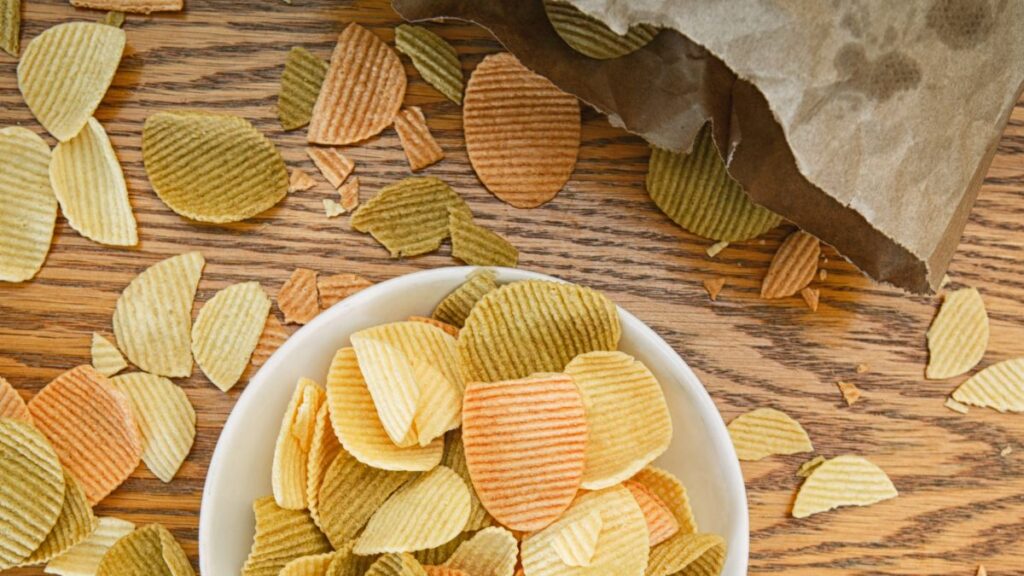
Microwaving brown paper bags can be very dangerous. These bags are made from thin, untreated paper that can easily catch fire. Additionally, the ink and glue used can emit toxic fumes when heated. Instead, use a microwave-safe plate or container for heating food.
Eggs in Their Shell
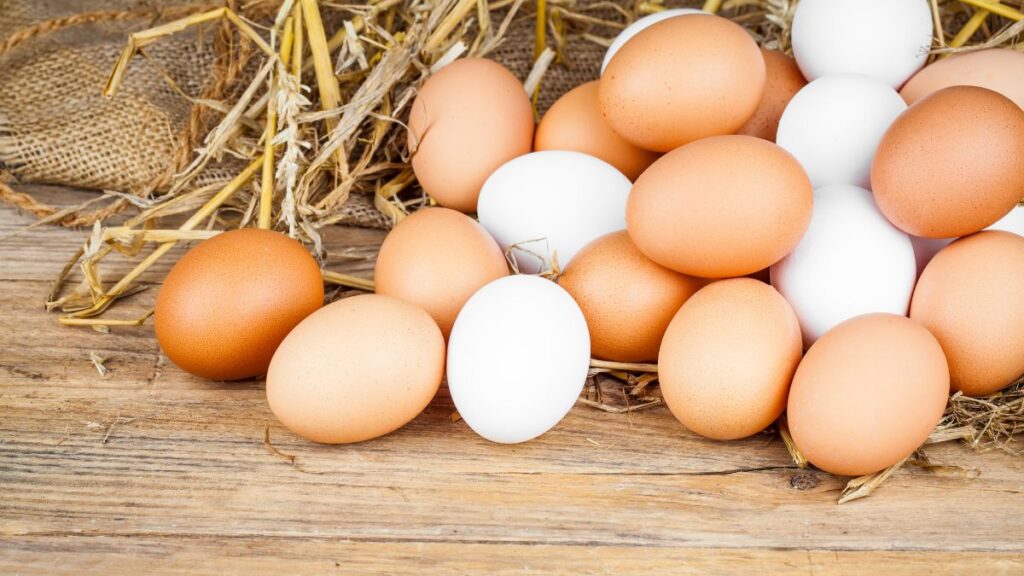
Cooking eggs in their shells in the microwave is a recipe for disaster. The steam builds up inside the shell with no escape, leading to explosions. To safely cook eggs, crack them into a microwave-safe dish and pierce the yolk to allow steam to escape.
Grapes
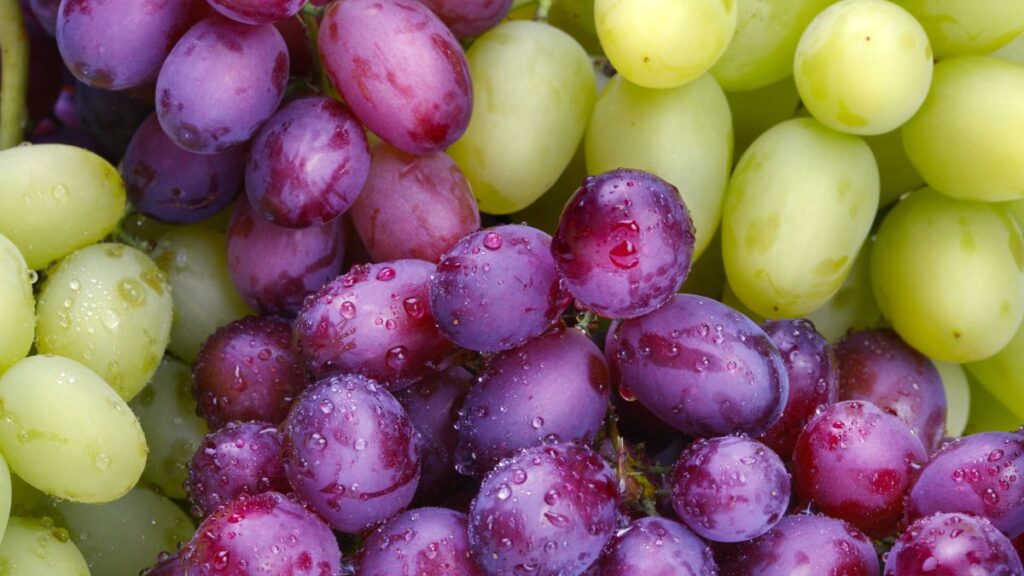
You might be surprised to learn that microwaving grapes is a no-go. When heated, grapes can create plasma, resulting in sparks and potential fires due to an unusual reaction between their sugar and water content. It’s best to avoid microwaving grapes altogether.
Hot Peppers
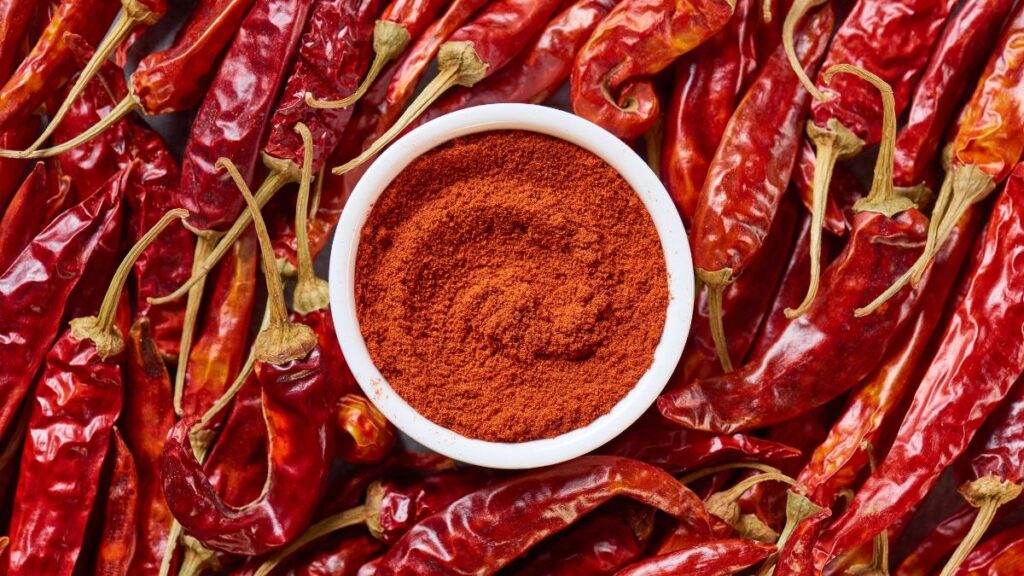
Heating hot peppers in the microwave can release volatile oils that irritate your eyes and throat. These oils can become airborne, creating discomfort when you open the microwave door. To avoid this, use a stovetop or oven for heating hot peppers.
Water in a Mug

Microwaving water in a mug may seem harmless, but it can be risky. Water can become superheated, heating above its boiling point without actually boiling. If disturbed, it can erupt violently, causing burns. It’s safer to heat water in a kettle or stir it before removing it from the microwave.
Tomato Sauce or Soup Without a Cover
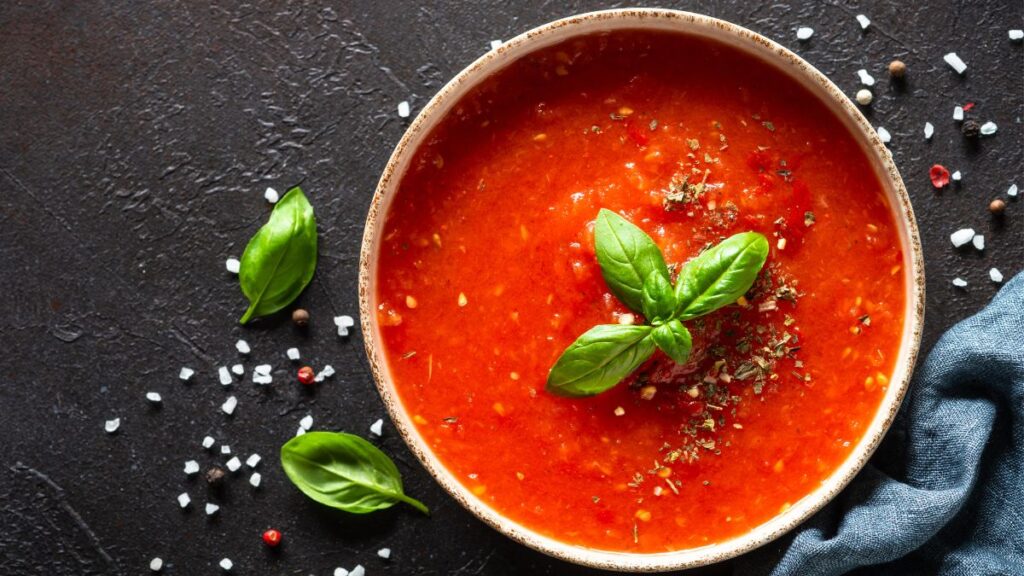
Heating tomato sauce or soup without a cover can lead to messy splatters. The high moisture content causes uneven heating, resulting in bursts of steam that can create a mess. Always cover your food with a microwave-safe lid or plate, leaving a small vent for steam to escape.
Whole Potatoes
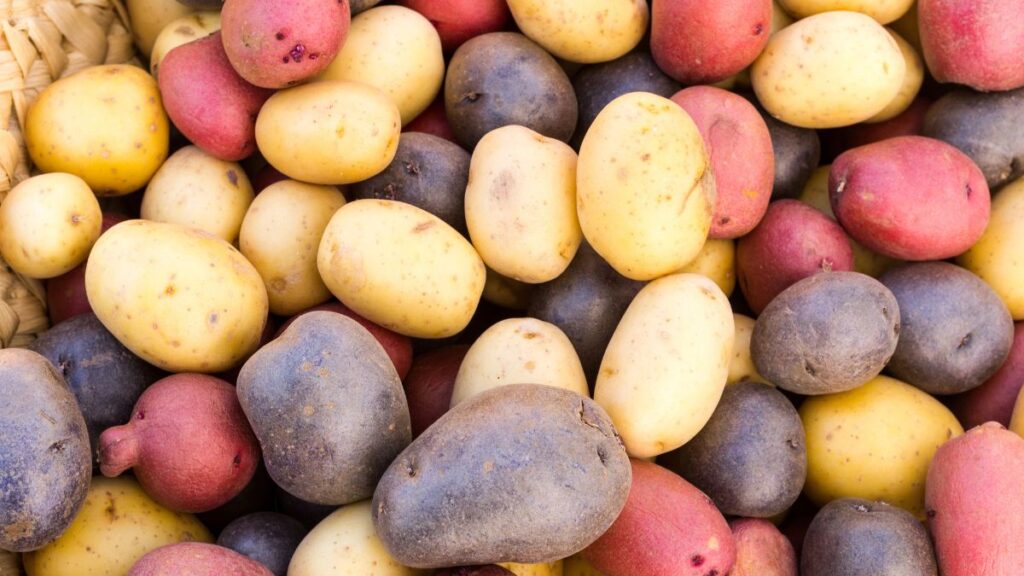
Microwaving whole potatoes without piercing them can lead to explosions. Steam builds up inside the potato during heating, and without a way to escape, it can burst. Always poke holes in the potato skin with a fork before microwaving to allow steam to escape safely.
Bread
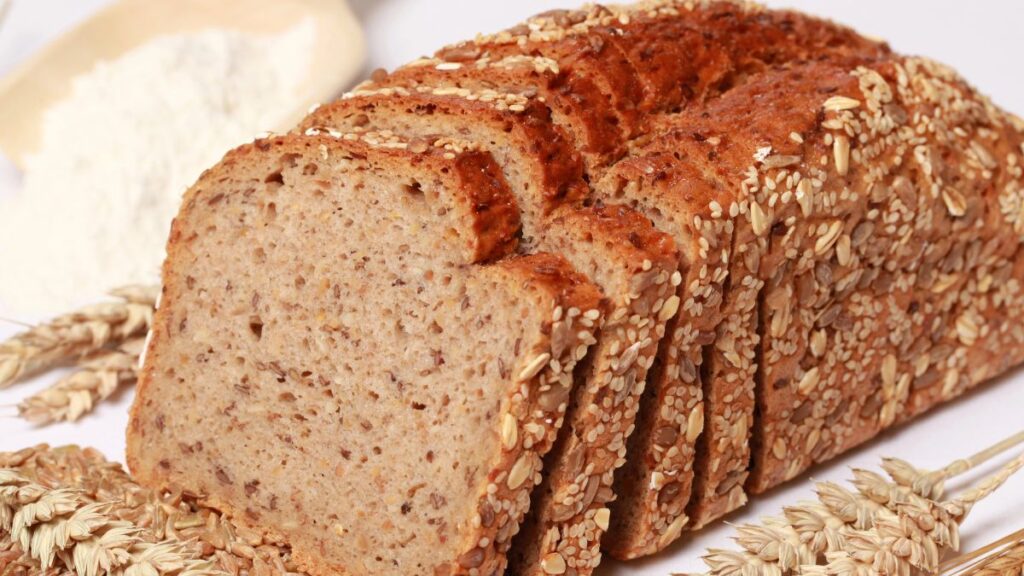
While you can microwave bread, it's not the best option if you want to enjoy its texture. Microwaving can make bread hard or rubbery due to moisture loss. For the best results, use a toaster or oven. If you must microwave, limit the time to a few seconds to avoid ruining it.
Frozen Meat
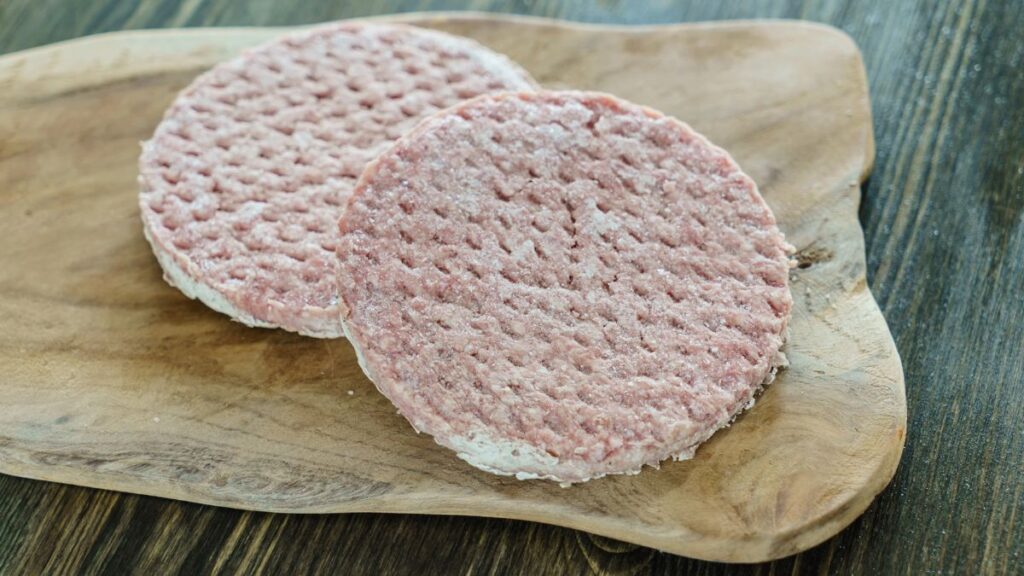
Microwaving frozen meat can result in uneven cooking, with some areas overcooked while others remain frozen. Microwaves heat from the outside in, making it difficult to cook frozen meat evenly. Instead, thaw meat in the refrigerator or use the defrost setting carefully to ensure even cooking.
Certain Travel Mugs
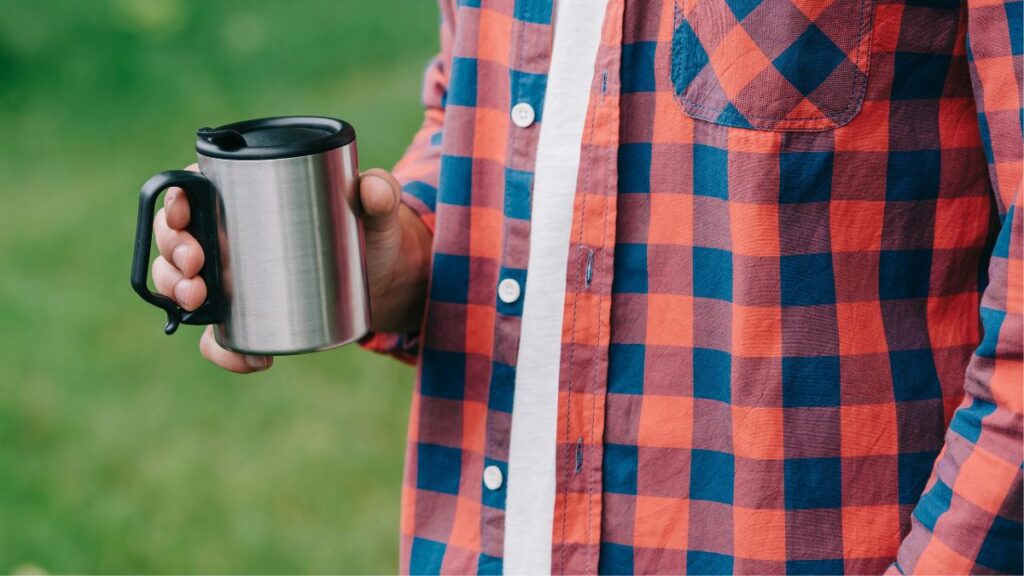
Not all travel mugs are microwave-safe, particularly those made of stainless steel. Metal can spark in the microwave, creating a fire hazard. Even plastic mugs may not be safe if they contain metal components. Always check the label or transfer your beverage to a microwave-safe container before heating.
Foam Insulation

Some insulated containers, especially those with foam insulation, should never be microwaved. The foam can melt, warp, or release harmful chemicals when heated. Stick to microwave-safe containers and avoid anything with foam insulation to keep your food safe.
By being mindful of these items, you can enjoy the convenience of your microwave while keeping your kitchen safe and your meals healthy!




Leave a Reply