
The Bible is a spiritual guide and a source of wisdom about food and nourishment. Throughout its pages, we find references to various foods that played essential roles in biblical times.
Want to Save This Recipe?
Enter your email & I'll send it to your inbox. Plus, get great new recipes from me every week!
By submitting this form, you consent to receive emails from Blue's Best Life.
These sacred foods are still valued today for their health benefits and symbolic meanings. Some were staples in ancient diets, while others were used in religious ceremonies.
Adding these foods to your diet can provide physical nourishment and a connection to the Bible's ancient wisdom. Here are several sacred foods from the Bible that you should consider adding to your meals today.
Bread
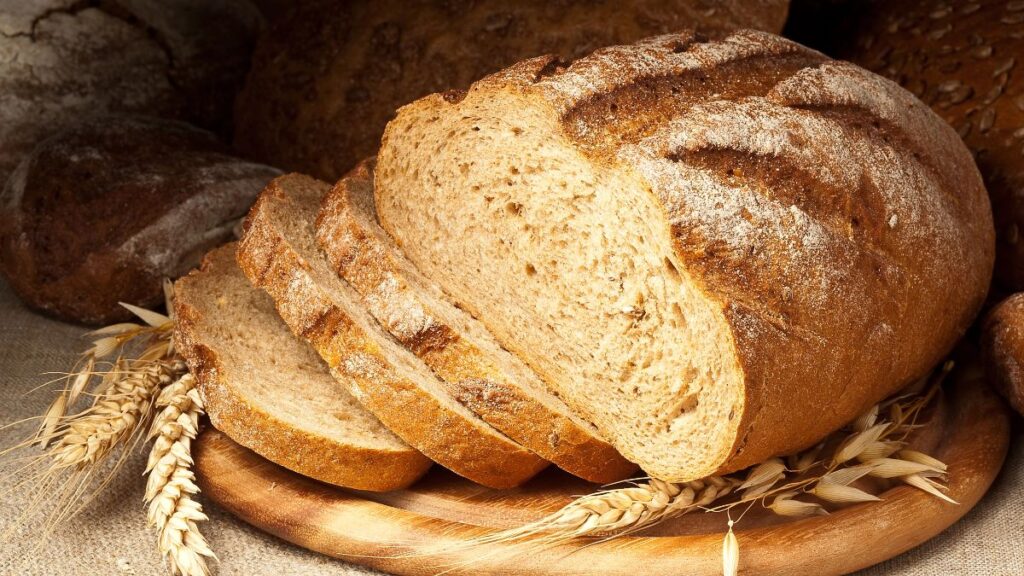
Bread is mentioned numerous times in the Bible, symbolizing life, nourishment, and God's provision. Jesus referred to himself as the "bread of life," emphasizing its spiritual importance. In ancient times, bread was often made from wheat or barley and was a daily staple for many.
While bread has taken many forms over the centuries, its symbolism remains the same. Whole grain breads, like those made from wheat or barley, are rich in fiber and nutrients. Today, you can enjoy this sacred food by choosing healthier, whole-grain options.
Figs
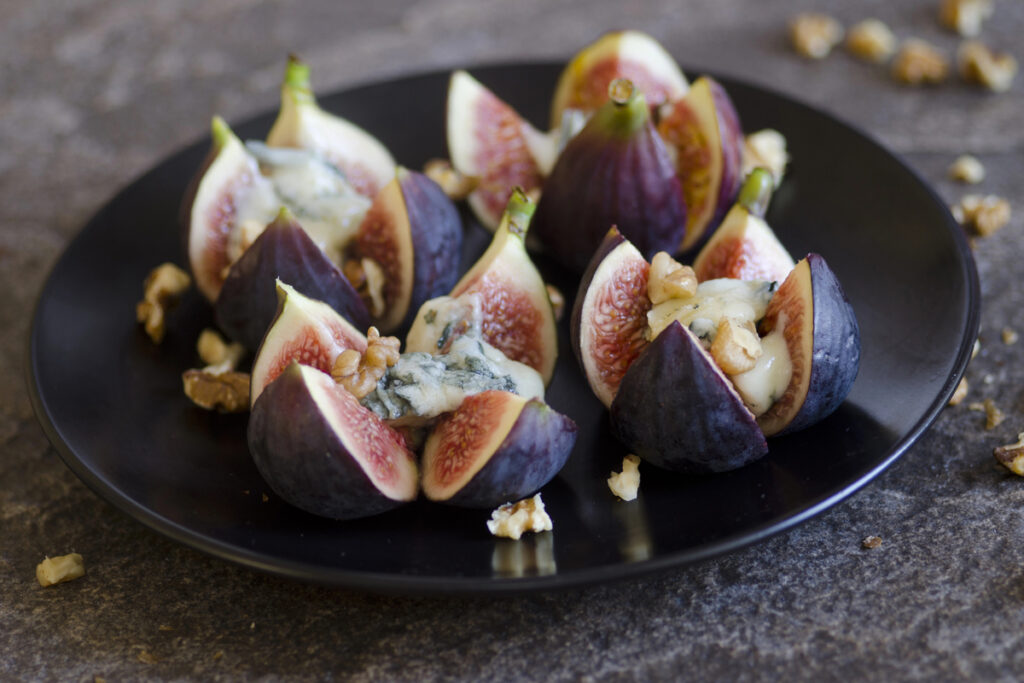
Figs are another ancient food mentioned in the Bible, often symbolizing abundance and prosperity. The fig tree was a common sight in the Holy Land, and its fruit was enjoyed both fresh and dried. Figs are rich in fiber, vitamins, and antioxidants, making them a nutritious snack or addition to meals.
They were also used in religious offerings, showing their special place in biblical culture. Whether you eat them on their own or add them to dishes, figs are a sweet reminder of the Bible's nourishing foods. Plus, they're great for digestion!
Olives
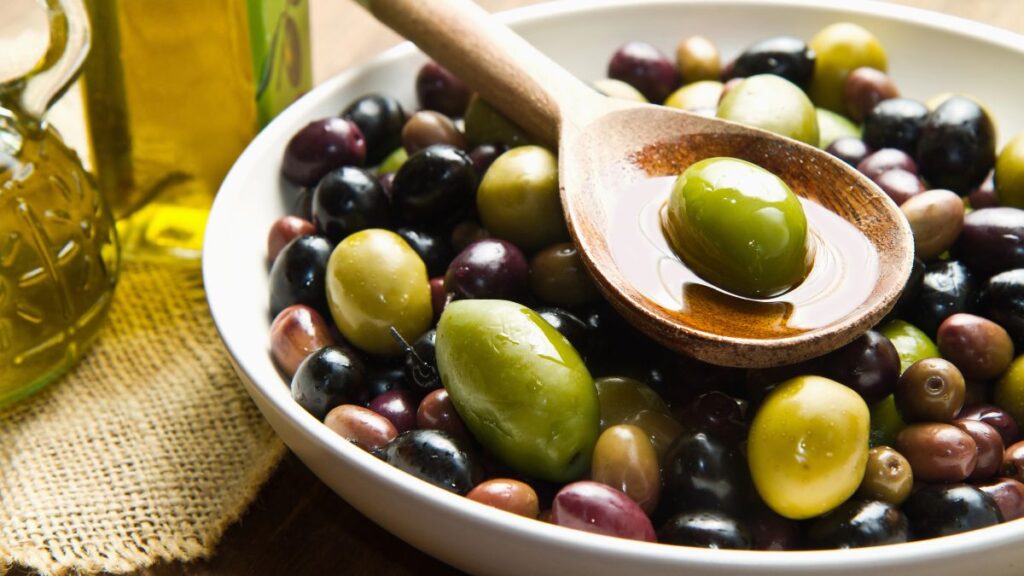
Olives and olive oil have deep roots in biblical history. Olive oil was used to anoint and symbolize God's blessing and peace. The oil was also essential for cooking, lighting lamps, and even healing. Olives themselves are rich in healthy fats, particularly monounsaturated fats, which are good for the heart.
Olives have remained sacred throughout the ages, and today, they are eaten as a snack, in salads, or as olive oil in cooking. Their versatility and health benefits make them a must-have in your diet.
Grapes
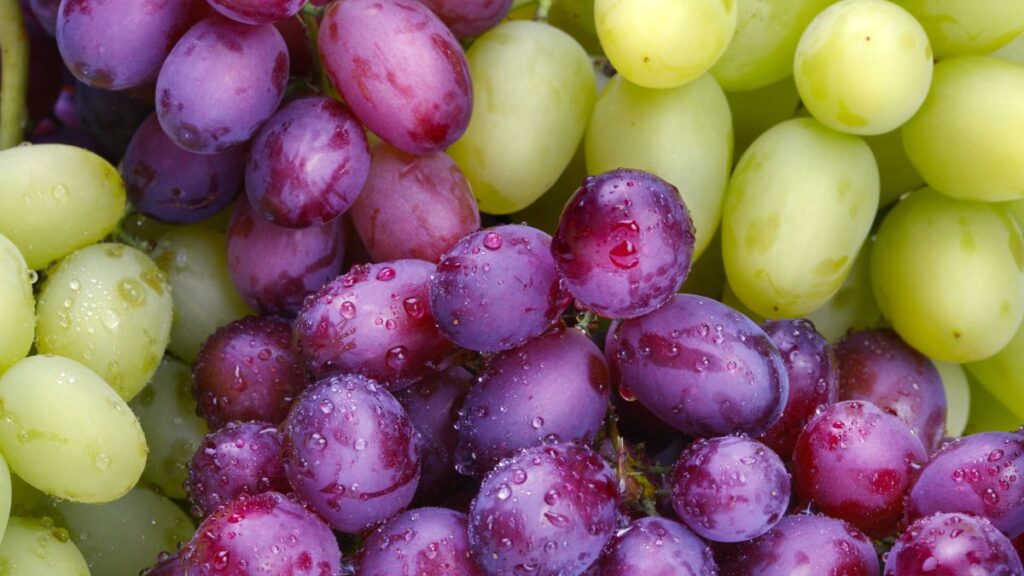
Grapes and the wine they produce are frequently mentioned in the Bible as symbols of joy and celebration. In ancient times, grapes were eaten fresh or dried as raisins and were an important part of meals. Grapes are packed with antioxidants and vitamins that are great for overall health, especially heart health.
In the New Testament, Jesus used wine during the Last Supper to symbolize his blood, giving grapes a profound spiritual meaning. Incorporating fresh grapes or raisins into your diet can be both nutritious and spiritually meaningful.
Pomegranates
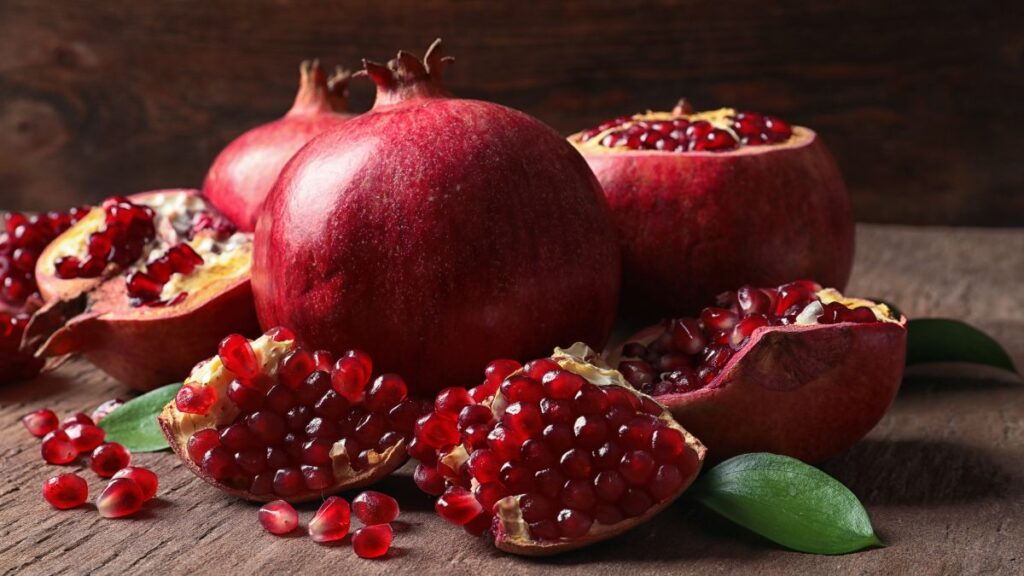
The pomegranate is another fruit rich in symbolism in the Bible, representing fertility, beauty, and abundance. It is packed with antioxidants, vitamins, and fiber, making it a powerful superfood. In the Old Testament, it was even mentioned as part of the priestly garments, signifying its sacred status.
Pomegranates can be enjoyed in many ways, from eating the seeds directly to using their juice in cooking. This fruit offers health benefits and connects you to the beauty and richness of biblical tradition.
Fish

Fish plays an important role in the Bible, especially in the New Testament, where Jesus performed miracles involving fish, such as feeding thousands with just a few fish and loaves of bread. Fish is a great source of lean protein, omega-3 fatty acids, and essential nutrients.
It was a common food for those living near the Sea of Galilee, and it is a healthy choice today. Adding fish like salmon, mackerel, or sardines to your diet can boost heart health and provide essential nutrients. Remember its special place in biblical stories the next time you enjoy a fish meal.
Honey

The Bible describes honey as a symbol of abundance and God's blessings. The phrase "a land flowing with milk and honey" describes the Promised Land. Honey was prized for its sweetness and energy-boosting properties.
It is also known for its medicinal benefits, including its antibacterial properties. Today, honey can be used as a natural sweetener in place of refined sugar. It’s a delicious and healthy way to honor one of the Bible's sacred foods.
Barley
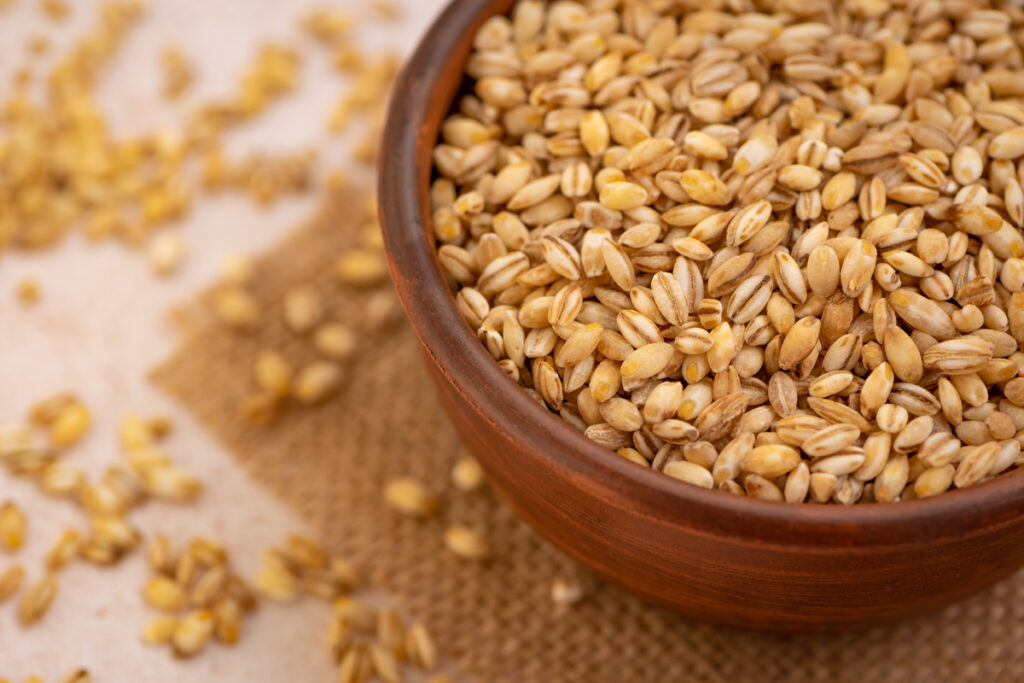
Barley was a staple grain in biblical times, used to make bread and porridge. It was often mentioned as a humble food, more affordable than wheat. Despite its simplicity, barley is highly nutritious and rich in fiber, vitamins, and minerals.
It’s also associated with the miracle of Jesus feeding 5,000 people with just five barley loaves and two fish. Barley is a healthy grain that can be enjoyed in soups, salads, or as a side dish. This ancient grain continues to be a symbol of God's provision.
Milk

Milk is another symbol of abundance in the Bible, often paired with honey to describe the richness of the Promised Land. It was a valued source of nutrition for people in biblical times. Milk provides essential nutrients like calcium, protein, and vitamins, making it an important part of a balanced diet.
While cow's milk is most common today, people also consumed milk from goats and sheep in biblical times. Whether you enjoy dairy milk or plant-based alternatives, milk remains a nourishing food mentioned throughout the Bible.
Lentils
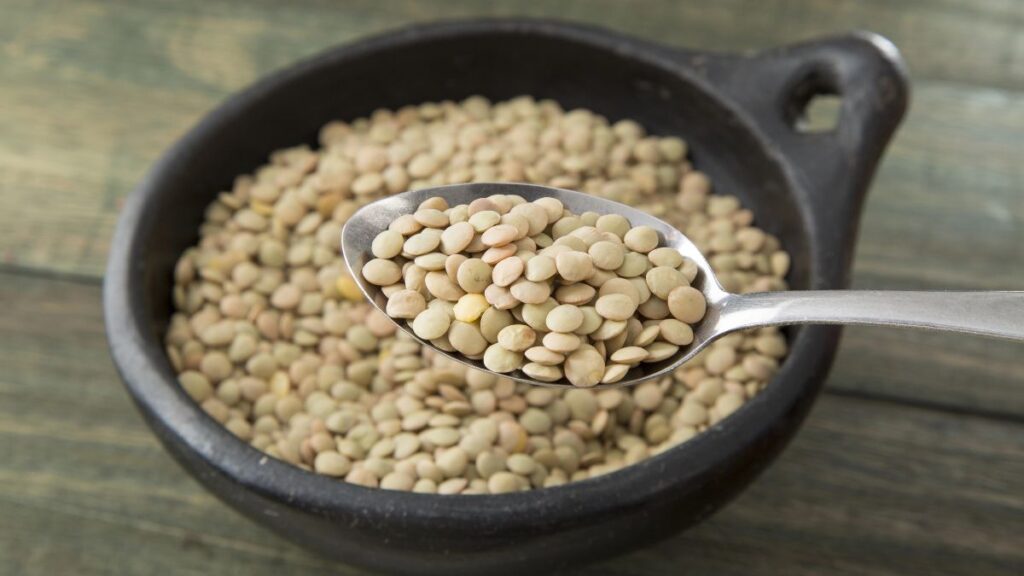
Lentils are mentioned in the Bible as a humble and nutritious food, particularly in the story of Esau, who traded his birthright for a bowl of lentil stew. Lentils are rich in protein, fiber, and iron, making them an excellent plant-based food.
They were a staple for people in biblical times, providing sustenance and energy. Today, lentils can be enjoyed in soups, stews, or salads. Their simplicity and nutritional value make them a great addition to any diet, reflecting their importance in ancient diets.
Almonds
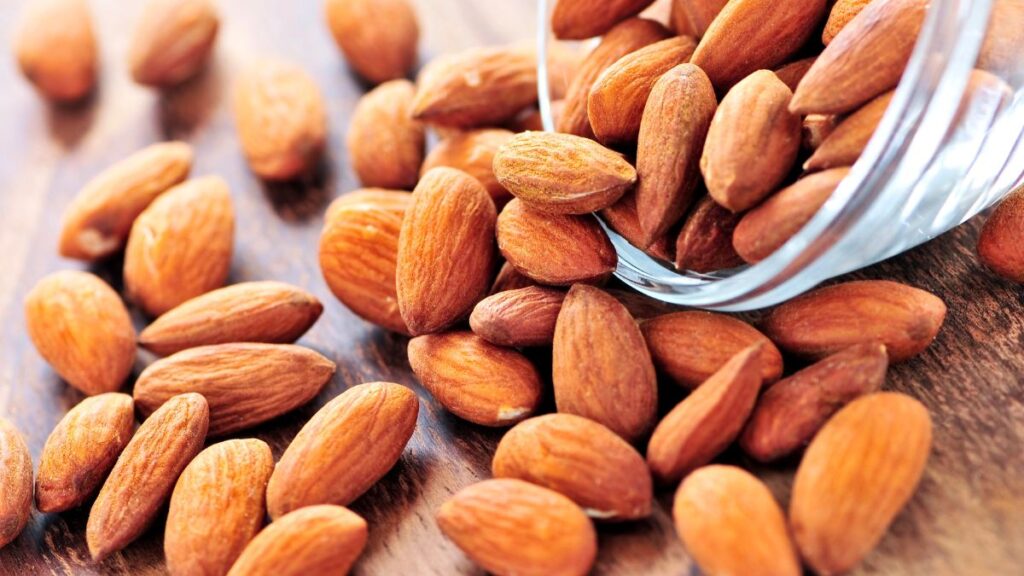
Almonds are mentioned several times in the Bible and were considered a prized food in ancient times. They are rich in healthy fats, protein, and antioxidants, making them a nutritious snack.
In the Bible, almonds are associated with divine favor, such as when Aaron's rod blossomed with almond flowers. Today, almonds can be enjoyed on their own, in salads, or as almond milk. Their health benefits and symbolic importance make them a special food to include in your diet.
Goat
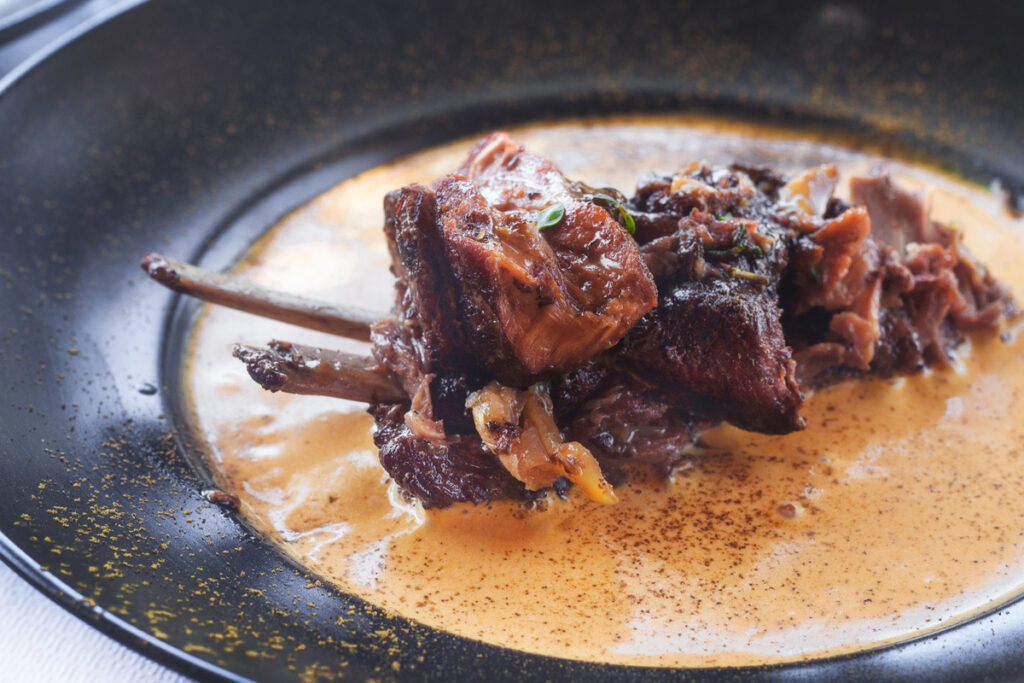
Goat meat was commonly eaten in biblical times, especially during special occasions and sacrifices. Goat’s milk was also valued for its richness and nourishment. Today, goat meat is still enjoyed in many cultures for its flavor and lean protein. It’s a healthier alternative to beef and is rich in vitamins and minerals.
Goats were often used in sacrificial offerings in the Bible, giving them spiritual significance. Including goat meat in your diet connects you to ancient dietary practices while offering a nutritious meal.
Salt

Salt is a powerful symbol in the Bible, representing purity, preservation, and the covenant between God and His people. Jesus referred to his followers as the "salt of the earth," highlighting the importance of this mineral.
In ancient times, salt was essential for preserving food and enhancing flavor. It also had a spiritual role, used in offerings and covenants. While we must be mindful of our salt intake today, using it in moderation can bring flavor and meaning to your meals.
Herbs
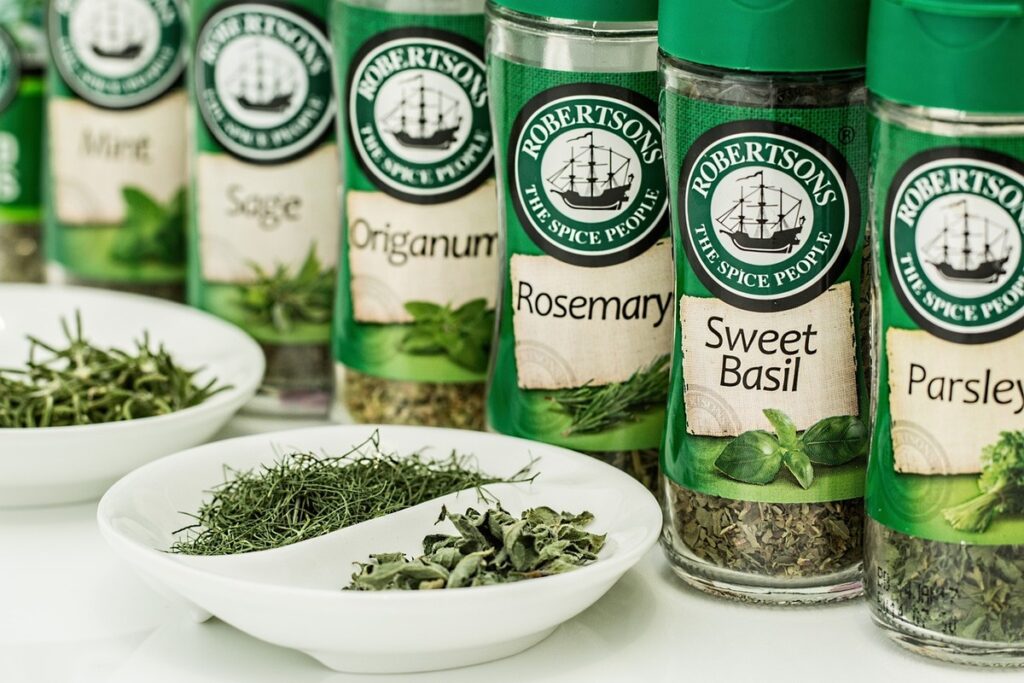
Herbs like mint, dill, and cumin are mentioned in the Bible and were used for flavoring food and in religious ceremonies. These herbs have been valued for their medicinal properties as well as their ability to enhance dishes.
Today, fresh or dried herbs are a great way to add flavor without extra calories or fat. They are also rich in antioxidants and can support digestion. Using herbs in your cooking can bring a touch of biblical tradition to your kitchen while boosting your health.
Lamb
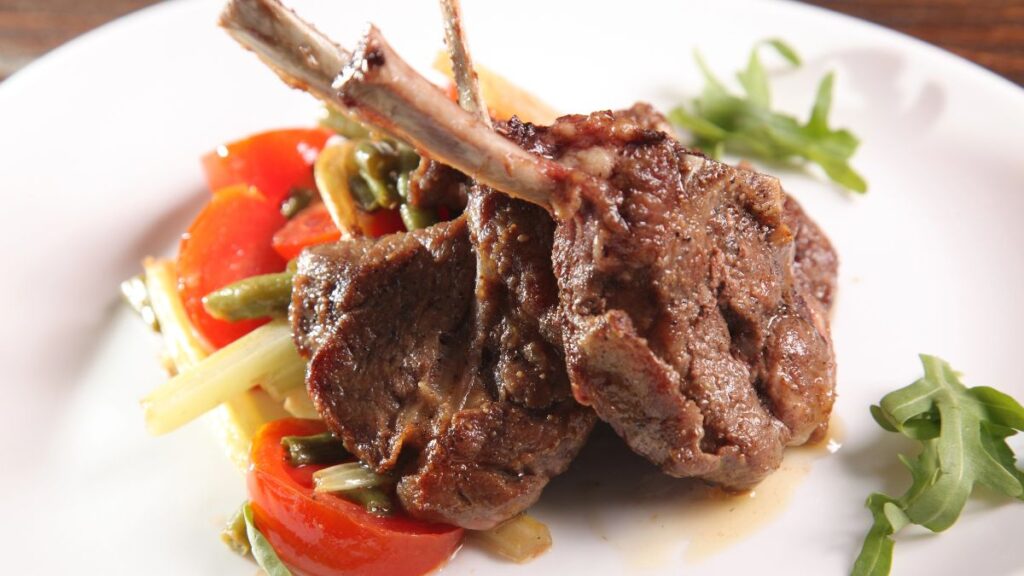
Lamb holds special significance in the Bible, particularly during Passover when the Israelites were instructed to sacrifice a lamb and mark their doors with its blood. Lamb is still eaten today during religious celebrations and is valued for its flavor and tenderness.
Lamb is a good source of protein, vitamins, and minerals. It symbolizes Jesus as the "Lamb of God," making it a spiritually significant food. Including lamb in your meals provides nourishment and connects you to this rich biblical heritage.
Related: 15 Clever Hacks To Reduce That Never-Ending Grocery Bill

Managing grocery expenses can be challenging for many households, especially with rising food costs and fluctuating budgets.
However, with some creativity and resourcefulness, you can implement numerous clever hacks to reduce your never-ending grocery bill without sacrificing the quality or variety of your meals.




Leave a Reply