
Some foods were made to be enjoyed cold, even though many people heat them out of habit. Heating these foods can change their texture, taste, or even reduce their nutritional value. While a warm dish can be comforting, sometimes keeping it cool brings out the best flavor.
Want to Save This Recipe?
Enter your email & I'll send it to your inbox. Plus, get great new recipes from me every week!
By submitting this form, you consent to receive emails from Blue's Best Life.
Some meals were originally meant to be served cold but have slowly become "reheated traditions." If you've been microwaving everything, you should rethink your approach. Some foods are designed to shine straight from the fridge or served chilled, but people keep heating them anyway.
Pizza

Pizza is famous for being delicious from the oven, but it has a second life cold. Cold pizza has a firmer crust, stronger flavor, and a different texture that many fans love.
Some even argue it’s better the next day without the melted cheese mess. Depending on the method, reheating can make the crust chewy or soggy. Cold pizza keeps its shape and is less greasy. It’s the ultimate leftover snack for a reason.
Fried Chicken

Fried chicken is crispy when fresh, but cold fried chicken is a hidden gem. The flavors deepen after sitting in the fridge overnight.
The skin may lose its crunch, but it gains a delicious chewiness. Some people heat it back up and end up with dry meat or rubbery skin. Cold, it’s tender and full of flavor. It's a favorite picnic food for a reason.
Pasta Salad
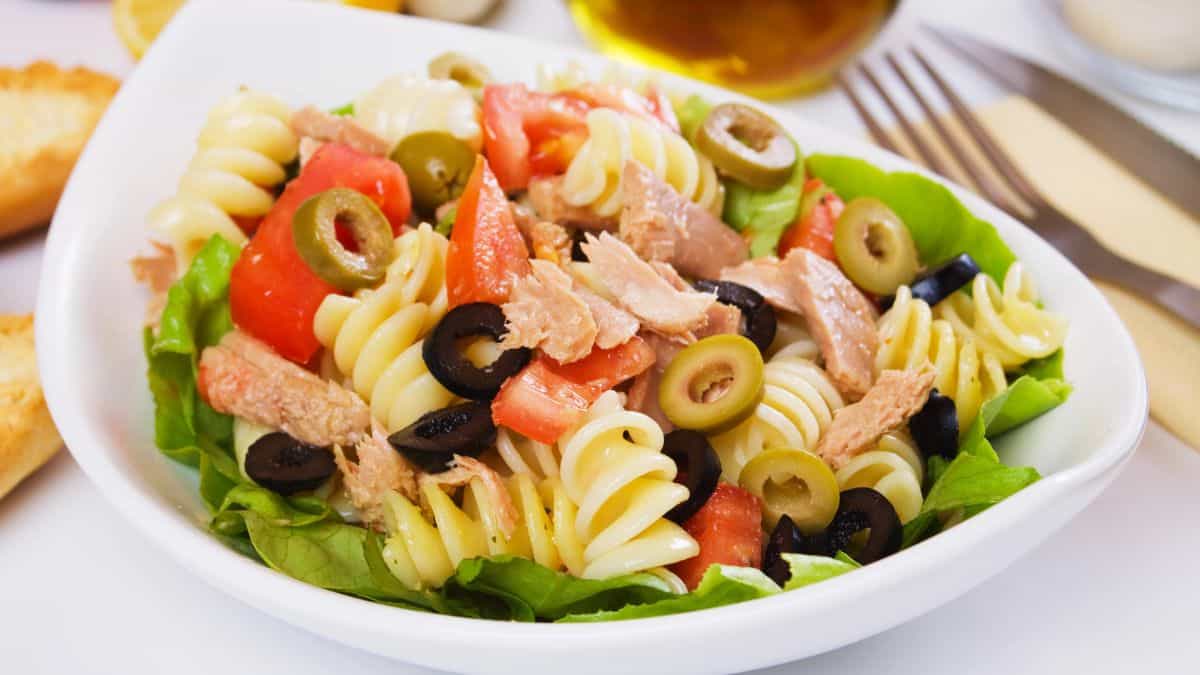
Pasta salad was made to be eaten cold, but some people heat it like regular pasta. This can turn creamy sauces into oily messes and wilt fresh vegetables. Pasta salad is best enjoyed chilled, letting all the flavors mix together.
The cold temperature brings out the crunch in veggies like celery or peppers. Heating ruins the fresh feel. Keep this one cool for the best taste.
Quiche

Although quiche is often served warm, it was originally meant to be enjoyed at room temperature or cold. Cold quiche holds its shape better, and its texture is more custard-like. When hot, the eggs can become rubbery or overcooked.
When it cools, the flavors of cheese, herbs, and meat settle more evenly. It also makes for an easy grab-and-go breakfast. Try it chilled and taste the difference.
Meatloaf
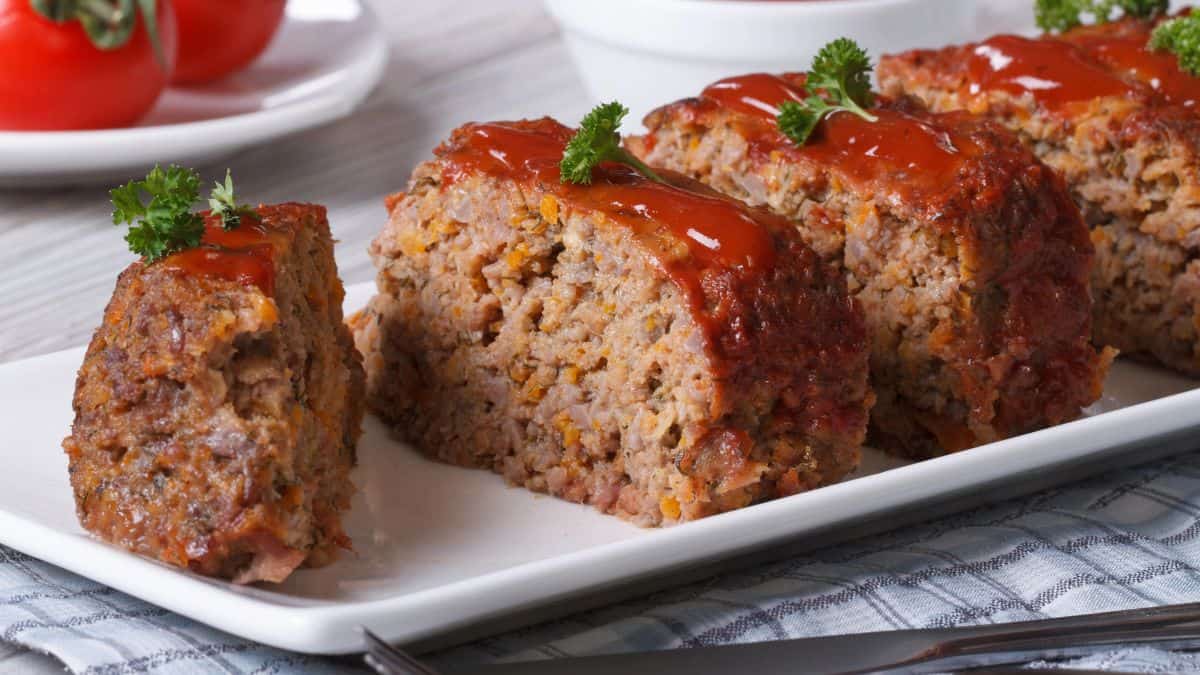
Many people warm up leftover meatloaf, but it’s delicious cold too. Cold meatloaf slices hold together better and are great in sandwiches. Heating it can dry it out and change the texture.
When cold, you can really taste the seasoning and sauces. It’s dense, flavorful, and surprisingly satisfying. A slice of cold meatloaf with mustard is a classic move.
Lasagna

Lasagna might seem like it must be hot, but cold lasagna has its fans. The layers firm up in the fridge, making it easier to slice and eat. Cold lasagna also allows the flavors to blend more completely.
The cheese becomes creamy, and the sauce thickens. Heating it can make it fall apart or become greasy. Some swear by cold lasagna as the best kind of leftover.
Macaroni and Cheese

Mac and cheese is usually eaten hot, but leftover mac and cheese, cold, can be rich and creamy. The cheese sauce thickens and coats the pasta differently. Some people love the chilled, almost cheesy-pasta-salad vibe.
Heating it often separates the sauce and dries it out. Cold mac can be eaten straight with a fork, no mess, no fuss. It’s comfort food with a twist.
Rotisserie Chicken
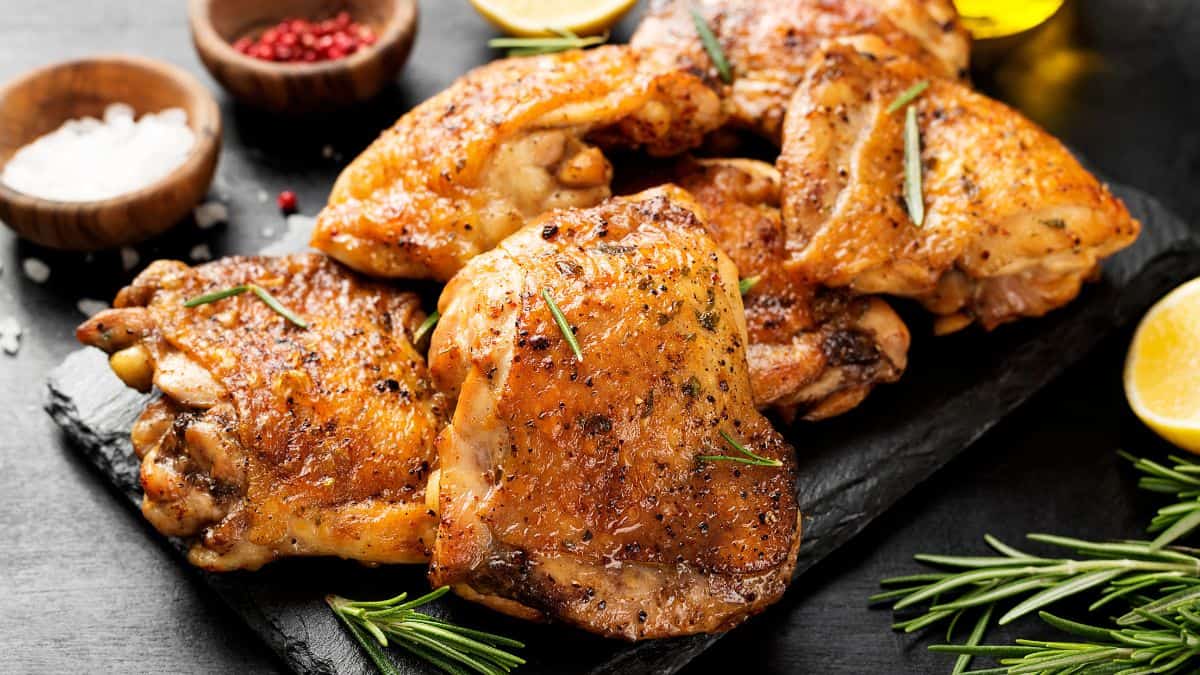
Store-bought rotisserie chicken is juicy and tasty when hot, but just as good cold. Cold rotisserie chicken is firm, flavorful, and easy to cut into pieces for salads or sandwiches.
Reheating often leads to dry meat or weird textures. It’s perfect cold for quick meals or protein-packed snacks. Many people use it straight from the fridge for wraps or chicken salad. No microwave needed.
Cooked Vegetables

Leftover cooked vegetables like carrots, green beans, or broccoli are often eaten cold in salads or wraps. Heating them again can make them mushy and bland. Cold, they still hold some bite and natural sweetness.
They also keep more nutrients without a second cooking. Tossed in a vinaigrette, they become a refreshing side dish. Don't be afraid to enjoy your veggies chilled.
Tofu
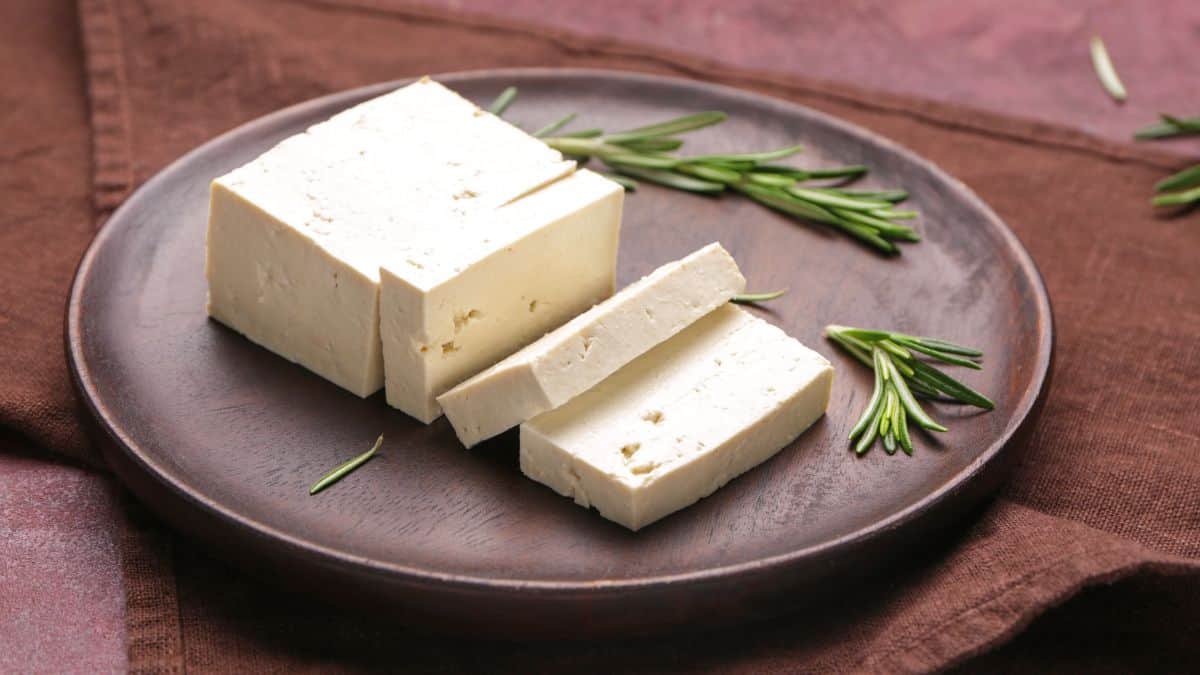
Tofu is often cooked in stir-fries, but cold tofu is popular in many cultures. It’s silky, light, and absorbs sauce flavor well. Cold tofu can be topped with soy sauce, green onions, and sesame oil.
Heating it changes the texture, sometimes making it rubbery. Cold tofu is refreshing and protein-rich. It’s a go-to in many Asian dishes.
Oatmeal

Most people heat oatmeal, but overnight oats are made to be eaten cold. Soaking oats in milk or yogurt softens them naturally. Cold oatmeal is creamy, filling, and customizable with fruit, nuts, and spices.
Heating can make it gluey or too thick. Cold oats are refreshing and easy to prepare ahead of time. They’re perfect for busy mornings or summer breakfasts.
Beans

Cooked beans are usually warmed up, but they’re excellent cold in salads or dips. Heating them again can cause mushiness or lose flavor.
Cold beans hold their shape and texture. They soak up dressings and spices beautifully. Chickpeas, black beans, and lentils are especially tasty cold. Give them a try in a chilled dish.
Brown Rice
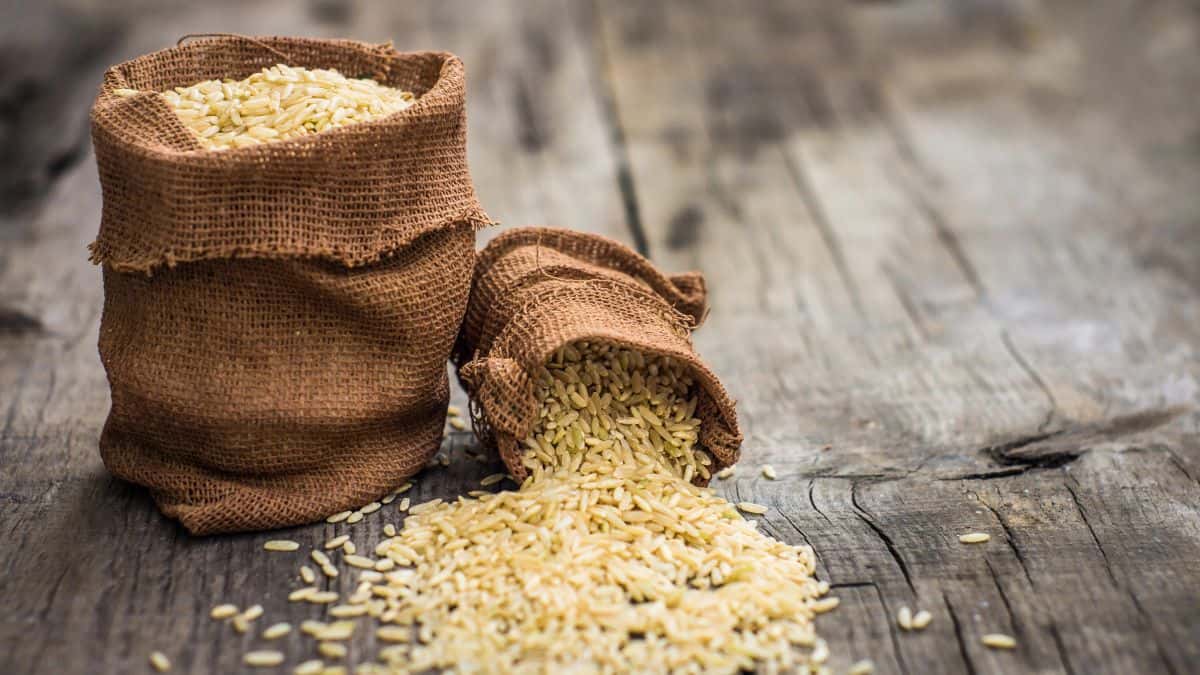
Brown rice doesn’t always need to be heated to be enjoyed. Cold brown rice makes an ideal base for bowls, wraps, or sushi. It’s chewy, hearty, and holds up well to cold toppings.
Heating can sometimes dry it out or make it too soft. Cold rice keeps its nutty flavor and firm texture. It’s a great option for meal prep and summer meals.
Noodles

Not all noodles need to be hot; think of soba or ramen noodle salads. Cold noodles with sesame or soy dressing are refreshing and satisfying. Heating changes the texture and can make them clump.
Cold noodles are firm and slippery, perfect for light meals. For balance, you can add vegetables and protein. This is a favorite in Asian cuisine, and for good reason.
Fish

Many types of fish are best cold; think smoked salmon, sushi, or tuna salad. Reheating fish often ruins its texture and creates a strong smell. Cold fish is smooth, flavorful, and easy to pair with fresh ingredients.
It’s great for sandwiches, salads, or crackers. Even baked fish can taste great cold with lemon or dill. Keep it chilled and enjoy the clean, fresh flavor.




Leave a Reply