
Your pantry may seem like a safe place to store food for long periods, but not everything lasts forever. Some items can expire or go bad even if they don’t show obvious signs like mold or a strange smell. Many assume pantry staples will last indefinitely, but they can become stale, lose their potency, or even grow harmful bacteria.
Want to Save This Recipe?
Enter your email & I'll send it to your inbox. Plus, get great new recipes from me every week!
By submitting this form, you consent to receive emails from Blue's Best Life.
Expired food can affect the taste and quality of your meals and, in some cases, even make you sick. Checking your pantry regularly can help you avoid using items past their prime. Here are 15 everyday pantry items that may have gone bad without you realizing it.
Flour

Flour may last forever, but it can spoil over time. It can absorb moisture and develop mold or a rancid smell if stored improperly. Due to its natural oils, whole wheat flour goes bad faster than white flour. Bugs and pantry moths can also infest flour, making it unsafe. If it smells bad or has clumps, it’s time to throw it out. Storing it in an airtight container helps extend its shelf life.
Spices
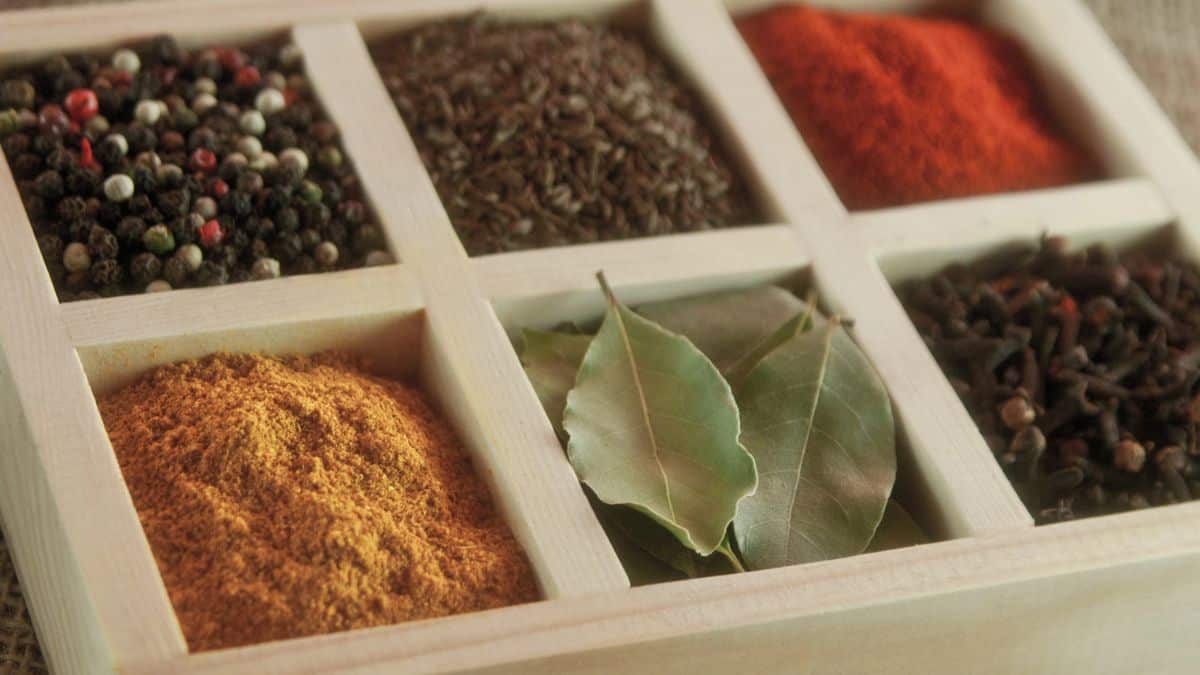
Spices don’t precisely spoil, but they do lose their potency. If your cinnamon or paprika no longer smells strong, it won’t add much flavor to your food. Ground spices tend to lose their strength faster than whole spices.
Keeping them in a cool, dark place can help preserve their flavor for longer. A good way to test freshness is by rubbing a little between your fingers to check for a strong scent. If it’s weak, it’s time to replace it.
Baking Powder
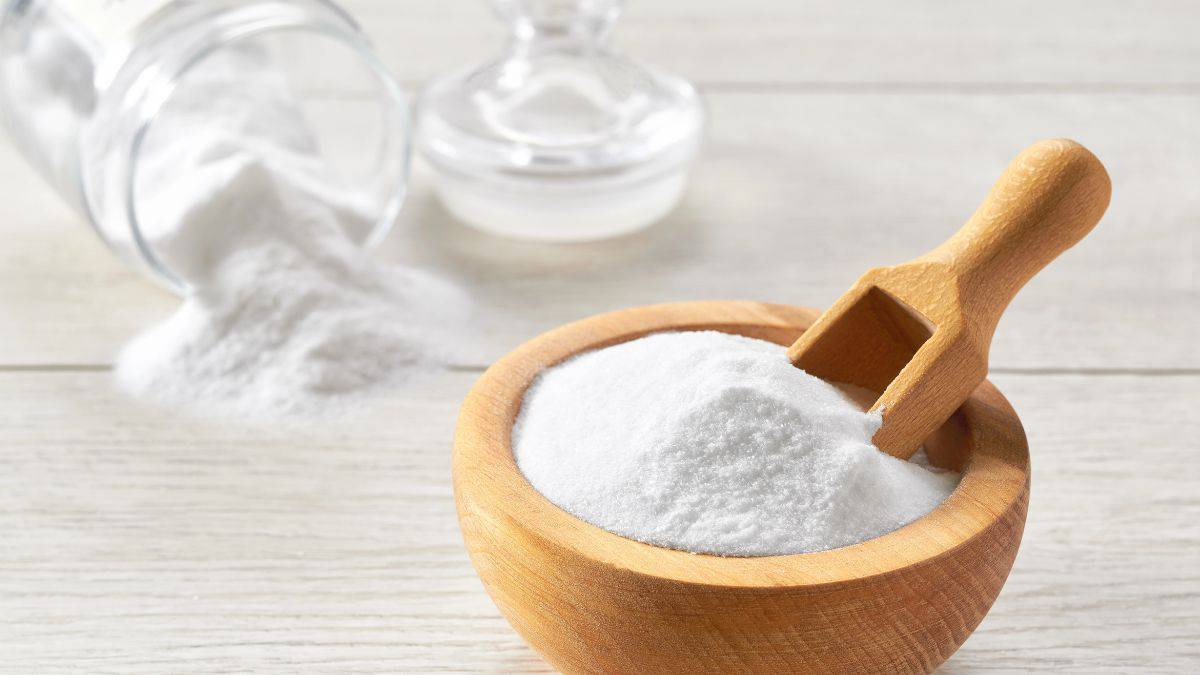
Baking powder loses its effectiveness over time, even if it looks fine. If it’s old, your baked goods might not rise properly. To test it, mix a teaspoon of baking powder with hot water; if it bubbles vigorously, it’s still good. If there’s little to no reaction, it’s time to replace it. Keeping it in a dry place helps maintain its leavening power. Expired baking powder won’t make you sick but will ruin your recipes.
Nuts and Seeds
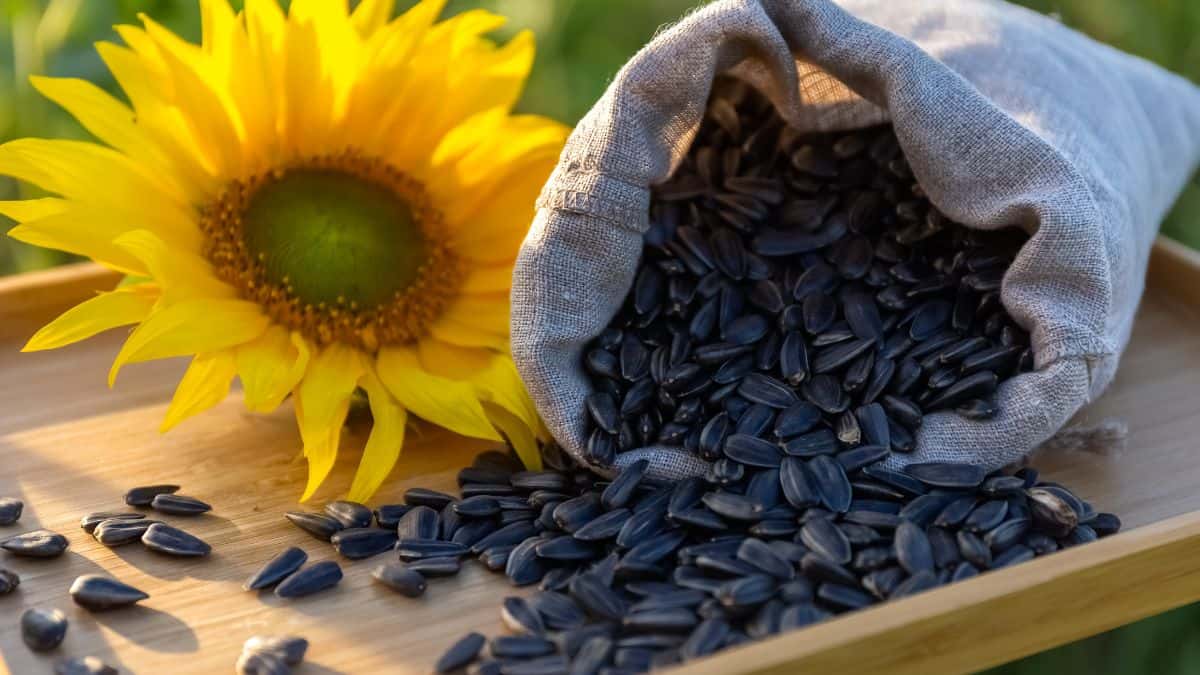
Nuts and seeds contain natural oils that can go rancid. If they smell sour or taste bitter, they’ve gone bad. Storing them in a cool, dry place or the freezer can help keep them fresh longer.
Shelled nuts tend to spoil faster than those in their shells. They should be discarded if you notice a weird aftertaste or a waxy texture. Eating rancid nuts won’t necessarily make you sick, but they won’t taste good.
Cooking Oil
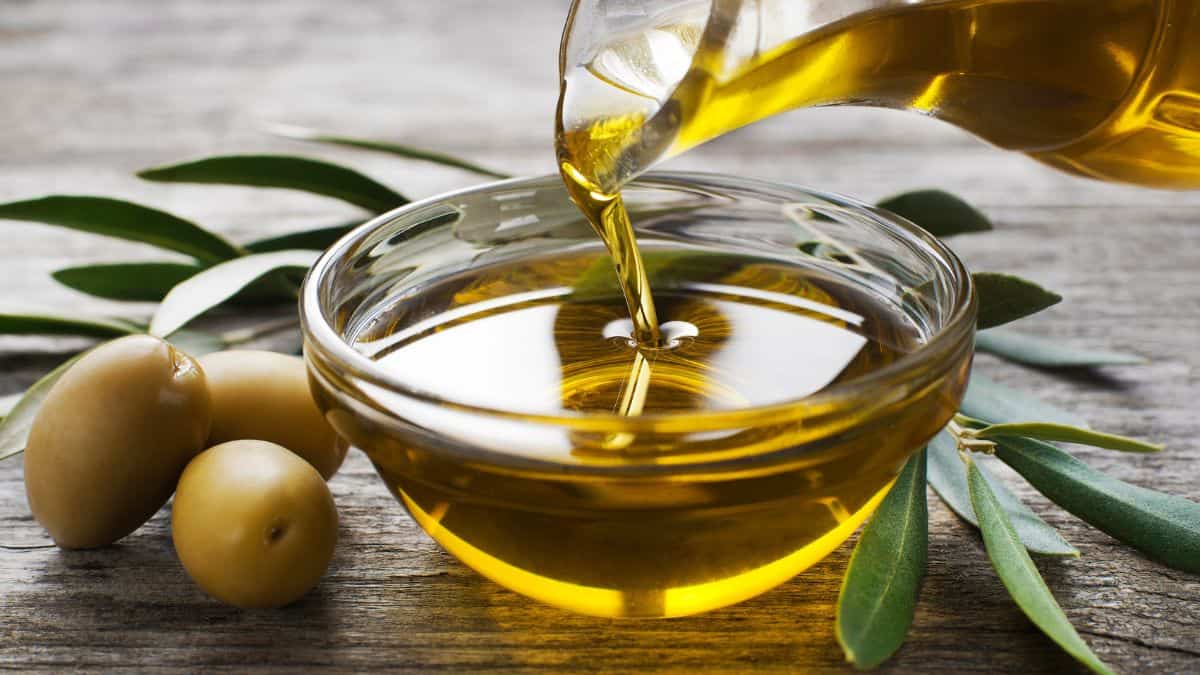
Many people assume that cooking oils last indefinitely but can turn rancid. If your oil smells sour or has a strange aftertaste, it’s no longer suitable. Light, heat, and air exposure speed up oxidation, making oil go rancid.
Storing oil in a cool, dark place can help keep it fresh longer. Some oils, like olive and sesame oil, have a shorter shelf life than others. Always check for an off-putting smell before using.
Honey
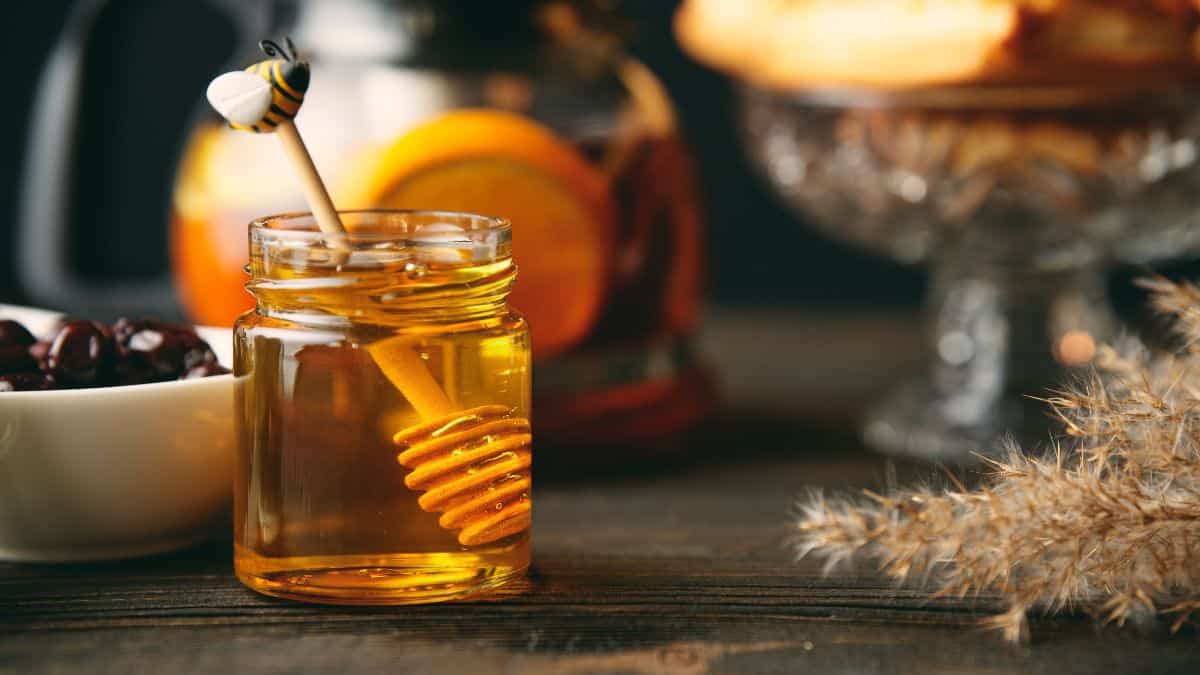
Honey never spoils, but it can crystallize and become hard to use. If it turns grainy or forms clumps, you can restore it by gently heating it. However, if honey smells fermented or has foam, it may have absorbed too much moisture and begun to spoil.
Keeping honey in an airtight container helps maintain its quality. Raw honey lasts longer than processed honey because it has natural preservatives. Always use clean utensils to prevent contamination.
Dried Herbs
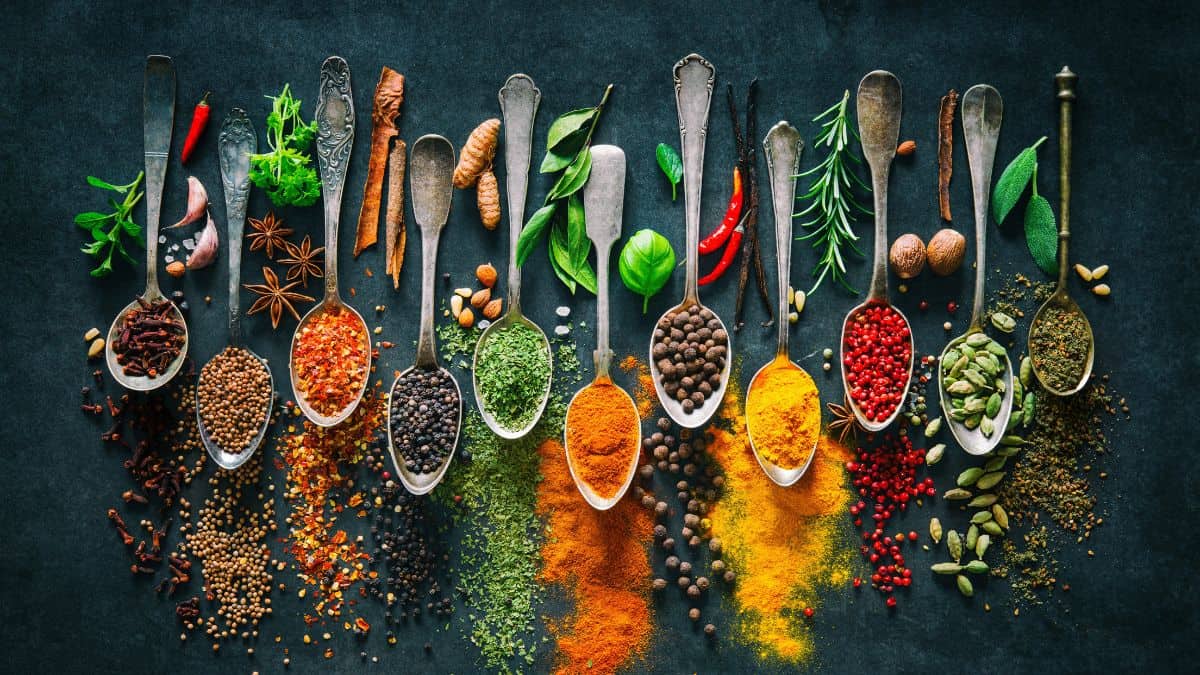
Dried herbs lose their flavor and aroma over time. Your cooking won't be enhanced if your oregano or basil smells weak. Unlike spices, herbs degrade faster because they contain more plant material.
Storing them in a dark, airtight container helps preserve their freshness. A quick way to test herbs is to crush them in your hand and check for a strong scent. If they smell dull, it’s time to replace them.
Canned Goods
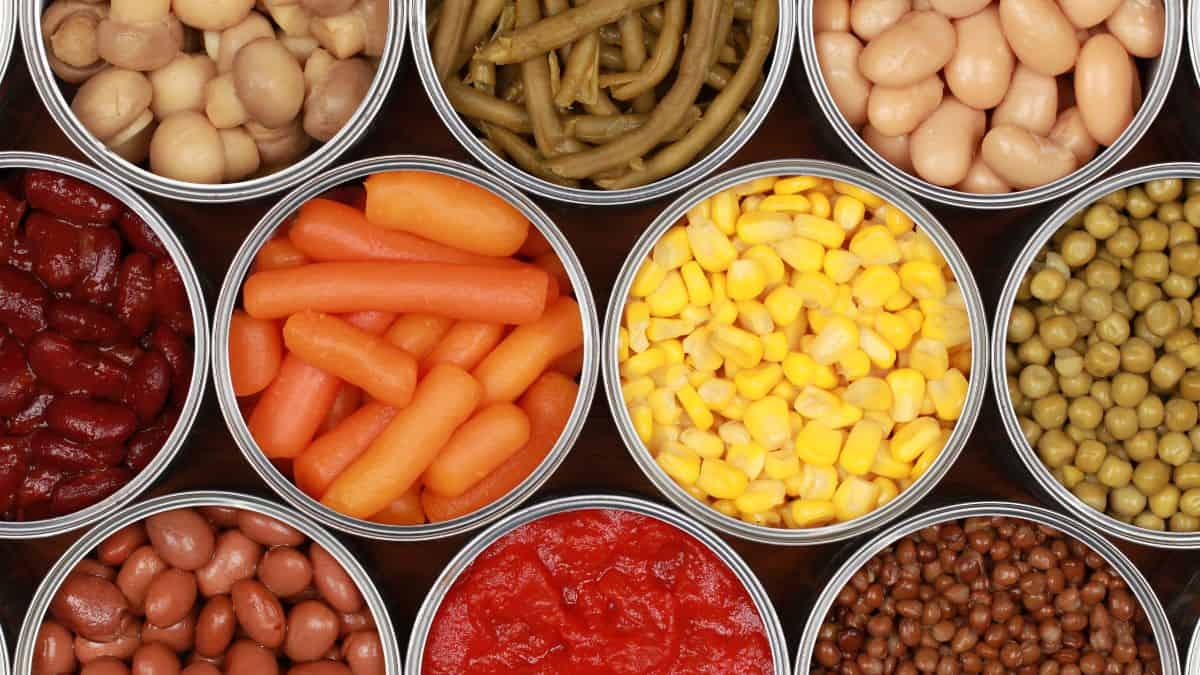
Canned food can last for years, but it’s not invincible. If a can be bulging, rusted, or leaking, it’s no longer safe to eat. Acidic foods like tomatoes and fruit degrade faster than other canned items.
Even if they can look fine, check for strange smells or changes in texture when opening it. Proper storage in a cool, dry place can help extend their shelf life. When in doubt, it’s best to toss questionable canned goods.
Vinegar
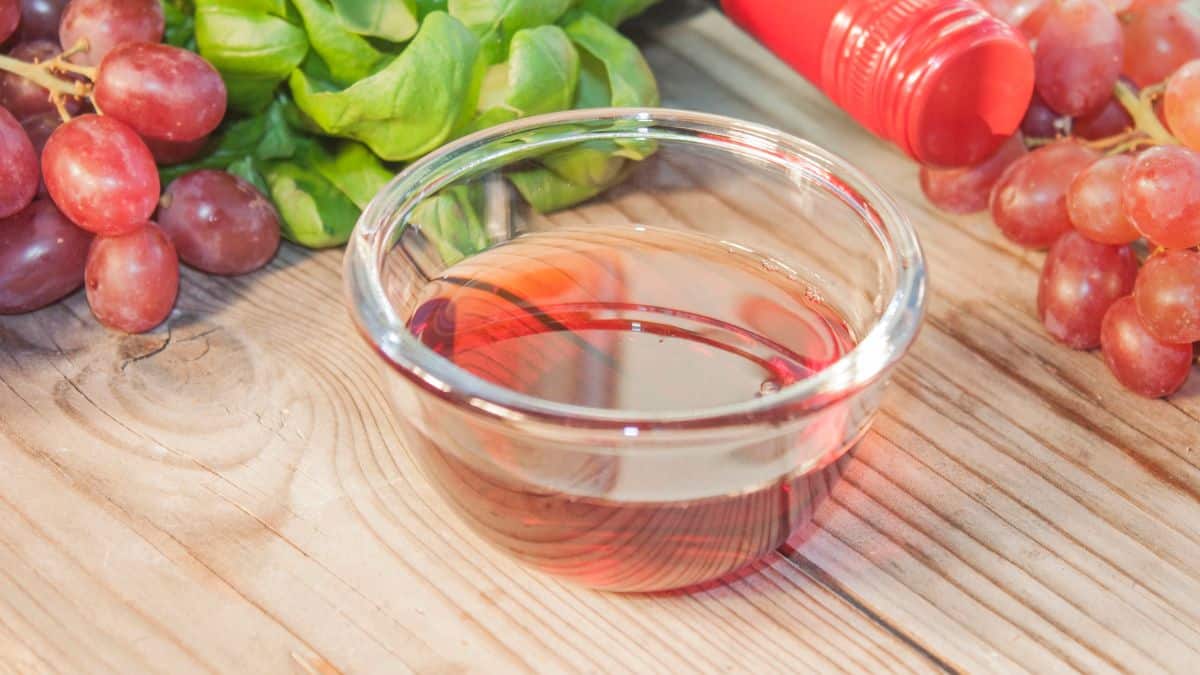
Vinegar lasts a long time but can develop sediment or cloudiness. While this isn’t harmful, it can affect the flavor of your food. It may have degraded if the vinegar smells different or has a strange taste.
Flavored vinegar with added herbs or fruit has a shorter shelf life. Storing vinegar in a tightly sealed bottle keeps it fresh longer. If it’s too old, it may not work well in recipes.
Brown Sugar
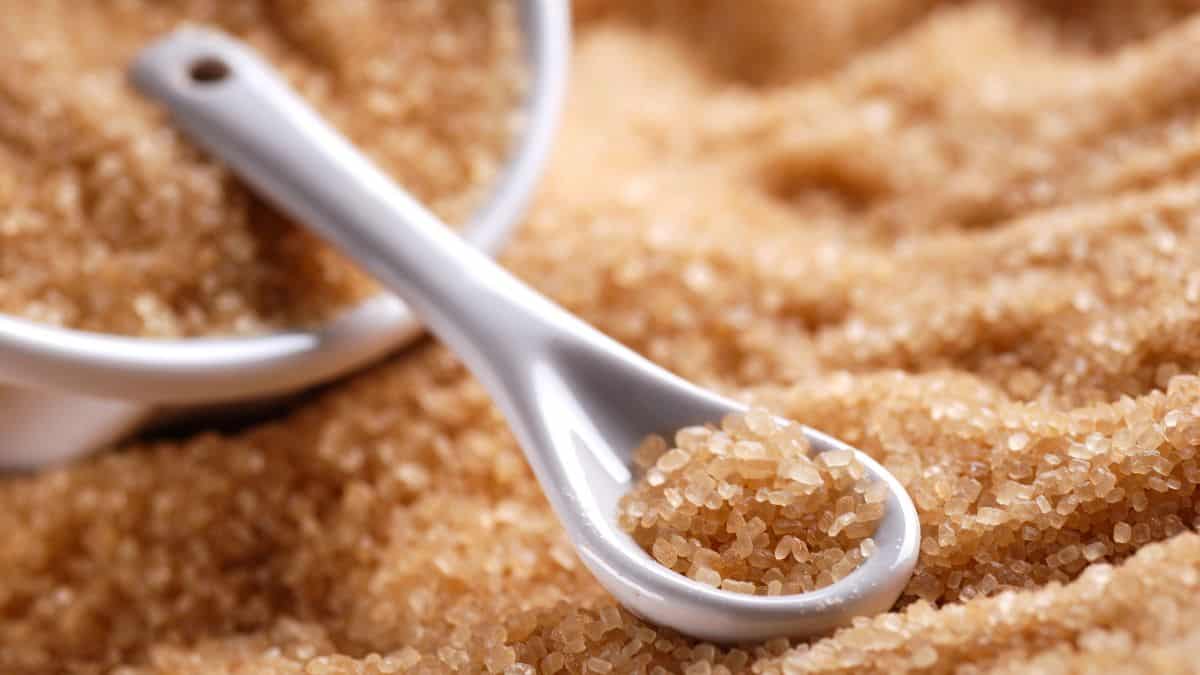
Brown sugar doesn’t spoil precisely but can harden into solid lumps when it loses moisture, making it difficult to use. You can soften it by microwaving it with a damp paper towel for a few seconds.
If it has an unusual smell or white specks, it could have mold or pests. Storing it in an airtight container prevents it from drying out. Keeping a slice of bread or a marshmallow inside helps retain moisture.
Powdered Drink Mixes
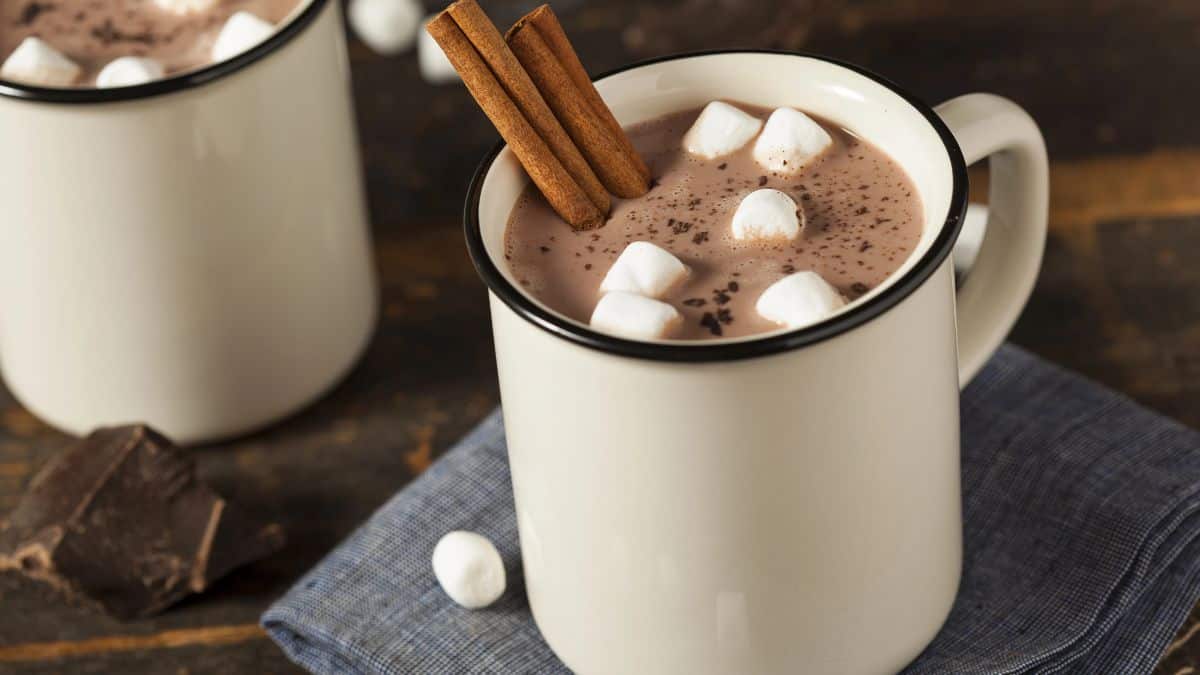
Packets of powdered drink mixes, like hot cocoa or lemonade, can lose flavor over time. If they clump together, moisture has gotten inside. Old mixes may taste stale or have an off-putting flavor.
Artificial ingredients may keep them shelf-stable for a long time but eventually degrade. If there’s any sign of discoloration or an odd smell, discard them. Storing them in a dry, cool place helps maintain freshness.
Pasta
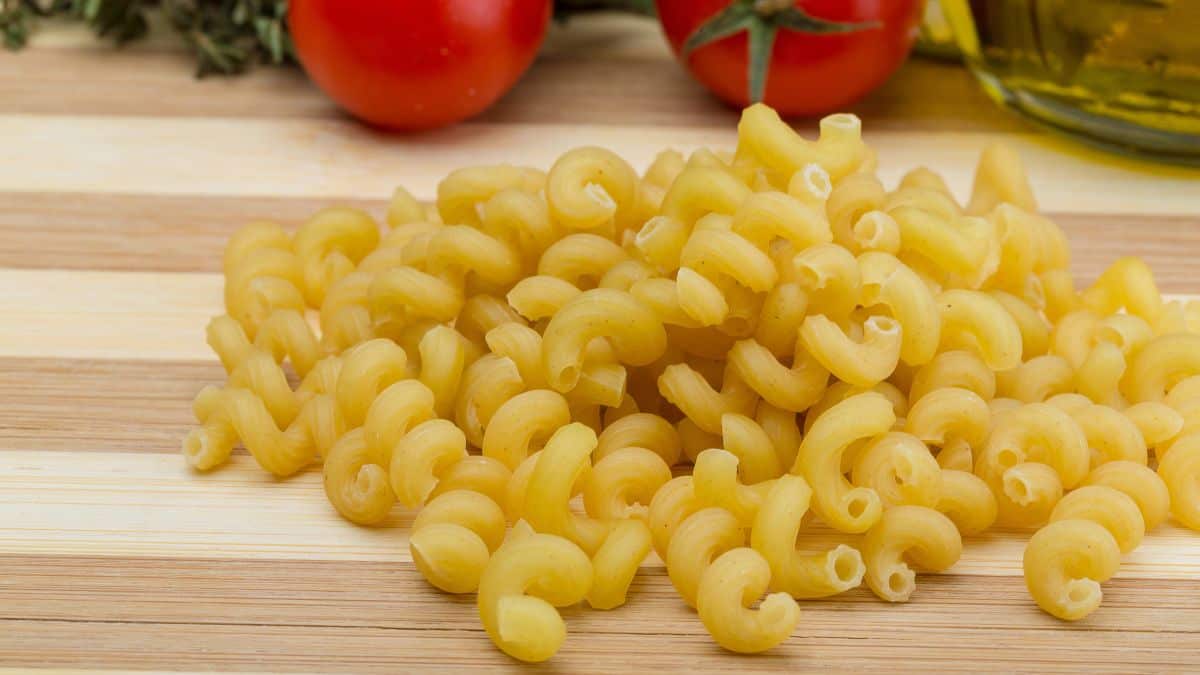
Dried pasta appears to last indefinitely, but it can spoil under certain conditions. If it develops a musty smell or contains small bugs, it’s no longer safe to consume. Over time, it may become brittle and break apart easily.
Although expired pasta isn’t typically harmful, it won’t cook properly or taste as good. Whole wheat pasta spoils more quickly due to its natural oils. Storing it in an airtight container helps to prevent pests and moisture damage.
Chocolate
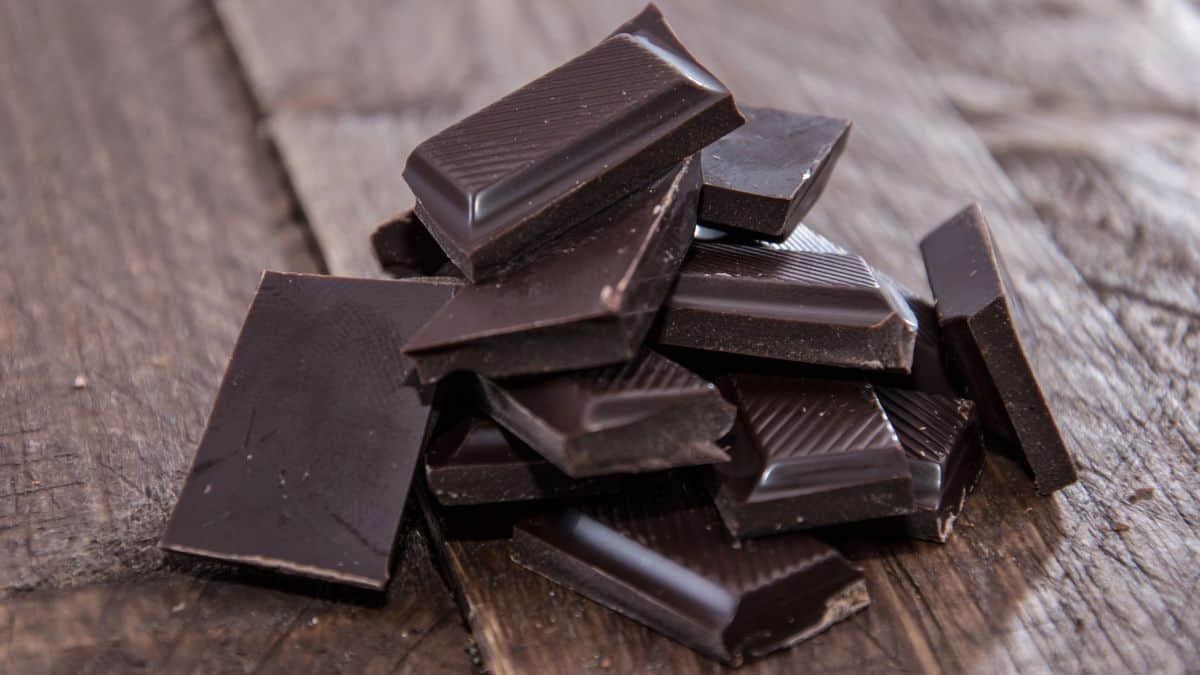
Over time, chocolate can develop white spots or a chalky appearance. This is called fat bloom or sugar bloom, which happens when the fats or sugars rise to the surface.
While it’s not dangerous, it can affect the texture and taste. If chocolate smells sour or has an unusual texture, it may have gone not good. Storing chocolate in a cool, dry place helps prevent deterioration. Due to its lower dairy content, dark chocolate lasts longer than milk or white chocolate.
Tea

Tea leaves and bags lose their aroma and flavor as they age. If your tea tastes weak or smells stale, it may be past its best quality. Old tea isn’t harmful, but it won’t be as enjoyable. Storing it in an airtight container away from heat and moisture helps preserve freshness. Green and herbal teas tend to degrade faster than black tea. If your tea smells dull or has lost its vibrant color, it’s time for a fresh batch.
Oatmeal

Oats can become stale and develop an unpleasant taste over time. If they have an off smell or appear discolored, they may have absorbed moisture. Bugs and pantry moths also indicate that they need to be thrown out. Instant oats degrade faster due to added processing. Storing oats in a sealed container keeps them fresher longer. If they taste bitter or musty, it’s best to replace them.
Related: 15 Clever Hacks To Reduce That Never-Ending Grocery Bill

Managing grocery expenses can be challenging for many households, especially with rising food costs and fluctuating budgets.
However, with some creativity and resourcefulness, you can implement numerous clever hacks to reduce your never-ending grocery bill without sacrificing the quality or variety of your meals.



Leave a Reply