
Have you ever heard of people eating dessert before the main meal? While it might sound strange, it's completely normal in some parts of the world. Different cultures have different habits when it comes to food, and what seems unusual to one group may be a long-standing tradition for another.
Want to Save This Recipe?
Enter your email & I'll send it to your inbox. Plus, get great new recipes from me every week!
By submitting this form, you consent to receive emails from Blue's Best Life.
In many places, sweets are more than just a treat; they serve a deeper purpose, from aiding digestion to celebrating special moments. Understanding why dessert sometimes comes first helps us see how food is not just about taste but about culture, mood, and health.
Helps Prepare the Digestive System

Eating something sweet before a meal can wake up your digestion. Sugar gives the body a quick energy boost, telling your stomach to get ready for food. In some traditions, sweet foods are used to "activate" the stomach before heavier dishes.
This helps enzymes and acids begin to work early, which makes digesting the main meal easier. People in India often eat a small sweet, like jaggery, before eating to support digestion. This custom is both tasty and practical.
Boosts Appetite

A sweet bite can make you hungrier. When you eat sugar, your body produces insulin, which helps bring down your blood sugar but also makes you crave more food.
This increase in appetite makes the main meal more enjoyable. In some cultures, a sweet starter encourages children or elders to eat more. It acts like a switch to turn on hunger. This approach is gentle and often effective.
Symbol of Celebration

In many countries, dessert isn’t just a food, it’s a symbol of joy. Starting a meal with something sweet shows that it’s a special occasion. In Middle Eastern cultures, dates or sweet drinks are served at the beginning of meals during celebrations or religious events.
This sets a positive mood and brings people together. It also helps to share kindness and hospitality. The sweetness reflects happiness and goodwill.
Tradition and Habit

Some people grow up eating sweets first because that's just the way it's always been. These habits often come from past generations and become a part of daily life. For example, in Ethiopia, meals may start with sweet honey wine, honoring long-standing traditions.
Food customs are often passed down without question, forming part of a culture’s identity. Even if there’s no health reason, the habit sticks. It's simply how things are done in that place.
Encourages Mindful Eating

When a meal starts with dessert, people tend to slow down and savor their food more. They’re not rushing through to “get to the good part.” This encourages a calm, enjoyable eating experience from the beginning.
In France, for instance, mealtimes are more about quality than speed. Starting with something sweet helps set a peaceful tone. It’s about enjoying every bite, not just saving the best for last.
Balances Spices and Flavors

In countries where the main meal is very spicy or strong, something sweet before eating can prepare the taste buds. Sweetness helps balance the sharpness of strong flavors.
This can make spicy foods easier to handle. In Thailand, for example, some meals begin with a sweet-sour appetizer. It gets the mouth ready for complex flavors to come. The dessert-like bite smooths the transition.
Keeps Energy Steady

Sometimes, people feel low on energy before meals. A small piece of dessert can give a quick sugar boost, helping them stay alert until the full meal is served.
This is helpful when meals are served slowly or include many courses. In Italy, for example, meals can last a long time, so pacing is important. A sugary start helps keep everyone energized and keeps spirits high during long dining experiences.
Part of the Welcome Ritual

Offering something sweet at the beginning of a visit is a sign of welcome in many cultures. It’s a polite way to say, “We’re glad you’re here.” In Turkey, guests might be greeted with Turkish delight or a sugary tea.
This warm gesture shows respect and hospitality. Sharing sweets builds a connection before the main course begins. It’s more than food, a feeling of being cared for.
Encourages Social Bonding

Eating dessert first often happens in social or group settings where fun is the goal. For example, people might start with sweet treats at parties or family gatherings to create a relaxed mood.
This breaks the ice and gets people talking. In some Latin American cultures, dessert foods like pastries are shared at the start of celebrations. This sharing builds joy and friendship. Starting sweet keeps the mood light.
Saves the Best for First

Some people believe in enjoying the best part of a meal right away. They don’t wait because life is short and uncertain.
Japan even has a cultural saying: “Eat the best first.” This mindset values the present moment over saving things for later. Dessert first fits this way of thinking. It’s about joy now, not later.
Honors Childhood Favorites
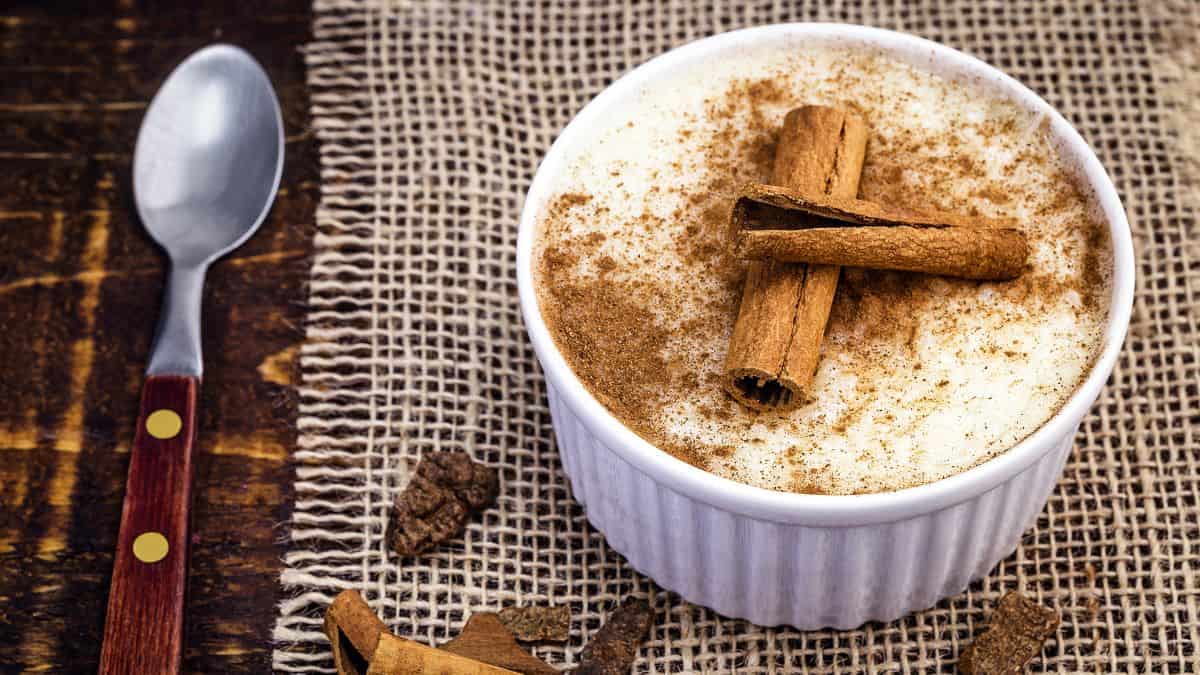
Many people grew up loving dessert and still want that feeling today. Starting with dessert brings back memories and comfort. In some countries, desserts are small and simple, making it easy to begin a meal with them.
This might be a piece of fruit cake, a spoonful of rice pudding, or a honey-soaked bite. That nostalgic feeling adds emotional sweetness to the meal. It turns eating into a joyful memory.
Keeps Portion Sizes Balanced

When people eat dessert first, they sometimes eat less of the heavy foods that follow. The sweet start satisfies the craving and makes people more mindful.
This can lead to smaller portions and better choices during the rest of the meal. Some people do this to help control weight without giving up dessert. In moderation, it’s a smart strategy. It satisfies without overdoing it.
Supports Blood Sugar Control in Some Diets
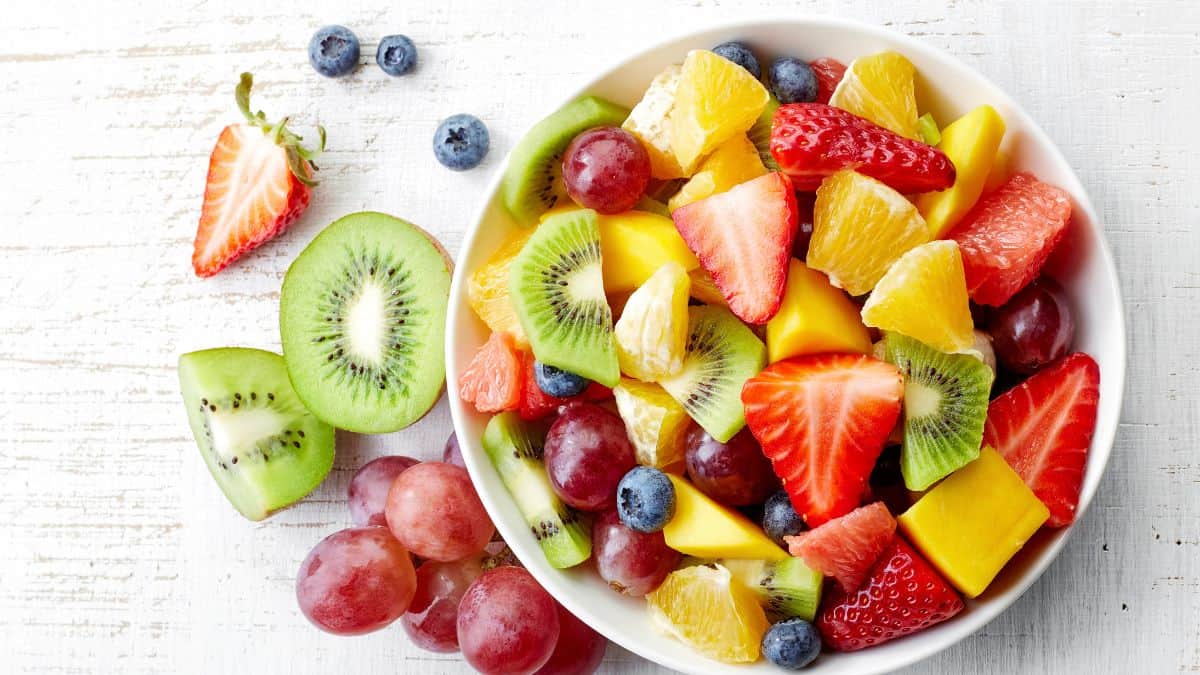
For people managing blood sugar levels, a sweet bite first, when paired with fiber and protein later, can slow glucose spikes. In specific diets, like some versions of intermittent fasting, dessert-like foods like fruit are eaten first to break the fast gently.
This keeps blood sugar steady and avoids energy crashes. The key is choosing the right kind of dessert. For example, berries with nuts or dark chocolate work well. It’s not just sweet, it’s smart.
Celebrates Local Ingredients

Some cultures take pride in local ingredients like honey, coconut, or sweet fruits. Starting with dessert is a way to highlight these special foods. In the Caribbean, for example, coconut sweets or plantain treats often open the meal.
These flavors tell a story about the land and its people. They bring pride and identity to the table, and dessert becomes a way to celebrate culture.
Makes Meals Feel More Fun

Finally, some people just love dessert and want to start with it because it makes the meal more enjoyable. Life can be stressful, and a sweet moment at the start brings a bit of happiness. It lightens the mood and brings smiles to the table.
For this reason, “dessert first” menus are becoming trendy in modern cafes and restaurants. They flip tradition and add fun to the dining experience. Sometimes, joy is the best reason of all.
Leave a Reply