
Frying food can be one of the most delicious ways to cook, but it also comes with its fair share of mess. One of the biggest frustrations in the kitchen is when ingredients splatter all over the stove, countertop, and sometimes even your clothes. Splattering happens when the natural moisture in food reacts with hot oil, causing tiny explosions that fling drops of grease outward.
Want to Save This Recipe?
Enter your email & I'll send it to your inbox. Plus, get great new recipes from me every week!
By submitting this form, you consent to receive emails from Blue's Best Life.
Some foods are more prone to this problem than others, especially when they hold a lot of water or have uneven surfaces. Knowing which ingredients cause the most splatter can help you prepare better, keep your kitchen cleaner, and stay safe from painful burns. Below are some of the most common culprits who love making a mess whenever they hit the frying pan.
Chicken Pieces
Chicken is one of the most popular proteins to fry, but it is also one of the messiest. The skin holds in natural juices, and splattering begins immediately when those juices meet hot oil. Smaller cuts like wings and drumsticks can be even more unpredictable because of the uneven surfaces and pockets of fat.
Even if you pat chicken dry, some splatter is almost guaranteed due to the moisture inside the meat. This is why many people use splatter guards or deep fryers with lids when cooking chicken.
Bacon
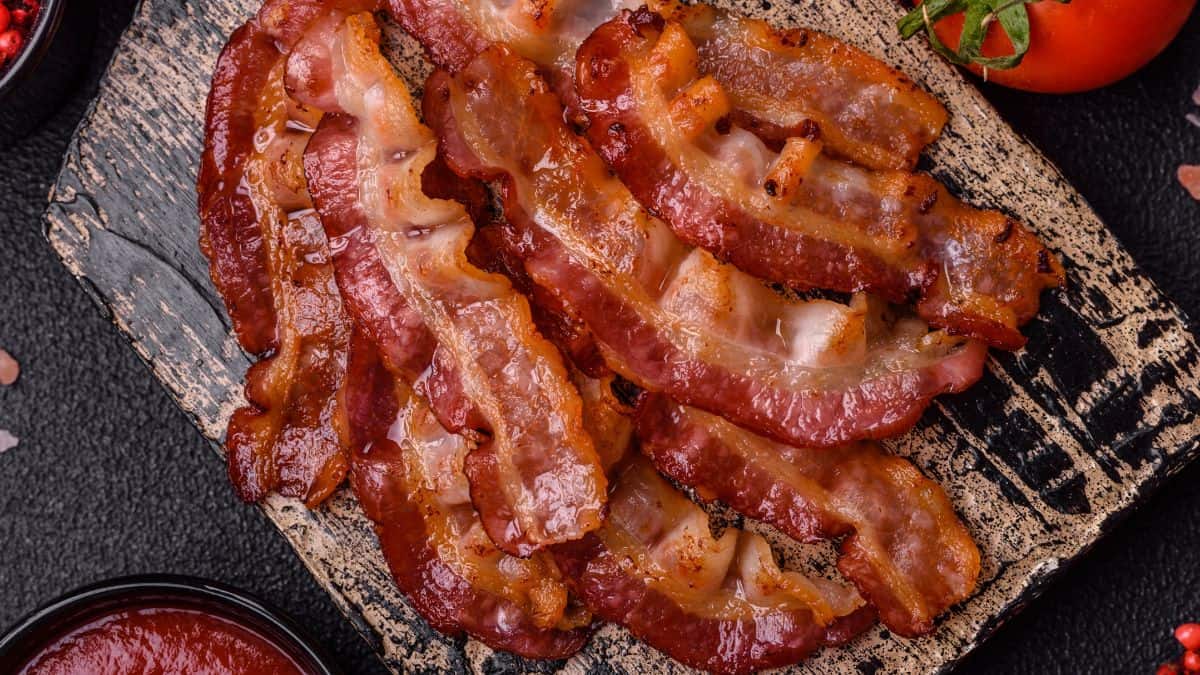
Bacon is famous for popping, sizzling, and leaving behind greasy spots across the entire stovetop. The strips release both fat and water as they cook, creating a double source of splattering. Thin slices tend to curl and cook unevenly, which means certain spots crisp faster while others still leak out moisture.
This uneven cooking adds to the mess as pockets of fat burst into the oil. Many cooks switch to baking bacon in the oven to cut down on splatter. Still, when it comes to frying, bacon is one of the hardest ingredients to keep contained.
Sausages
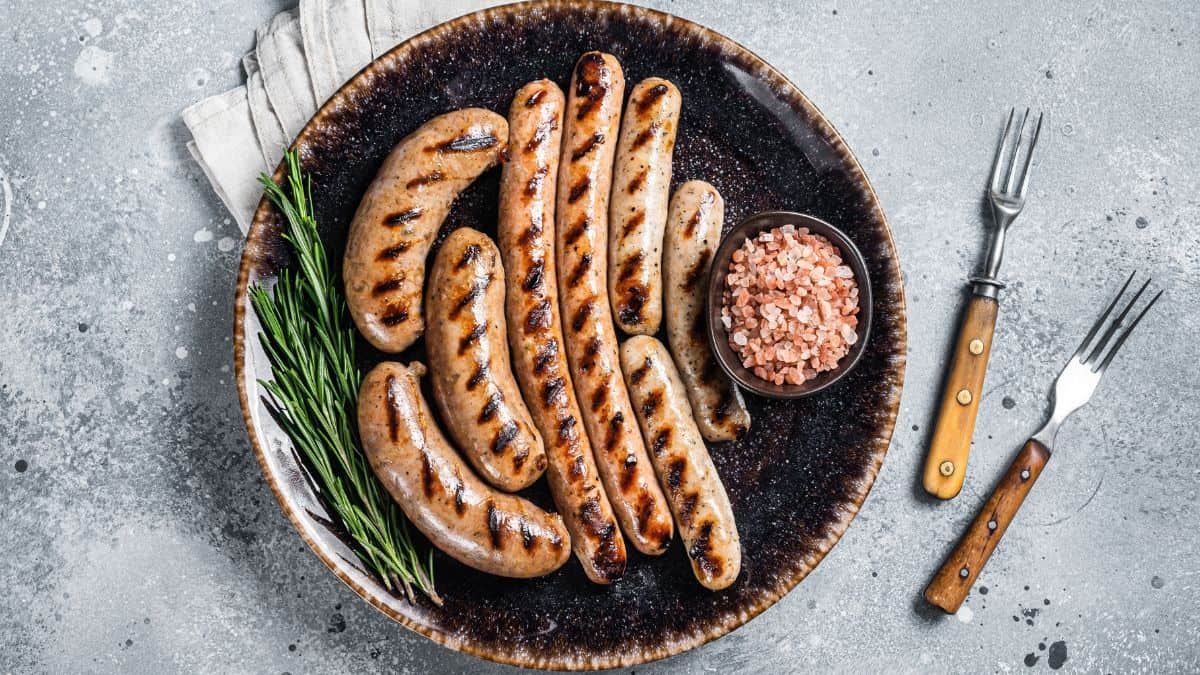
Sausages are tightly packed with juices, oils, and sometimes even cheese or seasonings, creating extra liquid bursts. As they cook, the casing stretches and then splits, sending streams of hot fat and steam into the pan. An eruption of splattering often follows the snapping sound you hear.
Sausages also roll around, which spreads the mess even further. Pricking them before frying can reduce some of the explosions, but it can also make them dry out faster. This makes sausages a food that nearly always comes with a side of cleanup.
Tomatoes
Tomatoes are full of water, and when they meet hot oil, that water escapes quickly. Chopped or sliced tomatoes tend to break down in the pan, creating wet patches that cause large amounts of splatter. Whole cherry tomatoes can be even worse because they sometimes burst open like tiny balloons.
The acidity also makes the oil foam, which adds another layer of mess. While tomatoes add rich flavor to sauces and fried dishes, they are one of the trickiest vegetables to fry without creating a disaster. Many cooks roast them instead when they want less splatter.
Onions

Onions might not seem like a splattering food at first, but their high water content says otherwise. When fried, especially in rings or slices, they release juices that sizzle and pop in hot oil. Caramelizing onions is less messy, but pan-frying them quickly at high heat creates a storm of splatters.
Coated onion rings are even worse because the batter traps moisture that explodes once it escapes. Onions also soften unevenly, meaning some parts crisp while others leak out water. This makes them a reliable source of kitchen splatter.
Potatoes
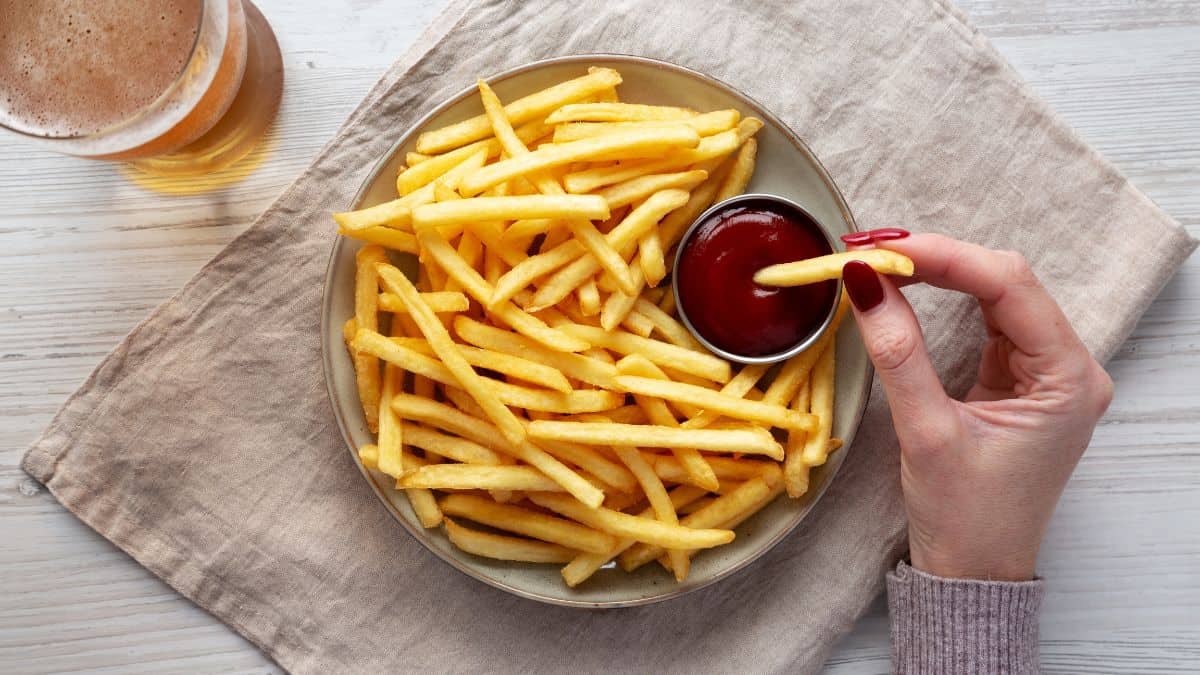
Potatoes are a starch-heavy vegetable, but they also contain more water than many realize. Their moisture escapes rapidly in hot oil when cut into thin slices or sticks for fries. The result is a pan full of tiny pops and bursts of grease.
Even shredded potatoes for hash browns can create splatter if they are not pressed dry first. Potatoes also stick to the pan if not fried in enough oil, which makes the popping worse. It is no wonder that home cooks both love and fear French fries.
Fish Fillets
Fish fillets are delicate, flaky, and full of natural juices that release instantly in hot oil. If left on, the skin holds in even more moisture that eventually bursts outward. Thin white fish like tilapia or cod can splatter so much that some avoid frying them.
Even thicker cuts like salmon are not immune to the popping sounds of escaping steam. Combining water and natural oils makes fish one of the top splattering proteins. Frying fish also leaves a lasting smell in the kitchen, adding to the challenge.
Shrimp
Shrimp are small, juicy, and quick to cook, which makes them very easy to overdo. They contain a surprising amount of liquid for their size, and that liquid becomes steam the moment they hit the oil. Shrimp also curl while cooking, trapping small pools of hot oil that burst outward.
Breaded shrimp are even messier because the coating soaks up oil and then cracks, releasing sudden splatters. While shrimp fry quickly, the trade-off is the cleanup afterward, making them another splattering seafood favorite.
Eggplant
Eggplant acts like a sponge when it comes to oil, soaking it up almost instantly. This soaking action causes uneven frying and lots of popping as the moisture inside escapes. Sliced eggplant can create an especially messy pan because each piece releases steam differently.
The high water content means even salted eggplant, which is supposed to draw out moisture, still splatters a lot. Once fried, eggplant has a delicious creamy texture, but the path to get there is not clean. Many cooks switch to roasting eggplant for less hassle.
Zucchini
Zucchini is another watery vegetable that does not behave well in the frying pan. Even when sliced thin, the high water content creates steam that reacts explosively with oil. Coated zucchini fries or fritters are especially splatter-prone because the batter traps liquid inside.
As they cook, they release bursts of water that cause loud pops and greasy spots around the stove. Zucchini also softens very quickly, cooking unevenly and adding to the mess. It is one of those vegetables that looks innocent but makes a frying pan chaotic.
Tofu

Tofu may be plant-based, but it holds an incredible amount of water. Even extra-firm tofu contains enough moisture to create splatter if not pressed properly before frying. The small cubes or slices often pop loudly as they release steam, making cooking risky without a cover.
Oil-coated tofu can also stick to the pan, tearing and creating more splattering. This makes frying tofu both messy and delicate work. For this reason, many people bake or air-fry tofu instead.
Mushrooms
Mushrooms release a surprising amount of water as they cook down, which reacts immediately with hot oil. They shrink in size and release liquid unevenly, causing random bursts of splatter. Whole mushrooms are especially unpredictable because their caps trap water that bursts out as steam.
Sliced mushrooms are slightly easier but still create plenty of small pops in the pan. The earthy flavor they add is worth the mess, but mushrooms are not an ingredient you can fry without expecting splatter. They are also difficult to brown evenly without high heat, making the popping worse.
Eggs
Eggs are a classic breakfast food, but they are also a common splattering culprit. When cracked into a hot pan with oil, the water in the whites begins to pop instantly. If the yolk breaks, the mess doubles because the fat content mixes with steam.
Fried eggs with crispy edges are especially splattery since they require higher heat. Scrambled eggs can splatter slightly if too much milk or water is added. No matter how you fry them, eggs usually leave behind at least a few grease spots.
Cheese
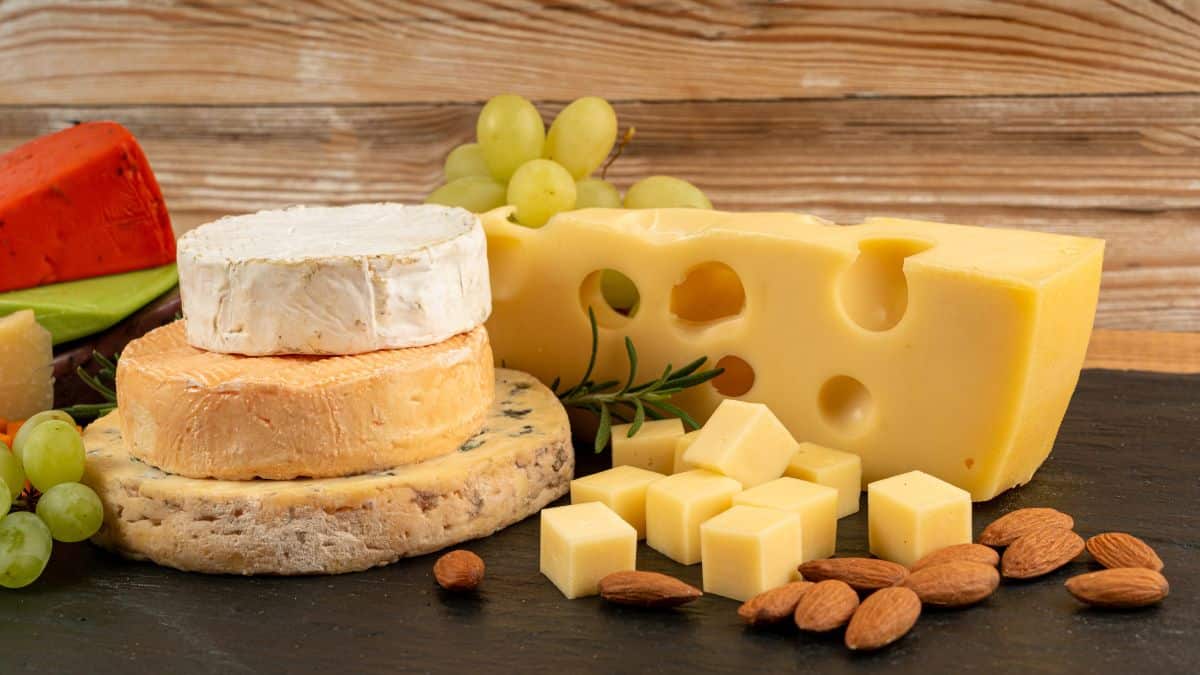
Cheese might not seem like something you fry, but melted cheese in a pan is one of the messiest foods of all. The oils separate from the solids as it melts, creating sizzling puddles that pop and spit everywhere. Harder cheeses like halloumi or paneer splatter less, but softer cheeses like mozzarella or cheddar are notorious.
The combination of fat and liquid makes fried cheese sticks or quesadillas a splattery adventure. Even grilled cheese sandwiches leave greasy marks on nearby surfaces. Cheese is delicious, but it is not a neat frying ingredient.
Peppers
Peppers are another vegetable with a high water content that makes frying messy. Bell peppers, in particular, release large amounts of steam as they soften in oil. Hot peppers like jalapeños not only splatter but can also release spicy fumes that sting your eyes.
Sliced peppers tend to curl and create uneven cooking surfaces, leading to even more popping. Roasting or grilling peppers is often a cleaner way to prepare them. When fried, they add flavor but always bring splatter along for the ride.



Leave a Reply