
Certain foods possess a remarkable ability to glow under specific conditions, a phenomenon typically resulting from natural chemicals or external treatments. These foods can exhibit bioluminescence, fluorescence, or phosphorescence, making them intriguing subjects of study.
Want to Save This Recipe?
Enter your email & I'll send it to your inbox. Plus, get great new recipes from me every week!
By submitting this form, you consent to receive emails from Blue's Best Life.
Although most glowing foods are not naturally luminescent, they can emit light under UV or black light due to the compounds they contain. This characteristic makes them popular for science experiments, party tricks, and creative culinary presentations. Discover these glow-worthy foods and the reasons behind their luminous qualities.
Honey
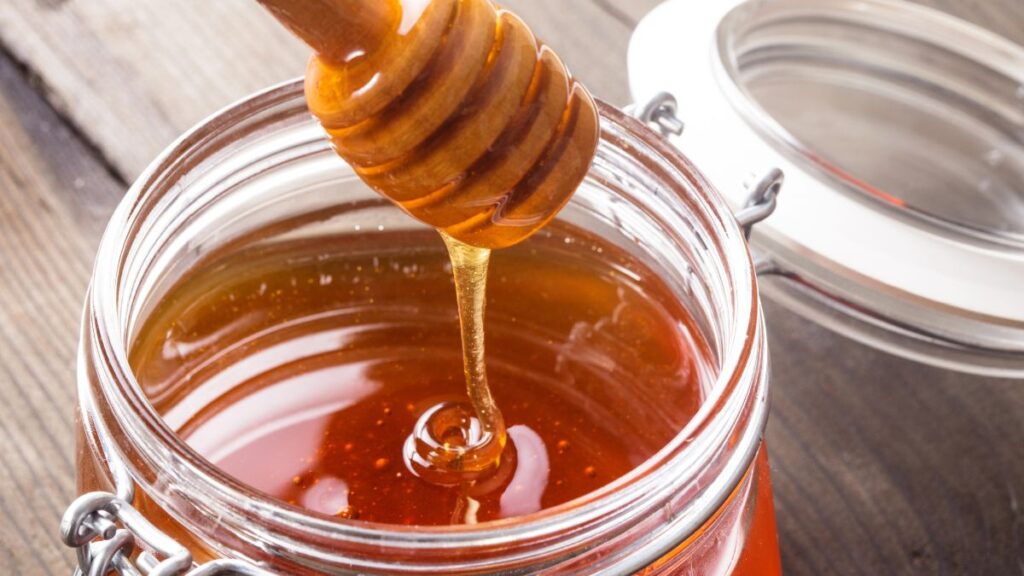
Raw honey can emit a faint glow in the dark due to its natural fluorescence, which results from specific amino acids and enzymes present in it. This glow becomes more pronounced under black light, adding a playful touch to themed desserts.
The fluorescent properties of honey can vary based on the types of flowers visited by the bees. Its unique characteristics also make it an excellent subject for science-related kitchen projects.
Bananas
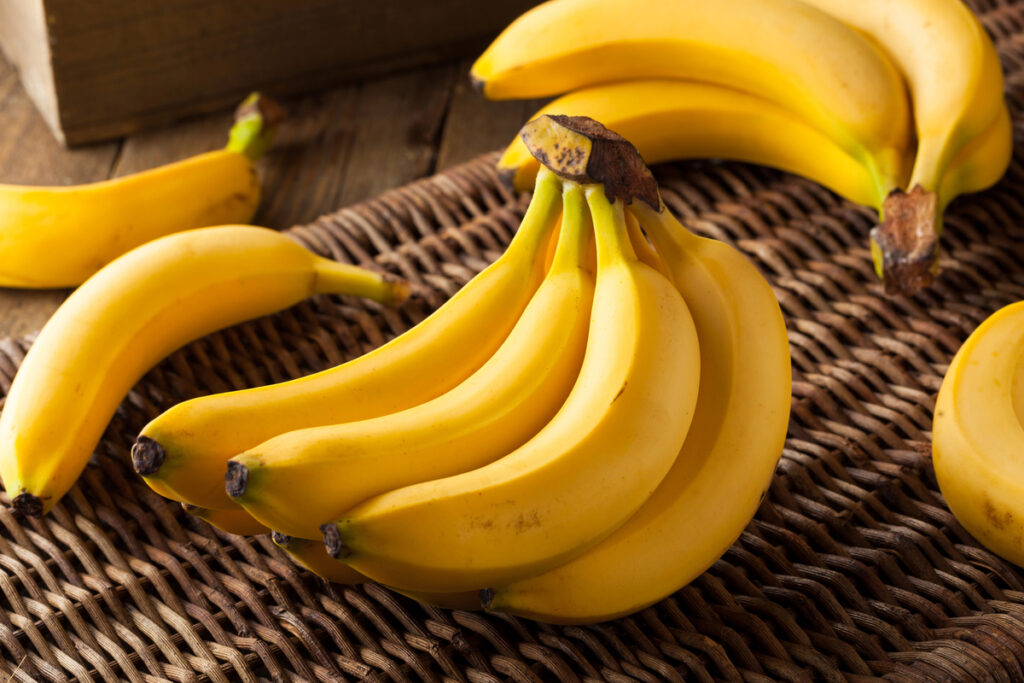
As bananas ripen, they exhibit a blue glow under UV light, a phenomenon caused by the breakdown of chlorophyll in the peel. This glow intensifies as the banana matures, effectively showcasing its stages of ripeness. It serves as a fun way to teach kids about food science while enjoying a healthy snack. Additionally, the glowing peel can add a creative element to party decorations.
Tonic Water
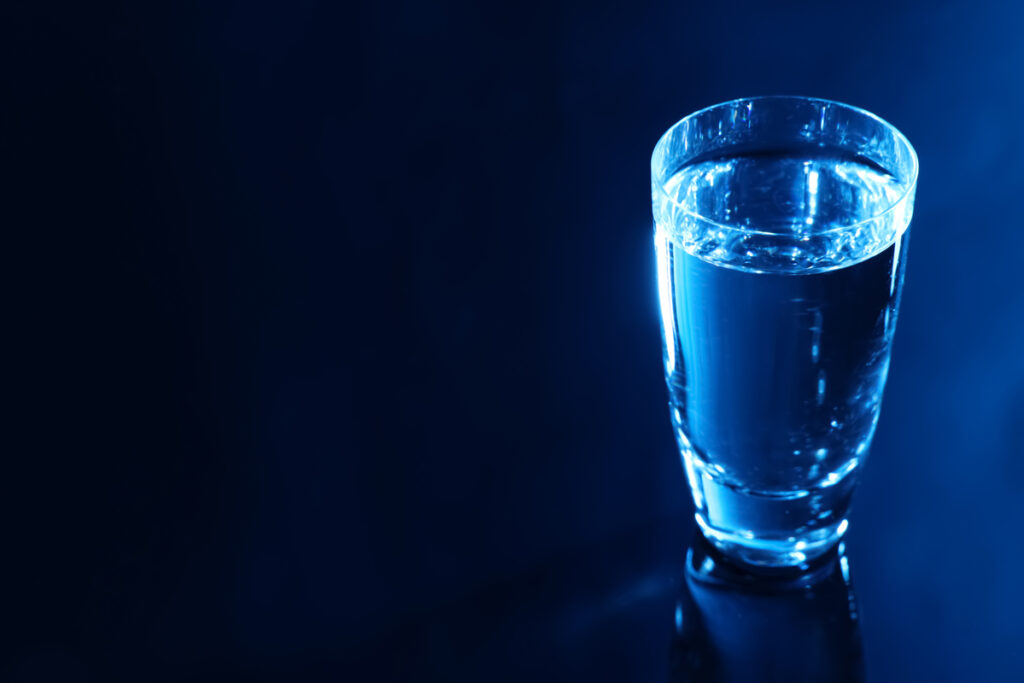
Tonic water glows under UV light due to the quinine it contains. Quinine is a natural compound with fluorescent properties, making it perfect for experiments and cool drink displays.
You can mix tonic water with juices to create glowing cocktails or mocktails. The brightness of the glow depends on the concentration of quinine. It also adds a distinct bitter flavor that enhances the taste of mixed beverages.
Red Cabbage
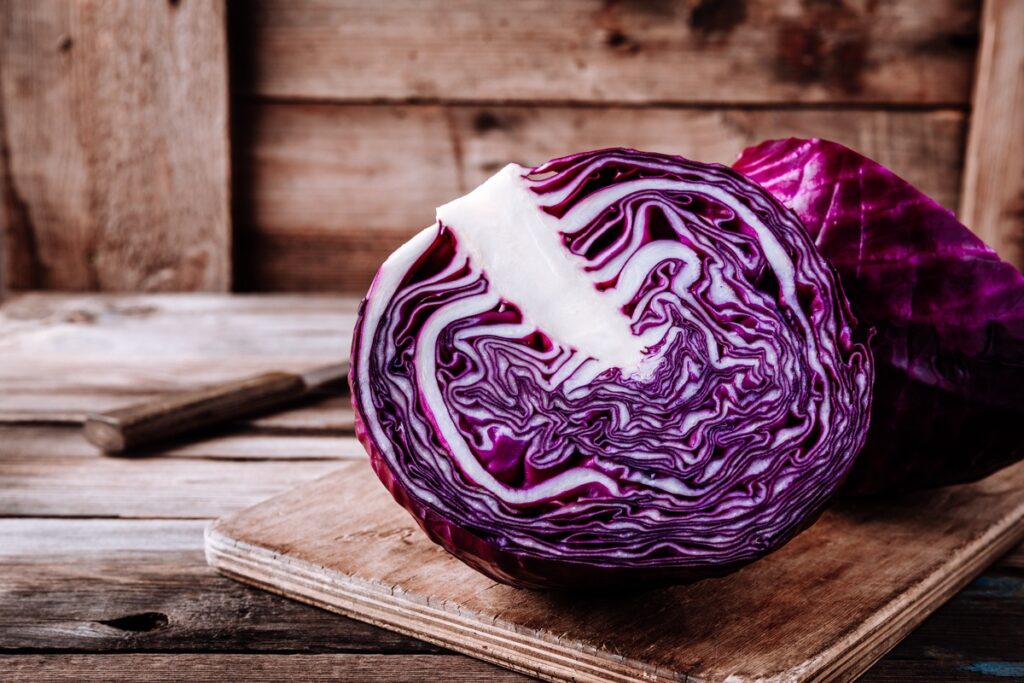
Red cabbage juice glows when mixed with alkaline substances. This effect comes from anthocyanins, natural pigments in the cabbage. You can experiment by adding baking soda or other bases to see the glow. The vibrant colors make it perfect for educational demonstrations or creative plating. This glowing property also reveals the science behind pH indicators.
Quinine-Infused Candies

Some candies are infused with quinine to create a glowing effect. These are often marketed for parties or novelty purposes. When exposed to UV light, the candies shine brightly and become a hit among kids and adults alike. You can also make glowing treats at home by adding tonic water to gelatin or candy recipes. This playful effect is great for festive occasions.
Vanilla Ice Cream
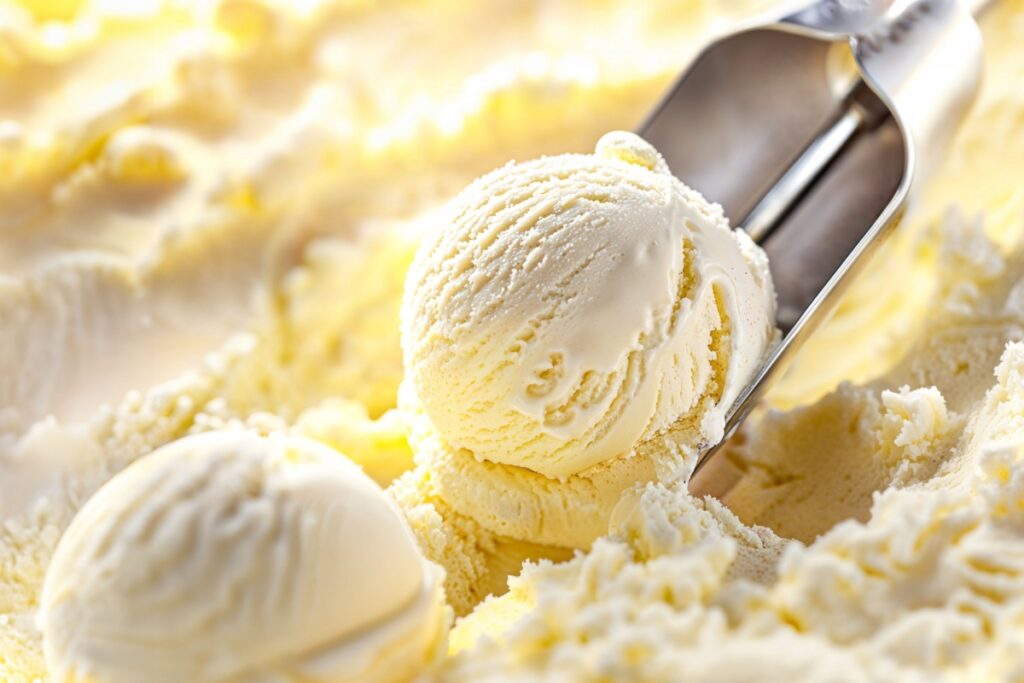
When made with certain ingredients, vanilla ice cream glows under UV light. This glow is caused by riboflavin (Vitamin B2) or other fluorescent compounds present in milk. The glow is faint but visible enough to create an exciting dessert display. Pairing it with glowing syrups or edible glitter enhances the effect. It’s an engaging way to elevate any dessert table.
Spinach
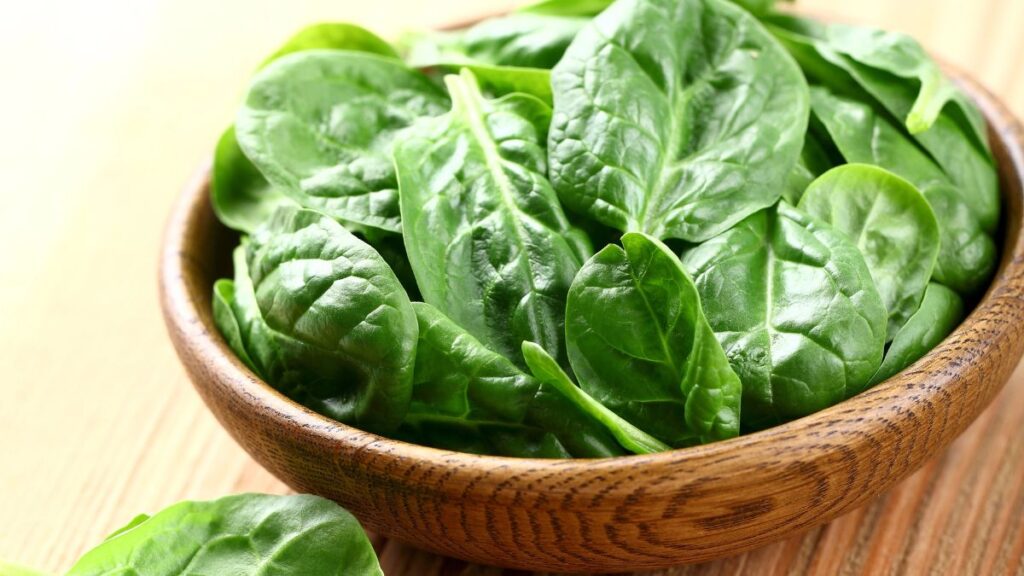
Spinach contains chlorophyll, which can fluoresce under UV light. The glow appears as a red or orange hue when the leaves are exposed to black light. It’s not very bright, but it’s noticeable in a dark room. Using spinach for glowing garnishes or salad toppings can add a scientific twist to your meals. The glow also serves as a visual way to discuss plant biology.
Jellyfish Snacks

Certain seafood products, like jellyfish snacks, can glow due to natural bioluminescent proteins. These snacks are common in Asian cuisines and are often marinated for added flavor.
The glowing proteins remain visible under UV light, creating an exotic visual effect. These snacks are a great conversation starter at dinner parties. They also highlight the wonders of marine biology.
Garlic
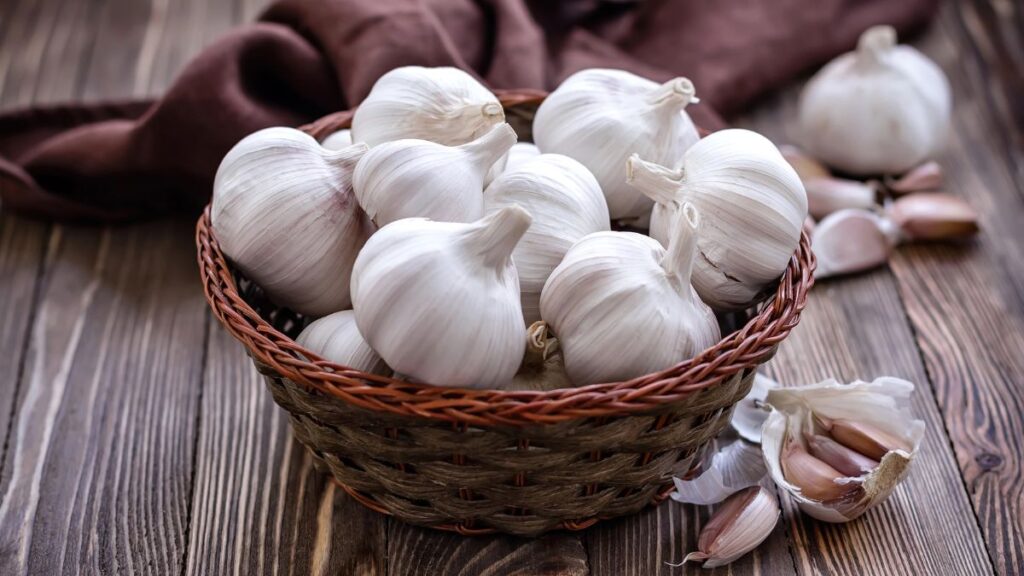
Fresh garlic may glow faintly when crushed, especially under black light. This glow results from natural compounds like alliin, which fluoresce under certain conditions. The effect is subtle but visible enough to spark curiosity. Adding glowing garlic to sauces or spreads can be a fun culinary experiment. It’s an unexpected feature of a common kitchen ingredient.
Egg Whites
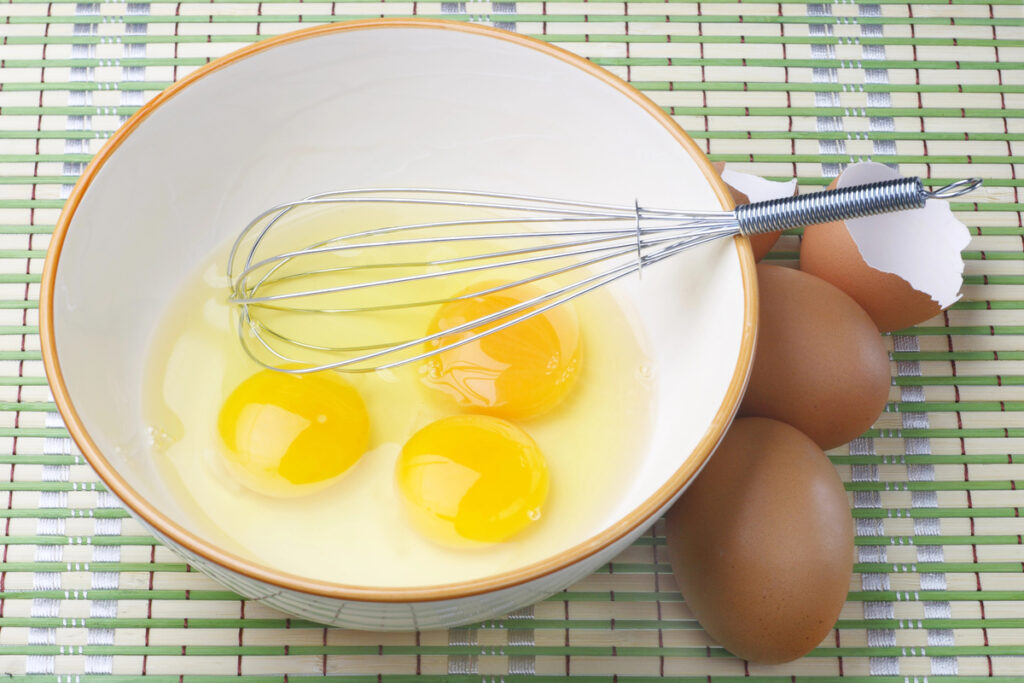
Egg whites glow when exposed to UV light due to riboflavin. This natural vitamin creates a faint greenish glow that can be enhanced by whipping the egg whites. The glow is more pronounced in raw egg whites but fades after cooking. It’s a great way to turn a basic ingredient into an educational moment. You can also use it for creative baking projects.
Cherries
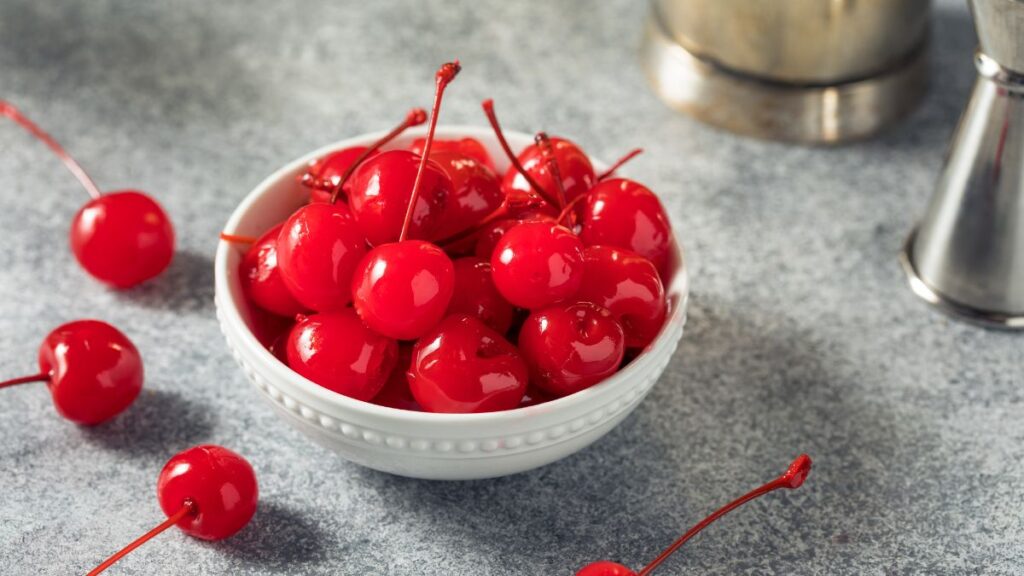
Fresh cherries can exhibit a faint glow under UV light due to the presence of natural pigments like anthocyanins. The glow varies depending on the type and ripeness of the cherry. To impress guests, use glowing cherries as garnishes for drinks or desserts. This property also offers a unique way to discuss the chemistry of fruits.
Carrot Juice
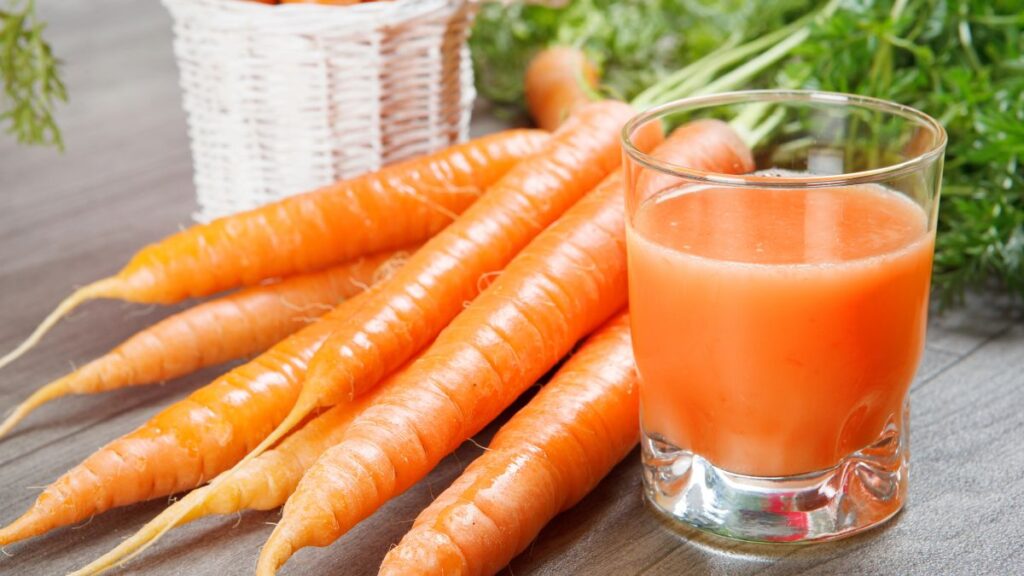
Carrot juice glows under UV light because of its high beta-carotene content. The glow appears as an orange or yellow hue and can brighten smoothies or mocktails. It’s a creative way to make healthy drinks more visually appealing. Carrot juice’s glow is also a fun way to teach about the role of vitamins in food. The effect works best with freshly extracted juice.
Parmesan Cheese
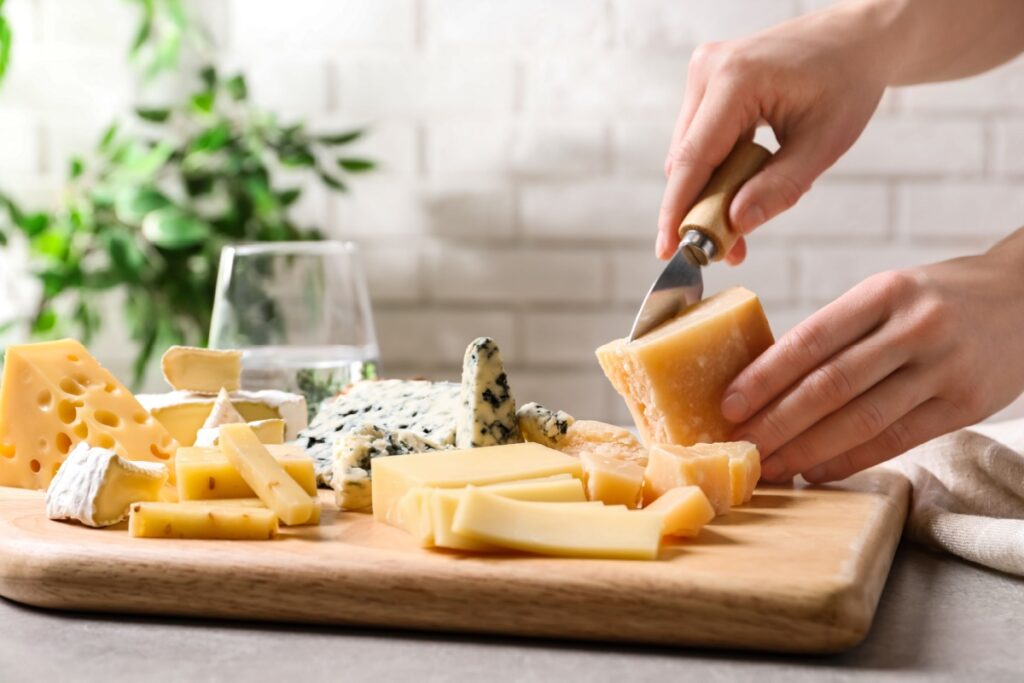
Grated Parmesan cheese glows faintly under UV light due to riboflavin and other compounds. The glow is subtle but noticeable, making it a quirky addition to pasta dishes. You can sprinkle it over black-light-lit dinners for a glowing effect. This feature also highlights the natural properties of aged dairy products. The unique glow can enhance themed dining experiences.
Shrimp
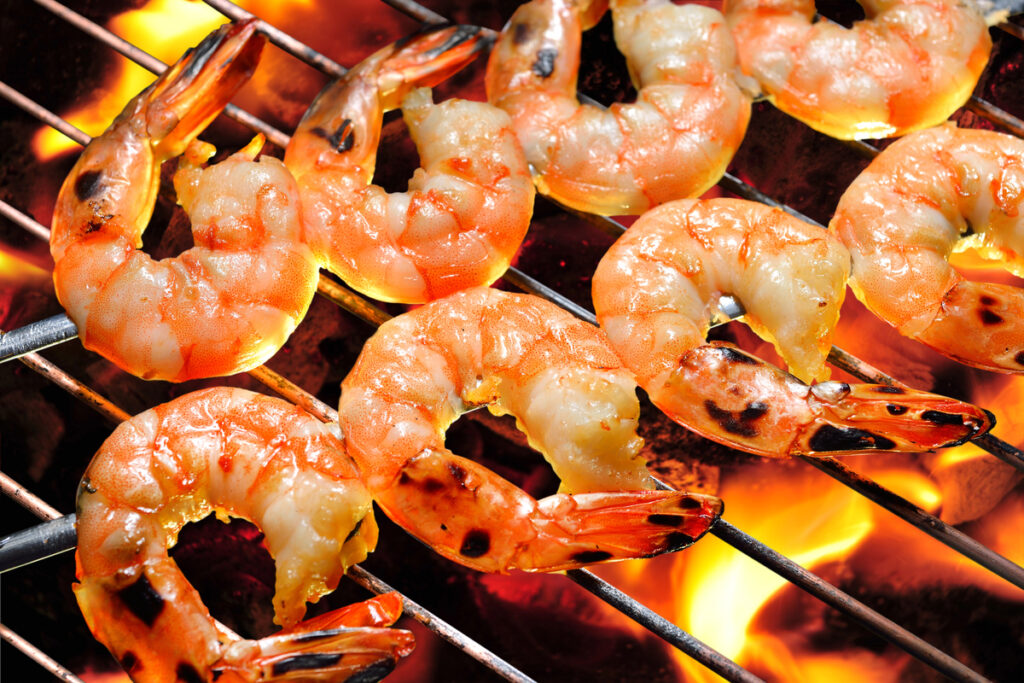
Some shrimp species contain natural phosphorescent proteins that glow in the dark. The glow becomes visible when the shrimp are fresh and exposed to black light. This trait is more common in certain types of wild-caught shrimp. Glowing shrimp can add a magical touch to seafood platters or party appetizers. It also offers a glimpse into the wonders of ocean life.
Mushrooms
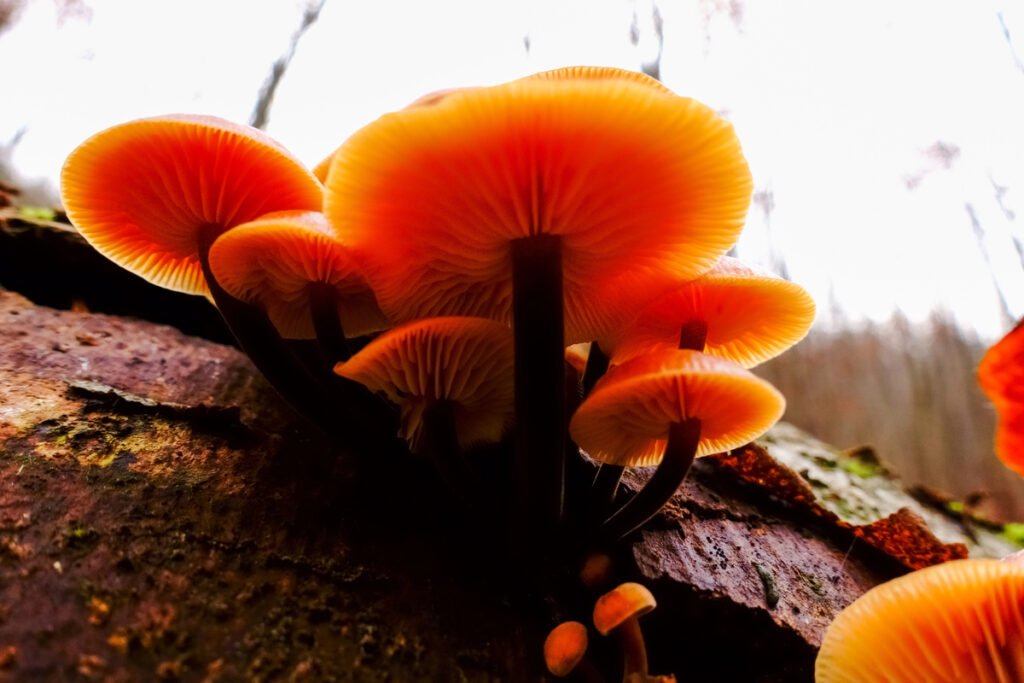
Certain mushrooms, like the jack-o’-lantern or foxfire species, naturally glow in the dark. This bioluminescence comes from a chemical reaction in the fungi. While not all glowing mushrooms are edible, some safe varieties can be used in themed dishes. The glow is faint but visible in darkness, adding a mystical vibe to meals. These mushrooms also highlight the fascinating world of fungi.
15 Budget-Friendly Foods to Stretch Your Paycheck

Living paycheck to paycheck can be challenging, especially when it comes to affording nutritious food on a tight budget. However, many affordable and nutrient-rich foods can help stretch your dollars without sacrificing your health.




Leave a Reply