
Family dinners are supposed to be warm gatherings filled with laughter, shared memories, and delicious food. Yet, anyone who has sat at a crowded dinner table knows that certain dishes can quickly turn into points of tension. Everyone has their personal tastes, cultural traditions, or strong opinions about what should and shouldn’t be served.
Want to Save This Recipe?
Enter your email & I'll send it to your inbox. Plus, get great new recipes from me every week!
By submitting this form, you consent to receive emails from Blue's Best Life.
Sometimes, it is playful bickering, and other times, it is a heated debate that lingers long after dessert. Food has the power to bring people together, but it also has the power to spark arguments over the smallest details. Below are some of the most common foods that start debates at nearly every family dinner.
Pineapple on Pizza
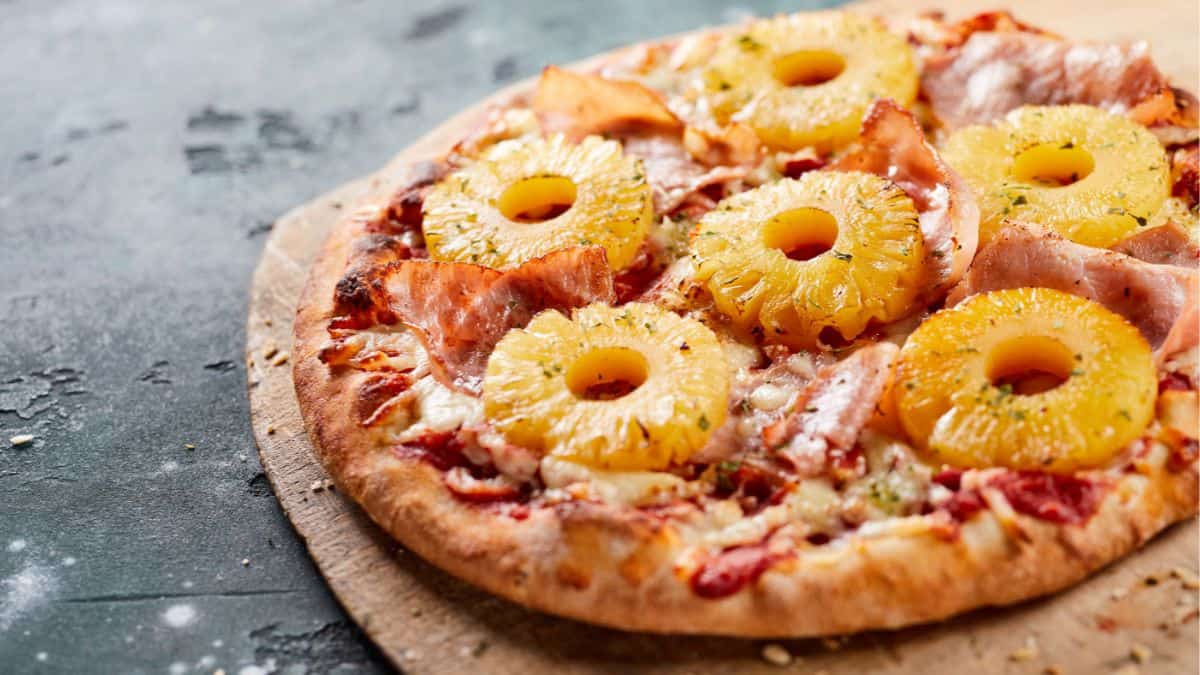
Many people cannot sit at a table with pizza without the pineapple conversation starting up. Some believe pineapple adds a refreshing sweetness that balances the salty cheese and savory sauce.
Others argue that fruit simply has no place on a pizza crust and should be kept for desserts or snacks. This clash of tastes has been going on for decades and shows no sign of slowing down. The pizza lovers who support pineapple often point to Hawaiian pizza as proof that it has earned its place.
Brussels Sprouts
Brussels sprouts tend to divide a family table faster than almost any vegetable. Some people enjoy their earthy taste, especially when roasted with oil and spices until crisp. Others recall childhood dinners where they were forced to eat boiled sprouts and now refuse to touch them.
The preparation makes a big difference, yet old memories often color the discussion. At a family dinner, one person may praise them as a healthy side dish while another insists they taste bitter and unpleasant. The debate over Brussels sprouts often turns into a conversation about how cooking methods shape food experiences.
Turkey at Thanksgiving
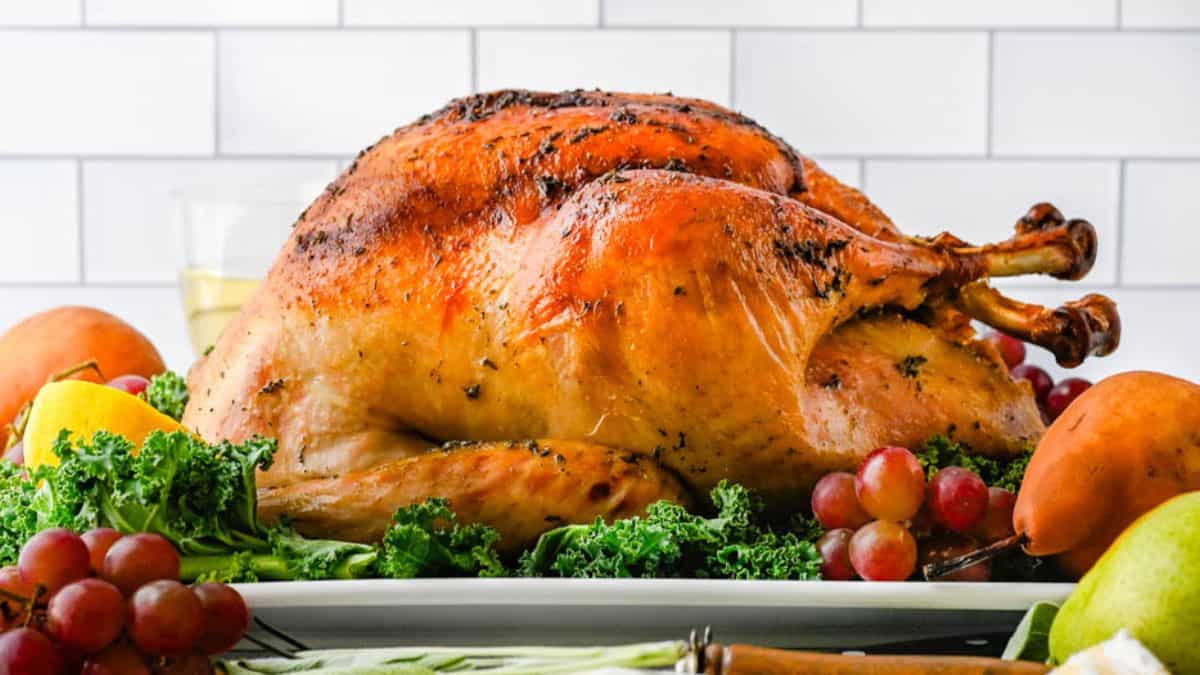
For some families, the turkey is the pride of the holiday table, while others quietly wish it would be replaced with another main dish. People argue over whether turkey is too dry, too much work, or simply not that flavorful. At the same time, others insist that it is the heart of tradition and must never be skipped.
This tension shows up every Thanksgiving when families debate whether to cook turkey, ham, or even something unconventional like lasagna. The arguments sometimes begin weeks before the meal when planning the menu. By the time dinner arrives, the turkey discussion is often louder than the football game playing in the background.
Stuffing Recipes
Stuffing is another dish that sparks strong opinions, especially during the holidays. Some families prefer bread stuffing, while others argue rice, cornbread, or even sausage belong in the mix. Debates rise over whether it should be cooked inside the bird or baked separately in a dish.
Texture and seasoning also cause disagreements because everyone believes their family recipe is the best. When multiple generations gather at the same table, these arguments often highlight family traditions passed down for years. The result is a side dish that can spark as many conversations as it fills stomachs.
Mashed Potatoes
Mashed potatoes may seem like a safe choice, but even they start debates. The arguments usually begin with texture: some want them creamy and smooth, while others insist they should be chunky and rustic. Butter, cream, or sour cream add another layer of disagreement because each family swears by its own style.
Then comes the topping battle between those who like plain potatoes, those who want gravy, and those who demand cheese or garlic. At a big dinner table, it is common for two people to argue over which version is more “authentic.” This simple dish often proves that even comfort foods can cause tension.
Gravy Choices
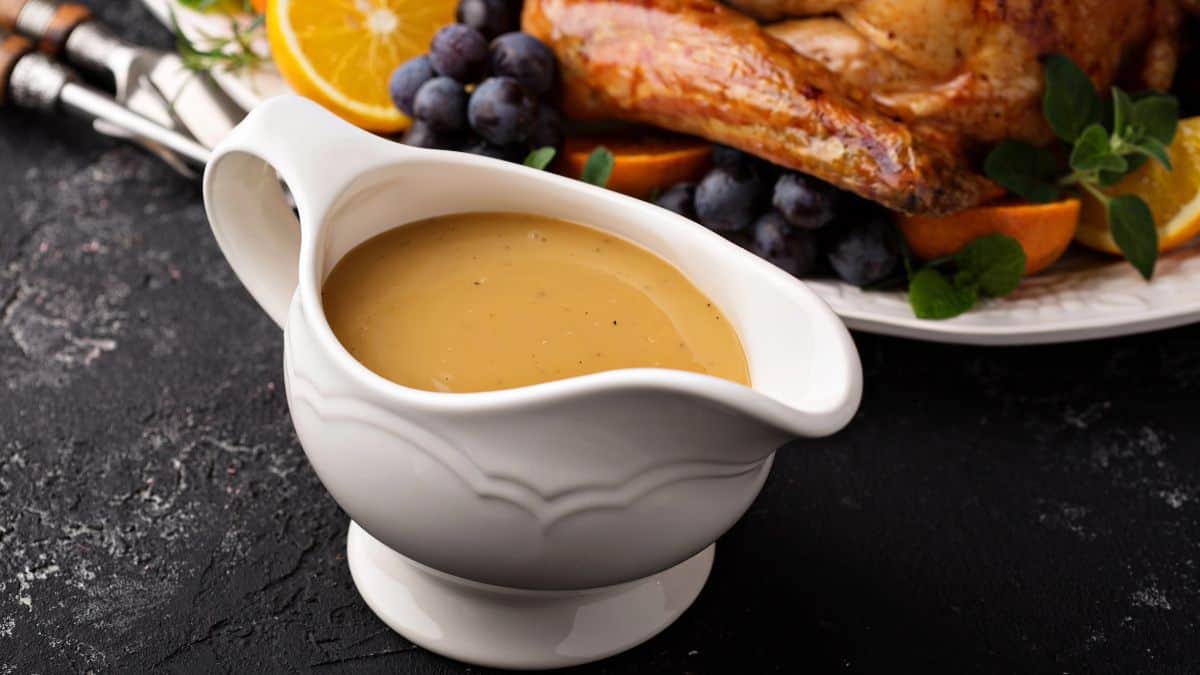
Gravy may be a small part of the meal, but it carries huge opinions. Some people cannot imagine a dinner without a thick, rich brown gravy poured over meat and potatoes. Others prefer lighter gravies or even creamy white sauces. The debate often continues into whether gravy should be homemade or if store-bought is acceptable.
Families sometimes argue about which person makes the best gravy since everyone seems to have a different secret method. A dinner table with multiple gravies may solve the problem, but it can also fuel jokes about who refuses to compromise.
Cranberry Sauce
Cranberry sauce sparks a debate that divides families into canned or homemade groups. Those who grew up with the jiggly canned version argue that it is tradition and nothing else tastes the same. Others strongly feel that fresh cranberries cooked with sugar and orange zest are superior.
These debates are often playful but can turn serious when people think their traditions are ignored. Sometimes, both versions are served just to avoid conflict, yet someone always comments on which is better. This dish proves how food memories tie deeply to emotions.
Green Bean Casserole
Green bean casserole is another classic that tends to cause arguments. Some people love the creamy mushroom sauce and crispy fried onions on top. Others call it soggy, bland, or unappealing and avoid it altogether.
At holiday dinners, someone usually questions why it is still being served when so many better vegetables are available. Yet for those who love it, green bean casserole represents comfort and tradition. The divide is so strong that families often end up with two vegetable dishes to satisfy everyone.
Deviled Eggs

Deviled eggs can start arguments long before they even reach the table. Some people think they are the perfect appetizer while others cannot stand the smell or taste of boiled eggs. Those who make them often argue about using mustard, paprika, pickles, or mayonnaise.
Family members sometimes complain if the eggs are too salty or too bland, making the cook defensive. Despite the criticism, deviled eggs remain popular and almost always vanish from the plate by the end of the night. Their ability to spark debates yet still get eaten shows their strange role at family gatherings.
Ham versus Roast Beef
Main courses can be just as controversial as side dishes, especially when families have to choose between ham and roast beef. People who enjoy ham say it is flavorful, affordable, and feeds a crowd easily. Others argue that roast beef is richer and feels more special for big occasions.
Arguments often include discussions about glaze, seasonings, and leftovers. The choice of meat can reflect regional traditions, making the debate even more personal. In many families, the solution is to serve both, though this usually starts another argument about who will cook what.
Salad Disagreements
Salad might sound simple, but it can create surprising disagreements at family dinners. Some people expect a green leafy salad with vegetables, while others prefer pasta or potato salad. The arguments then expand into what dressing is best: ranch, Italian, balsamic, or something homemade.
Some relatives refuse to eat salad containing fruit or nuts, while others see that as the best part. Debates also start over how much salad should be eaten compared to heavier dishes. Even though salad is supposed to be the healthy choice, it still manages to cause tension.
Cornbread Arguments
Cornbread is another dish where recipes split families in half. Some like it sweet with sugar and butter, while others insist it must be savory and crumbly. The texture and moisture level also start debates since some want it soft while others prefer it dry.
Cornbread lovers argue about whether it should be served plain, with honey, or with jalapeños baked inside. Regional traditions often intensify these arguments, especially in the South. For a food meant to be simple, cornbread can cause surprisingly heated conversations.
Fish at the Table
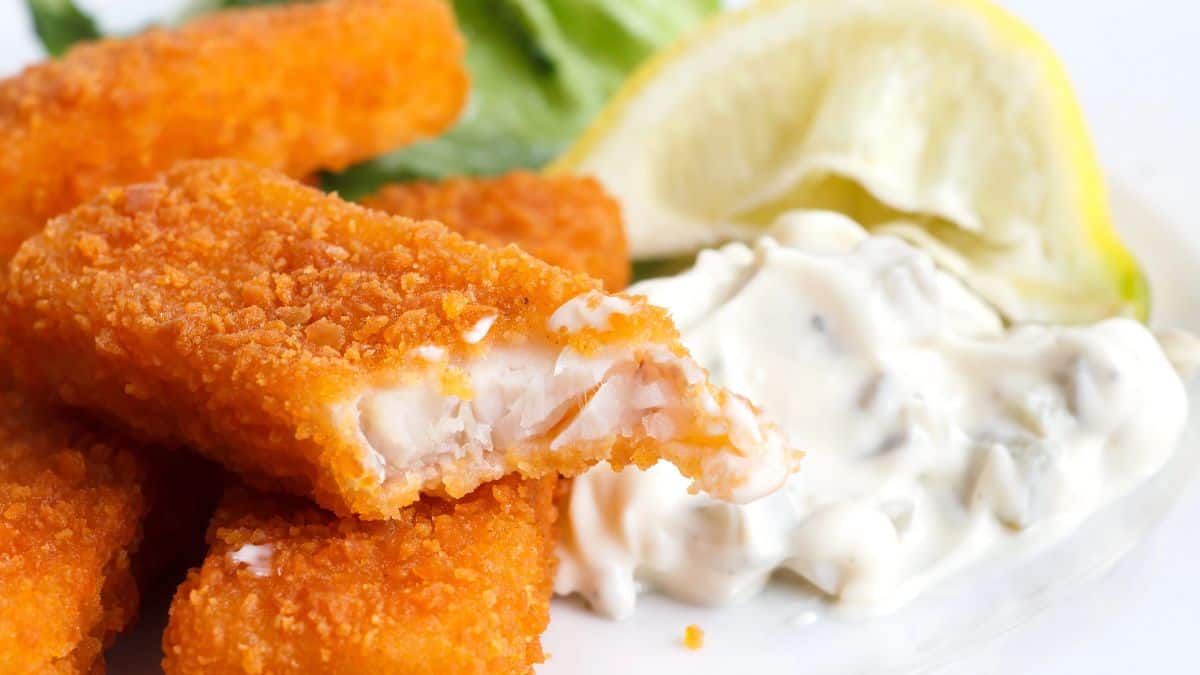
Serving fish at family dinners is often controversial. Some people love baked salmon, fried catfish, or seafood stews, while others refuse to eat anything that tastes or smells like fish. The arguments usually involve freshness, bones, and whether seafood belongs at traditional gatherings.
Families from coastal regions may defend fish as a staple, while others see it as unusual or unwelcome. These different perspectives lead to jokes, complaints, and sometimes even people leaving the table unhappy. Fish proves that what feels natural in one household may feel completely wrong in another.
Dessert Debates
Dessert may be the meal's sweet ending, but it can also start big debates. Some families argue over whether pie, cake, or cookies should be the centerpiece. Others debate which flavors are acceptable, apple pie versus pumpkin, chocolate cake versus vanilla.
Ice cream sometimes adds another layer of argument when people cannot agree on which flavor should be served alongside dessert. Even the size of dessert portions can create tension as some want small slices while others pile their plates high. These debates usually end with everyone eating something sweet anyway, but not without a few comments about what should have been made instead.
Leftover Battles

The meal might be over, but arguments often continue when it is time to divide leftovers. Some family members want to pack up entire containers for later, while others argue everyone should get an equal share.
Disagreements rise over who gets the turkey legs, the last slice of pie, or the final scoop of mashed potatoes. The cook often feels entitled to keep most of the food, while others insist that sharing is only fair. Leftovers have emotional value since they extend the enjoyment of the meal. This final debate often shows how food remains important long after the table is cleared.




Leave a Reply