
Chefs know a lot about food, and their knowledge often changes what they choose when dining out. They understand how dishes are prepared, where mistakes happen, and which items may not be worth the price. Some meals are risky because they spoil quickly or lose quality fast, while others are simply not special enough to order at a restaurant.
Want to Save This Recipe?
Enter your email & I'll send it to your inbox. Plus, get great new recipes from me every week!
By submitting this form, you consent to receive emails from Blue's Best Life.
Chefs also notice when something is overpriced or when ingredients are likely frozen instead of fresh. Their insider experience gives them a different perspective from the average diner.
Well-Done Steak

Many chefs avoid ordering well-done steak because it often comes out tough and dry. Cooking steak for a long time removes most of its natural juices and flavor. Restaurants may also use lower-quality cuts for well-done orders since the longer cooking hides flaws.
Chefs know steak tastes best cooked to a medium or medium-rare level. They prefer to enjoy the tenderness and flavor of shorter cooking times. Well-done might be safer for some, but it’s rarely the most satisfying choice.
Daily Specials That Sound Too Fancy

Specials can be amazing, but they can also be a way to use up older ingredients. If a special sounds overly complicated or uses a lot of leftovers, chefs know it might be a red flag. They listen for clues like “market mix” or “chef’s surprise” because those can mean the dish isn’t as fresh.
Simpler specials with seasonal ingredients are usually safer. Chefs will order them if they trust the restaurant’s sourcing. But if something sounds too forced, they skip it.
Seafood on Mondays

Many chefs avoid ordering fish on Mondays because it’s often leftover from the weekend delivery. Unless the restaurant is right by the ocean or known for super fresh seafood, the quality might not be at its peak.
Fish loses its flavor and texture quickly, even when stored well. Chefs prefer to order seafood later in the week when it’s likely fresher. This doesn’t apply to every place, but it’s a common rule of thumb in the industry. Freshness is key for good seafood.
All-You-Can-Eat Sushi

Chefs know that all-you-can-eat sushi often means the fish isn’t the highest quality. To keep costs low, restaurants may use more rice and less fish, or rely on frozen seafood.
The flavor and texture just aren’t the same as fresh, carefully prepared sushi. Chefs also worry about food safety with large quantities sitting out. They would rather pay more for a few pieces of expertly made sushi. Quality beats quantity every time in their book.
Chicken Breast Dishes

While chicken breast is popular, chefs rarely order it because it’s often bland and overcooked. Many kitchens lean on chicken breast as a safe option for picky eaters. It can easily dry out if not cooked perfectly.
Chefs prefer cuts like thighs or legs, which have more flavor and moisture. They’d rather try something more unique on the menu. Unless it’s a signature dish, they usually skip it.
Truffle Oil Dishes

Chefs know that most restaurant truffle oil isn’t made from real truffles. It’s usually flavored with synthetic chemicals to mimic the taste. While it smells strong, the flavor can be overpowering and artificial.
Chefs avoid it because it can mask the dish's true taste. They prefer fresh truffles when in season, which are far more subtle and complex. If they see truffle oil in the description, they often pass.
Ice in Drinks at Certain Places

Chefs know that ice machines in some restaurants aren’t cleaned as often as they should be. This can lead to bacteria or mold that you can’t see. While not every place has this problem, they’re cautious at spots that seem less clean overall.
They might order drinks without ice to be safe. It’s a small detail, but it comes from years of seeing behind-the-scenes practices. Clean ice makes a big difference in drink quality.
Mussels at Unfamiliar Restaurants

Mussels can be delicious but spoil quickly if not stored and cleaned properly. Chefs know they should smell fresh and be cooked right away. To prevent food poisoning, they might avoid mussels at a restaurant they don’t know well.
They save mussels for trusted seafood spots. It’s not worth the gamble if they’re not confident in the kitchen. Freshness and handling are everything for shellfish.
Burgers at Upscale Restaurants

Chefs rarely order burgers at fine dining restaurants because they see them as overpriced for what you get. Even if the meat is high quality, the markup can be huge. They know they can get an amazing burger at a casual spot for much less.
They’d rather try a dish that showcases the chef’s creativity at upscale places. Burgers are more of a comfort food they make at home or get at diners. Price and value matter here.
Chicken Caesar Salad
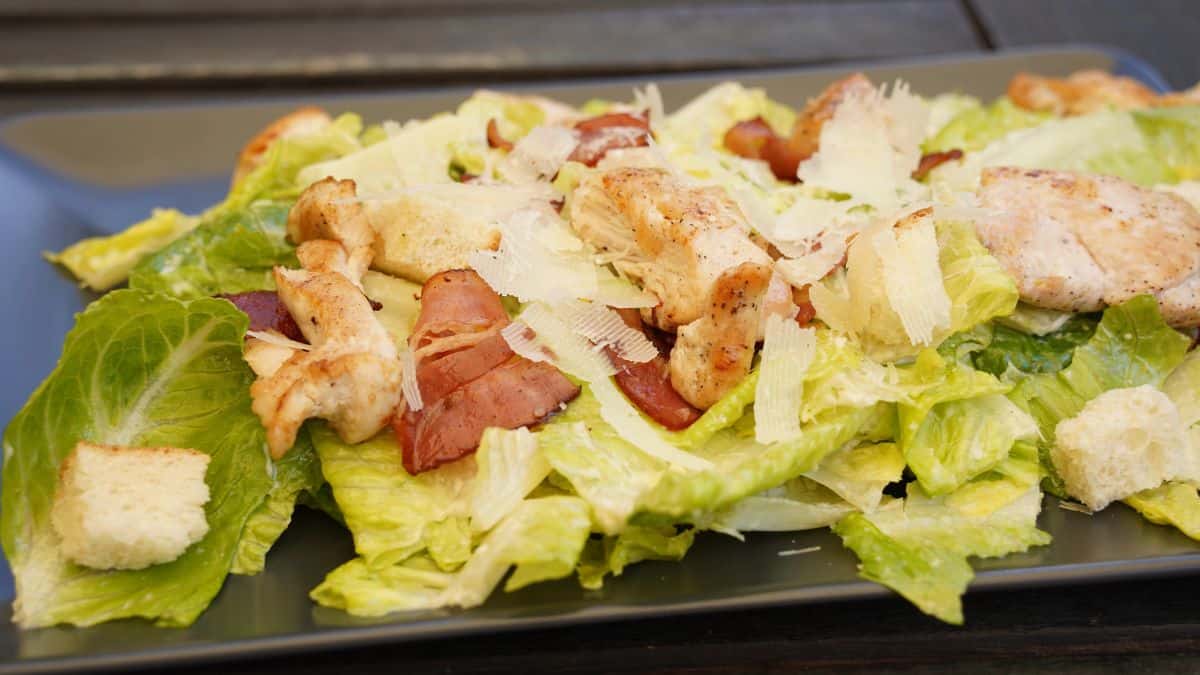
While it’s a popular choice, chefs often skip chicken Caesar salad because it’s basic and rarely exciting. The ingredients are simple, and there’s not much room for creativity. Unless a restaurant is known for an outstanding version, it can feel like a wasted order.
Chefs see it as something you could easily make at home. They’d rather try something unique to the restaurant. For them, dining out is about discovery.
Lobster at Non-Seafood Restaurants

Lobster can be amazing, but only if it’s fresh and prepared well. Chefs know that non-seafood restaurants may not store or cook lobster properly, which can lead to a chewy texture or bland flavor.
They prefer to order lobster only at trusted seafood spots. The quality difference is huge when experts handle it. For something so expensive, they want it done right.
Eggs Benedict Late in the Day
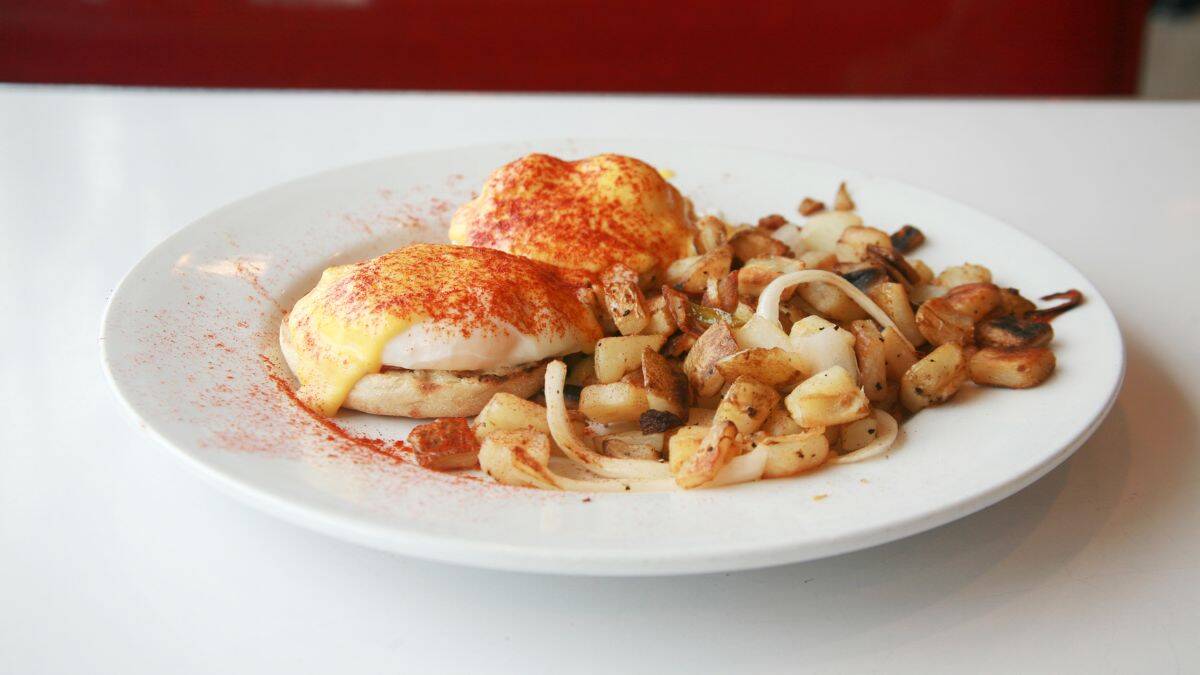
Eggs Benedict is a breakfast favorite, but chefs know it’s risky to order it in the afternoon. The hollandaise sauce needs to be kept at a safe temperature, and by late in the day, it may not be as fresh.
If it sits too long, the flavor and texture suffer. Chefs order it only in the morning when they know it’s freshly made. Timing makes a big difference with this dish. Food safety is always on their minds.
Pasta with Simple Tomato Sauce
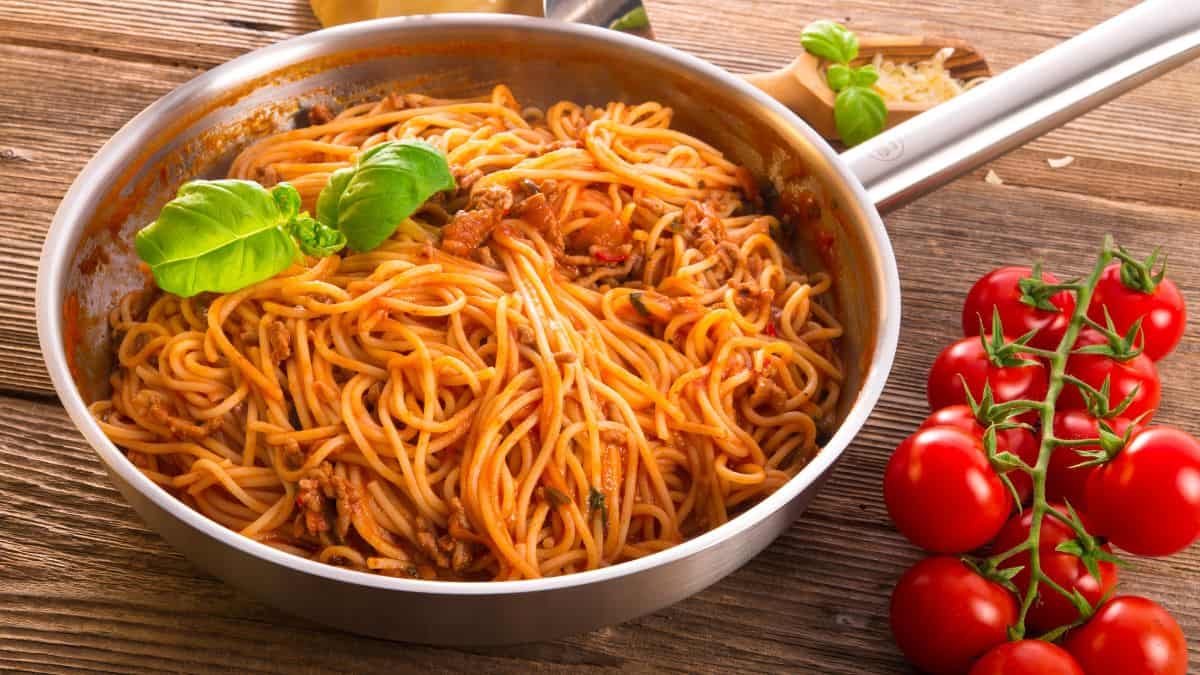
Chefs rarely order plain pasta with tomato sauce unless the restaurant is famous for it. They know it’s one of the cheapest and easiest dishes to make at home. In many places, it’s also one of the highest-markup items on the menu.
They’d rather order something more unique or difficult to make themselves. Pasta can be amazing, but only if the sauce and preparation stand out. For chefs, simple doesn’t always mean worth it.
Nachos at Certain Bars
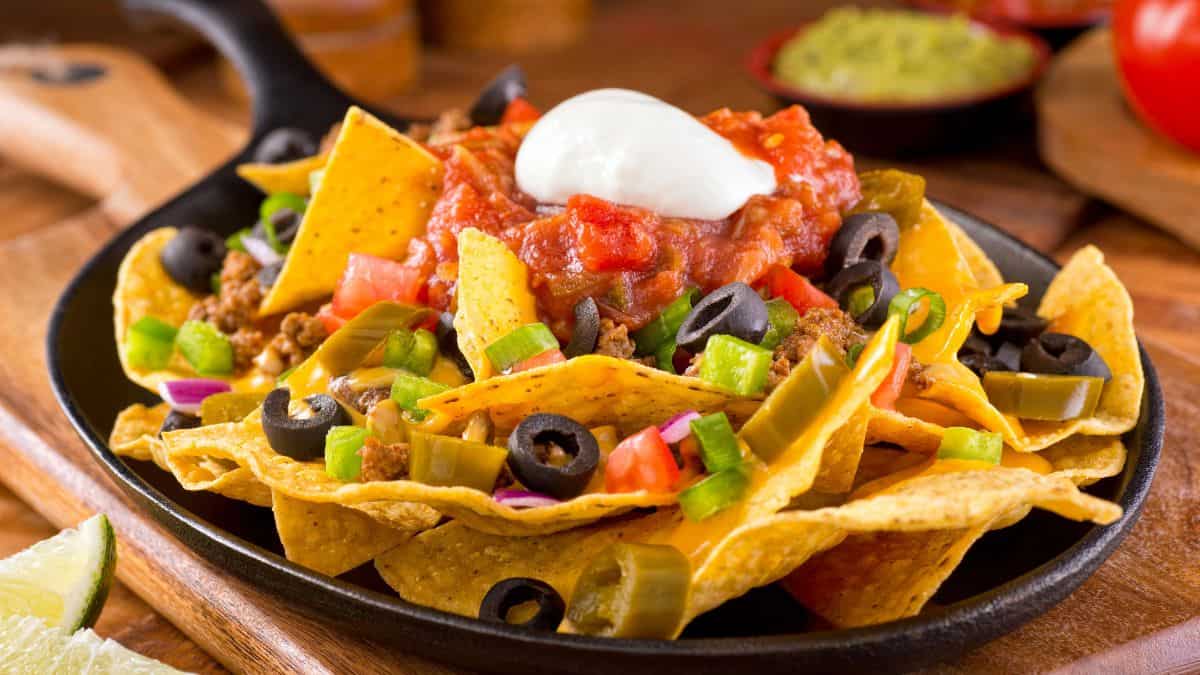
While nachos can be tasty, chefs know that bar nachos are often made with low-quality cheese and stale chips. The toppings may be uneven, with soggy parts in the middle and dry chips on the edges.
They’ve seen too many shortcuts taken in busy kitchens. Chefs prefer nachos made fresh with good ingredients. At bars, they might stick to other snacks instead. Quality control matters for even the simplest dishes.
Stuffed Chicken Dishes

Stuffed chicken can be tricky to cook evenly, and chefs know it often ends up dry or undercooked in spots. The fillings can also hide ingredients that aren’t fresh. Unless it’s from a restaurant they deeply trust, they skip it.
They’ve seen too many stuffed chicken dishes go wrong behind the scenes. Chefs would rather have chicken cooked simply but perfectly. The risk isn’t worth the reward for them.
Leave a Reply