
Eating habits play a significant role in how long and healthy people live. Many regions known for their longevity share common dietary practices, often centered around nutrient-dense, whole foods. These foods are rich in vitamins, minerals, and antioxidants, supporting overall well-being. Adding them to your diet can promote better health and may even contribute to a longer life.
Want to Save This Recipe?
Enter your email & I'll send it to your inbox. Plus, get great new recipes from me every week!
By submitting this form, you consent to receive emails from Blue's Best Life.
Leafy Greens
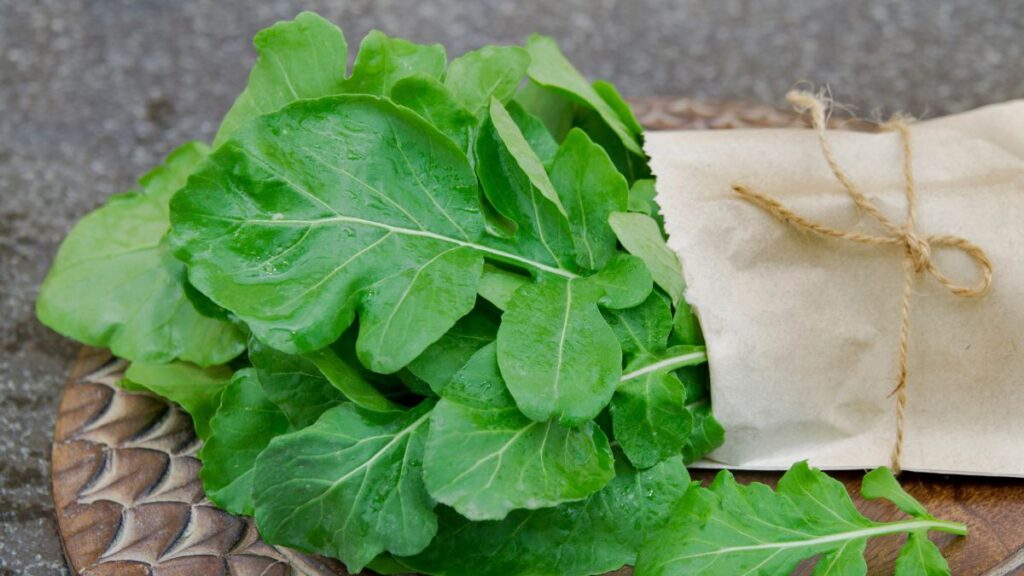
Spinach, kale, and other leafy greens are staples in longevity diets. These vegetables are packed with vitamins A, C, and K, as well as fiber and antioxidants. They help reduce inflammation and support heart health.
People who eat greens regularly often maintain a healthy weight and avoid chronic diseases. Their versatility makes them easy to include in meals like salads, soups, and smoothies.
Beans and Legumes
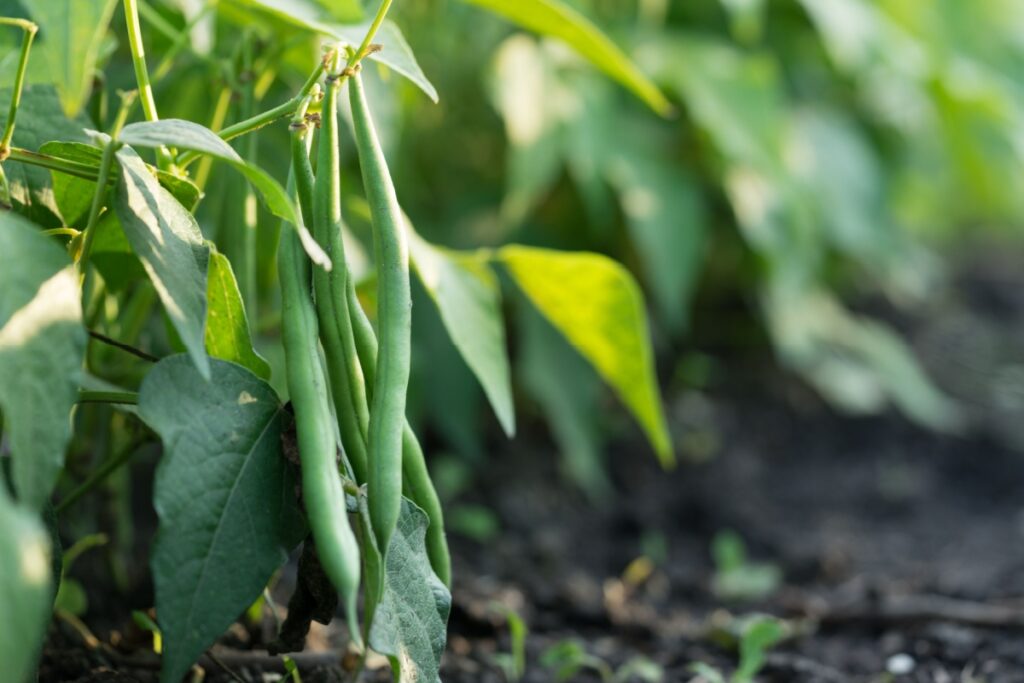
Beans, lentils, and chickpeas are nutrient-dense and affordable. They provide plant-based protein, fiber, and essential minerals like iron and magnesium. These foods are a key part of diets in regions with high life expectancy, such as the Mediterranean and Blue Zones. Regular consumption supports heart health and helps maintain steady blood sugar levels. They are also filling, making them ideal for weight management.
Berries
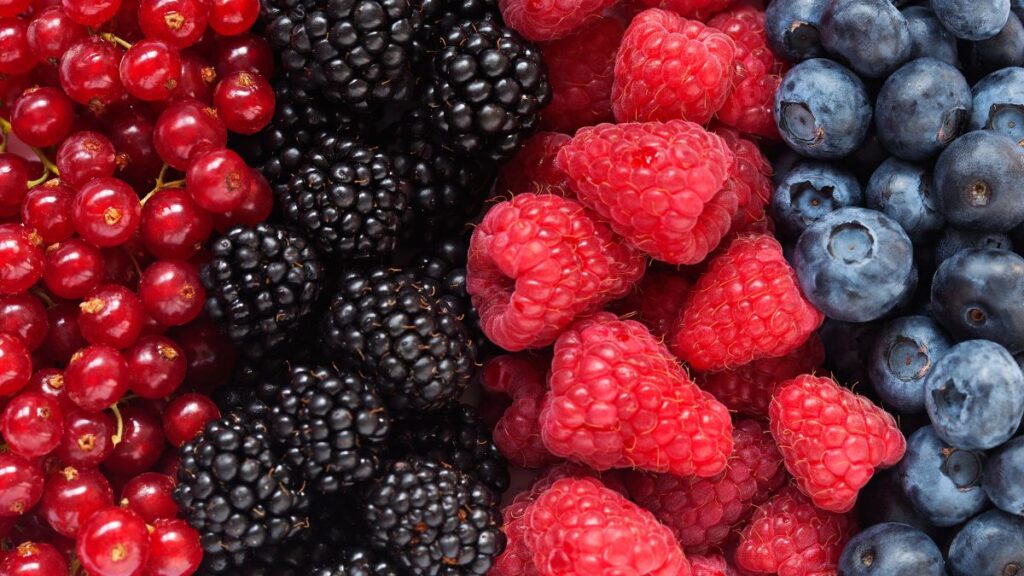
Strawberries, blueberries, and raspberries are rich in antioxidants and vitamins. These fruits help combat oxidative stress, a factor in aging and chronic diseases. Berries also support brain health and memory, particularly in older adults. Their natural sweetness makes them a healthy alternative to sugary snacks. You can enjoy them fresh, frozen, or as a topping for yogurt and oatmeal.
Nuts

Almonds, walnuts, and other nuts are excellent sources of healthy fats, protein, and vitamins. They support heart health by improving cholesterol levels and reducing inflammation. Nuts also provide energy, making them a great snack option. In longevity-focused diets, nuts are consumed in moderation due to their high-calorie content. Adding a handful to your daily routine can boost overall health.
Whole Grains

Brown rice, quinoa, and oats are nutritious whole grains that provide energy and fiber. They help regulate blood sugar levels and promote digestive health. These grains are also linked to reduced risks of heart disease and certain cancers. Including whole grains in meals keeps you full longer, preventing overeating. Swap refined grains for whole versions to maximize their benefits.
Olive Oil

Extra virgin olive oil is a cornerstone of Mediterranean diets. It contains monounsaturated fats and antioxidants, which support heart and brain health. Olive oil also has anti-inflammatory properties that benefit the entire body. Using it as a cooking oil or salad dressing is a simple way to incorporate it into your diet. This healthy fat enhances the flavor of many dishes.
Fatty Fish

Salmon, mackerel, and sardines are rich in omega-3 fatty acids. These nutrients are essential for heart, brain, and joint health. Eating fatty fish regularly reduces the risk of chronic conditions like heart disease and dementia. These fish are also a great source of high-quality protein. Baking or grilling them is a healthy preparation method.
Sweet Potatoes
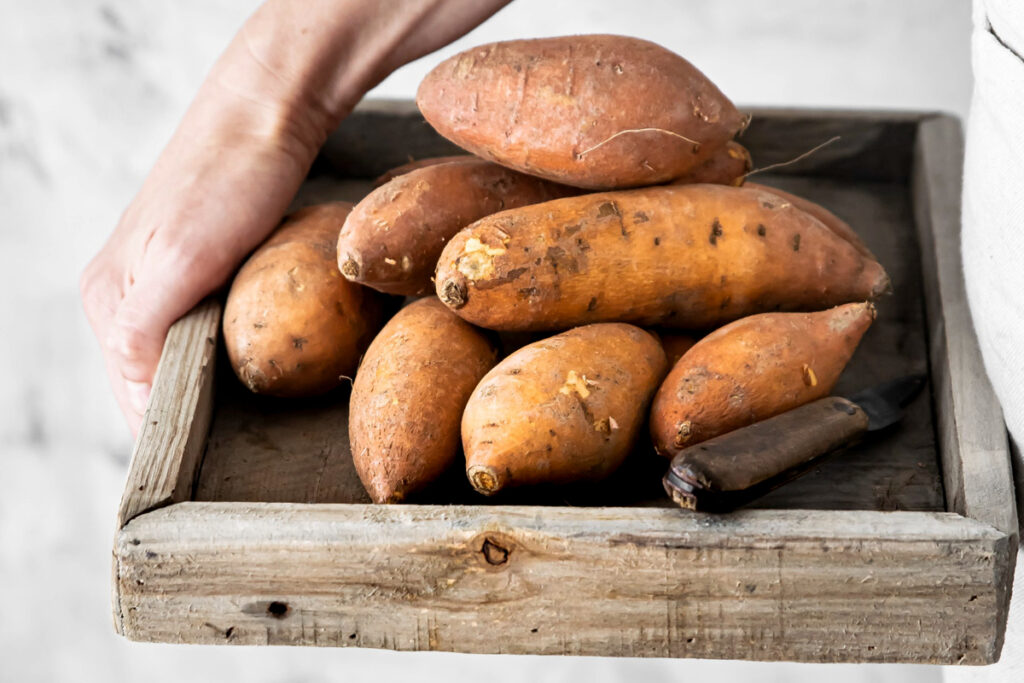
Sweet potatoes are a nutrient powerhouse, packed with vitamins A and C, fiber, and antioxidants. Their natural sweetness makes them satisfying and versatile in meals. They promote eye health, support the immune system and aid digestion. People in regions like Okinawa, known for longevity, eat sweet potatoes as a staple food. Enjoy them roasted, mashed, or in soups.
Garlic
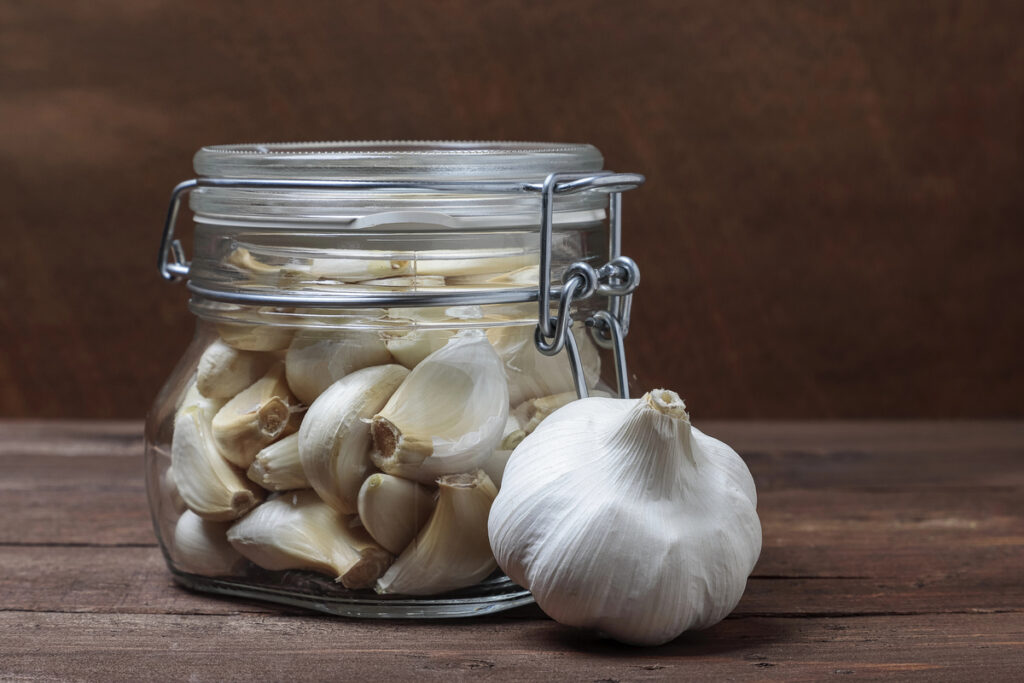
Garlic adds flavor while offering numerous health benefits. It has antibacterial, antiviral, and antifungal properties. Regular consumption supports immune health and reduces the risk of heart disease. Garlic also contains sulfur compounds that protect against cell damage. Adding fresh garlic to meals is an easy way to boost flavor and nutrition.
Green Tea

Green tea is a popular beverage in longevity-focused cultures. It contains powerful antioxidants called catechins, which reduce inflammation and support heart health. Drinking green tea regularly also aids digestion and may enhance brain function. Its low caffeine content makes it a good alternative to coffee. Sipping green tea throughout the day is a healthy hydration choice.
Fermented Foods

Kimchi, sauerkraut, and yogurt are fermented foods rich in probiotics. These foods improve gut health, which impacts overall well-being. A healthy gut supports the immune system and reduces inflammation. Fermented foods are also linked to better mental health and energy levels. Including a small portion of daily meals can promote digestive balance.
Tomatoes
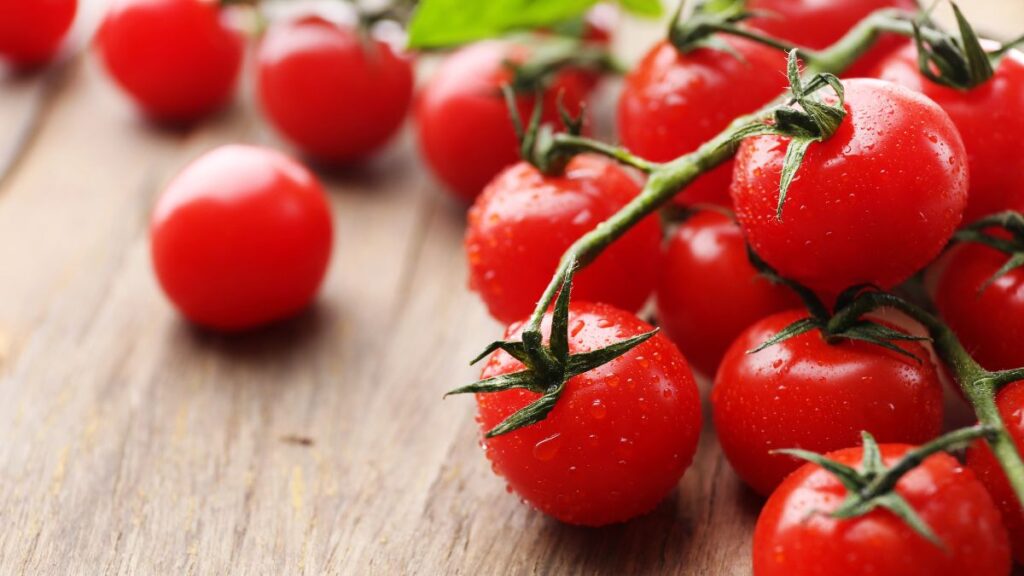
Tomatoes are a versatile food full of vitamins and the antioxidant lycopene. Lycopene helps protect against heart disease and certain cancers. Tomatoes also support skin health and vision. Cooking tomatoes enhances their nutritional value, making sauces and soups excellent choices. Fresh tomatoes are equally beneficial in salads and sandwiches.
Mushrooms
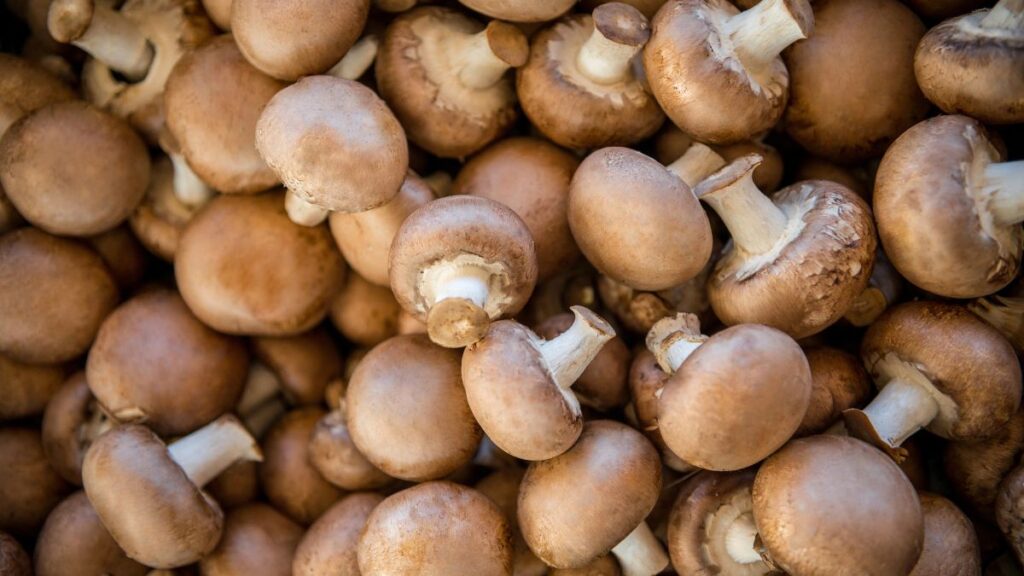
Mushrooms are nutrient-dense and low in calories. They contain vitamins, minerals, and antioxidants that support the immune system. Certain mushrooms, like shiitake and maitake, are known for their medicinal properties. Regular consumption may help reduce the risk of chronic diseases. Sautéed, roasted, or added to soups, mushrooms enhance any dish.
Citrus Fruits
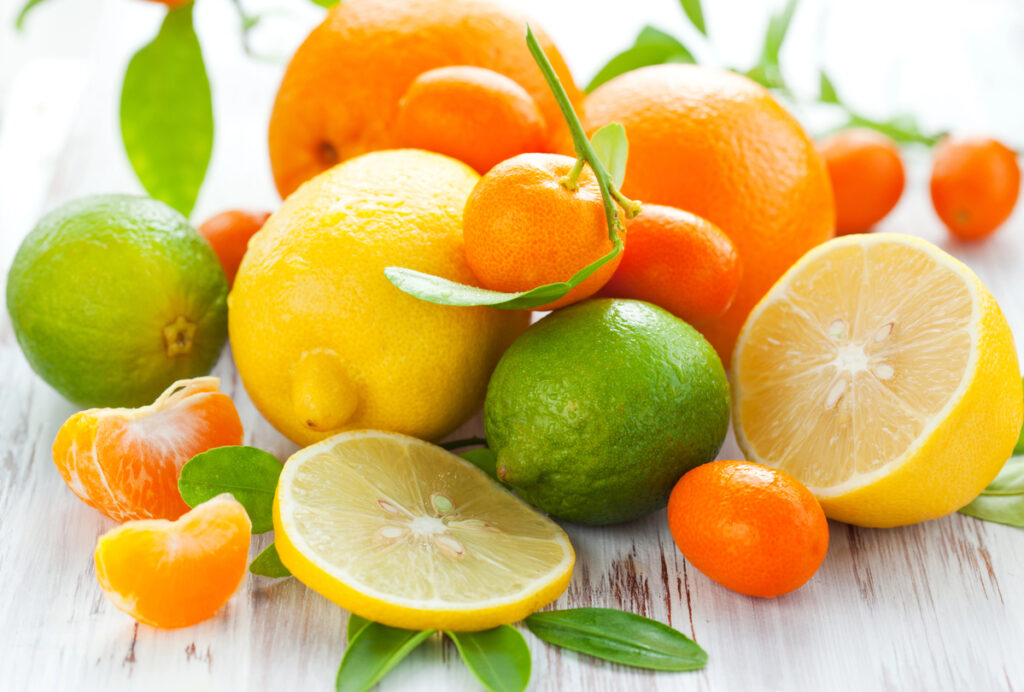
Oranges, lemons, and grapefruits are packed with vitamin C and other nutrients. They boost the immune system and support skin health. These fruits also provide hydration and aid digestion. Citrus fruits are a refreshing snack or addition to meals. Using their juice in dressings and marinades enhances flavor while adding nutritional benefits.
Seaweed
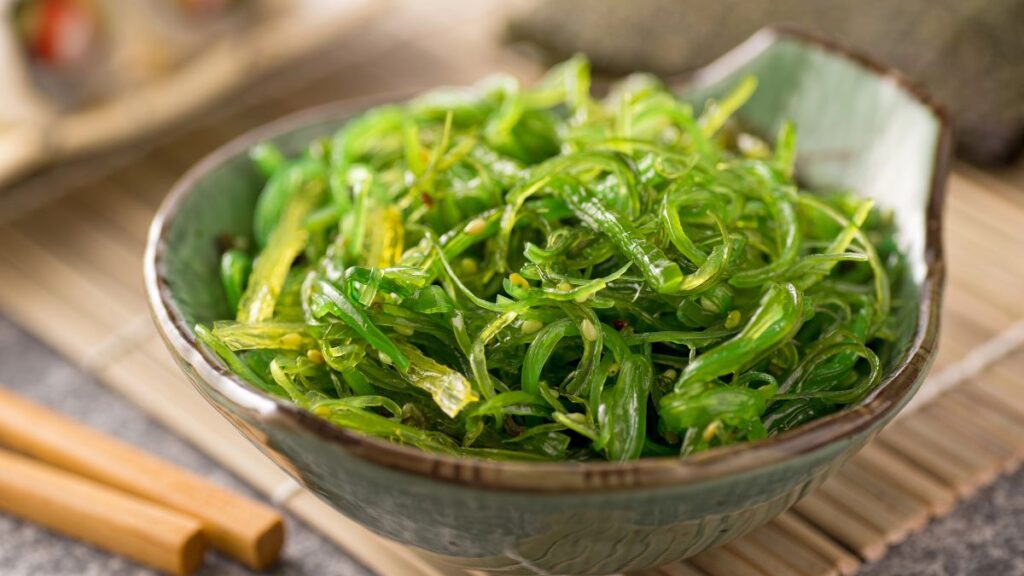
Seaweed is a staple in Japanese diets, known for its high life expectancy. It contains iodine, essential for thyroid health, and other trace minerals. Seaweed also provides antioxidants that protect against cell damage. Its fiber content supports digestion and helps maintain a healthy weight. Adding seaweed to soups, salads, or snacks is a unique way to improve nutrition.
Related: 15 Clever Hacks To Reduce That Never-Ending Grocery Bill

Managing grocery expenses can be challenging for many households, especially with rising food costs and fluctuating budgets.
However, with some creativity and resourcefulness, you can implement numerous clever hacks to reduce your never-ending grocery bill without sacrificing the quality or variety of your meals.




Leave a Reply