
Mixology is often celebrated as an art form, with bartenders worldwide crafting “signature” cocktails that offer unique flavor profiles and memorable drinking experiences. But if you’ve ever spent a night out ordering one creative concoction after another, you may have noticed a surprising truth: many of these drinks actually taste quite similar.
Want to Save This Recipe?
Enter your email & I'll send it to your inbox. Plus, get great new recipes from me every week!
By submitting this form, you consent to receive emails from Blue's Best Life.
Behind the fancy garnishes, exotic names, and stylish glassware, common flavor bases often dominate the experience. Sweetness from syrups, citrus notes, or the boldness of strong liquors tends to overshadow whatever unusual ingredient is supposed to stand out.
While the presentation is always eye-catching, the taste can blur into something familiar. Let’s explore a group of popular signature cocktails that often leave you wondering whether you’ve been drinking the same thing all along.
The Overuse of Citrus in Cocktails
It’s no secret that lime and lemon are two of the most overused ingredients in the cocktail world. From mojitos to margaritas, and even in upscale craft cocktails, citrus provides a punchy base that bartenders lean on heavily. While it certainly balances sweetness and sharpness, the result is that so many drinks end up with the same tangy undertone.
Even when mixed with herbs, bitters, or unique syrups, the citrus note dominates and makes one cocktail blend into another. Many bartenders say citrus is essential, but it can make it hard for the customer to distinguish between drinks. For more about why citrus dominates cocktail menus, you can explore this overview of citrus in mixology.
The Sweet Trap of Simple Syrup
Simple syrup is often the backbone of countless cocktails, from classics like the daiquiri to custom house drinks. It balances bitterness and adds body, but it also makes everything taste sweet in the same way. You might order a specialty cocktail with exotic liqueurs and rare fruit, but those subtle flavors get buried once the sugar kicks in.
The palate remembers the sugar more than anything else, so the drink feels interchangeable with dozens of others. While sweetness can make cocktails approachable, it also robs them of distinction. When every glass carries the same sugary punch, creativity feels less exciting.
Vodka as the Blank Canvas
Vodka is one of the most common bases in “signature” cocktails, which is why many of them taste alike. Because vodka is neutral, bartenders lean on mixers, fruit juices, or syrups to give the drink its identity. But those mixers are usually the same, cranberry, pineapple, orange, or lemon-lime soda, so the results overlap heavily.
The vodka tonic, vodka cranberry, and countless variations of martinis blur together on the palate. You think you’re trying something bold and inventive, but the neutral liquor paired with standard mixers makes it hard to taste a difference. Vodka’s versatility is a strength, but it also creates monotony.
The Gin and Tonic Problem
Gin is often celebrated for its botanicals, but in many signature cocktails, its distinctive taste is drowned out by tonic or citrus. Bars like to advertise custom gin drinks with lavender, basil, or cucumber, yet once mixed, they taste like a slightly flavored gin and tonic.
That’s not necessarily bad, but you could order three “unique” drinks and walk away remembering only the tonic bite. The herbal notes rarely shine as they should, leaving everything with the same fizzy bitterness. Even when gin is presented as “craft” or “premium,” the overall drink can feel repetitive. In the end, they become variations on a very familiar theme.
Margaritas in Disguise
It’s hard to deny that margaritas are delicious, but many bars present drinks that are essentially margaritas with a twist. Swap out lime for grapefruit, add a flavored salt rim, or drop in some jalapeño slices, and you’ve got what the menu calls a signature cocktail. The problem is that no matter what’s added, the core taste is tequila, citrus, and sweetness.
That means a watermelon margarita doesn’t taste dramatically different from a blood orange one. These slight variations can feel more like rebranding than true originality. The result is that margarita-style cocktails dominate menus without much variety in flavor.
Mojito Look-Alikes
The mojito has inspired countless spin-offs, but the truth is they nearly all taste the same. Mint, lime, and sugar dominate, and the rum base doesn’t have a strong enough character to push through the familiar blend. Even when berries, herbs, or flavored rums are added, the refreshing mint-lime balance overshadows everything else.
That means whether it’s a blueberry mojito, a mango mojito, or a passionfruit mojito, the taste experience hardly changes. Bars rely on this because it’s a crowd-pleaser, but it leaves adventurous drinkers underwhelmed. In the end, the mojito formula rarely escapes its predictable path.
The Illusion of Exotic Liqueurs
Signature cocktails often highlight rare or exotic liqueurs as their key differentiator. You’ll see drinks boasting elderflower, amaro, or crème de cassis, but in practice, those ingredients are usually overshadowed by citrus or sugar. The subtle complexities of these liqueurs are lost in a sea of familiar notes.
Many customers can’t even identify the “special” ingredient because the dominant flavors are the same ones they taste in every other drink. While it makes a cocktail sound unique on paper, the actual sip is rarely groundbreaking. The illusion of difference sells the drink, but the experience doesn’t follow through.
Overreliance on Bitters
Bitters are another trendy tool that bartenders rely on to give cocktails depth. However, they’re so concentrated, they often overpower other flavors similarly. Angostura, orange bitters, or herbal blends tend to leave a sharp, medicinal aftertaste that can blur distinctions between drinks.
Once bitters become the signature element, everything takes on that same spicy or herbal finish. This creates an effect where otherwise distinct cocktails suddenly taste connected. Instead of opening new flavor doors, bitters can end up shutting them.
Fruit Juice Overload
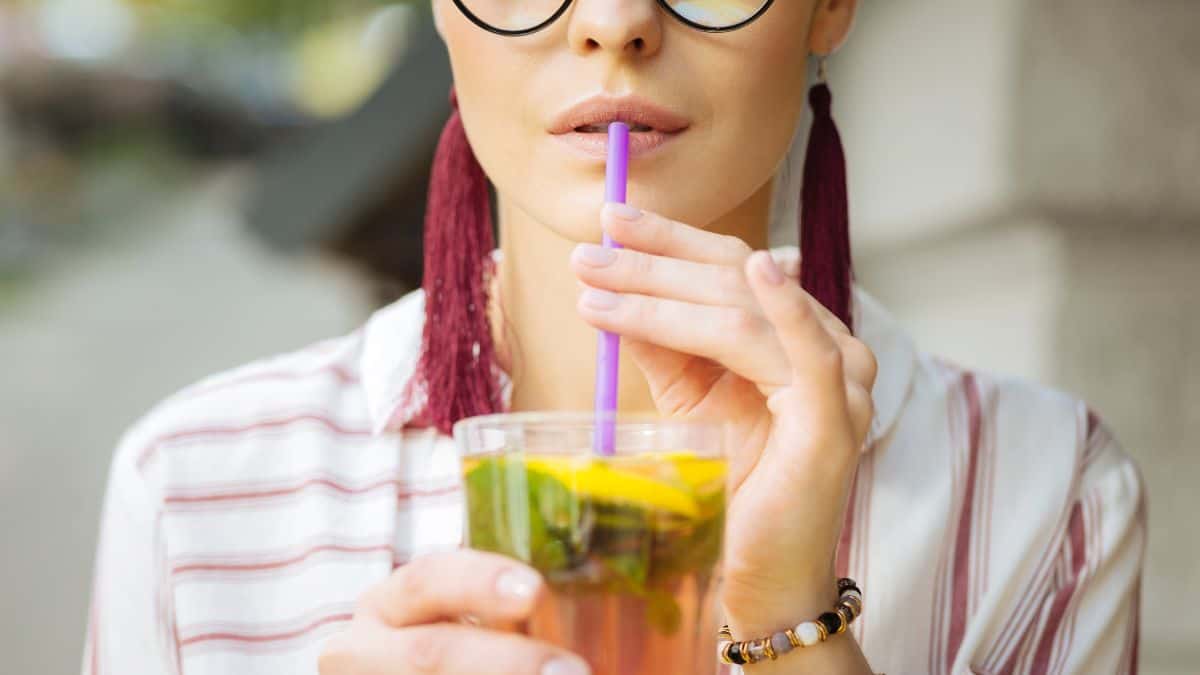
Fresh fruit juice is often marketed as what makes a cocktail unique, but it rarely does. Orange, cranberry, pineapple, and grapefruit juice appear everywhere, and their bold flavors tend to dominate. Even when fresh-squeezed, they add a sweetness and acidity that smothers subtler ingredients.
A cocktail with cranberry juice doesn’t feel wildly different whether the base is vodka, rum, or gin. You may get slight changes in texture or aftertaste, but the primary impression is the fruit juice. This reliance on the same juices makes many cocktails taste nearly identical.
Champagne and Sparkling Mixes
Sparkling cocktails sound glamorous, but the fizz often becomes the defining characteristic, no matter what else is added. Champagne, prosecco, or club soda provides bubbles that lighten the drink, but they also dilute and flatten complex flavors.
Add some fruit puree or liqueur; you’ve got what looks new on the menu but tastes like a mimosa variation. This is why signature sparkling cocktails across bars can feel repetitive. The sparkle is fun, but the taste doesn’t evolve much. A Bellini, Kir Royale, or any custom sparkling mix tends to blur into one category.
The Whiskey Sour Copycats
Whiskey sours have inspired countless imitations, but they all lean heavily on the same whiskey, lemon, and sugar balance. Swap in bourbon, rye, or flavored syrups, and you get a slightly adjusted version of the same tart-sweet base.
Many bars try to pass these as house specialties, but in reality, they echo the same formula over and over. Egg whites or bitters may alter texture and finish, yet the dominant flavor remains consistent. For whiskey fans, this is comforting, but for seekers of originality, it’s repetitive. The sour structure doesn’t leave much room for surprise.
Frozen Cocktail Uniformity
Frozen cocktails look wildly different, but once blended, they nearly all taste like sweet slush with a hint of liquor. The icy texture dulls flavor nuances, and sugar becomes the main experience. Whether it’s a frozen margarita, a strawberry daiquiri, or a tropical blend, the core taste is sugary and cold.
This is why so many frozen options feel like variations on the same dessert-like drink. Presentation and color may vary, but the palate recognizes the same pattern. Frozen cocktails sell well, but they rarely deliver originality.
Espresso Martini Mania
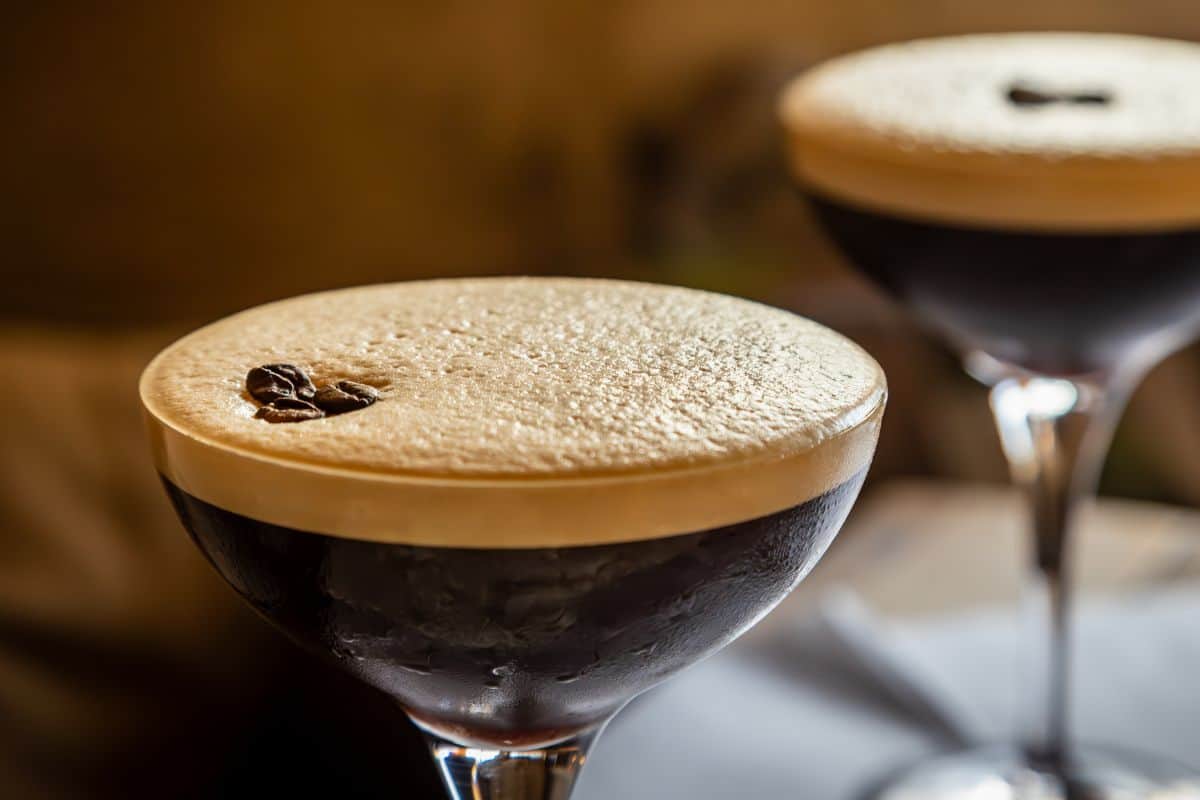
The espresso martini has had a huge comeback, creating a new sameness problem. Any cocktail that leans on coffee for its main flavor will dominate the palate with bitterness and roasted notes. Whether combined with vanilla vodka, hazelnut liqueur, or chocolate syrup, the drink is always a coffee-forward experience.
This makes all the supposed variations taste nearly identical. It may feel sophisticated, but in practice, you could swap one for another and not notice. Coffee as a base ingredient tends to drown out every other nuance.
Herbal Overlap in Signature Drinks
Bars often use rosemary, basil, or thyme to stand out. However, when combined with citrus and sugar, these herbs have a very similar role across cocktails. They provide an aromatic accent but don’t dramatically alter the core flavor.
A rosemary gin fizz doesn’t taste wildly different from a basil-infused vodka sour. These touches feel special in theory but fade in practice. Herbs enhance cocktails, but they rarely transform them enough to create a truly unique experience.
Craft Cocktail Sameness
The rise of craft cocktails promised innovation, yet many bars now serve menus filled with drinks that taste surprisingly alike. Bartenders lean on the same trusted formulas: citrus, sugar, vodka, gin, and bitters. They change the names, add creative garnishes, and describe them with poetic flair, but the flavor is familiar.
Customers may not notice on the first order, but the repetition becomes clear by the third or fourth drink. It’s not that these drinks are bad—they’re often delicious, but they don’t live up to the promise of uniqueness. Instead, they create an illusion of diversity while offering nearly the same experience.



Leave a Reply