
Washing food before eating is a simple step that protects you from harmful bacteria, pesticides, and other unwanted residues. While some foods don’t need rinsing, others benefit greatly from a quick wash under water.
Want to Save This Recipe?
Enter your email & I'll send it to your inbox. Plus, get great new recipes from me every week!
By submitting this form, you consent to receive emails from Blue's Best Life.
This can be especially important with fresh produce, as it often carries dirt and chemicals from the growing and handling. From fruits and vegetables to grains, certain foods are best washed before you enjoy them. Here are common foods you should always wash to keep your meals clean and safe.
Apples
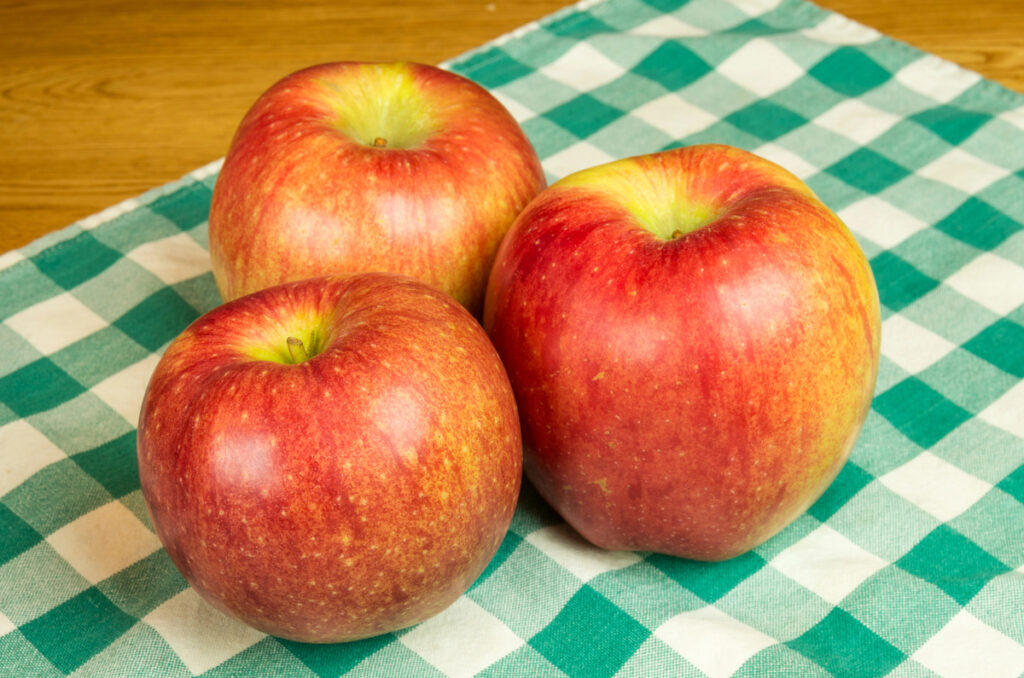
Apples may look shiny and clean at the store, but they’re often coated with a layer of wax to preserve freshness. This wax traps pesticides and other residues, which can linger on the skin.
A quick rinse under running water helps remove this coating and any lingering chemicals. If you prefer, you can use a soft brush to scrub the surface gently. Washing apples also reduces the risk of consuming dirt and bacteria. For the freshest taste and safest snack, a rinse is the way to go.
Lettuce
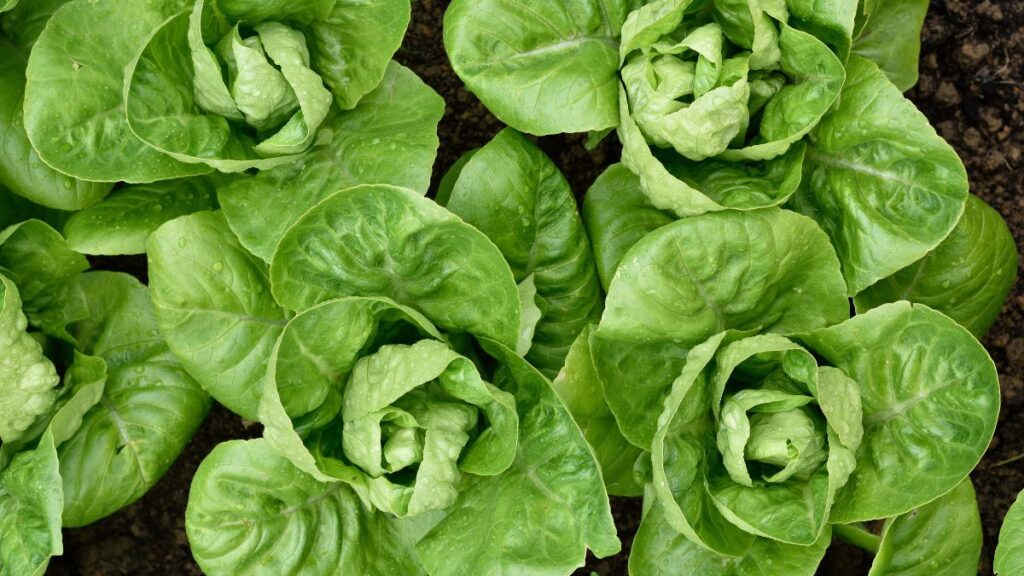
Lettuce, like many leafy greens, can harbor dirt, insects, and bacteria in its folds. Even pre-washed or “ready-to-eat” varieties can still carry contaminants. Rinse each leaf thoroughly under cold water, especially the outer ones.
For a thorough clean, consider soaking lettuce leaves in a bowl of water with a splash of vinegar. After rinsing, use a salad spinner or paper towel to dry the leaves. This will help remove any leftover dirt and ensure the lettuce is fresh and safe to eat.
Strawberries
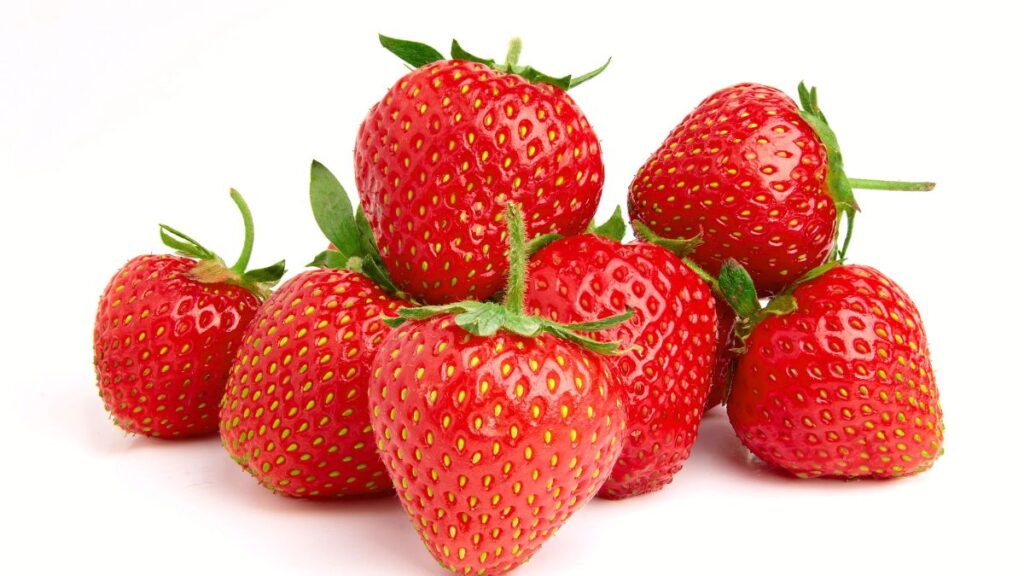
Strawberries grow close to the ground, so they’re often covered in dirt and pesticides. These soft fruits should be rinsed just before eating to keep them fresh and prevent mold. Place strawberries in a colander and gently rinse them under cool water.
Don’t soak them, as they can absorb water and become mushy. Washing strawberries is a quick way to eliminate harmful residues without compromising their taste. You’ll get a cleaner, more enjoyable bite each time.
Grapes
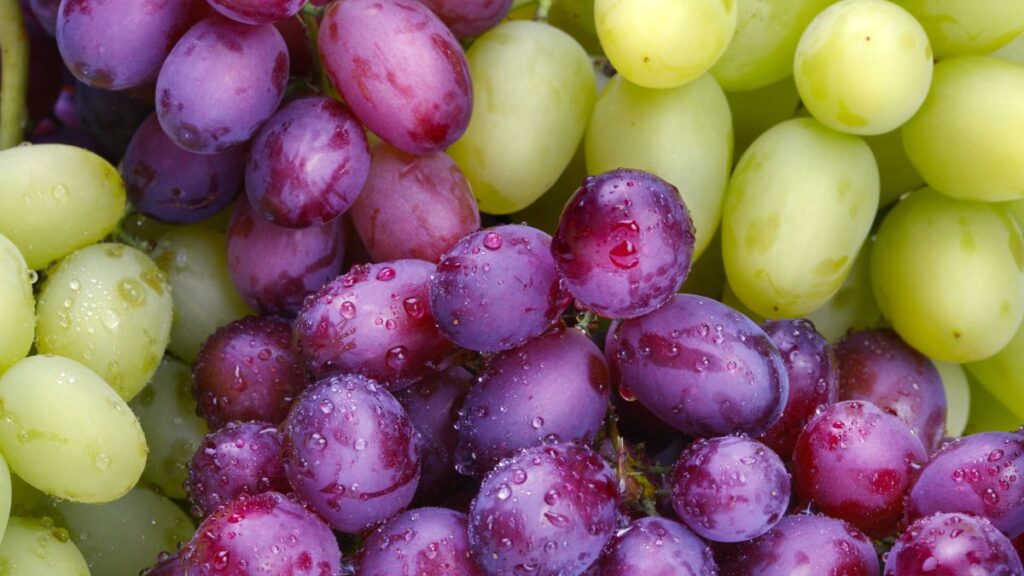
Grapes are often covered with a powdery residue visible on the skin. This can be a mix of pesticides, dust, and natural blooms. Before eating, place grapes in a colander and rinse them thoroughly under running water.
Swish them around to remove any clinging dirt or chemicals. Avoid washing grapes in advance, as moisture can lead to mold and spoilage. A quick rinse right before you eat them ensures they’re fresh and clean.
Potatoes
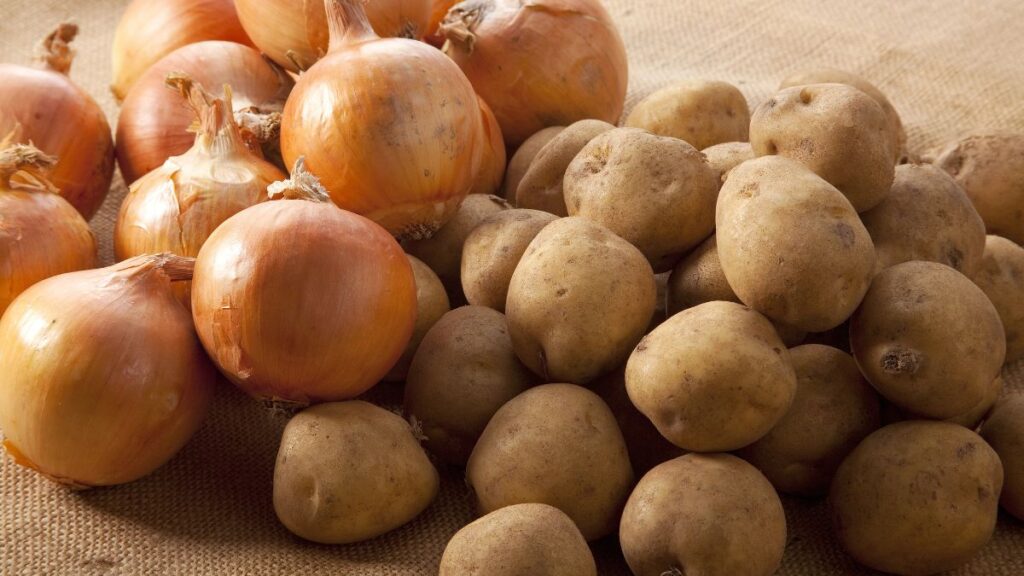
Even if you plan to peel potatoes, washing them first is a good idea. Potatoes grow underground, so they’re typically covered in dirt and can have bacterial residue. Use a scrub brush to clean the skin under running water, as this will remove more than just a rinse alone.
Washing is especially important if you’re eating the skin, as that’s where a lot of nutrients are found. Clean potatoes help keep your kitchen surfaces free from dirt and bacteria as well.
Tomatoes
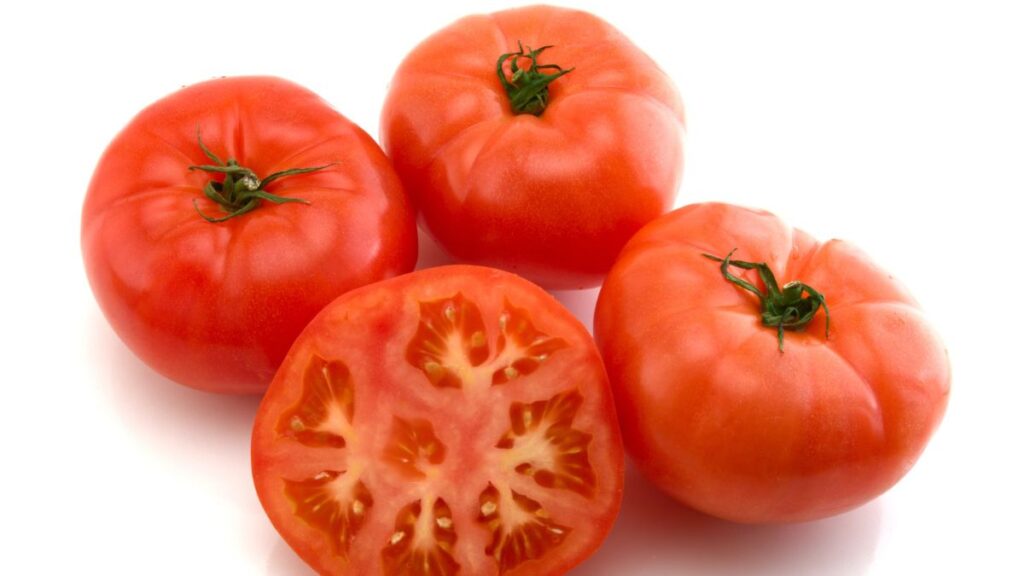
Tomatoes are often sprayed with pesticides during their growth, so rinsing them before eating is essential. Hold each tomato under running water and gently rub its surface. This will remove dirt, pesticides, and any wax coating that may be present.
If you’re preparing tomatoes for cooking, wash them first to ensure clean ingredients. Skipping this step can introduce unwanted chemicals into your meal. A quick rinse helps retain their natural flavor without the risk of contamination.
Spinach
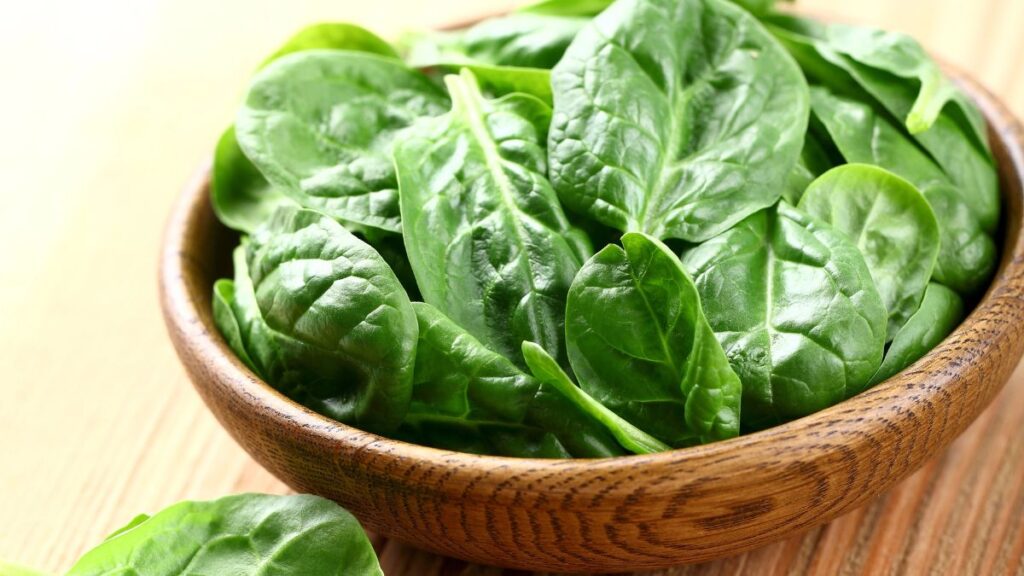
Spinach can trap a surprising amount of dirt and grit in its leaves. Rinsing spinach leaves thoroughly under cold water helps remove these particles, as well as any residual pesticides. For a more thorough clean, soak the leaves in a bowl of water, swish them around, and then drain.
Repeat until no dirt is visible in the water. Washing spinach also reduces the risk of foodborne illness from bacteria like E. coli. Clean spinach makes for a safer and tastier addition to salads, smoothies, and other dishes.
Rice
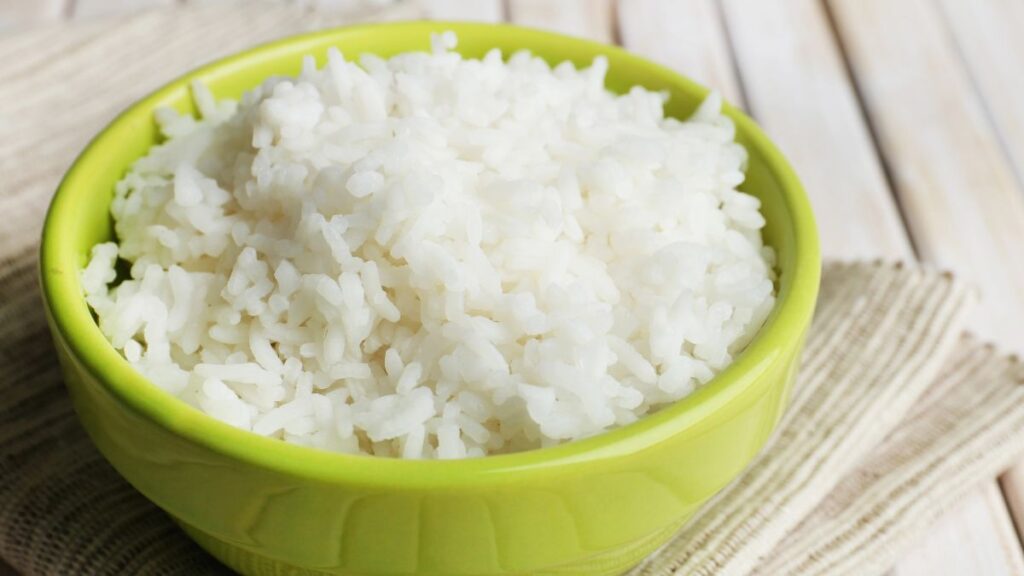
Rinsing rice is especially important if you want fluffy, non-sticky grains. Raw rice often has a coating of starch dust that can make it clump together when cooked. Rinsing removes this excess starch and also washes away any impurities.
Place rice in a bowl, cover it with water, and swirl it around before draining. Repeat until the water runs clear. Washing rice improves its texture and taste, making it an essential step before cooking.
Bell Peppers
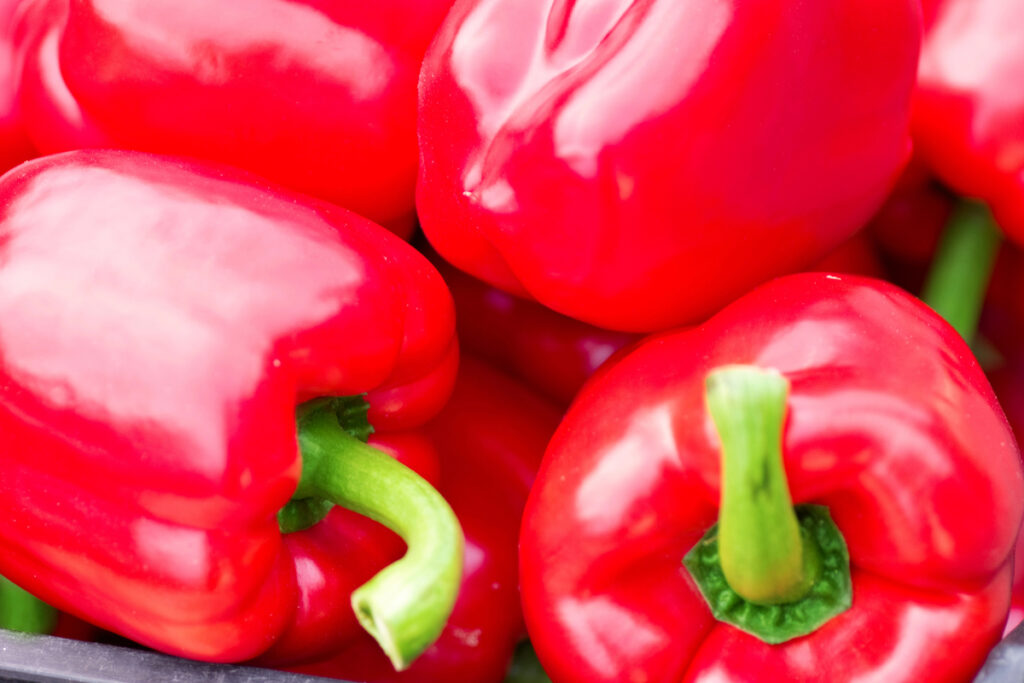
Bell peppers have a smooth, waxy surface that can attract and hold pesticides. Rinse them under running water and scrub gently to remove any chemical residue. Be sure to wash around the stem and inside, as dirt and bugs can hide in those areas.
Washing bell peppers also helps remove any bacteria present on the surface. Whether you’re slicing them for a salad or roasting them whole, a quick rinse goes a long way.
Celery
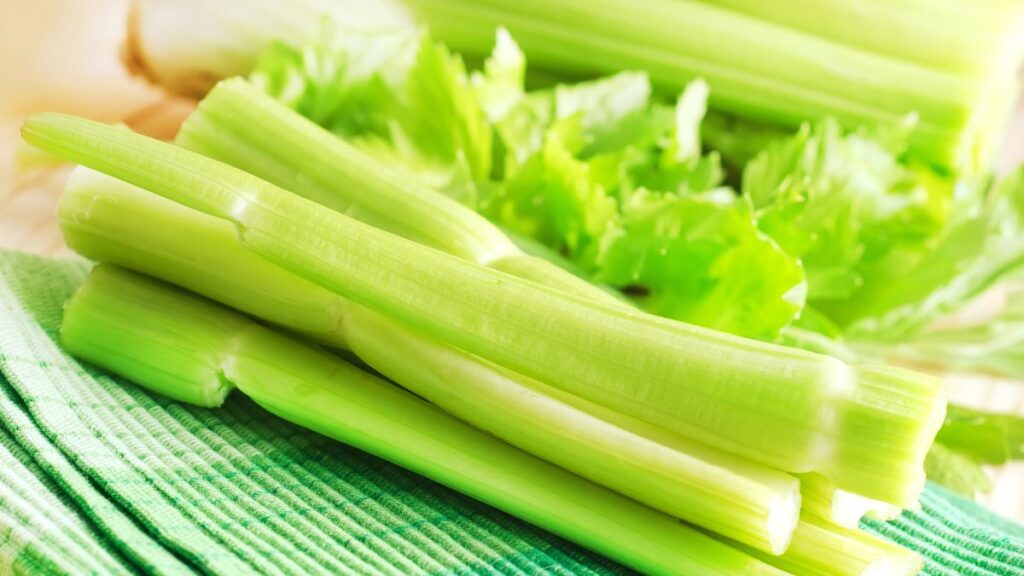
Celery has crevices that can trap dirt and bacteria, especially around the base of the stalks. Before chopping, rinse each stalk under running water to wash away contaminants. You can also use a vegetable brush to scrub the stalks if needed.
Washing celery is crucial, as you’re likely eating it raw in salads or as a snack. A quick rinse ensures it’s clean, crisp, and ready to eat.
Cucumbers
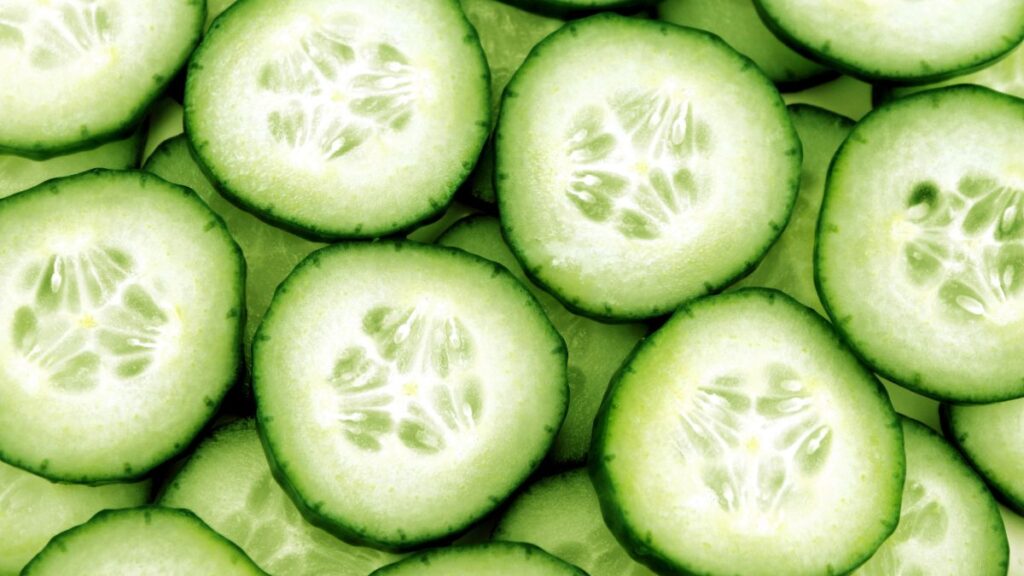
Cucumbers are another vegetable that often has a waxy coating, which can trap pesticides. Rinse them thoroughly under running water, and if desired, use a vegetable brush to scrub the skin.
Wash is even more important if you prefer to eat cucumbers with the peel. Clean cucumbers are not only safer but also more refreshing and crunchy. Rinse before slicing for the best taste and cleanliness.
Blueberries
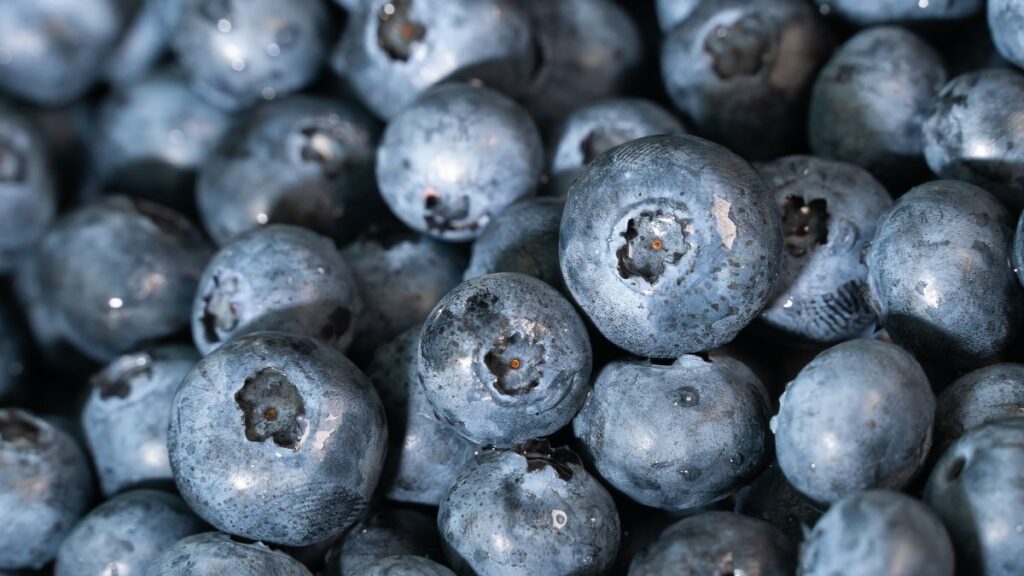
Blueberries may appear clean but can carry pesticides, dirt, and bacteria from the farm. Before eating, place them in a colander and rinse under cool, running water.
Swirl them around to remove any dirt or residue, but avoid soaking, as blueberries can absorb water. A quick rinse right before you eat them keeps them fresh and safe. Washing enhances their flavor, making your snack both tasty and clean.
Oranges
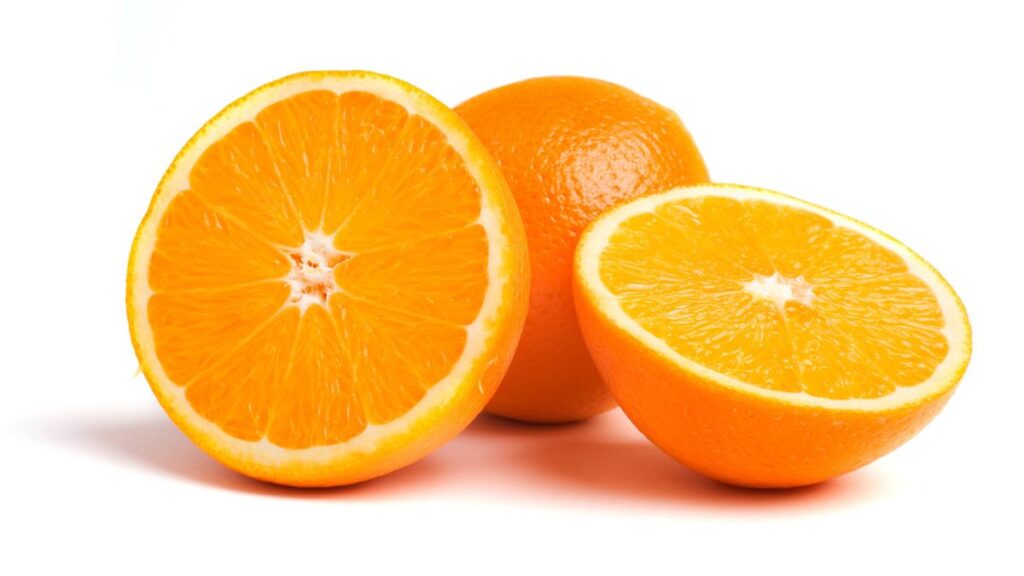
Although you don’t eat the peel, washing oranges is still a good idea. When you cut into an unwashed orange, dirt, and bacteria from the peel can transfer to the fruit inside. Rinse oranges under water and rub the peel to remove wax and pesticides.
This is especially important if you’re using the zest in cooking. Clean oranges are fresher, safer, and free from outside contamination.
Broccoli
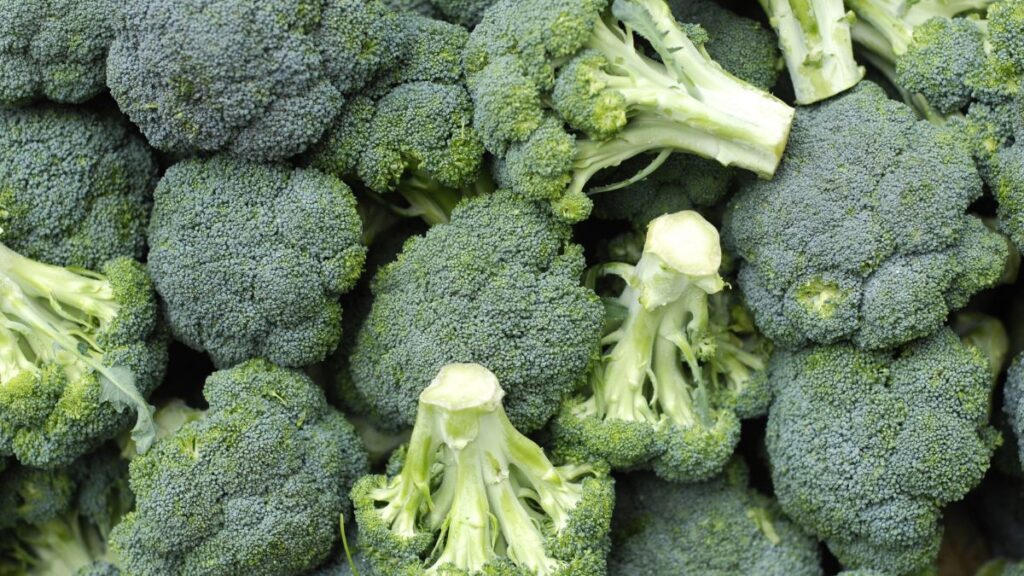
Broccoli has many little nooks where dirt, bugs, and pesticides can hide. Rinse broccoli thoroughly under running water, focusing on each floret. For a more thorough clean, soak it in a bowl of water with a little vinegar, then rinse.
This helps eliminate any bacteria or residue. Washing broccoli ensures a clean, healthy meal addition, especially if you’re enjoying it raw.
Kale
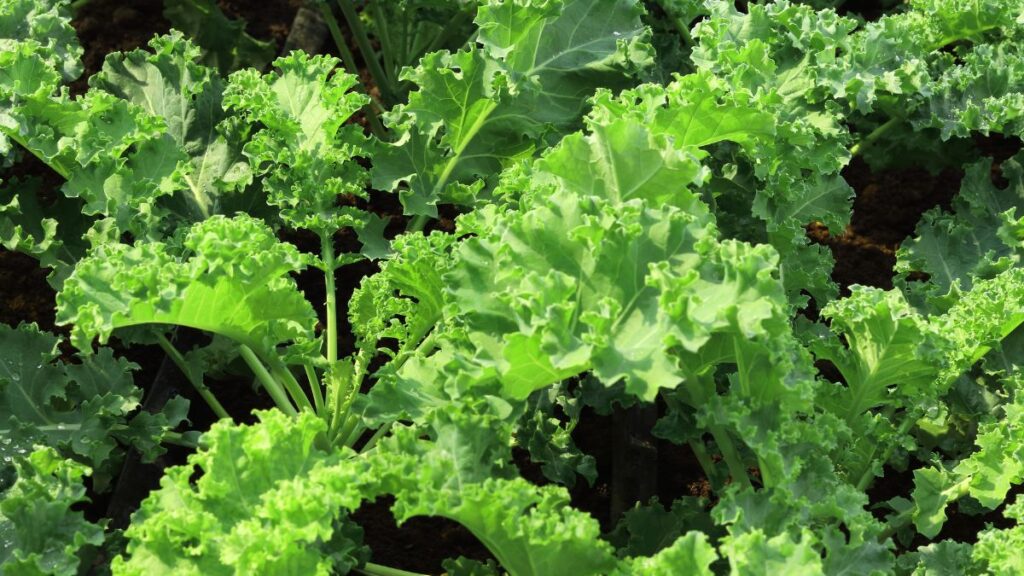
Kale’s curly leaves can trap dirt, bugs, and pesticides, so rinsing is essential. Wash each leaf under running water, scrubbing gently to remove any hidden residue. A soak in a water bowl also helps loosen grit trapped in the folds.
Dry kale thoroughly with a salad spinner or paper towels. Clean kale is a healthier, more enjoyable addition to smoothies, salads, and side dishes.
Leave a Reply