
Cooking with flowers isn't just something fancy chefs do at high-end restaurants. Many flowers are both beautiful and edible, adding unique flavors, colors, and aromas to everyday dishes.
Want to Save This Recipe?
Enter your email & I'll send it to your inbox. Plus, get great new recipes from me every week!
By submitting this form, you consent to receive emails from Blue's Best Life.
Edible flowers may improve your meals in ways you never would have thought possible, whether you are using them as a salad garnish, in desserts, or stirred drinks.
These are 15 unexpected flowers that you probably never would have thought to use in cooking, along with some wonderful culinary ideas they can inspire.
Lavender
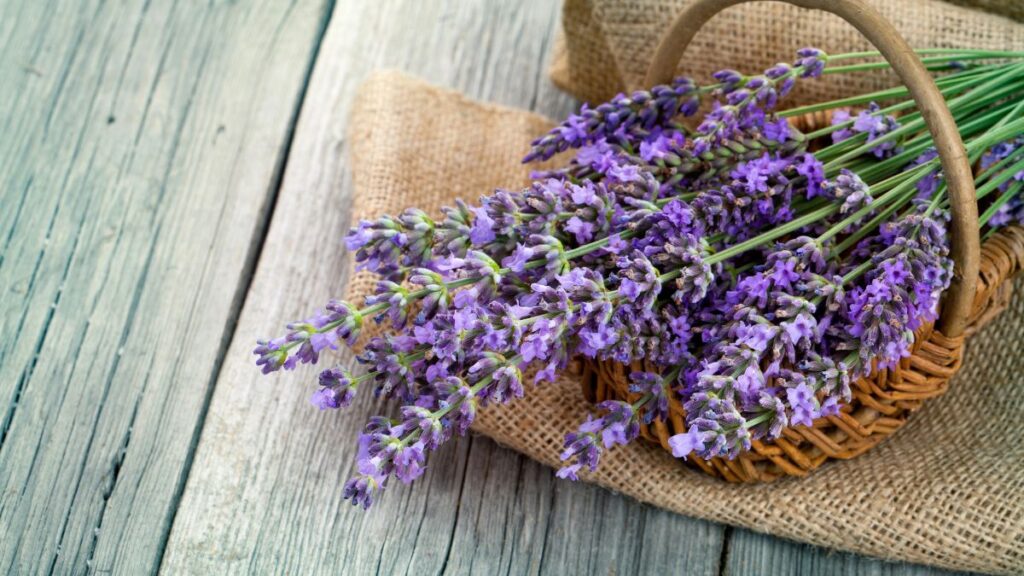
Lavender is often used in aromatherapy, but it’s also a wonderful addition to dishes. Its floral and slightly sweet flavor works perfectly in both sweet and savory recipes. You can use lavender to make cookies, scones, and even ice cream.
Try sprinkling dried lavender over roasted chicken or infusing it into sugar for baking. Its fragrance not only boosts flavor but also makes your kitchen smell incredible. Just be sure to use culinary-grade lavender for cooking to avoid any bitterness.
Hibiscus
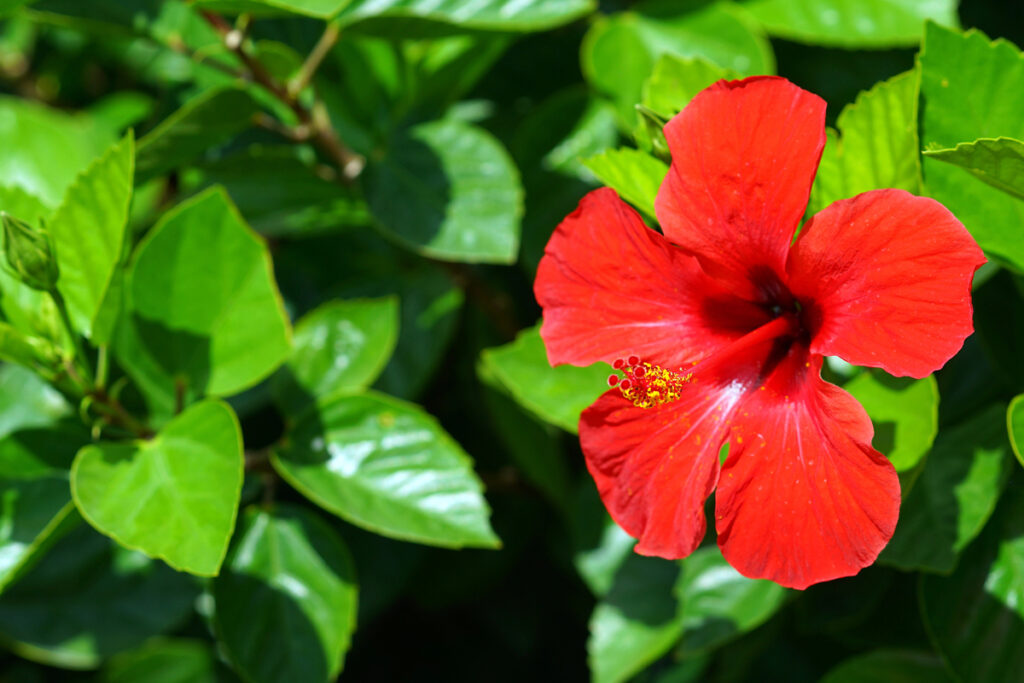
Hibiscus flowers are famous for their tart, cranberry-like flavor. They are often used in teas and cold beverages, adding a bright red hue to drinks. But hibiscus isn’t just for sipping! You can use dried hibiscus flowers in jellies, sauces, or even baked goods.
The tangy flavor pairs well with meats like pork or chicken, cutting through the richness of the dish. Hibiscus can also be added to jams for a burst of floral acidity.
Nasturtium
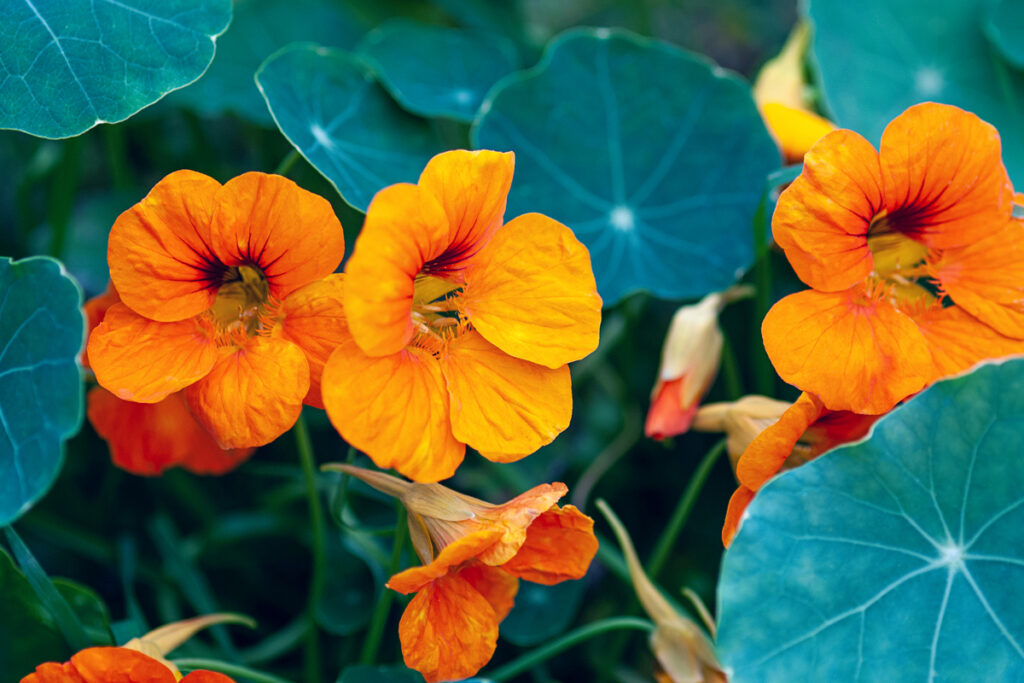
Nasturtiums are one of the most common edible flowers, known for their peppery flavor. Their leaves and flowers both make excellent additions to salads. You can also stuff the flowers with cream cheese or goat cheese for a delightful appetizer.
The bright blooms add vibrant color to any plate, making your dish look as good as it tastes. Their peppery kick works well in savory dishes and pairs perfectly with fresh vegetables. Plus, they’re super easy to grow in your backyard!
Violets
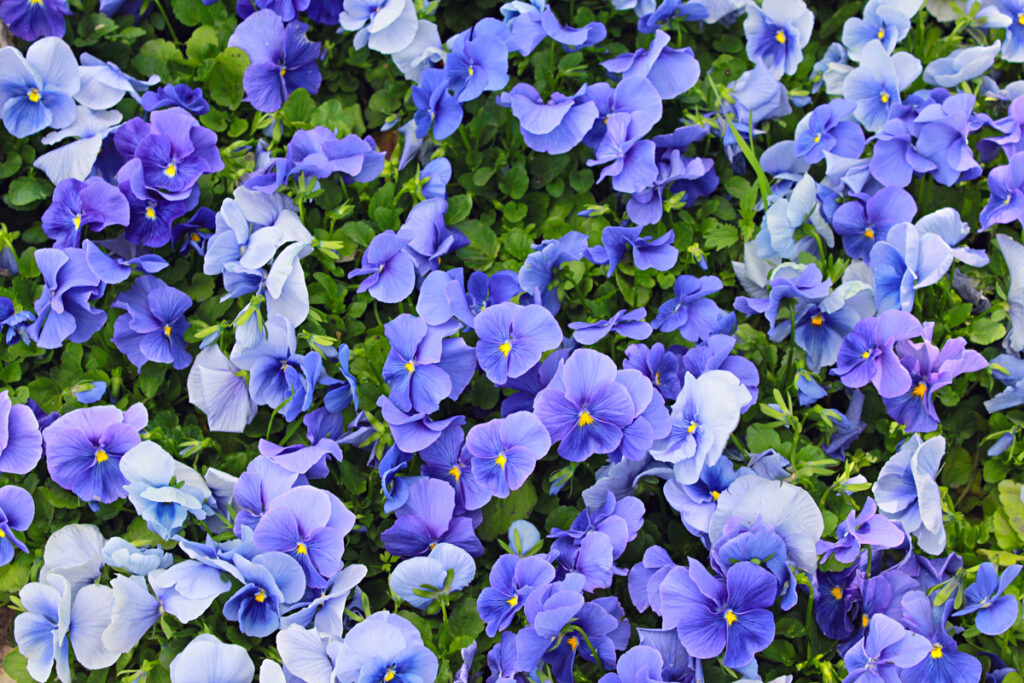
Violets have a delicate, sweet flavor that works wonderfully in desserts. Their bright purple flowers can be crystallized with sugar to make a stunning cake decoration. You can also use them fresh in salads or as a garnish for cocktails.
Violets can be infused into syrups, jellies, and even vinegar for a subtle floral twist. Their sweetness pairs well with fruits like strawberries and peaches. Don’t hesitate to sprinkle them on top of your morning yogurt for a beautiful breakfast.
Borage
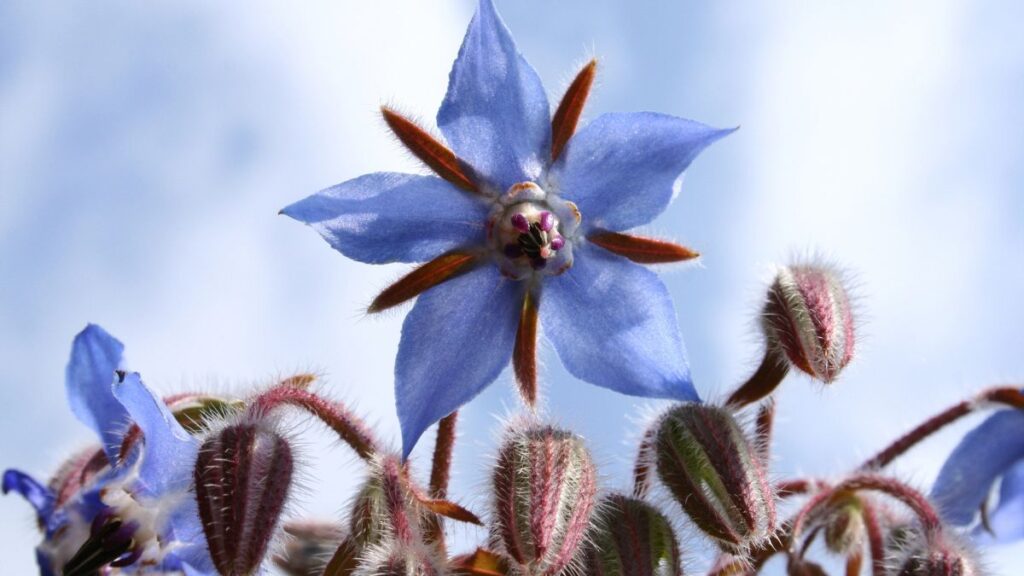
Borage flowers taste a little like cucumber, which makes them perfect for summer dishes. The star-shaped blue flowers are commonly used as a garnish for salads and cocktails. You can freeze them in ice cubes to add a touch of elegance to your drinks.
Borage also works well in soups and dips, providing a refreshing, crisp flavor. The flowers are a great addition to cold pasta salads or as a topping for chilled soups like gazpacho. Both the flowers and leaves are edible, though the leaves have a stronger flavor.
Rose
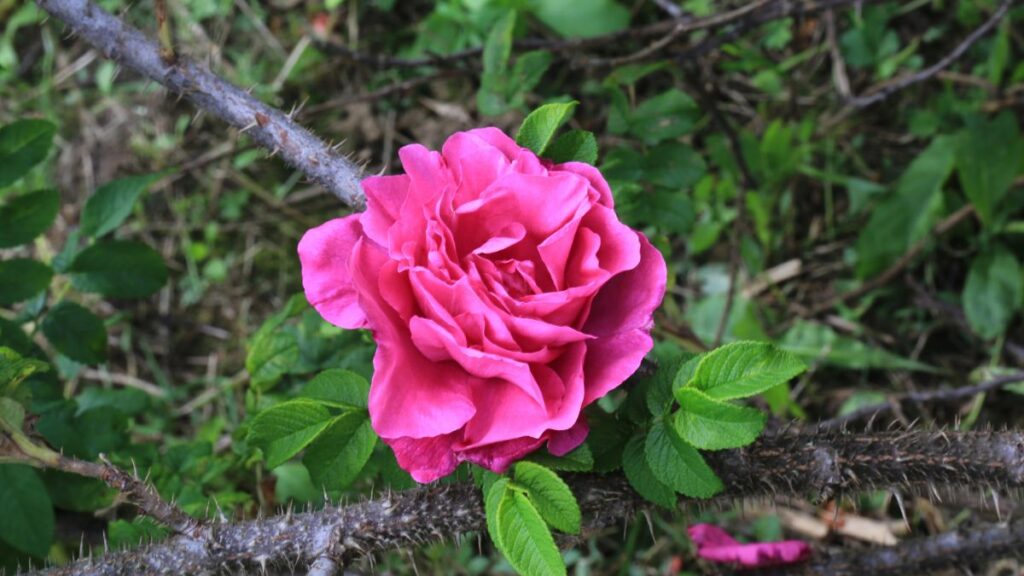
Roses aren’t just beautiful to look at; they’re also edible! Rose petals have a mild, sweet taste and can be used in a variety of dishes. You can make rose-flavored syrups, jams, or even rose water to add to cakes and pastries.
Rose petals can also be added to salads for a floral twist or used as a garnish for desserts. They pair especially well with vanilla, honey, and berries. Remember to use organic roses to avoid pesticides.
Squash Blossoms
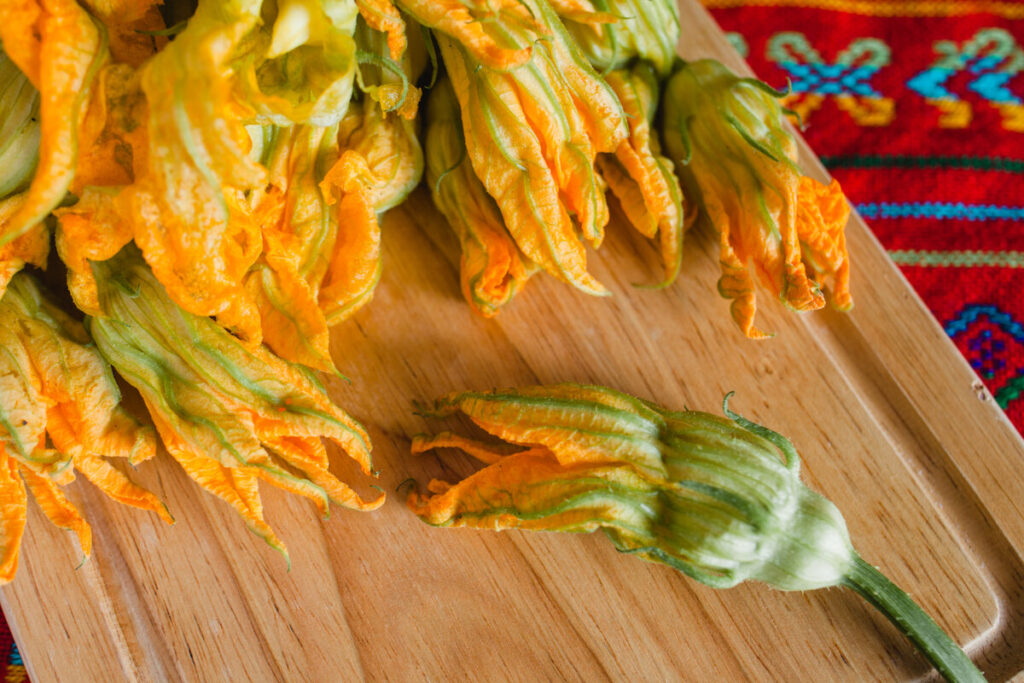
Squash blossoms are the bright yellow flowers that grow on zucchini plants, and they’re delicious when cooked. They have a mild, slightly sweet flavor that’s perfect for stuffing with cheese or herbs.
You can fry them, bake them, or even toss them into a salad. Squash blossoms are also great in pasta dishes, adding a delicate texture and flavor. They are commonly used in Mexican and Italian cuisines, often served fried and crispy. Look for them at your local farmer’s market during the summer.
Chamomile
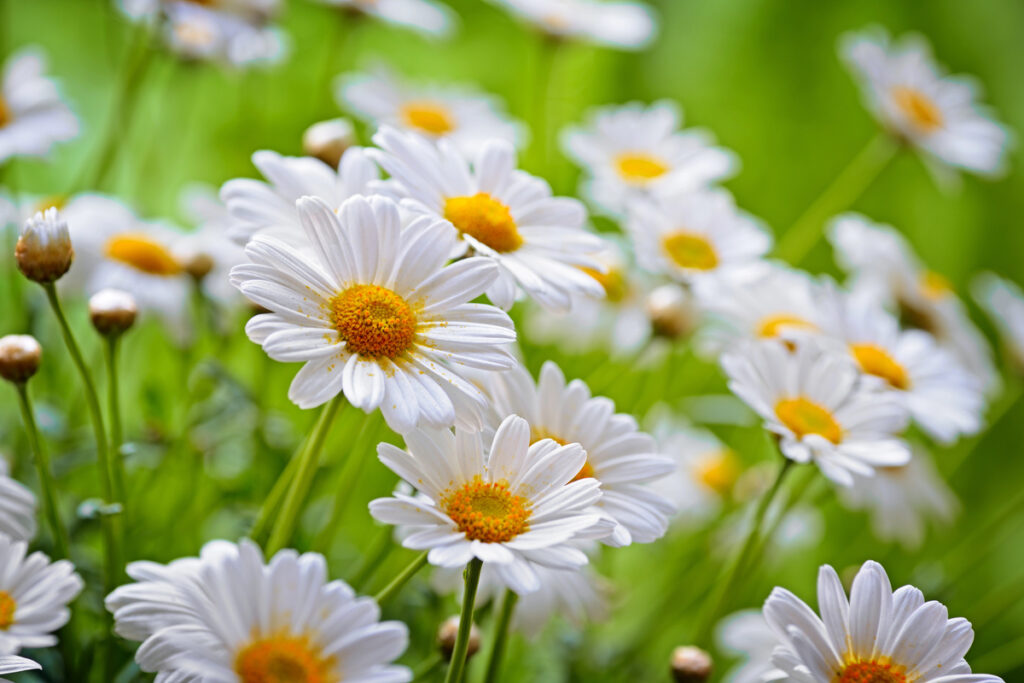
Chamomile is well-known for its calming tea, but did you know the flowers are also edible? These small, daisy-like flowers have a light, apple-like flavor. Chamomile can be used in baking, especially in cookies, cakes, and breads.
You can also infuse chamomile into creams and custards for a subtle floral flavor. It’s perfect for adding a calming touch to desserts or even breakfast dishes like oatmeal. Fresh chamomile flowers can be sprinkled over salads or used as a garnish for drinks.
Marigold
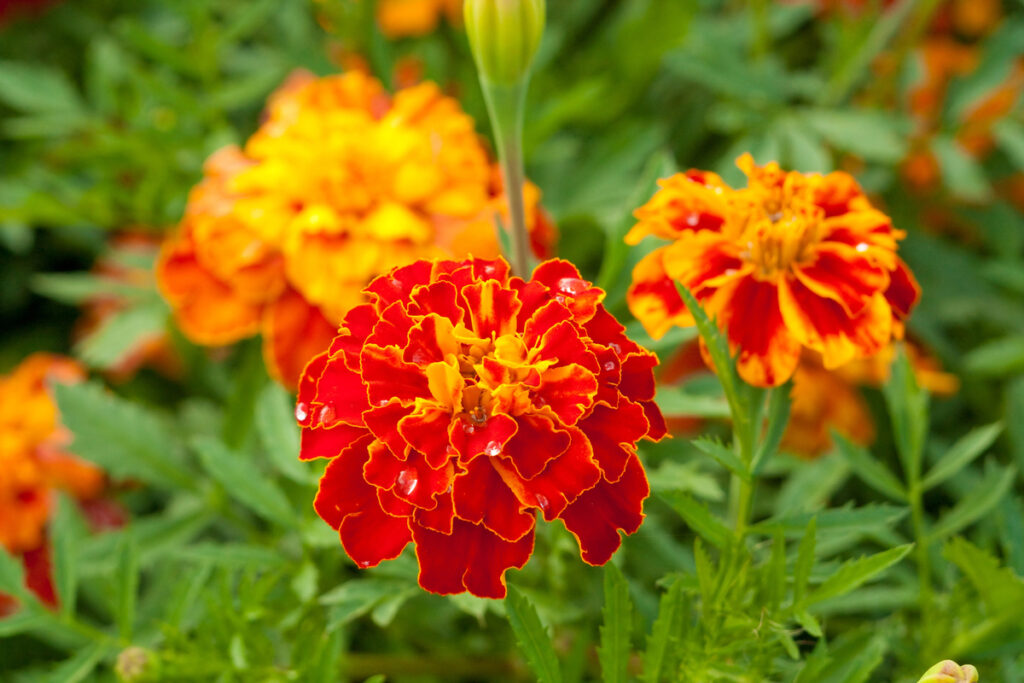
Marigolds are more than just bright orange garden flowers—they’re also edible! Their petals have a slightly bitter, citrusy taste, making them a great addition to salads. You can also use marigolds to color and flavor rice dishes, similar to how saffron is used.
The petals can be dried and added to soups or stews for a splash of color. Some even call marigolds “the poor man’s saffron” because they can provide a similar color and mild flavor. They’re a fantastic way to make a dish pop visually and flavor-wise.
Pansies
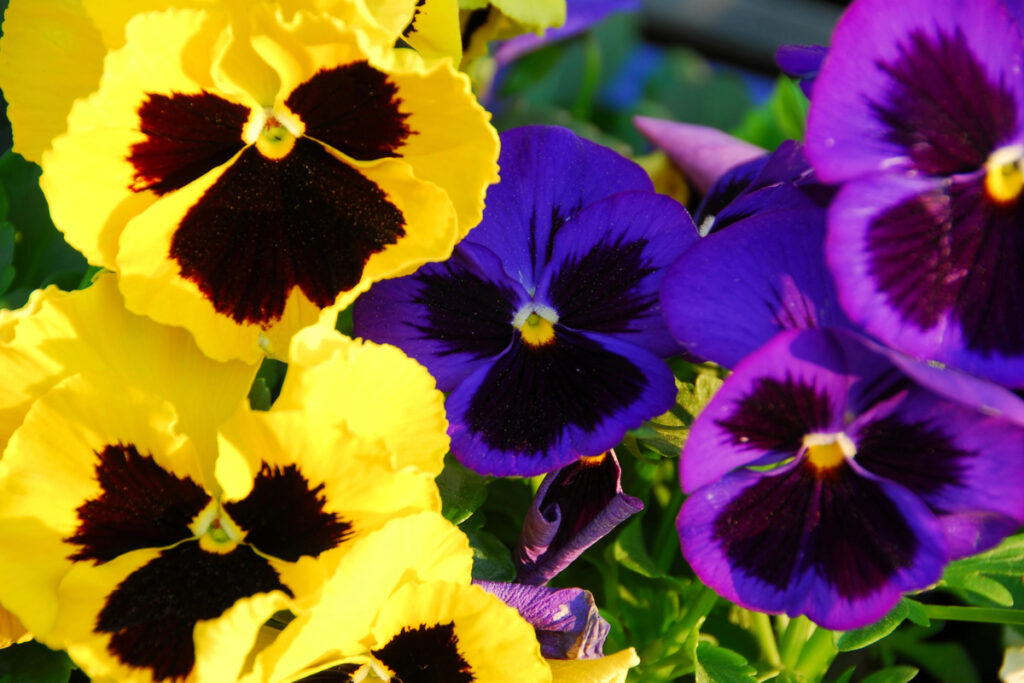
Pansies are one of the prettiest edible flowers you can cook with. Their slightly minty flavor makes them a great addition to desserts, salads, and beverages. Pansies come in a variety of colors, and their petals can be crystallized with sugar for a beautiful cake topping.
They can also be used fresh as a colorful garnish. If you're feeling adventurous, try adding pansies to ice cream or sorbets. They add a hint of freshness without overpowering the dish.
Dandelions
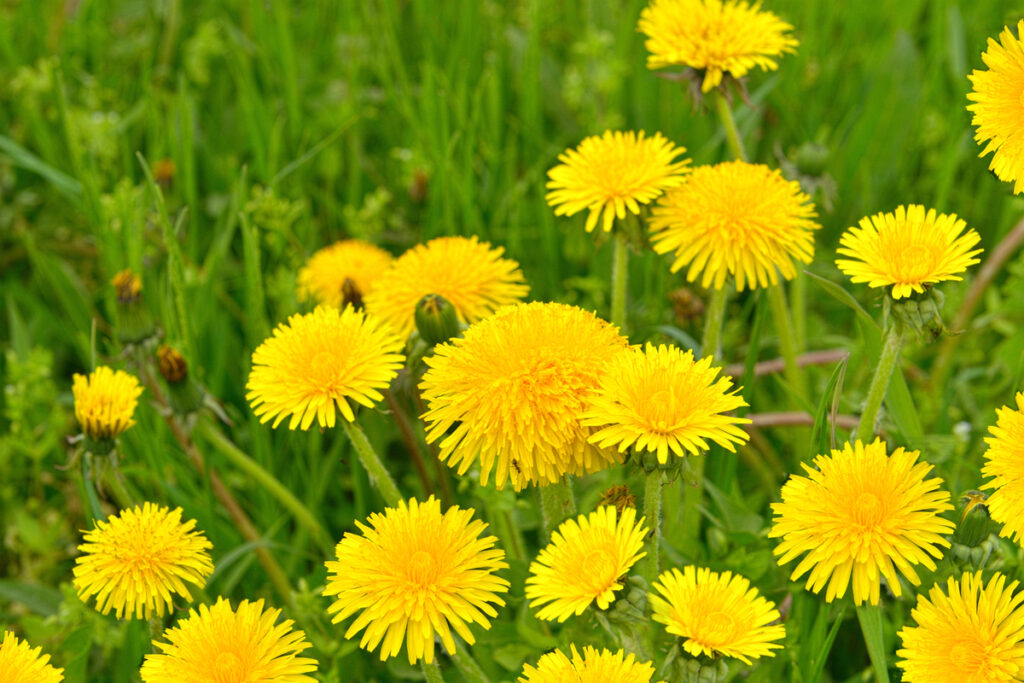
Dandelions are often considered weeds, but their flowers are entirely edible and surprisingly tasty. The bright yellow petals have a slightly sweet, honey-like flavor. You can use dandelions in everything from salads to fritters, and they make a great addition to herbal teas.
The flowers can be infused into oils or kinds of vinegar, adding a floral touch to dressings. Dandelions are rich in antioxidants and vitamins, making them a nutritious addition to your meals. Just be sure to pick them from a clean, pesticide-free area.
Chive Blossoms
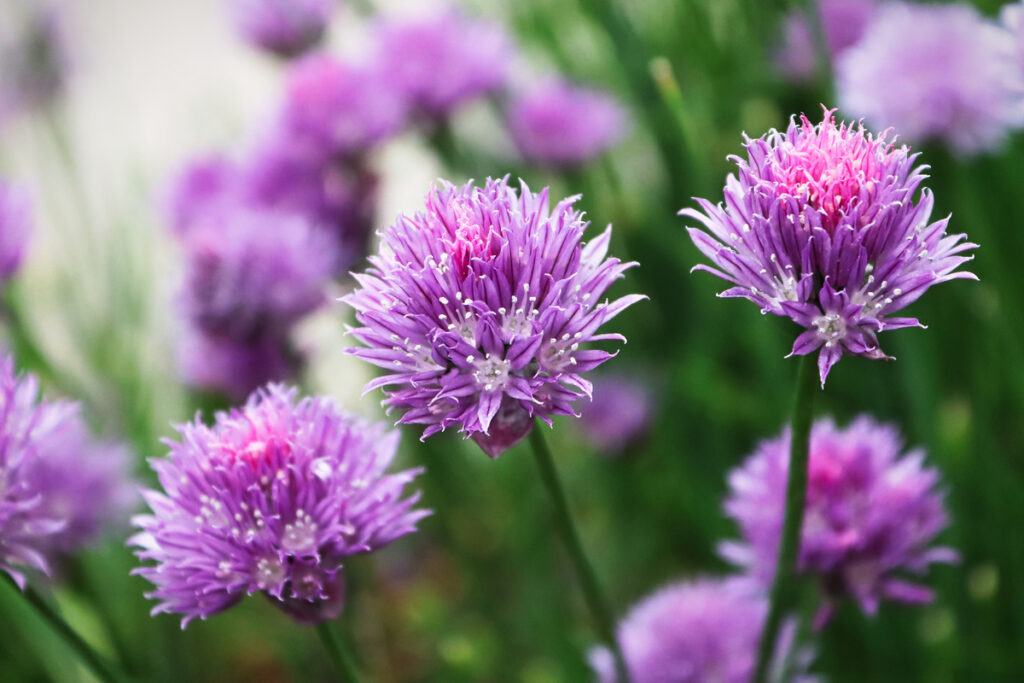
Chive blossoms are small purple flowers that grow on the tops of chive plants, and they pack a punch of onion flavor. These flowers can be used in place of regular chives in any dish. Sprinkle them over soups, salads, or scrambled eggs for a burst of color and flavor.
You can also infuse chive blossoms into vinegar for a tangy, onion-flavored dressing. Their sharp taste works especially well in savory dishes like roasted vegetables or grilled meats. Plus, they look stunning as a garnish.
Calendula
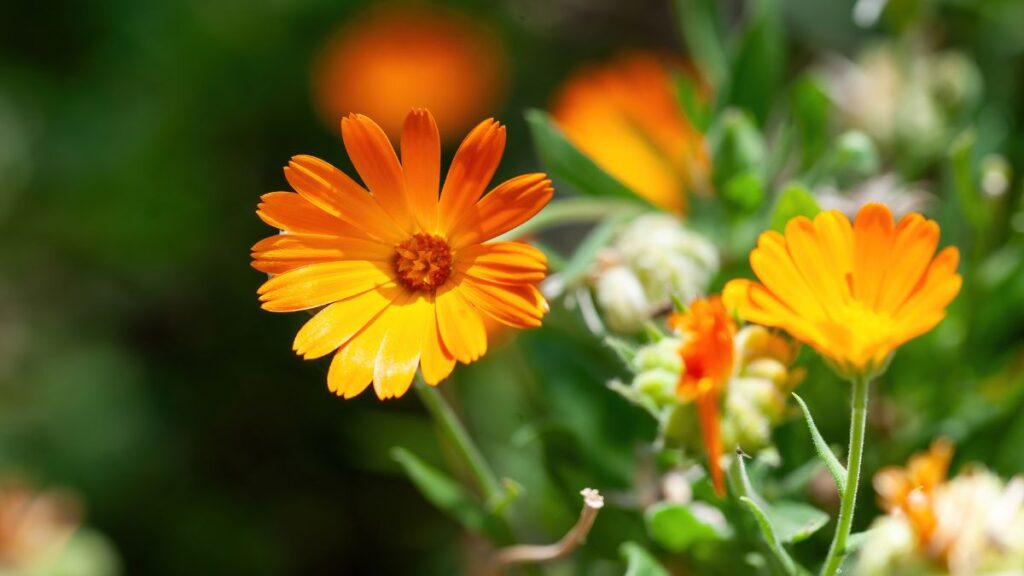
Calendula, sometimes called "poor man’s saffron," is a vibrant orange or yellow flower with a slightly spicy, peppery flavor. The petals can be used fresh in salads or dried and used as a seasoning.
Calendula is often added to soups, stews, and rice dishes for both color and flavor. The flowers can also be infused into oils or kinds of butter for cooking.
Calendula is not only edible but also known for its healing properties, making it a popular ingredient in herbal remedies. Its bold color brightens up any dish.
Cornflowers
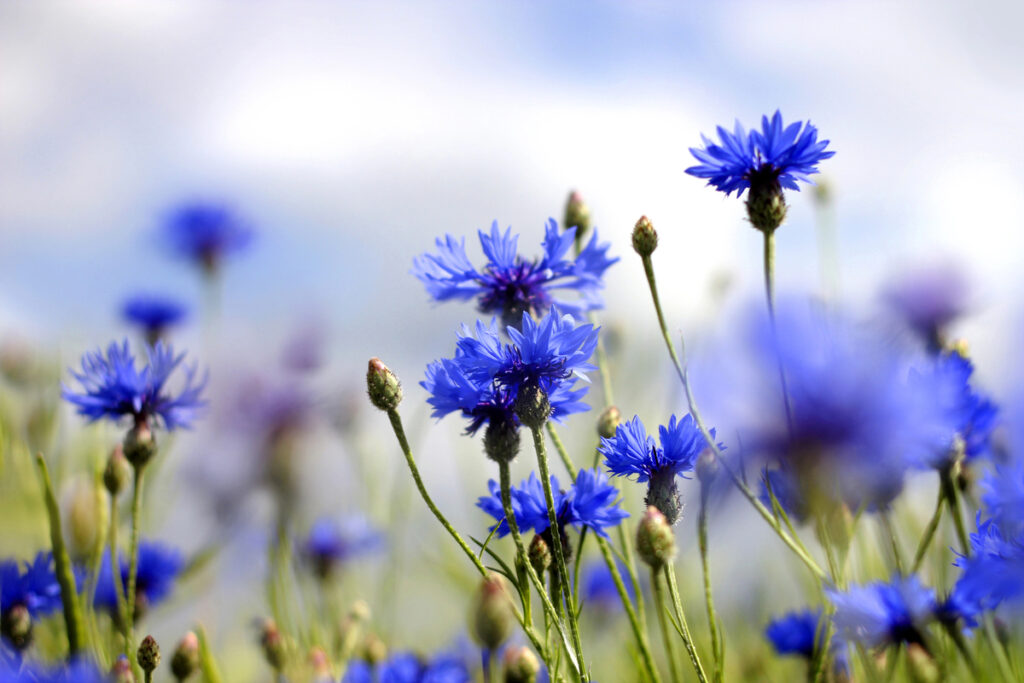
Cornflowers, also known as bachelor's buttons, are striking blue flowers with a mildly spicy, clove-like flavor. They make a stunning garnish for salads, cakes, and cocktails. Cornflowers are often used in herbal teas and can be added to infuse a slightly spicy note.
You can use the petals to add a pop of color to rice dishes, quiches, or tarts. The bright blue hue stands out beautifully against other ingredients, making your dish look gourmet. Their subtle flavor works well in both sweet and savory dishes.
Jasmine
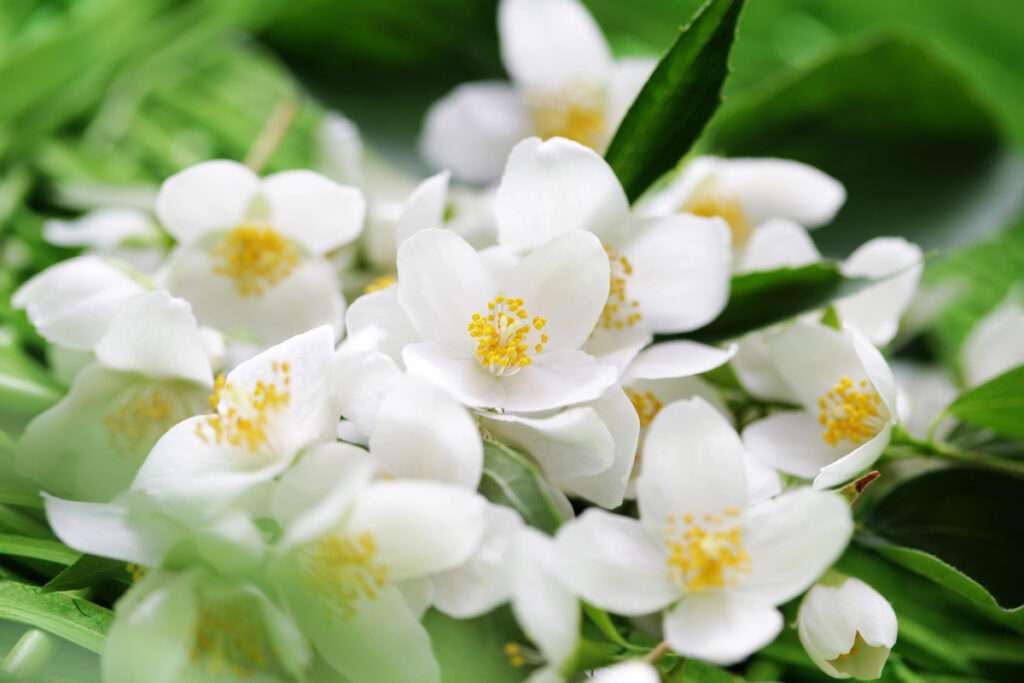
Jasmine is well-known for its strong, sweet fragrance, often used in teas. But jasmine flowers can also be used in cooking. The floral notes add a rich sweetness to desserts like cakes, rice puddings, and custards. You can also infuse jasmine flowers into syrups or creams for a luxurious touch.
Jasmine pairs particularly well with tropical fruits like mango and pineapple, enhancing their natural sweetness. Be sure to use food-grade jasmine flowers, as not all varieties are safe for consumption.
Related: 15 Clever Hacks To Reduce That Never-Ending Grocery Bill

Managing grocery expenses can be challenging for many households, especially with rising food costs and fluctuating budgets.
However, with some creativity and resourcefulness, you can implement numerous clever hacks to reduce your never-ending grocery bill without sacrificing the quality or variety of your meals.




Leave a Reply