
Cooking is often called both an art and a science, and anyone who spends time in the kitchen quickly learns why. While science explains why certain foods change under heat, the art comes in because no two meals ever seem to turn out exactly the same. Some foods are especially unpredictable, shifting texture, flavor, or appearance every time they hit the pan, pot, or oven.
Want to Save This Recipe?
Enter your email & I'll send it to your inbox. Plus, get great new recipes from me every week!
By submitting this form, you consent to receive emails from Blue's Best Life.
How you slice them, the temperature you choose, the oil you use, or even the humidity in your kitchen can completely change the result. That is why some ingredients feel like they have a mind of their own. In this article, we’ll look at fifteen foods that never seem to cook the same way twice and explore why they keep surprising even experienced home cooks.
Eggs in the Pan
Eggs are one of the most versatile and common ingredients, yet they are also one of the trickiest to master. You may crack two eggs into the pan the same way on two different mornings, but one time you get fluffy scrambled eggs and the next time they come out dense or rubbery.
The egg's freshness, the pan's heat, and how often you stir make a big difference. Even the type of pan—cast iron, stainless steel, or nonstick—can affect the texture. A slight delay in removing the eggs from the heat can make them overcooked. That is why eggs remain one of the most unpredictable foods to cook.
Pancakes on the Griddle
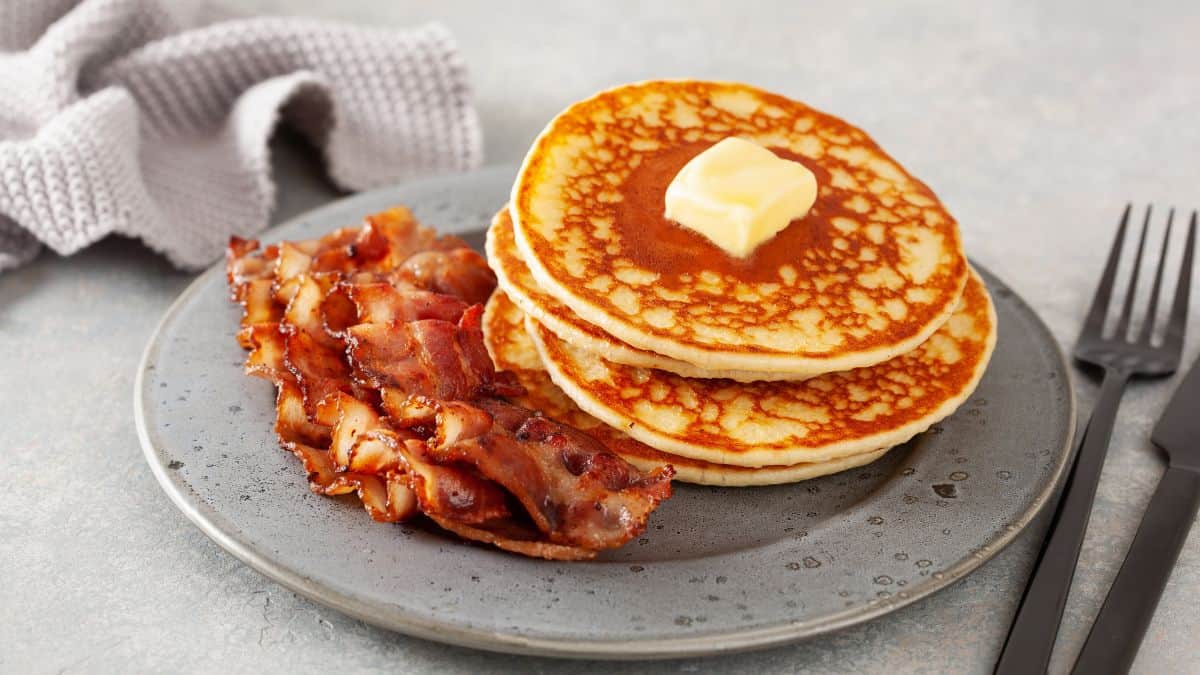
Pancakes may look simple, but each batch can turn out differently. One morning they may rise tall and fluffy, while another time they end up flat and dense. The consistency of the batter, how much you mix it, and even how long it rests before cooking all play a role.
Heat levels on the griddle also vary, causing some pancakes to brown faster than others. The first pancake usually looks different from the rest, and it is often called the “test pancake.” These small factors make pancakes a food that never cooks the same way twice.
Rice on the Stove
Rice is known for being both essential and temperamental. Sometimes it comes out fluffy and perfectly cooked, while other times it is sticky, mushy, or underdone. The type of rice, jasmine, basmati, or short grain, matters greatly, as does how much water you use.
The age of the rice and even the lid you put on the pot can affect the outcome. If you stir too much, the grains may break and release starch, changing the texture. Because of these details, rice seems to have endless ways of surprising you.
Bread in the Oven
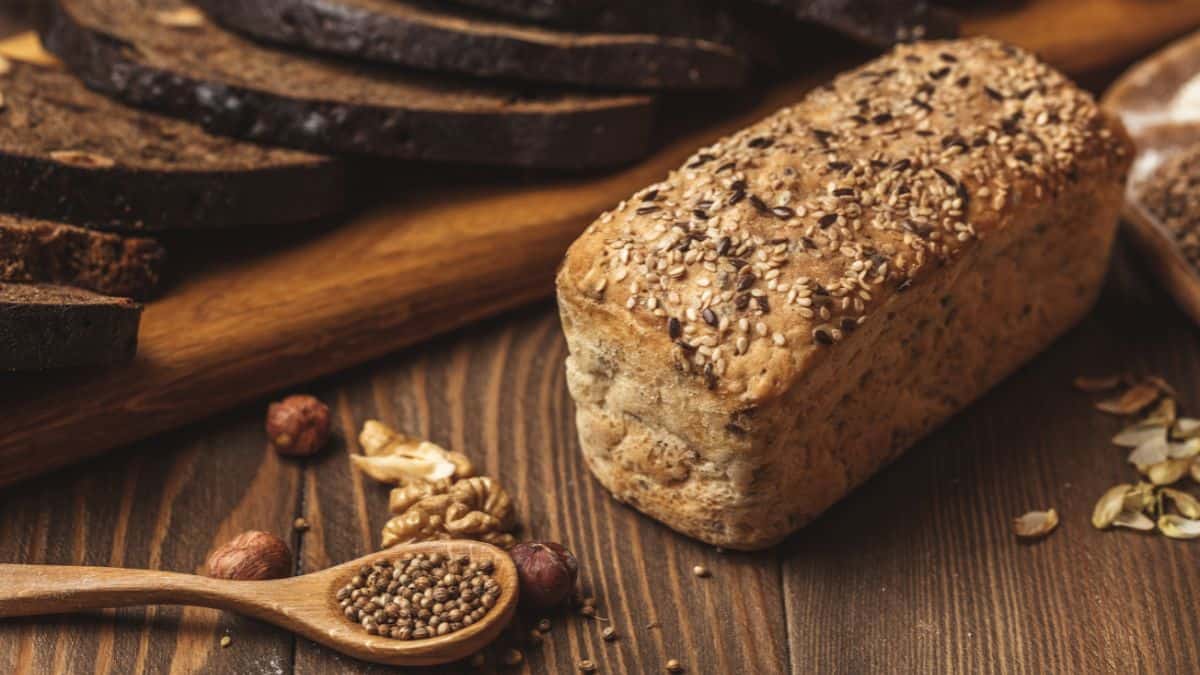
Bread baking is a world of its own, and every loaf tells a different story. Even if you use the same recipe, the dough can rise differently depending on room temperature and humidity. Some loaves turn out airy and light, while others are heavy and dense.
The yeast may be more active one day than another, leading to varied results. How long you knead and rest the dough also has a strong effect. These unpredictable factors make bread a food that is never the same twice.
Steak on the Grill
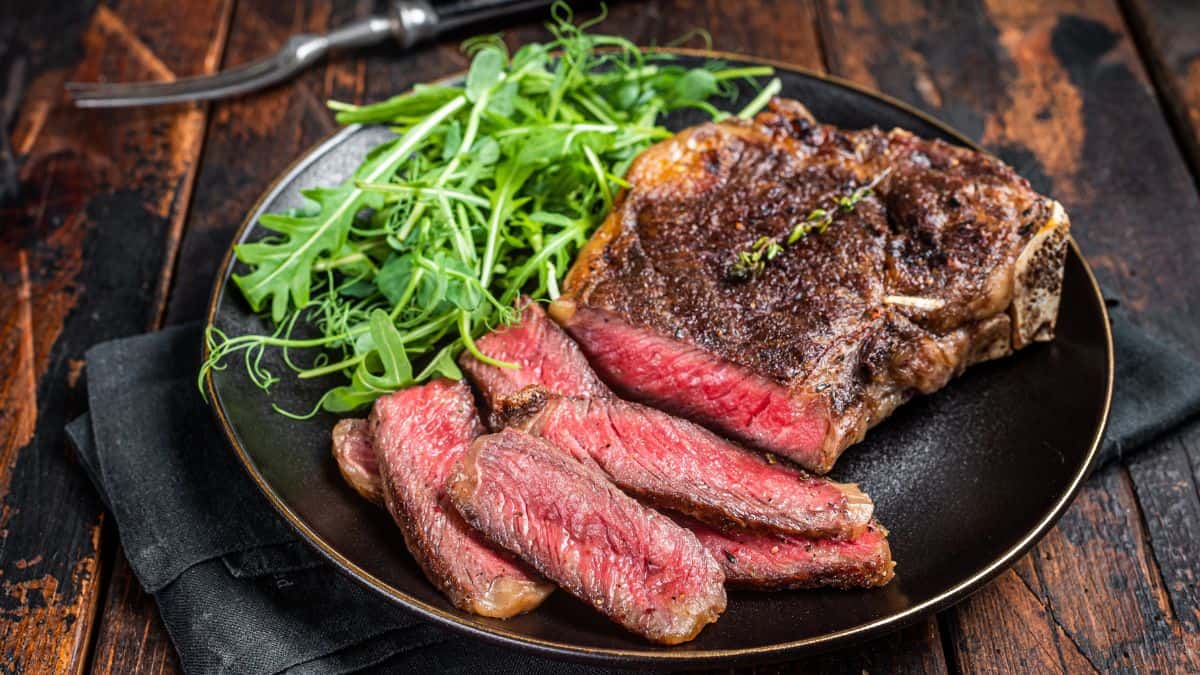
Cooking steak is often about finding the perfect balance between crust and tenderness. Yet even the same cut of meat can cook differently each time. The thickness, marbling, and fat content all change how it responds to heat.
Grills also have hot and cool spots that can alter the cooking. Resting time after cooking changes how the juices settle inside the steak. For these reasons, steak always keeps you guessing.
Potatoes in the Oven
Roasting potatoes can produce a variety of textures and flavors. Sometimes they come out crisp and golden, while others are soft or unevenly cooked. The type of potato, whether russet, Yukon gold, or red, affects the result.
Even how you cut them into chunks can change their texture. Oil, seasoning, and oven temperature also have a big influence. Because of all these factors, roasted potatoes rarely turn out identical.
Chicken in the Pan
Chicken is another ingredient that cooks differently each time. Breast meat often dries out faster than thighs, and the thickness of the cut changes cooking time. Pan temperature and the type of fat you use, such as oil, butter, or both, affect browning.
If the pan is too crowded, the chicken steams instead of searing and even marinating changes how the chicken reacts to heat. This makes chicken a food that never cooks the same way twice.
Pasta in Boiling Water
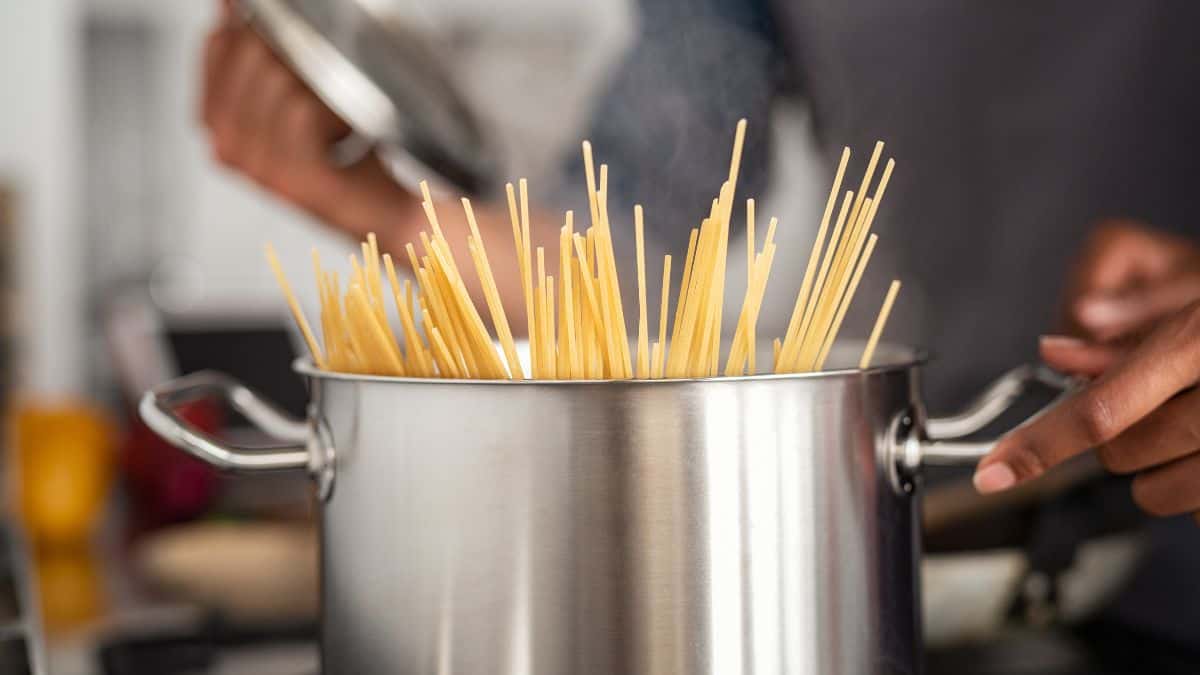
Pasta may seem straightforward, but no two pots come out exactly the same. Timing makes a big difference between firm al dente pasta and soft, mushy noodles. The amount of salt in the water changes the flavor and texture.
Stirring or not stirring can affect whether the pasta sticks together. The shape and thickness of the pasta also matter, with some cooking faster than others. These small details lead to endless variety in results.
Burgers on the Grill
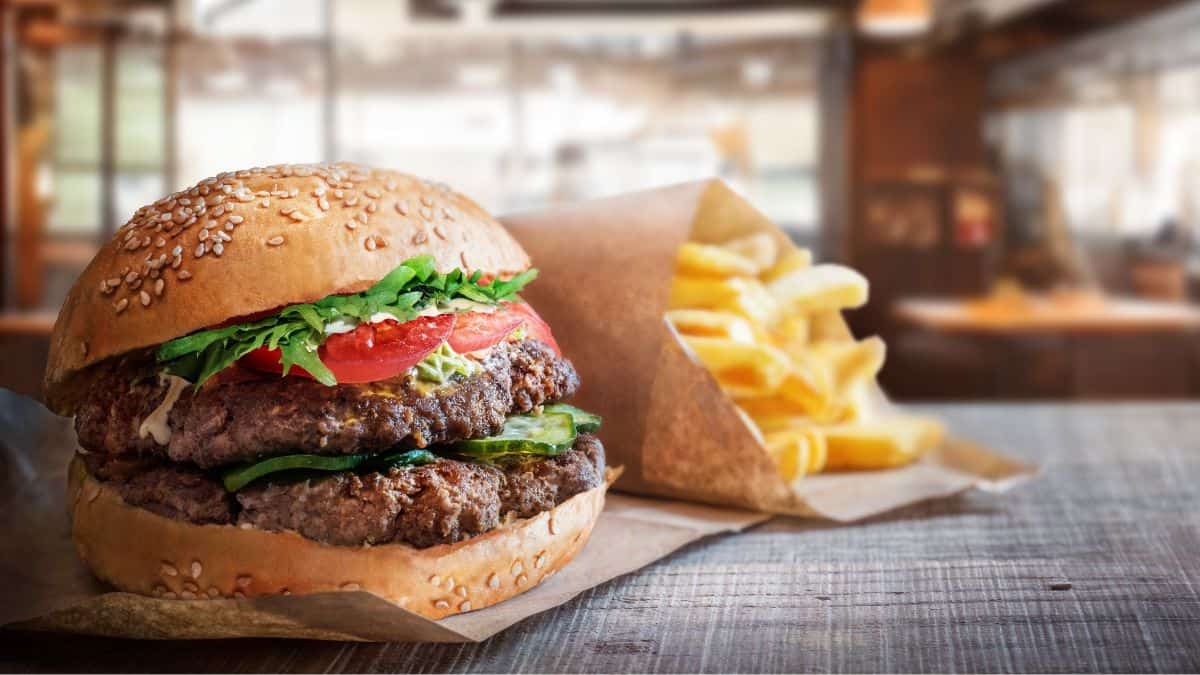
Burgers are another food that resists consistency. One patty may cook evenly and stay juicy, while another shrinks and dries out. The fat-to-meat ratio, the grill temperature, and whether you press on the patty all play a role.
Some grills flare up, charring the outside before the inside cooks. Even the type of bun you use changes how the burger feels in the final bite. Burgers remind us that cooking is full of surprises.
Fish in the Oven
Fish is one of the most delicate proteins to cook. Sometimes it flakes perfectly, while other times it dries out or falls apart. The thickness of the fillet, the type of fish, and the freshness all matter.
Oven temperature also affects how moist or dry the fish becomes. Seasonings and marinades can influence how quickly the fish cooks. This sensitivity makes fish one of the most unpredictable foods.
Cookies on the Baking Sheet
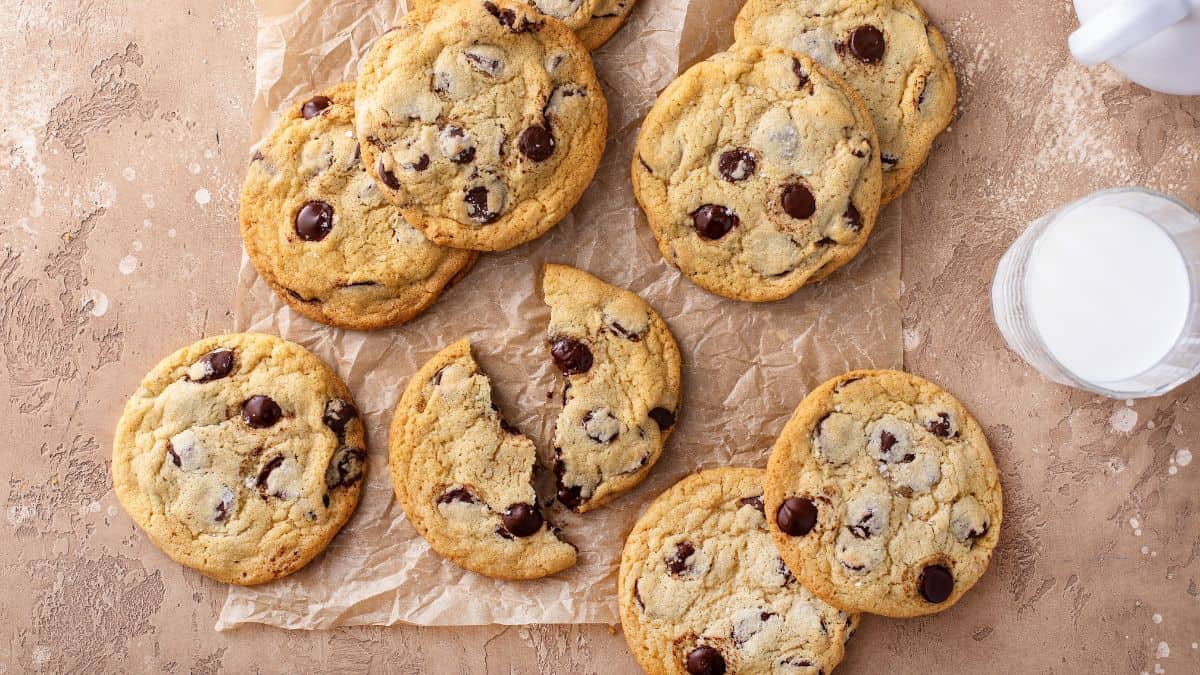
Cookies never seem to look or taste the same every time they are baked. They may spread wide one day and stay puffy the next. Butter temperature, oven calibration, and even how you scoop the dough matter.
Humidity changes how the dough absorbs flour, which alters the texture. Some batches may brown unevenly, even when baked together. For bakers, cookies are a delicious reminder of cooking’s unpredictability.
Vegetables in the Roasting Pan
Roasted vegetables are a kitchen staple, but their results vary wildly. Carrots may caramelize beautifully one day and turn soggy the next. The type of oil, oven heat, and whether you crowd the pan all change the outcome.
Freshness and water content of the vegetables also matter. Smaller pieces cook faster and can burn, while larger chunks may stay firm. These shifting factors mean roasted vegetables never cook the same way twice.
Soup on the Stove
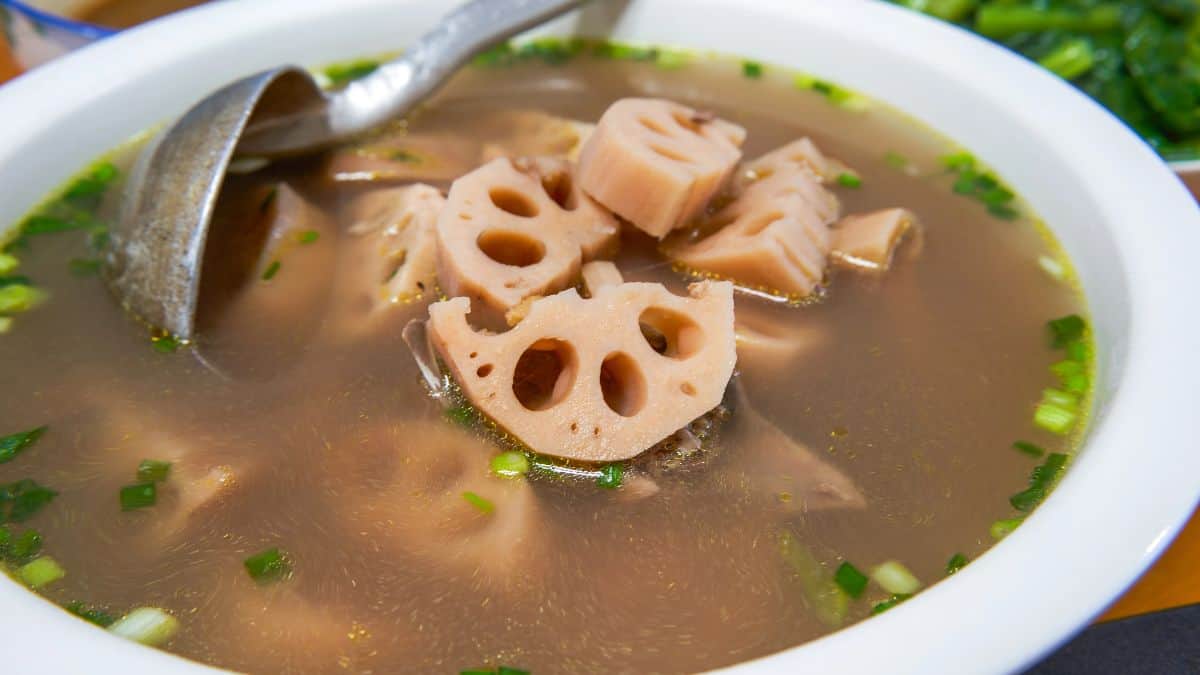
Soup may simmer all day, yet the flavor never comes out identical. Even when following a recipe, the vegetables, broth, and spices blend in new ways. Heat levels during cooking change how the flavors develop.
The order in which you add ingredients matters, as some release flavors sooner than others. Leftover soup often tastes different the next day because the flavors continue to merge. Soup always offers something new in every pot.
Stir-Fry in the Wok
Stir-fry is fast and fiery, and no two attempts feel the same. The vegetables may stay crisp one day and turn soft the next. The type of oil and the heat of the wok make a huge difference.
Protein can either sear nicely or release water, changing the texture. Depending on how much liquid is reduced, the sauce may thicken differently. Stir-frying always feels like a gamble, but that is also part of its charm.
Muffins in the Tin
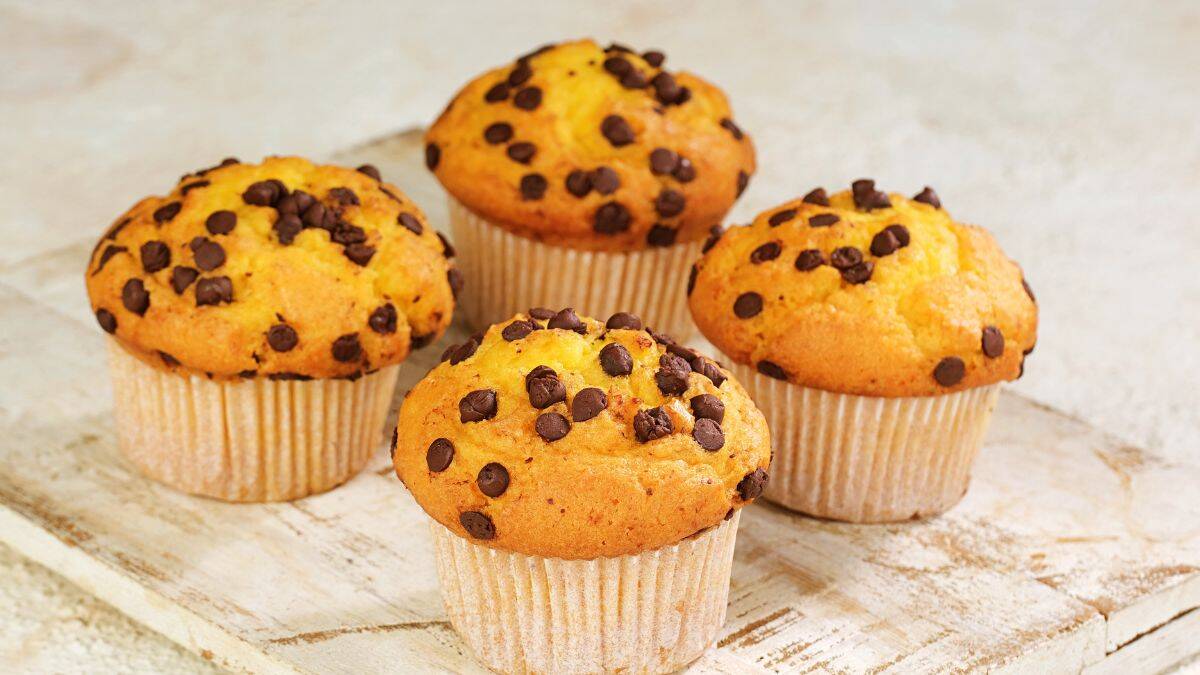
Muffins are another baked good that surprises every time. Some batches rise with tall, beautiful domes, while others sink or crack. The freshness of baking powder or soda changes how much lift they get.
How you mix the batter also matters, as overmixing creates dense muffins. Oven heat distribution can cause some muffins to brown more than others. Muffins are proof that even baking has plenty of surprises.
Cooking is one of life’s daily experiments, and part of its charm is that it rarely goes exactly the same way twice. The foods in this list, from eggs to muffins, show how heat, timing, and tiny details can completely change an outcome.
Some people find this frustrating, but others see it as a chance to keep learning. With each attempt, you build experience and adjust your approach. Instead of aiming for perfection, many cooks embrace the unpredictable nature of food. After all, if cooking always turned out the same, it might not be nearly as exciting.




Leave a Reply