
Keeping a clean and hygienic kitchen isn’t just about keeping your food safe; it’s also essential for a pleasant cooking environment and healthy lifestyle. Practicing proper kitchen ethics helps prevent cross-contamination, reduces foodborne illnesses, and keeps your kitchen running smoothly.
Want to Save This Recipe?
Enter your email & I'll send it to your inbox. Plus, get great new recipes from me every week!
By submitting this form, you consent to receive emails from Blue's Best Life.
Cleaning Habits

Simple habits like cleaning as you go, properly storing ingredients, and regularly sanitizing surfaces can make a big difference. Following these ethics can transform your kitchen into a safe and efficient space for cooking and sharing meals with loved ones. Let’s dive into some essential kitchen ethics that every home cook should know.
Wash Hands Before and After Handling Food
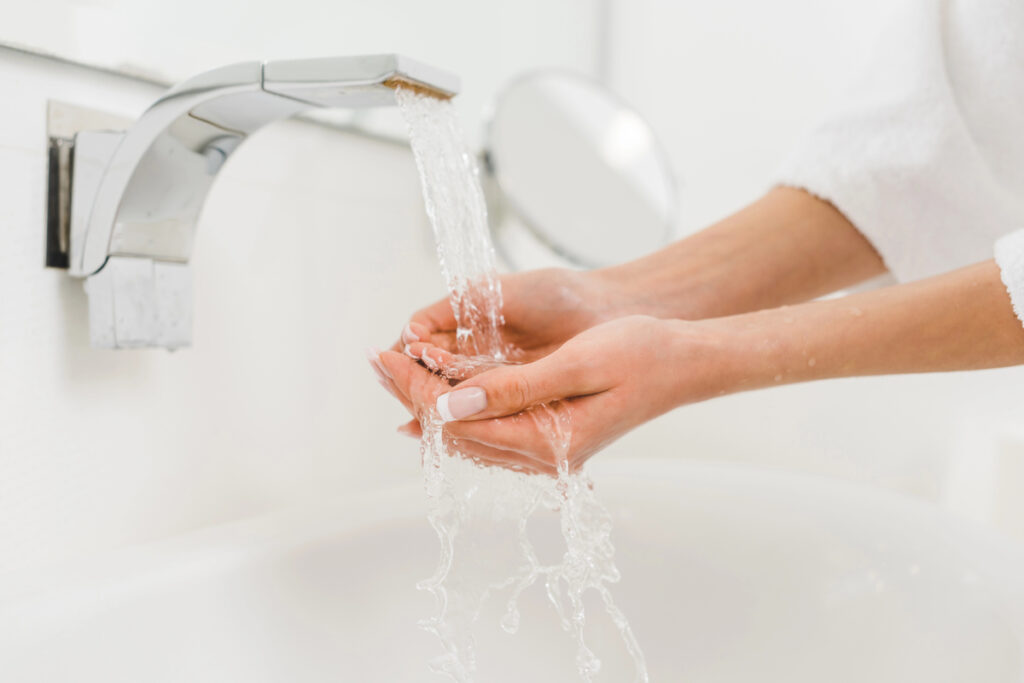
Washing hands thoroughly is one of the simplest yet most effective steps for kitchen hygiene. Always wash your hands before handling any ingredients, especially raw meat, fish, or eggs. Using warm water and soap, scrub for at least 20 seconds to remove bacteria and other contaminants.
It’s also important to wash hands after touching items like garbage bins, phones, or door handles to avoid spreading germs. Handwashing prevents bacteria from entering your food and keeps your cooking space safer.
Keep Raw and Cooked Foods Separate

Cross-contamination is a major cause of foodborne illnesses, so keeping raw and cooked foods separate is crucial. Use different cutting boards and utensils for raw meat and ready-to-eat foods to avoid spreading bacteria.
Store raw meats on the bottom shelf of your fridge to prevent juices from dripping onto other foods. This separation applies to both preparation and storage, ensuring that bacteria don’t cross from one food type to another. By keeping raw and cooked foods apart, you maintain a safer kitchen environment.
Clean As You Go
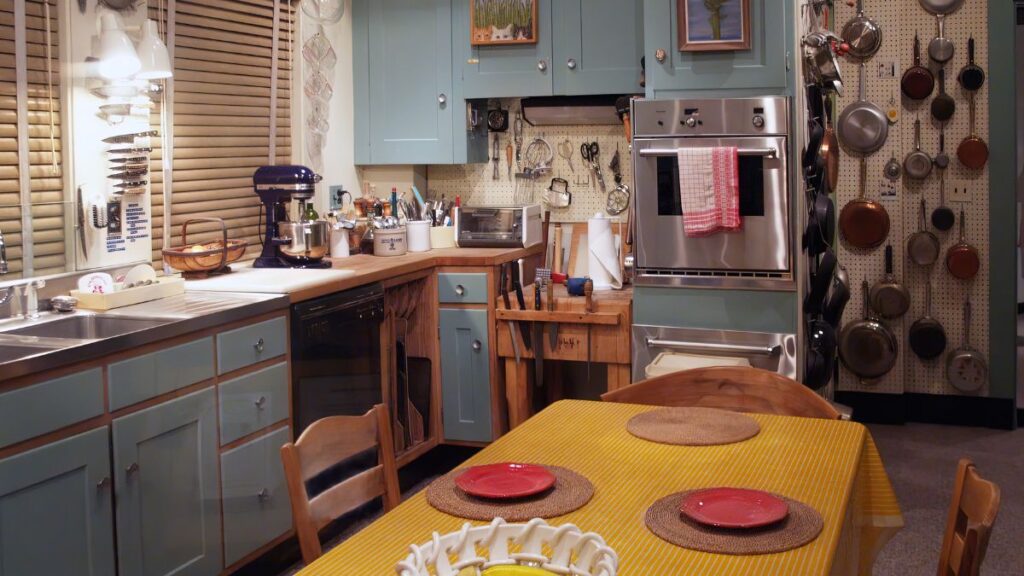
A cluttered kitchen can quickly lead to chaos, making it harder to keep things sanitary. Cleaning as you go helps maintain an organized workspace and reduces the risk of spreading germs.
Wipe down surfaces and utensils immediately after use to keep your kitchen tidy. Regularly dispose of food scraps, wrappers, and other waste, so they don’t accumulate and attract pests. By staying on top of messes, you’ll find cooking more enjoyable and hygienic.
Use Separate Towels for Hands and Dishes
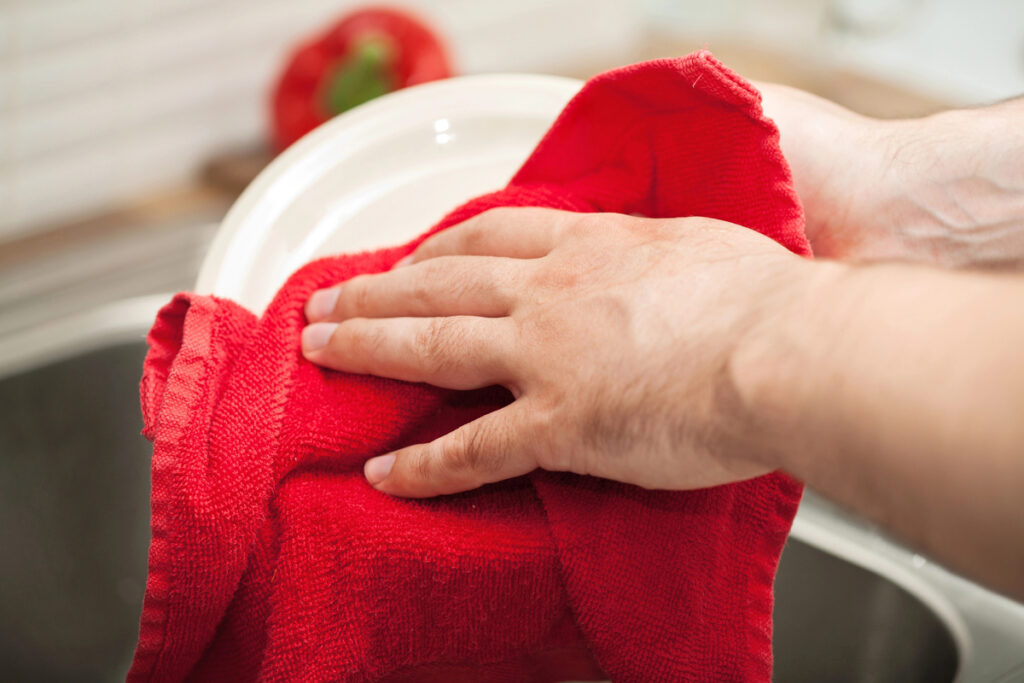
Towels can quickly become carriers of germs, so it’s important to use different ones for drying hands and dishes. Hand towels can pick up bacteria and should be washed frequently to prevent cross-contamination.
Dish towels, on the other hand, should be kept clean and only used to dry clean dishes or cookware. Avoid using towels to wipe up spills or food, as this spreads germs across surfaces. Using separate towels helps keep your hands and dishes cleaner.
Regularly Sanitize Countertops and Cutting Boards
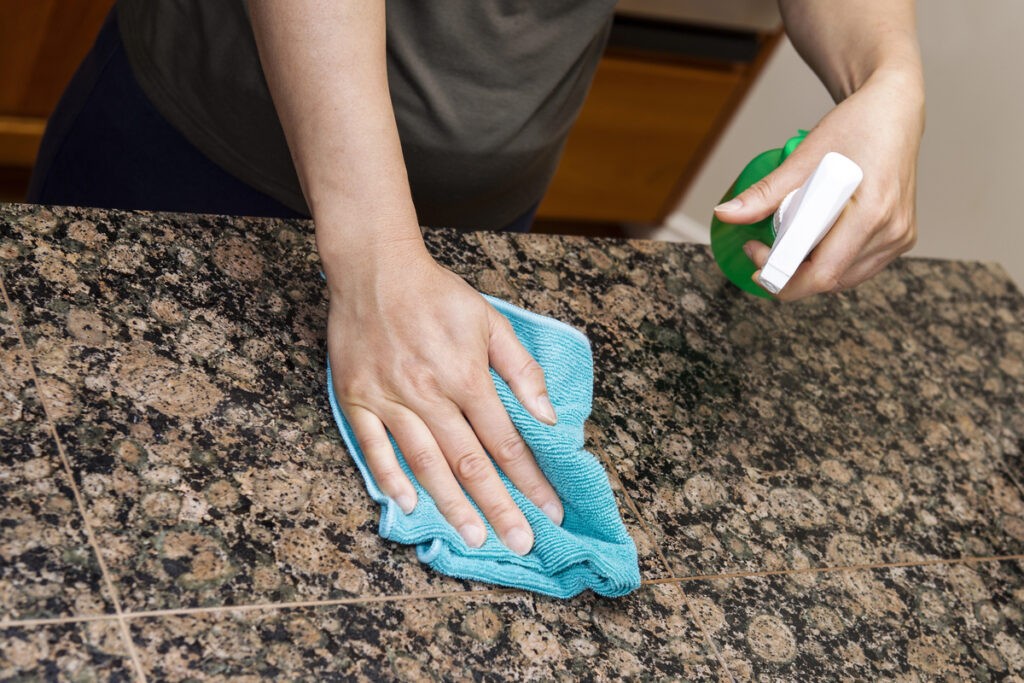
Surfaces like countertops and cutting boards come into contact with a wide range of foods and can harbor bacteria if not cleaned properly. Use a disinfectant or hot, soapy water to sanitize these surfaces, especially after handling raw meat or other high-risk ingredients.
Wooden cutting boards need extra care, as they can absorb juices, so consider using separate boards for meats and vegetables. Regular sanitization ensures a cleaner and safer cooking environment. Keeping surfaces clean can significantly reduce the risk of contamination.
Store Food at the Right Temperatures
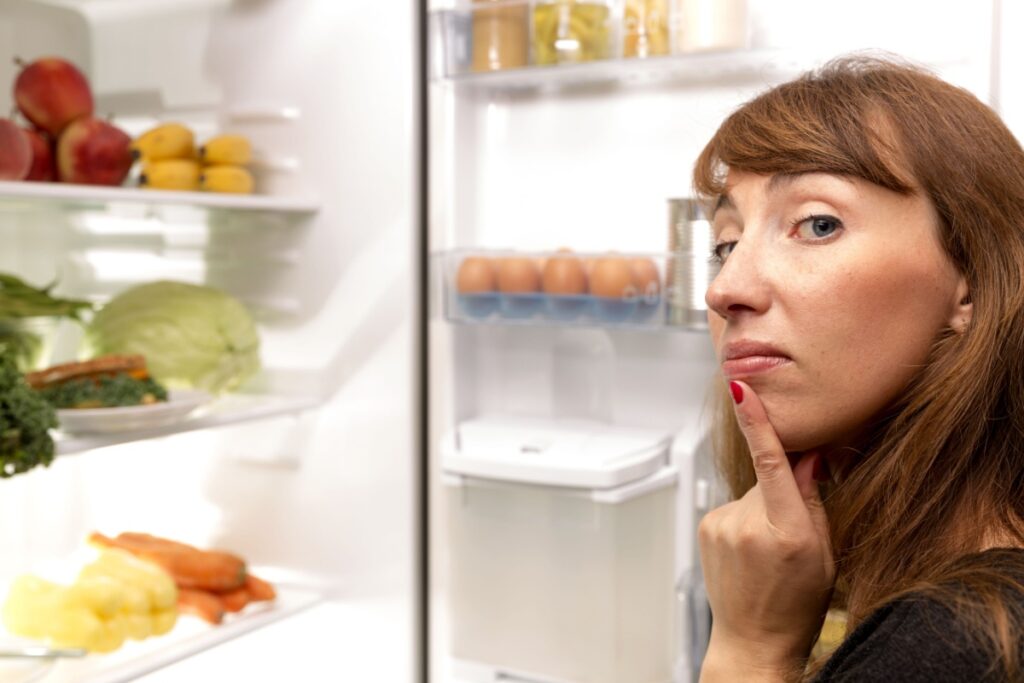
Proper food storage is essential for preserving freshness and preventing bacterial growth. Refrigerate perishable items immediately and keep your fridge at or below 40°F to inhibit bacteria. Freezing can also help keep foods safe for longer periods but be mindful of thawing items properly.
Store leftovers in airtight containers and label them to avoid any mix-ups or spoilage. Maintaining the right storage temperatures helps keep your food safe and extends its shelf life.
Avoid Overloading the Sink
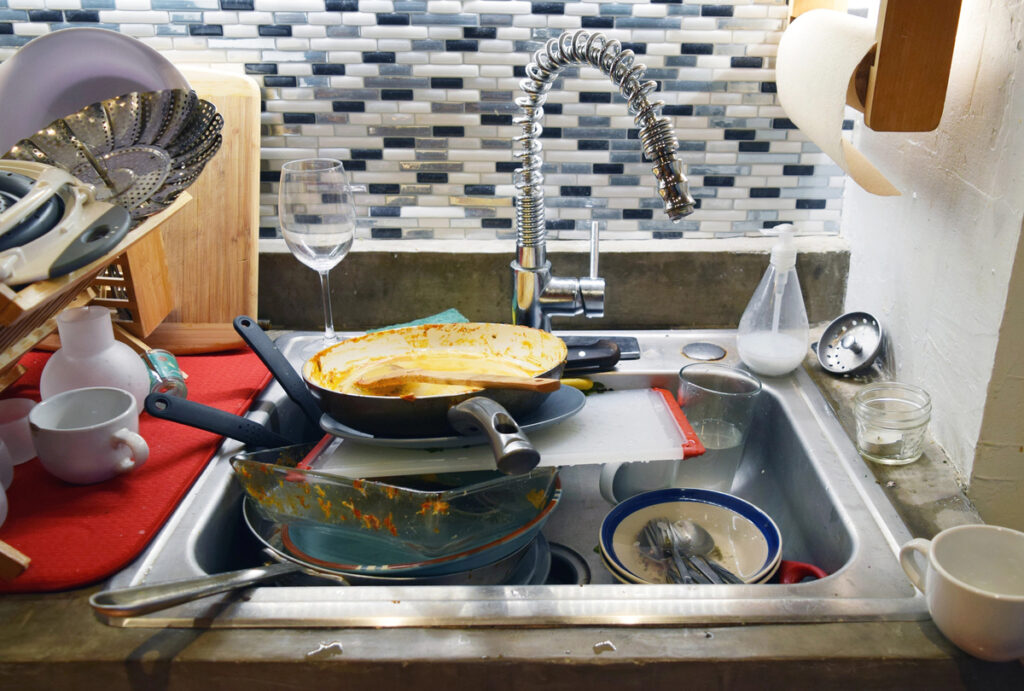
Leaving dirty dishes in the sink can quickly create a breeding ground for bacteria. Try to wash dishes as you go, and avoid piling them up to prevent contamination. Dirty dishes can attract pests, making your kitchen environment unsanitary.
If you can’t wash everything right away, at least rinse off food scraps to avoid attracting bugs. Keeping the sink clear is an easy step toward better kitchen hygiene.
Cover Foods to Prevent Contamination

Covering food, whether it’s on the counter, in the fridge, or microwave, can prevent contaminants from reaching it. Use lids, plastic wrap, or foil to protect your food from dust, bacteria, and other airborne particles.
Covered food stays fresher and reduces the risk of accidental spills or cross-contamination. When refrigerating leftovers, make sure everything is covered tightly. This practice ensures that your food remains clean and safe for longer.
Keep Your Trash Can Clean and Covered
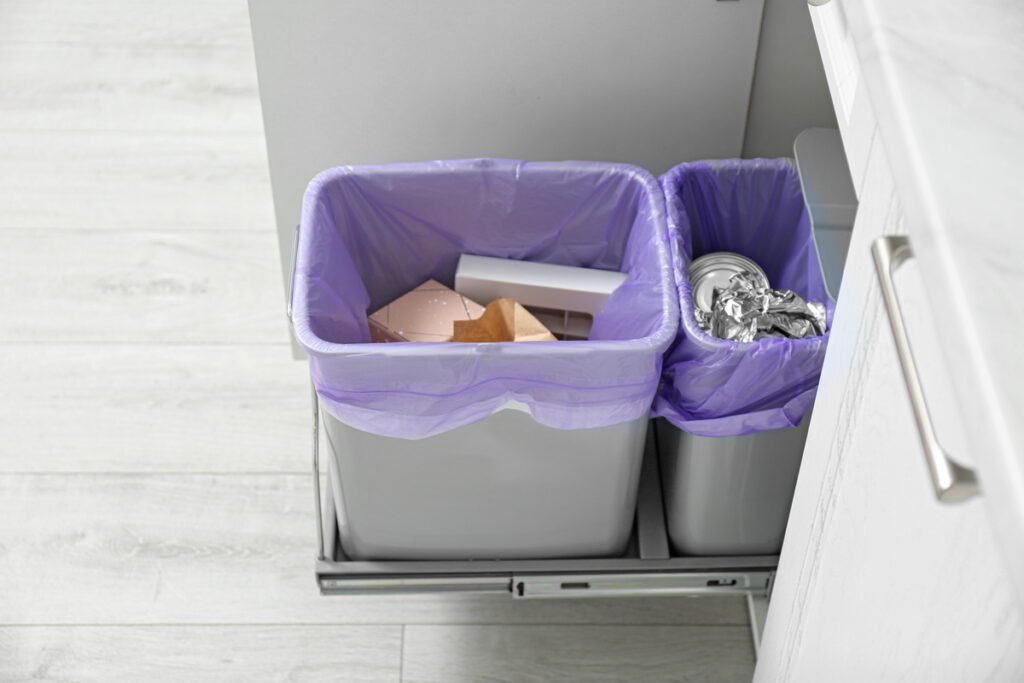
A clean and covered trash can is essential for a hygienic kitchen. Empty it regularly to avoid bad odors and prevent attracting pests like flies and rodents. Clean the trash can with disinfectant occasionally to reduce the spread of germs. Use liners to make it easier to remove waste without spilling. Keeping your trash can clean contributes to a more sanitary cooking space.
Replace Sponges and Cleaning Cloths Frequently
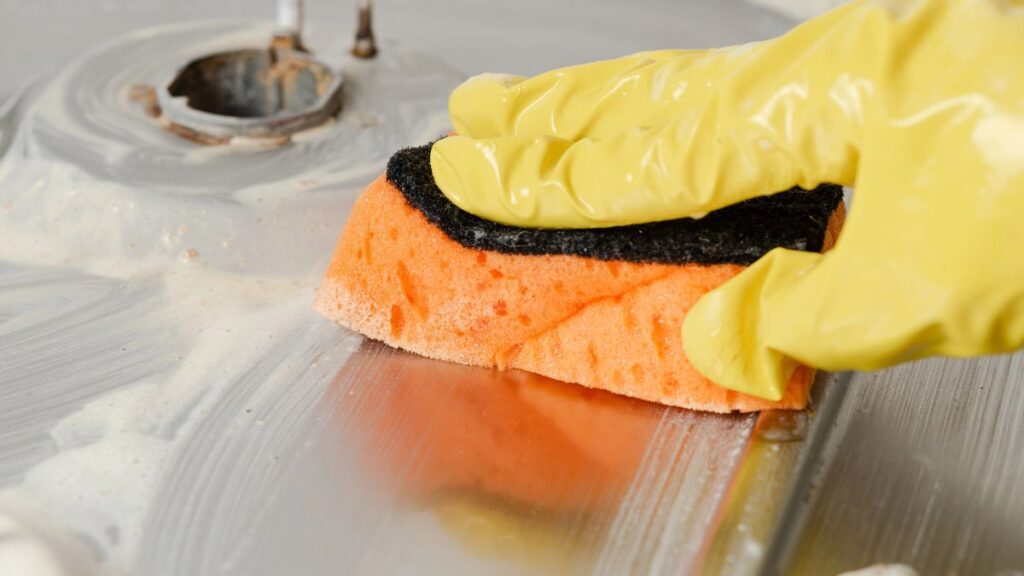
Sponges and cloths can harbor bacteria if not replaced or cleaned regularly. Wash them daily in hot water or, for sponges, microwave them for a minute to kill bacteria. Consider replacing them every week, as old sponges can become breeding grounds for germs. Disposable paper towels can also be an option for cleaning surfaces. Fresh cleaning materials help maintain a more hygienic kitchen.
Avoid Touching Your Face While Cooking

Touching your face during cooking can transfer germs from your hands to the food. It’s easy to do without thinking, but try to keep your hands away from your mouth, nose, and eyes while handling food.
If you need to adjust your glasses or scratch an itch, wash your hands afterward. This small habit can prevent the spread of bacteria and keep your food safer to eat. Staying mindful of hand hygiene is an essential part of cooking cleanly.
Regularly Empty and Clean the Refrigerator

A clean refrigerator not only helps preserve food but also prevents odors and bacterial growth. Regularly check for expired or spoiled items, and wipe down shelves and drawers with warm, soapy water.
Organize your food items to improve airflow and make it easier to find things. Place older items at the front so they’re used up first, reducing waste. Keeping your refrigerator clean helps maintain a fresher, safer kitchen.
Wear an Apron While Cooking

Wearing an apron protects both you and your clothes from spills and splashes. It also helps contain germs and bacteria that may be on your clothing. Change your apron regularly, especially if it becomes stained or after handling raw meat. Avoid using your apron to wipe your hands or face, as this can spread bacteria. A clean apron is a simple barrier that helps maintain hygiene while cooking.
Use Tongs or Gloves for Handling Raw Meat
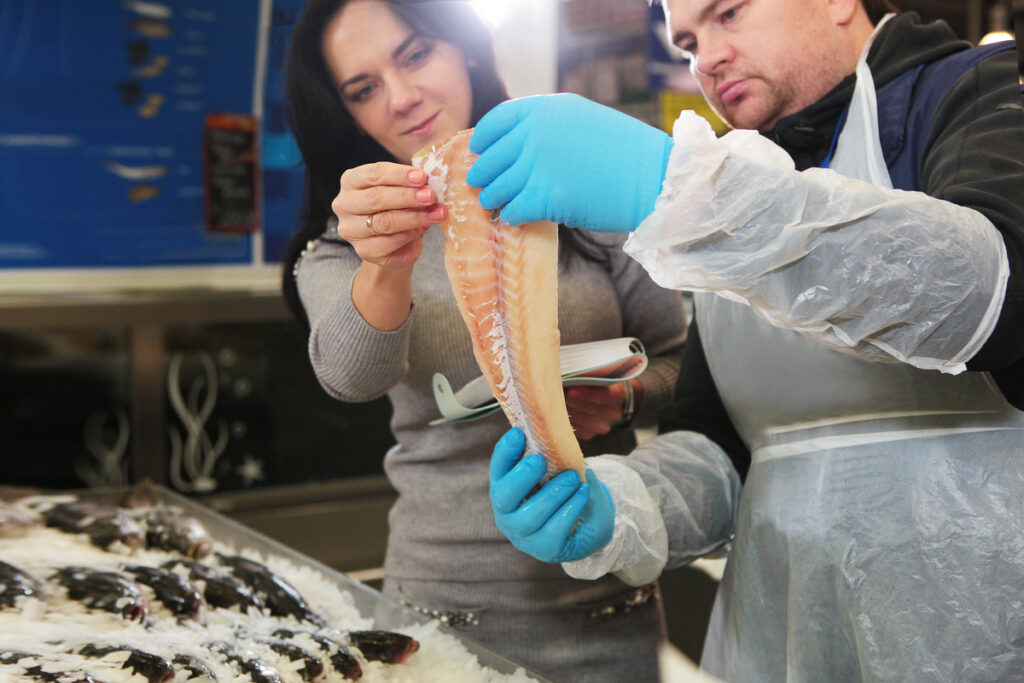
Using tongs or gloves when handling raw meat can prevent bacteria from spreading to other ingredients or surfaces. This keeps your hands clean and avoids direct contact with raw food, which reduces the risk of contamination.
Dispose of gloves or clean tongs immediately after use, and wash your hands thoroughly. Handling meat properly helps keep the rest of your kitchen bacteria-free. This practice is especially important when cooking for multiple people.
Ventilate Your Kitchen Properly

Good ventilation helps remove smoke, steam, and cooking odors, improving air quality and comfort. Turn on a range hood or open a window to reduce moisture and prevent mold growth.
Proper airflow also helps remove airborne contaminants that can land on food or surfaces. Ventilation contributes to a fresher, cleaner kitchen environment. A well-ventilated kitchen feels pleasant and promotes better hygiene.




Leave a Reply