
Childhood food wasn’t just about eating; it was about proving who ruled the lunch table. These weren’t snacks, they were social statements. Some made you feel like royalty, others like a lab experiment gone wrong, and all of them caused drama.
Want to Save This Recipe?
Enter your email & I'll send it to your inbox. Plus, get great new recipes from me every week!
By submitting this form, you consent to receive emails from Blue's Best Life.
To this day, you can drop one of these food names into a conversation and someone will roll their eyes, someone else will cheer, and suddenly you’ve got a debate hotter than a cafeteria pizza slice.
Tater Tots

Tater tots were the little golden nuggets of the cafeteria, crispy on the outside and mysterious on the inside. Some trays had perfectly crunchy ones, while others served soggy disappointments that stuck together like potato glue. The ketchup debate alone could divide a classroom, dipping or drowning, never in between.
Kids used them as currency, trading three tots for one cookie like it was Wall Street in elementary school. Teachers hated them because they rolled off trays and turned hallways into grease traps. They weren’t just food; they were edible lottery tickets.
Pop-Tarts

Pop-Tarts were basically candy in disguise, and breakfast was their stage. Some swore you had to toast them until the frosting blistered, while others ripped open the foil and ate them raw like sugar-packed survival bars. The real argument wasn’t how you ate them, but which flavor deserved the crown.
Strawberry fans rolled their eyes at brown sugar cinnamon lovers, and unfrosted Pop-Tarts might as well have been punishment. Half the time you burned your tongue on molten filling anyway, but somehow it was worth it. Pop-Tarts weren’t just food—they were a battlefield in a silver wrapper.
Mac and Cheese

Boxed mac and cheese was the culinary equivalent of neon paint. The powder turned into a glowing orange sauce that no one mistook for real cheese, but everyone loved anyway. Some kids demanded it creamy enough to drip off the fork, while others wanted it stiff enough to patch drywall.
Elbow noodles were fine, but shaped pasta was treated like finding buried treasure. Parents sometimes tried “fancier” versions, which only led to rebellion at the dinner table. Mac and cheese wasn’t just a meal—it was a personality test with noodles.
Jell-O

Jell-O was dessert or science experiment, depending on your tolerance for wobbling. It jiggled, it bounced, and sometimes it trapped fruit like a gelatin time capsule. Cherry stained your tongue, lime made you suspicious, and cafeteria Jell-O came in colors NASA still hasn’t classified.
Some kids loved the wiggle, others couldn’t get past the texture. Eating it required determination and sometimes skill, because it slid off spoons like it was trying to escape. Jell-O was the friend who always showed up to the party, whether you liked it or not.
Peanut Butter and Jelly
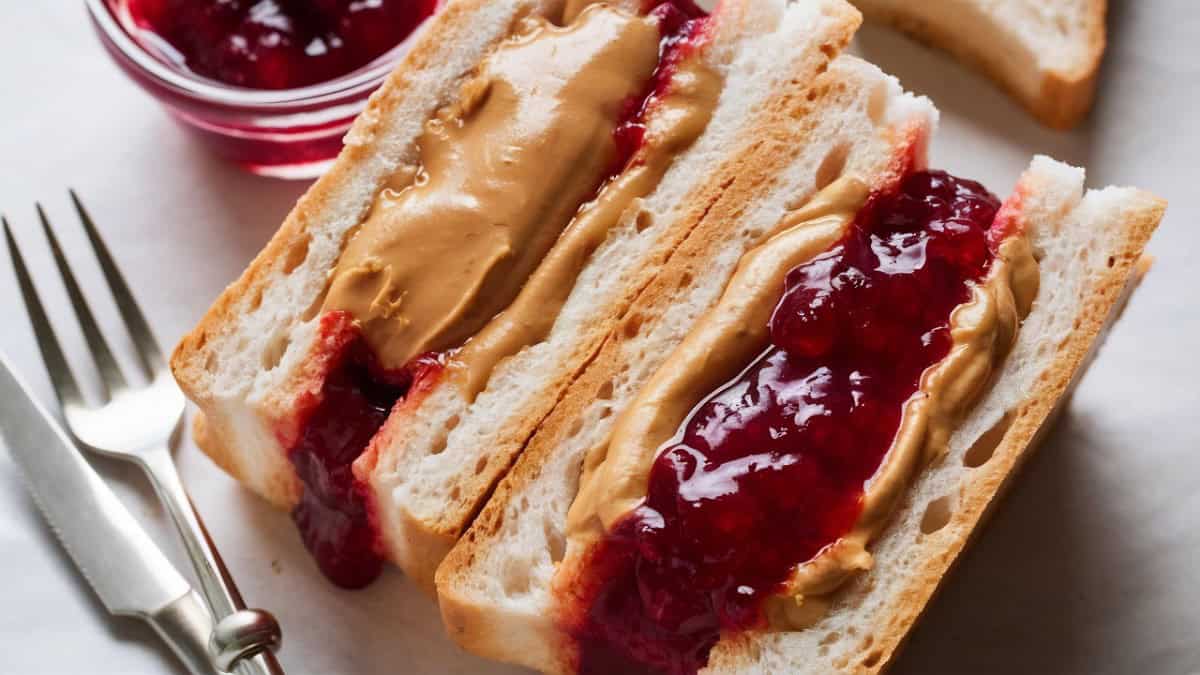
The peanut butter and jelly sandwich looks simple, but it could tear families apart. Creamy or crunchy? Grape jelly or strawberry jam? White bread or wheat? These weren’t minor questions; they were identity markers.
Cutting it diagonally felt elegant, cutting it straight down felt rushed, and some kids smashed the whole thing until it looked like abstract art. PB&J wasn’t just a sandwich—it was a lifelong allegiance.
Hot Dogs

Hot dogs weren’t just food; they were controversy on a bun. Ketchup lovers battled mustard loyalists, while relish, onions, and chili divided the daring from the cautious. At school, they were often lukewarm and wrapped in foil that stuck to the bun like glue.
Some kids could inhale two in record time, while others dissected them like detectives. The real question nobody agreed on: was this a snack, a meal, or a dare? Hot dogs didn’t care—they showed up at every cookout ready to cause arguments.
Cereal
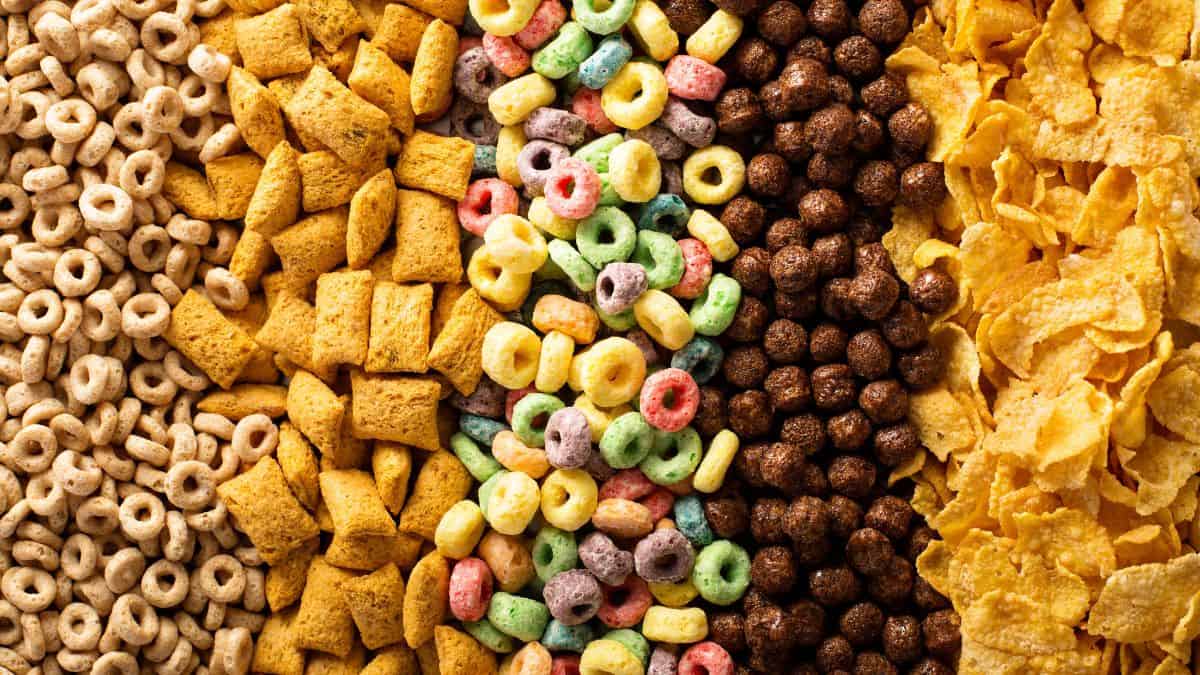
Cereal ruled breakfast with an iron spoon. Sugary mascots promised “balanced breakfasts” while stuffing kids with marshmallows and corn dust. The soggy versus crunchy argument has no clear winner, only passionate sides.
The free toy inside sometimes mattered more than the actual flavor. And Saturday mornings were powered by bowl after bowl eaten in front of cartoons, until the milk turned neon. People still fight over whether plain cereals are respectable or just birdseed.
Pudding Cups

Pudding cups were tiny chocolate jackpots, if you could open them without splattering yourself. The foil lid was either your friend or your enemy, no in-between. Chocolate was the classic, vanilla had its defenders, and swirls caused indecision at every lunch table.
Some stirred it smooth, others shoveled clumps straight into their mouths like archeologists. Sneaking one into your backpack without permission felt like a victory. To this day, people still argue whether they were elite or just sugary filler.
Sloppy Joes
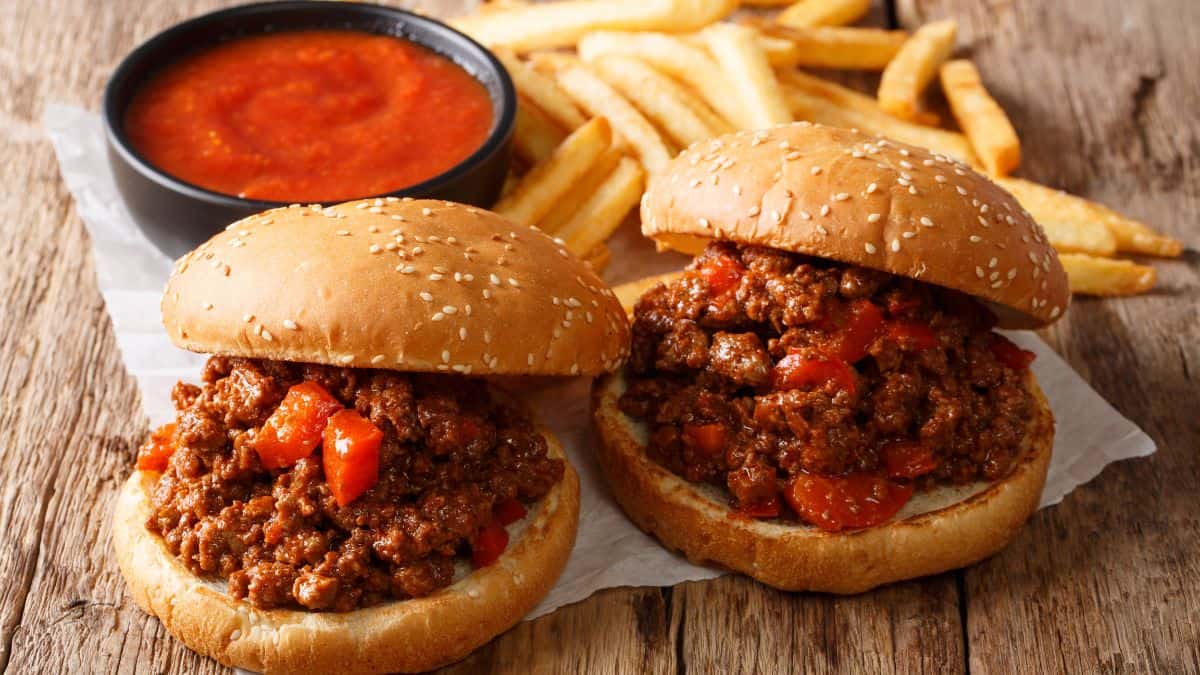
Sloppy Joes were exactly what they promised: sloppy and unapologetic. They appeared on cafeteria menus like surprise guests, dripping orange sauce onto everything in sight. Some kids adored the saucy chaos, while others treated it like ground beef gone rogue.
The bun never lasted more than three bites before collapsing in defeat. Pairing them with tater tots turned lunch into a greasy carnival. They may have been messy, but no one forgot them.
Fruit Roll-Ups

Fruit Roll-Ups were sticky sugar pretending to be healthy. They came with cut-out shapes that never peeled properly, leaving a colorful disaster behind. Some kids wore them as rings before chewing them down, others rolled them into neon balls of chewy chaos.
Teachers despised them because desks and textbooks became glue traps within minutes. Parents swore they counted as fruit, but everyone knew better. The debate still lingers—were they a snack, candy, or craft project?
Grilled Cheese
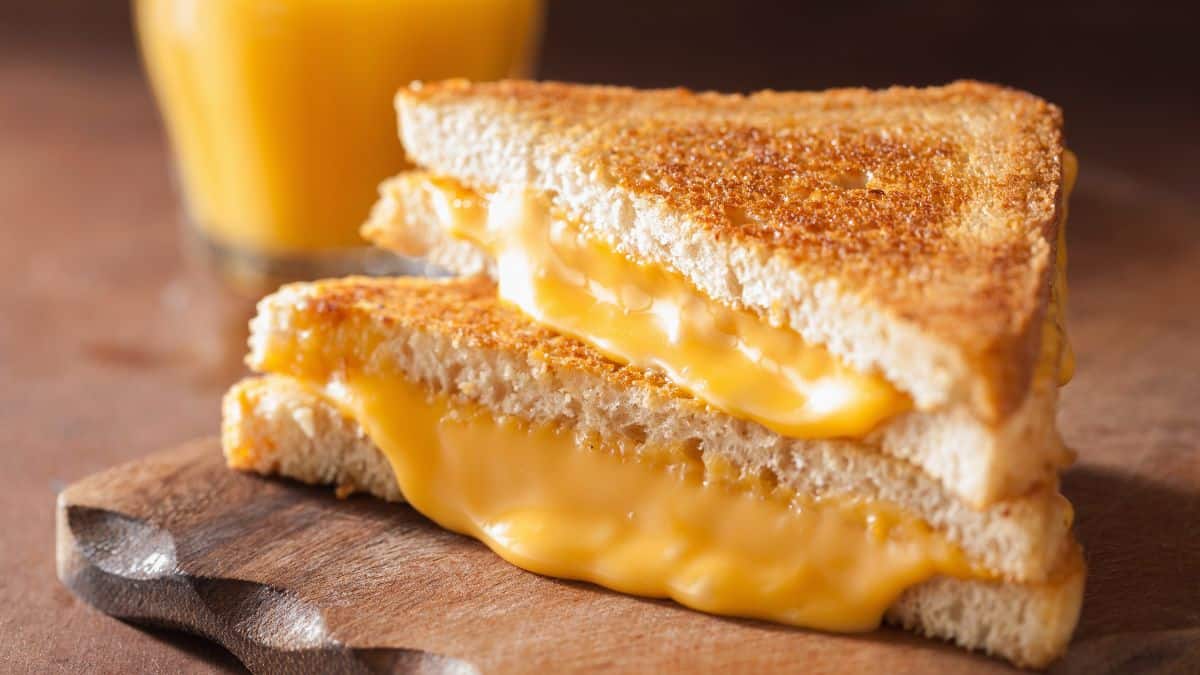
Grilled cheese was comfort food with baggage. White bread and American slices were classic, but fancy cheeses made some kids roll their eyes. The crispiness of the bread sparked heated debates: golden perfection or charred edges?
Pairing it with tomato soup was a tradition, but not everyone agreed on dipping. Some swore by the simplicity, others argued it needed bacon, ham, or extras. Even today, grilled cheese divides kitchens across the world.
Chicken Nuggets

Chicken nuggets were cafeteria gold, whether they came in dinosaur shapes or mystery lumps. The dipping sauce was a personality test—ketchup, BBQ, honey mustard, or ranch. Some nuggets were crispy, others were suspiciously spongy, but they always disappeared first on the tray.
Trading nuggets was serious business, often requiring two snacks in exchange for just one. Parents argued over homemade versus frozen, but kids didn’t care. Nuggets were chaos and comfort rolled into one bite.
Twinkies

Twinkies were snack royalty, golden sponge cakes hiding cream that was never actually cream. Some kids cherished them like gold bars, while others thought they were too sweet to survive. The legend of Twinkies lasting forever only fueled their mystique.
Splitting one with a friend felt generous, but hoarding them was more common. Parents sighed dramatically every time they spotted them in lunchboxes. Love them or hate them, Twinkies were the sugary cliffhanger of every cafeteria debate.
These foods weren’t just about taste but identity, chaos, and bragging rights. Every lunch table was a miniature debate stage, and every snack was ammunition. We grew up, but the opinions never faded.
Mac and cheese still sparks fights, Jell-O still wiggles suspiciously, and Pop-Tarts still divide households. The arguments live on, proving that childhood foods weren’t just meals but cultural events. And honestly, the debates might be tastier than the food itself.
Leave a Reply