
The clocks fall back, the sun disappears by mid-afternoon, and suddenly the concept of “dinner time” becomes extremely flexible. One minute it’s 3:45 PM and you’re thinking about a snack. The next minute, you’re eating a full meal and wondering if this officially counts as a senior citizen habit.
Want to Save This Recipe?
Enter your email & I'll send it to your inbox. Plus, get great new recipes from me every week!
By submitting this form, you consent to receive emails from Blue's Best Life.
Every winter, without a group text or a meeting invite, society quietly agrees to eat earlier. It’s not planned. It’s not discussed. It just happens. And once it starts, there’s no turning back until spring pretends it’s coming. Here’s why winter turns us all into early-bird diners, whether we admit it or not.
Darkness Makes Time Completely Fake
Winter darkness messes with everyone’s internal clock in a way that feels borderline rude. When it’s pitch black at 4:30 PM, your brain assumes it must be at least 7:45. You’ve lived a full day. You’ve survived enough. The sun clocked out early, so why shouldn’t you?
Suddenly, dinner at what used to be “late afternoon” feels emotionally correct. The lights are on, the house feels quieter, and your body is convinced it’s earned a meal. You could check the actual time, but that would ruin the illusion. Winter thrives on confusion, and early dinner is one of its favorite side effects.
Cold Weather Turns Hunger Into a Personality Trait

The second temperature drops, hunger becomes louder, more dramatic, and deeply personal. You’re not just hungry. You’re cold-hungry. That special kind of hunger that feels urgent, emotional, and slightly offended you haven’t eaten yet. Winter food isn’t light or polite. It’s heavy, comforting, and demands to be eaten sooner rather than later.
Waiting until a “normal” dinner hour feels unnecessary when your body is already craving something warm, filling, and capable of making the day feel less bleak. By 4:15 PM, you’re already mentally plating something and pretending it’s completely reasonable.
Winter Days Feel Longer Even Though They’re Shorter
Somehow, winter days manage to feel exhausting while also being extremely short. You wake up in the dark, exist in gray light, and end your day in darkness again. By late afternoon, it feels like you’ve lived three separate lives. Work feels longer. Errands feel heavier.
Even doing nothing feels draining. Dinner becomes the emotional finish line of the day, not something you push toward later. Eating earlier feels like permission to shut things down mentally. Once dinner happens, the day is officially over, regardless of what the clock says.
Social Plans Quietly Disappear After Sunset

Winter doesn’t kill social lives outright. It just aggressively reschedules them to earlier hours. Nobody wants to go out once it’s freezing, dark, and feels like midnight at 6 PM. That dinner plan at 8 suddenly sounds exhausting and unnecessary.
Eating earlier means you can be home, comfortable, and already in soft clothes before the night feels too serious. Even when people do make plans, they’re mysteriously shifted forward without explanation. Early dinners become the unspoken compromise between seeing other humans and not wanting to leave the house at all.
The Couch Starts Calling Much Earlier
In winter, the couch gains an almost magnetic pull by late afternoon. It’s warm. It’s familiar. It doesn’t require shoes. Once you sit down, the idea of getting back up later to cook or eat feels like a personal attack. Eating earlier becomes a strategic move, even if no one admits it out loud.
Dinner happens before full couch mode activates, because once blankets are involved, all motivation disappears. Early dinner clears the way for guilt-free lounging, scrolling, and zoning out while convincing yourself you’ll definitely be productive tomorrow.
Winter Food Feels Like an Event, Not a Meal
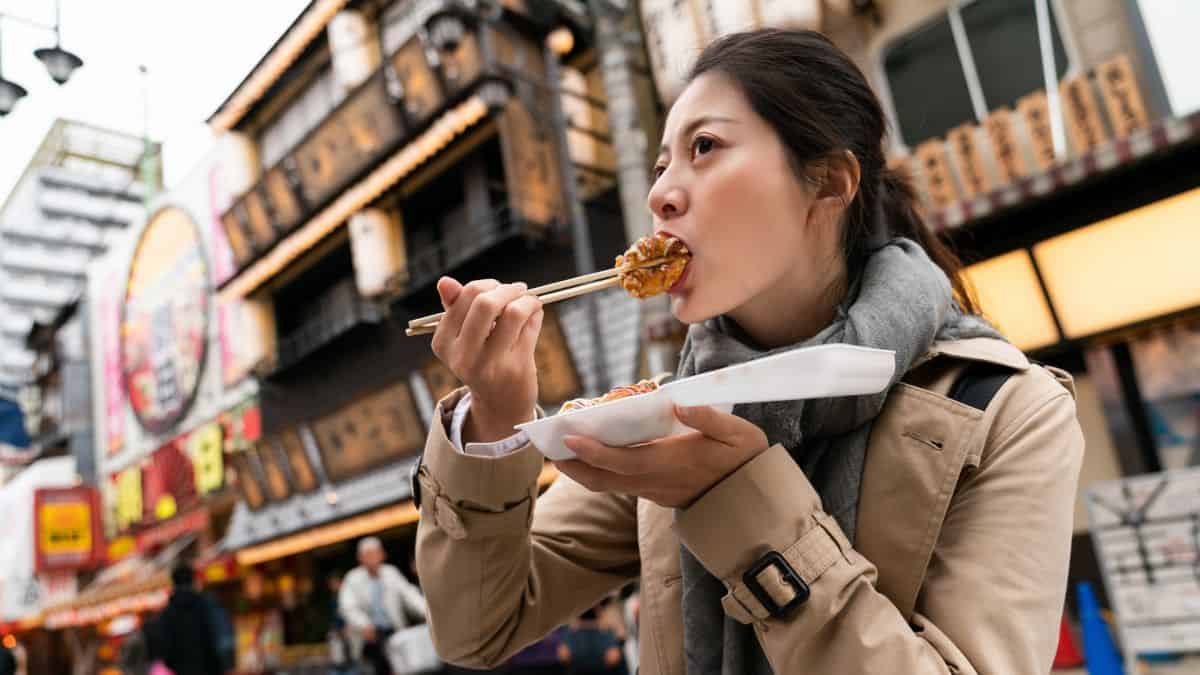
Winter dinners aren’t just eaten. They’re experienced. They come with steam, heavy bowls, and the emotional weight of comfort. When food feels like the highlight of the day, there’s no reason to delay it. Eating earlier stretches out the enjoyment.
You get to savor it, sit with it, and maybe even follow it with something cozy instead of rushing through late. Dinner becomes part of the evening rather than the start of it. Once winter hits, food timing stops being practical and starts being emotional.
Every winter, without discussion or debate, dinner just slides earlier and earlier until no one questions it anymore. What once felt premature suddenly feels perfectly timed.
By the time spring rolls around, everyone quietly shifts back like nothing ever happened. Until then, we’ll all be eating at 4:37 PM, swearing it’s normal, and blaming the darkness for everything.
Leave a Reply