
Seeds are tiny powerhouses of nutrition. Packed with essential vitamins, minerals, healthy fats, and protein, they can easily enhance your meals while benefiting your health. Including seeds in your diet is simple and versatile—you can sprinkle them on salads, blend them into smoothies, or use them in baking.
Want to Save This Recipe?
Enter your email & I'll send it to your inbox. Plus, get great new recipes from me every week!
By submitting this form, you consent to receive emails from Blue's Best Life.
Eating various seeds ensures you get nutrients to support your overall well-being. Here’s a list of 15 nutrient-dense seeds you should eat daily and why they’re worth adding to your diet.
Chia Seeds
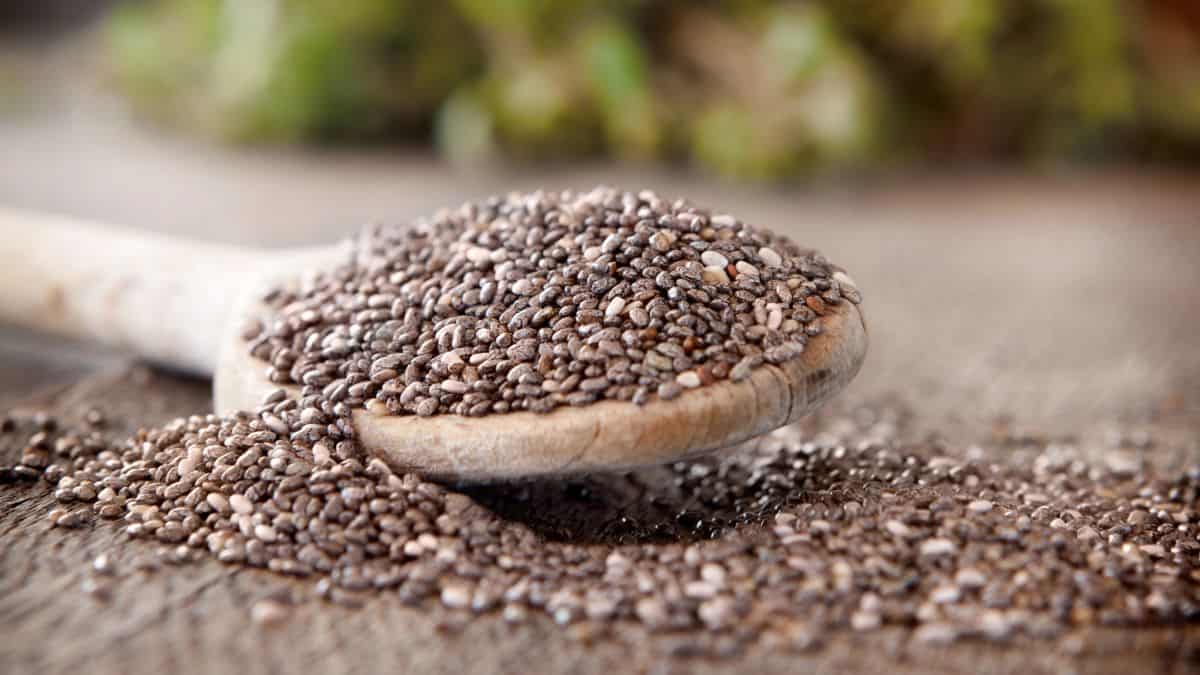
Chia seeds are tiny but mighty. They’re an excellent source of omega-3 fatty acids, which support heart and brain health. High in fiber, they help with digestion and keep you feeling full for longer. Chia seeds also contain calcium, magnesium, and phosphorus, making them great for bone health.
Add them to your yogurt, oatmeal, or smoothies for an easy nutritional boost. When mixed with liquid, they form a gel-like texture perfect for puddings. They’re also gluten-free, making them suitable for many diets.
Flaxseeds

Flaxseeds are rich in lignans, an antioxidant that may reduce cancer risk. They’re also an excellent source of alpha-linolenic acid (ALA), a plant-based omega-3 fatty acid. Flaxseeds are high in soluble and insoluble fiber promote gut health, and help regulate blood sugar levels.
You can add ground flaxseeds to baked goods, smoothies, or cereal for an extra dose of nutrition. Their nutty flavor enhances both sweet and savory dishes. Be sure to grind them for better nutrient absorption.
Pumpkin Seeds
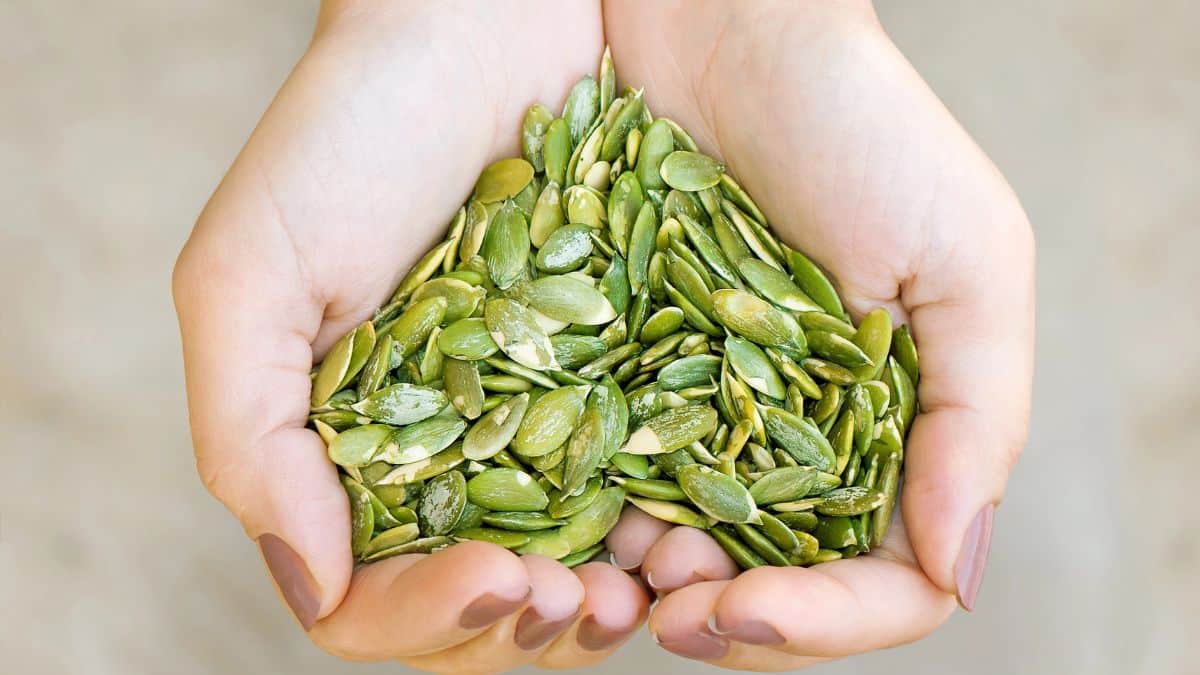
Pumpkin seeds, or pepitas, are loaded with magnesium, zinc, and healthy fats. Thanks to their tryptophan content, they’re perfect for supporting immune health and improving sleep quality. Rich in antioxidants, they help combat inflammation in the body.
You can eat them raw, roasted, or added to trail mix. Their crunchy texture makes them a great topping for soups and salads. Plus, they’re a good source of plant-based protein.
Sunflower Seeds
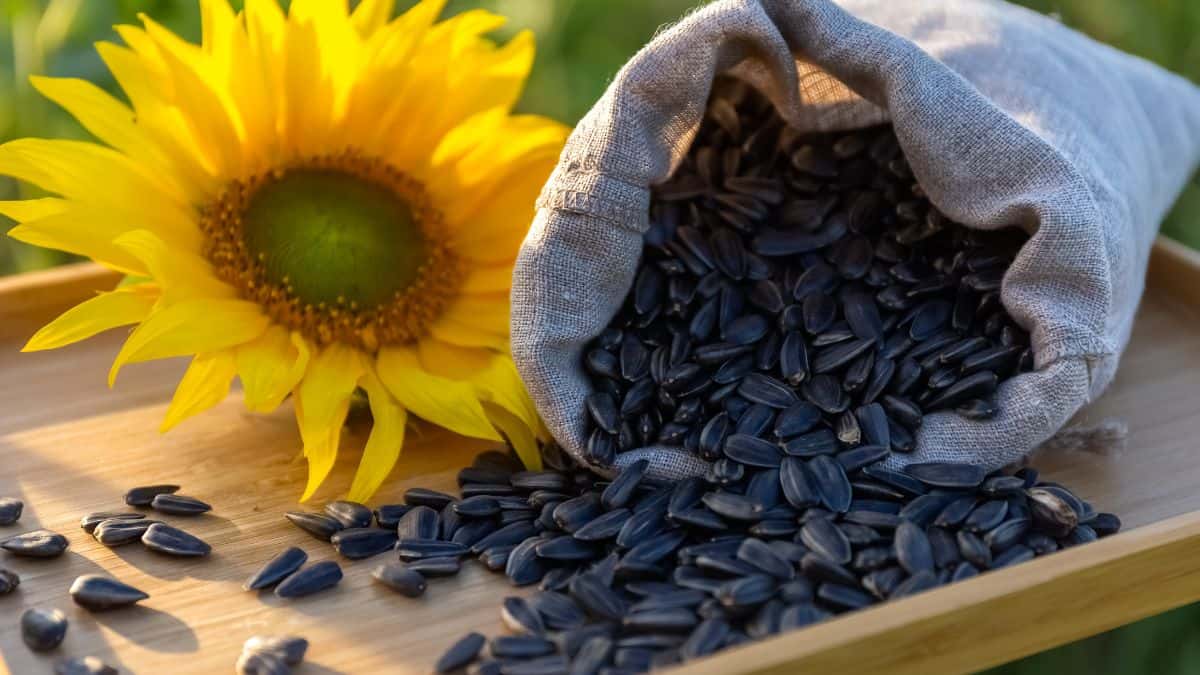
Sunflower seeds are a fantastic source of vitamin E, which supports skin and immune health. They also provide healthy fats and selenium, an essential mineral for thyroid function. Their nutty flavor pairs well with various dishes, from salads to granola bars.
Sunflower seeds can also be ground into sunflower seed butter, a tasty alternative to peanut butter. Eating them regularly may help reduce inflammation and improve heart health. They’re a convenient snack on their own or mixed with dried fruits.
Sesame Seeds

Sesame seeds are packed with calcium, making them great for maintaining strong bones. They’re also rich in iron, magnesium, and zinc. These seeds are a key ingredient in tahini, a creamy paste often used in Middle Eastern dishes.
Sesame seeds contain sesamin and sesamol, compounds with antioxidant and anti-inflammatory properties. Sprinkle them on stir-fries, salads, or baked goods for added crunch. Both white and black sesame seeds are equally nutritious and flavorful.
Hemp Seeds
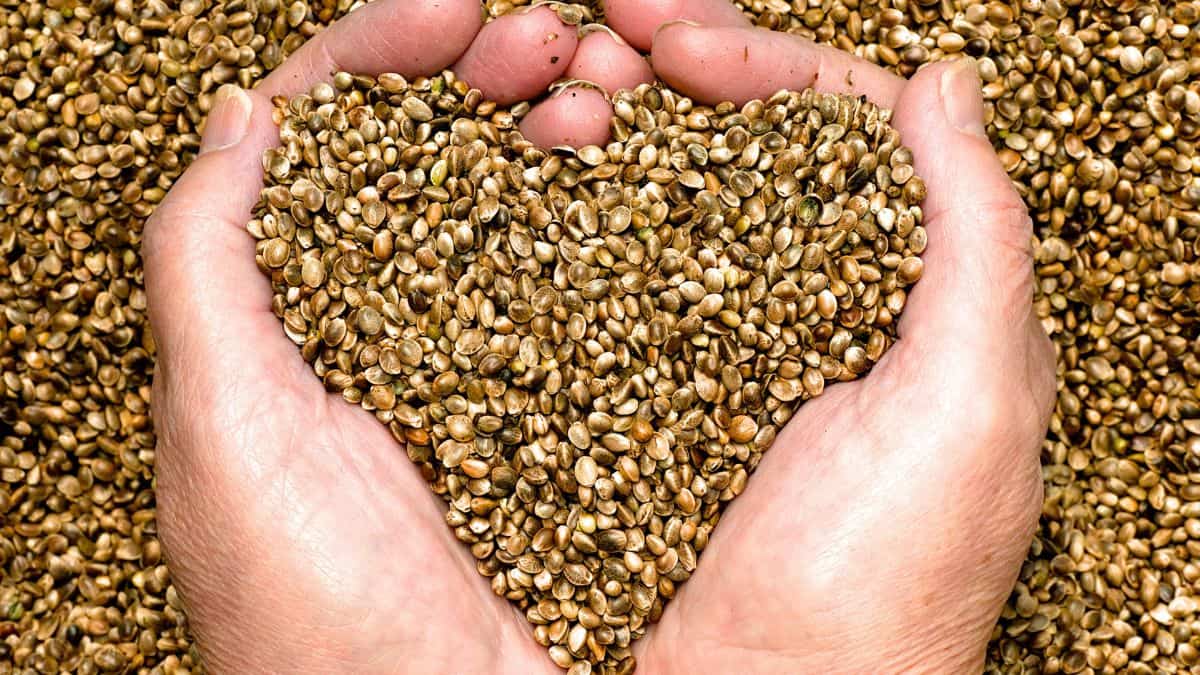
Hemp seeds are a complete protein, containing all nine essential amino acids. They’re also rich in omega-3 and omega-6 fatty acids in an ideal heart-health ratio. These seeds are easy to digest and promote skin health due to their high vitamin E content.
You can sprinkle hemp seeds on cereal, yogurt, or salads for a quick nutrition boost. Their mild, nutty flavor works well in smoothies and energy bars. Hemp seeds are also an excellent source of magnesium and iron.
Poppy Seeds

Poppy seeds may be tiny but contain calcium, iron, and zinc. These nutrients are essential for strong bones, red blood cell production, and immune health. Their unique nutty flavor makes them a popular addition to baked goods like muffins and bread.
Poppy seeds are also a good dietary fiber source, supporting digestive health. They’re rich in antioxidants that help protect cells from damage. Use them sparingly as a garnish or dressings to enhance flavor and nutrition.
Quinoa Seeds

Quinoa is technically a seed, not a grain, but it’s often used as an alternative. It’s gluten-free and a complete protein, making it perfect for vegetarians and vegans. Quinoa is rich in manganese, magnesium, and phosphorus, essential for energy production and bone health.
It’s also high in fiber, aiding digestion and helping to control blood sugar levels. You can cook quinoa as a side dish, mix it into salads, or use it in soups. Its mild flavor and fluffy texture make it a versatile kitchen staple.
Cumin Seeds
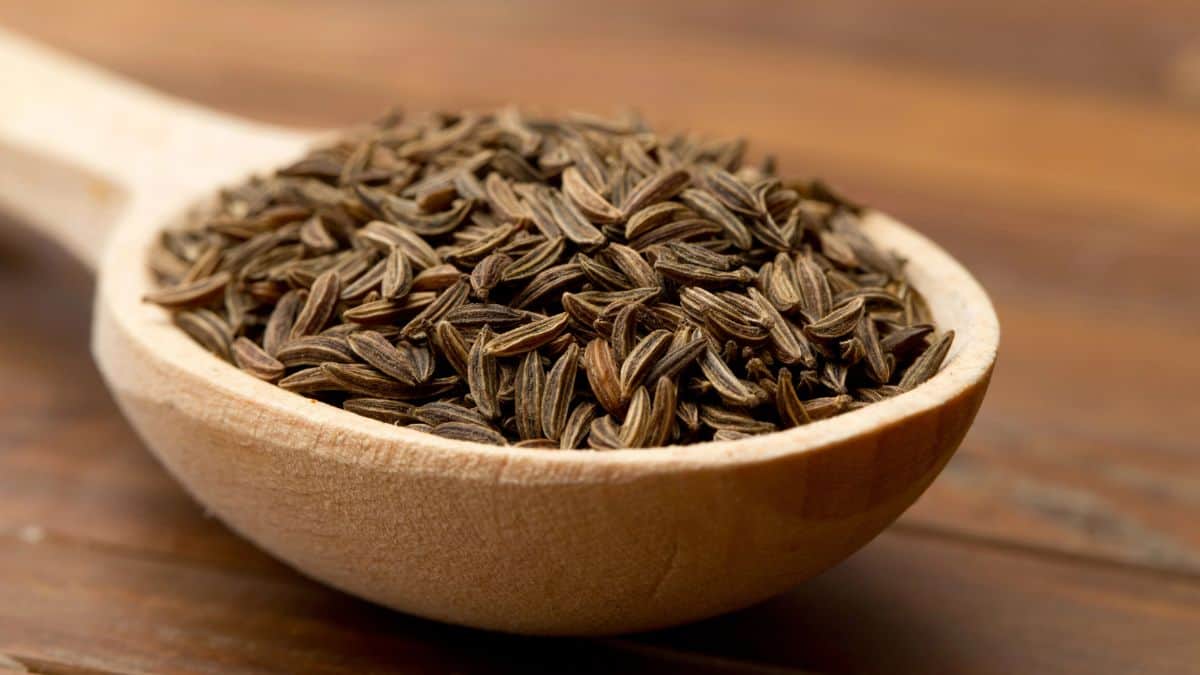
Cumin seeds are well-known for their role in seasoning but also offer nutritional benefits. They’re rich in iron, supporting red blood cell production and energy levels. Cumin seeds contain antioxidants and may help digestion by reducing bloating and improving gut health.
Their earthy, warm flavor enhances soups, stews, and curries. Toasting the seeds brings out their aroma and adds depth to dishes. Regular consumption may also support immune function and lower inflammation.
Coriander Seeds
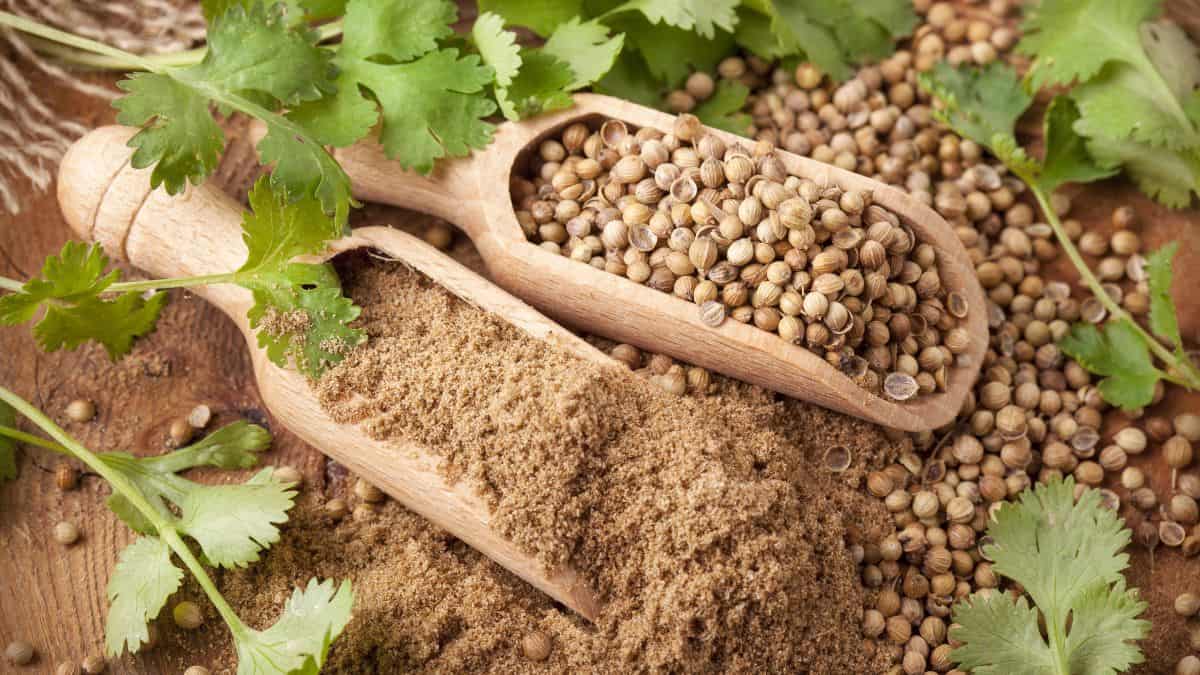
Coriander seeds are another flavorful addition to your diet with great health benefits. They’re packed with antioxidants and have anti-inflammatory properties. Rich in dietary fiber, they support digestive health and can help regulate blood sugar levels.
Coriander seeds are also a source of vitamins like C, K, and some B vitamins. Their citrusy flavor works well in curries, soups, and spice blends. Crushing the seeds before use releases their aromatic oils for maximum flavor.
Nigella Seeds

Nigella seeds, also known as black cumin or kalonji, have a distinctive flavor. They’re rich in antioxidants and have antimicrobial and anti-inflammatory properties. These seeds are known to support immune health and may aid in reducing blood pressure.
Their unique taste makes them popular in Indian and Middle Eastern cuisines. Sprinkle them on bread, add them to curries, or use them in spice blends. Nigella seeds are also believed to have potential benefits for respiratory health.
Mustard Seeds

Mustard seeds are small but packed with selenium, magnesium, and omega-3 fatty acids. They have anti-inflammatory properties and may support heart health. Mustard seeds are often used in pickling, sauces, and spice blends.
Their pungent flavor adds depth to many dishes. When ground and mixed with water, they release enzymes that enhance their flavor and health benefits. Mustard seeds are also a good source of dietary fiber.
Fennel Seeds

Fennel seeds are widely used for their digestive benefits. They’re rich in fiber, iron, and magnesium, supporting gut health and overall well-being. Fennel seeds have a sweet, licorice-like flavor and are often used as a breath freshener.
They can help reduce bloating, improve appetite, and aid in digestion. Use them in tea, curries, or baked goods for a subtle flavor boost. Fennel seeds are also high in antioxidants, which support cellular health.
Watermelon Seeds

Watermelon seeds are often discarded, but they’re incredibly nutritious. They’re high in magnesium, zinc, and iron, supporting muscle function and immune health. These seeds are also a good source of healthy fats and protein.
Roasted watermelon seeds make a delicious and crunchy snack. You can also add them to trail mixes or baked goods. Their mild flavor makes them versatile in both sweet and savory recipes.
Basil Seeds

Basil seeds, also called sabja seeds, are rich in fiber and antioxidants. When soaked in water, they form a gel-like texture that aids in digestion and helps you feel full. They’re also a good source of calcium, magnesium, and iron.
Basil seeds are commonly used in drinks and desserts, especially in Asian cuisine. Their cooling properties make them a great addition to summer beverages. They’re an excellent choice for anyone looking to improve gut health and manage weight.




Leave a Reply