
Staying hydrated is essential for your overall health, but drinking water isn’t the only way to keep your body hydrated. Many fruits and vegetables have high water content, and they can help you meet your daily hydration needs while also providing essential vitamins and minerals.
Want to Save This Recipe?
Enter your email & I'll send it to your inbox. Plus, get great new recipes from me every week!
By submitting this form, you consent to receive emails from Blue's Best Life.
Eating hydrating foods is especially helpful for people who struggle to drink enough water throughout the day. These water-rich foods not only keep you refreshed but also support digestion, skin health, and energy levels. Let’s explore 15 super hydrating foods that can help you stay hydrated while nourishing your body.
Cucumber
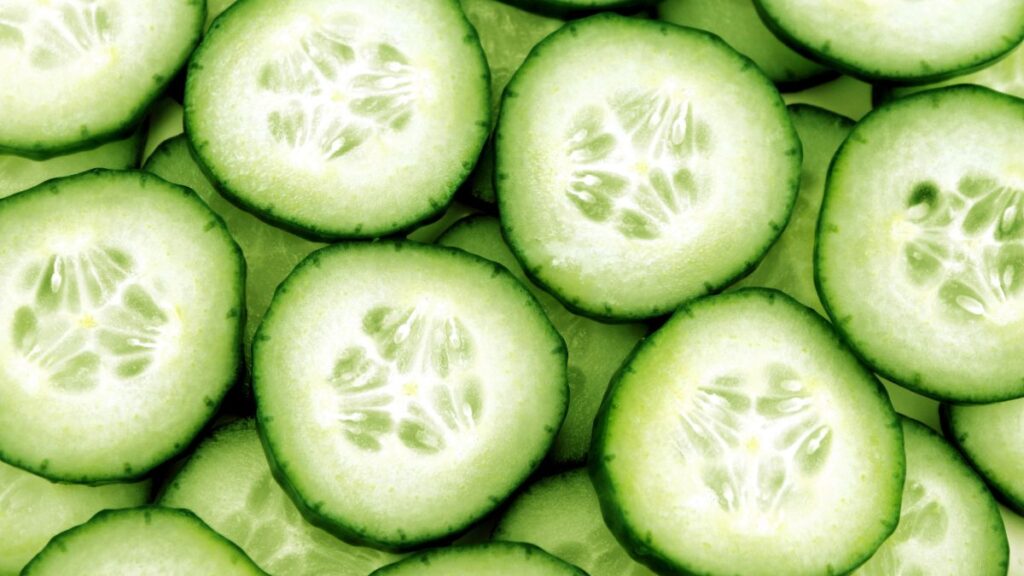
Cucumbers are about 95% water, making them one of the most hydrating vegetables you can eat. They’re low in calories and make a refreshing snack or addition to salads, sandwiches, and wraps. Cucumbers are also rich in antioxidants, which help fight inflammation and support overall health.
You can slice them up with some salt, dip them in hummus, or add them to water for a cool, refreshing drink. Their high water content helps you stay hydrated, especially in hot weather. Cucumbers are a simple, tasty way to increase your hydration.
Watermelon
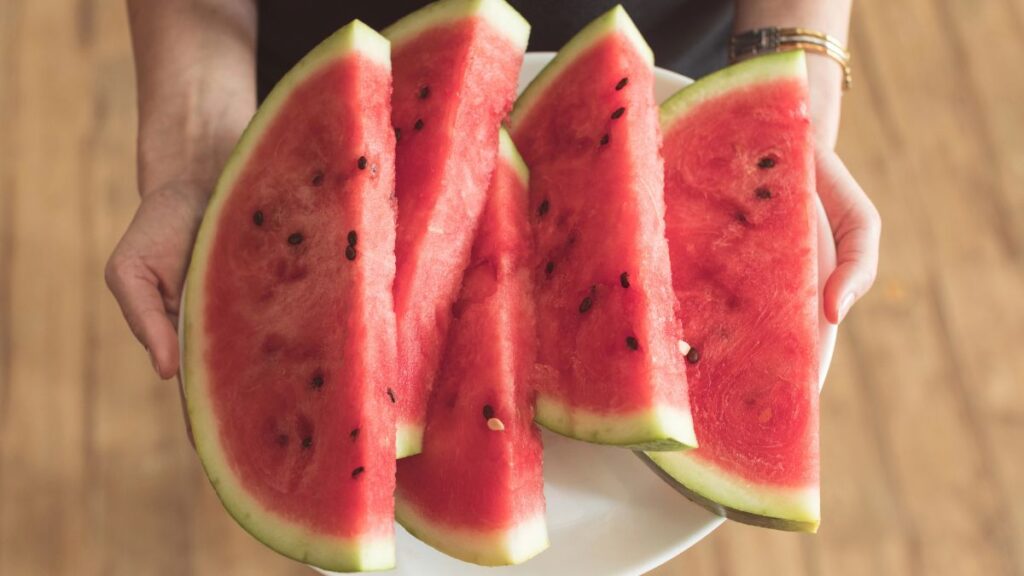
Watermelon is the quintessential hydrating summer fruit, with over 90% water content. It’s sweet, juicy, and loaded with vitamins A, B6, and C, as well as antioxidants like lycopene, which is great for your heart. Whether you eat it on its own, blend it into smoothies, or add it to fruit salads, watermelon is a delicious way to boost your hydration.
Its natural sweetness can also satisfy sugar cravings without adding many calories. Plus, it’s great for keeping you refreshed and cool during hot days. Watermelon is not only hydrating but also deliciously versatile.
Strawberries
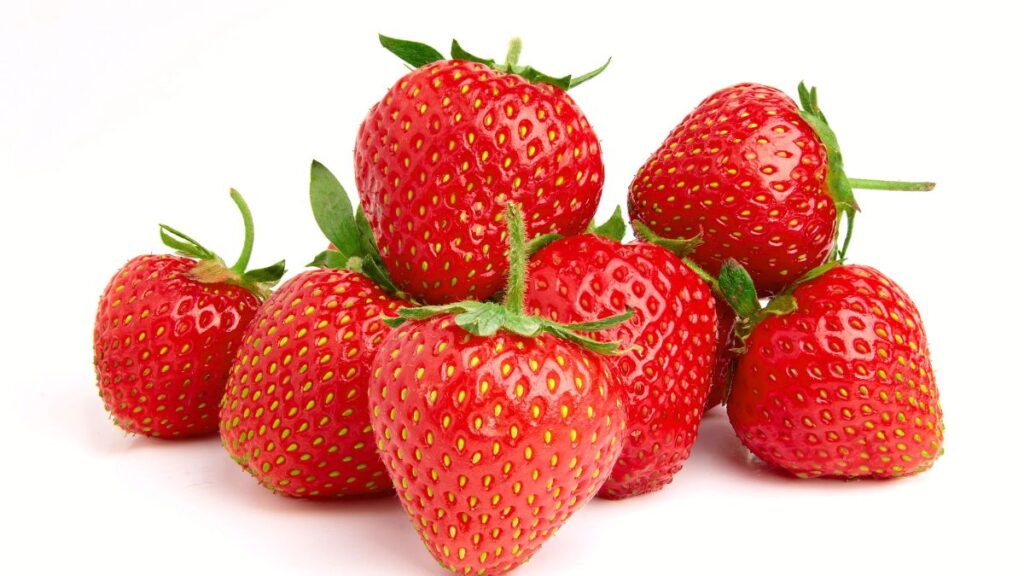
Strawberries are made up of about 91% water, making them one of the most hydrating berries. They’re also rich in vitamin C, fiber, and antioxidants, which support your immune system and digestive health. Strawberries make a great snack on their own, can be added to salads, or blended into smoothies for a refreshing treat.
You can also freeze them for a cooling snack during warm weather. Their sweet, juicy flavor makes it easy to stay hydrated while enjoying a nutrient-packed food. Strawberries are a delicious and healthy way to up your water intake.
Lettuce
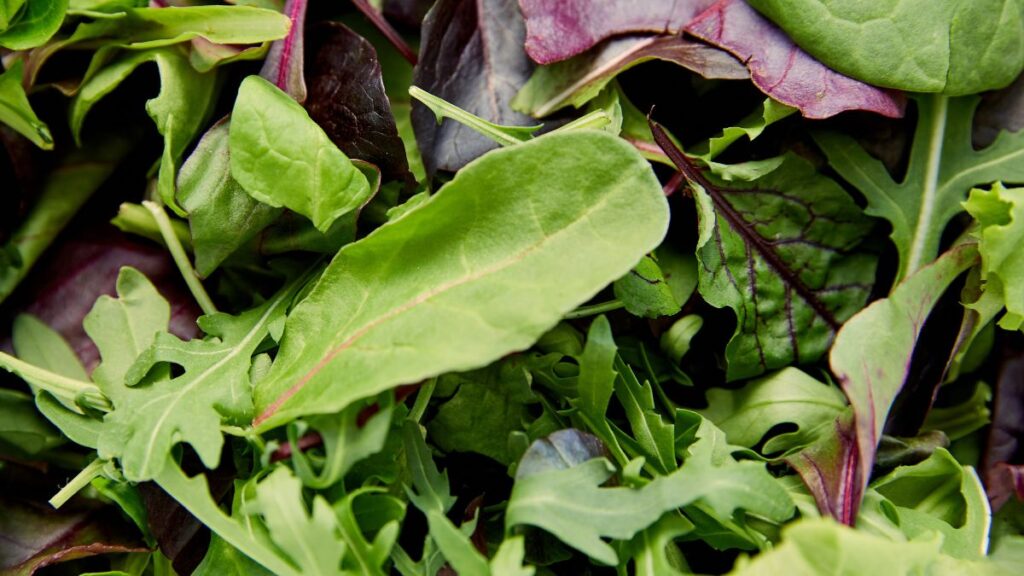
Lettuce, particularly iceberg and romaine, is extremely high in water content, with up to 95% water. It’s a light, refreshing vegetable that’s perfect for salads, sandwiches, and wraps. While it’s not as nutrient-dense as darker greens, lettuce still provides some vitamins A and K, which are essential for eye and bone health.
You can easily incorporate lettuce into your meals to boost your hydration without adding many calories. Its crisp, cool texture makes it a refreshing addition to many dishes. Lettuce is a hydrating staple that’s versatile and easy to enjoy.
Zucchini
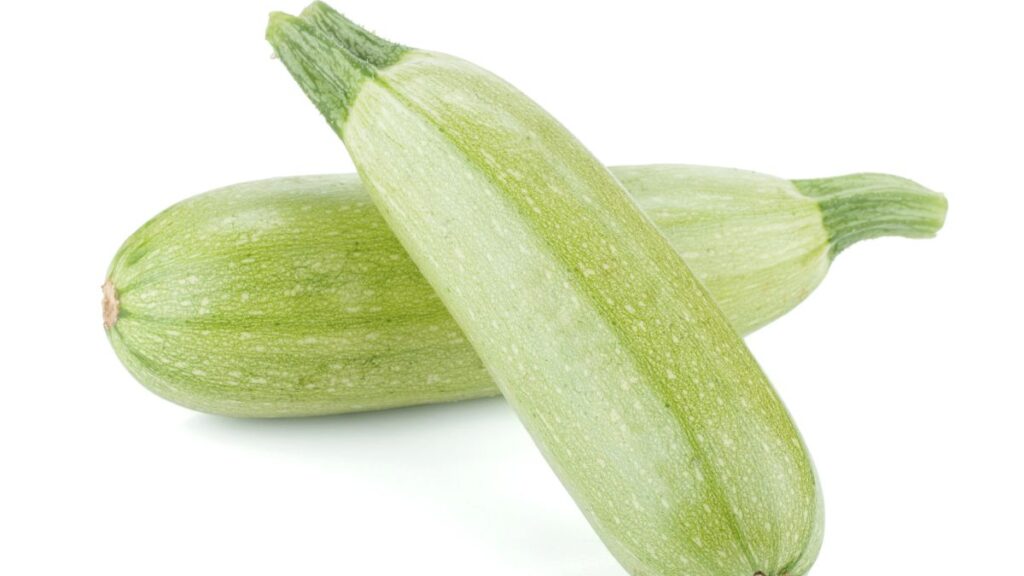
Zucchini is another hydrating vegetable, with about 94% water content. It’s also a good source of vitamin C, potassium, and fiber, which support your immune system and digestion. You can spiralize zucchini into noodles, grill it as a side dish, or add it to soups and stews.
It’s mild in flavor, which makes it a great addition to many recipes without overpowering other ingredients. Whether you eat it raw or cooked, zucchini is a tasty way to add more hydration to your meals. Its versatility and high water content make it a go-to for staying hydrated.
Tomatoes
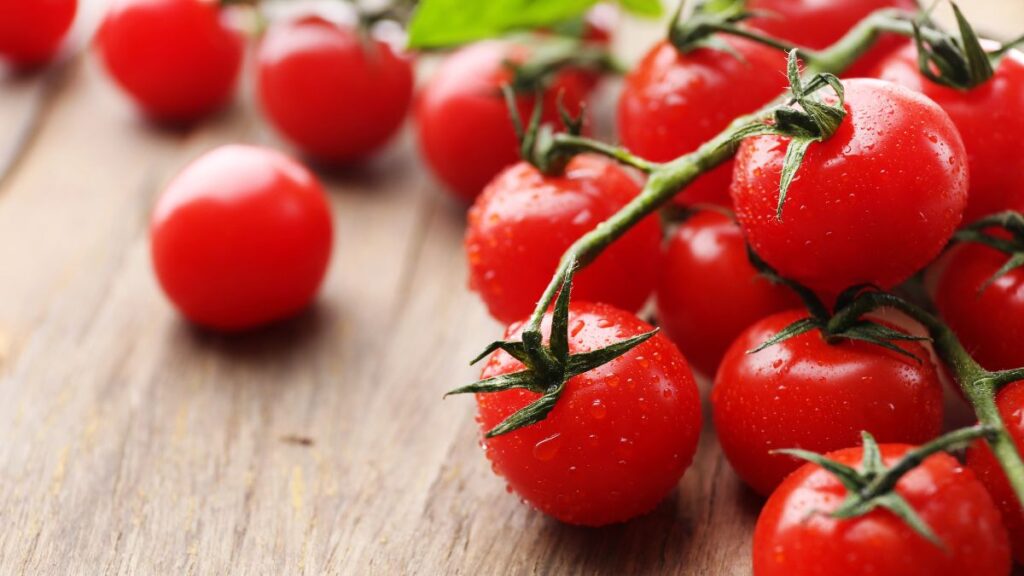
Tomatoes are about 94% water and packed with vitamins C, K, and potassium. They’re also rich in lycopene, an antioxidant that supports heart health and protects against sun damage. Whether you slice them for salads, blend them into sauces, or eat them raw, tomatoes are a hydrating, flavorful addition to any meal.
You can also use cherry tomatoes as a refreshing snack or mix them into pasta dishes for added texture and moisture. Tomatoes’ high water content and nutritional benefits make them a delicious, hydrating food to include in your diet.
Celery
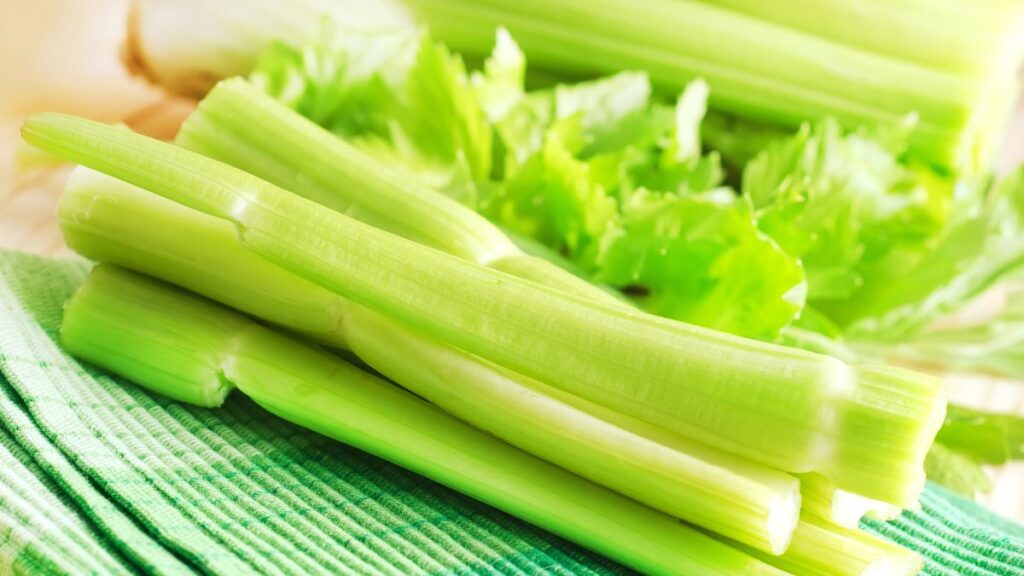
Celery is about 95% water and is one of the most hydrating vegetables available. It’s also low in calories and provides a good amount of fiber, which helps with digestion. Celery is perfect as a crunchy snack, especially when paired with dips like hummus or peanut butter. You can also chop it up and add it to soups, stews, or salads.
Its high water content and refreshing flavor make it an excellent way to stay hydrated while enjoying a light, healthy snack. Celery is a simple, hydrating food that can easily fit into your daily meals.
Oranges
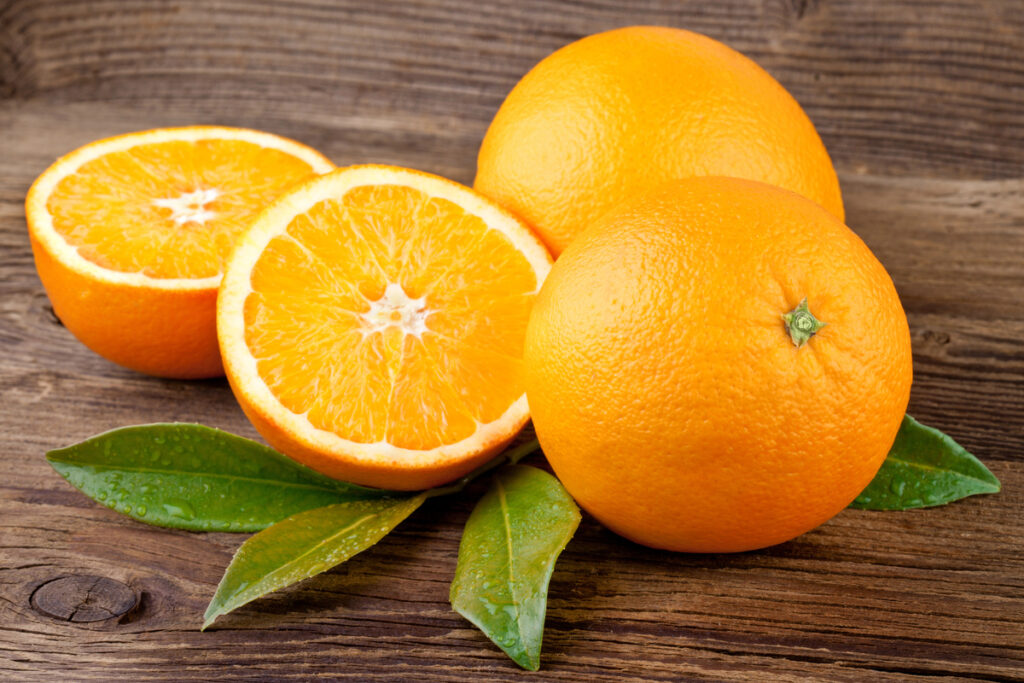
Oranges are known for their high vitamin C content, but they’re also about 86% water, making them a hydrating fruit. Oranges are sweet, juicy, and perfect for snacking or adding to smoothies and salads. Their natural sugars provide a quick energy boost, while their fiber helps keep you full.
Oranges are great for hydration, especially after a workout or on a hot day. You can even add orange slices to your water for a refreshing twist. Oranges are a tasty way to hydrate while boosting your immune system with vitamin C.
Bell Peppers
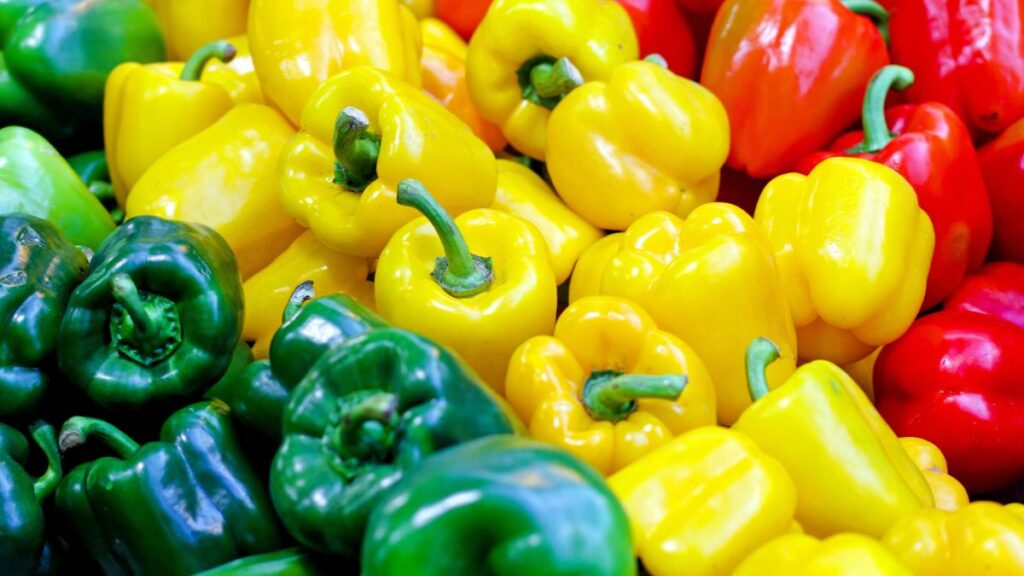
Bell peppers, especially the red and green varieties, are over 90% water and loaded with vitamins A and C. Their crisp, sweet flavor makes them perfect for snacking or adding to salads, stir-fries, and wraps. Bell peppers are also rich in antioxidants that help reduce inflammation and support eye health.
You can eat them raw with dips, sauté them as a side dish, or roast them for extra sweetness. Their high water content makes them an excellent hydrating option that’s easy to incorporate into meals. Bell peppers add crunch and hydration to your diet.
Pineapple
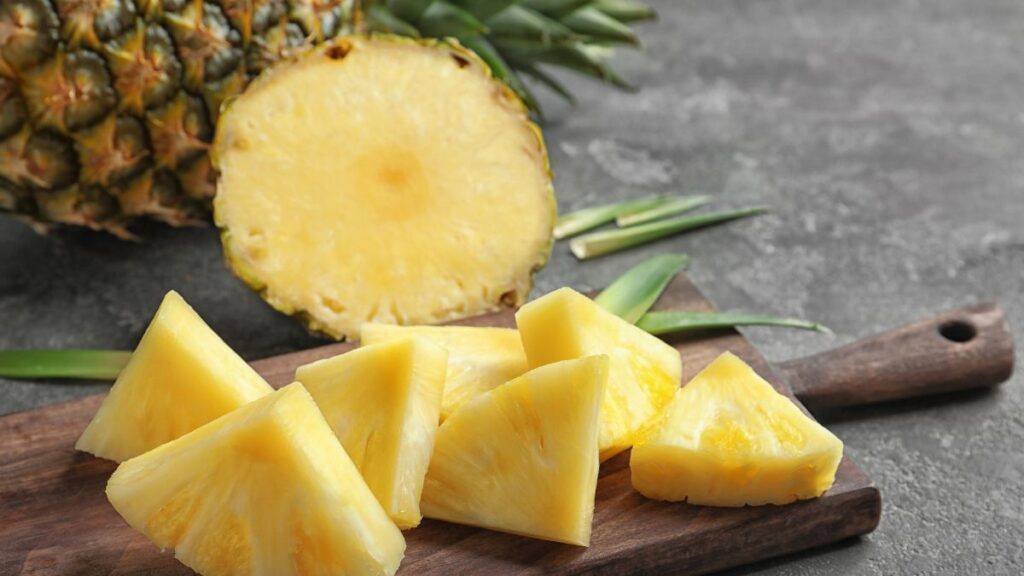
Pineapple is about 86% water and known for its sweet, tropical flavor. It’s also rich in vitamin C, manganese, and bromelain, an enzyme that helps with digestion and reduces inflammation. You can enjoy pineapple as a snack, blend it into smoothies, or add it to fruit salads for a burst of flavor.
Its high water content helps you stay hydrated while satisfying your sweet tooth. Pineapple is perfect for summer days when you need something refreshing and hydrating. Its unique flavor and hydrating benefits make it a must-have fruit in your diet.
Radishes
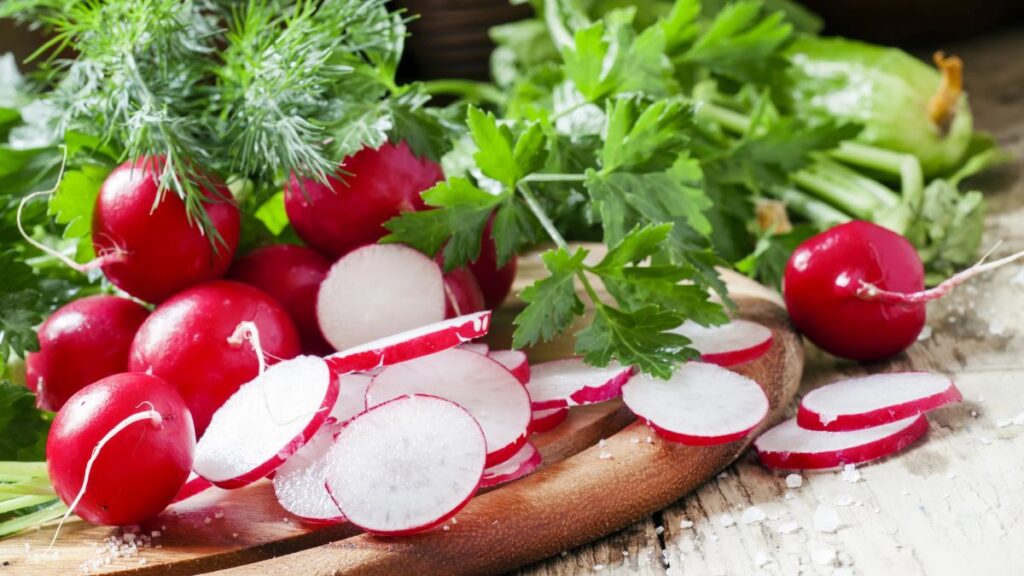
Radishes are small but mighty when it comes to hydration, with over 95% water content. They’re also a good source of vitamin C and antioxidants, which help support your immune system. Radishes add a crunchy, slightly spicy flavor to salads, sandwiches, and tacos. You can also roast them for a milder, sweeter taste.
Their high water content makes them a refreshing, hydrating snack that’s easy to include in your meals. Radishes are an underrated hydrating vegetable that adds a punch of flavor to any dish.
Cantaloupe
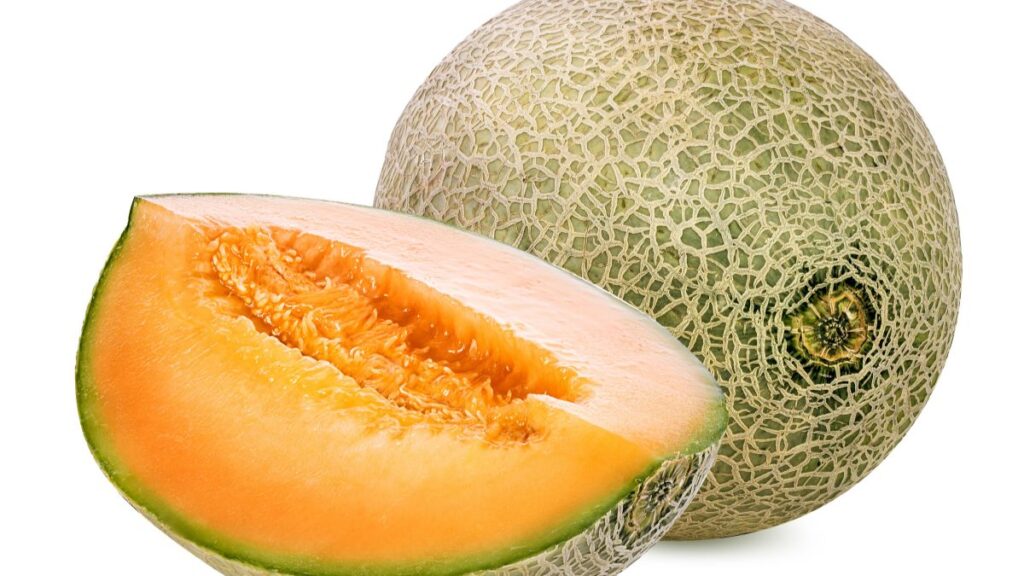
Cantaloupe is made up of about 90% water, making it an extremely hydrating fruit. It’s also rich in vitamins A and C, which are important for your immune system and skin health. You can enjoy cantaloupe on its own, blend it into smoothies, or add it to fruit salads for a sweet and refreshing snack.
Its juicy texture and sweet flavor make it a favorite during hot weather. Cantaloupe is a great way to stay hydrated while enjoying a nutrient-packed fruit that’s perfect for snacking or desserts.
Spinach
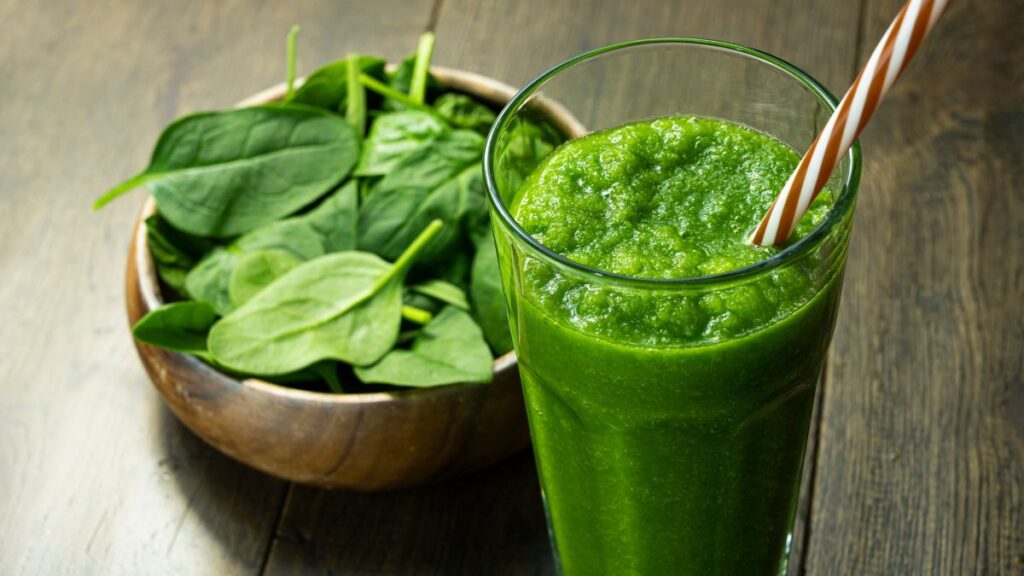
Spinach is about 91% water and is a nutrient powerhouse, packed with vitamins A, C, and K, as well as iron and magnesium. It’s an incredibly versatile leafy green that can be used in salads, smoothies, soups, and even pasta dishes.
Spinach’s high water content helps keep you hydrated, while its fiber supports digestion. You can eat it raw or cooked, and it pairs well with a variety of flavors. Spinach is a great way to boost your hydration and nutrition at the same time.
Apples
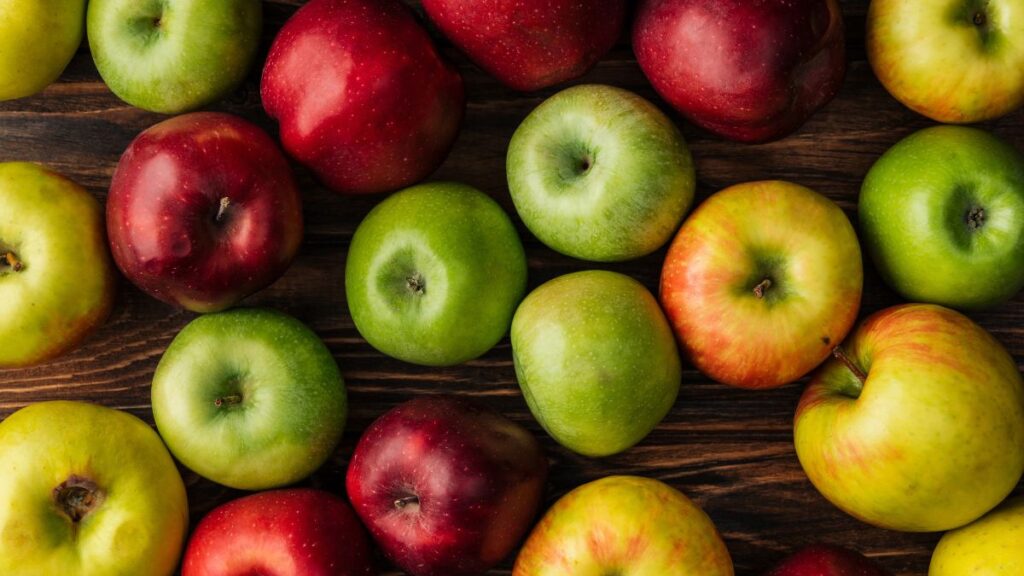
Apples are about 86% water and provide a good amount of fiber, which is great for digestion. They’re also a source of vitamin C and antioxidants, making them a healthy, hydrating snack.
You can eat apples on their own, slice them into salads, or dip them in nut butter for a more filling snack. Apples are perfect for on-the-go hydration and energy. Their crisp texture and sweet flavor make them a satisfying, hydrating option that’s easy to enjoy anywhere.
Grapefruit

Grapefruit is about 88% water and is known for its tangy, refreshing flavor. It’s rich in vitamin C, fiber, and antioxidants, which help support your immune system and digestion. You can eat grapefruit on its own, add it to salads, or blend it into smoothies for a zesty twist.
Grapefruit’s high water content makes it a hydrating, low-calorie snack that can also help with weight management. Its combination of hydration and nutrients makes grapefruit a great choice for staying refreshed and healthy.
Related: 15 Clever Hacks To Reduce That Never-Ending Grocery Bill

Managing grocery expenses can be challenging for many households, especially with rising food costs and fluctuating budgets.
However, with some creativity and resourcefulness, you can implement numerous clever hacks to reduce your never-ending grocery bill without sacrificing the quality or variety of your meals.




Leave a Reply