
Food laws around the world can be surprisingly unusual. Some countries have strict regulations on what can be eaten, while others impose unexpected restrictions on how food is prepared or sold. These quirky laws often reflect cultural values, historical events, or health concerns. Exploring these rules can give insight into the diverse ways societies interact with food. Here are some of the most peculiar food laws from around the globe.
Want to Save This Recipe?
Enter your email & I'll send it to your inbox. Plus, get great new recipes from me every week!
By submitting this form, you consent to receive emails from Blue's Best Life.
It’s Illegal to Sell Ketchup in French School Cafeterias
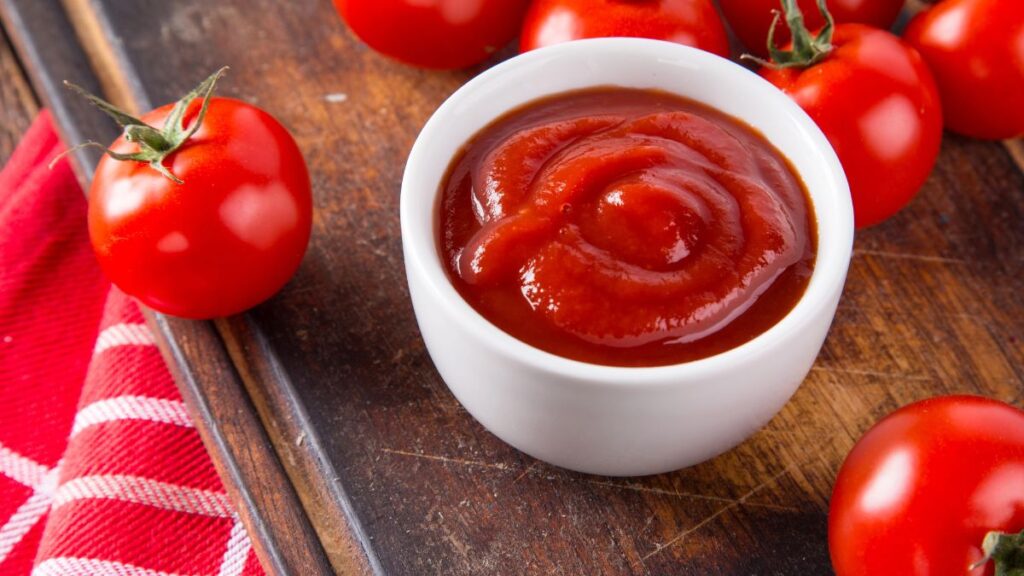
In France, schools limit the use of ketchup to preserve traditional French cuisine. This law ensures students appreciate classic dishes instead of relying on condiments. Ketchup is allowed only as an accompaniment to specific meals, like fries. The rule reflects France’s deep respect for culinary traditions. It also promotes healthier eating habits among young people.
Cheese Must Follow Strict Naming Rules in Italy
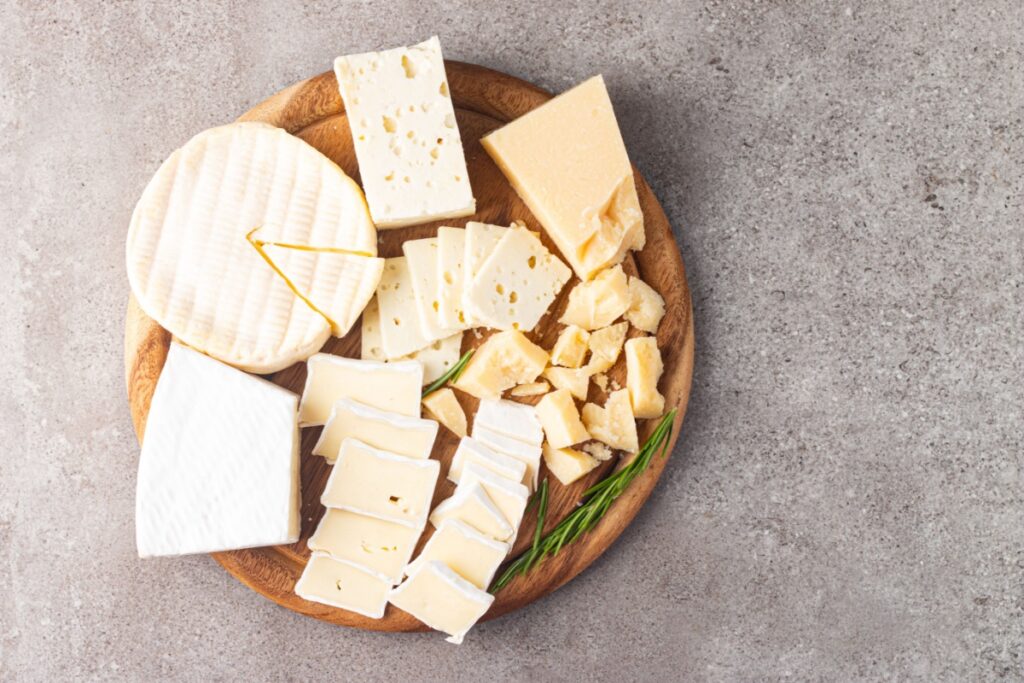
In Italy, only certain cheeses can use protected names like "Parmigiano Reggiano." This law ensures authenticity and maintains quality standards. Cheesemakers outside designated regions cannot use these names even if they follow identical recipes. The law protects local producers and traditional techniques. It also helps consumers identify genuine products.
Canadian Restaurants Can’t Serve Margarine Unlabeled
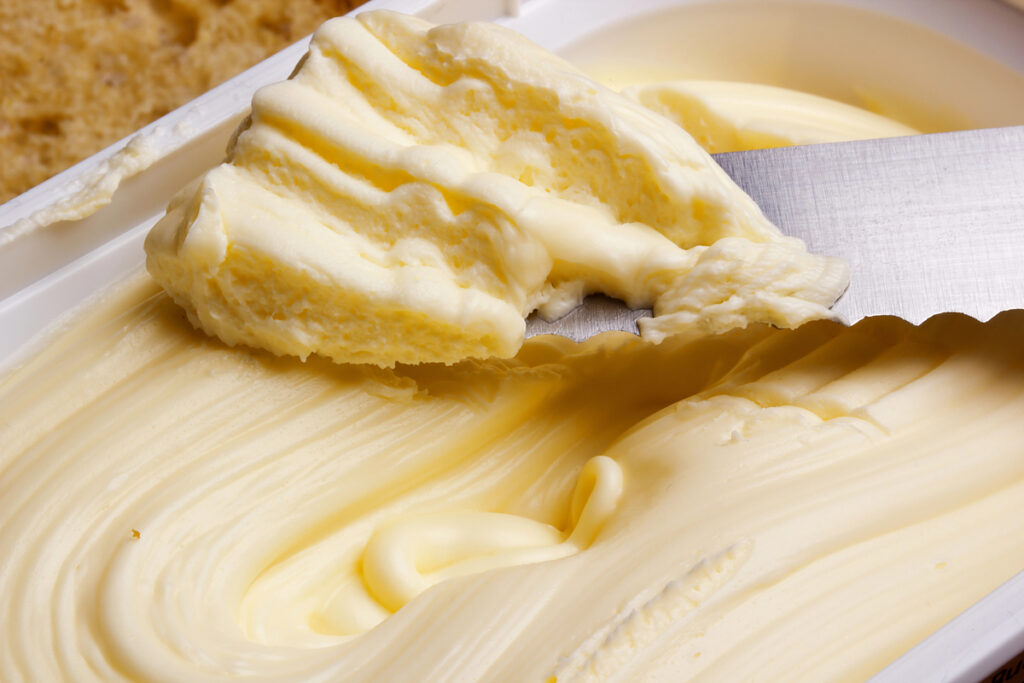
In Canada, margarine must be clearly labeled to distinguish it from butter. This regulation originated during a time when margarine was a new and cheaper alternative. Authorities wanted to ensure customers knew what they were buying. The rule still exists today, emphasizing transparency in food sales. It also highlights the country's emphasis on consumer rights.
It’s Illegal to Eat Fried Chicken with a Fork in Georgia
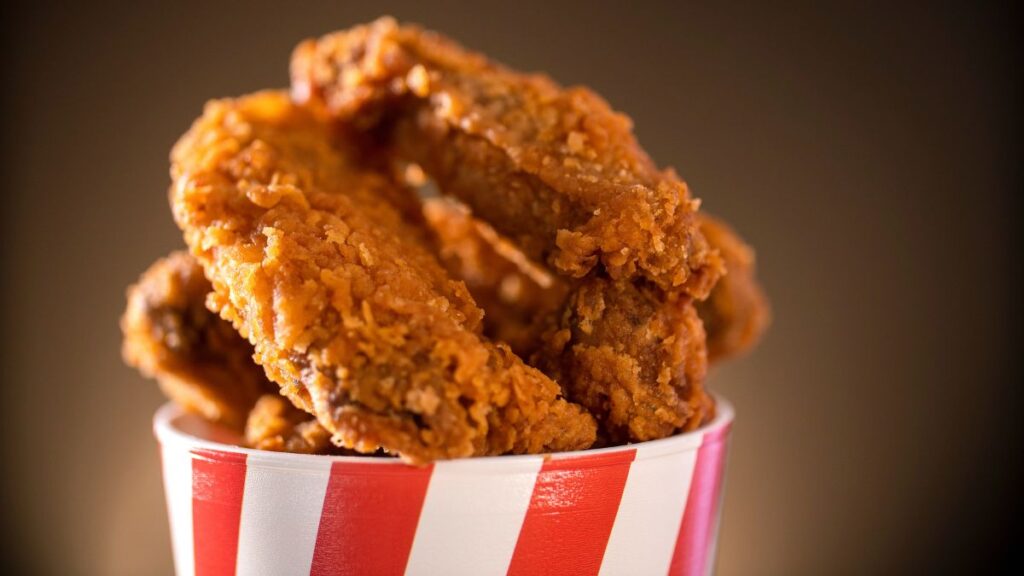
In Gainesville, Georgia, a law makes eating fried chicken with a fork illegal. This quirky rule celebrates the city’s identity as the "Poultry Capital of the World." Eating chicken with your hands is considered part of the experience. The law is more symbolic than strictly enforced, but it draws attention to local pride. It’s also a fun way to connect visitors to the town’s heritage.
You Can’t Sell Unsweetened Tea in Arkansas Restaurants

Restaurants in Arkansas are required to offer sweet tea if they sell unsweetened tea. This law reflects the South’s love for sweetened beverages. It ensures customers have access to the region’s iconic drink. While not strictly policed, the rule highlights the cultural significance of tea in Southern hospitality. It’s a reminder of the deep ties between food and tradition.
Unusual Cheese Ban in the United States
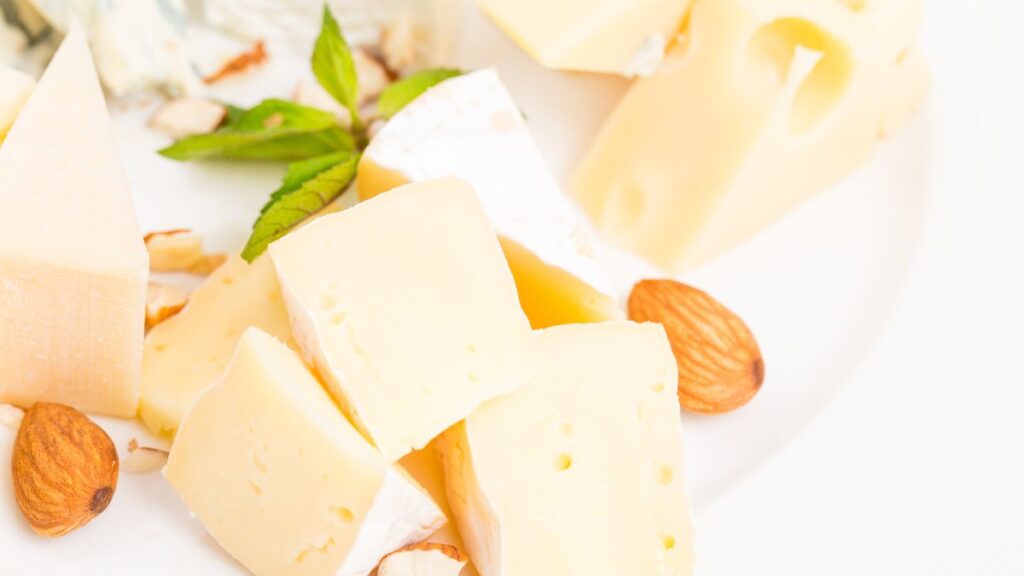
The United States prohibits the import of some cheeses made with unpasteurized milk. This includes popular varieties like certain types of Brie or Roquefort. Authorities introduced the rule to prevent potential health risks. Critics argue it limits access to authentic international flavors. The ban sparks debates about balancing food safety with culinary diversity.
Pufferfish Restrictions in Japan
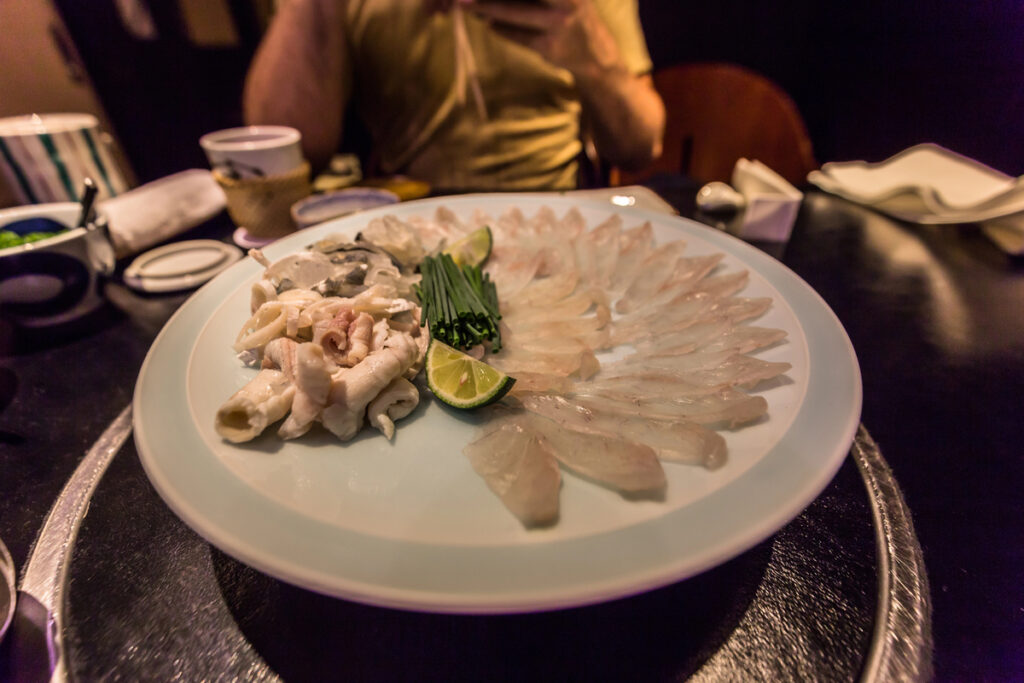
Japan strictly regulates the preparation and sale of pufferfish, or "fugu." This fish contains deadly toxins if not handled correctly. Only licensed chefs can prepare and serve it. The law ensures public safety while preserving the dish’s culinary allure. Fugu remains a delicacy, symbolizing precision and trust in skilled chefs.
You Can’t Use Fake Wasabi in Certain Japanese Restaurants
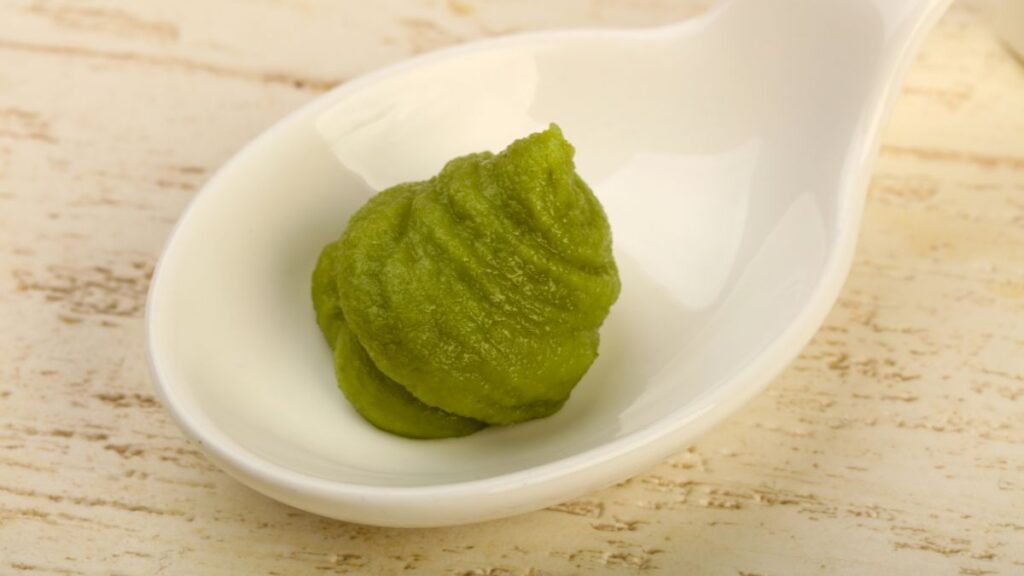
In Japan, high-end sushi restaurants must serve real wasabi instead of imitations. The rule ensures authenticity and preserves the integrity of traditional flavors. Fake wasabi, often made from horseradish and food coloring, is cheaper but lacks the genuine taste. This law supports local wasabi farmers and upholds culinary standards. It also guarantees a premium dining experience for customers.
Norway Bans Sales of Raw Milk
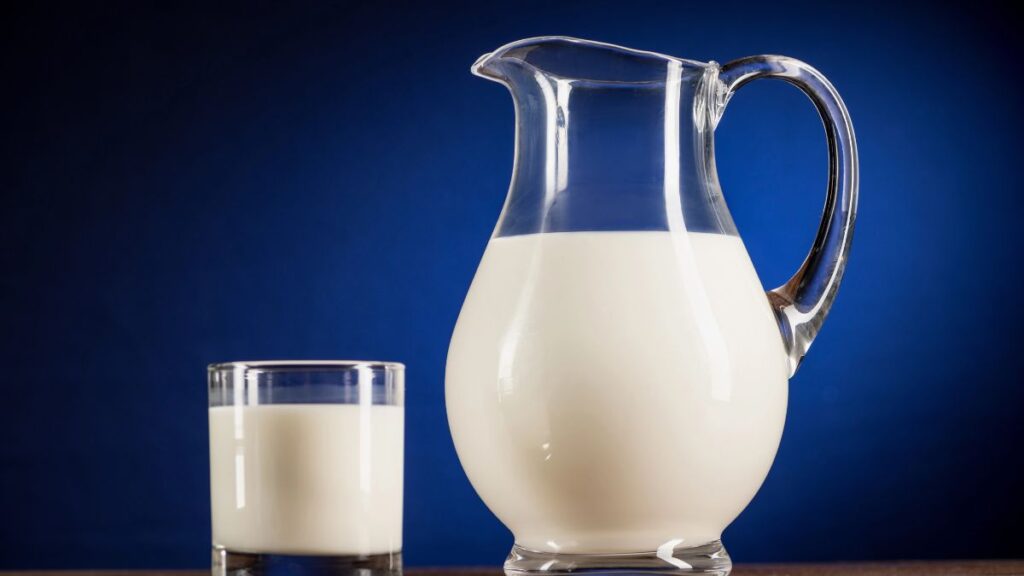
Norway prohibits the sale of raw milk to protect public health. Authorities believe pasteurization reduces the risk of foodborne illnesses. The law also reflects the country’s cautious approach to food safety. Raw milk enthusiasts argue it limits their choices. However, the regulation prioritizes health over personal preference.
No Chewing Gum Sales in Singapore

Singapore bans the sale of chewing gum to maintain cleanliness. Authorities introduced this rule after gum caused issues with public transportation systems. Residents can chew gum for medical purposes with a prescription. The law emphasizes hygiene and urban order. It also showcases the city-state’s dedication to strict enforcement.
Honey Must Be Pure in Germany

Germany has strict purity laws for honey. Beekeepers cannot add any sweeteners, preservatives, or other substances. This rule ensures high-quality standards and maintains trust in local honey. It also supports sustainable beekeeping practices. German honey is recognized worldwide for its authenticity and flavor.
You Can’t Throw Away Bread in Italy
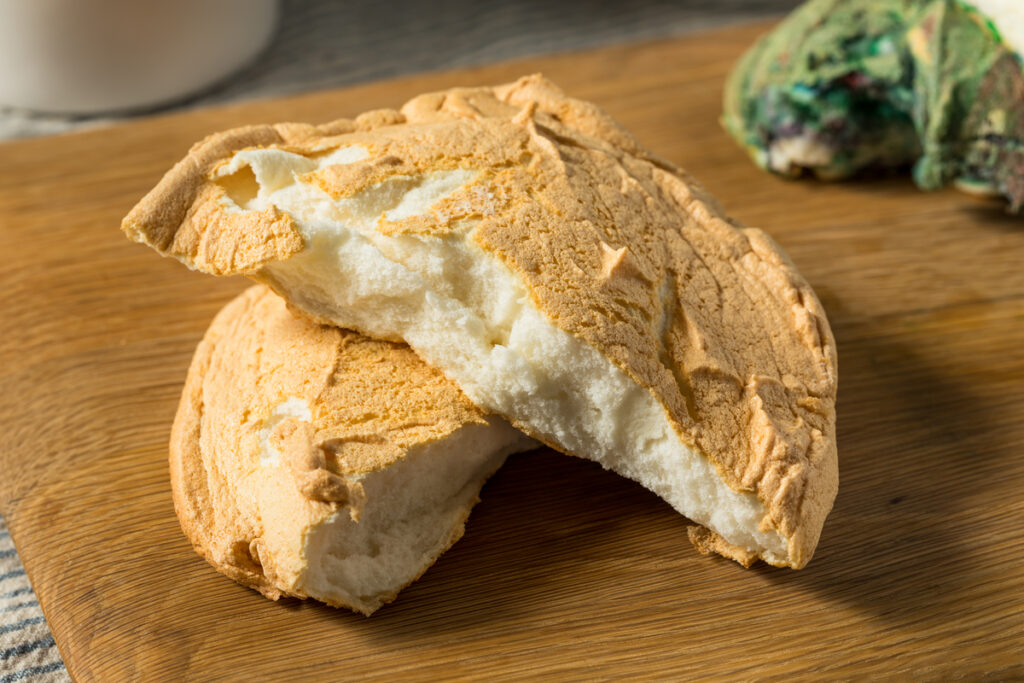
In some parts of Italy, laws discourage wasting bread. Authorities encourage people to donate leftover loaves to food banks or charities. This reflects the cultural and historical value Italians place on bread. The rule promotes sustainability and reduces food waste. It also fosters a sense of community and generosity.
Denmark Frowns Upon Certain Baby Names for Food Brands
In Denmark, you can’t name your baby after a food item if you plan to trademark it. This rule prevents confusion between personal names and product brands. It reflects the country’s efforts to maintain clarity in the marketplace. Authorities believe this protects both consumers and businesses. The law also discourages commercializing unique personal identities.
Coconut Carrying Limits in Sri Lanka
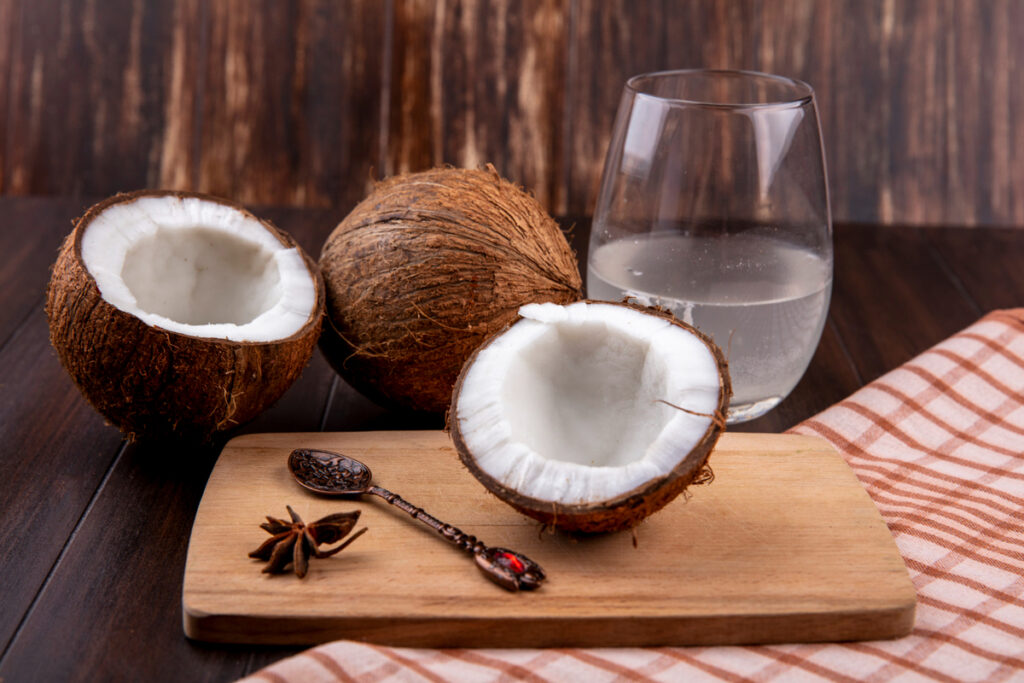
In Sri Lanka, there are restrictions on the number of coconuts an individual can transport at one time. This law aims to combat coconut theft, a significant issue in rural areas. Authorities enforce these limits to protect farmers and their livelihoods. The rule also helps regulate the coconut market, ensuring fair trade. It highlights the importance of coconuts in Sri Lanka’s economy and culture.
Sardine Serving Laws in the United Kingdom
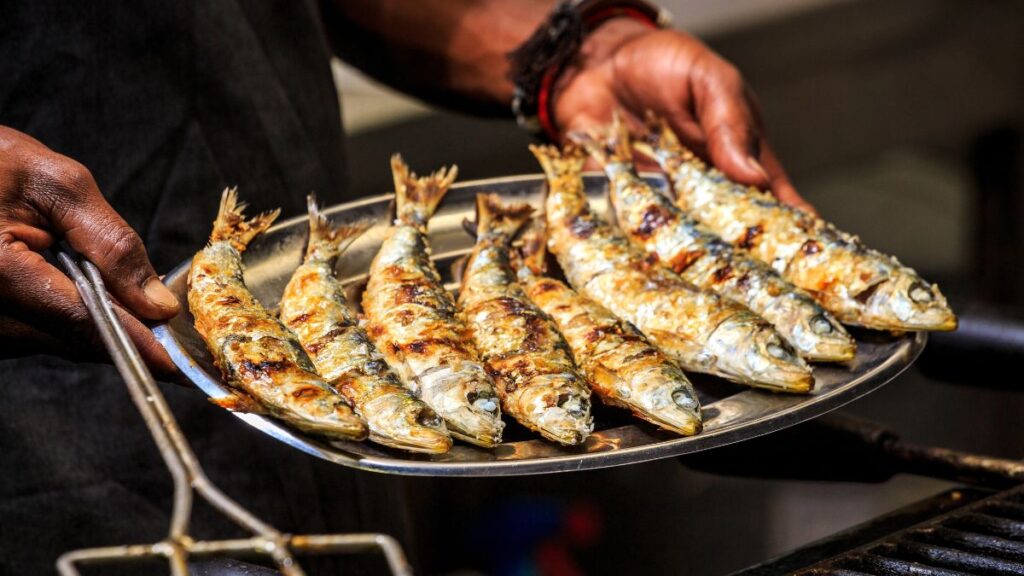
In the United Kingdom, sardines must meet specific size requirements before being sold. Authorities introduced this rule to protect fish stocks and promote sustainable fishing. Sellers who fail to comply face hefty fines or other penalties. The regulation ensures customers receive good-quality products. It also reflects the country’s commitment to preserving marine ecosystems.
Leave a Reply