
Waiting for food at a restaurant can feel like an eternity when you are hungry. Some meals just seem to take longer than others, no matter where you order them. The reasons vary; sometimes it is how the dish is cooked, sometimes it is the ingredients, and other times it is the kitchen’s process.
Want to Save This Recipe?
Enter your email & I'll send it to your inbox. Plus, get great new recipes from me every week!
By submitting this form, you consent to receive emails from Blue's Best Life.
What matters most to diners is the long wait between ordering and eating. When your stomach is growling and your patience is thin, the wait can turn a great meal into a frustrating one. Here are some meals that almost always seem to take too long to arrive.
Steak Cooked to Order
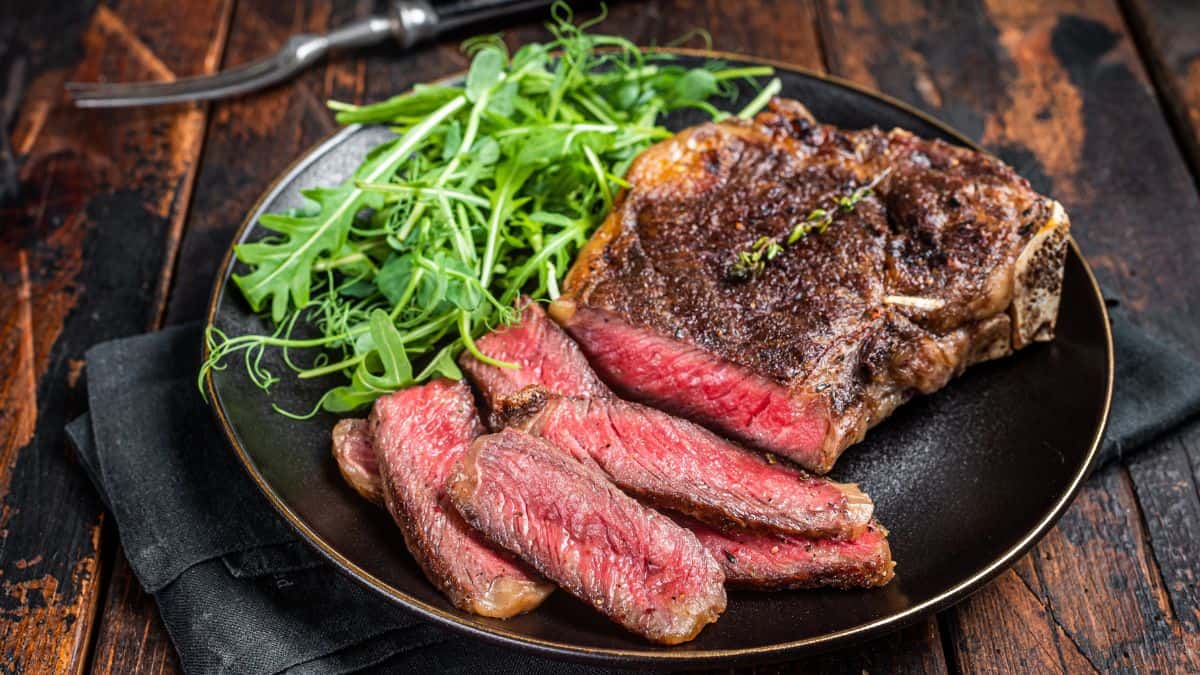
Steak is one of the most delicious items on any menu, but it is also one of the slowest. Chefs must cook each steak carefully, especially when a diner wants it prepared rare, medium, or well done. The temperature has to be just right, and that precision takes extra minutes.
Restaurants also tend to let the steak rest before serving, which adds even more time. Steaks are also large cuts of meat, which cook slower than thinner items like chicken strips or burgers.
Paella
Paella is a classic Spanish dish that can test even the most patient diner. This rice-based meal is cooked in a wide pan with seafood, meat, and vegetables. The rice absorbs broth slowly, and the flavors need time to blend together. Traditional paella is never rushed, which is why it can take 30 minutes or more to reach your table. The saffron and rich ingredients make it special, but they also make it slow. Ordering paella almost guarantees you will spend extra time chatting before you eat.
Roast Duck
Roast duck is often listed as a specialty item, and there is a good reason. Ducks are larger birds, and their meat is fatty, which means it takes longer to cook properly. Many restaurants roast them until the skin is crispy, which is a slow process. Chefs also slice and plate the duck carefully to make it appealing. Because it is not as common as chicken or beef, fewer portions are prepared ahead of time. This makes roast duck one of the longest waits you will face at a restaurant.
Brisket
Brisket is a barbecue classic, but it is never fast. Cooking brisket the right way can take up to 12 hours of smoking before it is tender. Even when it is precooked, the kitchen usually slices it fresh and reheats it carefully. The meat is dense and requires time to break down into that melt-in-your-mouth texture. When you order brisket, you are also competing with other diners for limited portions. By the time it is served, you will appreciate every slow-cooked bite.
Fried Chicken
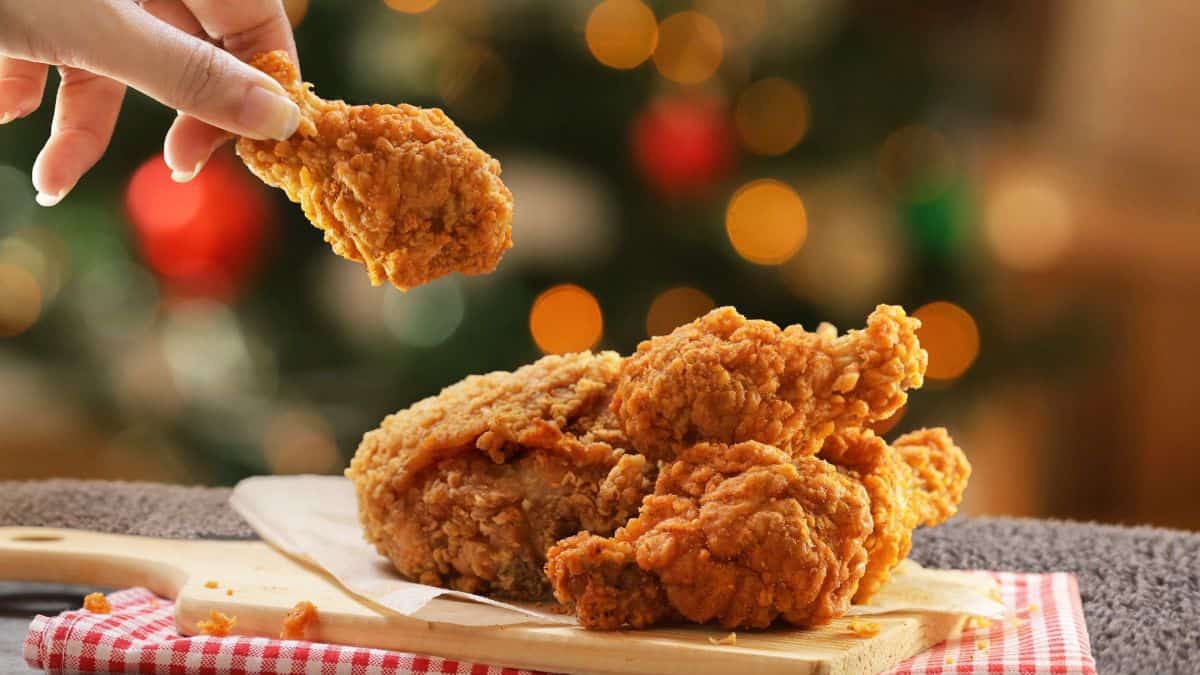
Good fried chicken is never rushed, which is why it often takes so long. The chicken pieces must be seasoned, battered, and fried until golden brown. Because they are thick cuts of meat, the inside takes longer to cook than something like French fries.
Chefs must also make sure the oil temperature is steady to avoid soggy or undercooked chicken. Many places prepare fried chicken only after you order, which means you are waiting for the whole process. That crispy, juicy crunch always comes with a side of patience.
Eggs Benedict
At brunch, Eggs Benedict is often one of the slowest meals to arrive. Poaching eggs perfectly takes a steady hand and careful timing. Hollandaise sauce must be made fresh, and it cannot be rushed.
The English muffin needs to be toasted and topped with ham or smoked salmon before the eggs are placed on top. Each step adds another layer of waiting time. By the time it reaches you, brunch may have already stretched into lunch.
Barbecue Ribs

Ribs are loved for their smoky flavor and tender bite, but they are not a quick meal. Many restaurants cook them low and slow, sometimes for hours before they even get to your table. When you order ribs, the kitchen often finishes them off on the grill or under a broiler, which adds more minutes.
Because ribs require sauce and careful handling, each step takes time. The result is worth it, but ribs are not your best bet if you are in a hurry. The wait for juicy, saucy ribs often feels much longer than expected.
Sushi Platters
Sushi might look small and simple, but it is one of the most time-consuming meals to prepare. Each roll or piece of nigiri must be made by hand with fresh fish and rice. The rice must be seasoned correctly, and the fish cut into perfect slices. Chefs also take time to arrange sushi beautifully on the plate. If you order a large platter, expect a longer wait because of the careful preparation. The artistic presentation and freshness come at the cost of patience.
Slow-Cooked Soups
Some soups, like French onion or beef stew, take much longer than a quick broth. The onions in French onion soup, for example, are caramelized over a long period. Once you order, the soup often needs to be broiled with cheese and bread, which takes extra time. Beef or lamb stews are also simmered slowly to create rich flavors. While the base may be prepared in advance, the final touches still require waiting. Soup may sound like a starter, but these versions can test your patience.
Lobster
Lobster is considered a luxury dish, but it rarely comes quickly. Most restaurants cook lobsters fresh, boiling or steaming them only after an order is placed. Because of their size, it takes several minutes for them to cook through. Cracking and preparing the lobster for serving also slows the process. The kitchen wants to make sure the meat is tender and not overcooked. If you order lobster, prepare yourself for one of the longest waits on the menu.
Handmade Pasta
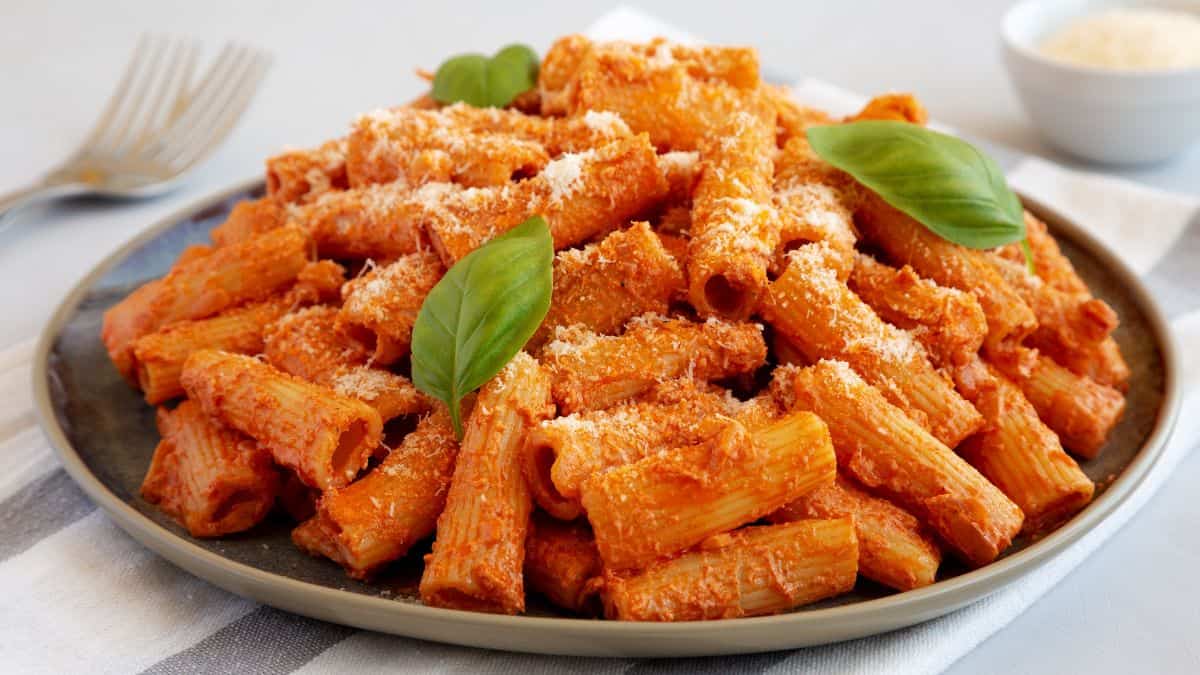
Fresh pasta dishes sound simple but often take longer than expected. Restaurants that roll and cut pasta by hand add an extra step compared to dried pasta. The sauce also needs to be simmered and seasoned properly to coat the noodles.
Ravioli or stuffed pasta requires even more preparation, as each piece is filled individually. If the dish includes seafood or meat, that adds more cooking time. The result is wonderful, but the delay can be frustrating when you are starving.
Lamb Shank
Lamb shank is another meal that almost always comes with a wait. This cut of meat is tough, so it must be braised for hours until it becomes tender. Restaurants usually finish it off in the oven and serve it with vegetables or mashed potatoes. The long cooking time makes it a special dish, not a quick one. Even though most of the work is done in advance, plating and heating still stretch out the wait. Patience is rewarded with a rich and flavorful meal.
Baked Lasagna
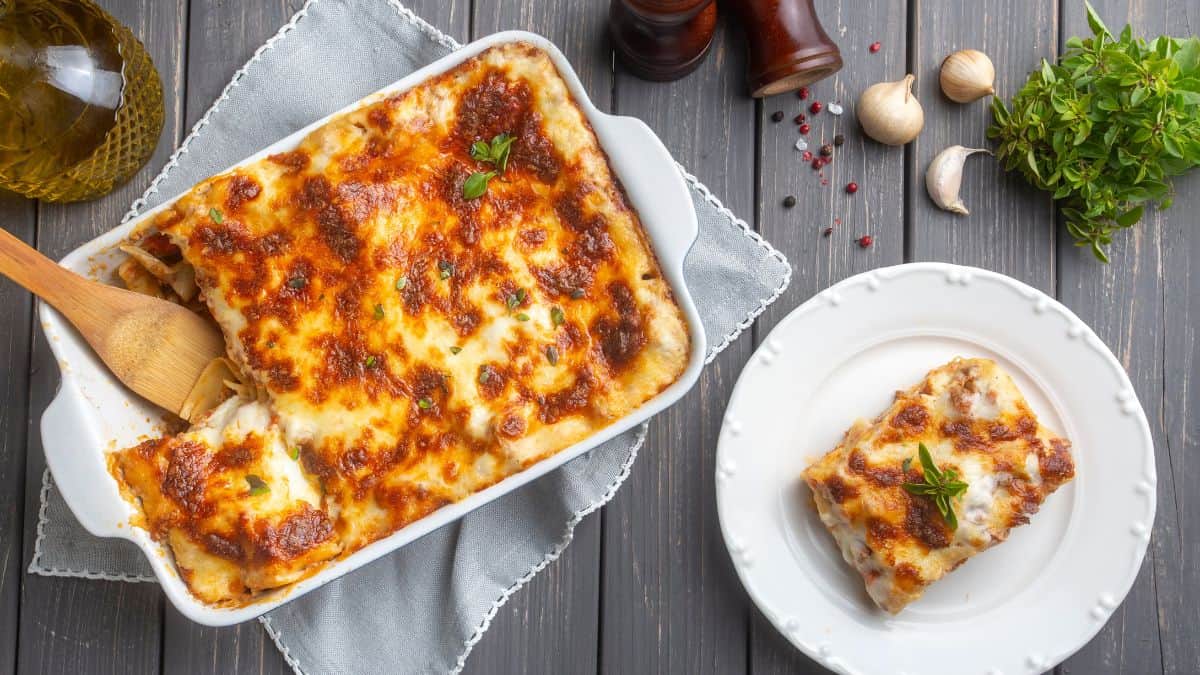
Lasagna is one of those dishes that always feels like it takes too long to arrive. It is layered with pasta, sauce, cheese, and meat, and baking is required to melt everything together. Even if it is made beforehand, restaurants often heat it slowly to keep the layers intact.
Because it is served piping hot, it might sit in the oven longer than you expect. Cutting and serving lasagna without it falling apart also takes care. When you see it, your appetite will be at its peak.
Wood-Fired Pizza
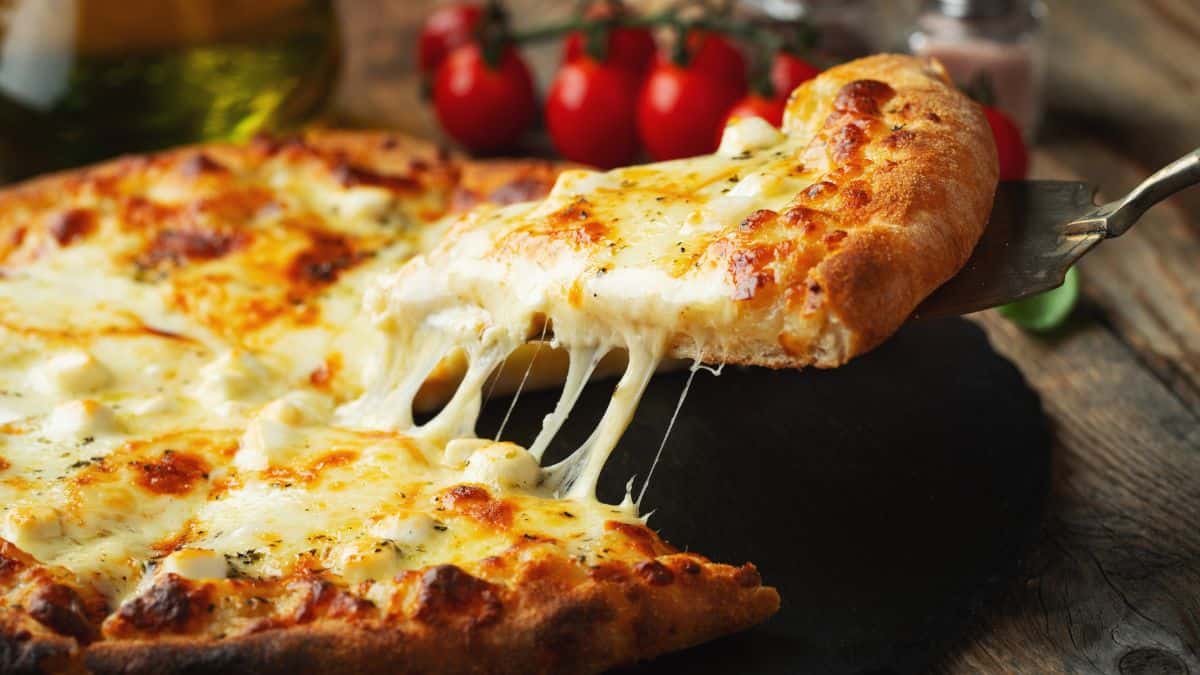
Wood-fired pizza has grown popular because of its crispy crust and smoky taste. Unlike frozen or fast-food pizza, these pies are handmade from scratch. The dough must be stretched, topped, and then carefully baked in a super-hot oven.
Although the oven is hot, each pizza still needs a few minutes to bubble and brown. If the restaurant is busy, orders pile up, and the wait grows longer. By the time your pizza arrives, you might already be reaching for a second drink.
Seafood Boil
Seafood boils are known for their big portions and variety, but they also take a long time. Shrimp, crab, clams, and corn must all be cooked together in a seasoned broth. Timing is key, since overcooking seafood makes it rubbery. Once cooked, the boil is often tossed in butter and spices before serving. Because of the large quantity and multiple ingredients, the process is rarely quick. It is a fun, social meal, but only if you are willing to wait for it.
Leave a Reply