
Organic food has become increasingly popular over the years, often hailed as a healthier choice. However, with its rise in popularity, several myths have also surfaced, leading to misconceptions about what organic food is.
Want to Save This Recipe?
Enter your email & I'll send it to your inbox. Plus, get great new recipes from me every week!
By submitting this form, you consent to receive emails from Blue's Best Life.
Many believe these myths can influence their food choices and shopping habits. Understanding the facts about organic food is essential for making informed decisions. Here are several popular myths about organic food that you should stop believing.
Organic Food Is Always Healthier

Many people assume that all organic foods are healthier than conventional ones. While organic products do often have fewer pesticides, this doesn't automatically mean they are better for your health.
The nutritional content can be similar to non-organic options. It's essential to consider the entire diet rather than focusing solely on organic vs. non-organic. Eating a variety of fruits and vegetables, whether organic or not, is the key to good health.
Organic Food Is Chemical-Free
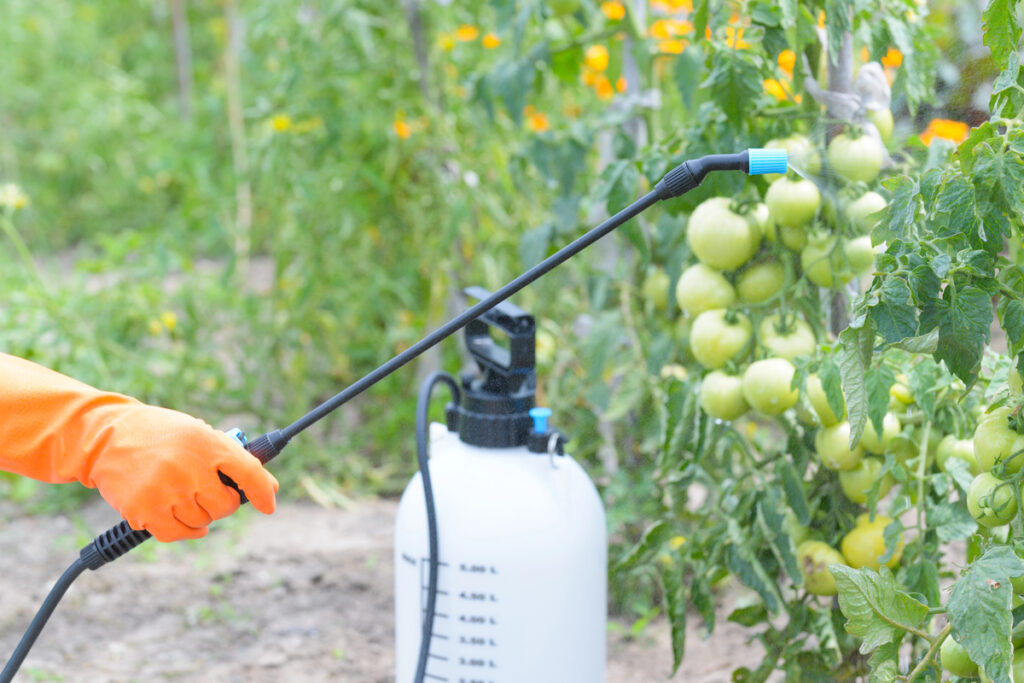
One common belief is that organic food is entirely free of chemicals. In reality, organic farming does use some natural pesticides and fertilizers to manage pests and promote growth. These substances are typically less harmful than synthetic chemicals found in conventional farming. However, calling organic food chemical-free is misleading, as everything is made up of chemicals. Understanding this can help clarify what organic means.
Organic Food Tastes Better

Taste is subjective, and while some people claim organic food tastes better, this isn't a universal truth. The flavor can depend on various factors, including freshness, how the food is grown, and individual preferences.
Some organic fruits and vegetables might taste different because they are grown without synthetic fertilizers, while others may not show any significant taste differences. It's worth trying different products to determine what you prefer.
Organic Food Is Always Fresh

Another myth is that organic food is always fresher than non-organic food. While organic products can be fresher due to smaller production scales and local sourcing, this isn't always the case.
Many organic items are shipped from faraway places, just like conventional ones. It's important to check the labels and try to buy locally-grown organic products to ensure freshness.
Organic Food Is Better for the Environment
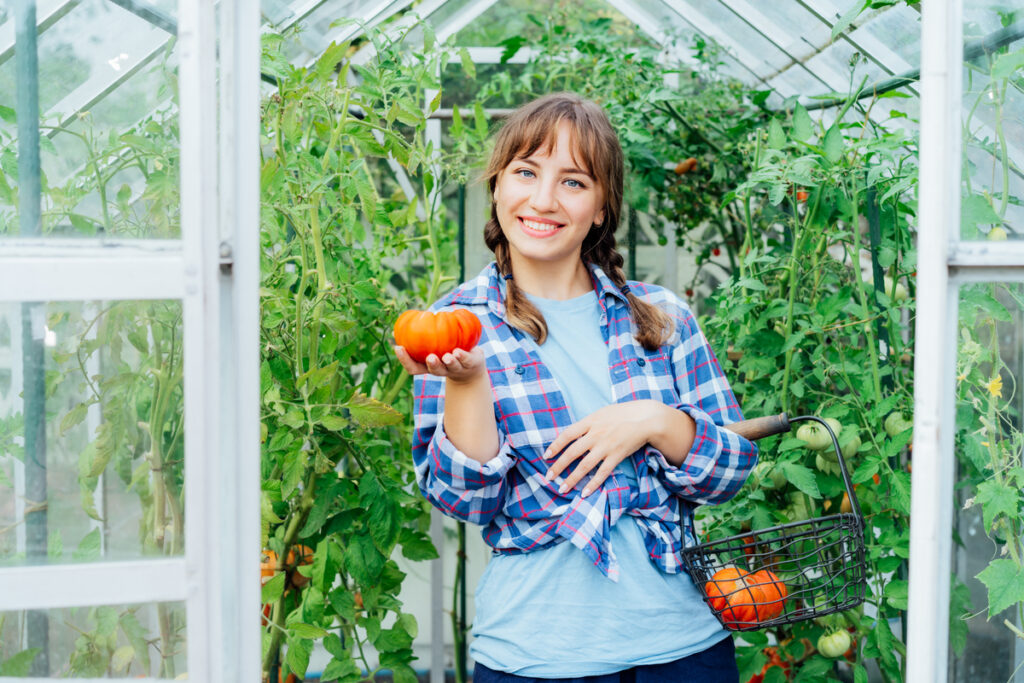
While organic farming methods aim to be more sustainable, it's not accurate to say all organic food is better for the environment. Some organic farming practices can still lead to soil degradation and water pollution.
Additionally, the carbon footprint of transporting organic food can be significant. To truly support the environment, consider local food systems and practices that minimize harm, regardless of whether the food is organic.
Organic Farming Uses No Technology
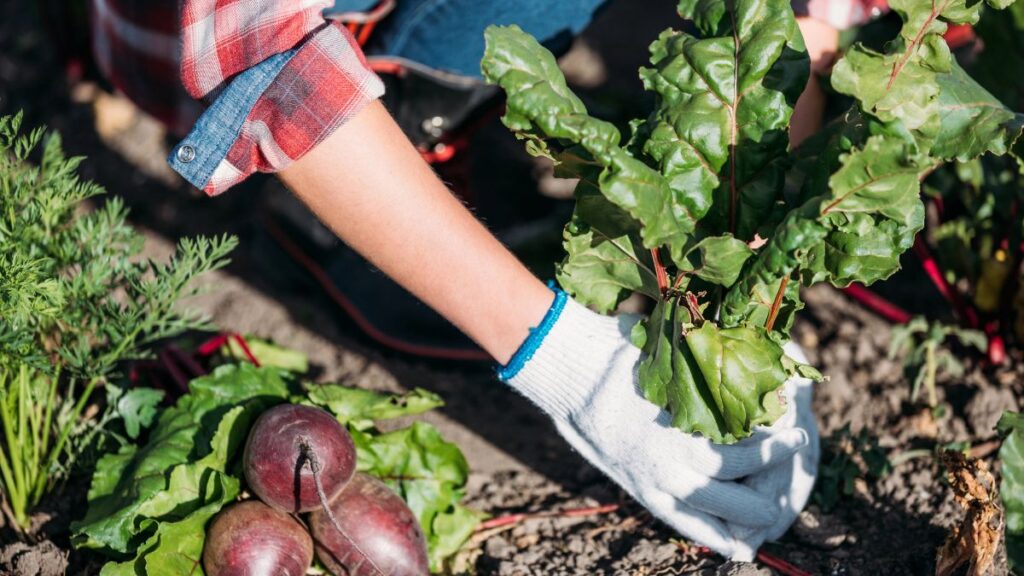
Some people believe organic farming relies solely on traditional methods and rejects technology. This is not true, as many organic farmers use modern technology and research to enhance their farming practices.
They may utilize advanced methods like crop rotation, cover crops, and improved irrigation techniques to promote sustainability. Understanding that organic farming can be innovative helps dispel this myth.
Organic Food Is Just a Marketing Scam
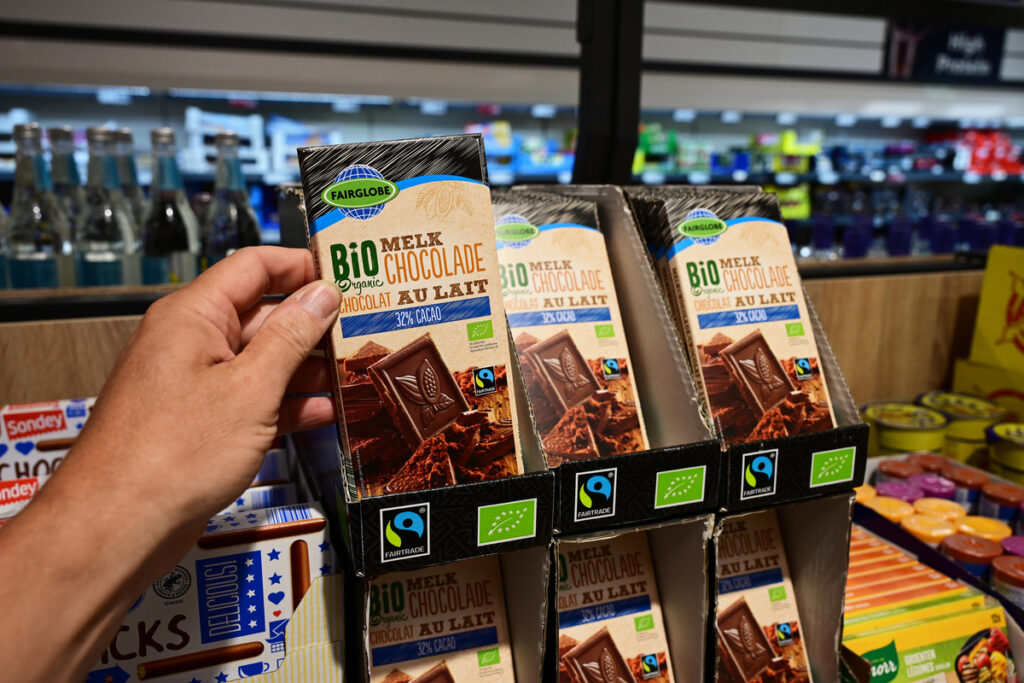
The perception that organic food is merely a marketing gimmick is a widespread myth. While some brands may exploit the organic label for profit, many farmers genuinely practice organic methods.
These farmers aim to provide healthier options for consumers and promote environmentally friendly practices. It is essential to support reputable organic brands and understand the principles behind organic farming.
Organic Foods Are More Nutritious
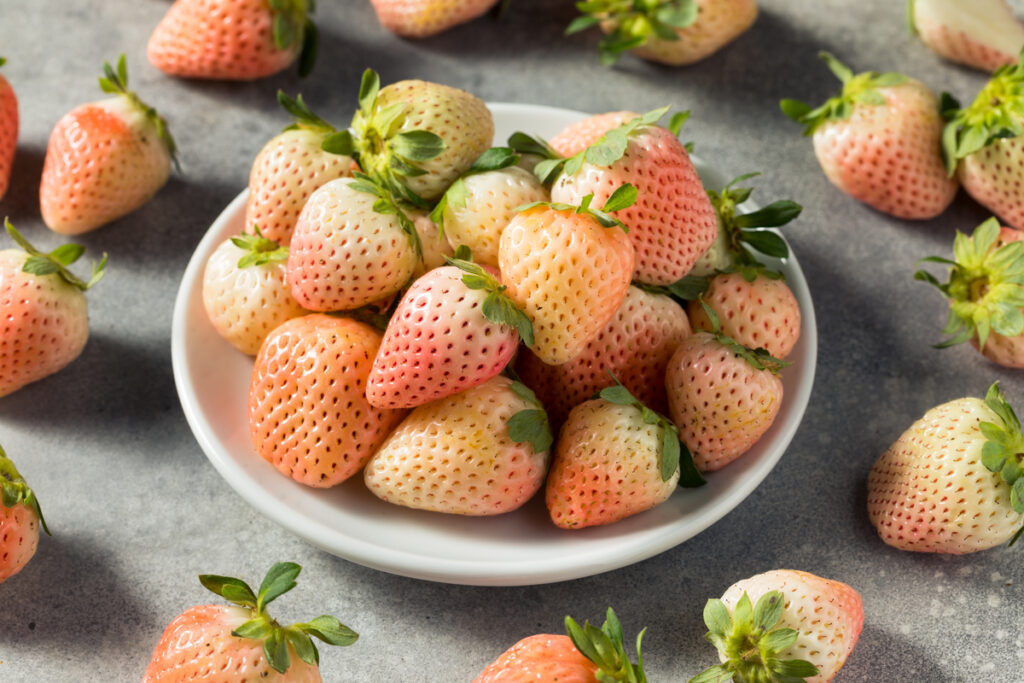
While many people believe organic foods are more nutritious, research has shown mixed results. Some studies indicate a slight nutritional advantage in organic produce, while others find no significant difference.
Factors like soil quality, farming practices, and crop varieties play a more substantial role in nutrient content than the organic label. Focus on a balanced diet that includes plenty of fruits and vegetables, regardless of their farming method.
All Organic Labels Are the Same

Consumers may think that all organic labels signify the same level of quality. However, there are different certifications, such as "100% organic," "organic," and "made with organic ingredients." Each certification has different requirements and levels of organic content. Understanding these labels can help consumers make informed choices about the products they purchase.
Organic Food Is Always More Expensive
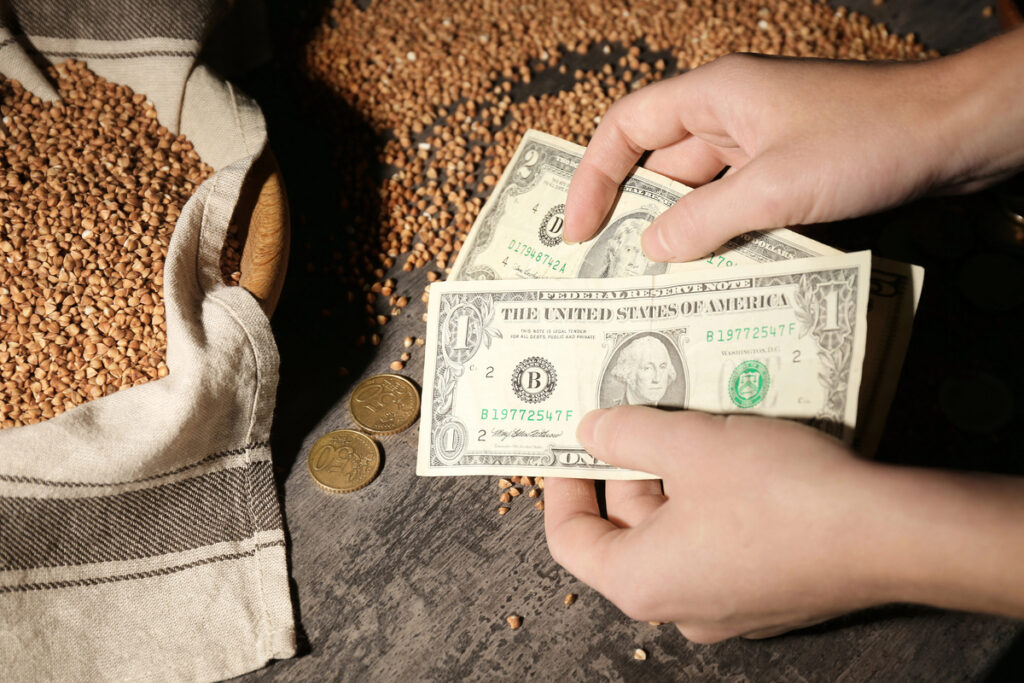
While organic food can be more expensive than conventional options, this isn't always the case. Prices can vary based on location, seasonality, and availability. Some organic foods may be competitively priced or even cheaper than their non-organic counterparts. Shopping at local farmers' markets or buying in bulk can help find affordable organic options.
Organic Foods Are All Non-GMO
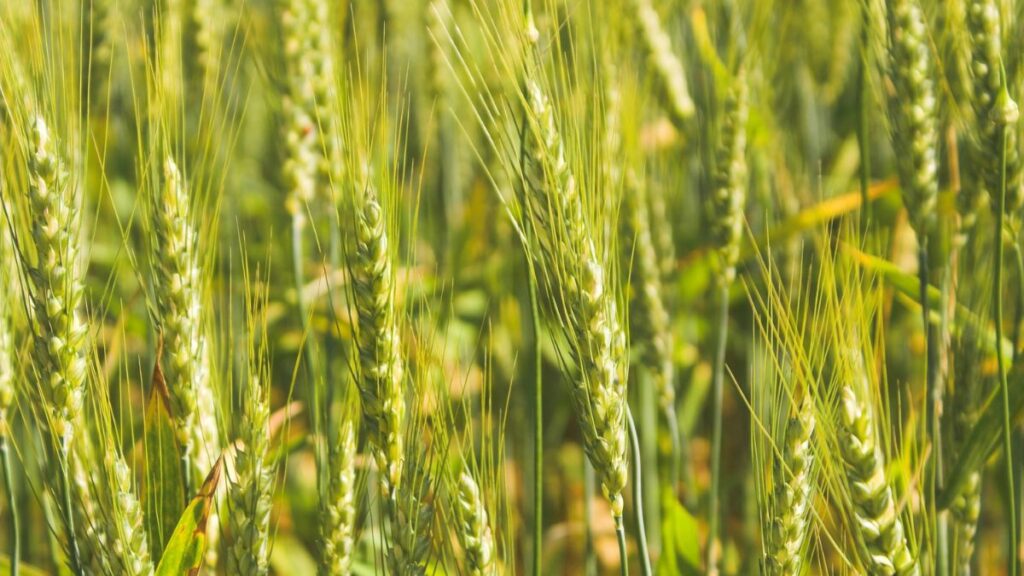
Many people believe that all organic foods are non-GMO. While organic regulations prohibit the use of genetically modified organisms, not all non-organic foods contain GMOs either. Some conventional products are GMO-free as well. It’s essential to look for specific labels if avoiding GMOs is a priority for you.
Organic Means Animal Welfare

The assumption that organic farming guarantees better animal welfare can be misleading. While organic standards require certain animal care practices, they do not always ensure the highest welfare conditions.
Animals raised on organic farms may still face confinement and other welfare issues. If animal welfare is important to you, researching specific farms and practices can provide a clearer picture.
Organic Food Is Safer to Eat

The belief that organic food is entirely safe from contamination is not true. Organic foods can still carry harmful bacteria or pathogens, just like conventional products. Washing and properly cooking all fruits, vegetables, and meats is crucial for food safety, regardless of their organic status. Taking these precautions ensures a safer dining experience.
You Must Buy Only Organic

Some people feel pressured to buy only organic food to maintain a healthy lifestyle. However, it's not necessary to go completely organic to have a balanced diet. Focusing on whole foods, including fruits, vegetables, grains, and proteins, is more important than the organic label. If budget constraints exist, prioritize buying organic for the items that typically have higher pesticide residues.
Organic Food Is More Flavorful Than Non-Organic
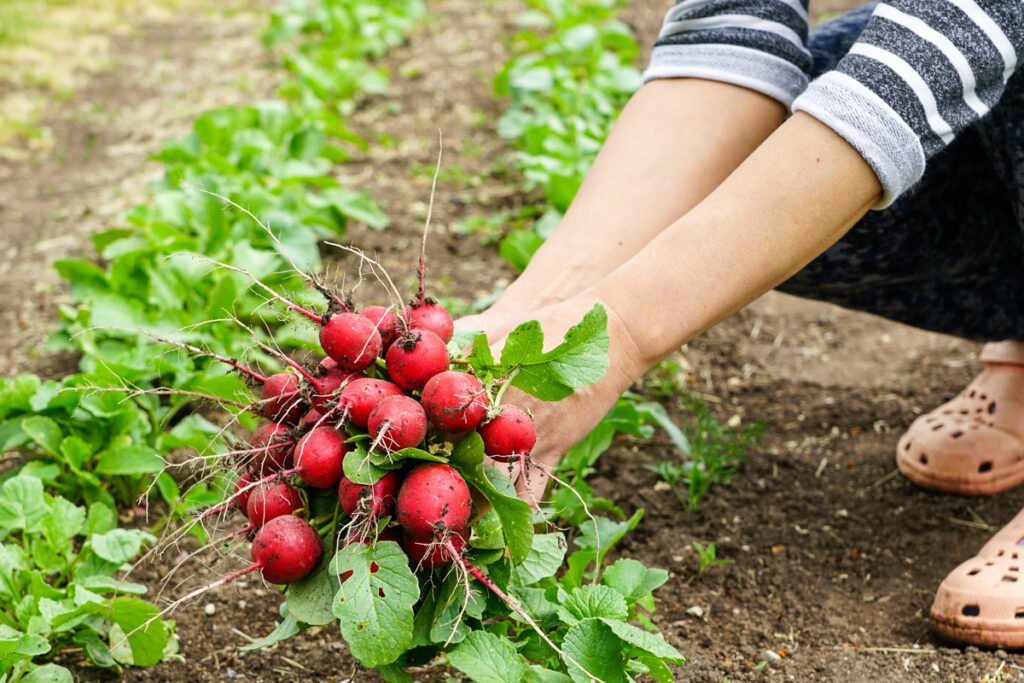
The belief that organic food automatically tastes better is a common misconception. Taste can vary widely based on numerous factors, including ripeness, growing conditions, and personal preference.
Many non-organic foods are grown under optimal conditions, resulting in great flavor. Trying different varieties from both organic and conventional sources can help find the best flavors for your palate.
15 Things That Have Become So Expensive People Are Giving Them Up

With the cost of living steadily increasing, people are being forced to rethink how they spend their money. Many everyday items, services, and activities have become too expensive to justify.
15 Things That Have Become So Expensive People Are Giving Them Up




Leave a Reply