
Storing food correctly can make a big difference in its longevity and taste. Many of us unknowingly keep our groceries in less-than-ideal conditions, which can lead to faster spoilage or a loss of flavor.
Want to Save This Recipe?
Enter your email & I'll send it to your inbox. Plus, get great new recipes from me every week!
By submitting this form, you consent to receive emails from Blue's Best Life.
Luckily, with a few small changes in how we store common foods, we can extend their freshness and even make them taste better. In this article, we’ll review some foods you might be storing wrong and offer simple tips to help fix these mistakes.
Bread
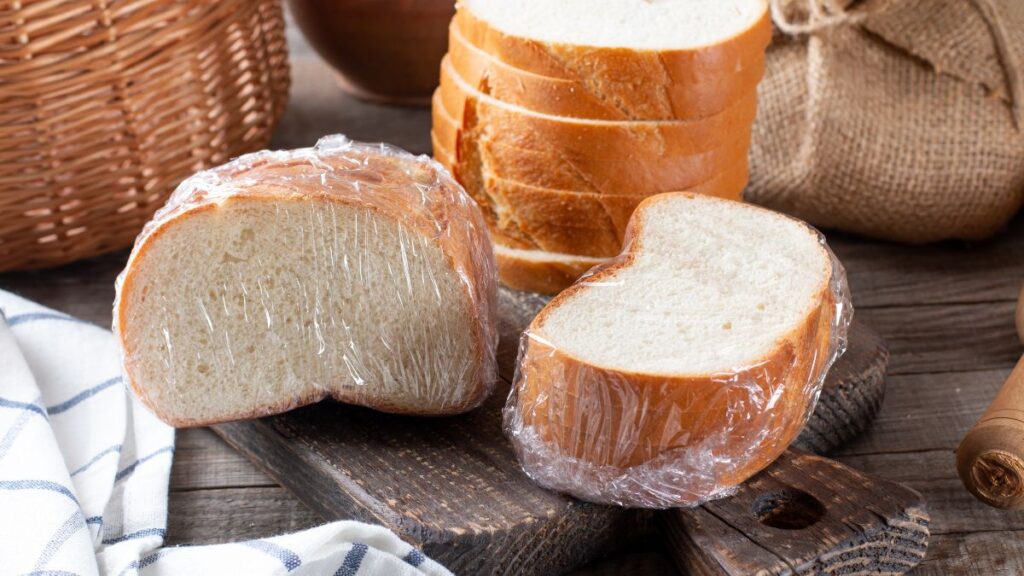
Many people store bread in the fridge, thinking it will last longer. However, cold temperatures can make bread go stale faster by drying it out. The best way to store bread is in a cool, dry place, like a breadbox or kitchen cabinet.
If you don’t think you’ll eat it all within a few days, freeze it. Bread freezes very well and can be thawed as needed. Just make sure to wrap it tightly in plastic wrap or an airtight bag before freezing it to avoid freezer burn.
Tomatoes
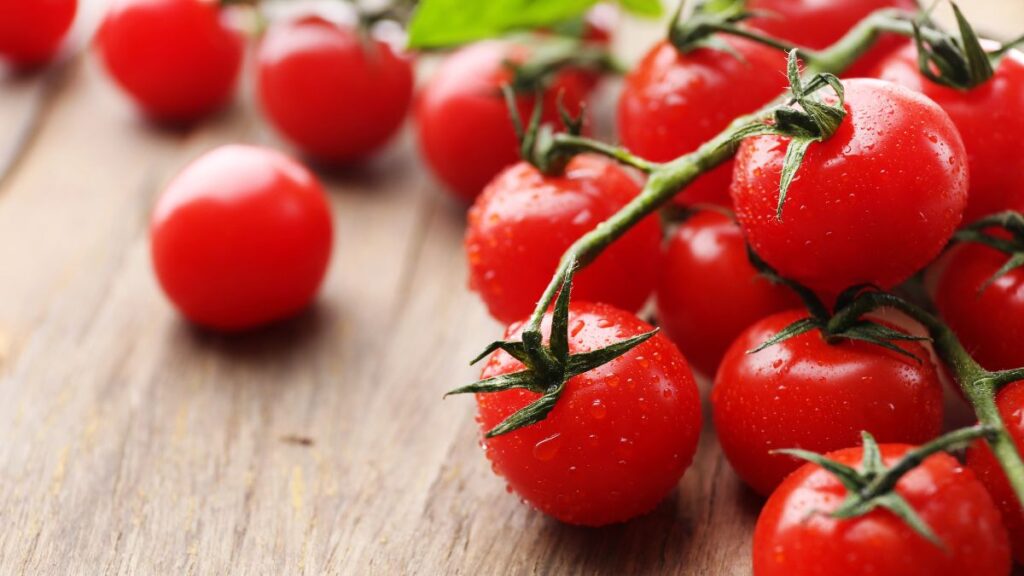
Tomatoes are often stored in the fridge, but this can cause them to lose their flavor and become mealy. They are best kept at room temperature, away from direct sunlight. Place them on the counter until they fully ripen.
Once they’re ripe, you can eat them immediately or move them to the fridge if you need to keep them for a few more days. But try to consume them quickly to maintain their flavor.
Potatoes
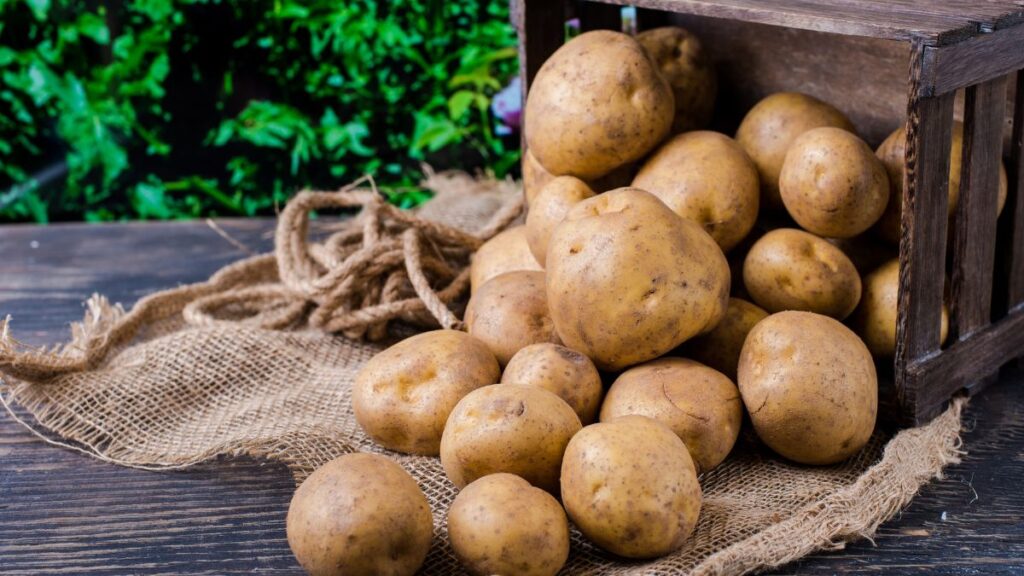
Storing potatoes in the fridge can cause their starch to turn into sugar, making them taste oddly sweet. Instead, keep your potatoes in a cool, dark, dry place, like a pantry or cellar.
Avoid storing them near onions, as onions release gases that can cause potatoes to spoil faster. Potatoes should also be kept in a breathable bag, like a paper or mesh bag, instead of plastic. This helps prevent moisture buildup, which can lead to mold or sprouting.
Onions
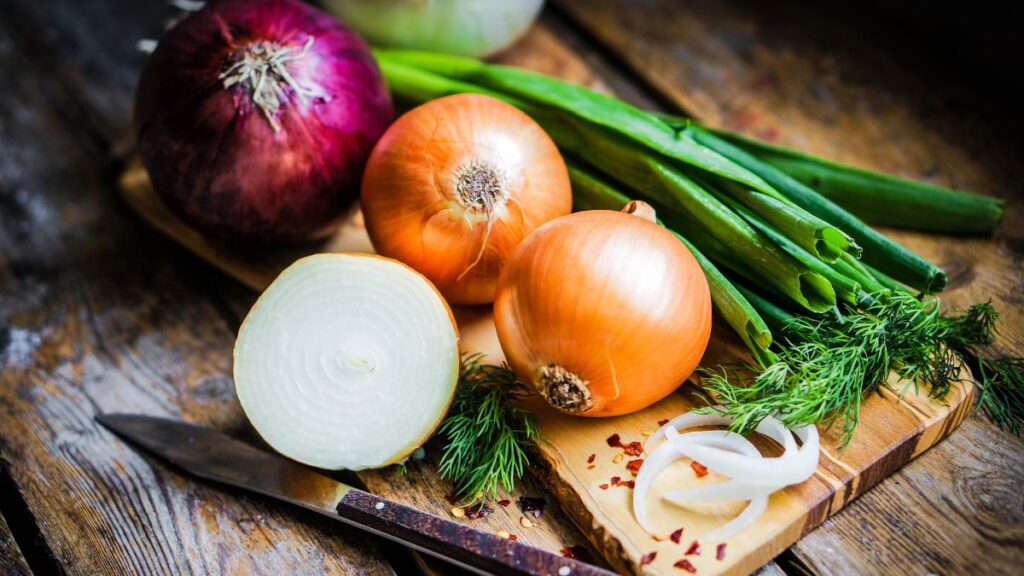
Onions need to breathe, so keeping them in plastic bags is not a good idea. Instead, store them in a cool, dry place with good airflow. Hanging them in a mesh bag or placing them in a basket works well. Like potatoes, onions shouldn’t be stored in the fridge, as they can become soft and lose their flavor. Also, keep them away from potatoes to prevent faster spoilage. When stored properly, onions can last for weeks.
Garlic
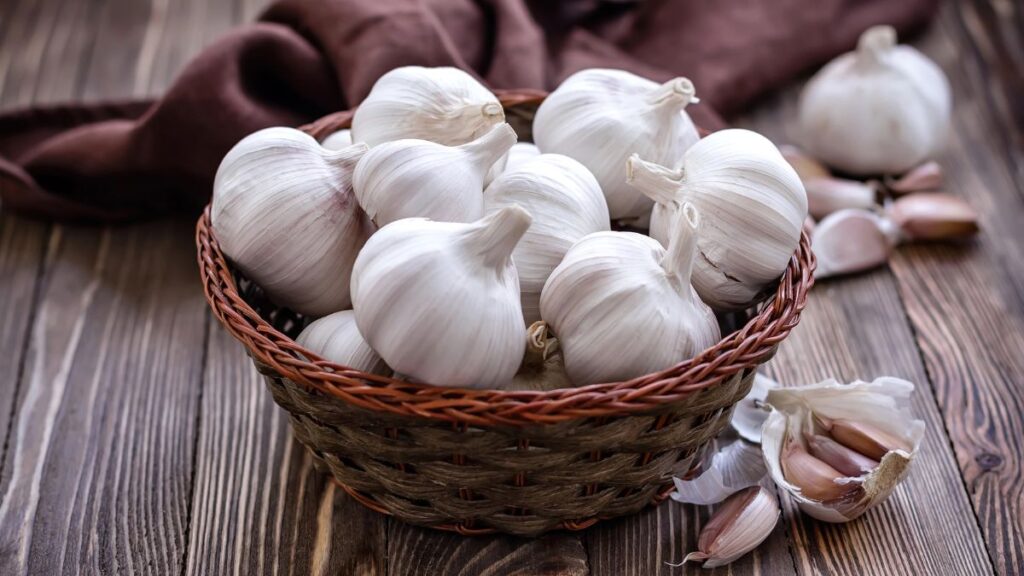
Garlic should not be stored in the fridge because the cold temperatures can cause it to sprout and become rubbery. The best way to store garlic is in a cool, dark, and dry place with good airflow, like a pantry or cupboard. Avoid keeping it in a plastic bag, as garlic needs to breathe. A mesh bag or an open bowl works best. Properly stored garlic can last for months and retain its flavor.
Avocados
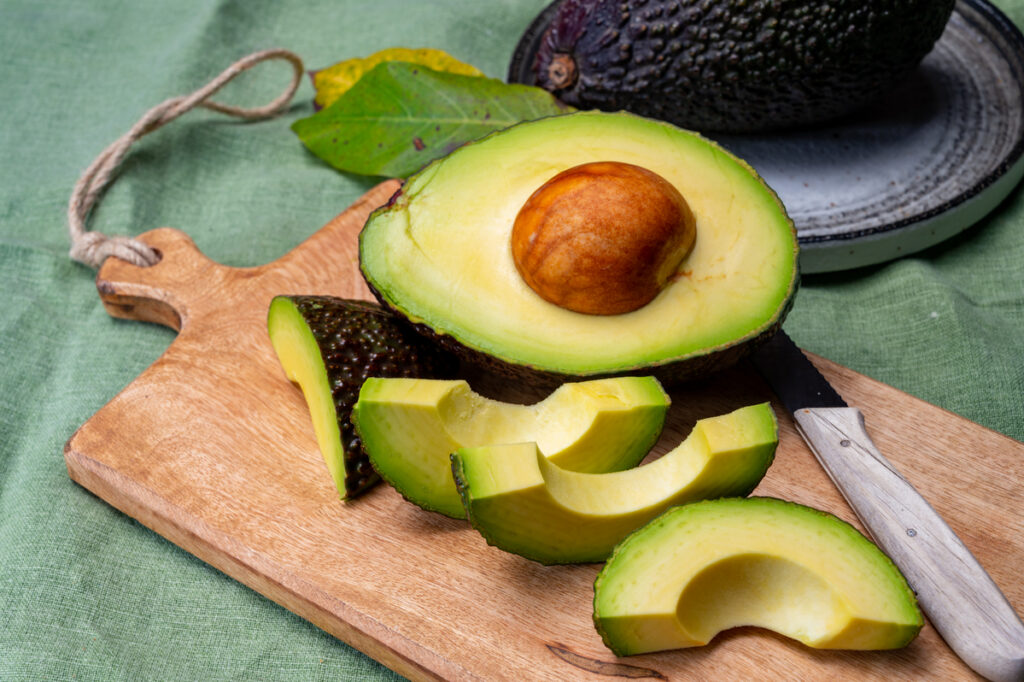
If you’ve ever stored an unripe avocado in the fridge, you’ve probably noticed that it takes forever to ripen. Avocados should be stored at room temperature until they’re ripe. Once they are soft to the touch, you can move them to the fridge to keep them fresh for a few more days. To speed up the ripening process, you can place an avocado in a paper bag with a banana or apple. These fruits release ethylene gas, which helps avocados ripen faster.
Bananas
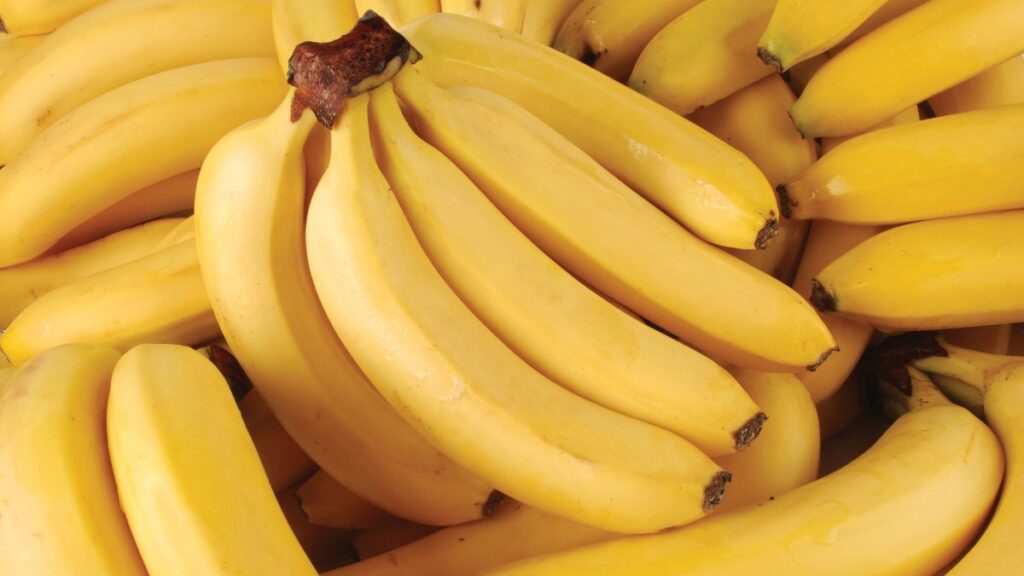
Bananas are another fruit that shouldn’t go in the fridge, especially when they’re still green. Cold temperatures can slow the ripening process, leaving them with a dull flavor and odd texture. Bananas should be stored at room temperature, ideally hanging, to prevent bruising.
If your bananas are ripe but not ready to eat, you can put them in the fridge to slow further ripening. The peel might turn brown, but the fruit inside will stay fresh for a few extra days.
Apples
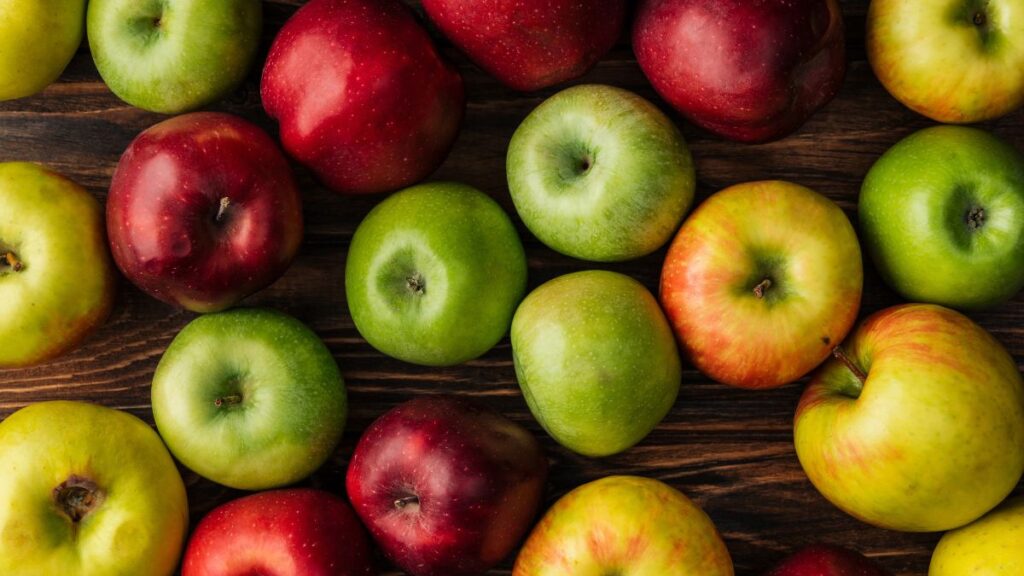
While apples can be stored on the counter for a short time, they last much longer in the fridge. Cold temperatures help keep apples crisp and fresh for weeks. Store them in the fridge’s crisper drawer or a basket with good airflow to avoid bruising.
Be mindful not to store them near other fruits, especially bananas or avocados, which can cause apples to ripen faster due to ethylene gas. If you prefer your apples at room temperature, just take them out of the fridge an hour or so before eating.
Berries
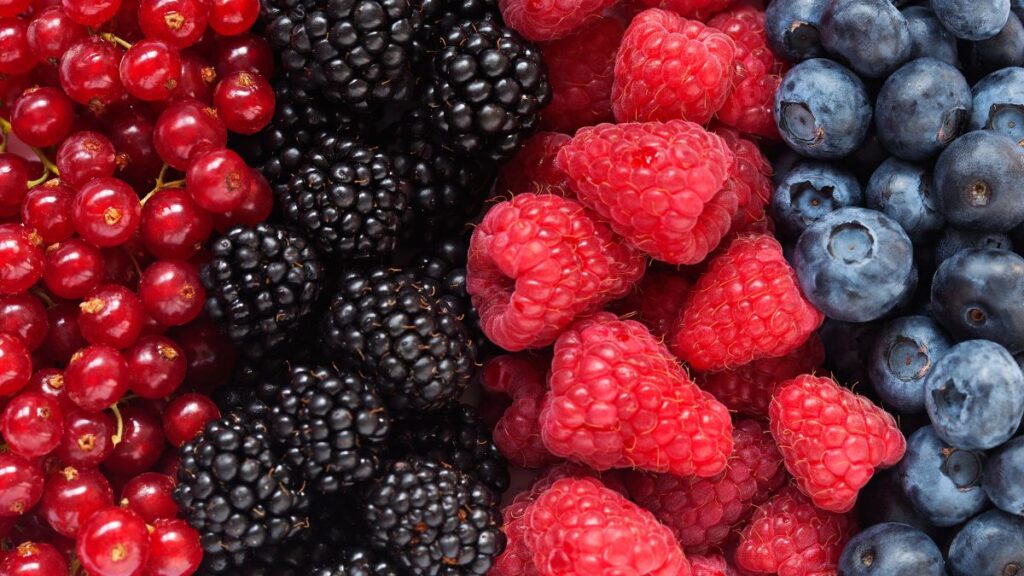
Berries, like strawberries, blueberries, and raspberries, are highly perishable and can spoil quickly. While many people leave them in their original packaging, it’s better to transfer the berries to a shallow container lined with paper towels.
This helps absorb excess moisture, which can lead to mold. Store them in the fridge, but avoid washing them until right before you eat them, as moisture speeds up spoilage. If you want to store berries for longer, consider freezing them.
Carrots
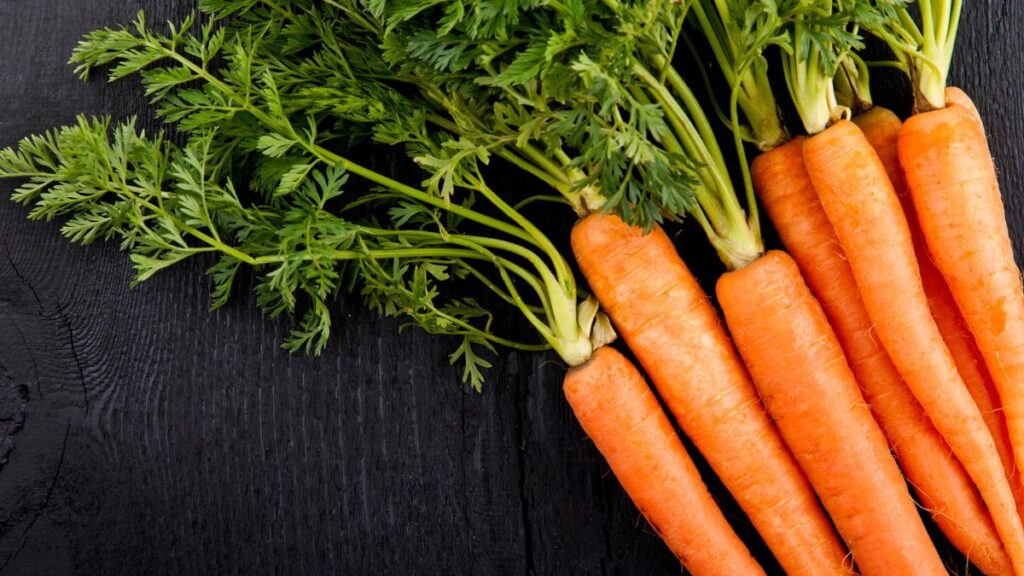
Carrots can lose their crispness if left in the fridge without proper storage. To keep them fresh and crunchy, place them in a sealed plastic bag or container. You can also store them submerged in water to maintain their moisture; just remember to change the water every few days. Keeping carrots in the fridge’s crisper drawer will also help extend their shelf life. Avoid storing them near fruits that emit ethylene gas, like apples, as this can cause them to go limp faster.
Eggs
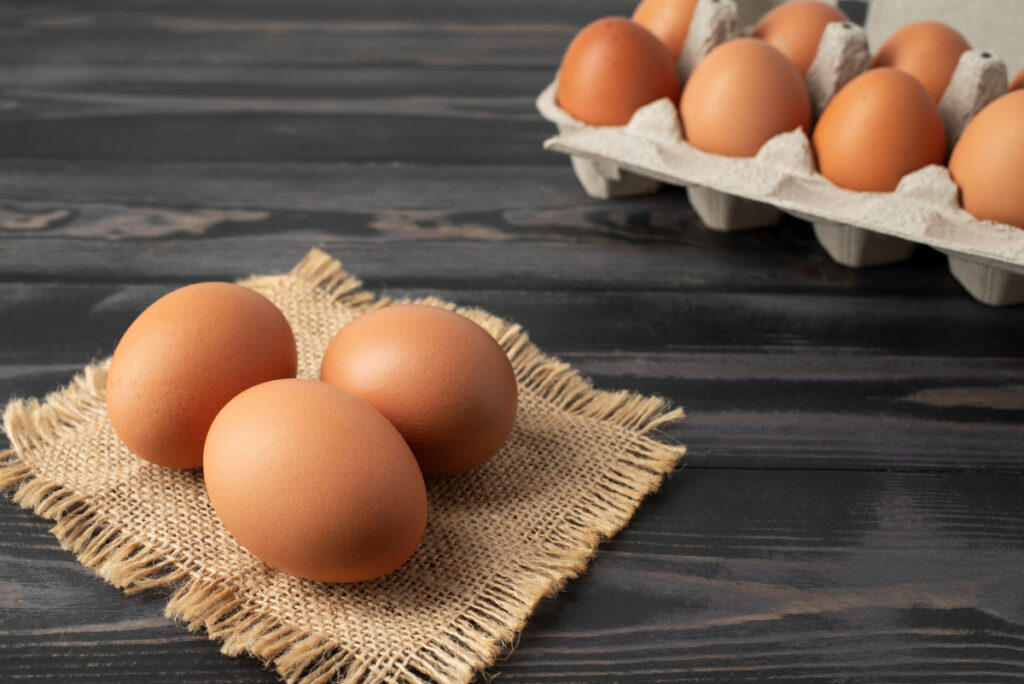
In many parts of the world, eggs are stored at room temperature, but in places like the U.S., eggs are usually kept in the fridge. Once eggs are refrigerated, they should stay in the fridge to prevent bacterial growth. Keep eggs in their original carton to protect them and reduce moisture loss.
The carton also helps prevent eggs from absorbing strong odors from other foods. Store them on a middle or lower shelf where the temperature is most consistent, rather than in the door, where it fluctuates.
Coffee
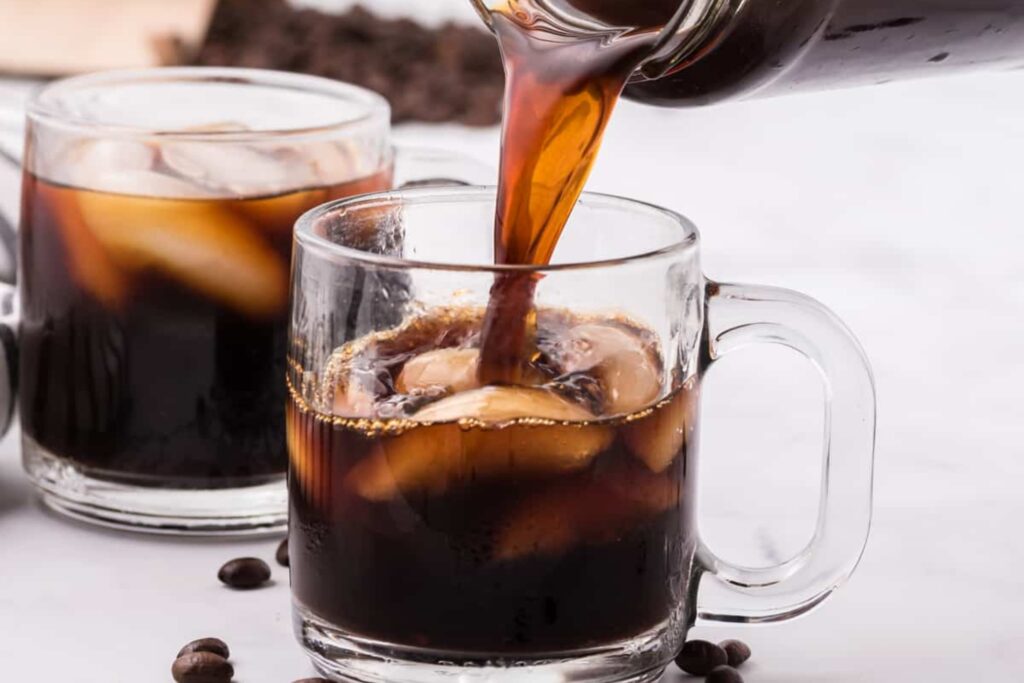
Many people store coffee in the fridge or freezer, which can cause it to lose its flavor faster. Coffee beans and grounds should be stored in an airtight container at room temperature. To maintain the coffee's freshness, keep the container in a cool, dark place, like a pantry.
Avoid storing coffee near heat sources, like the stove or oven, as this can cause it to go stale quickly. If you buy coffee in bulk, you can freeze portions in airtight bags, but don’t repeatedly freeze and thaw coffee.
Cheese
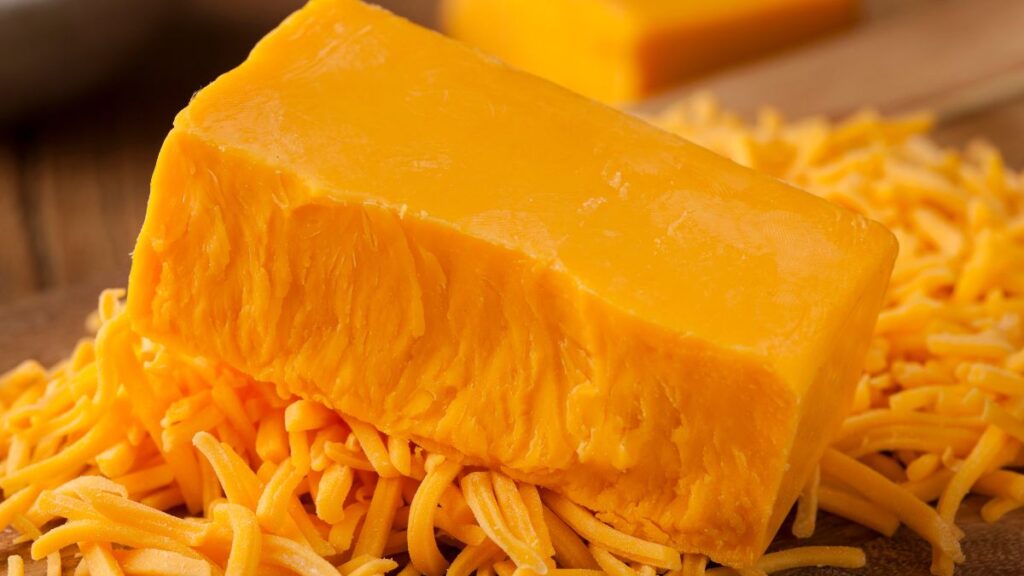
Cheese, especially hard cheese, can dry out quickly if not stored correctly. To prevent this, wrap cheese in parchment or wax paper, and then place it in a loose plastic bag or container. This allows the cheese to breathe without losing too much moisture.
Avoid tightly wrapping cheese in plastic wrap, as this can trap moisture and lead to mold. Store cheese in the fridge’s vegetable or cheese drawer, where the humidity is higher, helping to keep it fresh longer.
Herbs
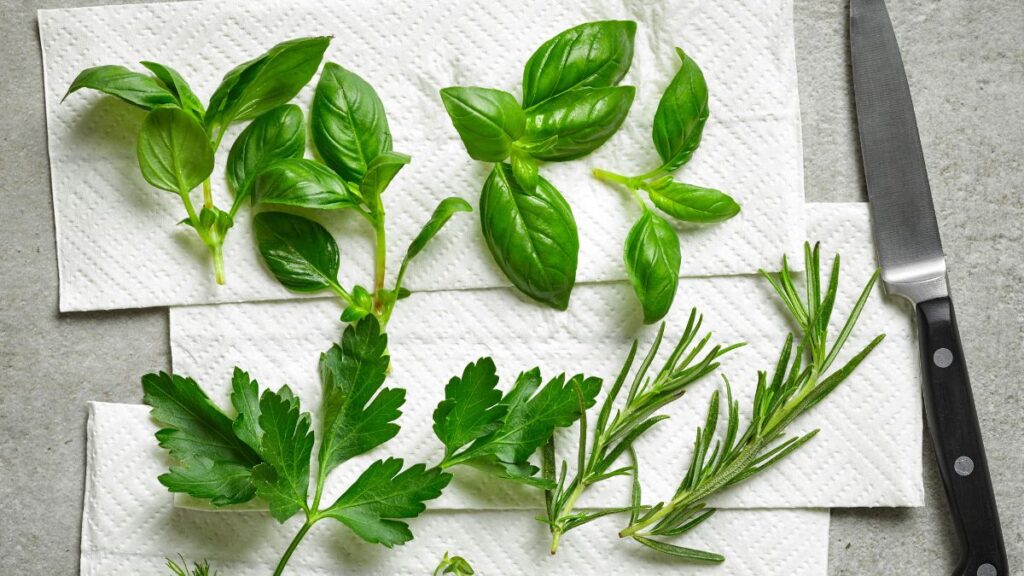
Fresh herbs can wilt and lose flavor quickly if not stored properly. For soft herbs like cilantro and parsley, trim the stems and place them in a jar of water, covering the leaves with a plastic bag.
Store the jar in the fridge, changing the water every few days. For hard herbs like rosemary and thyme, wrap them in a damp paper towel and place them in a resealable bag in the fridge. This method helps herbs stay fresh for up to a week or more.
Nuts

Nuts contain natural oils that can go rancid if stored in warm temperatures for too long. Instead of keeping them in the pantry, store nuts in an airtight container in the fridge or freezer.
Cold storage prevents their oils from spoiling and helps maintain their flavor. If you use nuts often, you can store small amounts in the pantry for convenience but keep the bulk of them chilled. Freezing nuts can extend their freshness for up to a year.
Leave a Reply