
Nature has an incredible way of adapting to extremes. From scorching deserts to icy tundras, some plants have developed extraordinary resilience to thrive in the harshest climates. These foods provide sustenance to people living in unforgiving environments and offer a fascinating glimpse into the power of survival.
Want to Save This Recipe?
Enter your email & I'll send it to your inbox. Plus, get great new recipes from me every week!
By submitting this form, you consent to receive emails from Blue's Best Life.
Dates
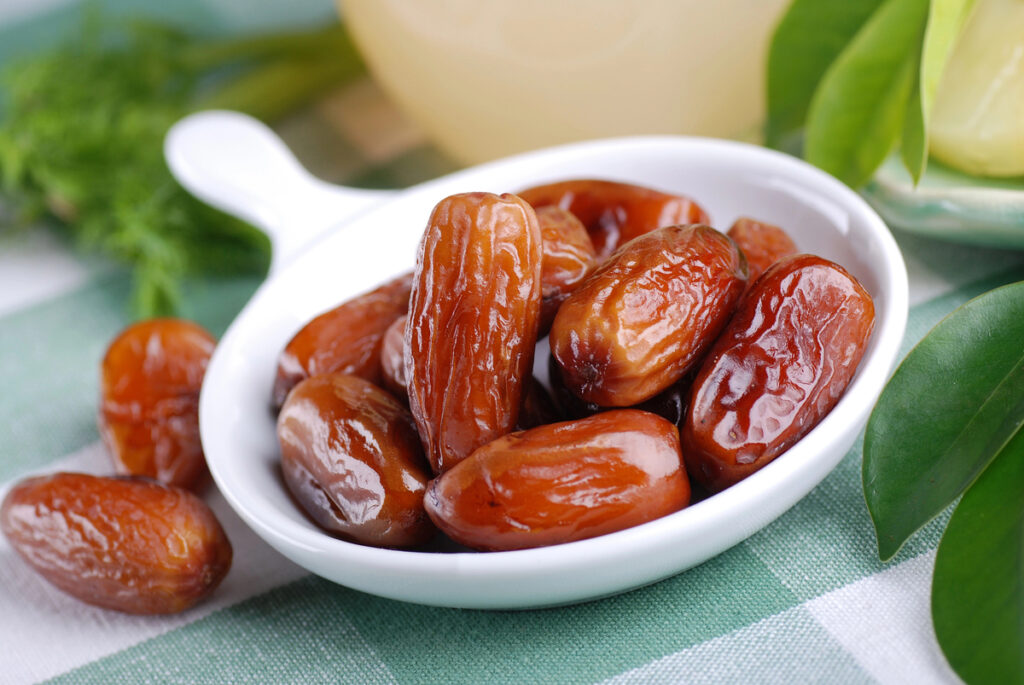
Dates thrive in the searing heat of deserts, particularly in the Middle East and North Africa. The date palm is deeply rooted in the sand, drawing nutrients and water from the ground. Its sweet fruit is packed with energy and essential nutrients. Dates have been a staple food for centuries in arid regions, valued for their long shelf life. Their resilience makes them a symbol of life in the desert.
Cactus Pear
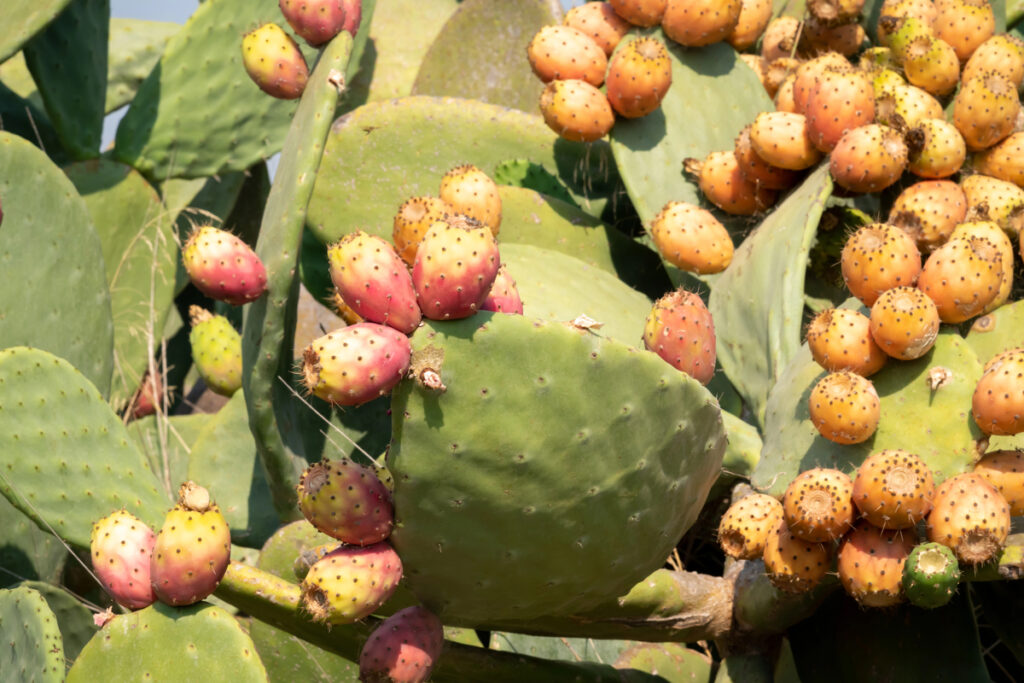
Also known as prickly pear, this fruit grows on cacti in arid and semi-arid areas. It stores water in its thick pads, enabling it to endure long periods of drought. The vibrant fruit is a source of hydration and nutrients for people and animals alike. Its tough skin protects it from the sun's intensity, ensuring its survival. Cactus pears are versatile, and used in juices, jams, and even skincare products.
Barley
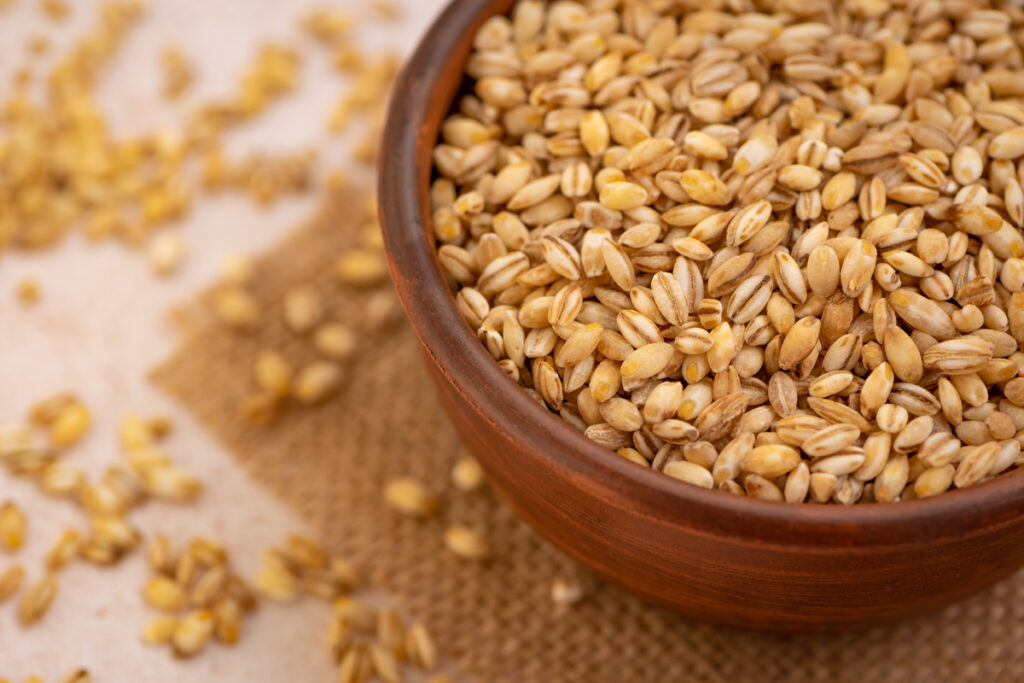
Barley is a hardy grain that withstands cold temperatures and poor soil conditions. It grows in high altitudes and regions with short growing seasons, such as the Tibetan Plateau. Rich in fiber and nutrients, barley is a dietary staple in many harsh climates.
Its versatility allows it to be used in soups, bread, and beverages. The grain’s resilience has sustained communities through tough times.
Amaranth
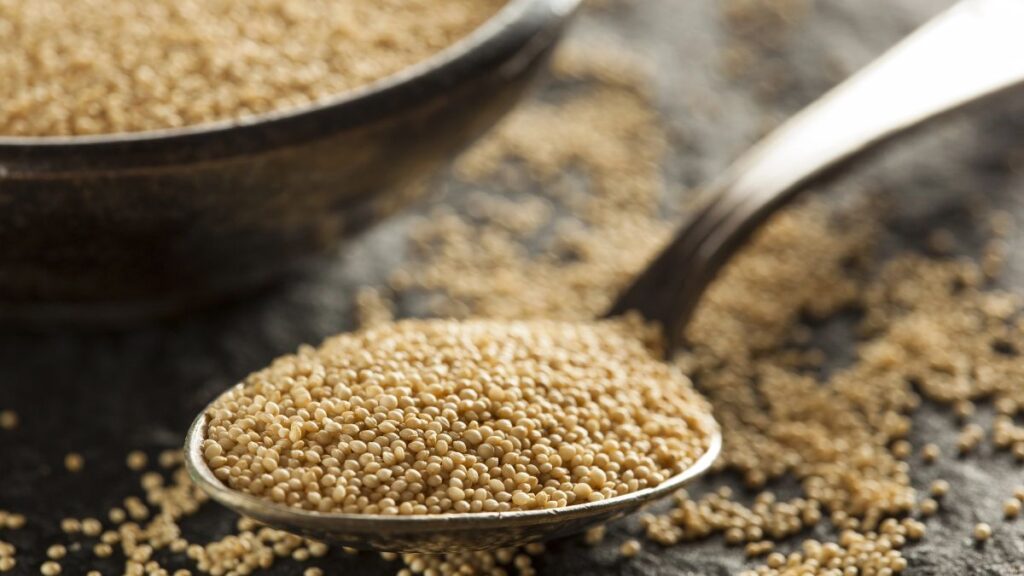
Amaranth is a pseudo-grain that flourishes in diverse conditions, including heat and poor soil. This ancient crop is a key food source in many parts of South America and Africa. Amaranth leaves and seeds are nutrient-dense, providing protein, vitamins, and minerals. Its ability to grow quickly makes it ideal for regions facing food scarcity. Amaranth is also gluten-free, appealing to modern dietary needs.
Quinoa
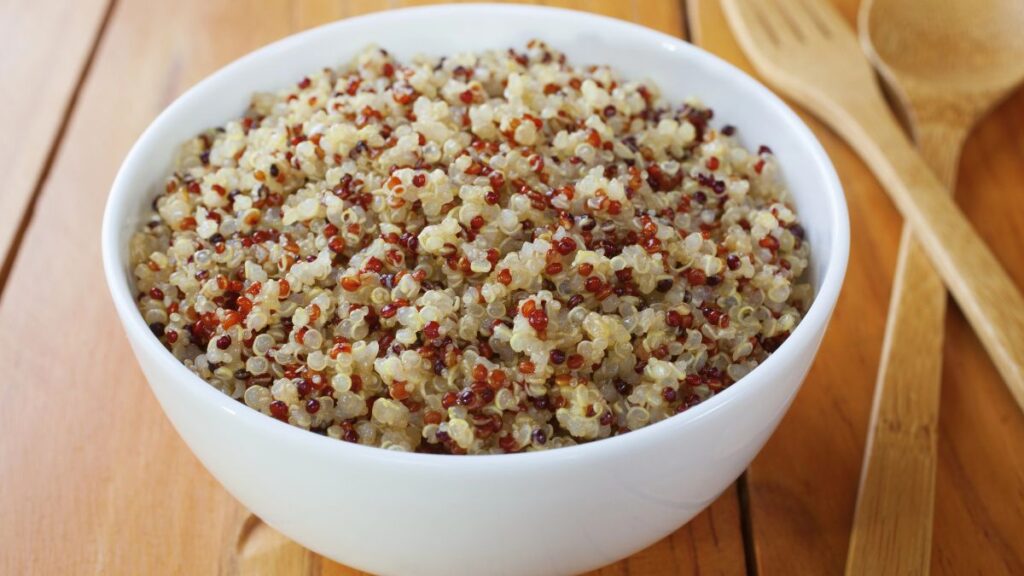
Quinoa thrives in the high-altitude plains of the Andes Mountains. Resistant to frost, drought, and poor soils, this grain has been a staple of indigenous peoples for thousands of years.
Its seeds are rich in protein and essential amino acids, making it a powerhouse food. Quinoa's resilience has earned it global recognition as a superfood. Farmers continue to cultivate it despite extreme weather conditions.
Millet
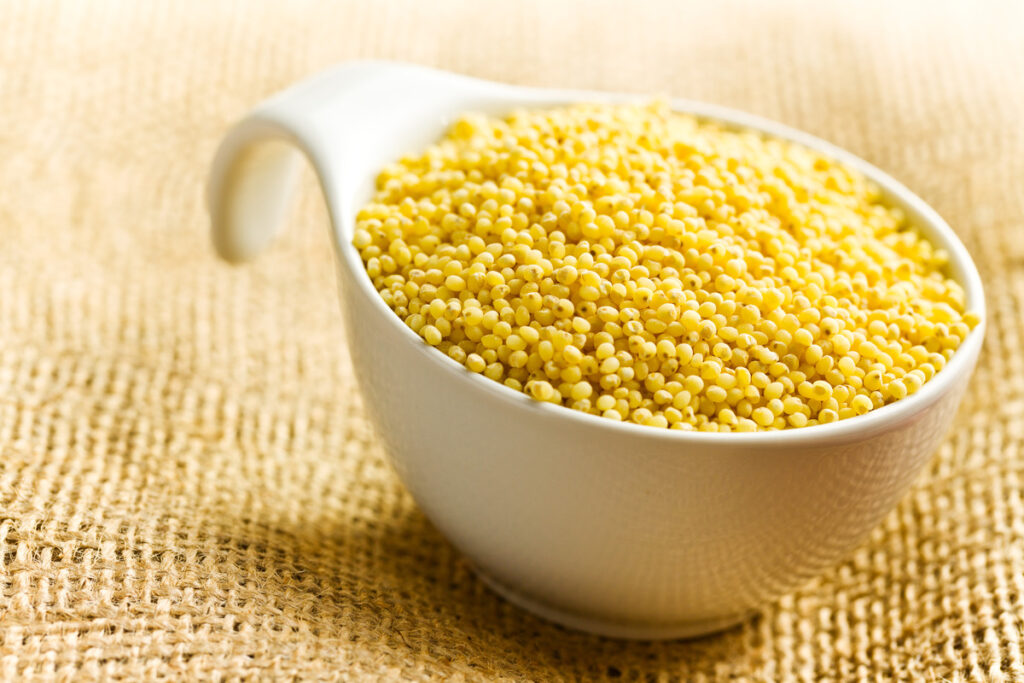
Millet grows in arid regions, including parts of Africa and India, where water is scarce. This tiny grain matures quickly and tolerates heat and drought. It is a staple food for millions, often used to make flatbreads and porridge.
Millet is also rich in nutrients like magnesium and phosphorus, promoting health in resource-limited areas. Its adaptability ensures food security in regions prone to climate extremes.
Moringa
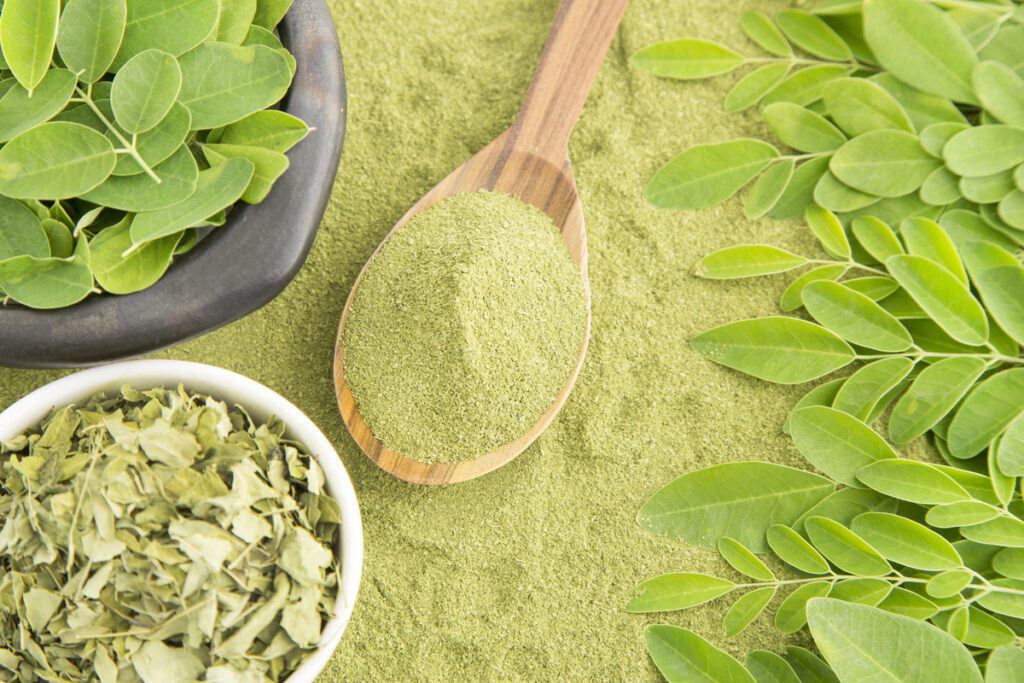
Moringa trees thrive in dry, tropical climates and are often called "miracle trees" due to their numerous uses. Their leaves, seeds, and pods are edible and highly nutritious, rich in vitamins and antioxidants.
The tree can survive long droughts and grow in poor soil, making it invaluable in arid regions. Moringa leaves are dried and used as supplements, ensuring nourishment year-round. Its resilience is a beacon of hope for communities in harsh environments.
Sorghum
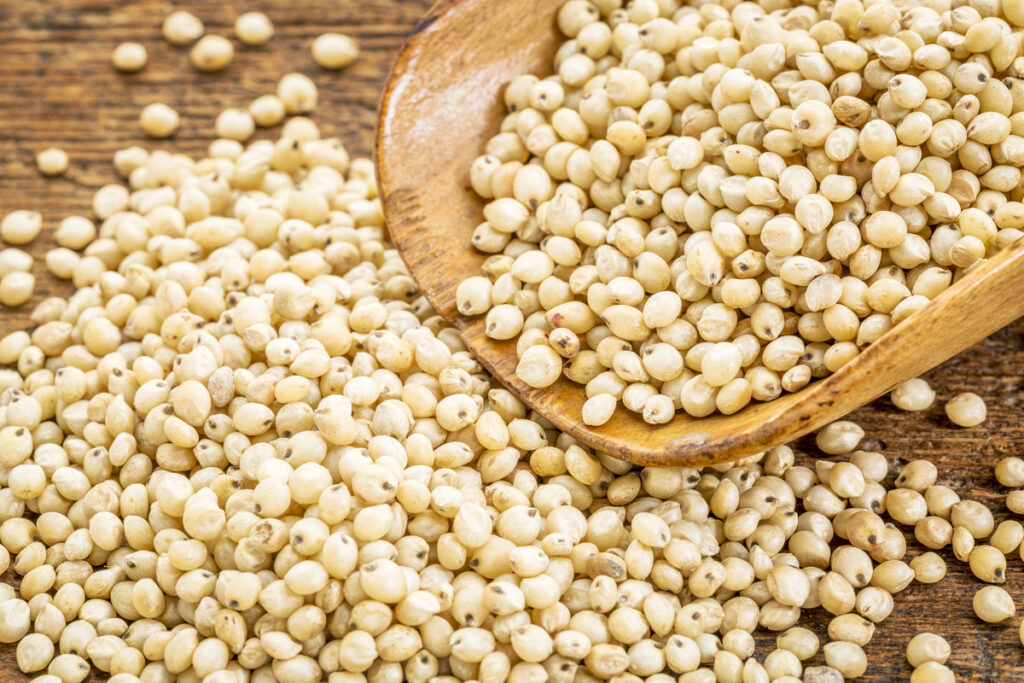
Sorghum is a drought-tolerant grain that thrives in hot, dry climates. Widely grown in Africa and Asia, it serves as a primary food source for millions. Its grains are used in bread, porridge, and even beer, while its stalks are used as fodder. Sorghum’s ability to grow with minimal water makes it essential for food security. Its adaptability has made it a lifeline in areas facing water shortages.
Arctic Berries

Berries like cloudberries, lingonberries, and bilberries thrive in the icy tundra of the Arctic. These hardy plants survive freezing temperatures and short growing seasons. The berries are rich in antioxidants, vitamins, and nutrients, providing energy during harsh winters. Locals harvest and preserve them to enjoy year-round. Their bright colors stand out against the stark landscape, symbolizing resilience in the cold.
Seaweed
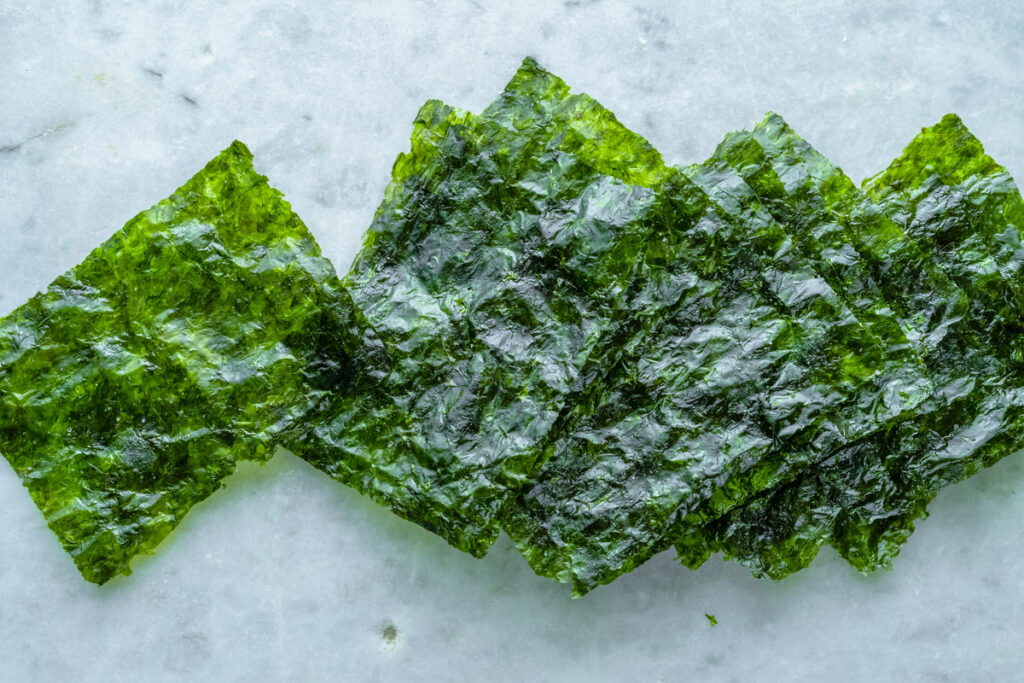
Seaweed grows in the cold, nutrient-rich waters of the Arctic and Antarctic, as well as tropical seas. It requires no soil or fresh water, making it highly sustainable. Packed with iodine, omega-3s, and other nutrients, seaweed is a staple in many coastal diets. Communities have relied on it for centuries, drying it for storage during lean times. Its resilience and nutritional value make it a crucial food source in harsh marine climates.
Baobab Fruit
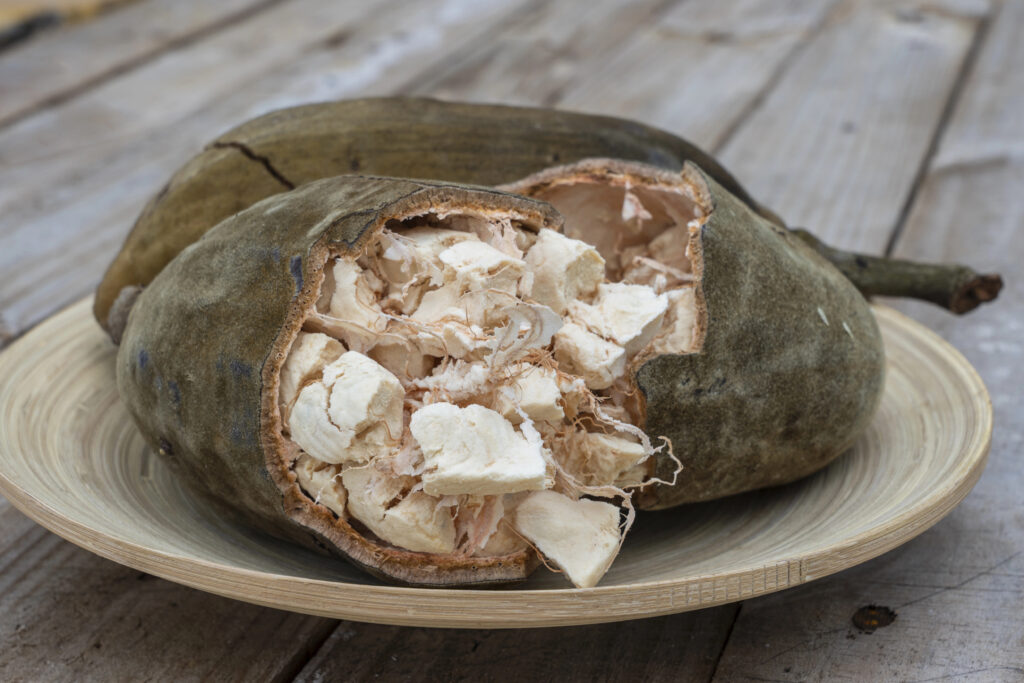
The baobab tree, native to Africa, is often called the "tree of life" for its ability to survive extreme heat and drought. Its fruit is a rich source of vitamin C, fiber, and antioxidants. Baobab trees store water in their trunks, helping them endure long dry seasons. The fruit has a powdery texture and a tangy flavor, used in drinks and snacks. It is a vital resource for communities in arid regions.
Saguaro Cactus Fruit
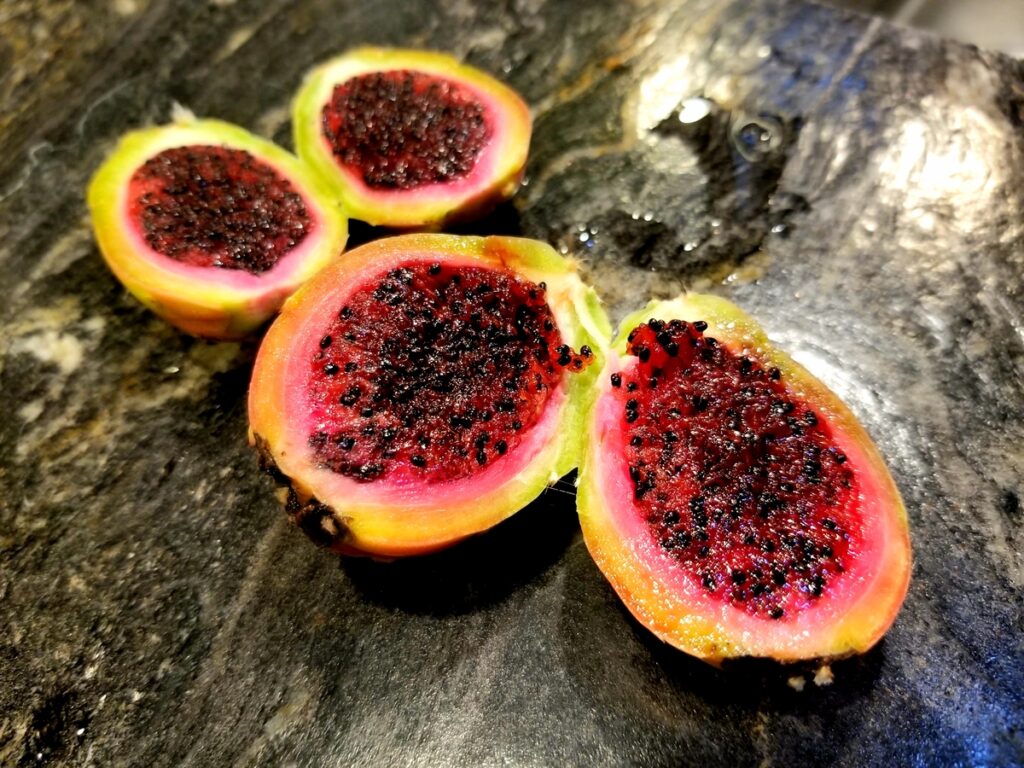
The saguaro cactus, found in the Sonoran Desert, produces a small, red fruit that ripens in the intense summer heat. The fruit is rich in natural sugars and nutrients, providing energy and hydration.
Indigenous peoples have traditionally harvested it for food and ceremonies. The saguaro stores water in its thick stem, enabling it to thrive in one of the world’s hottest environments. Its fruit represents sustenance in challenging conditions.
Cassava
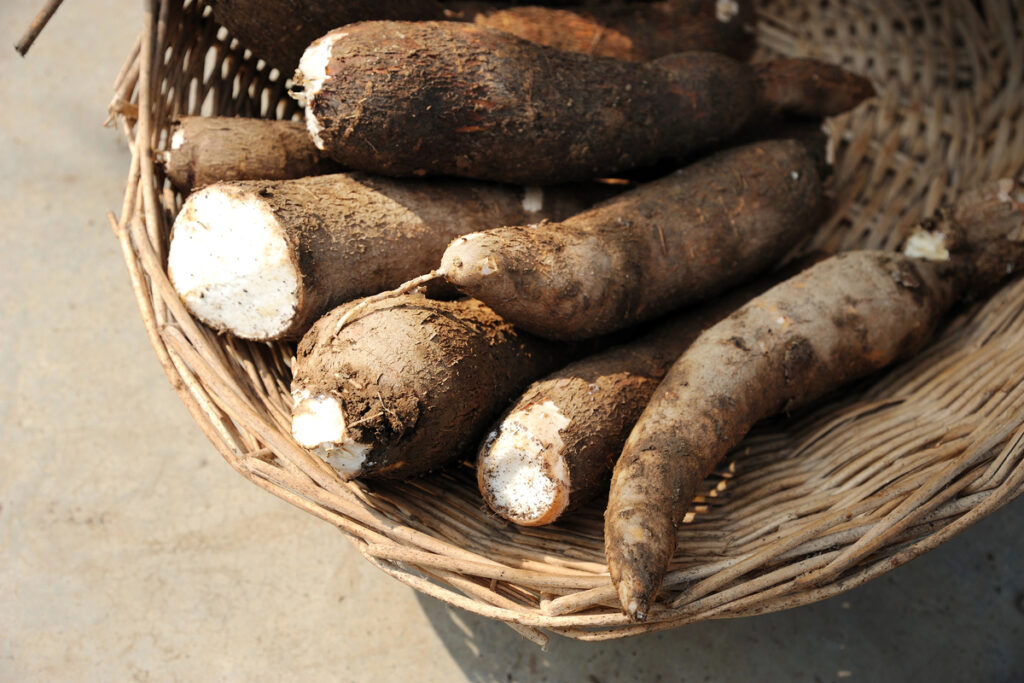
Cassava is a root crop that grows in tropical and subtropical climates with poor soil. It is highly drought-tolerant and produces a starchy tuber used to make flour, bread, and other dishes.
Cassava provides a reliable food source even in times of famine. Its leaves are also edible, adding to its versatility. This crop plays a critical role in ensuring food security in many parts of the world.
Pine Nuts
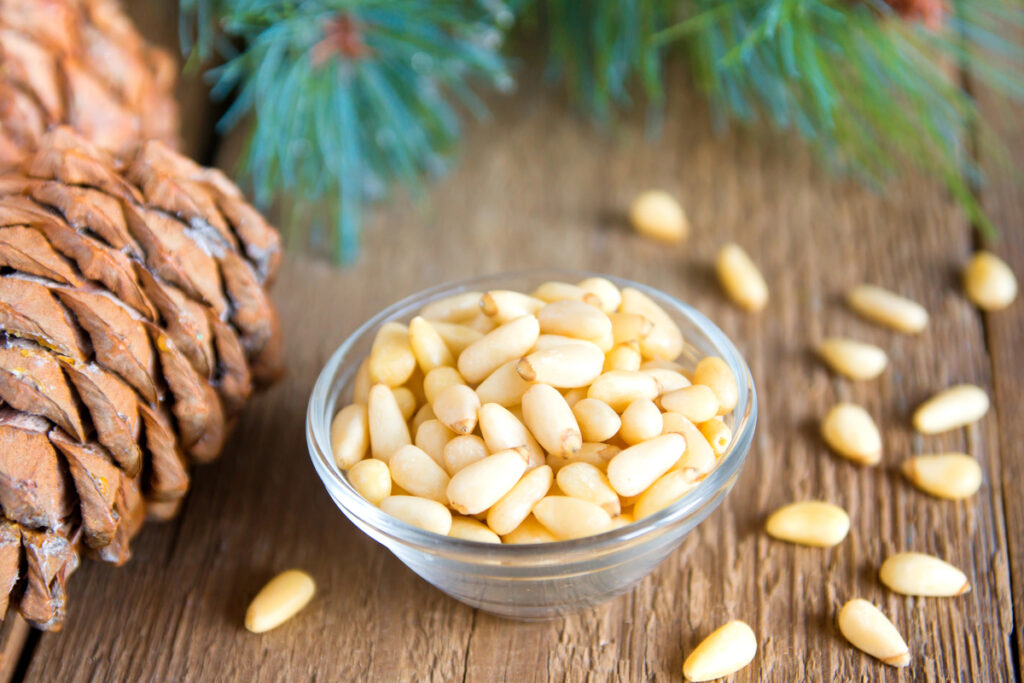
Pine nuts grow in the cones of hardy pine trees that withstand cold, high-altitude climates. These nutrient-rich seeds are a source of healthy fats and protein. Pine trees grow slowly, adapting to poor soils and harsh conditions.
Indigenous peoples have relied on pine nuts for centuries as a staple food. They are harvested and stored, providing nourishment through tough winters.
Mesquite Pods

Mesquite trees grow in arid deserts, producing pods that can be ground into flour. The pods are high in protein and have a sweet, nutty flavor. Mesquite trees are drought-resistant, with deep roots that access underground water.
Native peoples have used mesquite as a food source for centuries, relying on it during scarce times. Its resilience makes it a symbol of survival in the desert.
Related: 15 Clever Hacks To Reduce That Never-Ending Grocery Bill

Managing grocery expenses can be challenging for many households, especially with rising food costs and fluctuating budgets.
However, with some creativity and resourcefulness, you can implement numerous clever hacks to reduce your never-ending grocery bill without sacrificing the quality or variety of your meals.
Leave a Reply