
For centuries, humans have approached food with caution, often wary of unfamiliar tastes or preparation methods. Many dishes we now enjoy were once viewed as unsafe or harmful, whether due to myths, incomplete knowledge, or preparation challenges. Over time, science and experience have dispelled these fears, allowing these foods to become culinary staples.
Want to Save This Recipe?
Enter your email & I'll send it to your inbox. Plus, get great new recipes from me every week!
By submitting this form, you consent to receive emails from Blue's Best Life.
Tomatoes
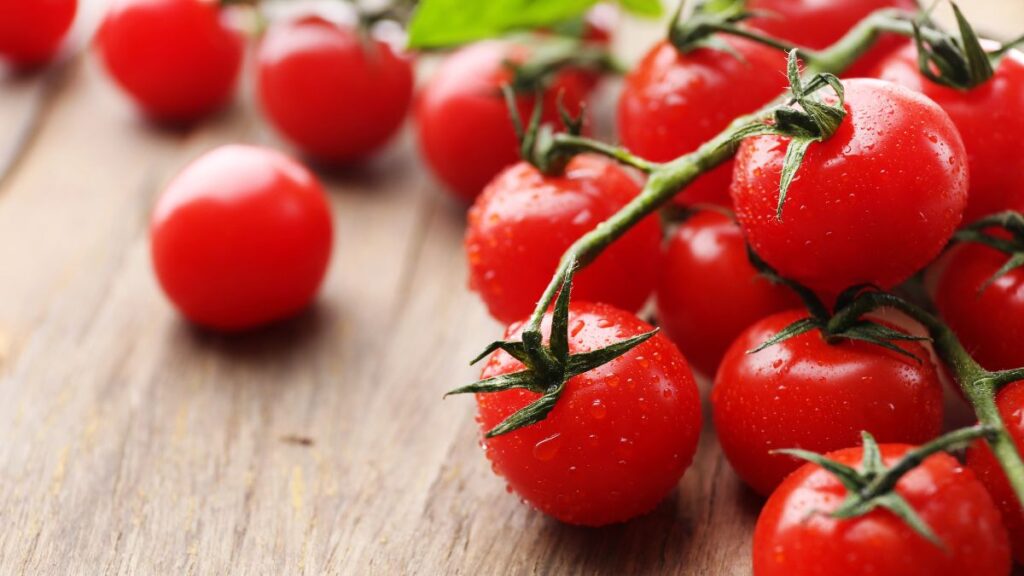
Tomatoes were once feared for their potential toxicity, earning the nickname “poison apples” in 18th-century Europe. People believed their acidic juices reacted with pewter plates, leaching lead into meals.
While this may have happened occasionally, tomatoes themselves are perfectly safe. Today, they are a key ingredient in sauces, salads, and countless global cuisines. Their journey from suspicion to supermarket staple highlights the power of changing perceptions.
Potatoes
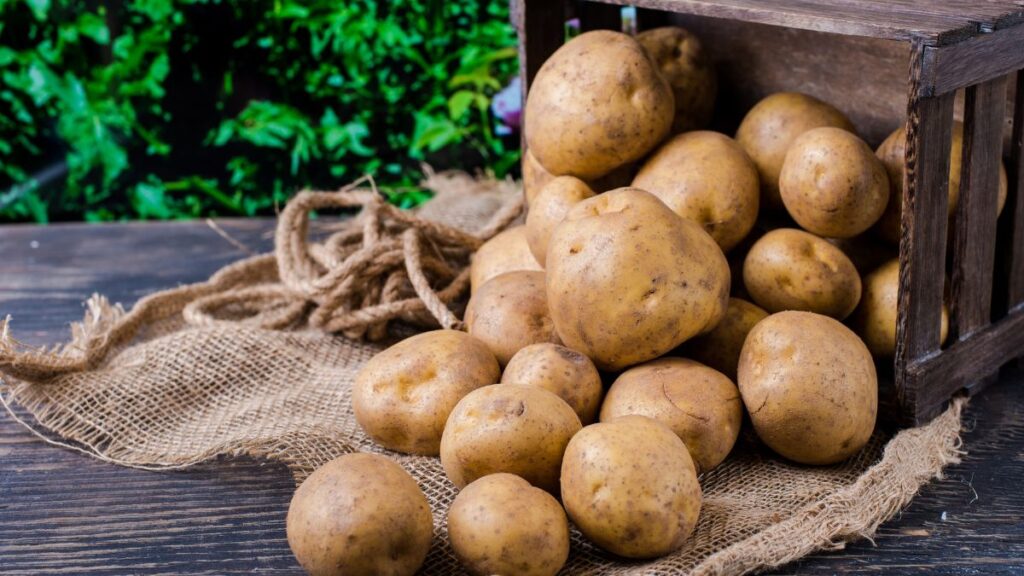
Potatoes faced mistrust when first introduced to Europe from South America. Some believed they caused leprosy or were fit only for livestock. Others worried about the toxic compounds in their sprouts and green skins.
Despite these fears, potatoes are now one of the world’s most popular foods. Proper preparation eliminates any risks, and they’ve become a symbol of comfort and versatility.
Mushrooms
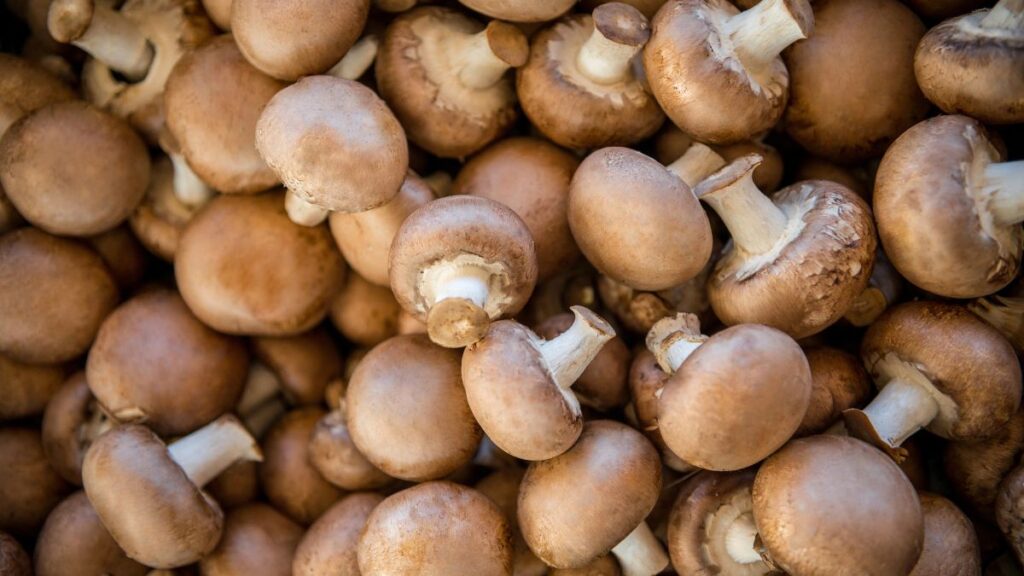
Wild mushrooms were long considered dangerous because some species are highly toxic. Early foragers had to rely on trial and error to distinguish edible varieties from deadly ones. Modern knowledge and cultivation practices have made many mushrooms safe and widely available. From button mushrooms to shiitakes, they now play a vital role in global cuisine. Despite this, wild mushroom foraging still requires caution.
Lobster
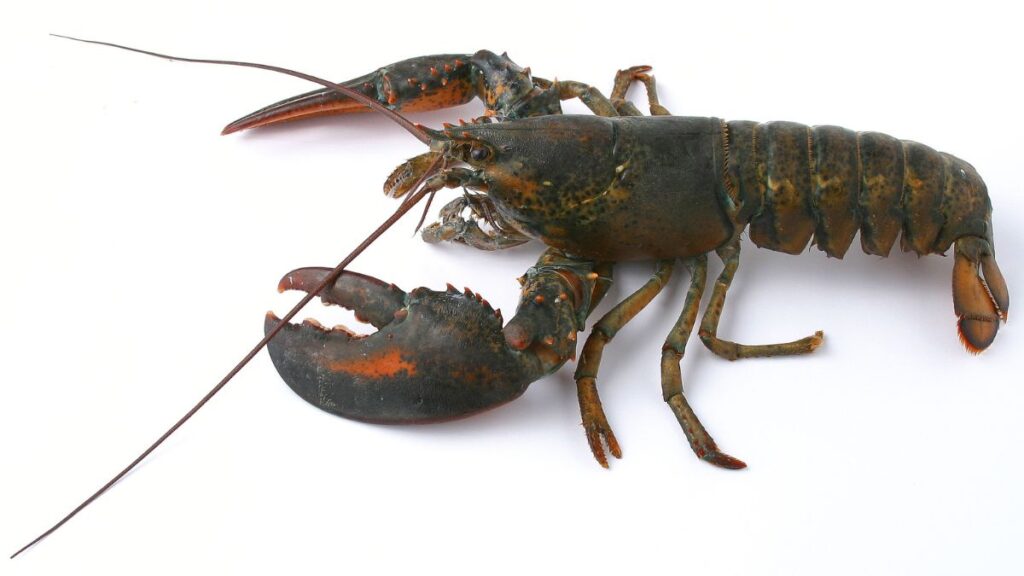
The lobster was once viewed as a lowly food, fit only for prisoners or the poor. Its spiny appearance and preparation challenges made it unpopular with early diners. As techniques for cooking and cracking lobsters improved, so did its reputation.
Today, lobster is considered a delicacy, enjoyed at high-end restaurants and special occasions. This transformation underscores how perceptions can shift with time and culture.
Chocolate

When cacao was first brought to Europe, some believed it was intoxicating or even sinful. The bitterness of early chocolate preparations also contributed to its mixed reception. Over time, sugar and milk were added, transforming it into a beloved treat. Modern studies praise its health benefits when consumed in moderation. What was once feared is now a global symbol of indulgence and celebration.
Coffee

Coffee’s dark color and stimulating effects made it controversial in its early history. Critics labeled it an “intoxicant” or claimed it was harmful to health. Religious debates also surrounded its use, with some considering it a beverage of the devil. Over time, coffee became a daily ritual and cultural cornerstone worldwide. Its energizing properties and rich flavors have won over billions of fans.
Sushi
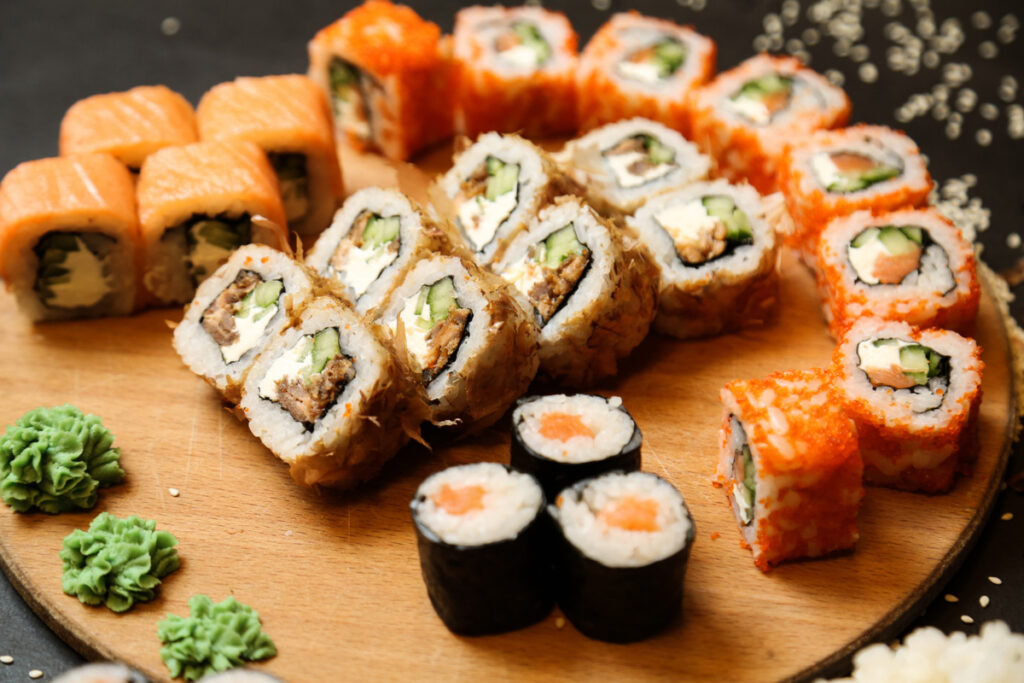
Sushi, especially raw fish, was once met with skepticism outside Japan. Concerns about freshness, parasites, and unfamiliar flavors kept many people away. Improved refrigeration and culinary education have alleviated these fears. Sushi is now celebrated for its artistry and health benefits, becoming a global dining trend. What was once seen as risky is now a symbol of sophistication.
Cassava
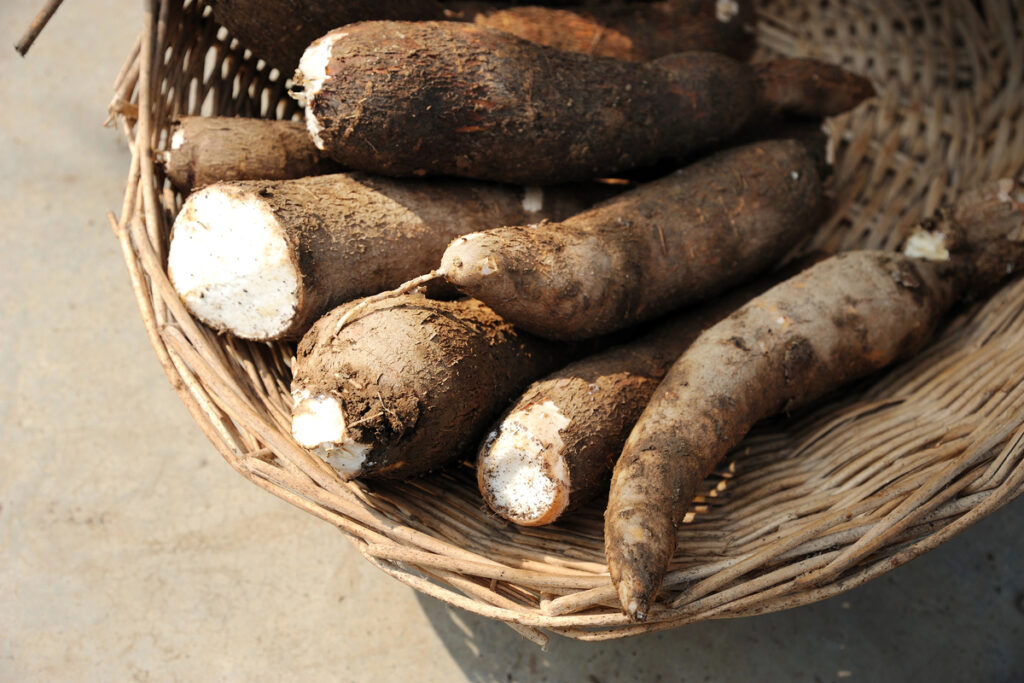
Cassava, a root vegetable from South America, contains naturally occurring cyanide in its raw form. Improper preparation can make it dangerous to eat. Indigenous communities developed methods to safely process cassava, paving the way for its widespread use. Today, it’s a staple food in many regions and the base for popular products like tapioca. Knowledge turned this feared food into a reliable source of nutrition.
Fugu (Pufferfish)
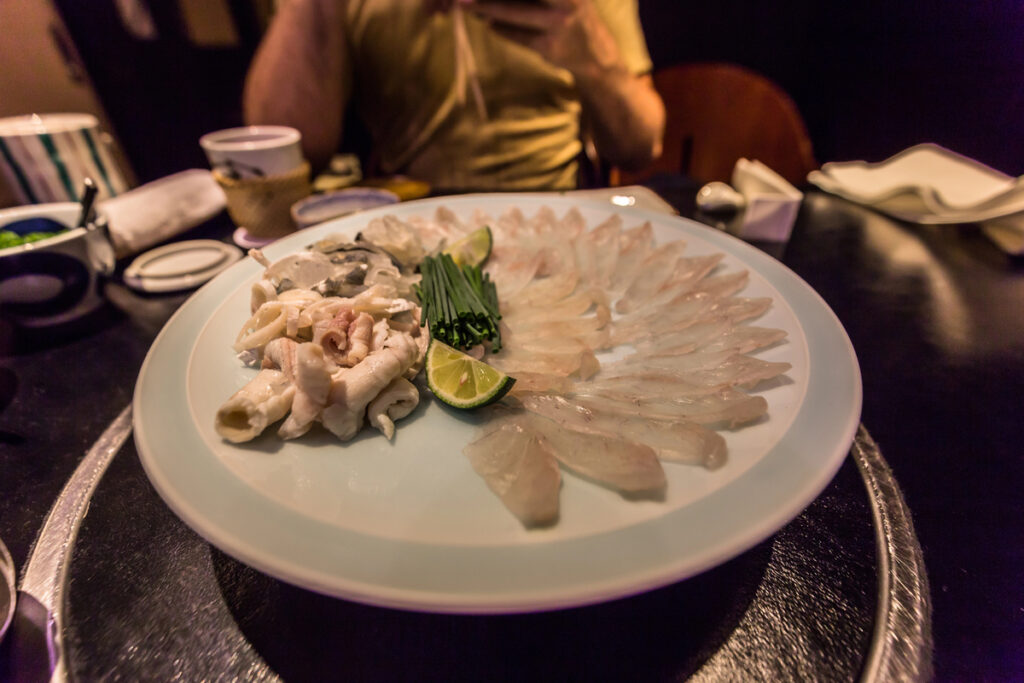
Fugu is famous for its deadly tetrodotoxin, which must be expertly removed before consumption. Inexperienced preparation can lead to fatal consequences. Despite its risks, fugu is a sought-after delicacy in Japan, showcasing the skill of certified chefs. Its unique flavor and texture draw adventurous eaters from around the world. Strict regulations ensure its safety for those willing to try it.
Cheese
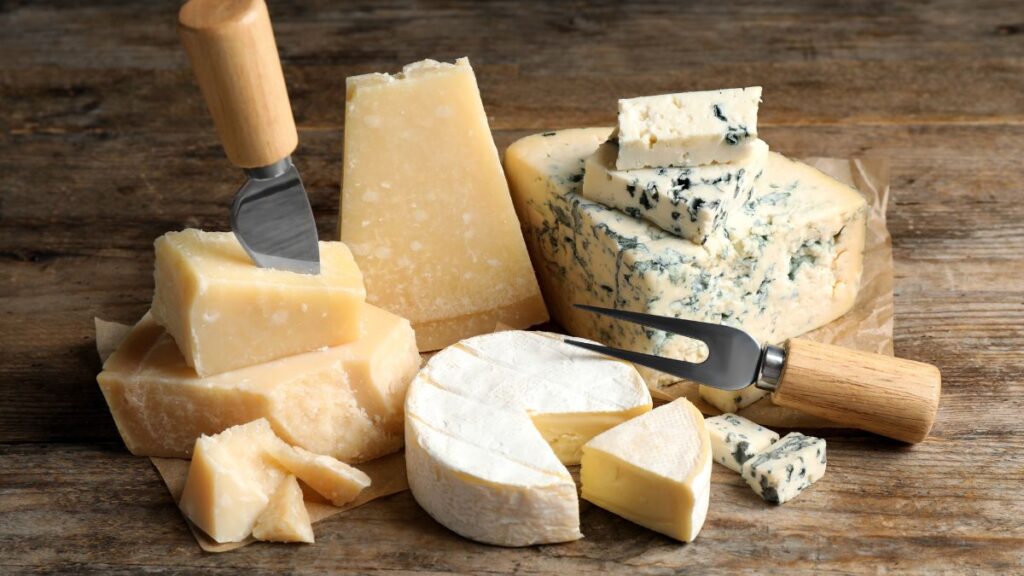
Fermented and moldy cheese varieties once alarmed early eaters who questioned their safety. The appearance and strong odors of some cheeses added to the hesitation. As the understanding of fermentation grew, cheese became a valued and versatile food. Today, varieties like blue cheese and brie are gourmet favorites. What was once unappealing is now considered a culinary treasure.
Rhubarb

Rhubarb leaves contain toxic compounds, which led to misunderstandings about the plant’s safety. Early cooks hesitated to use it, unsure how to prepare it properly. Once the stems were identified as safe and flavorful, rhubarb gained popularity in desserts and jams. Its tangy taste is now a staple in pies and other sweet treats. Proper knowledge turned rhubarb from a risky plant to a beloved ingredient.
Oysters
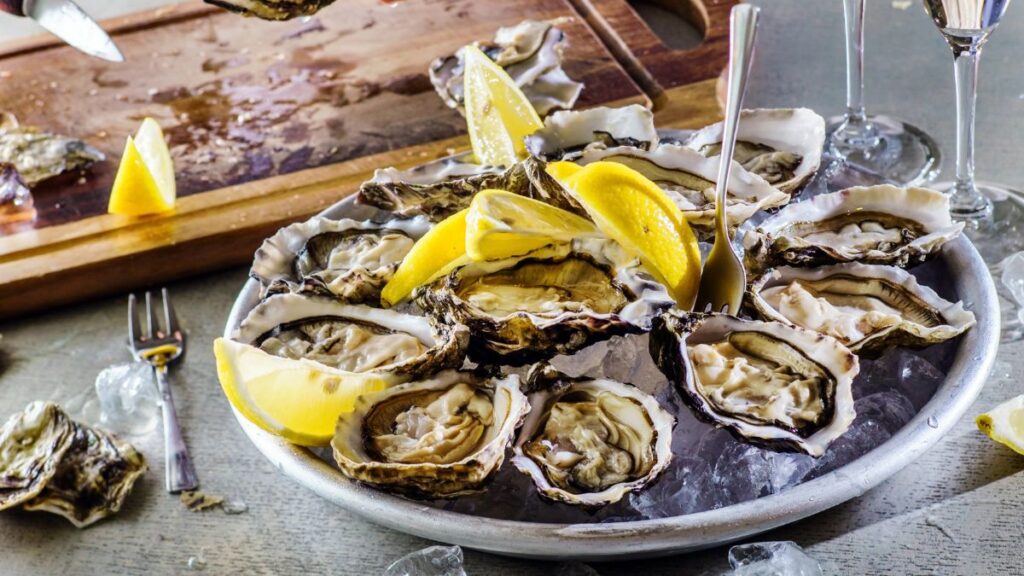
Raw oysters were initially viewed with suspicion due to their slimy texture and potential for foodborne illness. Concerns about cleanliness and refrigeration further discouraged consumption. Modern farming and hygiene practices have made oysters a safer option. They’re now a prized delicacy enjoyed raw, grilled, or baked. Oysters highlight how improved handling can change perceptions.
Spinach
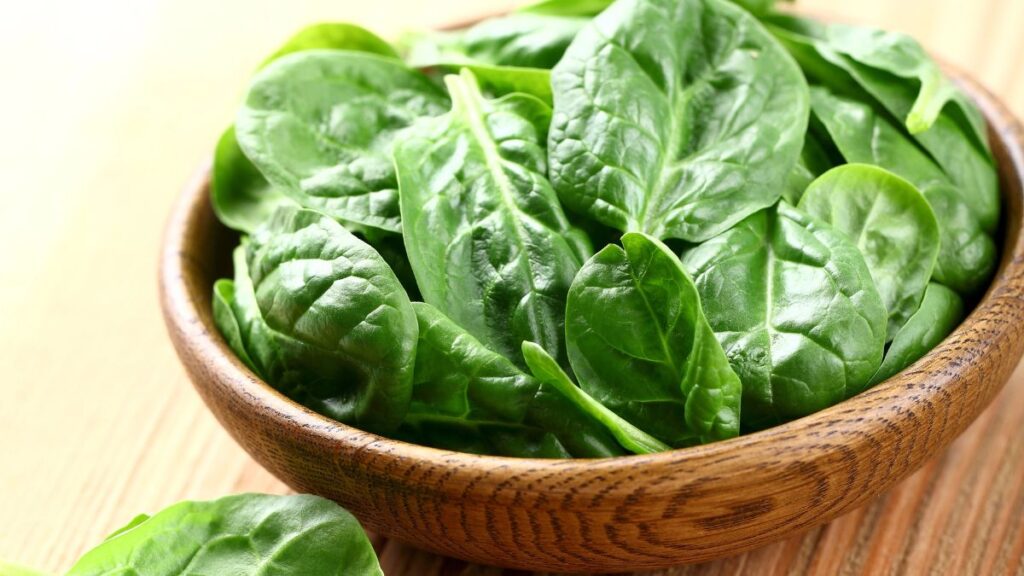
Early concerns about spinach included fears of oxalates, which could interfere with calcium absorption. Myths about its high iron content also led to mixed opinions. Today, spinach is recognized as a nutrient powerhouse, rich in vitamins and antioxidants. It’s a popular addition to salads, smoothies, and cooked dishes. Science has helped restore confidence in this leafy green.
Octopus
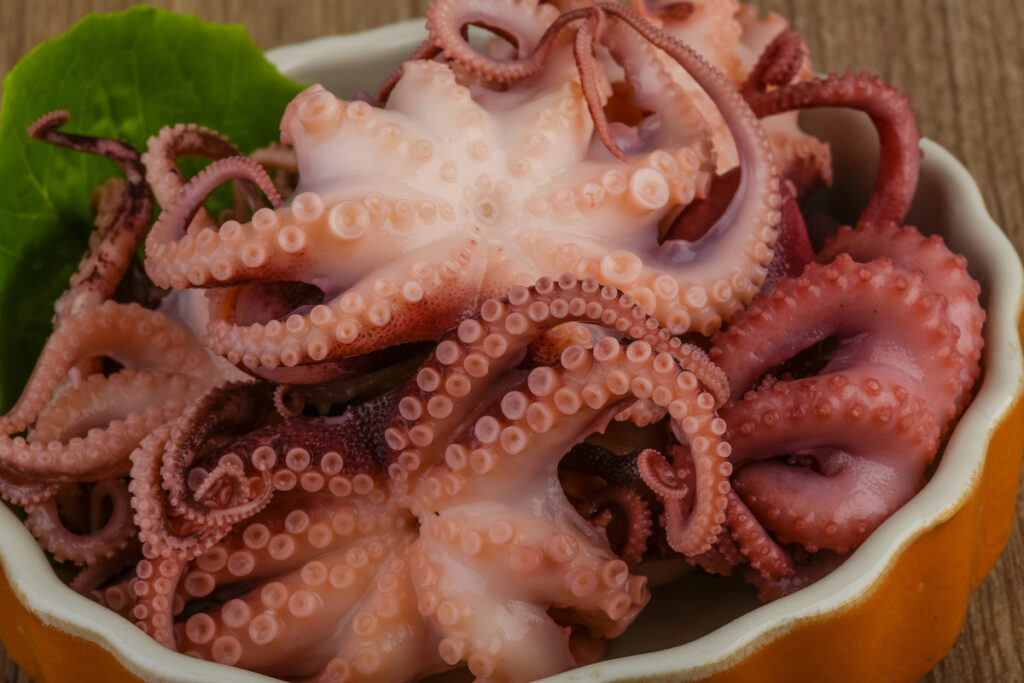
Octopus was once avoided for its chewy texture and unusual appearance. Many cultures hesitated to eat it, fearing it was too exotic or difficult to prepare. Over time, chefs developed techniques to tenderize and flavor octopus, making it a sought-after ingredient. It now features prominently in Mediterranean, Asian, and Latin cuisines. What was once strange is now considered a delicacy.
Almonds
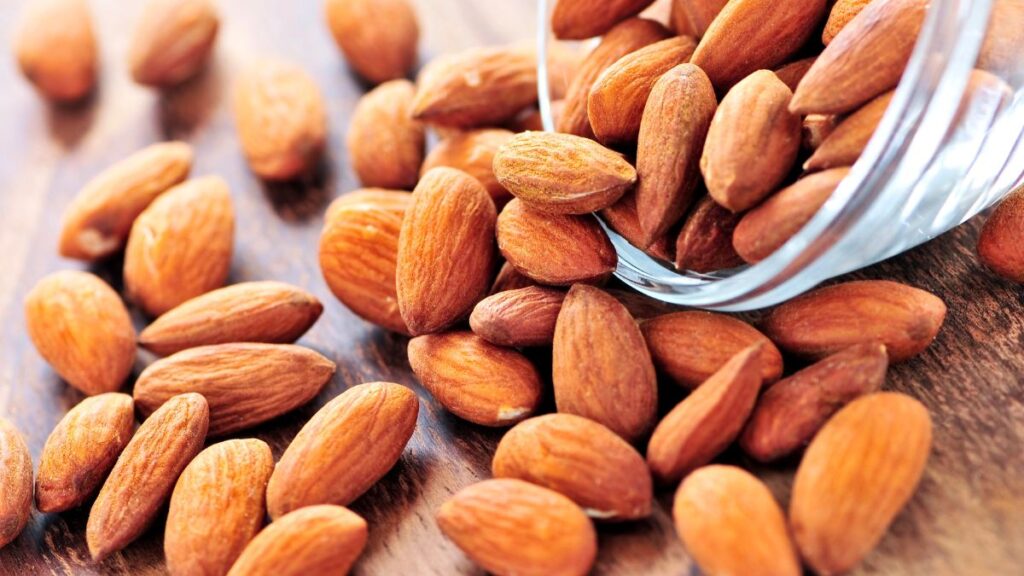
Wild almonds contain amygdalin, which can release cyanide when consumed raw. Early humans likely faced dangers when experimenting with this nut. Through cultivation, sweet varieties of almonds replaced bitter, toxic ones. Modern almonds are not only safe but also a favorite snack worldwide. Their transformation shows the importance of agricultural innovation.
Leave a Reply