
Probiotics are beneficial bacteria that help keep your gut healthy and can do wonders for your digestion, immune system, and mood. While probiotic supplements are available, adding natural probiotic-rich foods to your diet is a tastier (and often more effective) way to reap the benefits. Luckily, there are plenty of delicious options. Whether you prefer savory or sweet, here are several ways to enjoy probiotics daily.
Want to Save This Recipe?
Enter your email & I'll send it to your inbox. Plus, get great new recipes from me every week!
By submitting this form, you consent to receive emails from Blue's Best Life.
Pickles
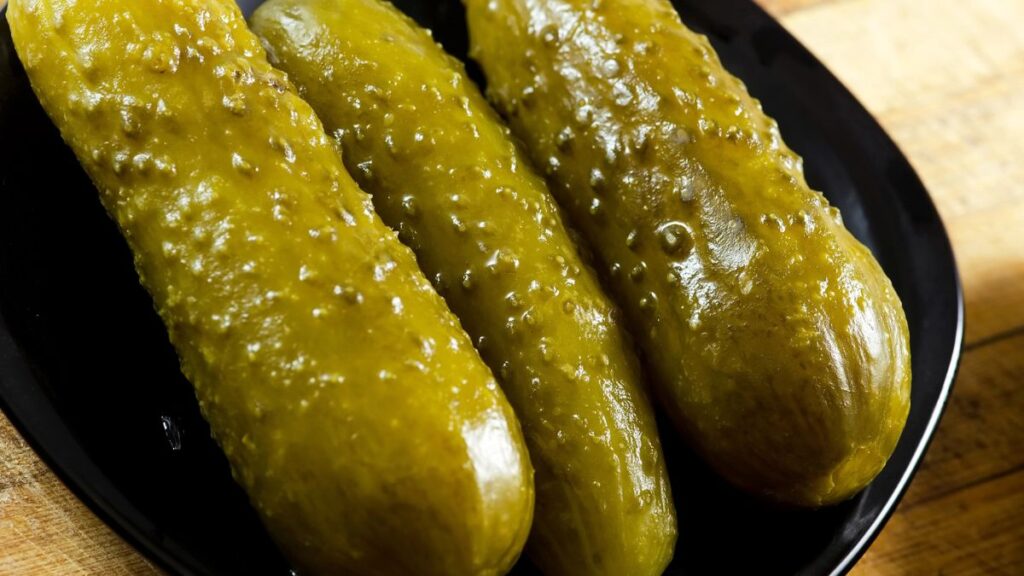
Pickles, when made through the natural fermentation process, are another great source of probiotics. Fermented pickles have a tangy, sour flavor and are great as a snack, on burgers, or in sandwiches.
Just like with sauerkraut, look for pickles that are fermented and not made with vinegar, as vinegar kills the live cultures. Enjoy these crunchy bites for a gut-friendly treat!
Yogurt

Yogurt is one of the most popular and accessible probiotic-rich foods. It’s made by fermenting milk with beneficial bacteria, which makes it both creamy and good for your gut.
Whether you like it plain or flavored, yogurt is an excellent breakfast or snack option. Look for labels saying “live and active cultures” to ensure you get the probiotics. Add fruits, nuts, or honey for extra flavor and nutrition.
Kefir

Kefir is a fermented milk drink that’s packed with probiotics. It’s tangy, similar to yogurt, but has a thinner consistency, making it perfect for smoothies or drinking on its own. Kefir also tends to have a wider variety of probiotic strains than regular yogurt.
You can find it in plain or flavored options, but be mindful of added sugars. Blend it with fruits and greens for a nutritious, gut-friendly smoothie.
Sauerkraut
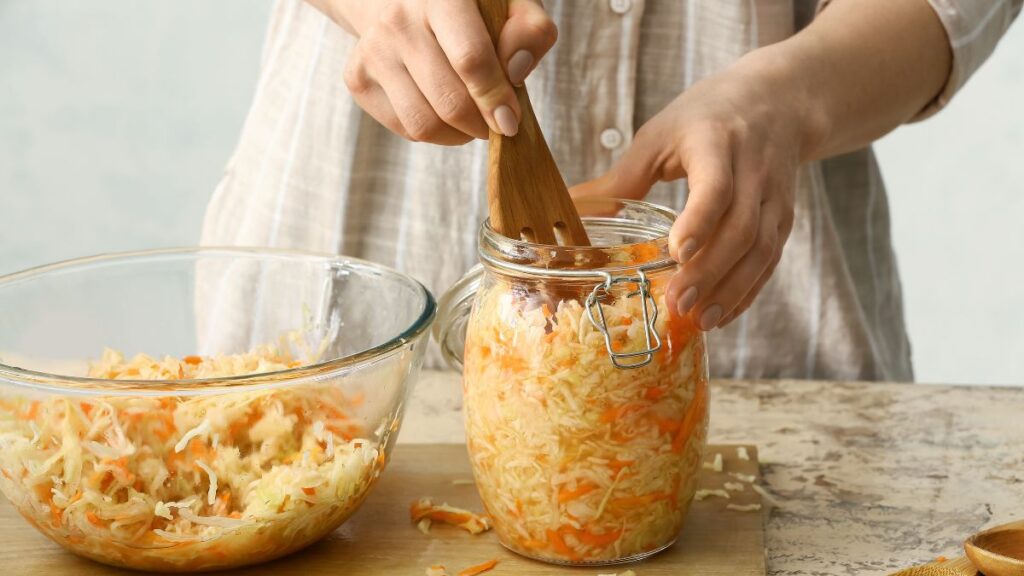
Sauerkraut is fermented cabbage that’s loaded with probiotics and fiber. This tangy, crunchy food is a perfect addition to sandwiches, salads, or as a side dish.
The fermentation process not only boosts the good bacteria but also enhances the flavor of the cabbage. Just make sure to choose unpasteurized sauerkraut, as pasteurization can kill the beneficial bacteria. It’s a great way to add a savory twist to your meals. 🥬
Kimchi
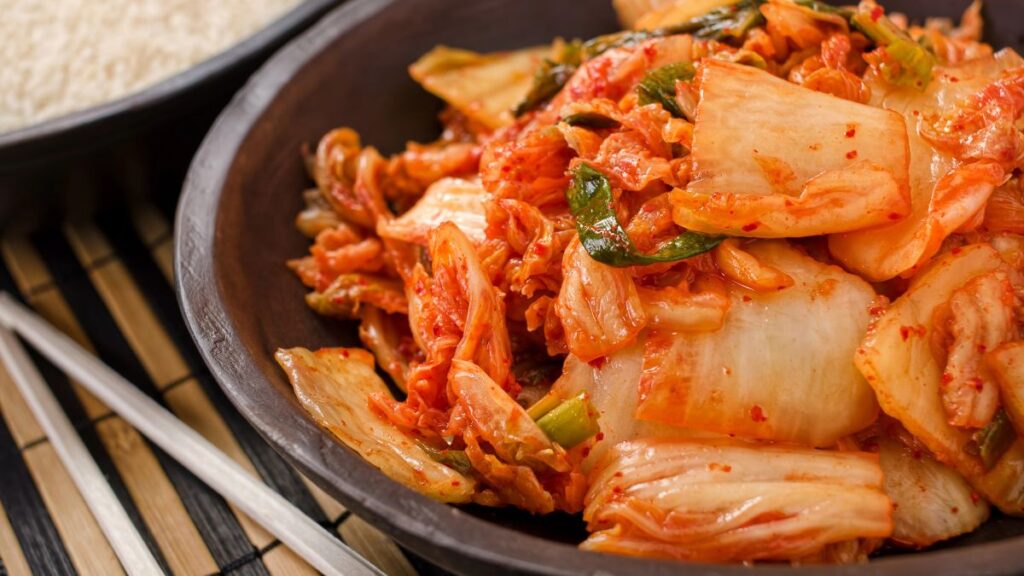
Kimchi is a spicy, fermented Korean dish made from cabbage, radishes, and other vegetables. It’s rich in probiotics and also provides plenty of vitamins and antioxidants.
Kimchi adds a flavorful kick to rice, stir-fries, and soups, and it’s a staple in many Asian cuisines. The fermentation process in kimchi creates beneficial bacteria that support gut health. For an added boost, try making your own homemade kimchi.
Miso
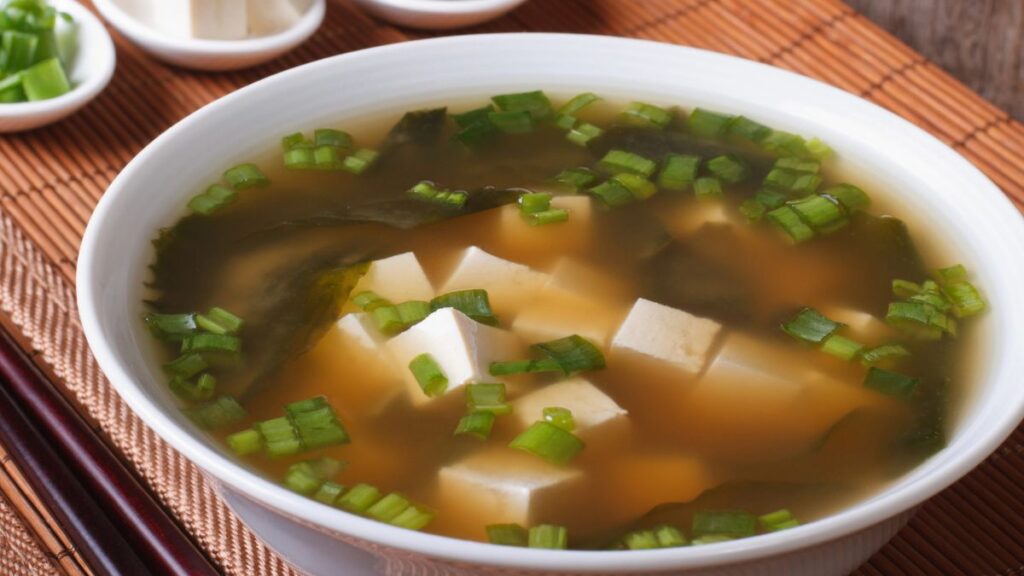
Miso is a fermented soybean paste often used in Japanese cooking. It’s a fantastic source of probiotics and adds a savory, umami flavor to soups, dressings, and marinades.
Miso soup is one of the most popular ways to enjoy this probiotic-rich ingredient. Just be sure to avoid boiling miso, as high heat can kill the live bacteria. Stir it into warm water instead for a simple, gut-friendly meal.
Tempeh
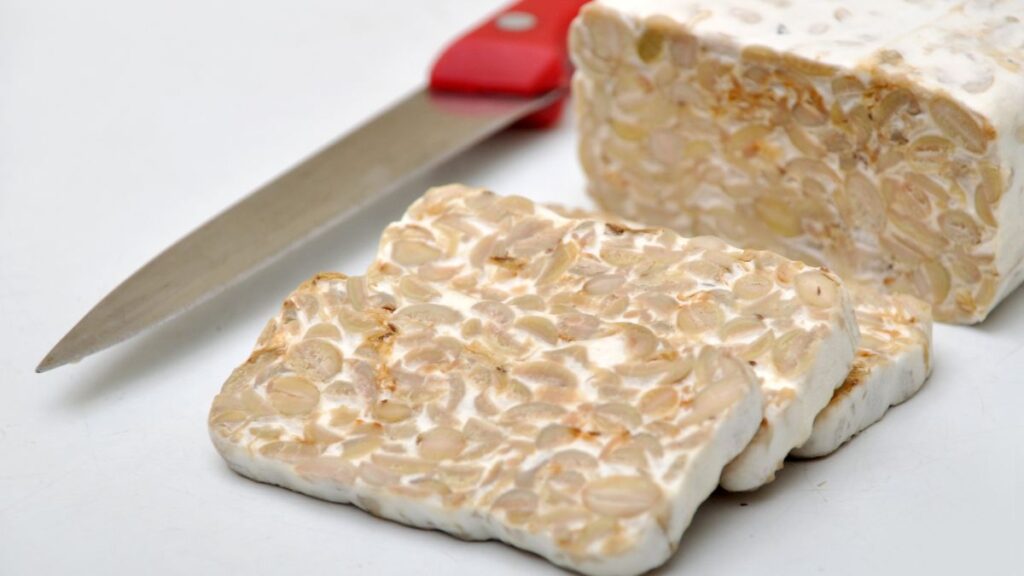
Tempeh is a fermented soybean product that’s packed with probiotics and plant-based protein. It has a firm texture and a nutty flavor, making it a great substitute for meat in stir-fries, salads, and sandwiches.
Like other fermented foods, tempeh supports healthy digestion by introducing beneficial bacteria into your gut. Marinate and cook it for a hearty, flavorful meal.
Kombucha

Kombucha is a fermented tea that’s fizzy, refreshing, and loaded with probiotics. It’s available in a variety of flavors, ranging from fruity to floral, making it a delicious way to boost your gut health.
The fermentation process produces not only probiotics but also beneficial enzymes and acids. Kombucha is a great alternative to soda, offering a healthier, low-sugar option with a fun, bubbly texture.
Buttermilk

Traditional buttermilk, the liquid left after churning butter, is a great source of probiotics. It’s tangy, creamy, and can be enjoyed in a variety of dishes, from pancakes to smoothies.
Make sure you’re getting traditional buttermilk, not the cultured variety, for the probiotic benefits. Use it in recipes for added flavor and gut health, or drink it straight for a refreshing boost.
Cottage Cheese
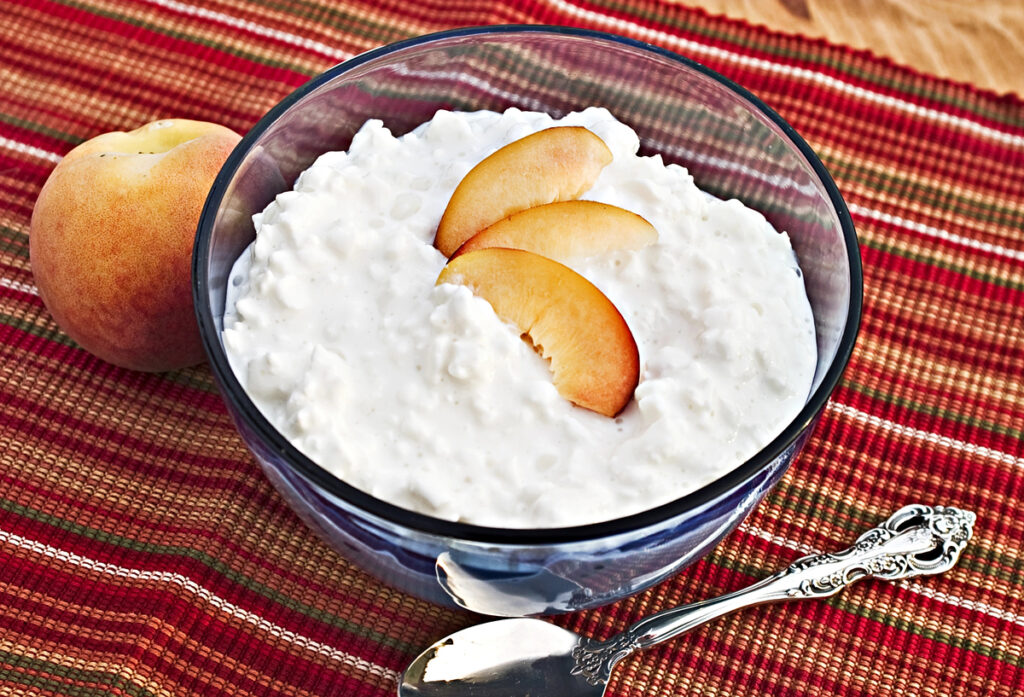
Cottage cheese is another dairy product rich in probiotics if made with live cultures. It’s creamy and mild and pairs well with both sweet and savory dishes. Cottage cheese is also high in protein, making it a nutritious and satisfying snack. Top it with fruits, veggies, or herbs for a versatile, gut-friendly option. Check the label for “live and active cultures” to ensure you get the probiotic benefits.
Sourdough Bread
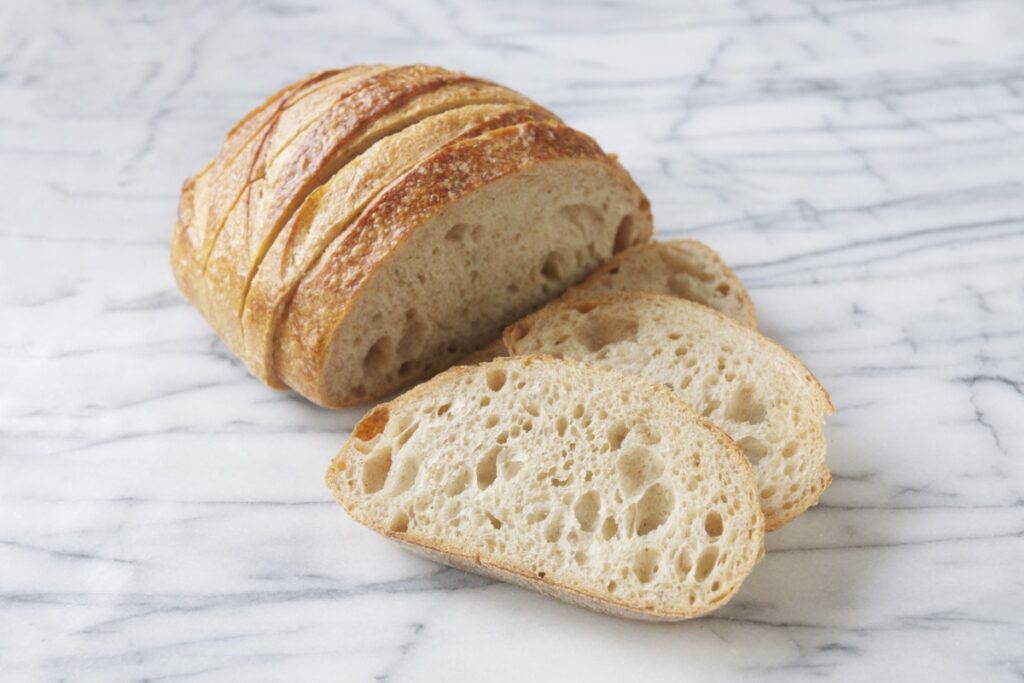
Sourdough bread is made with a fermented dough starter, which introduces probiotics into the bread. This gives it a tangy flavor and makes it easier to digest than regular bread.
The fermentation process helps break down gluten, making sourdough a better choice for people with mild gluten sensitivities. Enjoy it toasted with avocado or use it for sandwiches — it’s a delicious and healthy way to get in your probiotics!
Natto
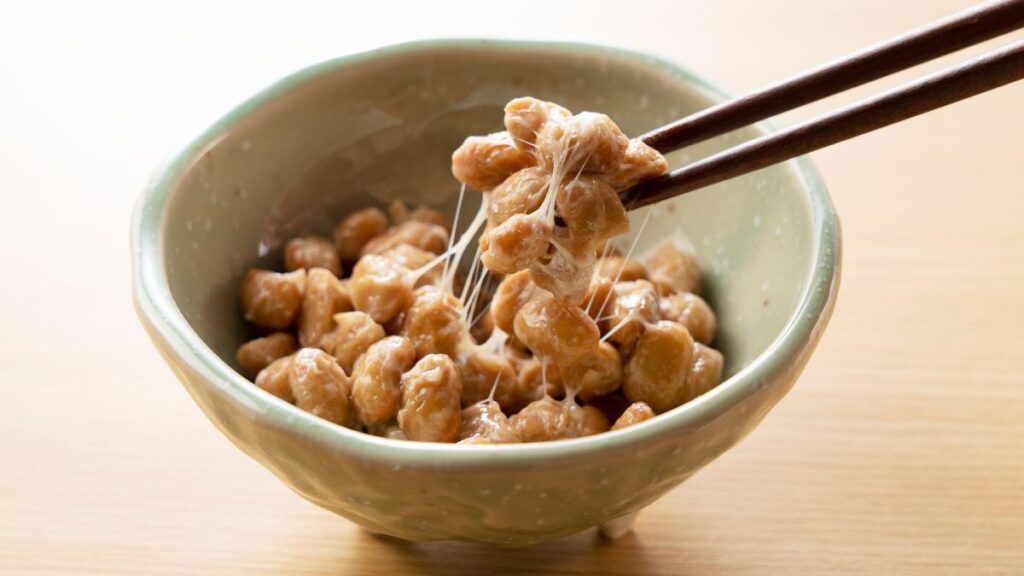
Natto is a traditional Japanese dish made from fermented soybeans. It is known for its strong flavor and sticky texture. Natto is incredibly rich in probiotics and also contains vitamin K2, which is good for bone health.
Natto may be an acquired taste, but it’s highly nutritious and supports gut health. Try adding it to rice or salads for a unique, probiotic-rich meal. 🍜
Lassi
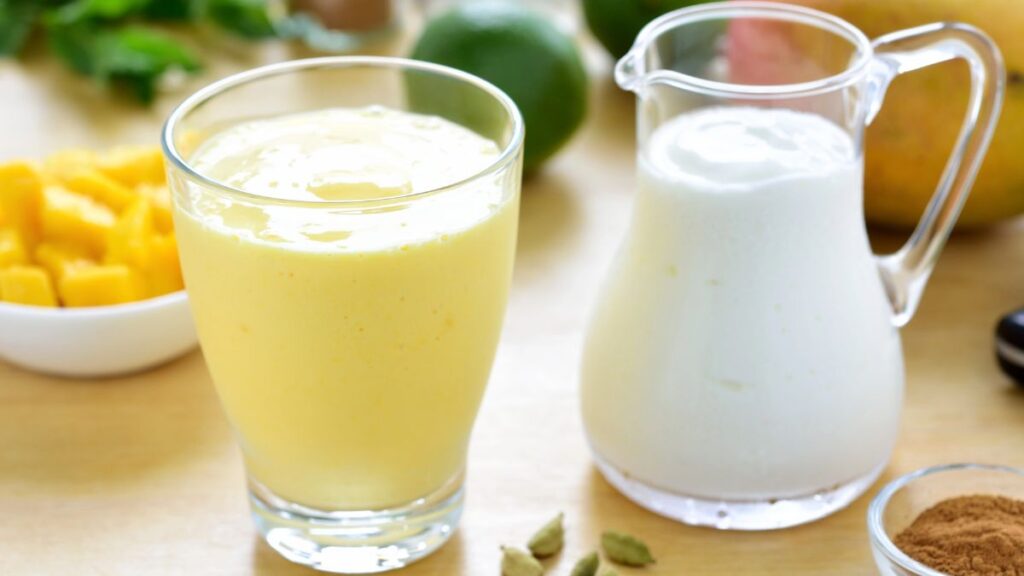
Lassi is a traditional Indian yogurt-based drink that’s rich in probiotics. It’s often flavored with fruits, spices, or herbs, making it a refreshing way to enjoy the benefits of probiotics.
Lassi is particularly good for digestion and can be enjoyed before or after a meal. It’s easy to make at home by blending yogurt with water and your favorite flavors.
Kvass
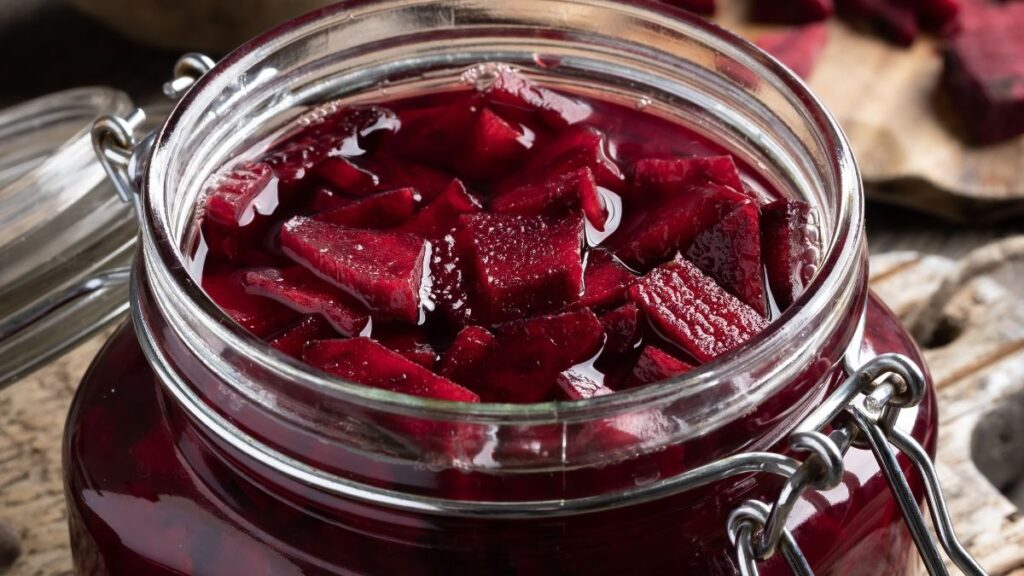
Kvass is a fermented beverage popular in Eastern Europe made from rye bread or beets. It’s slightly tangy and fizzy, providing a unique way to enjoy probiotics.
Kvass is rich in beneficial bacteria and enzymes that support digestion. While it might not be as well-known as other probiotic drinks, it’s definitely worth trying for a gut-friendly, low-sugar option.
Fermented Garlic
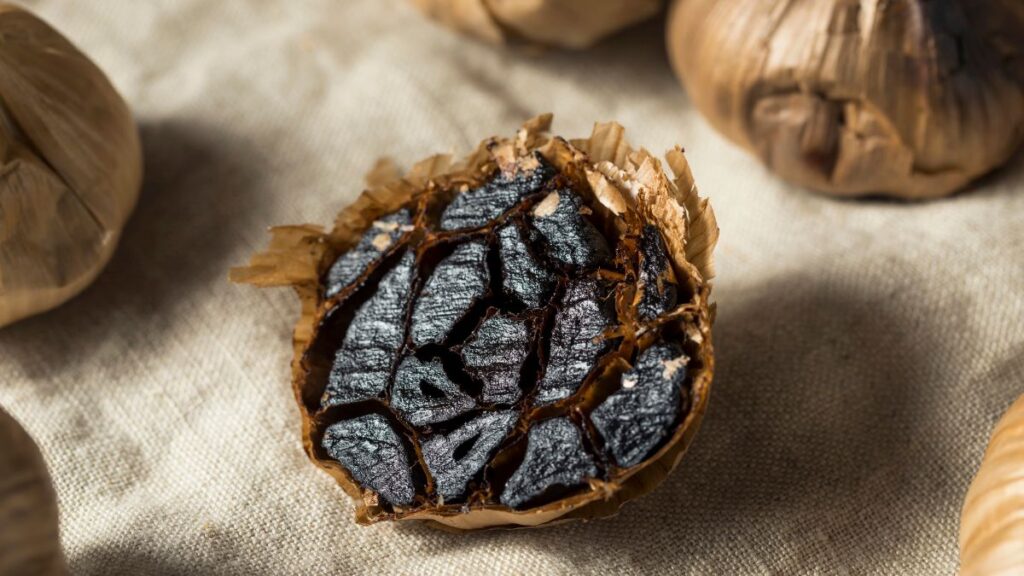
Fermented garlic is a powerful probiotic food with natural antibiotic properties. The fermentation process softens its strong flavor, making it easier to eat raw or add it to dishes like salads, dressings, or dips.
Garlic supports immune and gut health, making it a great addition to any meal. Fermented garlic is a flavorful way to spice up your dishes while supporting your digestive system.
15 Places Where You’re Expected to Tip—But You Really Don’t Have To

Tipping has become a widespread practice in many industries, with the expectation that you’ll leave a little extra for good service. However, not every situation truly warrants a tip, even if you feel pressured to give one.
15 Places Where You’re Expected to Tip—But You Really Don’t Have To




Leave a Reply