
Food has always played a significant role in religious and cultural traditions, with many meals drawing inspiration from the Bible. These meals nourish the body and carry deep spiritual and historical significance, connecting us to ancient traditions and stories.
Want to Save This Recipe?
Enter your email & I'll send it to your inbox. Plus, get great new recipes from me every week!
By submitting this form, you consent to receive emails from Blue's Best Life.
Here’s a list of 15 Bible-inspired meals that have transcended generations, continuing to be cherished and celebrated in various cultures worldwide.
Unleavened Bread (Matzah)
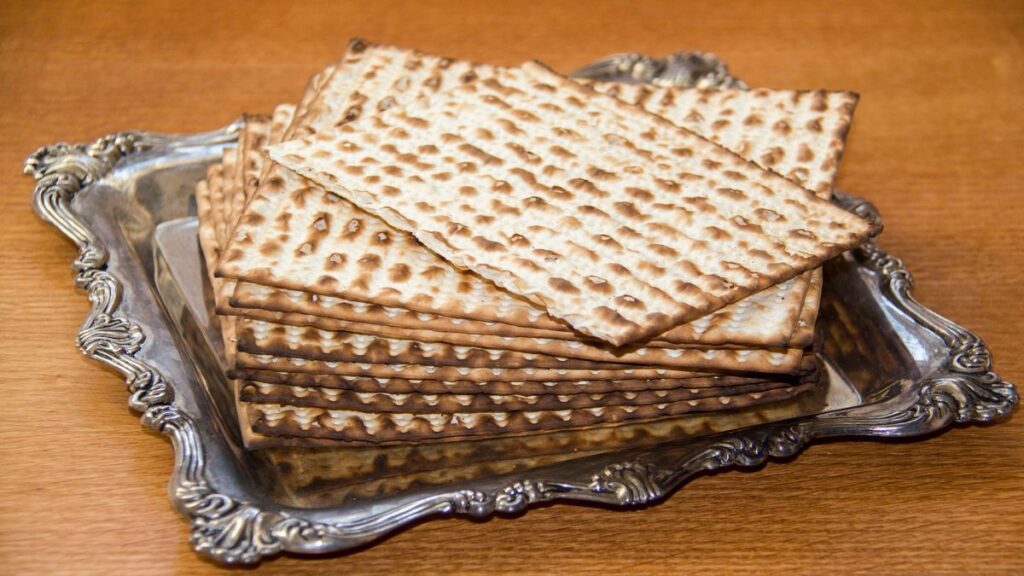
Unleavened bread, or matzah, is a staple of the Jewish Passover celebration. It commemorates the Israelites' hasty departure from Egypt when there was no time for their bread to rise. This simple, flat bread symbolizes humility and the struggle for freedom. Matzah is made from just flour and water, and its preparation and consumption are deeply rooted in tradition, reminding participants of their ancestors’ perseverance and faith.
Passover Lamb
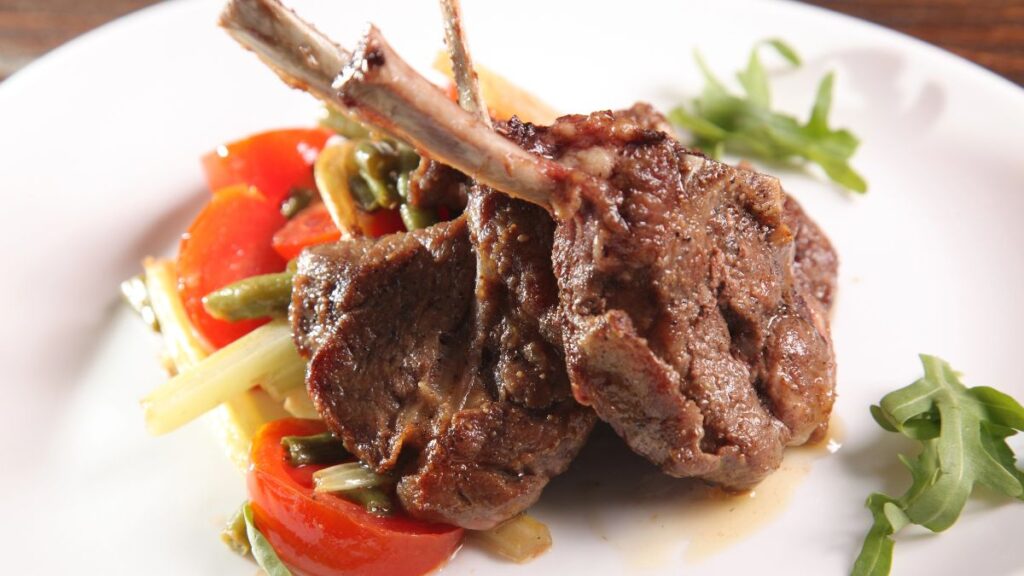
The Passover lamb is central to the Jewish Seder meal, symbolizing the sacrificial lamb whose blood marked the homes of the Israelites, sparing them from the final plague in Egypt. Today, a lamb shank bone often represents this sacrifice on the Seder plate. The lamb is a powerful reminder of deliverance and divine protection, reinforcing the themes of redemption and gratitude in the Passover celebration.
Bitter Herbs (Maror)

Bitter herbs, typically horseradish or romaine lettuce, are another key element of the Passover Seder. These herbs symbolize the bitterness and harshness of slavery endured by the Israelites in Egypt. Eating bitter herbs during the Seder serves as a poignant reminder of the suffering and trials faced by the ancestors, fostering a sense of empathy and historical connection.
Fish (Tilapia)

Tilapia, often called "St. Peter's fish," is associated with Jesus’ miracle of feeding the 5,000, where he multiplied loaves and fishes to feed a large crowd. This mild, white fish is still commonly served around the Sea of Galilee. The meal highlights themes of provision, community, and faith, embodying Jesus' miraculous and compassionate acts.
Figs
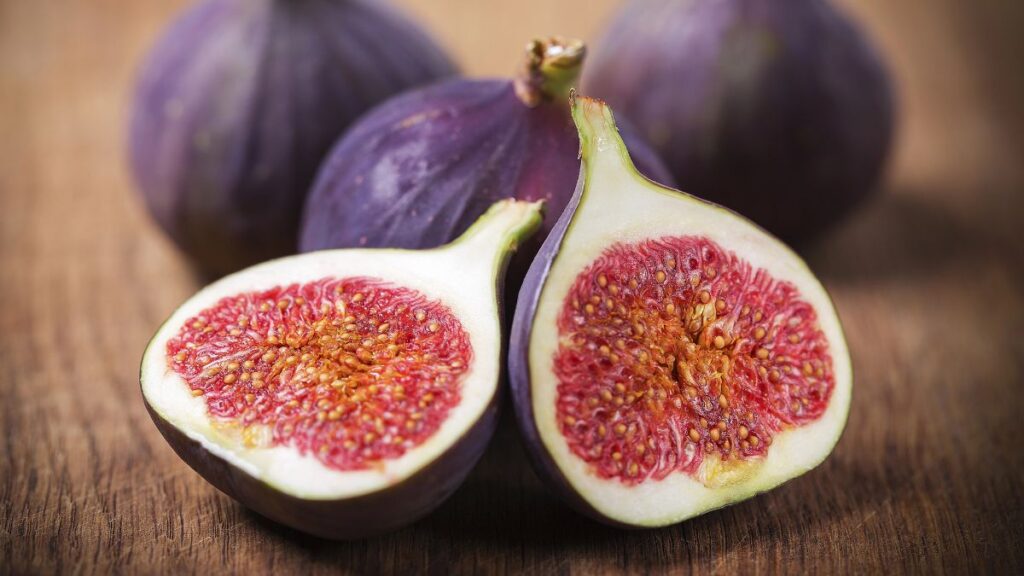
Figs are frequently mentioned in the Bible, symbolizing prosperity, peace, and security. The fig tree’s abundant fruitfulness represents divine blessing and sustenance. Today, figs are enjoyed fresh or dried, often incorporated into various dishes and desserts, carrying with them the rich heritage and symbolism of biblical times.
Lentil Stew
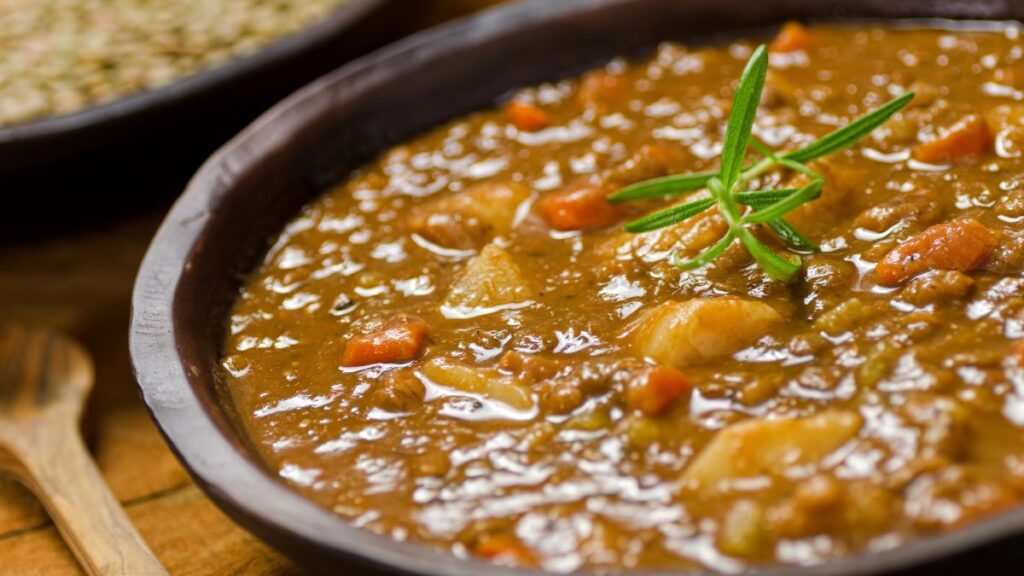
Lentil stew is famously associated with the story of Esau selling his birthright to Jacob for a bowl of this hearty meal. Lentils were a typical food in ancient times, known for their nutritional value and ease of preparation. This meal continues to be popular in Middle Eastern and Mediterranean cuisines, representing themes of sacrifice, sustenance, and family dynamics.
Honey

Honey is often depicted in the Bible as a symbol of abundance and divine provision, famously described as part of the "land flowing with milk and honey." Honey’s sweetness and natural goodness make it a cherished food that is used in various culinary traditions. Its biblical significance adds a layer of spiritual meaning to its consumption, symbolizing the sweetness of God’s promises and blessings.
Pomegranate
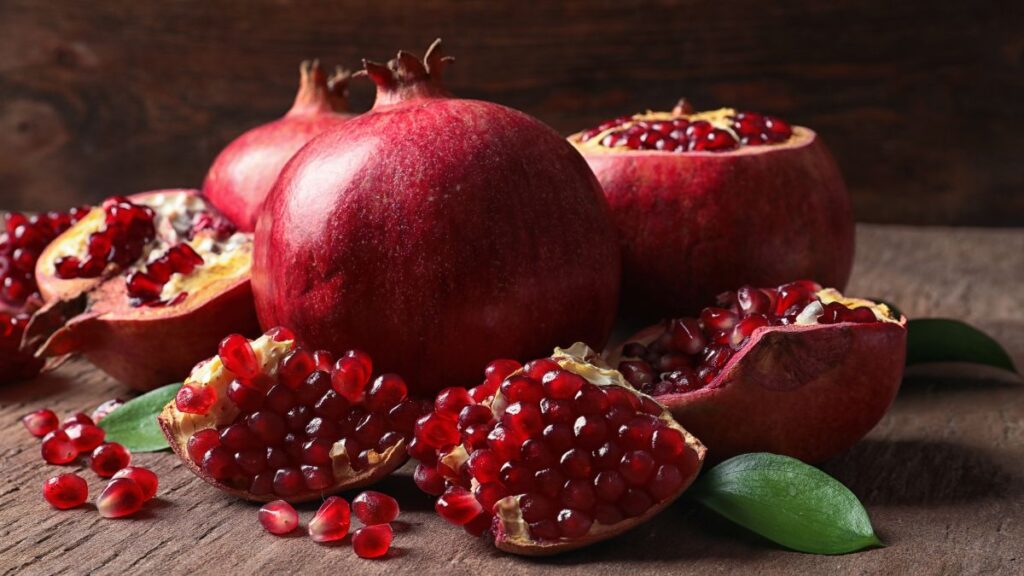
Pomegranates are symbolically rich, representing fertility, prosperity, and the law. The fruit’s numerous seeds are said to correspond to the 613 commandments of the Torah. Pomegranates are enjoyed fresh, juiced, or as part of various dishes, and their inclusion in meals serves as a reminder of the richness and abundance promised in the Scriptures.
Grapes and Wine
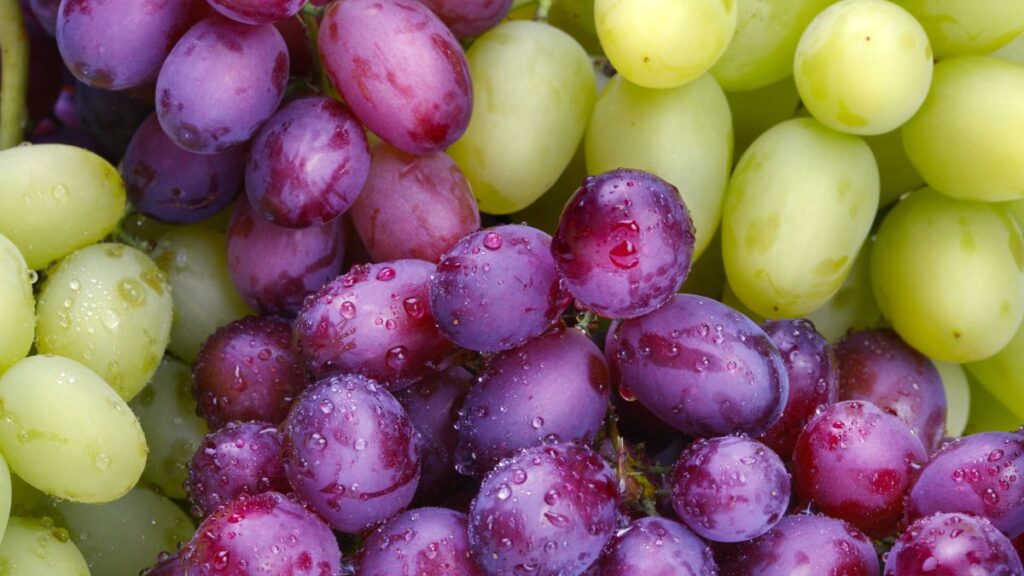
Grapes and wine have profound significance in the Bible, symbolizing joy, blessing, and the covenant between God and His people. Wine is an integral part of many religious ceremonies, including the Christian Eucharist, representing Christ's blood. Culturing vineyards and producing wine are traditions that have continued for millennia and are deeply rooted in biblical heritage.
Barley Bread
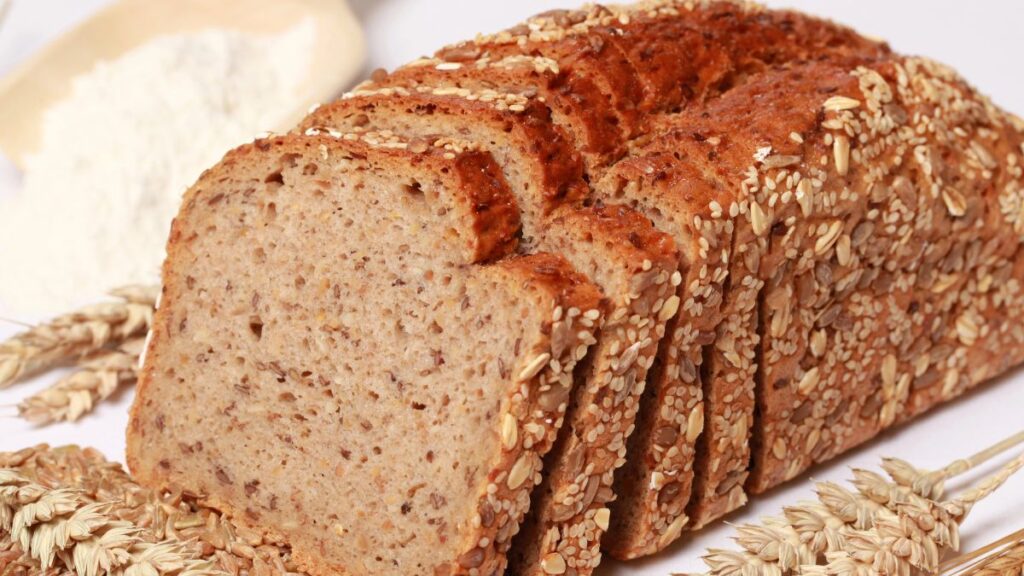
Barley bread was a typical food in biblical times, often associated with Jesus feeding the 5,000 with five barley loaves and two fishes. Barley was a staple grain, more affordable than wheat, and often consumed by the poorer classes. The simplicity and sustenance of barley bread symbolize the provision and humility central to many biblical narratives.
Olives and Olive Oil
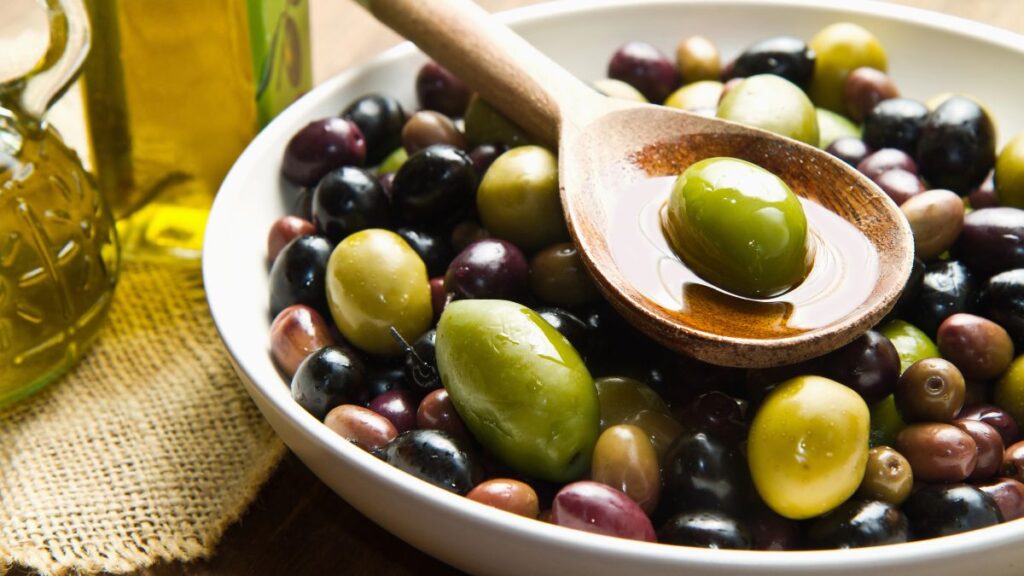
Olives and olive oil are prominent in the Bible, symbolizing peace, prosperity, and anointing. Olive oil was used for cooking, lighting lamps, and ceremonial anointing. The olive tree’s resilience and productivity make it a powerful symbol of endurance and blessing. Today, olives and olive oil remain fundamental in Mediterranean diets, connecting modern consumers to ancient traditions.
Roasted Lamb (Easter Lamb)
In Christianity, roasted lamb is often served at Easter, symbolizing Jesus as the "Lamb of God" who sacrificed Himself for humanity’s sins. This meal reflects the fulfillment of the Old Testament Passover lamb and the new covenant established through Jesus’ resurrection. The tradition of serving lamb at Easter connects believers to the profound themes of sacrifice, redemption, and new life.
Milk and Honey
The phrase "land flowing with milk and honey" describes the Promised Land's fertility and abundance. A meal or dessert featuring milk and honey, such as honey-drizzled yogurt, encapsulates this biblical promise of prosperity and divine provision. Rich in nutrients and sweetness, these ingredients offer a taste of the blessings described in Scripture.
Bread and Wine (Communion)

Bread and wine are central to the Christian practice of Communion, commemorating Jesus’ Last Supper with His disciples. The bread represents His body, and the wine His blood symbolizing the new covenant and the forgiveness of sins. This sacred meal, reenacted by Christians worldwide, serves as a profound reminder of Jesus’ sacrifice and the unity of believers.
Quail
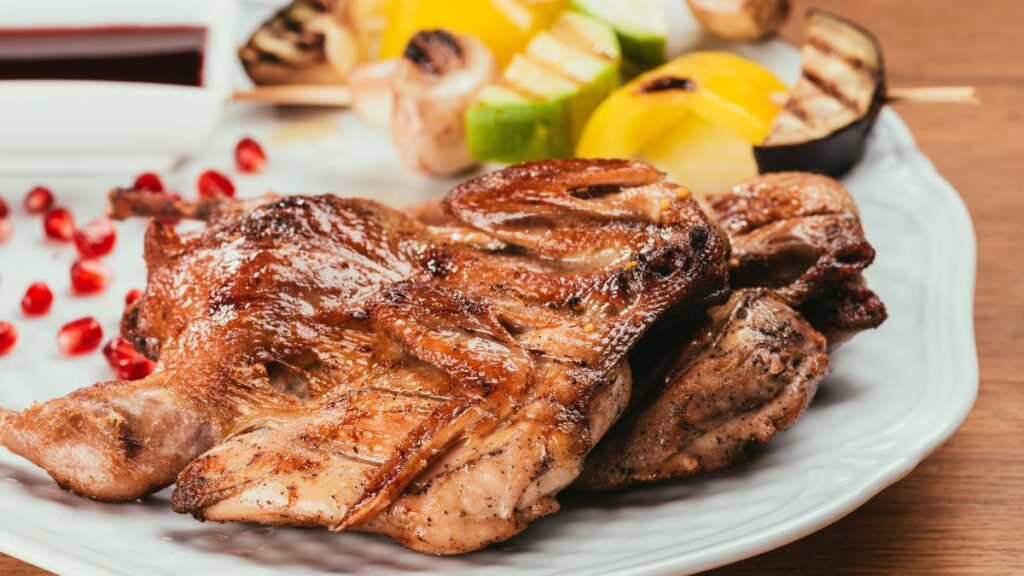
Quail is linked to the story of God providing meat for the Israelites during their wilderness journey. This miraculous provision of quail and manna sustained the people in their time of need. Today, quail is a delicacy in various cuisines, and its biblical association underscores themes of divine provision and faithfulness.




Leave a Reply