
Grocery shopping habits can vary widely between generations, often leading to some confusion or raised eyebrows. You might notice certain routines or choices that seem perfectly normal to Boomers but feel unusual or outdated to Millennials.
Want to Save This Recipe?
Enter your email & I'll send it to your inbox. Plus, get great new recipes from me every week!
By submitting this form, you consent to receive emails from Blue's Best Life.
Using paper coupons clipped from newspapers

You might find it odd how Boomers still clip paper coupons from the Sunday newspaper. They enjoy the routine of searching for deals with scissors in hand.
These coupons often require you to bring the physical paper to the store. You can’t just scan them from your phone’s screen like with digital coupons.
Using paper coupons means planning your shopping around what deals are available. It’s a methodical way to save money, even if it feels outdated to you.
Shopping at local butcher shops
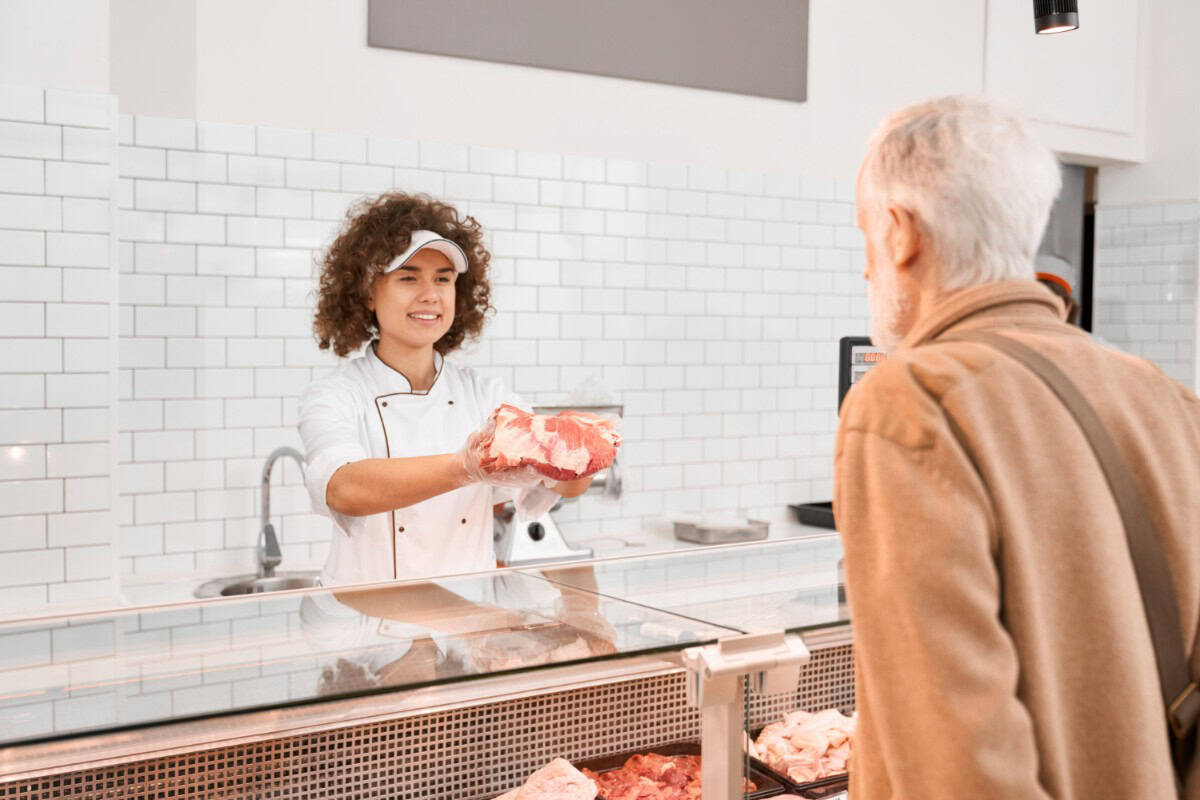
You might find it surprising that many Boomers prefer shopping at local butcher shops. They appreciate the personal service and often know the butcher by name.
These shops offer fresh cuts tailored to your needs, which you don't always get at large supermarkets. You can ask for specific thickness or types of cuts with ease.
For Boomers, buying meat this way feels more trustworthy and connected to the food source. If you’re used to pre-packaged options, it might seem inconvenient, but visiting a butcher can be a rewarding experience.
Buying in bulk to save money

You might notice Boomers often buy large quantities of items at once. This habit comes from a desire to save money over time.
Buying in bulk reduces the need for frequent trips to the store. It also helps avoid price increases on everyday essentials.
You may find it unusual if you prefer fresh or smaller portions. But Boomers grew up when buying in bulk was a common way to stretch the budget.
Sometimes, they use memberships at wholesale clubs or stock up during sales. It’s about convenience and planning ahead for future needs.
Preferring cash over credit cards

You might notice that Boomers often reach for cash instead of a credit card at checkout. For many, it feels more secure and helps keep spending in check.
Using cash can give you a clearer sense of how much money you actually have. This habit developed before credit cards were widespread or easily accessible.
You may find it confusing because you’re used to digital payments and rewards points. But for Boomers, cash is a straightforward way to budget and avoid debt.
Reading product labels carefully

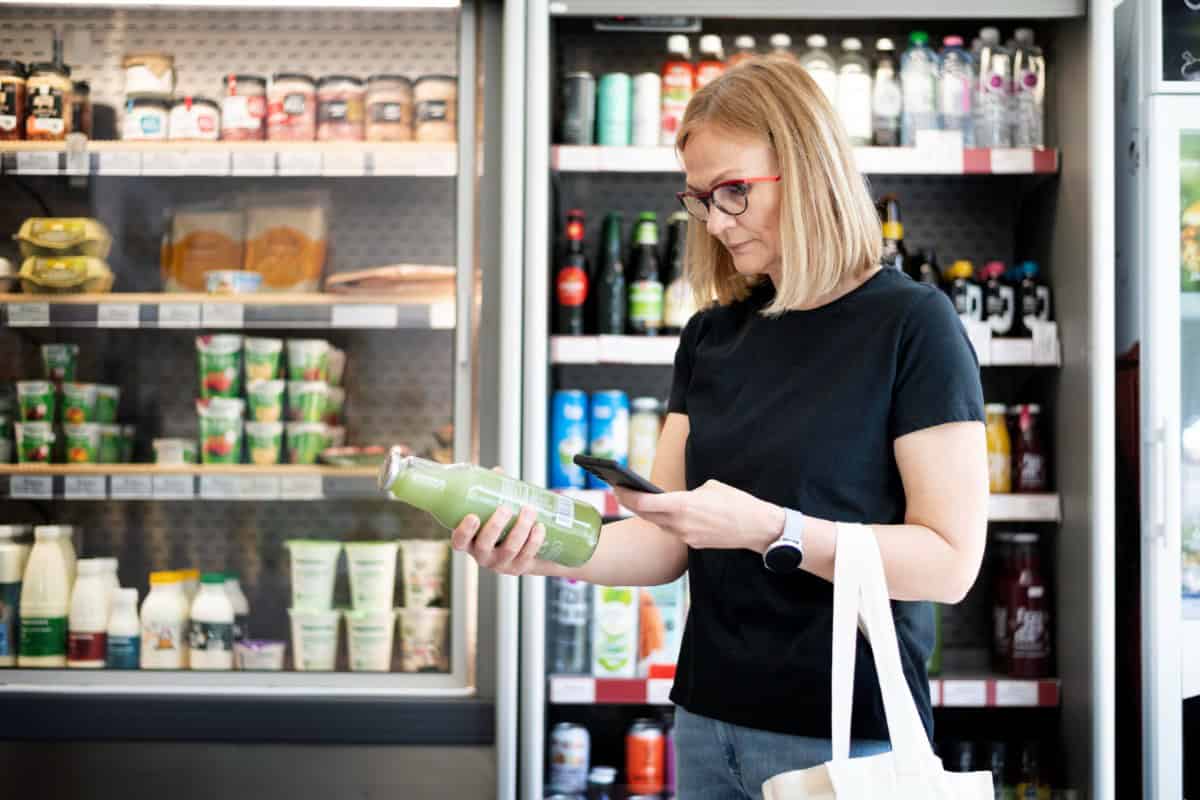
You might notice Boomers spending extra time reading every detail on product labels. They often check ingredients, expiration dates, and nutritional info to make sure they’re getting quality food.
For Boomers, it’s about knowing exactly what’s in their food and avoiding surprises later. You might find this meticulous, but it’s just their way of shopping thoughtfully.
Millennials sometimes skim labels or rely on apps for quick info. But Boomers prefer the old-school method: reading everything right on the package. It’s a habit that gives them a sense of control and confidence about their purchases.
Bringing reusable shopping bags long before it was trendy

You might be surprised to learn that Boomers often carried reusable shopping bags decades before it became popular. For them, it was simply practical—bags lasted longer, and they saved money over time.
Carrying your own bags wasn’t about being eco-friendly; it was about convenience and avoiding flimsy store bags. Today, you might think reusable bags are a new trend, but for Boomers, they’ve been a regular habit.
So, when you see someone with a collection of sturdy bags, know it’s a practice rooted in years of being prepared and resourceful.
Using handwritten grocery lists
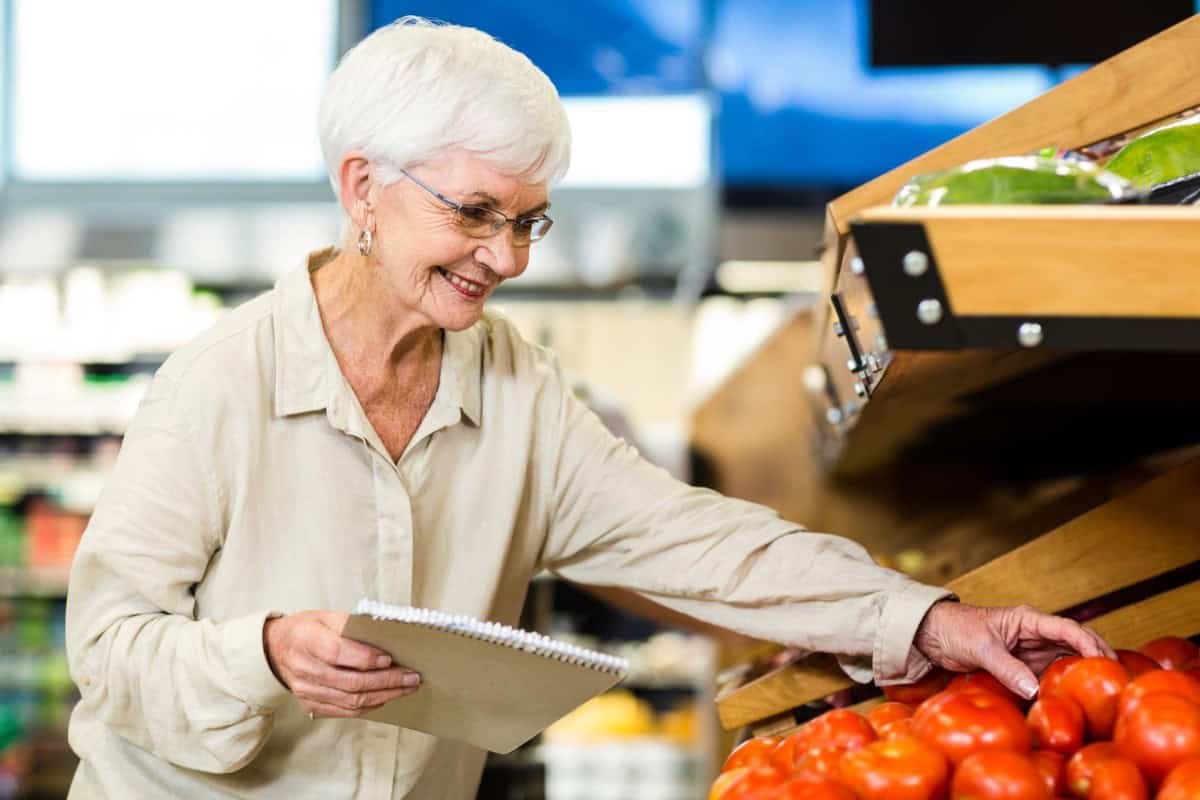
You might be surprised to learn that many Boomers still prefer using handwritten grocery lists. For them, writing things down on paper feels more reliable than digital apps.
Your smartphone might offer quick note-taking options, but Boomers trust the physical list they can hold. Checking off items by hand gives a sense of completion and helps avoid forgetting anything.
You may find this habit old-fashioned, but it’s a practical way to stay focused in the store. It also avoids distractions from phone notifications while shopping.
Avoiding pre-packaged or processed foods

You might notice Boomers often skip the pre-packaged aisle. They prefer fresh or homemade options because they value whole ingredients.
For you, grabbing a quick microwave meal feels normal. But Boomers grew up in a time when cooking from scratch was common and processed food was less available.
You may find it easier to rely on convenience. Boomers tend to avoid artificial additives and preservatives, which can seem old-fashioned but reflect their preference for simpler foods.
Shopping early in the morning
You might notice Boomers heading to the store right when it opens. They prefer the calm atmosphere before the crowds arrive.
Early shopping helps them find fresh produce and fully stocked shelves. It also means shorter checkout lines.
For many Boomers, morning shopping is part of a daily routine. It sets a peaceful tone for the rest of the day.
If you shop later, you might miss out on some of these benefits. It’s a simple habit that feels natural to many older shoppers.
Asking the butcher or grocer for recommendations

You might notice Boomers often talk directly to the butcher or grocer for advice. They ask questions about the best cuts of meat or freshest produce. This personal interaction helps them pick exactly what they need.
For you, shopping might feel faster online or with pre-packaged items. But Boomers see these conversations as a way to get tailored tips and learn about new options.
When you ask for recommendations, you might discover meals and products you haven’t tried before. It’s a simple way to make your grocery trip more engaging and informed.
Preferring generic or store brands

You might notice Boomers often choose generic or store brands over name brands. To them, it’s a simple way to save money without sacrificing quality.
They grew up when brand options were limited and knew that many store brands were just as good. For Boomers, it’s about practicality and getting the best value.
You may find this approach confusing if you prefer popular brands. But for many Boomers, it’s a habit rooted in experience and frugality.
Choosing produce based on touch and smell
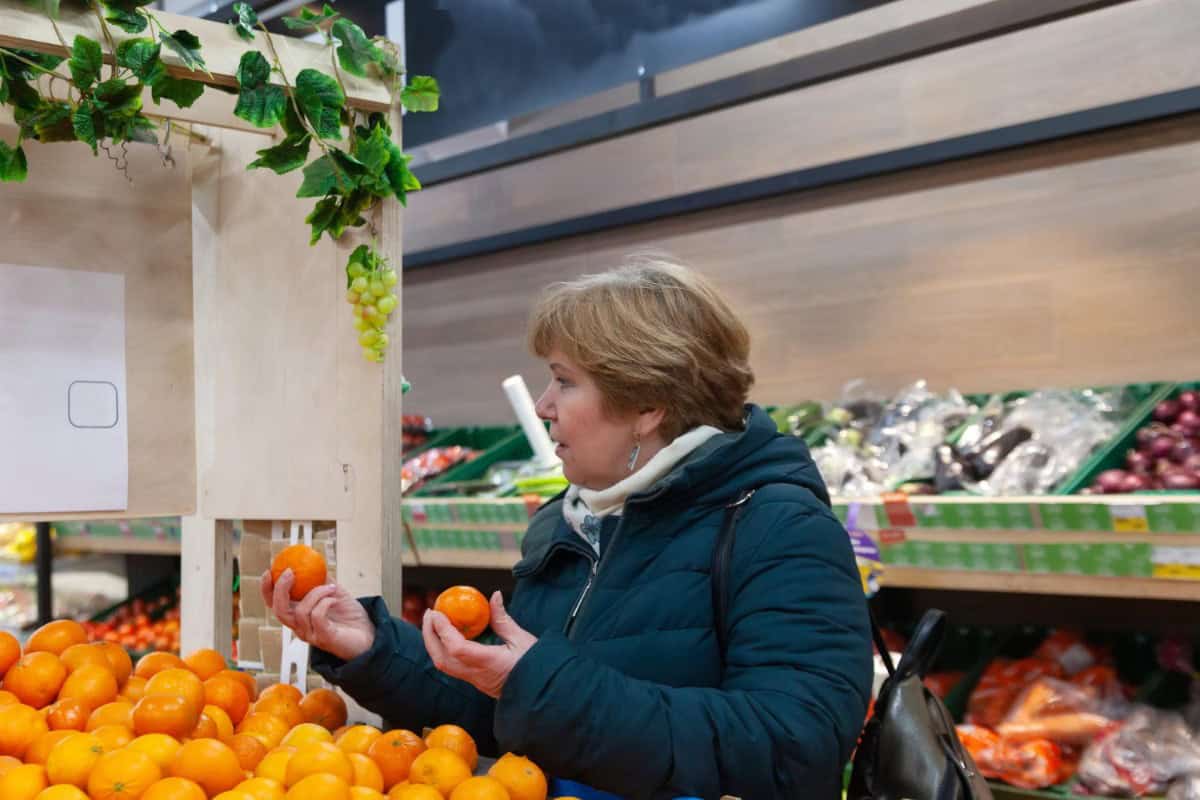
You might notice Boomers often pick fruit and vegetables by feeling their firmness or weighing them in their hands. They use touch to judge ripeness or freshness, which can be a reliable way to select good produce.
Smelling fruit is another classic method. You might find them sniffing peaches or melons to see if they have a sweet aroma, indicating readiness to eat.
This hands-on approach may seem old-fashioned, but it helps avoid buying underripe or flavorless items. You could try it next time in the store to see how much it affects your choice.
Watching for sales via printed flyers
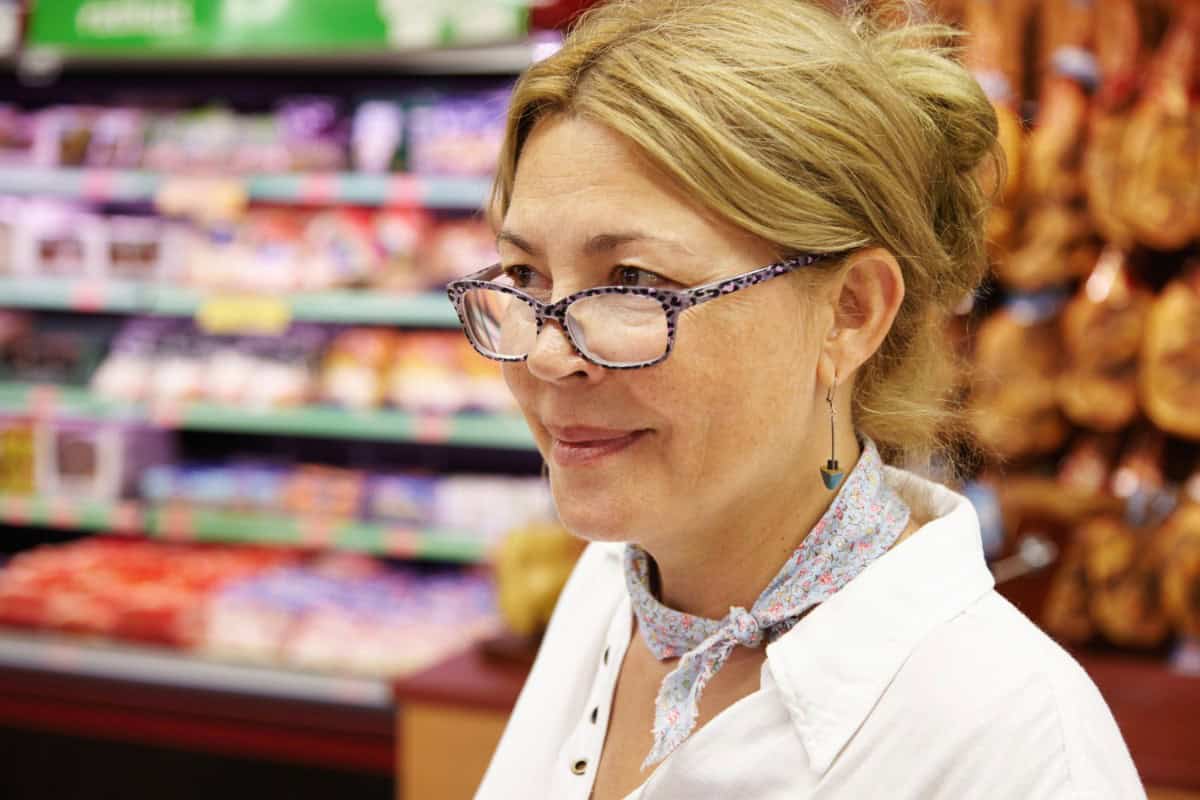
You might notice boomers carefully flipping through printed grocery flyers each week. These flyers highlight sales and discounts, helping them plan shopping trips.
You, on the other hand, probably rely on apps or websites for deals. Boomers prefer the tactile feel of paper and enjoy browsing ads without screen distractions.
Checking printed flyers feels like a routine for many. It’s a simple way to save money and stay informed before heading to the store.
Leave a Reply