
In recent years, the demand for dairy alternatives has skyrocketed. With more people adopting plant-based diets, reducing their environmental impact, or managing lactose intolerance, the variety of milk substitutes has grown significantly. Almond milk may have pioneered mainstream dairy alternatives, but today, there’s an exciting array of options to explore.
Want to Save This Recipe?
Enter your email & I'll send it to your inbox. Plus, get great new recipes from me every week!
By submitting this form, you consent to receive emails from Blue's Best Life.
From creamy nut milks to protein-packed legumes and even innovative lab-grown solutions, the choices cater to different tastes, dietary needs, and sustainability goals. Let’s dive into 15 trending dairy alternatives and discover what’s new in the plant-based aisle.
Oat Milk: Creamy and Versatile

Oat milk has quickly become a favorite among coffee lovers and cereal enthusiasts. Its naturally creamy texture and mild flavor make it an excellent choice for frothing and cooking. Rich in beta-glucans, oat milk may help lower cholesterol levels.
It’s also a top choice for allergen-friendly options since it’s typically free of nuts, soy, and gluten (when made with certified gluten-free oats). With various brands offering barista blends, oat milk has become a staple in many households. It’s perfect for smoothies, baking, or simply enjoying by the glass.
Cashew Milk: Smooth and Mild

Cashew milk is loved for its rich and smooth consistency. It has a subtly sweet and nutty flavor that works well in sweet and savory recipes. Cashew milk is often fortified with vitamins like calcium and vitamin D, making it nutritious.
It’s particularly popular in creamy soups, sauces, and desserts. It’s slightly thicker than almond milk, which appeals to those who enjoy a fuller texture. Homemade cashew milk is easy to make with just soaked cashews and water blended to perfection.
Soy Milk: A Protein Powerhouse

Soy milk has been a classic dairy alternative for decades, offering a rich source of plant-based protein. Made from whole soybeans or soy protein isolate, it’s often fortified with essential nutrients like calcium and B12.
Its neutral flavor makes it versatile for drinking, cooking, and baking. Soy milk is also one of the most sustainable options due to the relatively low environmental impact of soy farming. It’s available in various flavors, from vanilla to chocolate, catering to different palates. Its high protein content makes it ideal for smoothies or post-workout recovery.
Coconut Milk: Tropical and Creamy
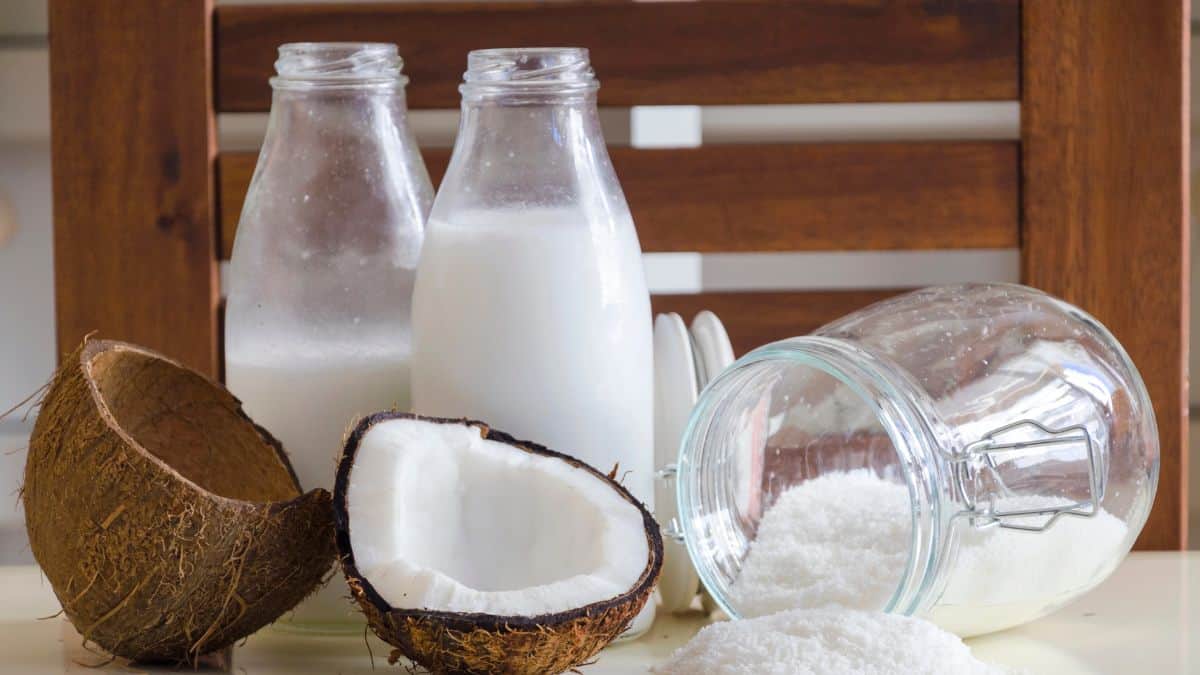
Coconut milk, derived from the flesh of coconuts, brings a tropical flair to your dishes and drinks. It’s naturally rich and creamy, making it a favorite for curries, soups, and desserts. Coconut milk is available in canned and carton forms, with the latter being lighter and suitable for drinking.
It’s also naturally free of major allergens like nuts and soy. While it’s not as high in protein as other alternatives, its unique flavor and texture are hard to beat. Use it to add a hint of sweetness and richness to your recipes.
Pea Milk: Protein-Rich and Sustainable

Pea milk is an emerging player in the dairy alternative market. Made from yellow split peas, it’s high in protein and low in allergens. Its creamy texture and neutral flavor make it an excellent substitute for traditional milk in beverages and recipes.
Pea milk is also sustainable, as peas require less water and resources than nuts. Many brands fortify it with nutrients like calcium, vitamin D, and omega-3s. Whether in a latte or a bowl of cereal, pea milk delivers nutrition and taste in equal measure.
Hemp Milk: Nutty and Nutrient-Packed

Hemp milk is made from hemp seeds, offering a unique nutty flavor and impressive nutritional profile. It’s rich in omega-3 and omega-6 fatty acids, which support heart health. Hemp milk is also a good source of protein, making it a valuable option for those seeking a plant-based boost.
Its creamy texture works well in coffee, smoothies, and baking. Unlike other alternatives, hemp milk is free of common allergens, making it suitable for many dietary restrictions. Its earthy flavor may take some getting used to, but it’s worth a try for its health benefits.
Rice Milk: Light and Sweet
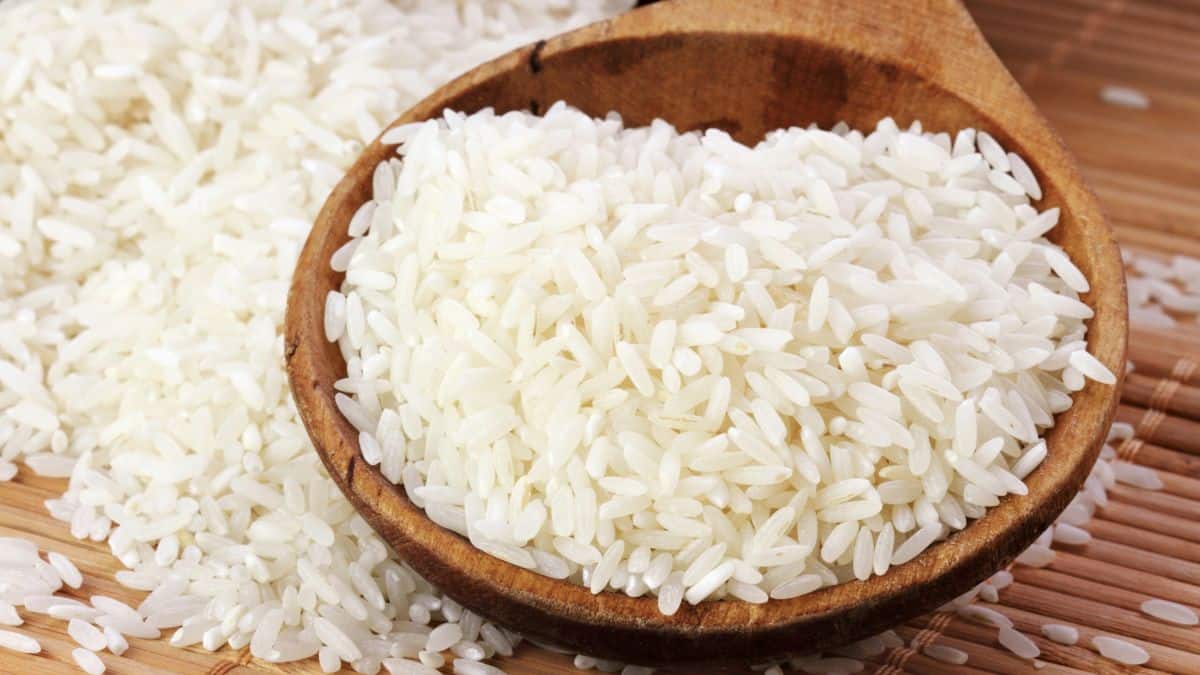
Rice milk is one of the most hypoallergenic dairy alternatives available. Made from milled rice and water, it’s naturally sweet and light in texture. While it’s not as creamy as other options, it’s perfect for those with nut, soy, or gluten allergies.
Rice milk is often fortified with vitamins and minerals to boost its nutritional value. It’s a popular choice for drinking, pouring over cereal, or using in-light recipes. However, it’s relatively low in protein, so it may not be the best choice for those looking to meet higher protein needs.
Macadamia Milk: Luxurious and Creamy
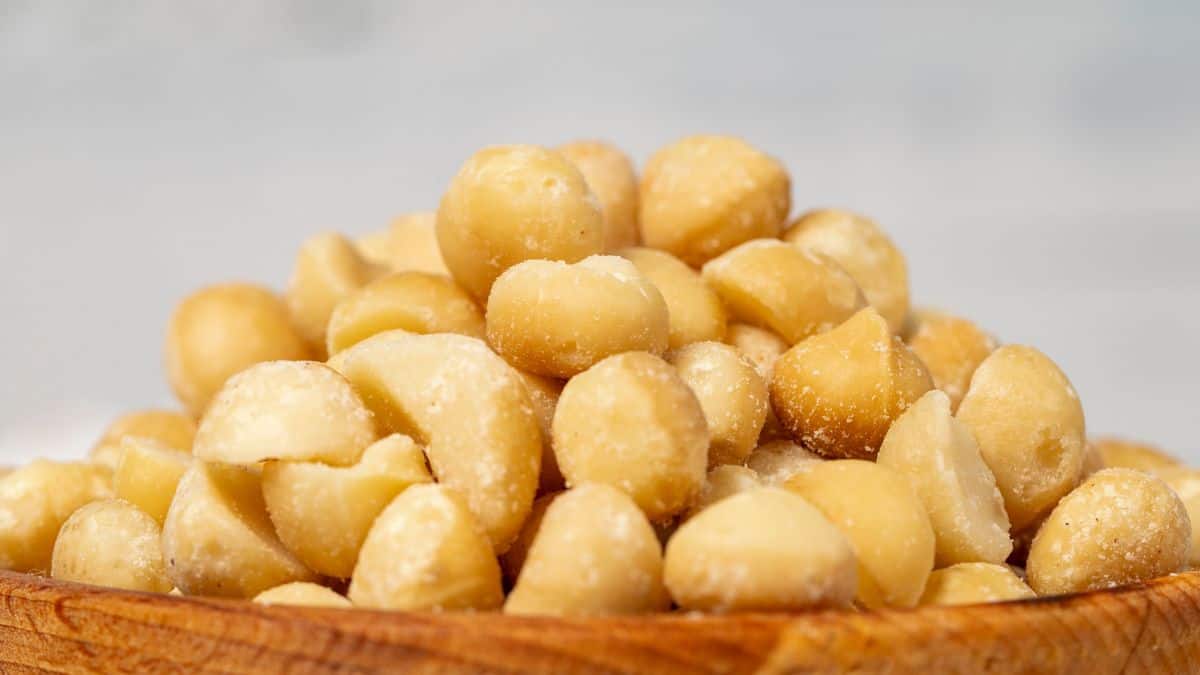
Macadamia milk is a luxurious addition to the world of dairy alternatives. Known for its rich buttery flavor, it’s a delicious coffee, baking, and dessert option. Macadamia milk is lower in calories than other nut milk but still offers a creamy texture.
It’s often fortified with essential nutrients, making it a well-rounded choice. While slightly more expensive, its unique taste and versatility make it a worthwhile indulgence. Use it to elevate your morning latte or add depth to your favorite recipes.
Flax Milk: Light and Nutritious

Flax milk is made from cold-pressed flaxseed oil, offering a light and slightly nutty flavor. It’s a good source of omega-3 fatty acids essential for brain and heart health. Flax milk is typically low in calories and free of major allergens, making it suitable for various diets.
Its thin texture is excellent for drinking or pouring over cereal but may not be ideal for cooking creamy dishes. Many brands fortify flax milk with nutrients like calcium and vitamin D. It’s a simple and nutritious option for those seeking a light dairy alternative.
Pistachio Milk: Vibrant and Unique
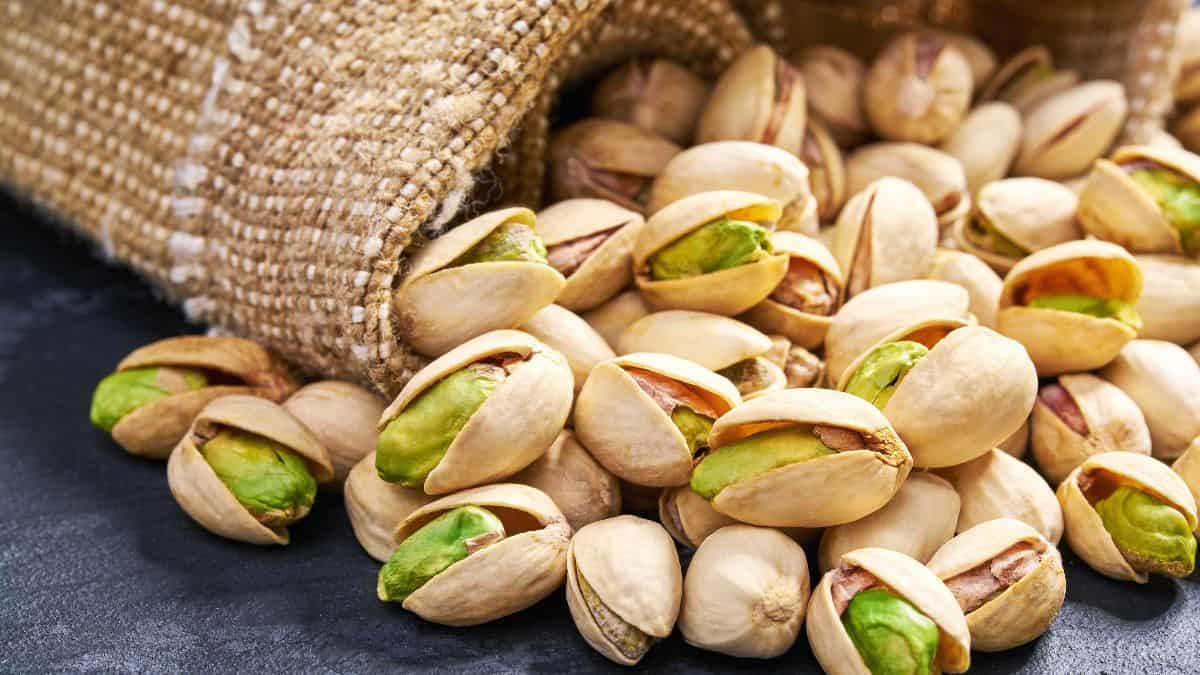
Pistachio milk is a newer entrant in the plant-based milk scene, offering a vibrant green hue and distinctive nutty flavor. It’s rich and creamy, perfect for lattes, smoothies, and desserts. Pistachio milk is often marketed as a premium option due to its unique taste and higher price point.
It’s naturally low in calories and provides some essential vitamins and minerals. Its creamy consistency also works well in savory recipes like sauces and soups. If you want to try something different, pistachio milk is worth exploring.
Walnut Milk: Bold and Nutty

Walnut milk brings a bold and nutty flavor, perfect for those who enjoy rich tastes. It’s a good source of omega-3 fatty acids and antioxidants, supporting heart and brain health. Walnut milk’s creamy texture makes it an excellent choice for coffee, baking, and cooking.
It’s also gaining popularity as a nutrient-dense option in the plant-based milk market. While less common than almond or oat milk, walnut milk is a great way to add variety to your diet. Its unique flavor pairs well with both sweet and savory dishes.
Lab-Grown Milk: The Future of Dairy
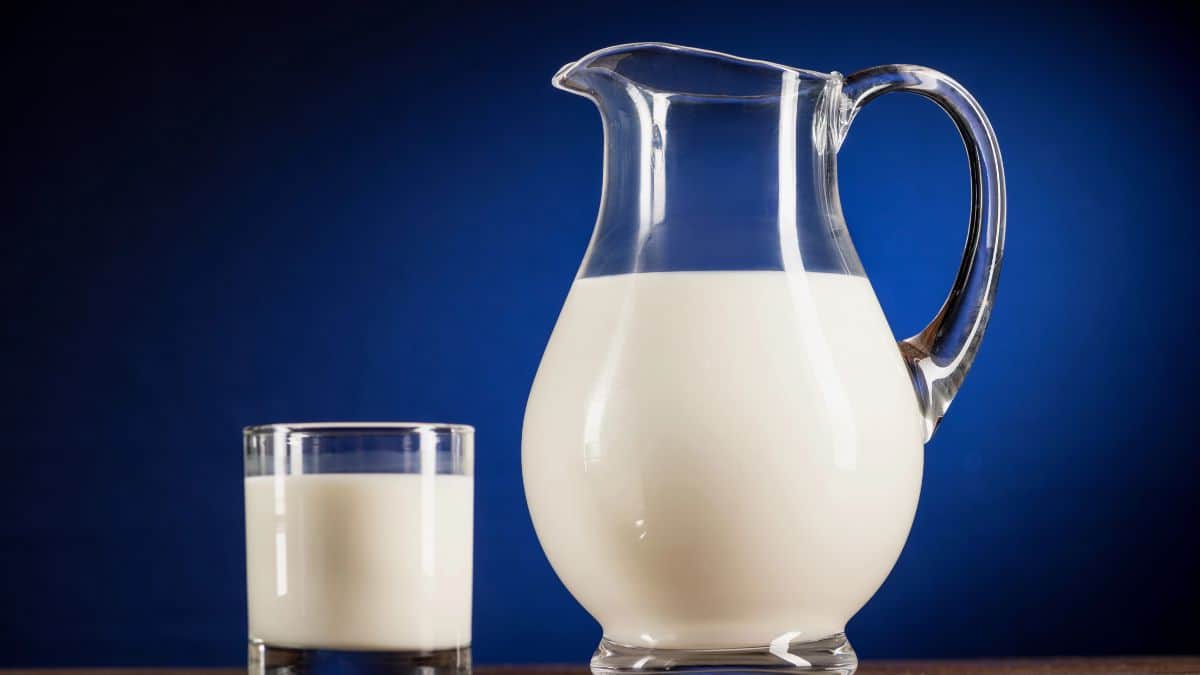
Lab-grown milk is an innovative alternative that mimics traditional dairy without involving animals. Created using precision fermentation, it offers the same taste, texture, and nutritional profile as cow’s milk. Lab-grown milk is lactose-free and environmentally friendly, reducing the carbon footprint associated with dairy farming.
Though still in its early stages, it can potentially revolutionize the dairy industry. It’s ideal for those who want real milk's benefits without ethical or environmental concerns. Watch for this game-changing option as it becomes more widely available.
Quinoa Milk: Protein-Packed and Nutritious

Quinoa milk is a lesser-known but highly nutritious dairy alternative. Made from quinoa seeds, it’s naturally rich in protein, fiber, and essential amino acids. Its slightly nutty and earthy flavor works well in cereals, smoothies, and baking.
Quinoa milk is also gluten-free and often fortified with vitamins and minerals. While it’s not as creamy as other options, it’s a great choice for those seeking a nutrient-dense alternative. Its unique flavor and health benefits make it a standout option in the plant-based aisle.
Sunflower Seed Milk: Allergen-Friendly and Nutty

Sunflower seed milk is an allergen-friendly alternative made from sunflower seeds and water. It’s a good source of vitamin E, which supports skin and immune health. Its light and nutty flavor pairs well with cereals, coffee, and light cooking.
Sunflower seed milk is free of common allergens like nuts, soy, and gluten, making it suitable for various diets. It’s also a sustainable choice, as sunflower seeds are easy to grow and require fewer resources. Give it a try for a light and nutritious option that’s easy on the planet.
Banana Milk: Naturally Sweet and Creamy

Banana milk is a fun and naturally sweet alternative to blended bananas and water. It’s often enhanced with other ingredients like oats or nuts for added creaminess and flavor. Banana milk is perfect for smoothies, cereals, and drinking alone.
It’s also a good source of potassium, supporting muscle and heart health. Its natural sweetness eliminates the need for added sugars, making it healthier. If you love bananas, this creamy and delicious option is a must-try.
Leave a Reply