
America gets a lot of side-eye for portion sizes, drive-thru culture, and putting cheese on things that probably didn’t ask for it. And yet. Somehow. Against all odds. The rest of the world cannot stop talking about American food.
Want to Save This Recipe?
Enter your email & I'll send it to your inbox. Plus, get great new recipes from me every week!
By submitting this form, you consent to receive emails from Blue's Best Life.
These dishes show up on travel bucket lists, spark heated online debates, and inspire “authentic American” restaurants thousands of miles away. They’re indulgent, chaotic, comforting, and occasionally excessive in the most American way possible. Love them or judge them, these foods have gone global, and they’re not asking for permission.
Cheeseburgers
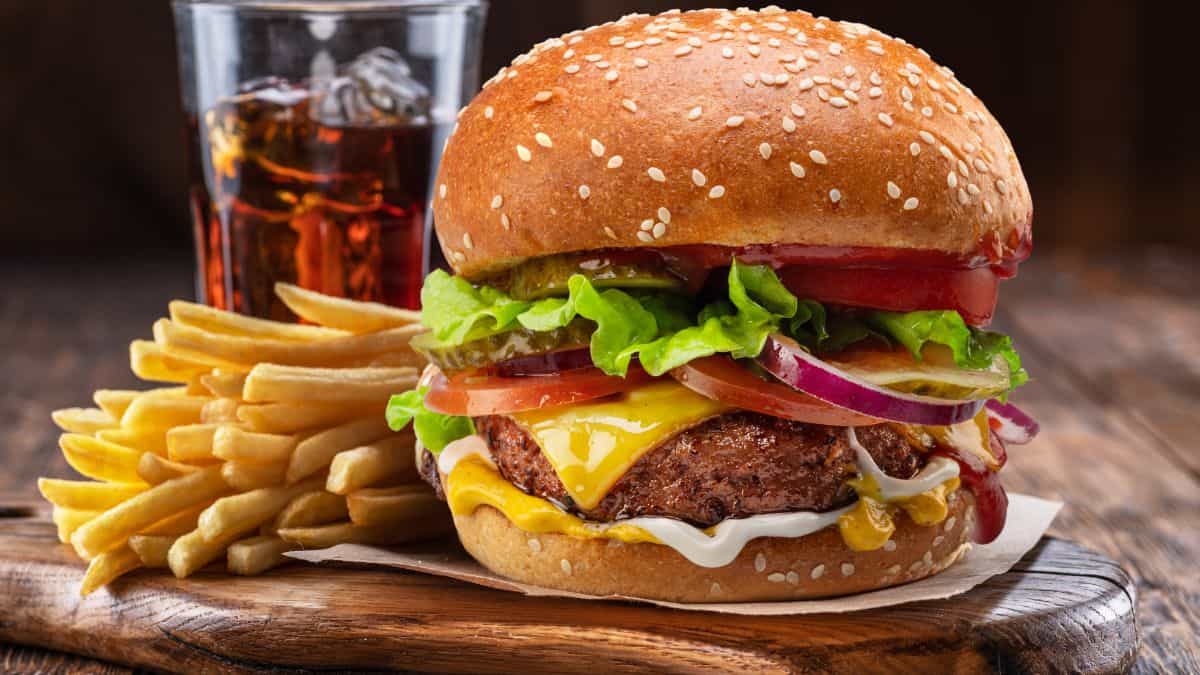
The cheeseburger is America’s edible personality test. Simple on paper, endlessly dramatic in real life. Around the world, it’s treated like a sacred object; menus proudly announce “American-style burger” as if that explains everything. The beauty is in the layers: juicy beef, melted cheese doing its thing, a bun that somehow survives the situation.
Abroad, people romanticize the burger like it’s a symbol of freedom, diners, and eating with both hands unapologetically. There’s also something deeply American about how customizable it is. No two burgers are ever the same, and yet everyone claims theirs is the best. The rest of the world loves it, studies it, recreates it, and then argues about whether it’s better at home.
Pizza (American Style)
Yes, pizza technically came from Italy. No, that does not stop American pizza from stealing the spotlight. Thick crusts, floppy slices, grease that requires napkins and emotional commitment, this is the version people line up for when visiting the States. Outside the U.S., American pizza is often described with awe and mild concern.
It’s bigger, heavier, louder, and somehow still disappears in minutes. New York slices get folded like edible envelopes, while other versions resemble cheese-covered architecture. The rest of the world may insist Italian pizza is superior, but when faced with a massive American slice at midnight, resistance tends to crumble quickly.
Fried Chicken
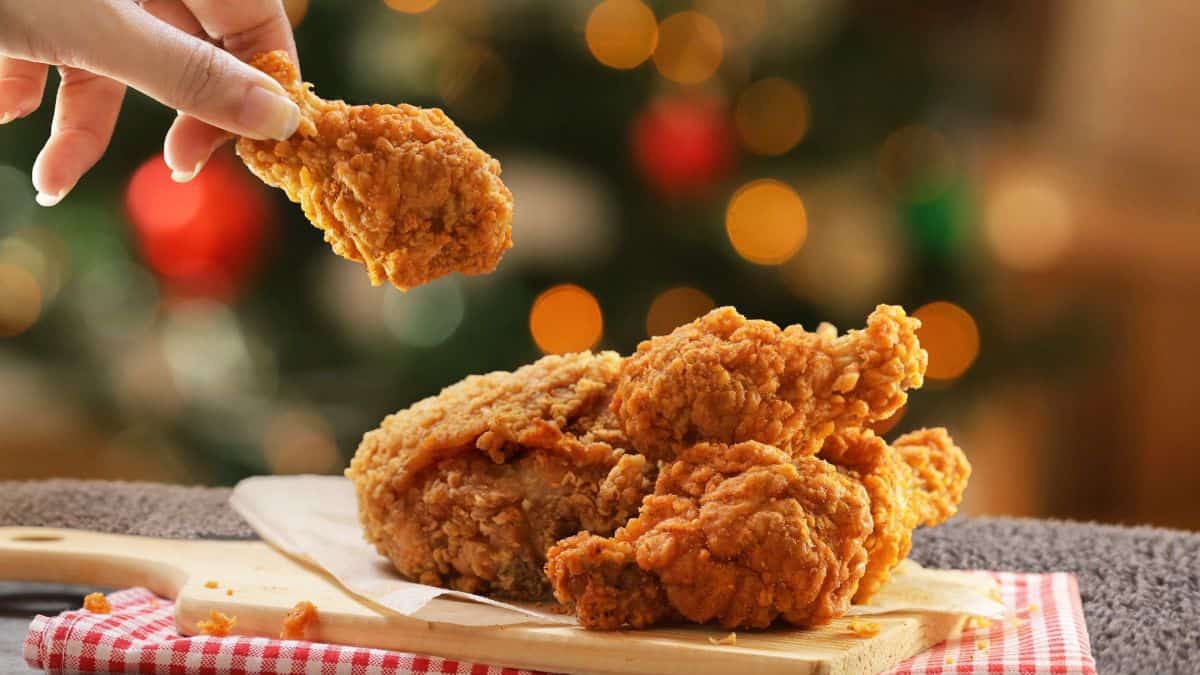
American fried chicken has a global fan base that borders on devotion. Crispy, golden, loud when you bite into it, this is not a quiet food. Other countries have their own versions, but American fried chicken is viewed as the benchmark, the blueprint, the final boss. It’s the crunch that does it. That aggressive crunch followed by juicy, seasoned meat feels almost theatrical.
People travel just to try it in its “natural habitat,” usually paired with questionable napkin availability. There’s something universally comforting about fried chicken, but America turned it into an experience. The rest of the world isn’t just eating it, they’re chasing the feeling.
Barbecue
American barbecue is less a food and more a lifestyle, and the world finds that fascinating. The slow cooking, the regional rivalries, the confidence—everyone claims they do it best, loudly. Abroad, American barbecue is seen as deeply serious business.
Smoke, sauce debates, and meat that falls apart if you look at it wrong. It’s messy, it takes forever, and it’s absolutely worth it. There’s a romance to barbecue that outsiders love: backyard gatherings, secret rubs, and someone guarding the grill like it’s a family heirloom. You don’t just eat barbecue. You commit to it. The rest of the world respects that level of dedication.
Mac and Cheese

Mac and cheese is the dish people underestimate until it ruins them emotionally. To outsiders, it looks simple. Pasta. Cheese. How impressive could it be? Then they taste it. Creamy, comforting, slightly embarrassing in how satisfying it is, American mac and cheese hits a nostalgic nerve even if you didn’t grow up with it.
It’s often described abroad as “childhood food,” said with affection and confusion. Why is it so good? Why do adults love it this much? Why does it feel like a hug in a bowl? America may not have invented comfort food, but it perfected this one.
Pancakes
American pancakes are tall, fluffy, and unapologetically dramatic. They don’t lie flat or pretend to be subtle. They stack high, soak up syrup like it’s their job, and arrive at the table already feeling indulgent. Outside the U.S., these pancakes are often labeled “dessert for breakfast,” which is fair.
They represent a certain American optimism, the belief that breakfast should be fun, sweet, and borderline excessive. The rest of the world loves them for their softness and spectacle. Thin crepes are elegant, sure, but American pancakes show up ready to party before noon.
Apple Pie

Apple pie has somehow become shorthand for America itself, and the world has accepted that assignment. Even in countries with incredible desserts, American apple pie holds a special place. Warm apples, cinnamon, flaky crust, it’s familiar without being boring. There’s something deeply comforting about it, like it belongs at every table regardless of where you’re from.
Outside the U.S., apple pie is often described as “classic” or “storybook American,” served with curiosity and respect. It feels homemade even when it’s not. That emotional connection is why it travels so well. Apple pie isn’t flashy; it’s reassuring, and the world loves that energy.
American food may be loud, indulgent, and occasionally over the top, but that’s exactly why it works. These dishes don’t whisper. They show up confidently, ask for your full attention, and somehow win people over across borders. Whether it’s comfort, nostalgia, or sheer curiosity, the rest of the world keeps coming back for another bite. And honestly, that feels very on brand.
Leave a Reply